Cattell
 Call Kai
 Learn
Learn Practice Test
 Spaced Repetition
 Match
Match Flashcards
 Knowt Play
1/29

There's no tags or description
Looks like no tags are added yet.
Name | Mastery | Learn | Test | Matching | Spaced | Call with Kai |
|---|
No analytics yet
Send a link to your students to track their progress
30 Terms
Psychological type vs trait
A psychological type is a broader description of personality than a trait and is often characterised by abnormal psychology
Ex. A villain is a type of person characterised by traits such as sadism, cruelty, and psychopathy
Personality traits, according to Cattell
The basic structural units of personality
What are the seven types of traits, according to Cattell
Common
Unique
Ability
Temperament
Dynamic
Source
Surface
Common traits
Common traits are universal and possessed by everybody
Ex. Extroversion
Unique traits
Traits that are peculiar to an individual
Ex. Cattell classified hobbies, such as crocheting, as unique traits, but personality psychologists don’t
Ability trait
How well you can achieve a goal–how well you can perform something, and how fast you can do something.
Ex. Significant musical aptitude
Temperament trait
Largely inherited—how a person behaves–the emotional tone of their behaviour
Ex. A dominant individual being very rude

Dynamic trait
Explain why a person behaves in a given way; what defines their motivations
Ex. A person’s commitment to their aspiring career causes a desire for a 4.0 GPA

Source traits
Stable and permanent; they are the fundamental underlying traits of someone’s behaviour.
Surface traits
Unstable and impermanent characteristics of the source traits
Surface/source trait example
Being kind is a surface trait that is a compound of the source trait of agreeableness
What was Cattell’s field of study used to measure various aspects of people’s mind?
Psychometry
Psychometry and the personality sphere
A personality sphere is a concept or look into an individual’s total behaviour, which is required for a psychometrist to get a complete and unbiased measure of an individual’s personality

What three types of data did Cattell believe were necessary to get an understanding of an individual’s personality sphere
L-Data
T-Data
Q-Data
L-Data
Life outcome data, which is a measure of someone’s life record—any type of behaviour that can be observed and recorded via metric.
Ex. GPA, number of parking tickets, or the number of arrests
Q-Data
Information provided by questionnaires
Ex. Completing the five-factor scale
T-Data
Test-data provided from objective tests.
Ex. Researchers often confine behaviour in these lab tests—to study neuroticism, you may tell the participants that they may get a big test
How many of these types of data did Cattell believe you needed to use?
Cattell thought that if you were studying personality, you had to use more than 1 of these types of data
What are Cattell’s six life stages of personality development?
Infancy
Childhood
Adolescense
Maturity
Middle Age
Old Age
Infancy
Birth - 6 years
An excellent formative period of life, where you’re developing relations with family members, and basic attitudes, such as security and insecurity

Childhood
6-14 Years.
The child grows toward independence, develops relationships with their peers, and gets to know themself

Adolescence
14-23 Years.
Period of psychological stress with lots of adjustments and readjustments
Abnormalities begin to show up during this time

Maturity
23-46 Years.
Where you end up in adulthood, find a mate, create a family, and buy a home. It is a happy time for most people, but a shipwreck for those who failed to solve their struggles in adolescence.
NOTE: Personality finishes developing during this period

Middle age
46+ Years.
Demands a reevaluation of one’s life, because this stage is characterised by the beginning of certain physical and mental changes that begin the inevitable decline toward old age and death.

Old age
No beginning point, but Miranda thinks of the starting period as retirement
How do you maintain a positive attitude about your life, and how do you prepare for death?

Fluid vs. Crystallized intelligence
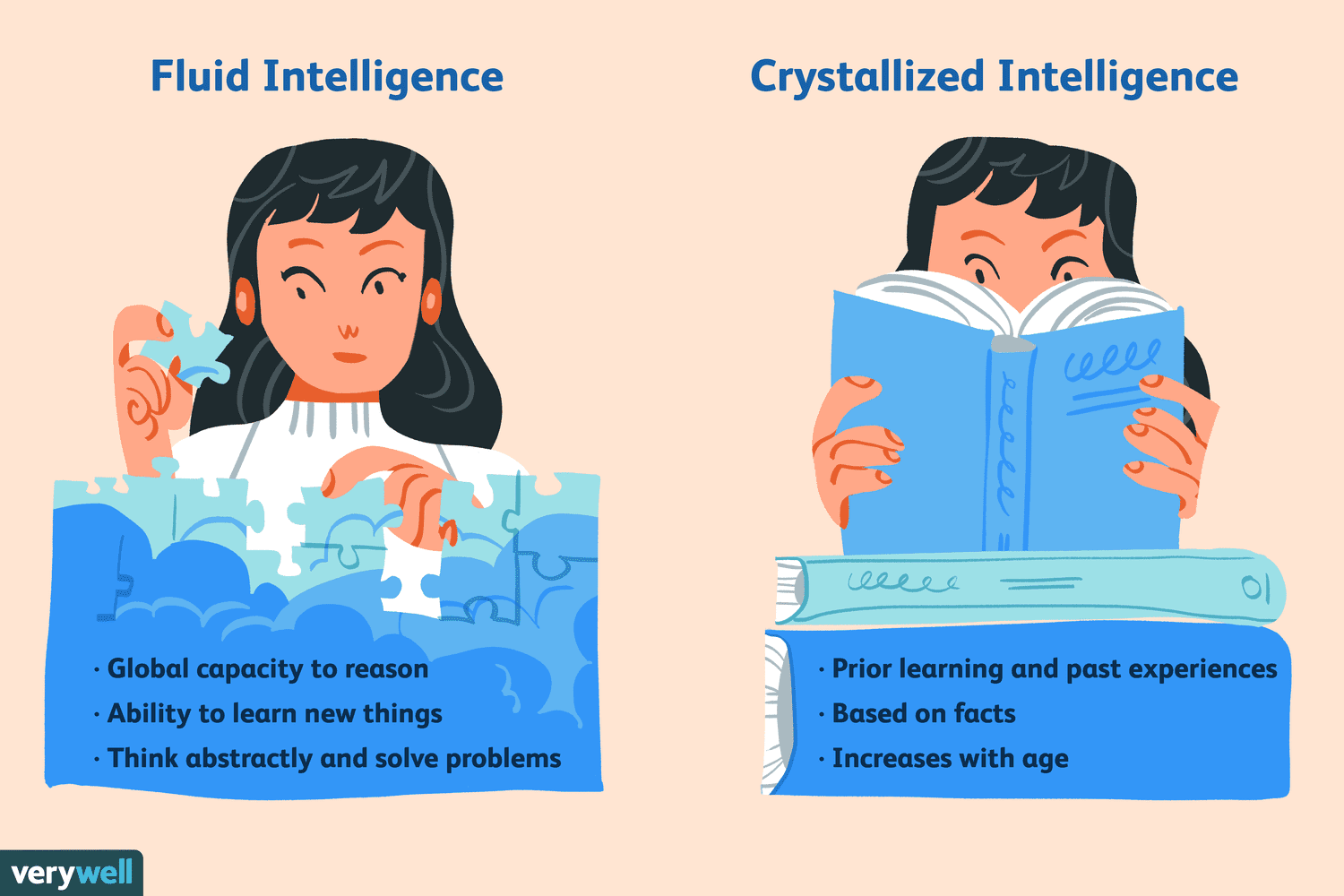
Fluid intelligence is the ability to reason quickly and solve novel problems independently of prior knowledge, while crystallized intelligence s the accumulation of knowledge, facts, and skills acquired over a lifetime, which tends to increase with age
Cattell’s controversial viewpoint on intelligence
Intelligence differed meaningfully across racial and ethnic groups and that these differences had implications for education, social policy, and reproduction.
Namely, that “low” groups, such as African Americans, should not have educational spending wasted on them, that they should stop having children, and the “high” groups should have more children and educational resources.
Similarities between Allport and Cattell
Each treat traits as relatively enduring dispositions that help explain consistent patterns of behavior, and both distinguish between traits that are widely shared and traits that are more individual
Allport described common traits versus personal dispositions, and Cattell accepted the distinction between common and individual traits, though he preferred the term unique traits
Differences between Allport and Cattell
Allport was more idiographic, humanistic, and centered on the individual person’s unique organization of traits and motives, whereas Cattell was more nomothetic, psychometric, and focused on reducing personality to measurable underlying factors that could predict behavior.
Differences between Cattell and psychoanalytic theories
Behaviour is caused by personality traits rather than the unconscious
Tests personality through Q-data, T-data, and L-data rather than through free association and dream analysis
No emphasis on sex
(Unlike with Freud), he believed personality finished developing in mid-adulthood, around age 46, rather than finishing in childhood. Although both agreed that it begins developing in childhood.