Thẻ ghi nhớ: Utimate challenge đề 2 (p3) | Quizlet
 Call Kai
 Learn
Learn Practice Test
 Spaced Repetition
 Match
Match Flashcards
 Knowt Play
1/41

There's no tags or description
Looks like no tags are added yet.
Name | Mastery | Learn | Test | Matching | Spaced | Call with Kai |
|---|
No analytics yet
Send a link to your students to track their progress
42 Terms
reinforce (v)
củng cố, tăng cường = strengthen, fortify >< weaken. Ví dụ: Training programs reinforce teamwork skills among employees.

subsequent (adj)
xảy ra sau = following, succeeding >< previous. Ví dụ: Subsequent meetings resulted in long-term business contracts.
tangible (adj)
hữu hình, rõ ràng = concrete, real >< intangible. Ví dụ: The new policy brought tangible benefits to the company.
unify (v)
thống nhất = unite, combine >< divide. Ví dụ: The campaign aims to unify the company's global image.

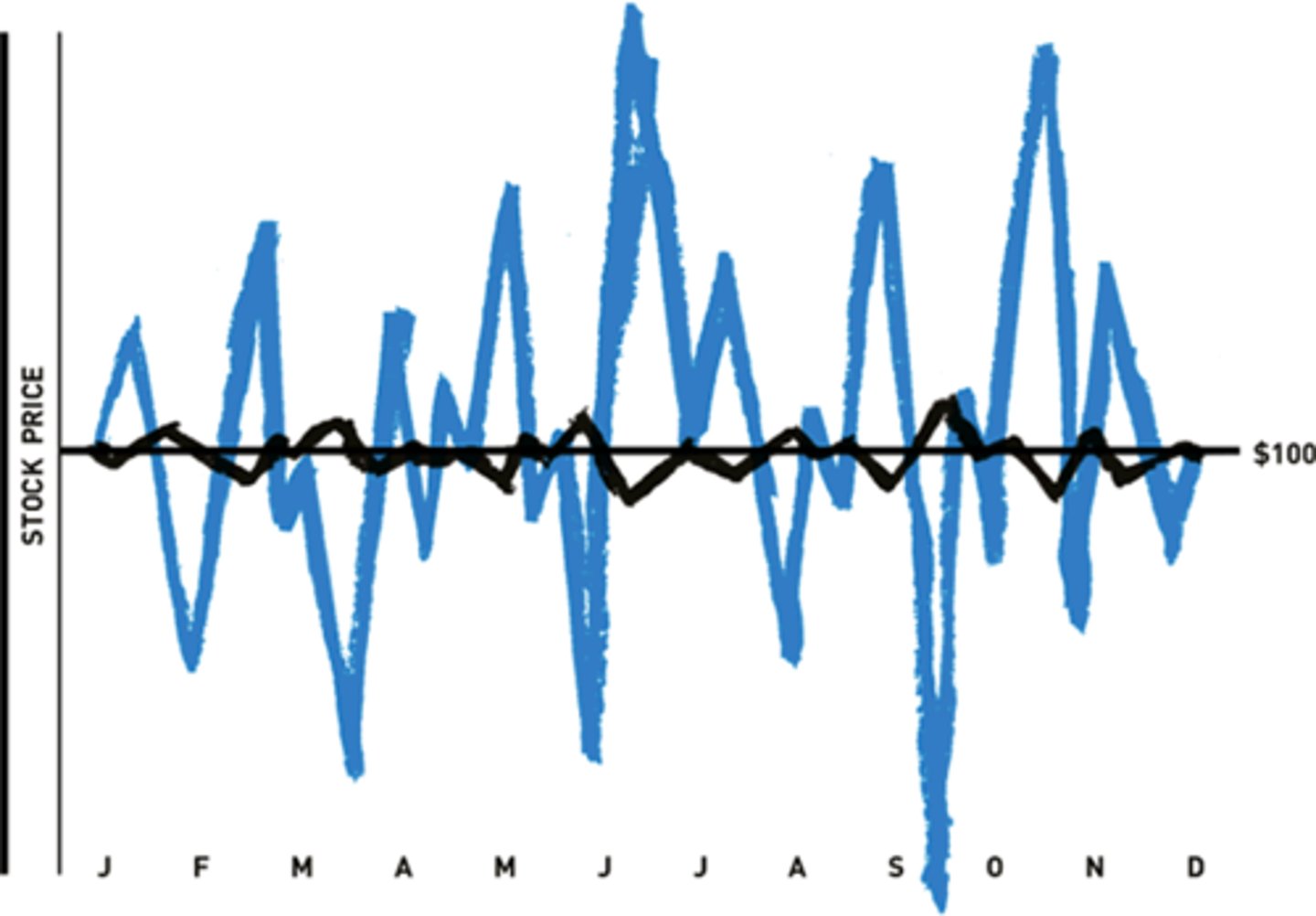
volatile (adj)
biến động, không ổn định = unstable, erratic >< stable. Ví dụ: Investors should be careful with volatile stock markets.
accumulate (v)
tích lũy = gather, amass >< lose. Ví dụ: Travelers accumulate valuable experiences during journeys abroad.

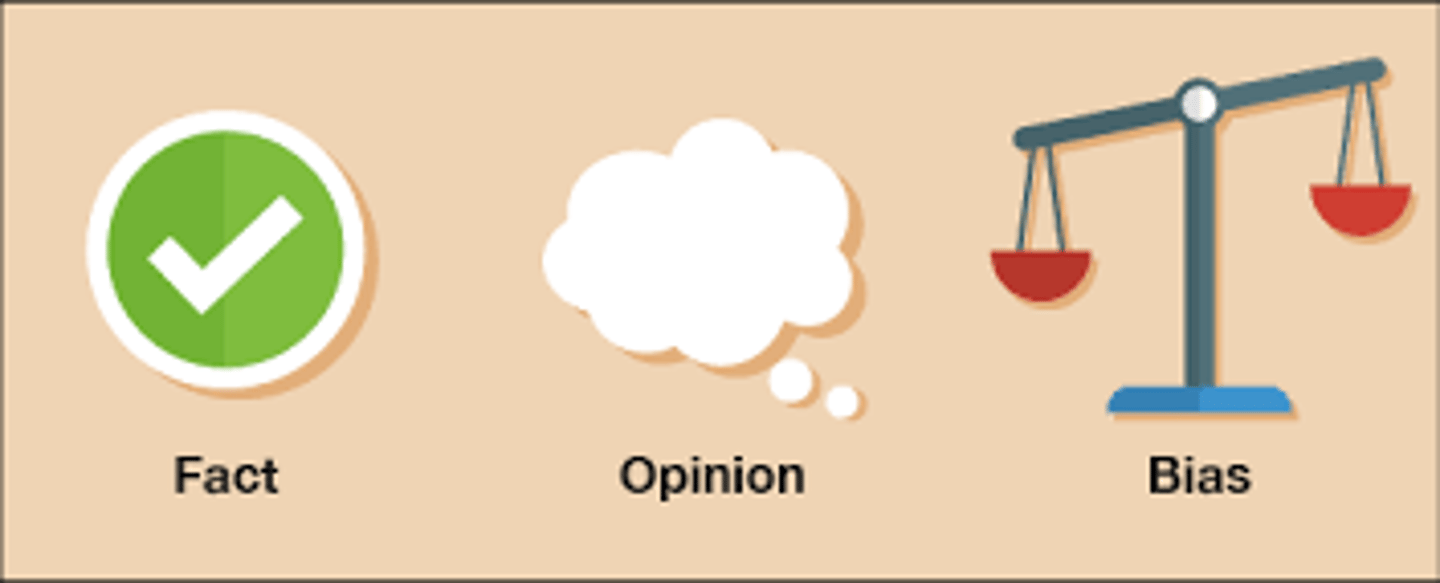
bias (n/v)
sự thiên vị = prejudice, partiality >< fairness. Ví dụ: Teachers should avoid personal bias when grading students.
coincide (v)
trùng hợp = concur, overlap >< differ. Ví dụ: The festival will coincide with the national holiday.

depict (v)
mô tả, khắc họa = portray, illustrate >< conceal. Ví dụ: Ancient paintings depict traditional farming activities.
empirical (adj)
thực nghiệm = factual, experimental >< theoretical. Ví dụ: Scientists rely on empirical evidence to support conclusions.

formulate (v)
đề ra, xây dựng = devise, create >< destroy. Ví dụ: Executives formulated a new strategy for business expansion.

genuine (adj)
thật, chân thành = authentic, sincere >< fake. Ví dụ: The store guarantees that all products are genuine.

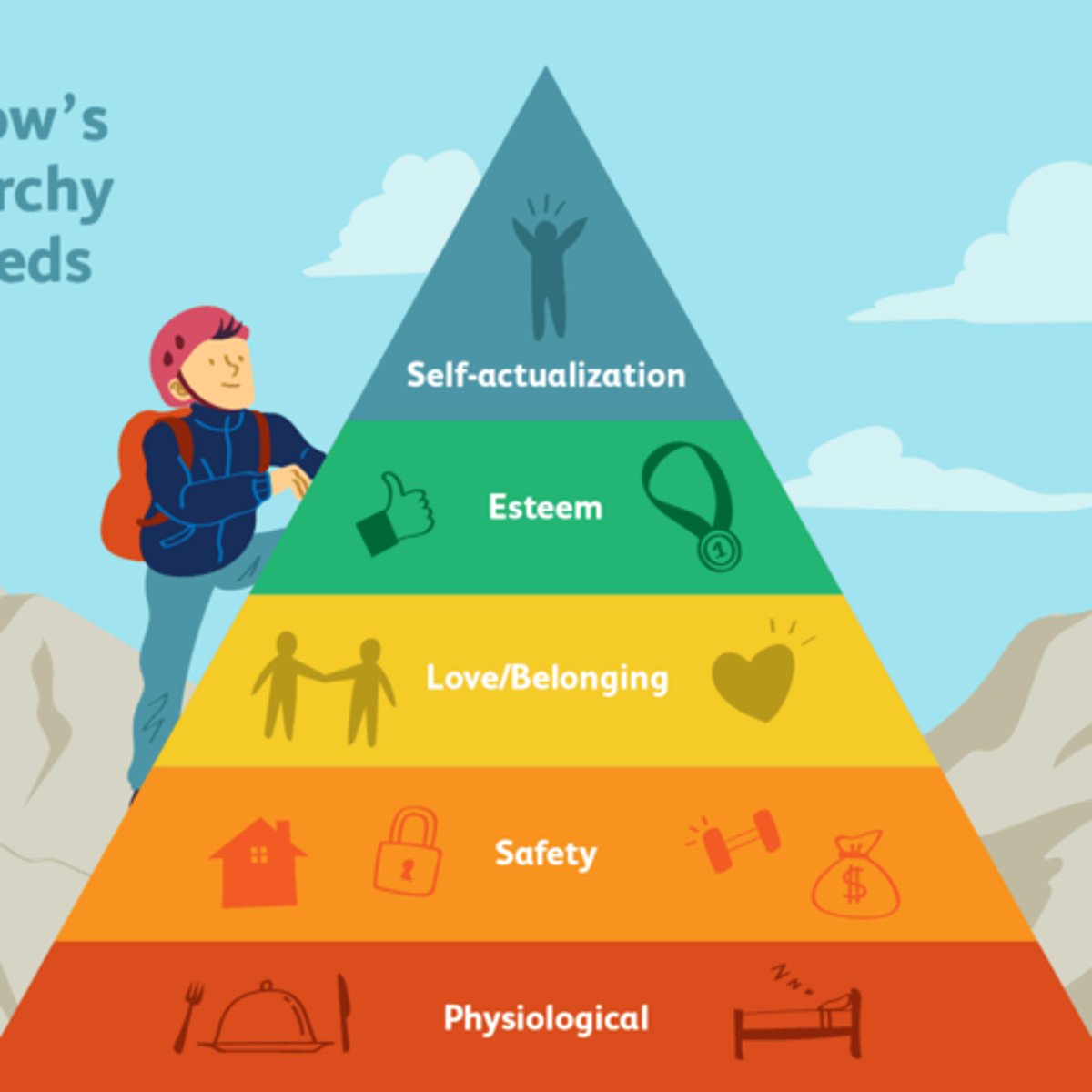
hierarchy (n)
hệ thống cấp bậc = ranking, ladder >< equality. Ví dụ: Employees must follow the corporate management hierarchy.
imply (v)
ngụ ý = hint, suggest >< state directly. Ví dụ: His comments imply that prices may rise soon.
justify (v)
biện minh = defend, explain >< condemn. Ví dụ: Managers justified the decision with financial reports.

leverage (v/n)
tận dụng, đòn bẩy = utilize, capitalize on >< waste. Ví dụ: Companies leverage social media to attract customers.

manifest (v/adj)
biểu lộ = display, exhibit >< hide. Ví dụ: Stress can manifest through physical symptoms.

notion (n)
quan niệm, khái niệm = idea, belief >< reality. Ví dụ: Historical evidence challenges the old notion about rural life.
objective (n/adj)
mục tiêu; khách quan = goal, unbiased >< subjective. Ví dụ: The objective of the course is to improve communication skills.

paradigm (n)
mô hình, kiểu mẫu = model, pattern. Ví dụ: Technology created a new paradigm in modern education.

quantitative (adj)
thuộc định lượng = numerical, measurable >< qualitative. Ví dụ: Analysts collected quantitative data on sales revenue.

reluctant (adj)
miễn cưỡng = unwilling, hesitant >< eager. Ví dụ: Some customers are reluctant to shop online.

simultaneous (adj)
đồng thời = concurrent, parallel >< separate. Ví dụ: The event was broadcast simultaneously across many countries.

trigger (v/n)
gây ra, kích hoạt = spark, activate >< stop. Ví dụ: Sudden stress may trigger health problems.

undergo (v)
trải qua = experience, endure >< avoid. Ví dụ: The airport will undergo major renovations next year.
validity (n)
tính hợp lệ = authenticity, soundness >< invalidity. Ví dụ: Lawyers checked the validity of the contract carefully.

widespread (adj)
lan rộng = common, prevalent >< limited. Ví dụ: Remote work gained widespread support after the pandemic.

yield (v/n)
tạo ra, mang lại = produce, provide >< consume. Ví dụ: Modern farming methods yield larger harvests.
acute (adj)
nghiêm trọng, cấp tính = severe, critical >< mild. Ví dụ: Some regions suffer from an acute shortage of water.
boom (n/v)
bùng nổ, tăng trưởng mạnh = surge, flourish >< decline. Ví dụ: The tourism industry experienced a huge boom last year.

cohere (v)
gắn kết, mạch lạc = connect, unite >< separate. Ví dụ: The writer revised the chapters so the story would cohere smoothly.

devastate (v)
tàn phá = destroy, ruin >< protect. Ví dụ: Powerful storms can devastate coastal communities.
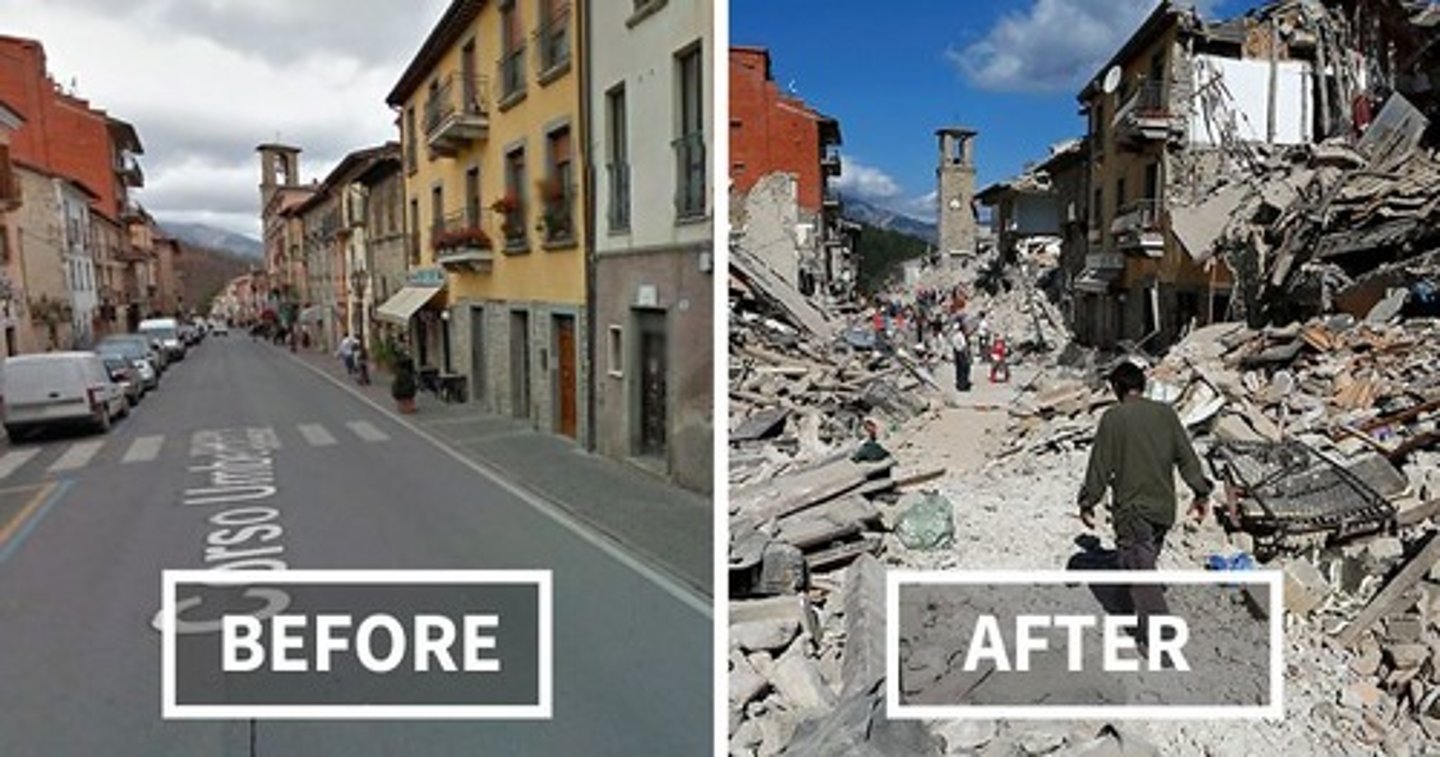
divert (v)
chuyển hướng = redirect, deflect >< maintain. Ví dụ: Police diverted traffic away from the accident site.

elicit (v)
gợi ra, khơi ra = evoke, obtain >< suppress. Ví dụ: The survey was designed to elicit honest responses.
gauge (v/n)
đo lường, đánh giá = estimate, evaluate >< ignore. Ví dụ: Managers use surveys to gauge employee satisfaction.

hamper (v)
cản trở = hinder, obstruct >< facilitate. Ví dụ: Heavy rain hampered rescue operations.
jeopardize (v)
gây nguy hiểm = endanger, threaten >< protect. Ví dụ: Sharing confidential information may jeopardize investments.

mar (v)
làm hỏng = spoil, damage >< improve. Ví dụ: Loud arguments marred the peaceful atmosphere of the resort.

nurture (v)
nuôi dưỡng = foster, cultivate >< neglect. Ví dụ: Schools should nurture creativity in young children.

outweigh (v)
lớn hơn, quan trọng hơn = surpass, exceed >< be outweighed by. Ví dụ: The benefits of exercise outweigh the risks.

perplex (v)
làm bối rối = confuse, puzzle >< clarify. Ví dụ: The unexpected results perplexed researchers.

reconcile (v)
hòa giải; làm nhất quán = harmonize, settle >< separate. Ví dụ: The accountant struggled to reconcile financial records.