Unit Two Test/American Art History
 Call Kai
 Learn
Learn Practice Test
 Spaced Repetition
 Match
Match Flashcards
 Knowt Play
1/34

There's no tags or description
Looks like no tags are added yet.
Name | Mastery | Learn | Test | Matching | Spaced | Call with Kai |
|---|
No analytics yet
Send a link to your students to track their progress
35 Terms
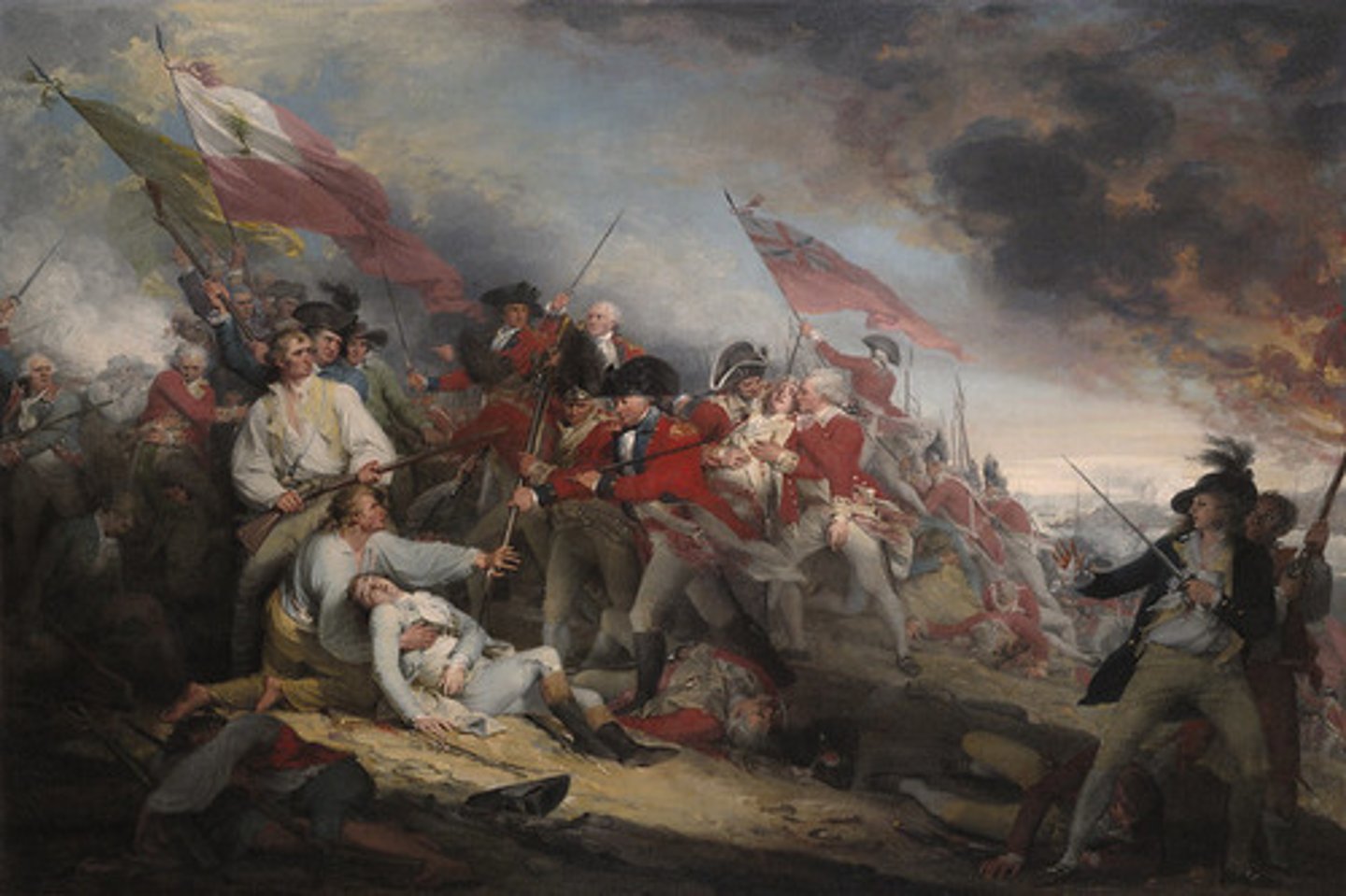
John Trumbull, The Death of General Warren at the Battle of Bunker's Hill, 17 June 1775, 1786 (1780s ok)
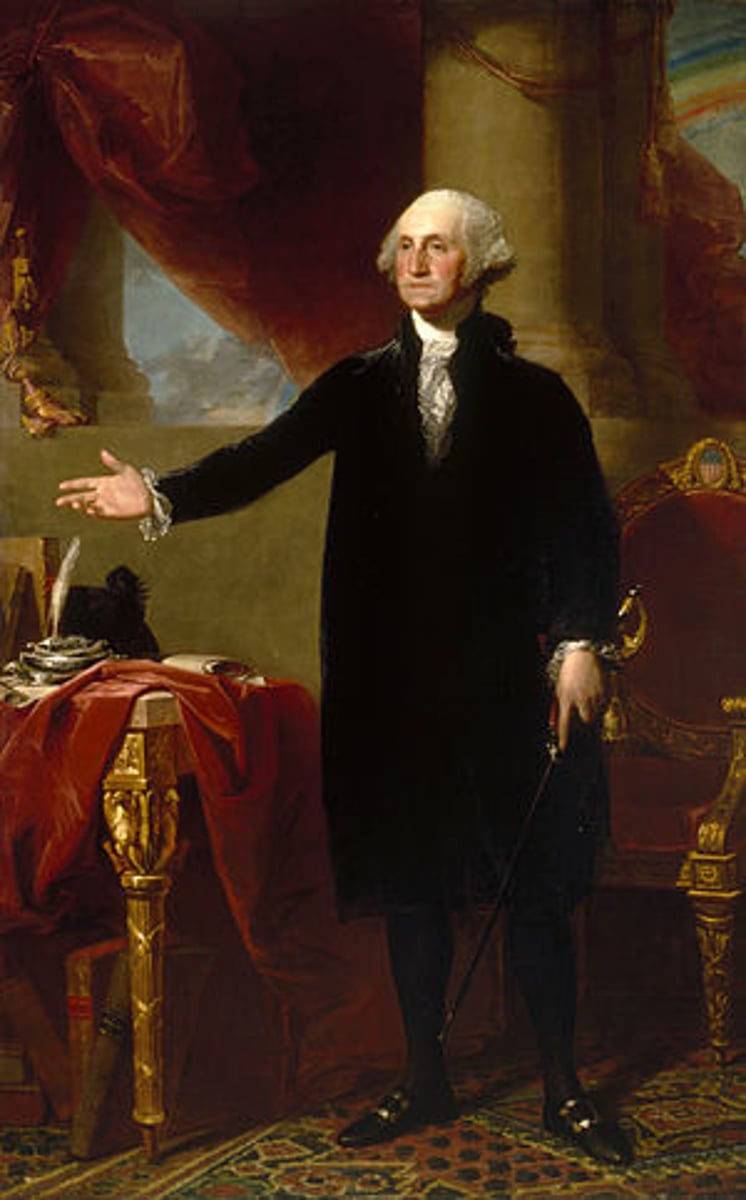
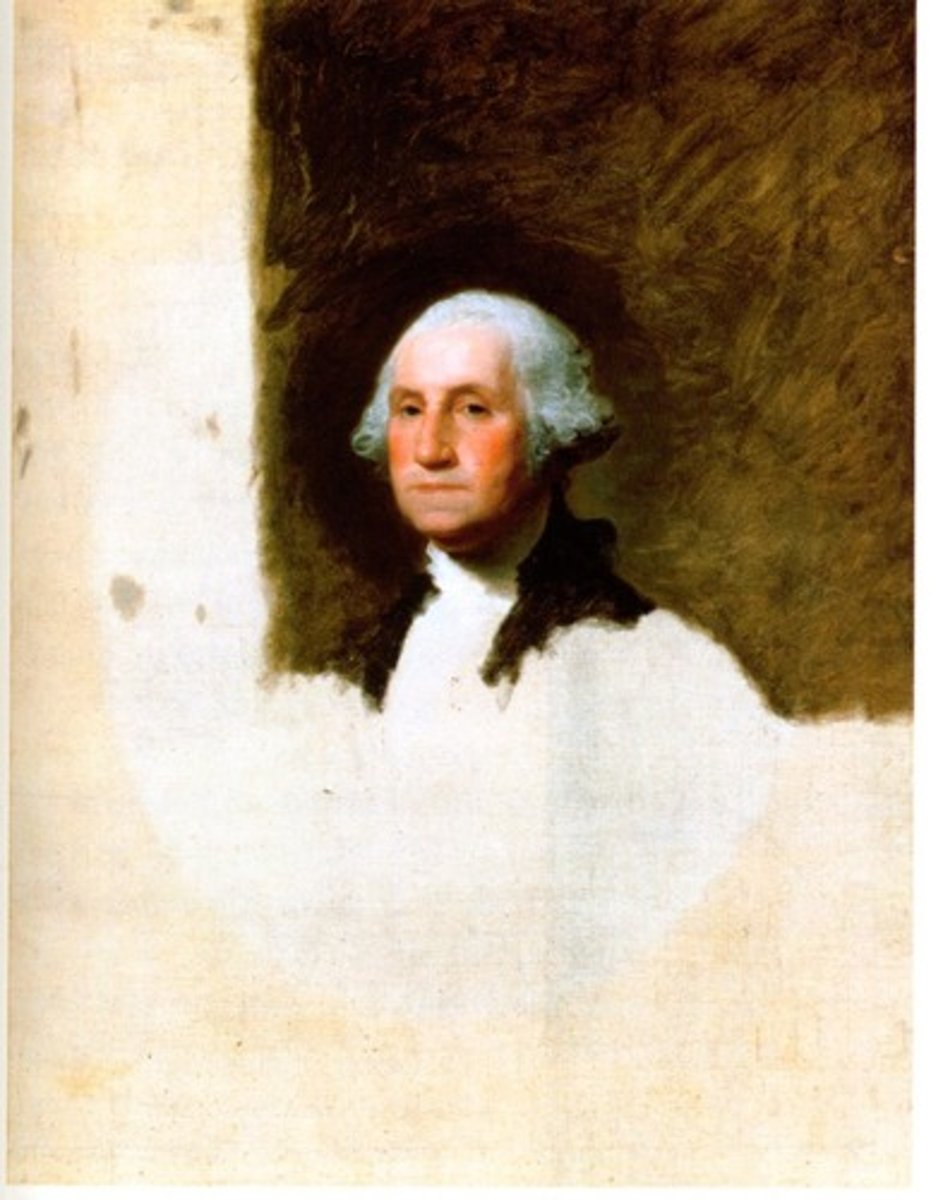
Gilbert Stuart, George Washington, 1796 (1790s ok)
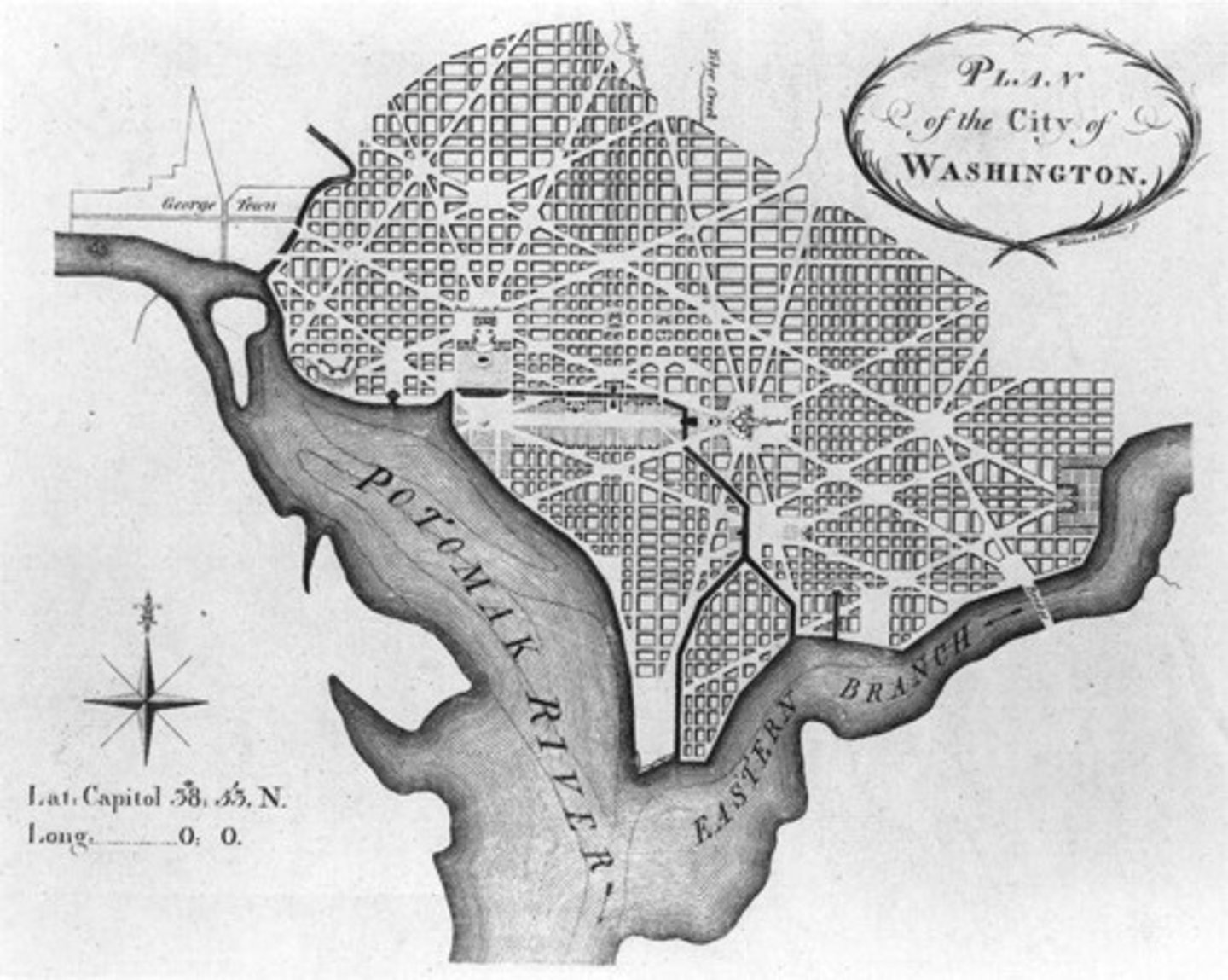
Pierre Charles L'Enfant, plan for Washington, DC, 1791 (1790s ok)
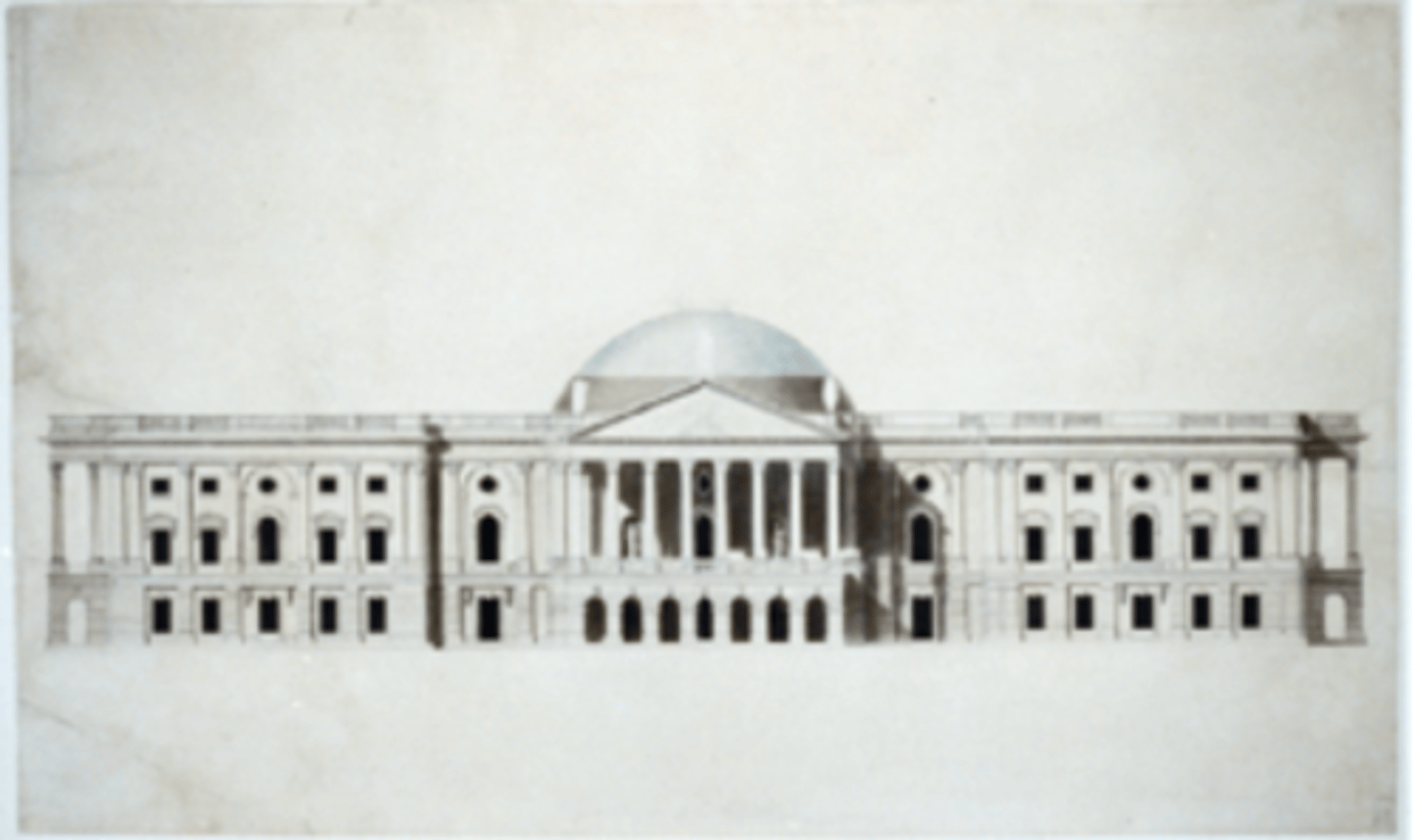
William Thornton, design for US Capitol, 1793 (1790s ok)
Joshua Johnston, Portrait of a Gentleman, 1805-10 (1800s or 1810s ok)
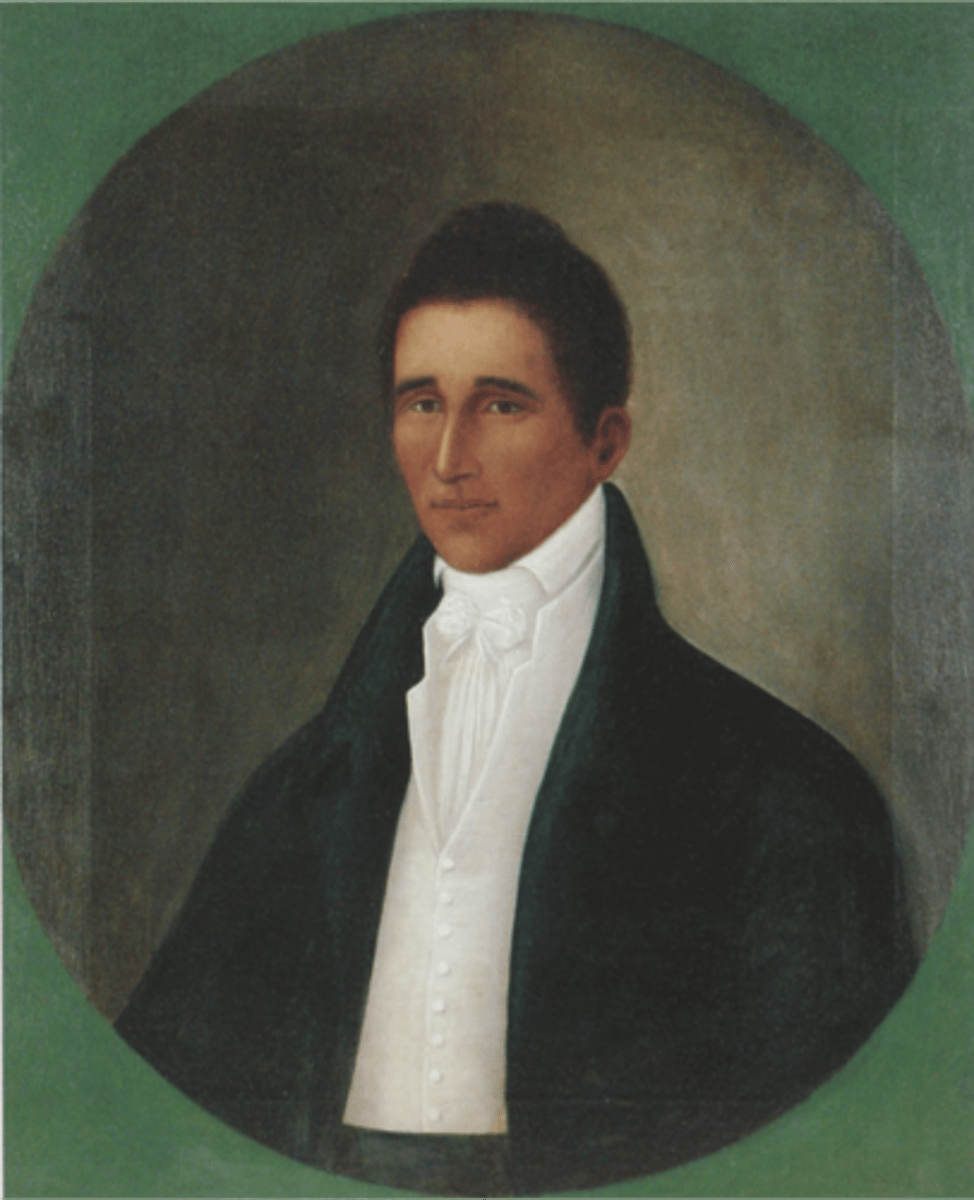
Mary Simon & others, Baltimore Album Quilt, 1847 (1840s)
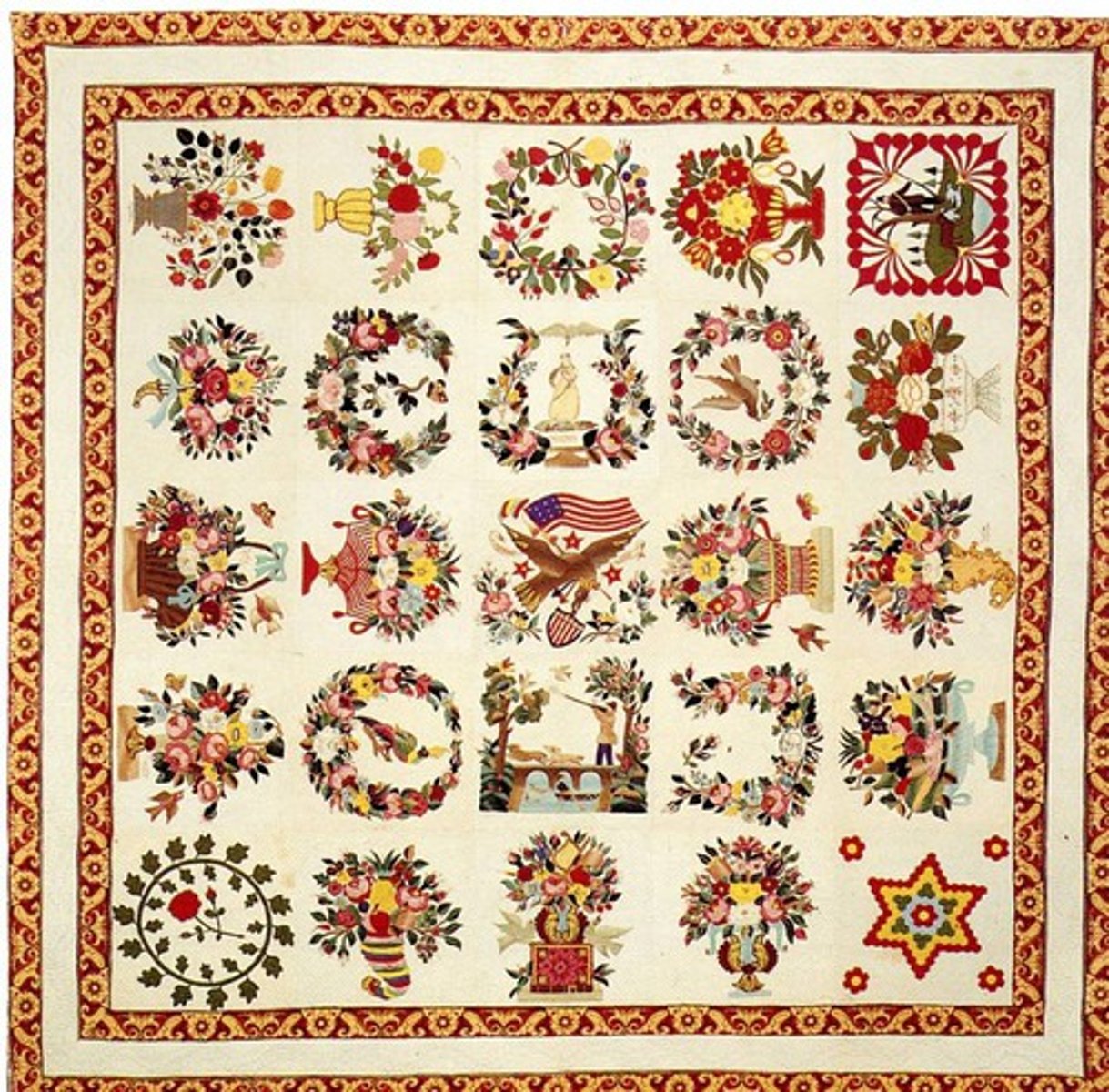
William Sidney Mount, Bargaining for a Horse, 1835 (1830s ok)
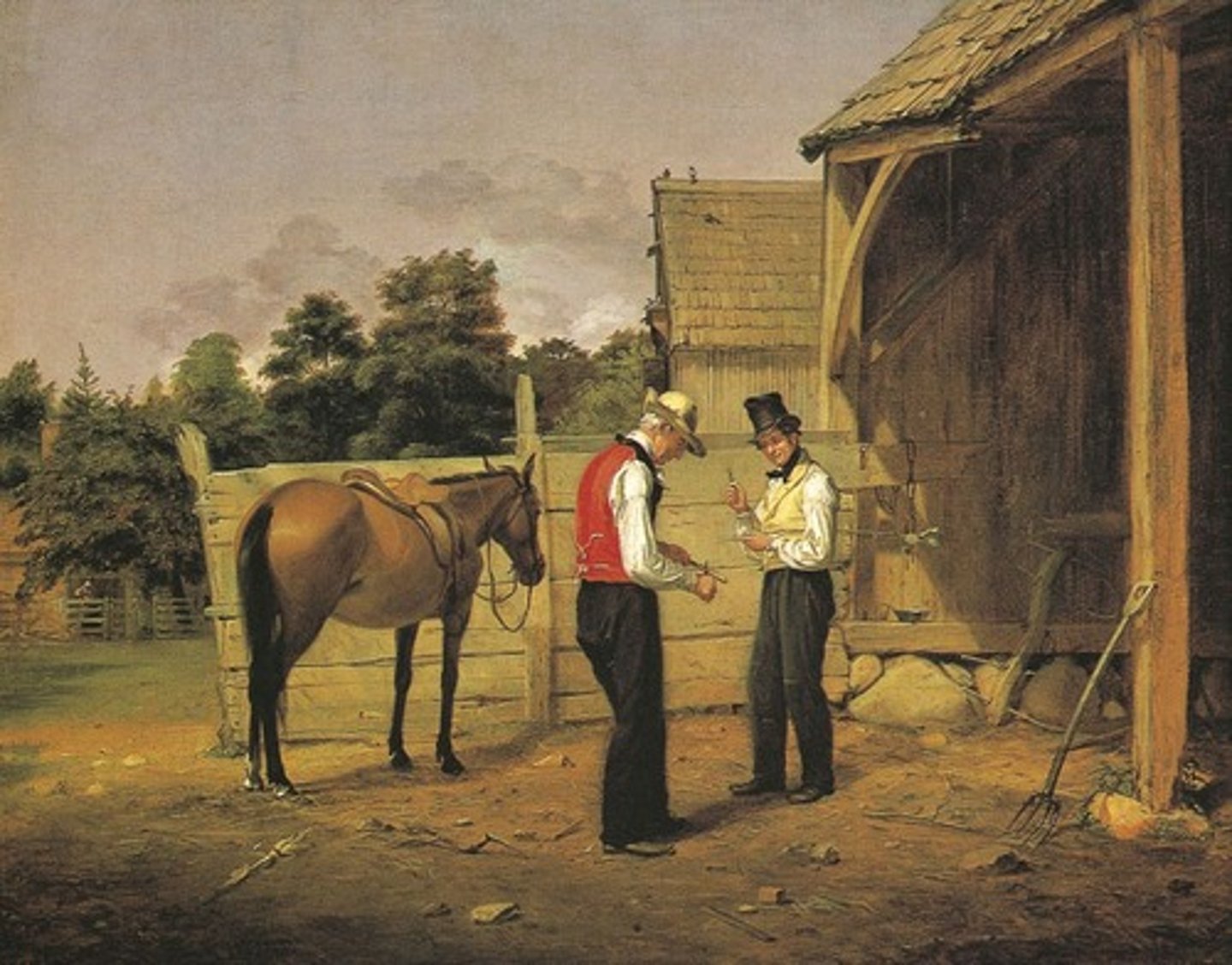
Richard Caton Woodville, War News from Mexico, 1848 (1840s)
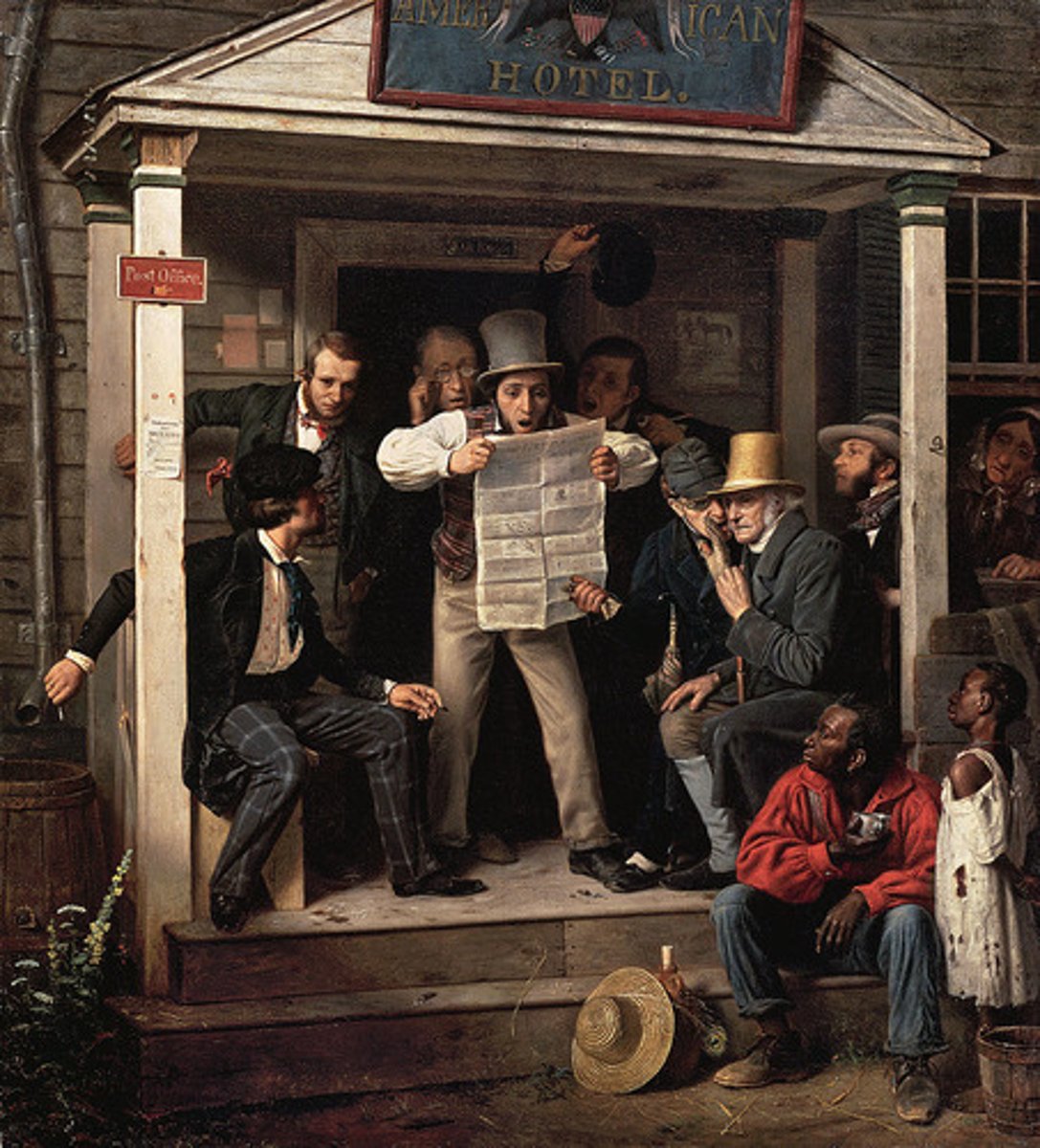
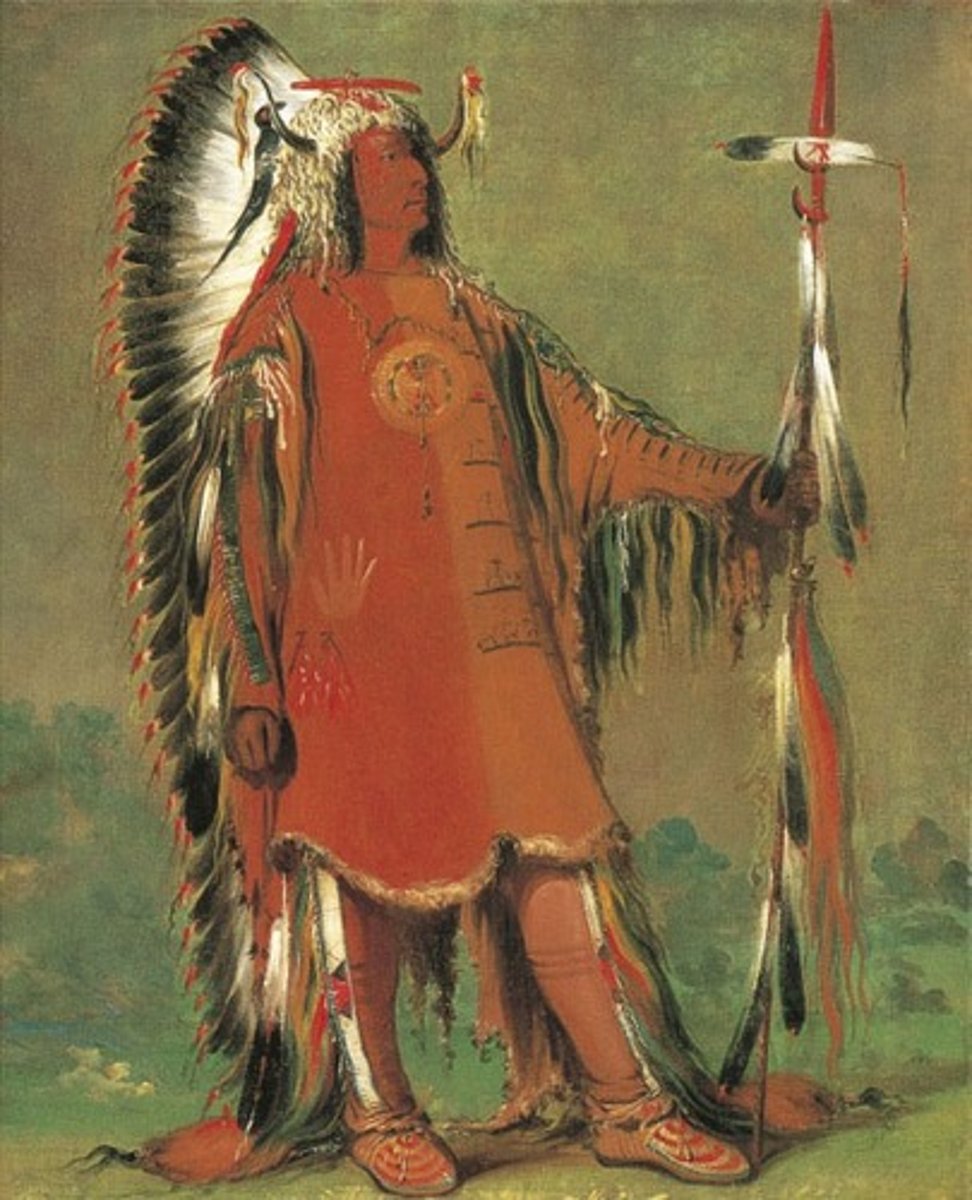
George Catlin, Mah-to-toh-pa, "Four Bears," 1832 (1830s ok)
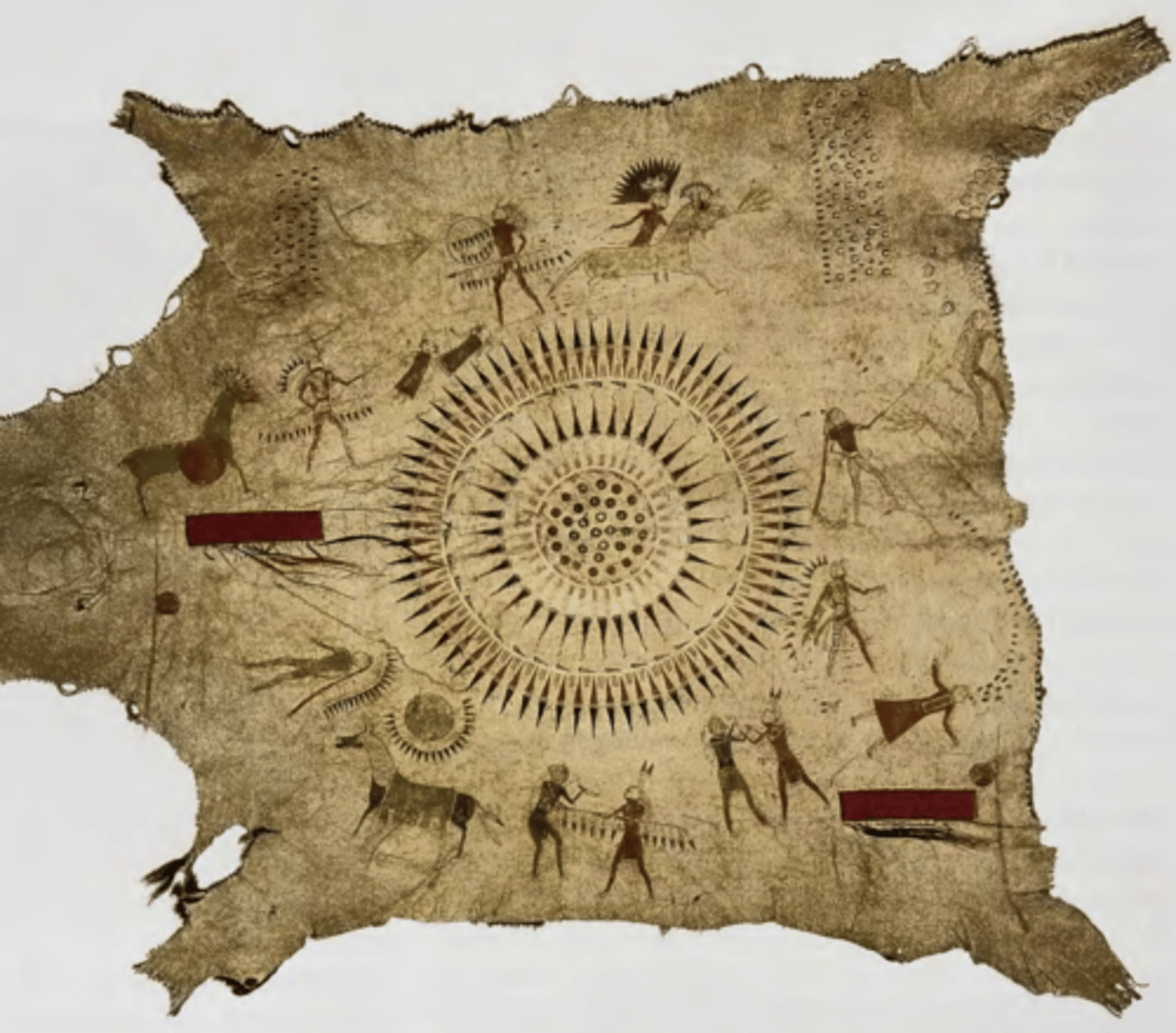
Ma-to-toh-pa, Painted buffalo robe, 1835 (1830s ok)
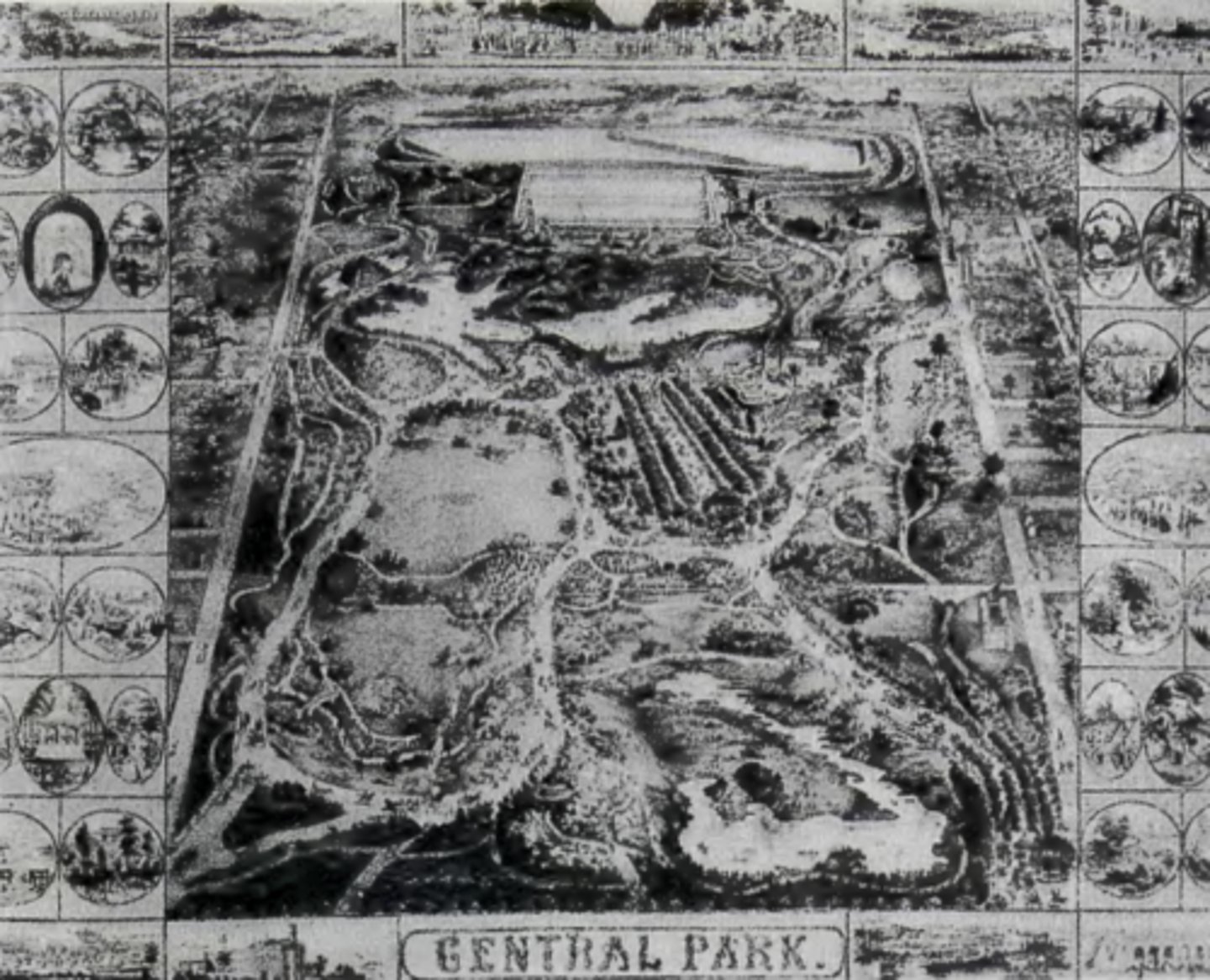
Frederick Law Olmsted and Calvert Vaux, plans for Central Park, New York, begun 1856 (1850s ok)
--textbook fig. 8.6, which lists John Bachmann as the artist who drew the lithograph—but it's the park's landscape architects Olmsted and Vaux whose names I want you to know. --
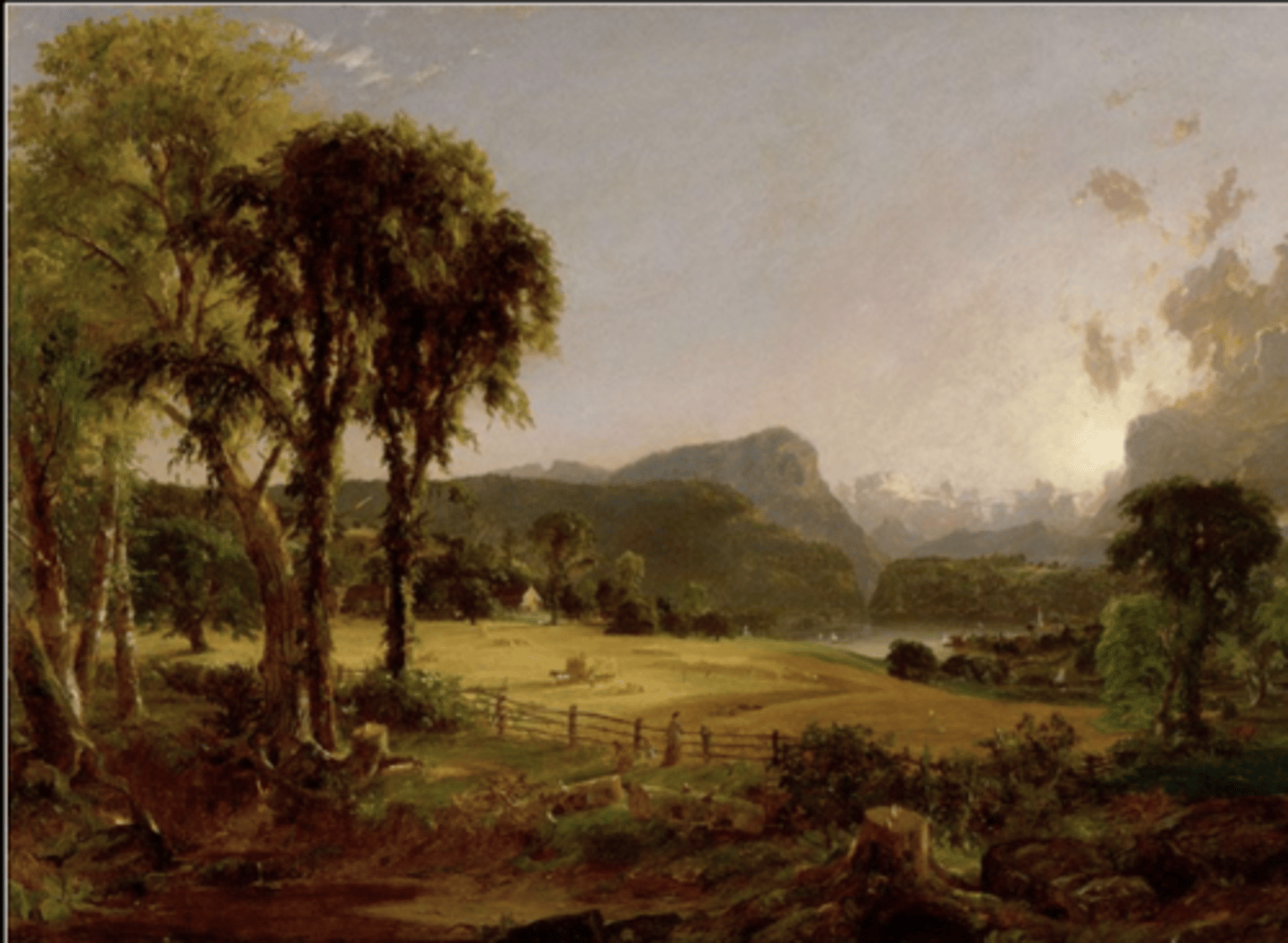
Jasper Cropsey, American Harvesting, 1851 (1850s ok)
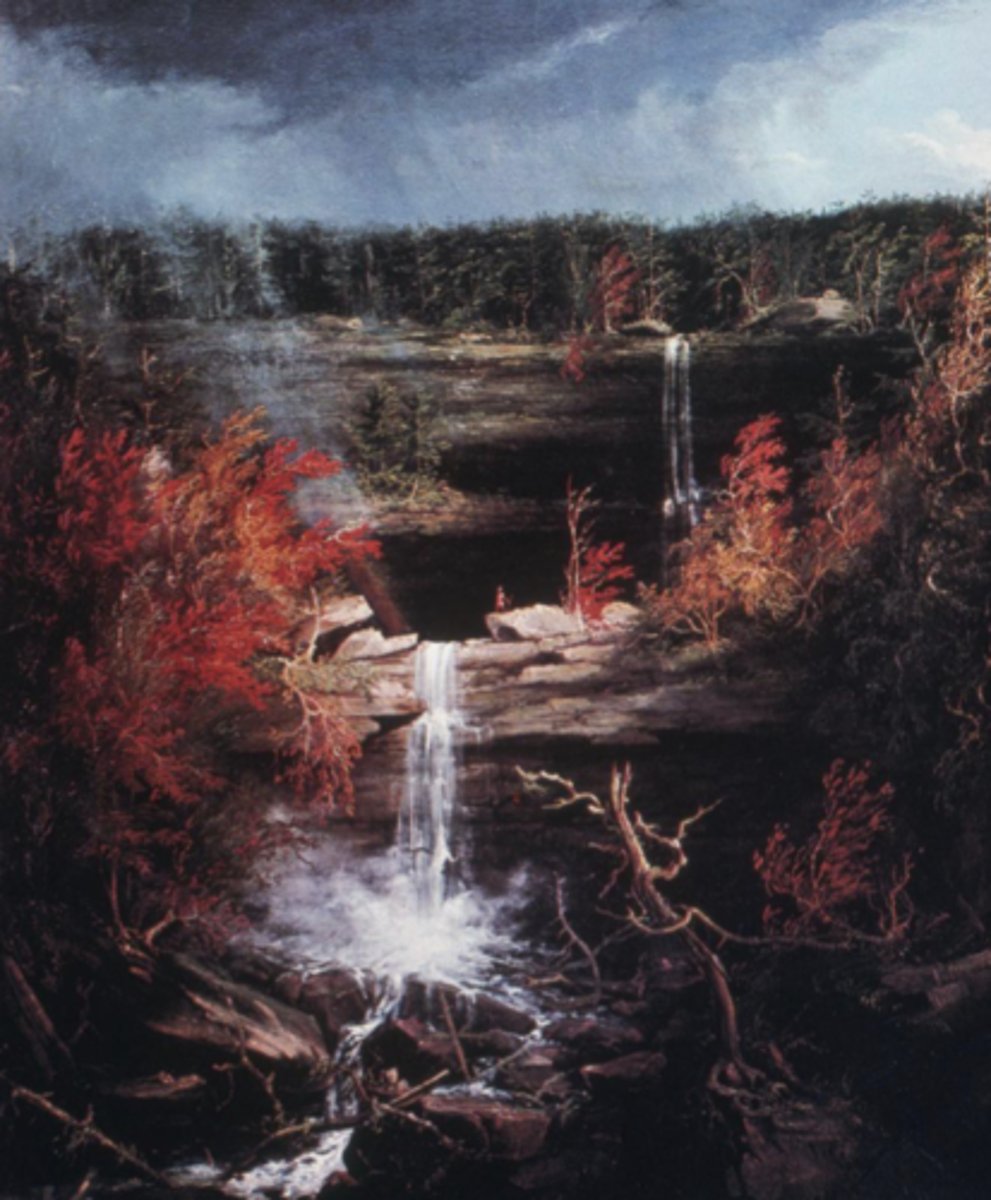
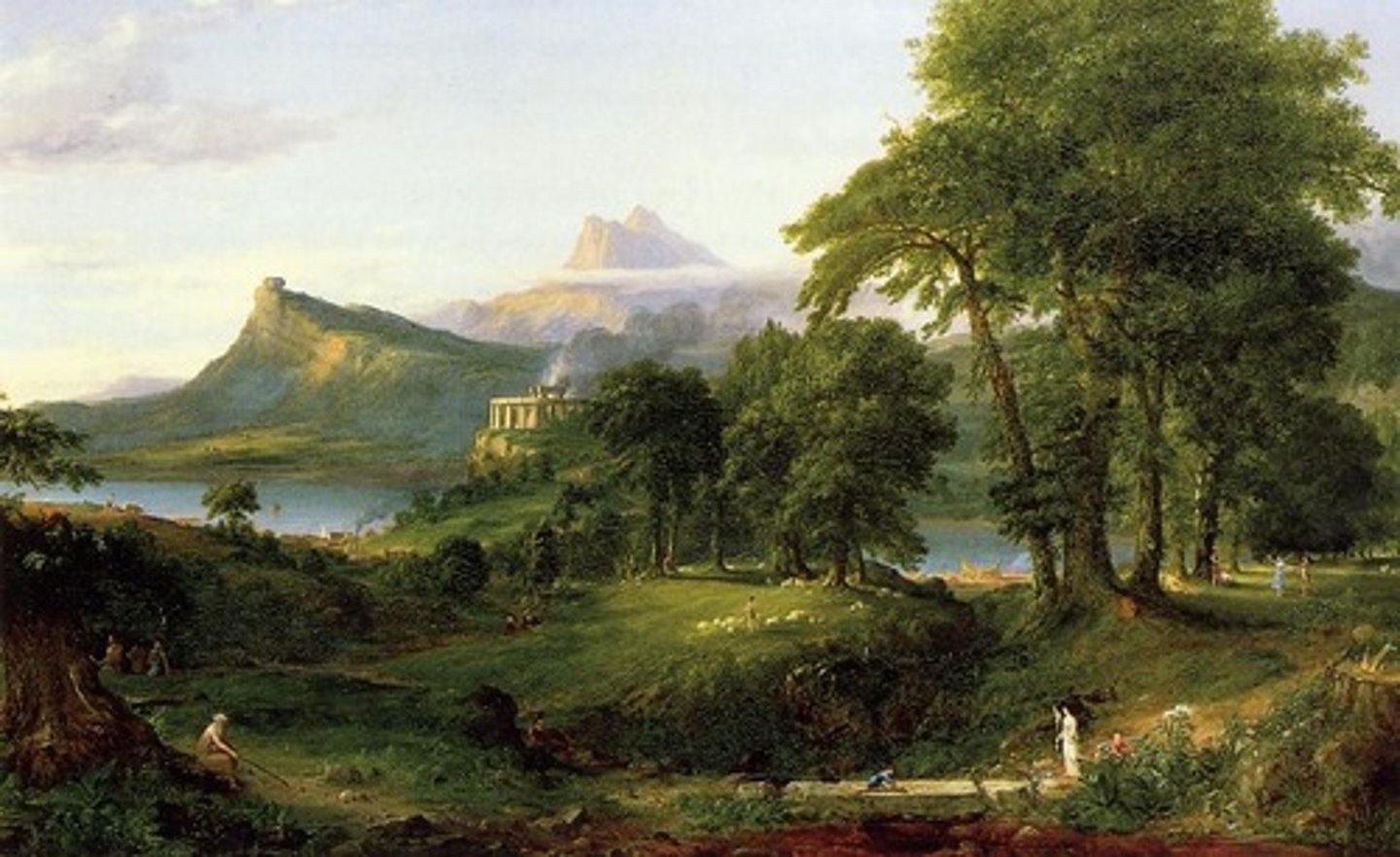
Thomas Cole, Kaaterskill Falls, 1826 (1820s ok)
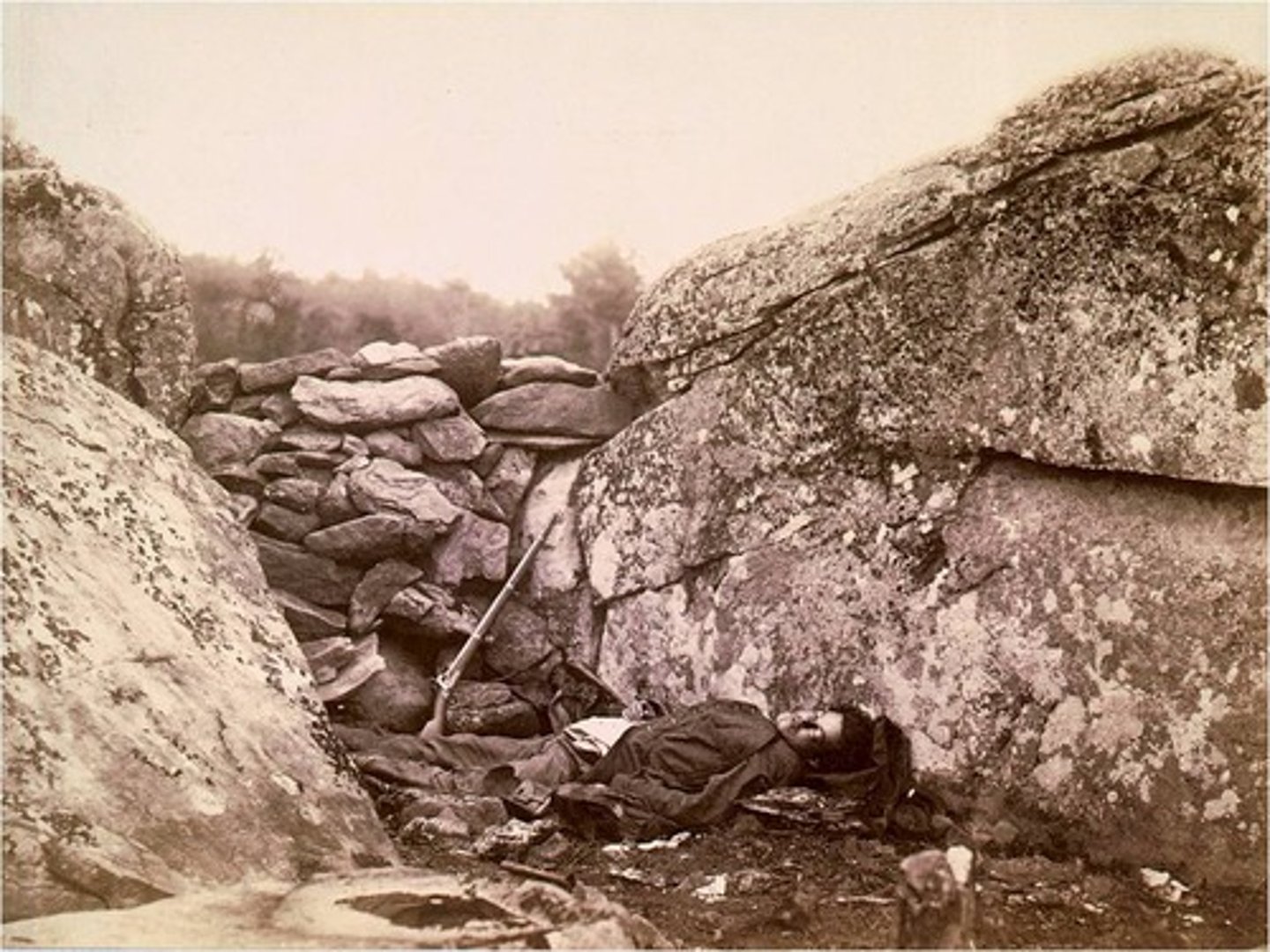
Alexander Gardner, Home of a Rebel Sharpshooter, Gettysburg, 1863 (1860s ok)
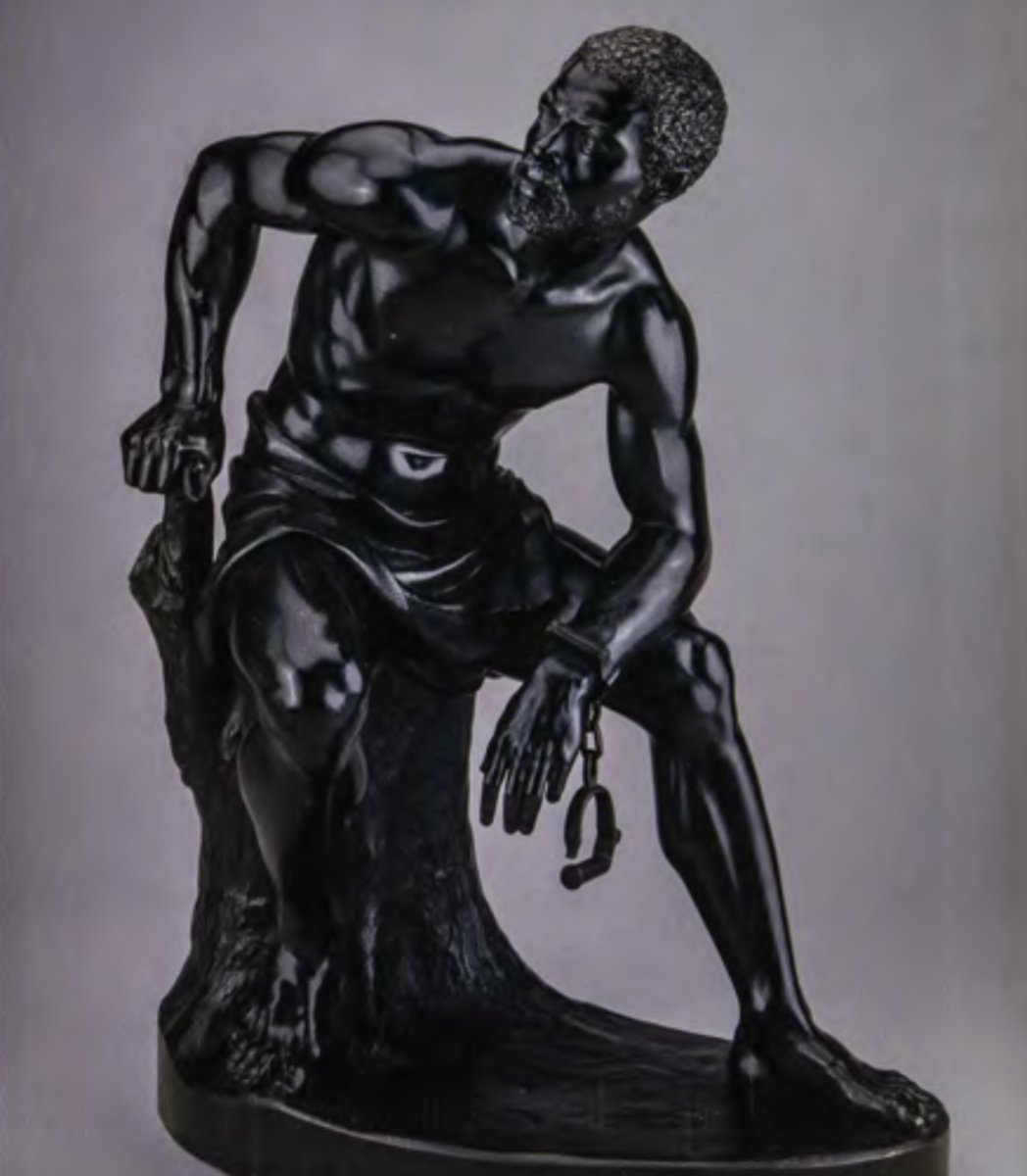
John Quincy Adams Ward, The Freedman, 1863 (1860s ok), bronze
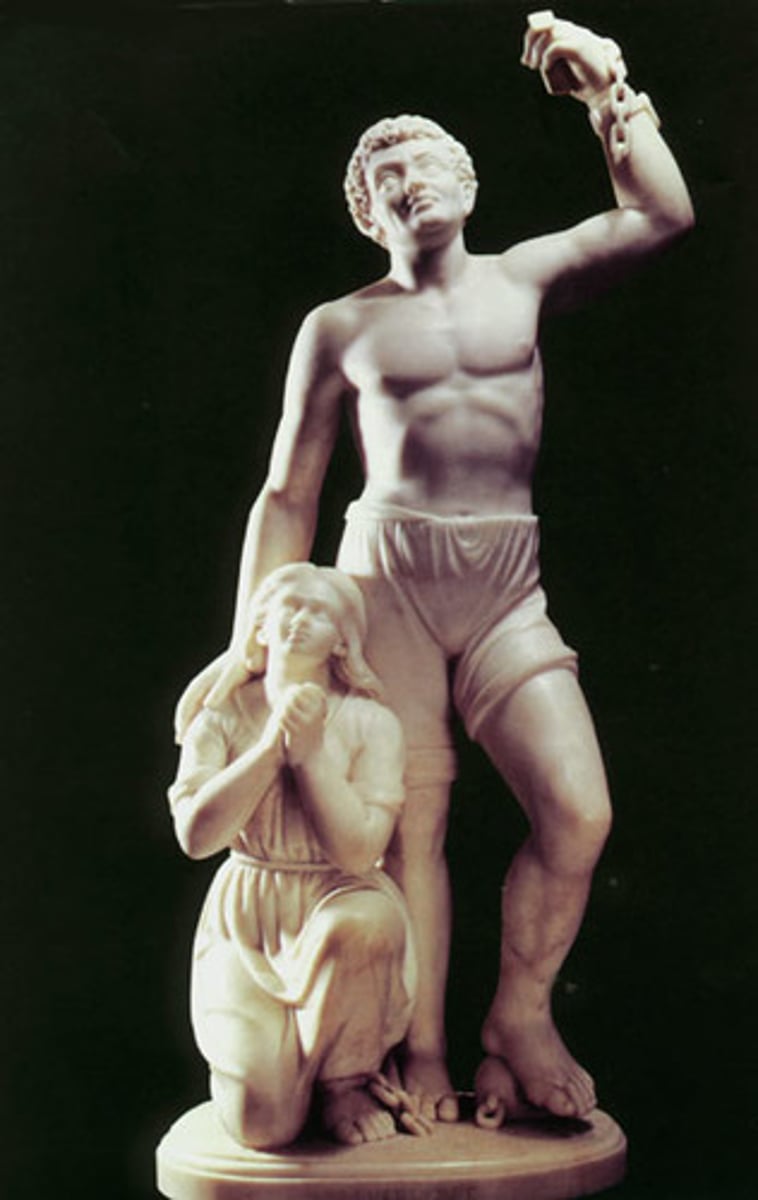
Edmonia Lewis, Forever Free, 1867 (1860s ok), marble
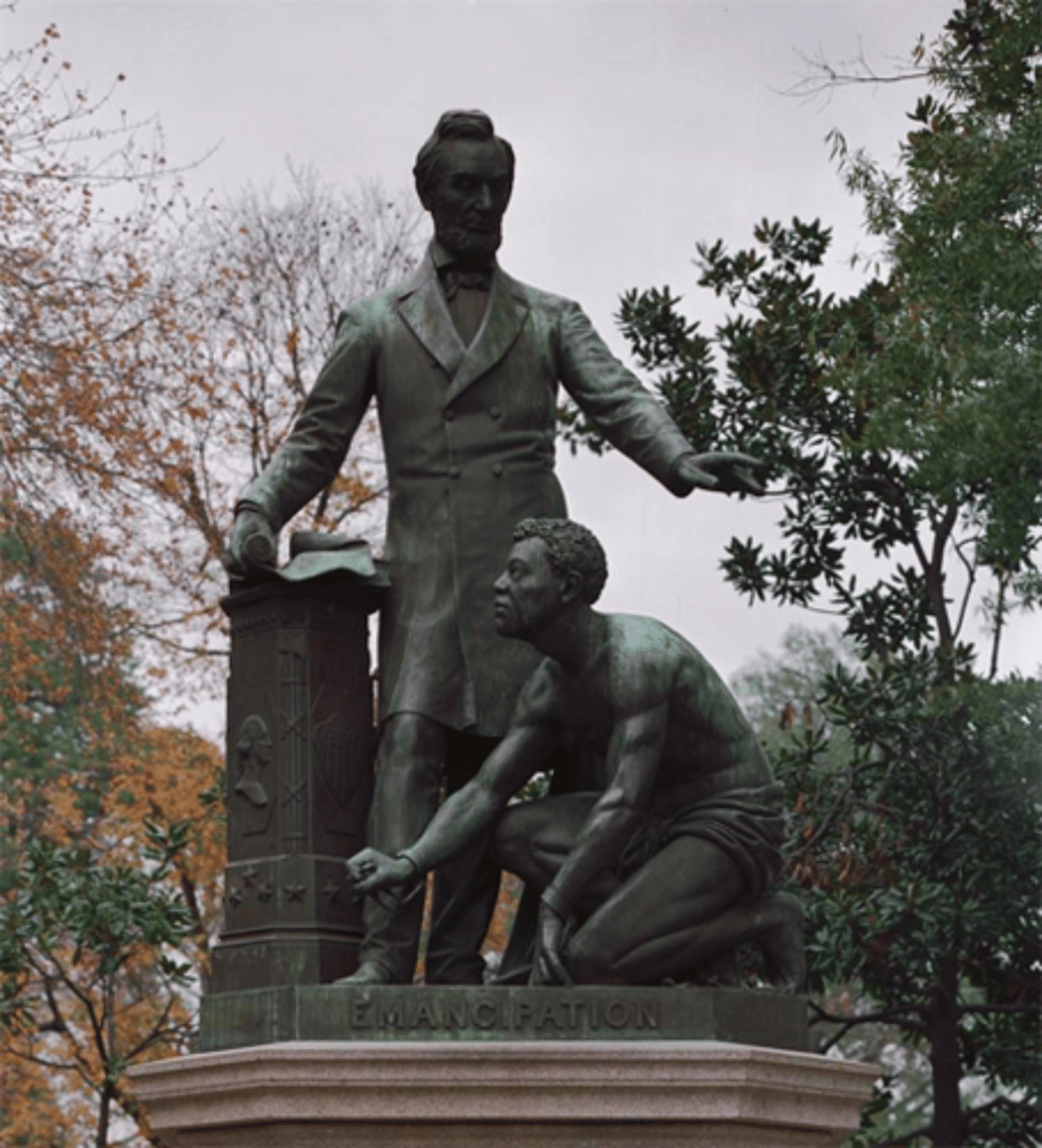
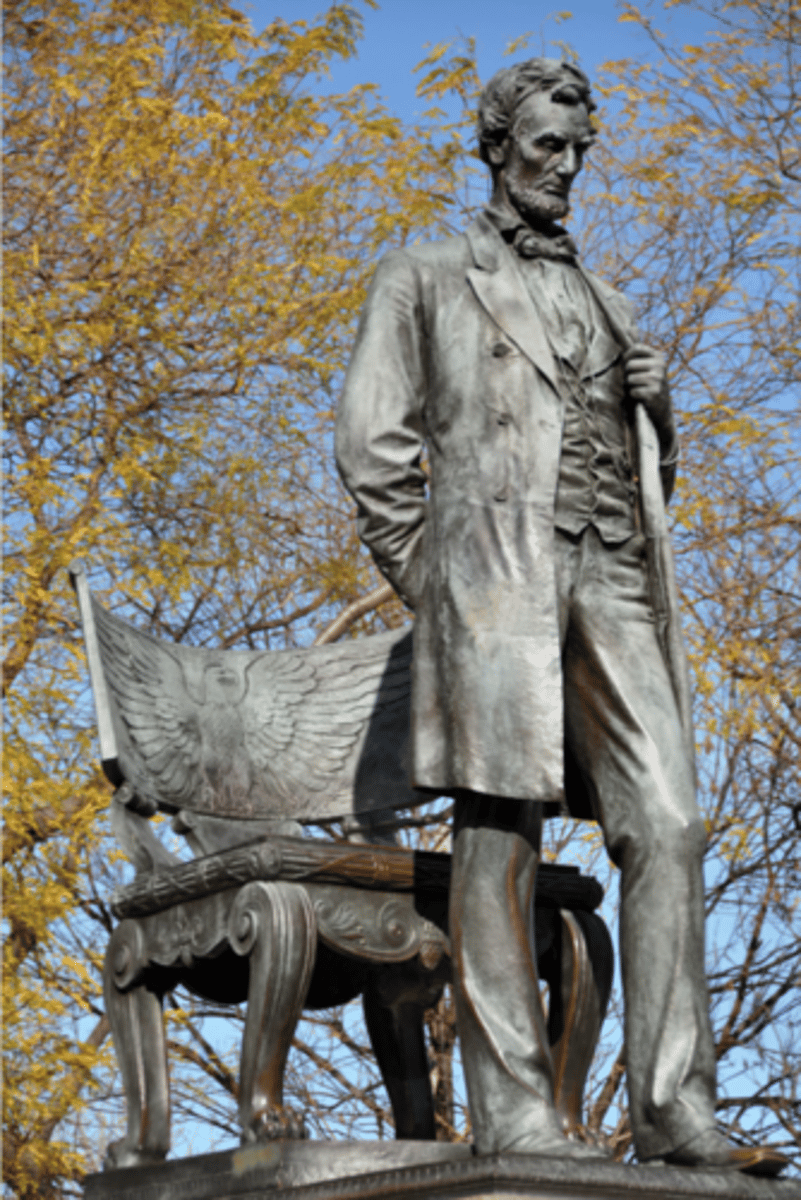
Thomas Ball, Emancipation Group, 1876 (1870s ok), bronze, Washington, D.C.
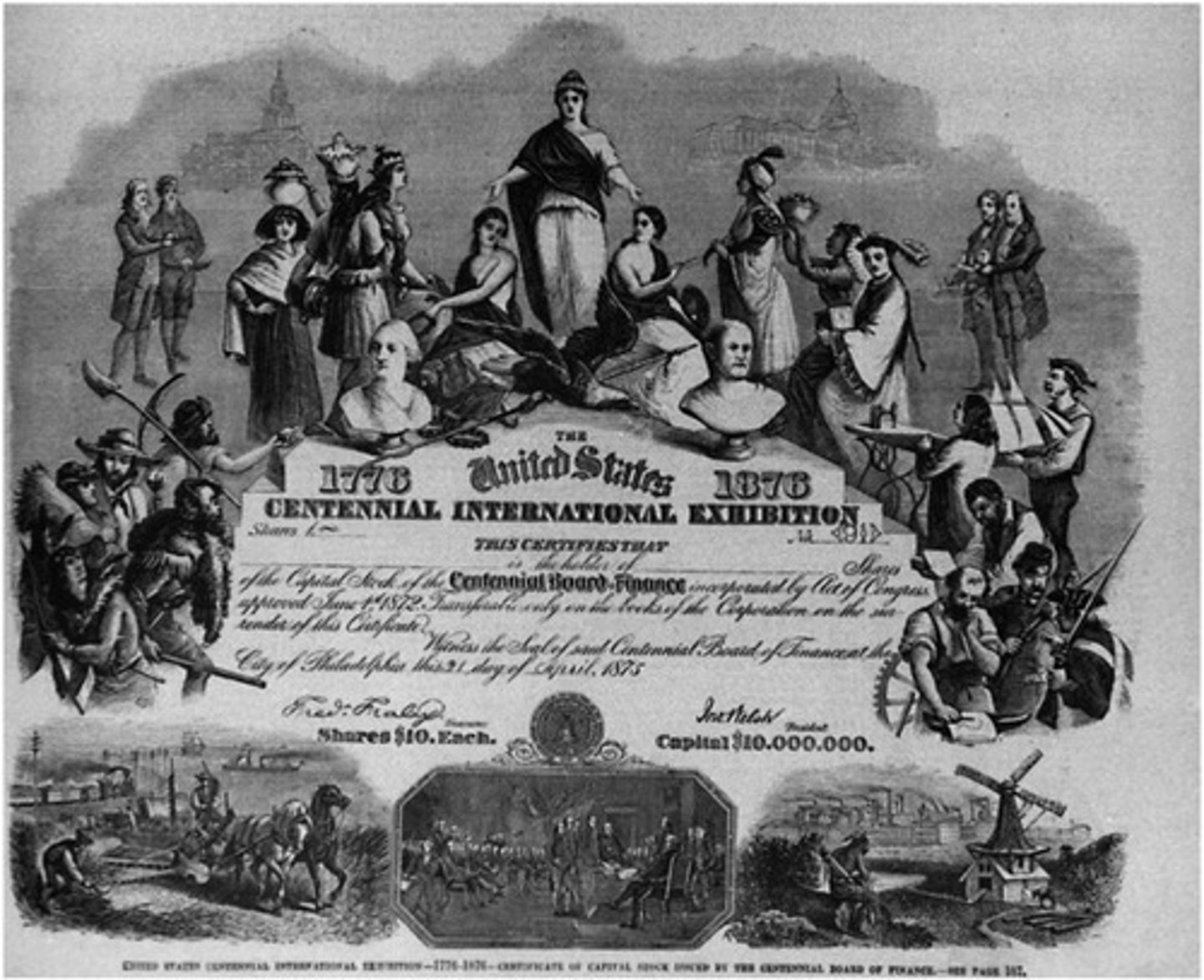
Philadelphia Centennial Exhibition stock certificate, 1874-75 (1870s ok)
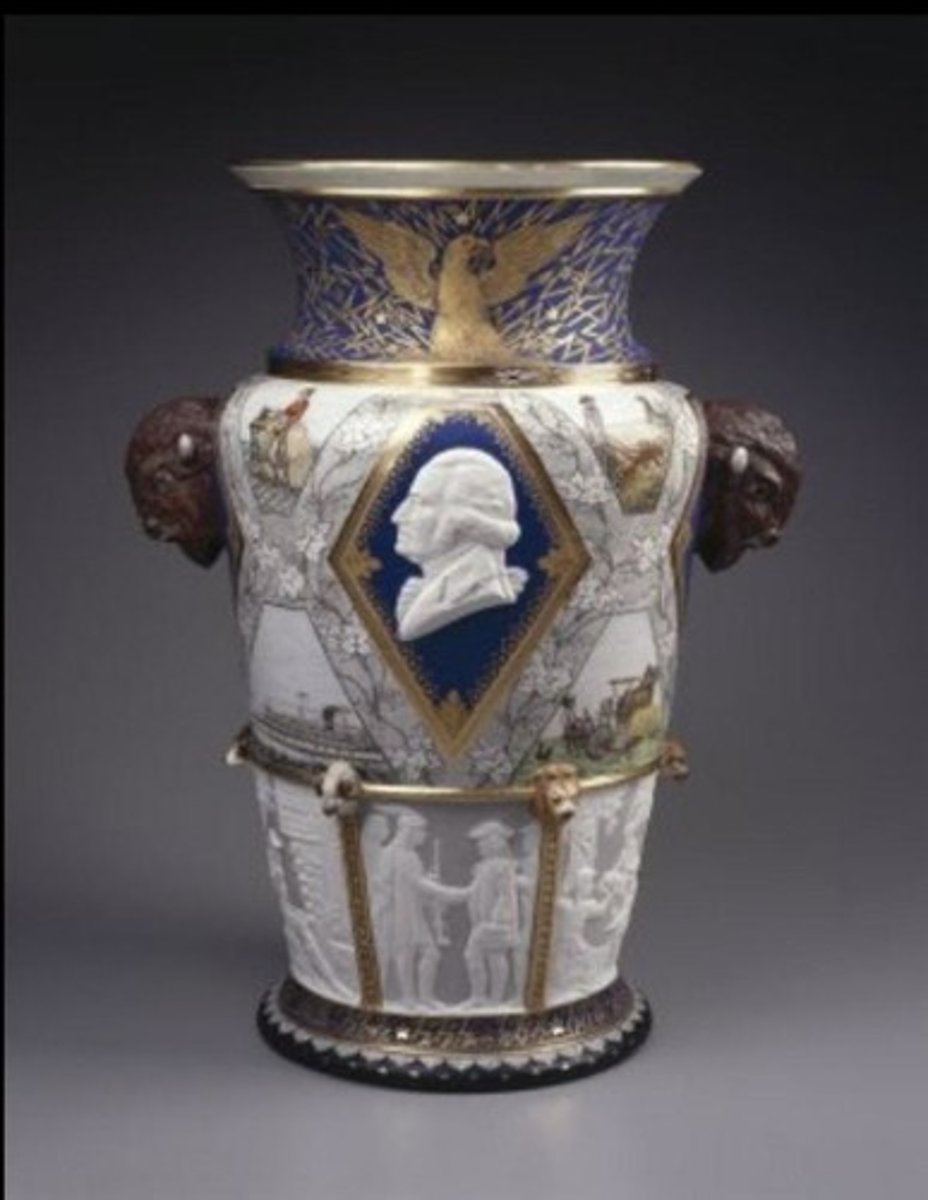
Karl Muller, Century Vase, 1876 (1870s ok), porcelain
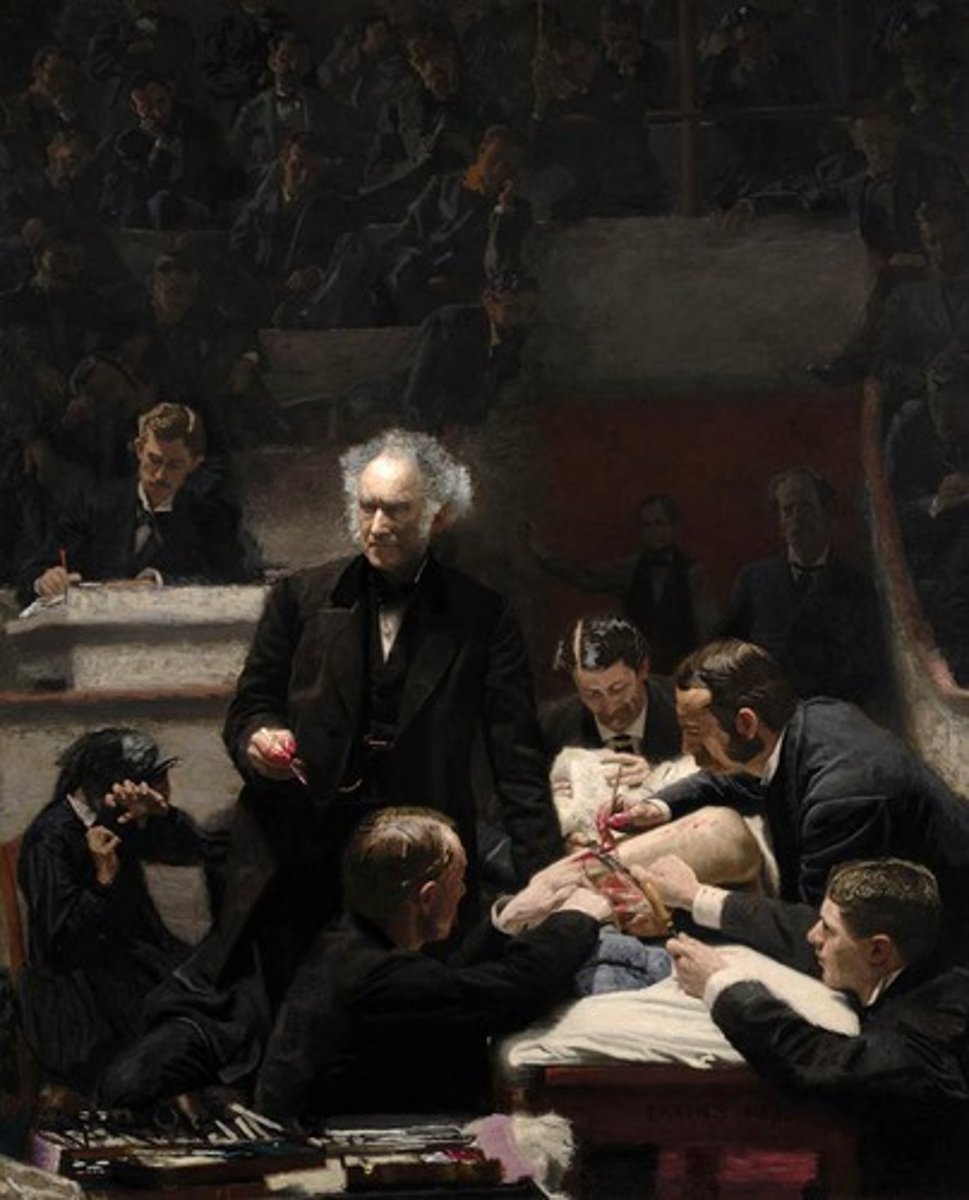
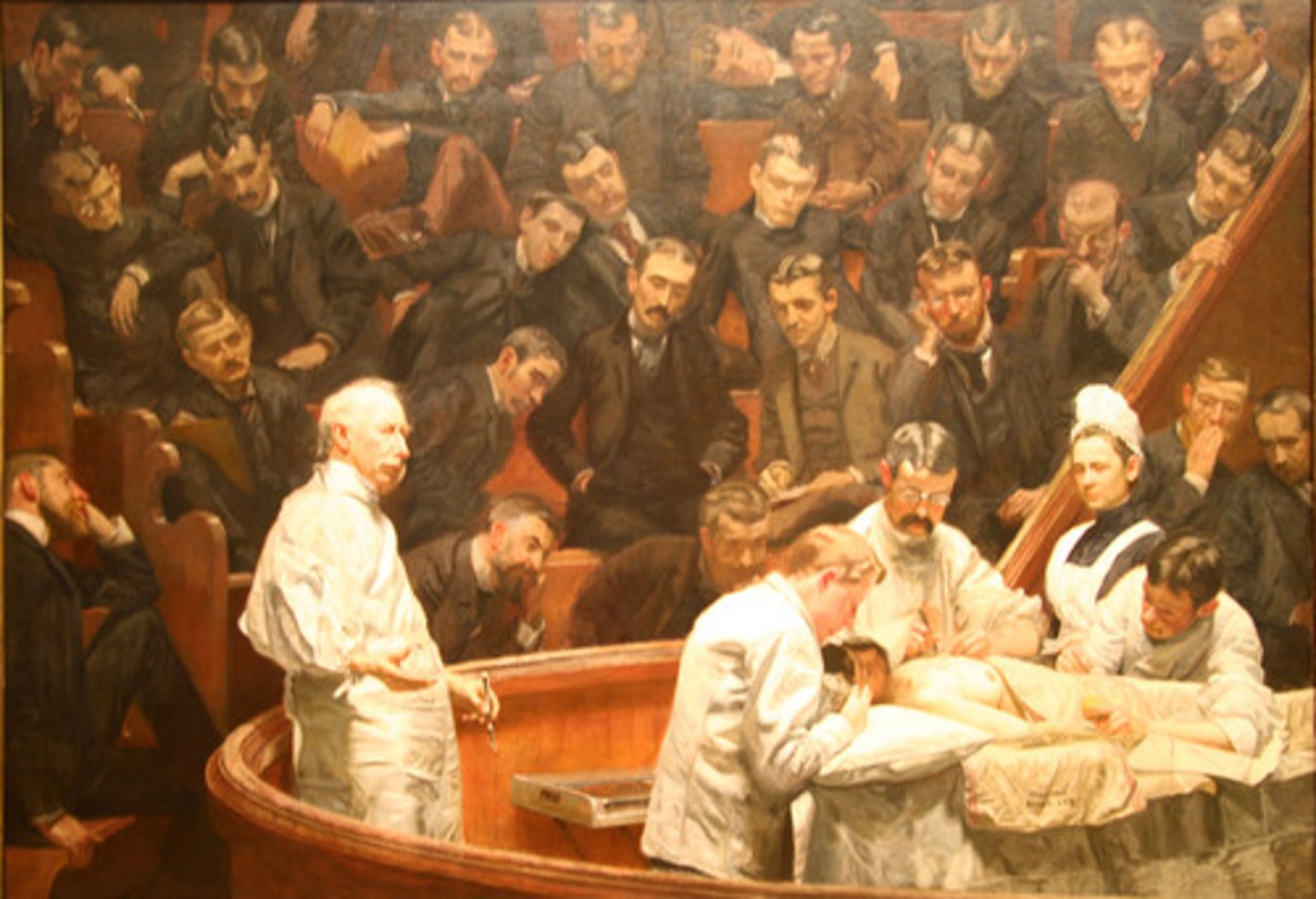
Thomas Eakins, The Clinic of Dr. Samuel Gross (Gross Clinic ok), 1875 (1870s ok)
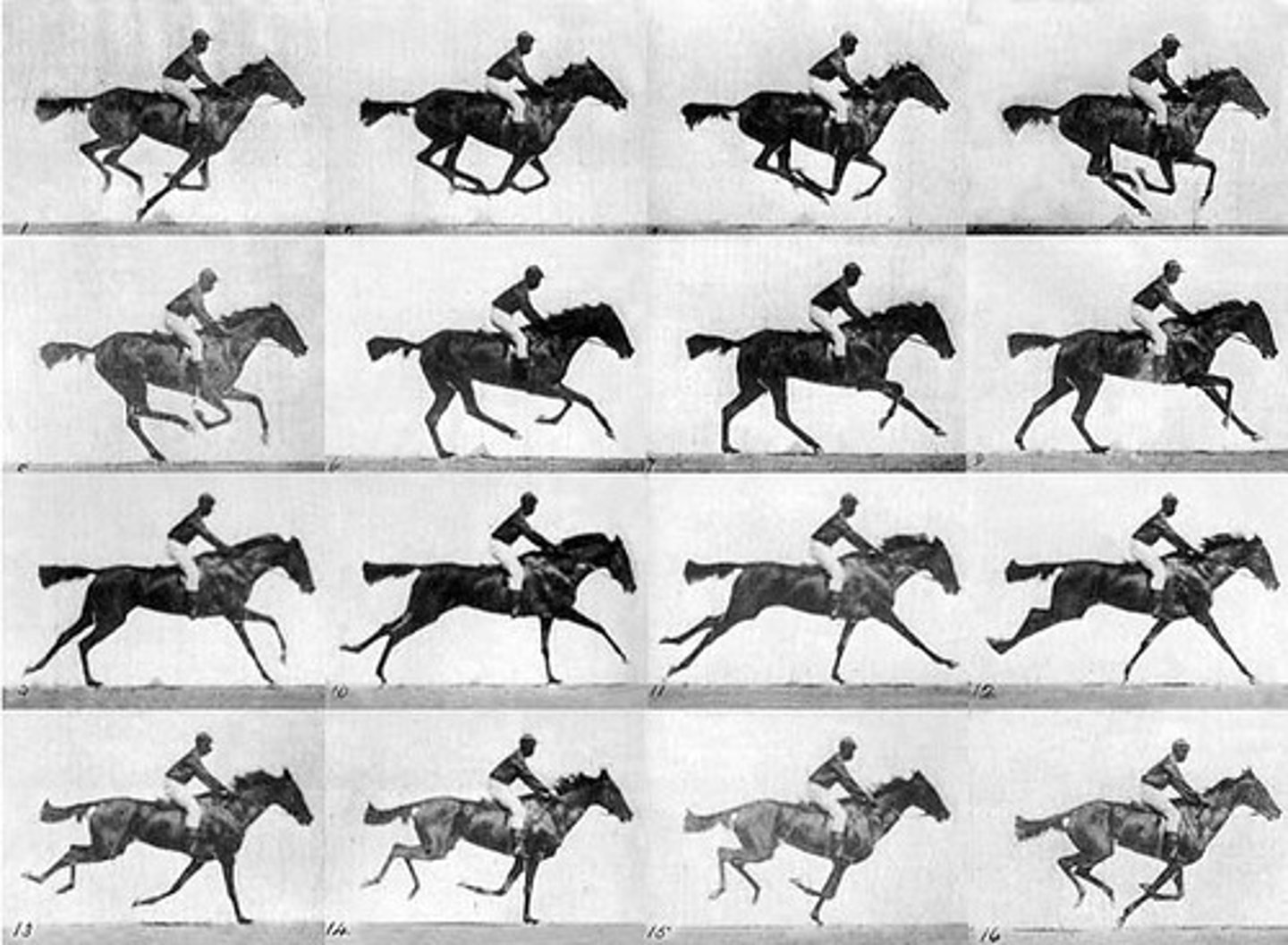
Eadweard Muybridge, "Sallie Gardner" (or The Horse in Motion), 1878 (1870s ok), photographs
textbook fig. 11.28—and you can see that this series shows more detail than the photos I showed in lecture, answering the question about how the original photographs looked
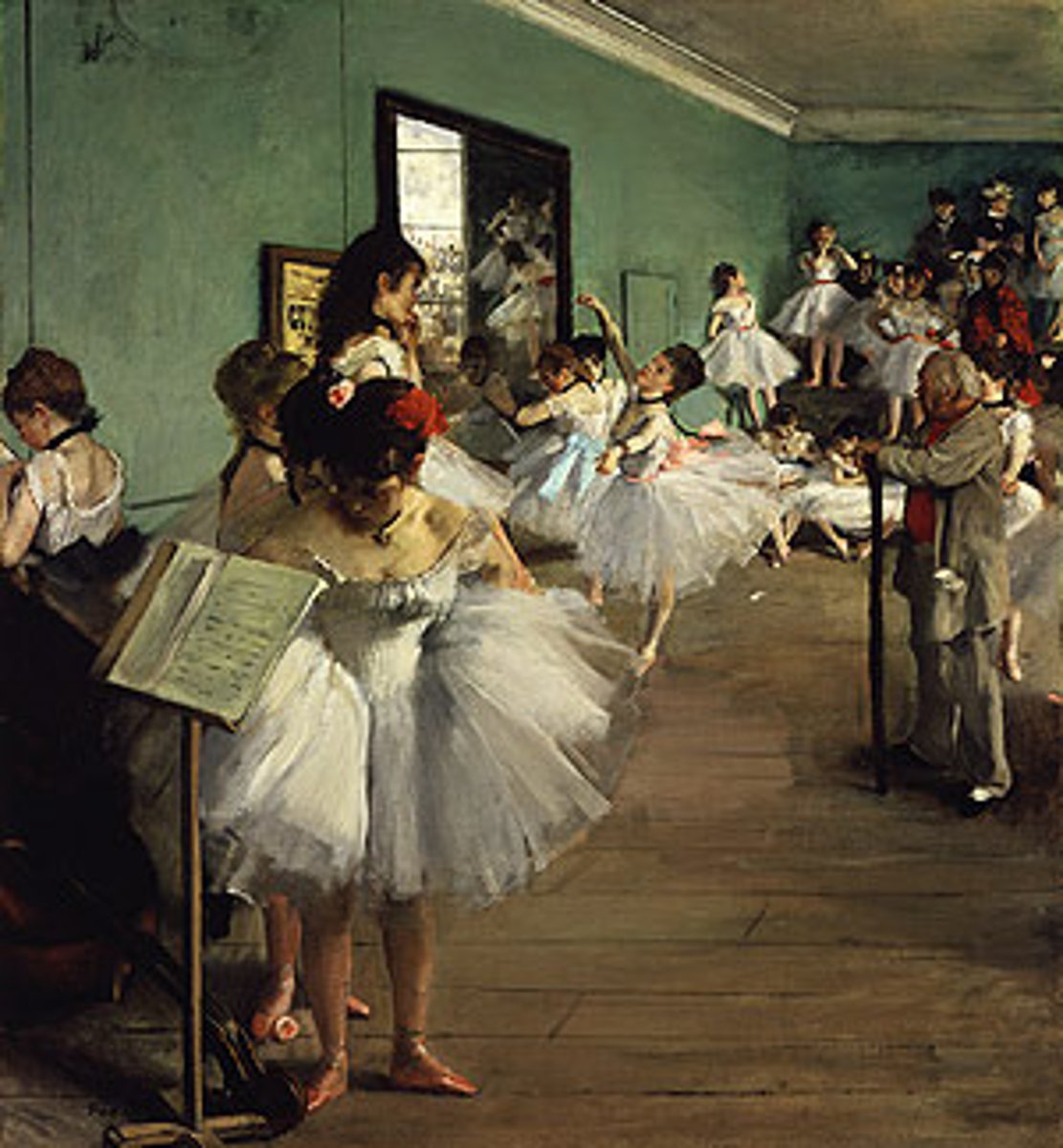
Impressionalism
a style or movement in painting originating in France in the 1860s, characterized by a concern with depicting the visual impression of the moment, especially in terms of the shifting effect of light and color.
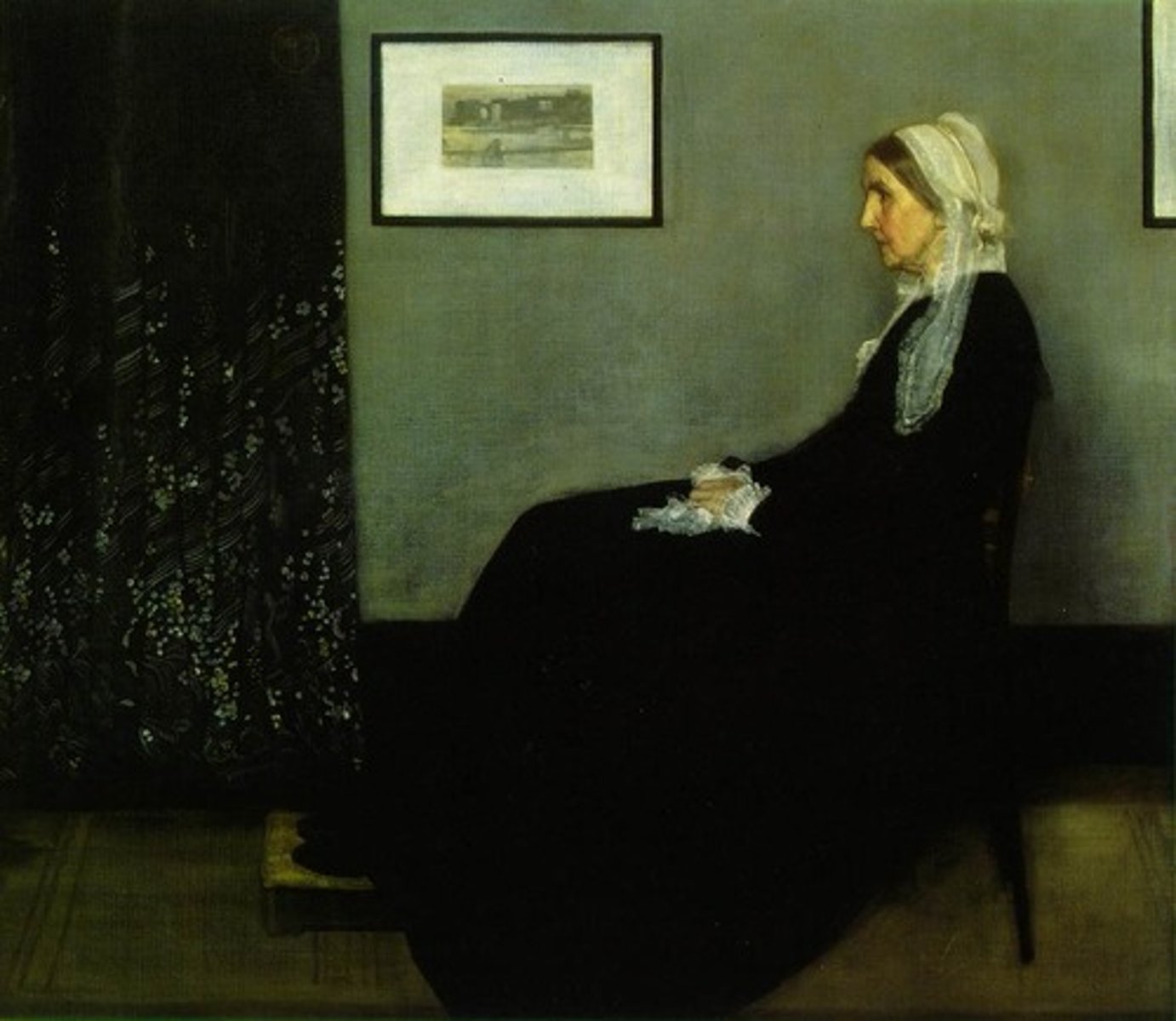
Aestheticism (1835-1910)
A late-19th-century movement that believed in art as an end in itself. Authors such as Oscar Wilde and Walter Pater rejected the view that art had to posses a higher moral or political value and believed instead in "art for art's sake."
Realism
A 19th century artistic movement in which writers and painters sought to show life as it is rather than life as it should be
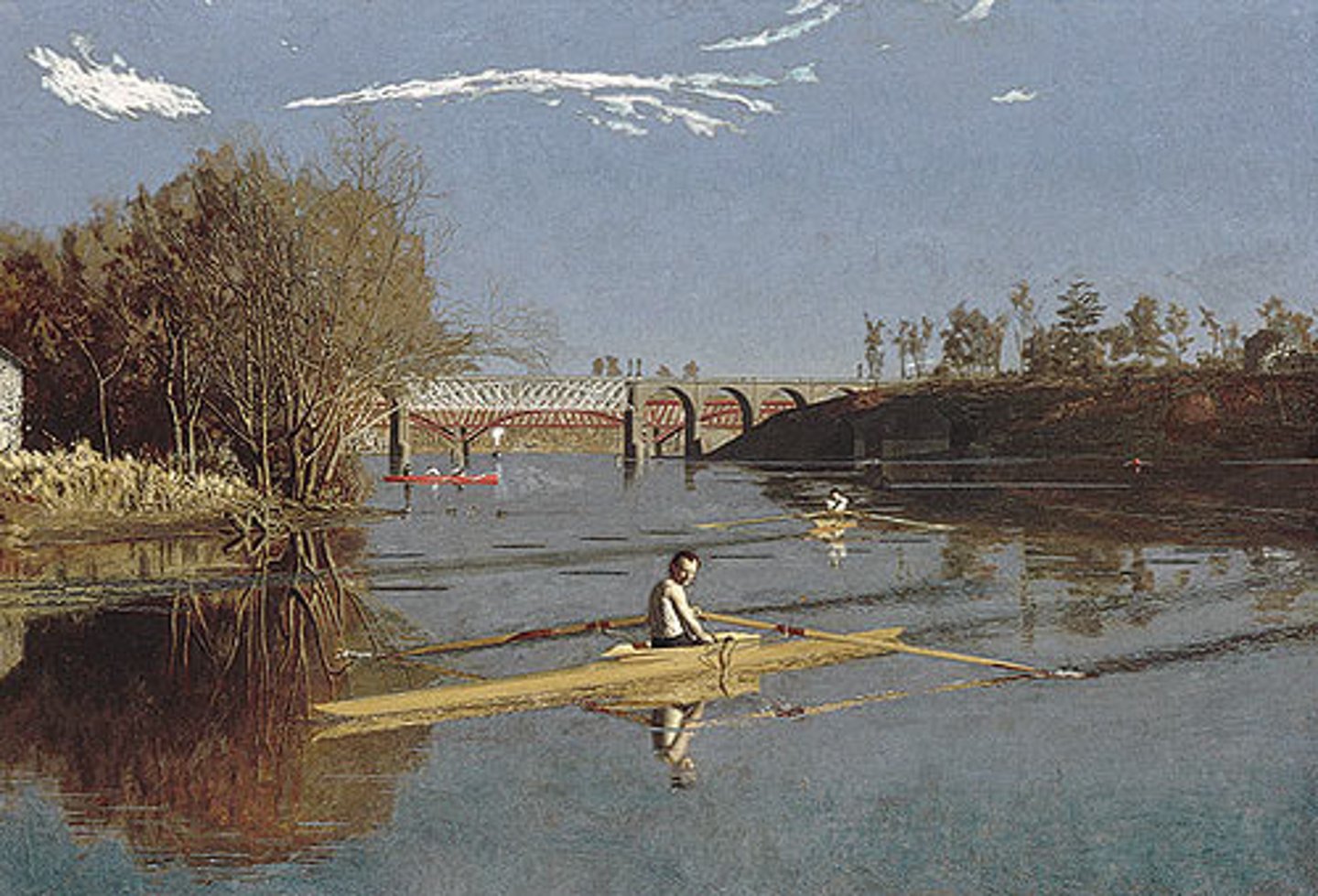
Thomas Eakins
Specialized in painting the everyday lifes of working-class men and women and used the new technology of serial-actions photographs to study human anatomy and paint it more realistically.
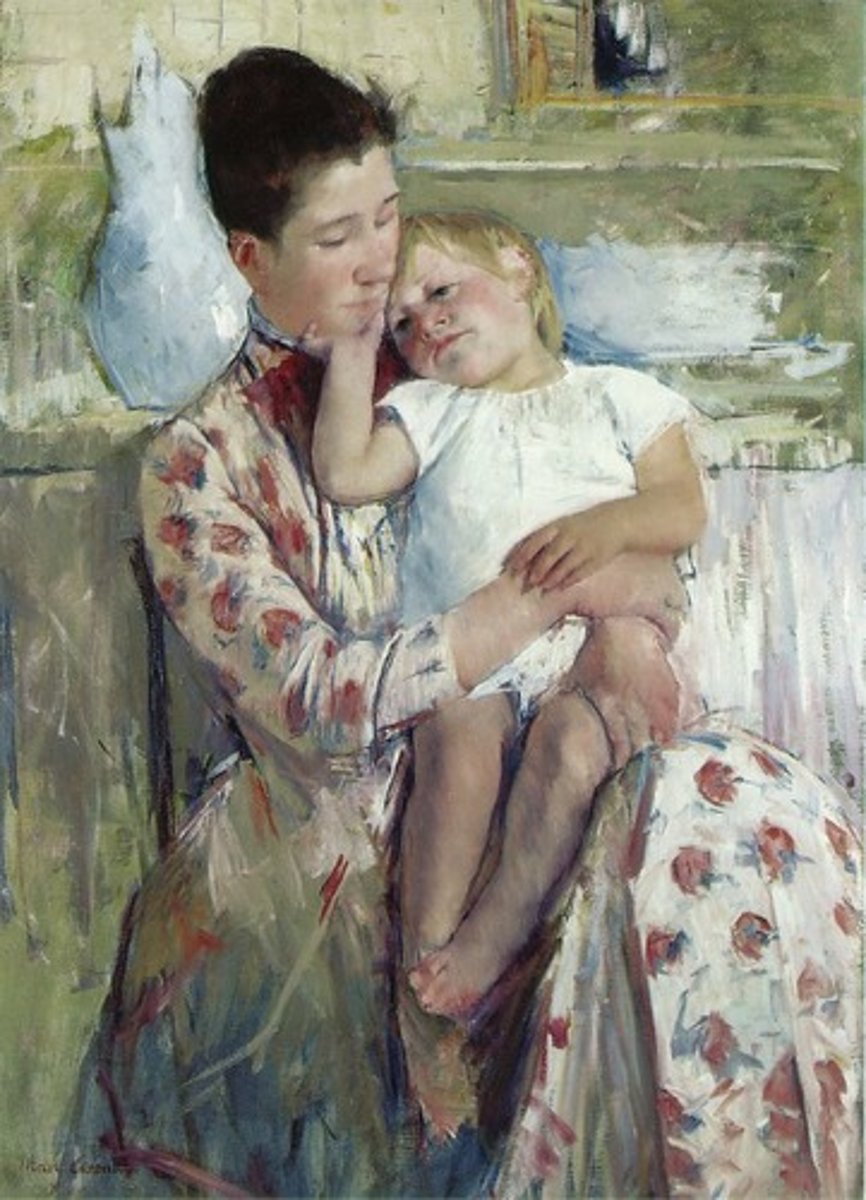
Mary Cassett
An American Impressionist Artist. In Europe she took drawing and music lessons and due to her being a woman she was limited in spaces so most of her artwork focuses on domestic relationships (mother and children)
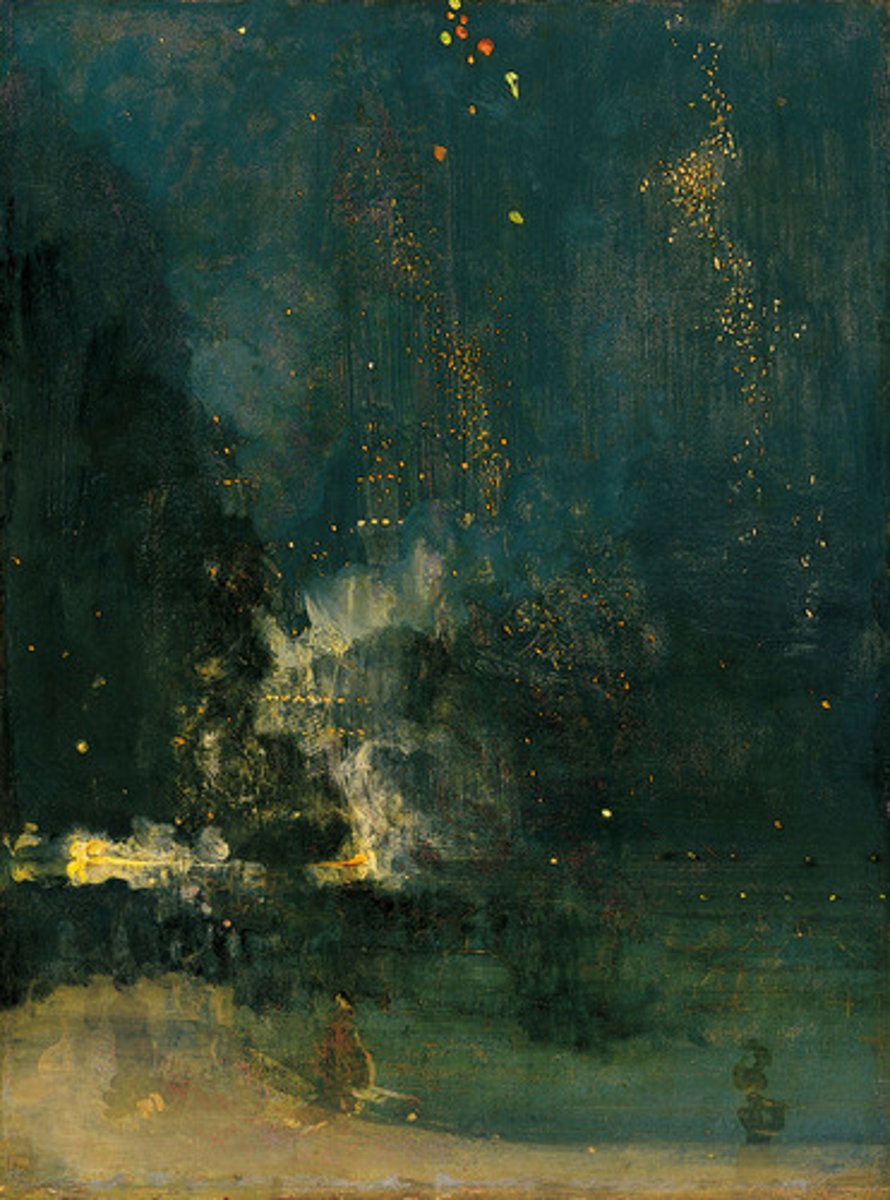
James McNeill Whistler
(1834-1903) A member of the realist movement, although his works were often moody and eccentric. Best known for his Arrangement in Black and Grey, No.1, also known as Whistler's Mother.
Art in the American Revolution and The New Republic
shifted from colonial portraiture to neoclassicism, focusing on history painting, nation-building, and civic virtue. Artists like John Trumbull and Gilbert Stuart forged a new national identity through portraits of leaders and heroic battle scenes, often adopting Roman-inspired, stable, and balanced aesthetics
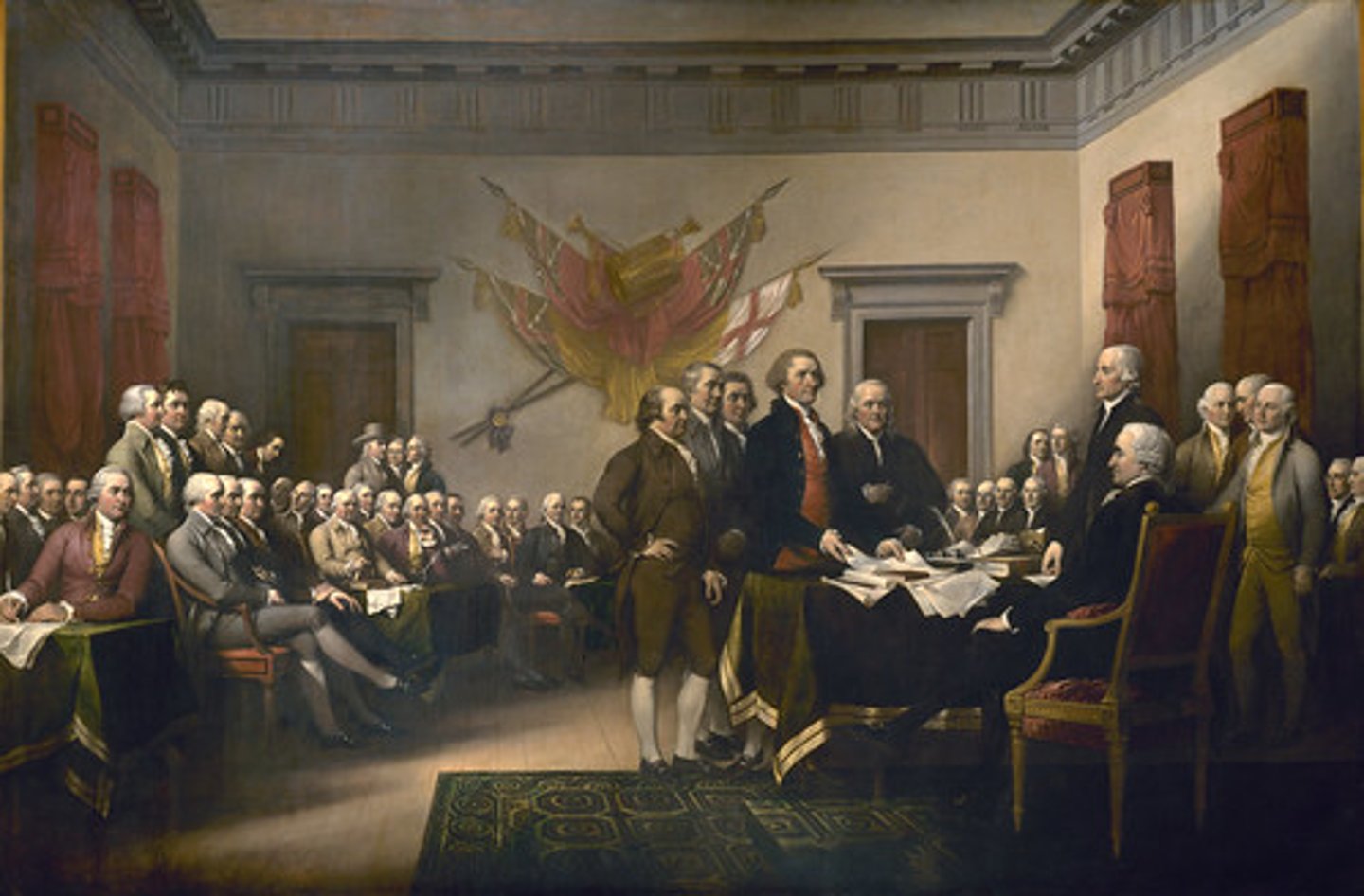
John Trumbull
He was an American artist during the period of the American Revolutionary War famous for his historical paintings including his Declaration of Independence.
Gilbert Stuart
A painter from Rhode Island who painted several portraits of Washington, creating a sort of idealized image of Washington. When Stuart was painting these portraits, the former president had grown old and lost some teeth. Stuart's paintings created an ideal image of him.
Art in Antebellum America
Matured alongside national identity, shifting from European-modeled neoclassicism to American Romanticism and realism. It was defined by expansive Hudson River School landscapes, detailed portraiture, genre scenes of daily life, and the rise of photography. Art served as a social tool, addressing topics like slavery and westward expansion.
Art during The Civil War and Reconstruction
Art during the Civil War and Reconstruction (roughly 1860-1877) shifted from idealized history painting to realistic depictions of battlefield carnage, camp life, and the emotional toll of conflict, largely driven by the rise of photography. Artists like Winslow Homer and Eastman Johnson portrayed the human experience, while photographers such as Mathew Brady documented the war's grim reality.
American Romanticism
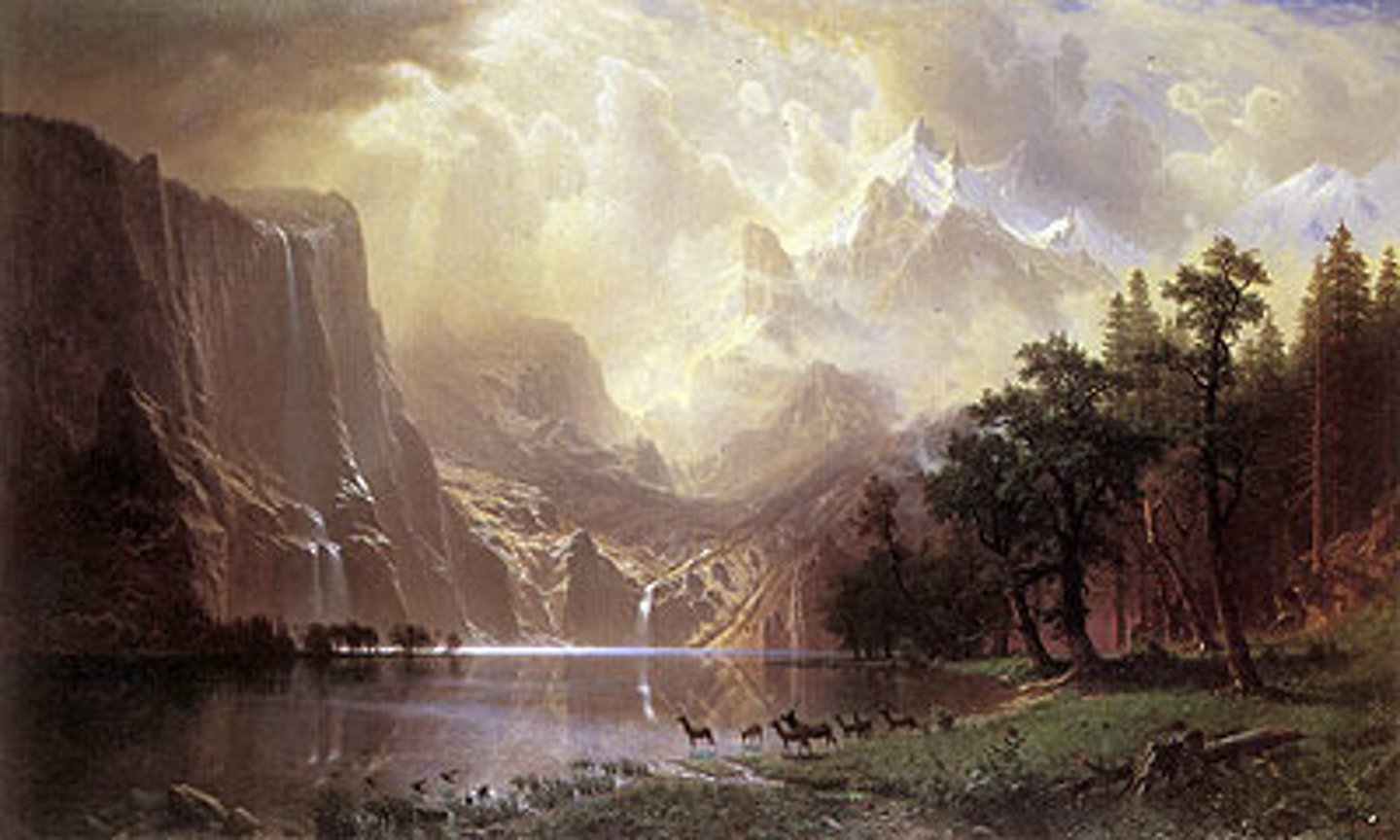
Appeal to emotion rather than reason, interest in nature (rural/good city/bad), interest in the picturesque and unusual, a spirit of nationalism
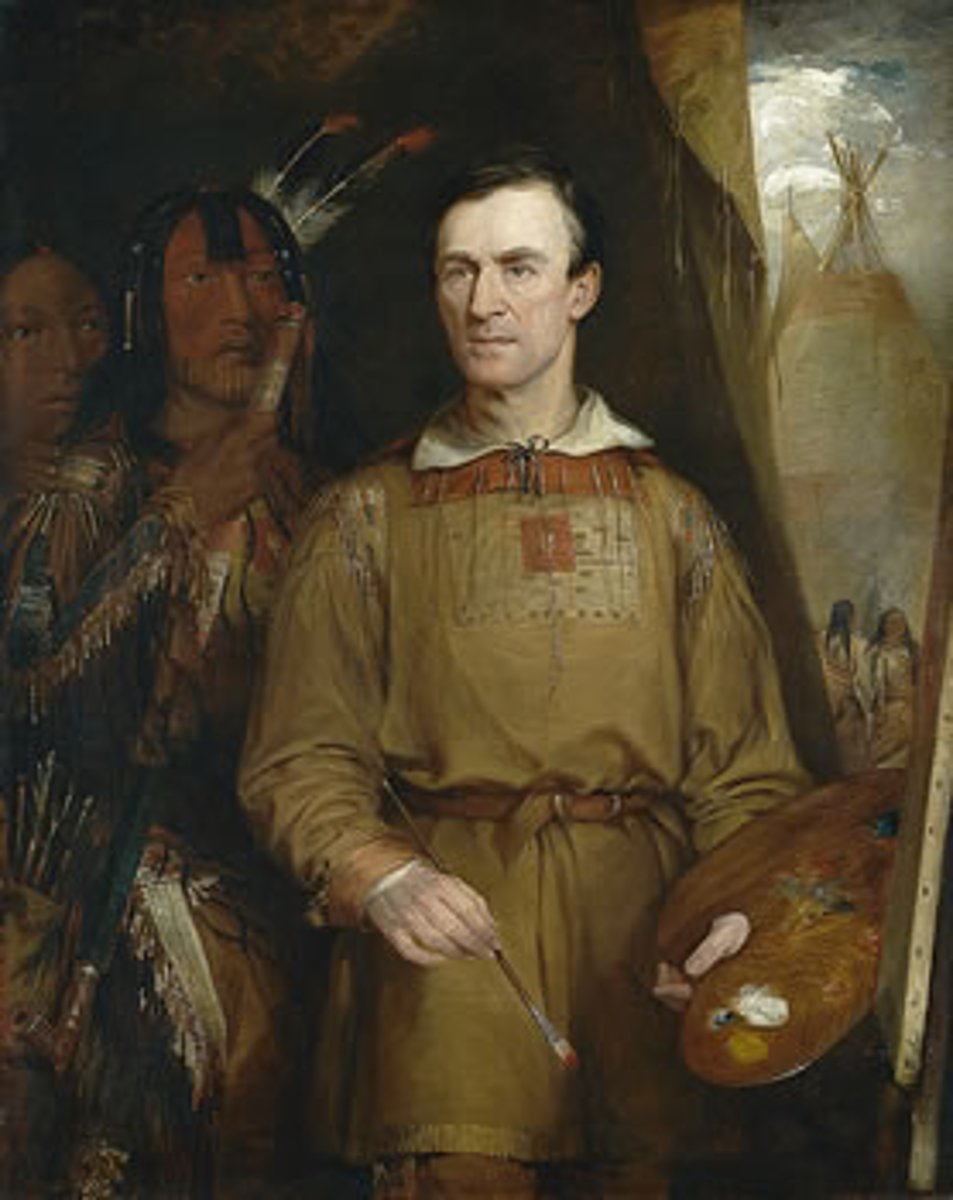
George Catlin
a painter who was among the first to advocate the preservation of nature as a national policy
Art in the Gilded Age
""The Gilded Age" invokes a sense of opulence and grandeur. And rightfully so; it was a vibrant period of American history that spanned the final decades of the 19th century. From the 1870s to 1900, the United States witnessed an incredible business boom that resulted in the creation of a new ultra-rich class. Correspondingly, this rise in wealth was reflected in both the art and architecture of the era, as patrons aimed to create increasingly lavish works of art and environments to reflect both their affluence and the magnificence of the age." -- Gilded meaning the surface of something is covered in gold, representing while this era was idealized, but there were so many problems during this period of time.