chemistry final
 Call Kai
 Learn
Learn Practice Test
 Spaced Repetition
 Match
Match Flashcards
 Knowt Play
1/283

There's no tags or description
Looks like no tags are added yet.
Name | Mastery | Learn | Test | Matching | Spaced | Call with Kai |
|---|
No analytics yet
Send a link to your students to track their progress
284 Terms
Chemistry
the science that deals with the materials of the universe and the changes that theres materials undergo
theory
set of tested hypotheses that gives you an overall explanation of some part of nature
nature law
a statement that expressed generally observed behavior
scientific notation
method for making very large or small numbers more compact and easier to write
units
tell us what scale or standard is being used to represent the results of measurements
the two major systems of measurements
English and metrics
fundamental SI units
mass (kilogram/kg), length (meter/m), time(second/s), temperature (kelvin/k)
1 cm³ = ?
1 mL
3 major types of measurements
length (meter/m), volume (liter/l), mass (kilogram/kg)
sig figs
any measurement that involves an estimate, there will be a degree of uncertainty
nonzero integers (ex. 1759)
it IS a sig fig, example has 4 sig figs
leading zero (ex. 0.0045)
NOT a sig fig, example has 2 sig figs
captive zeros (ex. 1.005)
IS a sig fig, example as 4 sig figs
trailing zeros
YES (only when number written with a decimal, ex. 100. has 3 sig figs)
NO (100 has 1 sig fig)
exact numbers
numbers not obtained from measuring but determined by counting
sig fig is unlimited
rounding sig figs multiplication/division
round to number with smallest number of sig figs (ex. 4.56 × 1.4 you round with 1.4)
rounding sig figs w addition of subtraction
limit with number with smallest number of DECIMAL places (12.11+18.0 you would use 18.0 for reference)
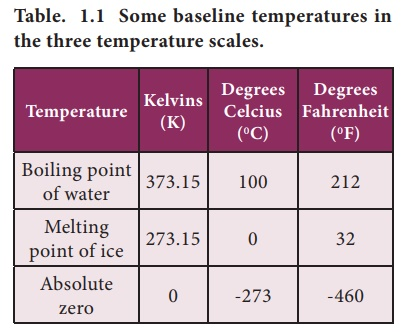
temperature scales
celsius, kelvin, fahrenheit
temperature information
density
how tightly packed matter is
types of matter
Gas, liquid, solid
density = ?
D = M/V
mass = ?
M = D x V
volume in density = ?
V = M/D
density layer rules
the more dense a liquid is = further down solution
the less dense a liquid is = further up
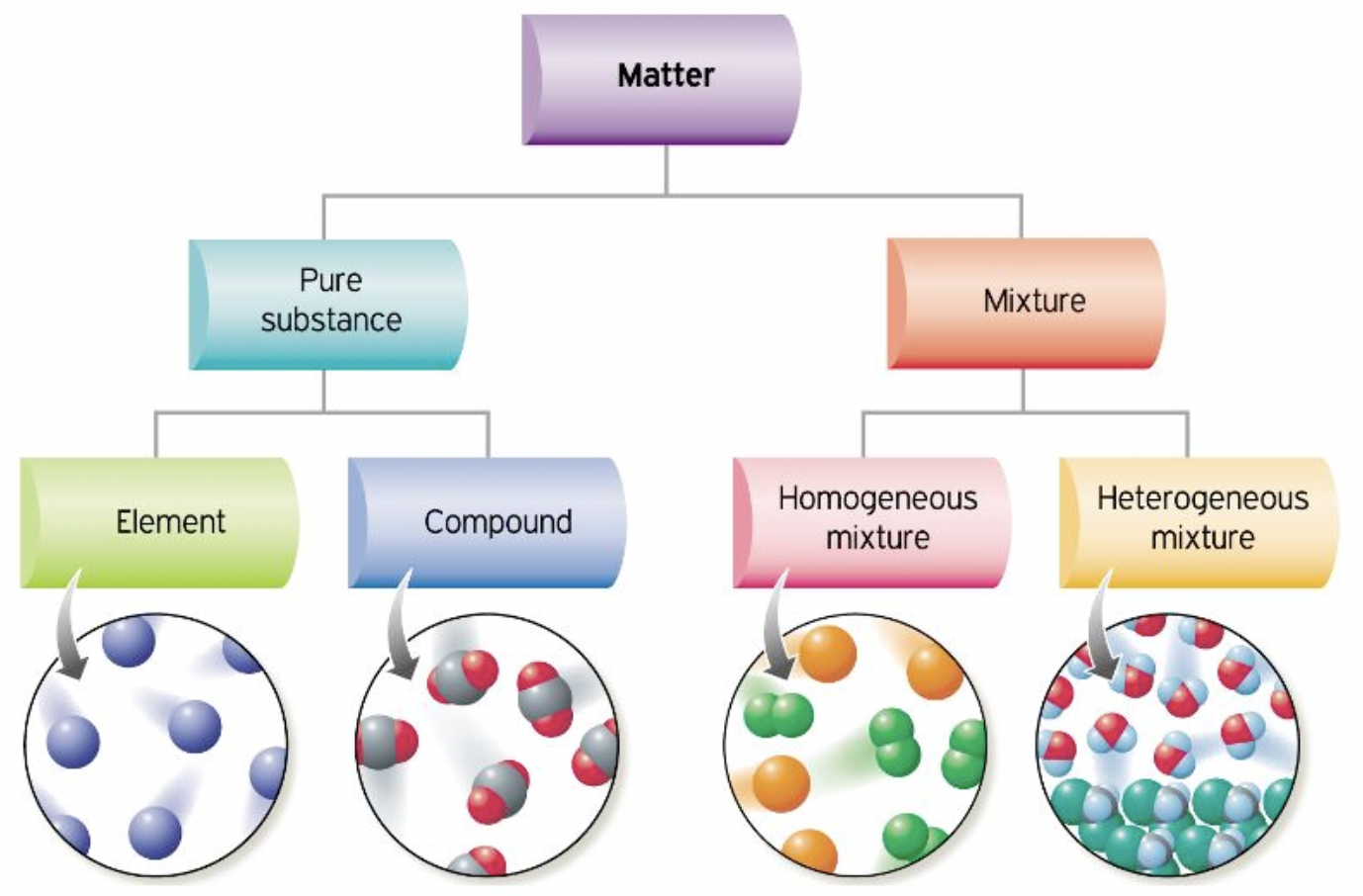
matter
anything that has mass/takes up space
solid state
rigid; fixed shape and volume
liquid state
definite volume and takes shape of it’s container
gas
has no fixed volume or shape ; takes shape/volume of its container
physical property
qualitative observations
chemical property
ability to form or react
physical change
change in physical property
chemical change
substance turns into a different substance
element
can’t be broken down into other substance by chemical means (ex. Fe, Cu)
compound
formed when two or more elements combine chemically (ex. NaCl)
mixture
when you combine two or more pure substances physically
pure substance
contain one single element or one single compound
homogenous mixture
same throughout (uniform in composition)
heterogenous mixture
has different properties
distillation
process of boiling a solution to produce steam and collecting/cooling steam into collection flask
filtration
process of separating a liquid from a solid w/ a filter
separates a liquid from a solid
Dalton atomic theory
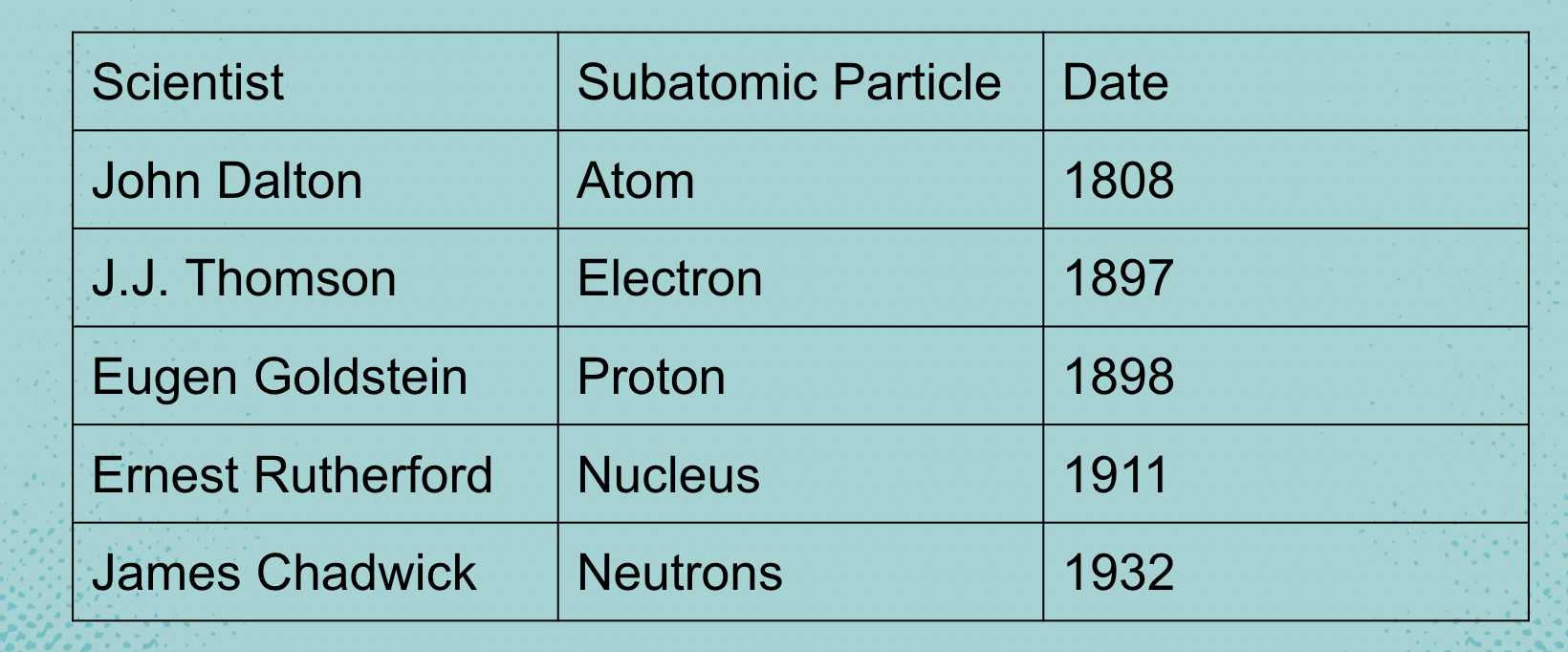
elements are made of tiny particles called atoms
all atoms of a given element are different from those of any other element
atoms of one element can combine with atoms of other elements to form compounds
atoms are not destroyed/created
law of constant composition
a given compound always has the same composition, no matter what
atomic number
number of protons/neutrons of an element
mass number
number of protons/neutrons of an element
isotope
atom with same number of protons but different # of neutrons
Isotope form

periodic table
shows all known elements in order of increasing atomic mass
metalloids
elements that have some metallic and some nonmetallic properties
periods
left and right of period table
groups
up and down of period table
family
ground of elements that are similar
alkali metals
group 1
alkaline earth metals
group 2
halogens
group 17
noble gases
group 18
properties of metal
efficient conduction of heat and electricity
malleability
ductility
shiny
diatomic molecules
BrINClHOF
allotropes
different forms of a given element
formation of ions
gain/lose electrons
metals tend to ___ one or more electrons to form positive ions called _
lose, cations
cations
when electrons are lost to form positive ions
named by using name of parent atom
anions
nonments gaining one or more electron to form negative ions
how do you name anions?
using root of atom followed by suffix -ide
type 1
metal present forms only one cation
type 2
metal present can only form two or more cations w/ different charges
charge on the metal ion must be identified with roman numerals
how to name type 1 ionic compounds
cation named first and anion second
cation name stays and anion is “ide”
NaCl - sodium chloride
how to name type 2 ionic compounds
cation is always named first and anion second
cation can assume more than 1 charge, charge is roman numeral in parenthesis
ex. CuBr - Copper (i) bromide
naming nonmetals + nonmetal
first element is named with full name
second element is named as if was anion “ide”
use prefix to show atoms present
NEVER USE MONO FOR FIRST ELEMENT
naming acid with NO OXYGEN
prefix “hydro” and suffix “ic”
naming acid WITH OXYGEN
acid form from root name with ic or ous (polyatomic)
ate —> ic
ite —> ous
precipitation
a chemical process that produces a solid
precipitate
solid that forms in a reaction
4 driving forces
formation of solid, water, gas, and transfer of electrons,
strong electrolyte
substance whose each unit produces separated ions when dissolved in water
molecular equation
shows the complete formula of all reactants and products
ex. AgNO3(aq)+NaCl(aq)→AgCl(s)+NaNO3(aq)
complete ionic equation
all substances that are strong electrolytes are represents as ions
ex. Ag+(aq)+NO3−(aq)+Na+(aq)+Cl−(aq)→AgCl(s)+Na+(aq)+NO3−(aq)
spectator ions
ions that do not participate directly in a reaction
net ionic equation
includes only components that are directly involved in reaction (shows major product)
ex. Ag+(aq)+Cl−(aq)→AgCl(s)
strong acid
strong electrolyte that produces H+ ions (protons) when dissolved
strong base
produces OH- in water
oxidation
OIL - oxidation is loss of electrons
reduction
RIG - reduction is gain of electrons
oxidation-reduction
a reaction that involves a transfer of electrons
reaction between metal and nonmetal
when can two nonmetals undergo an oxidation reduction reaction?
looking for O2 as a reactant or product
precipitation reaction
forms a solid when two solutions are mixed
is double replacement rxn
double replacement reaction
AB + CD —> AD + CB
acid-base reaction
H+ ion that ends up in the product as water
ez. HCL + KOH —> H2O + KCL
combustion reaction
adding oxygen and creating carbon dioxide and water
C4H10+O2 —> CO2 + H2O
single replacement reaction
A +BC —> B +AC
decomposition reactions
occurs when a compound is broken down into simpler substances
ex. 2H2O —> 2H2 + O2
synthesis reaction
reactants are elements
A + B —> C
average mass
total mass of items / # of items
1 atomic mass unit (amu) = ?
1.66 × 10^-24
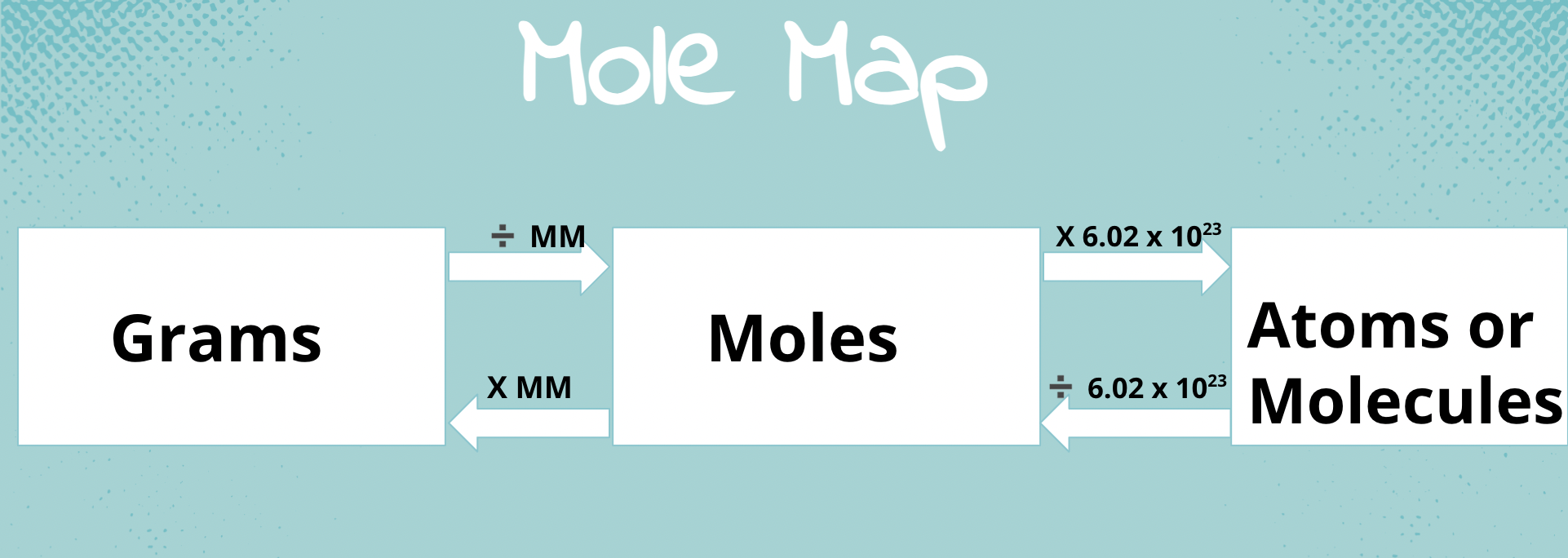
mole number
6.022 × 10^ 23
def of mole
a sample of an element with a mass equal to that element’s average atomic mass
empirical formula
simplest whole number ratio