id2202 exam 3 studying
 Call Kai
 Learn
Learn Practice Test
 Spaced Repetition
 Match
Match Flashcards
 Knowt Play
1/135

There's no tags or description
Looks like no tags are added yet.
Name | Mastery | Learn | Test | Matching | Spaced | Call with Kai | Chat |
|---|
No analytics yet
Send a link to your students to track their progress
136 Terms
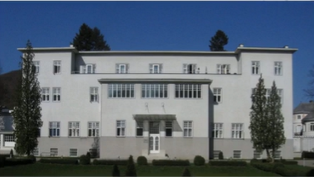
Hoffman, Purkersdorf Sanatorium, Vienna, 1906; Wiener Werkstatte
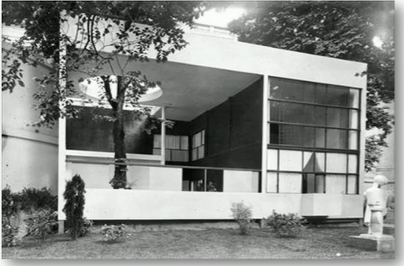
Le Corbusier, Pierre Jeanneret, The Pavilion of the New Spirit, International Exposition of Decorative Arts, Paris, 1925
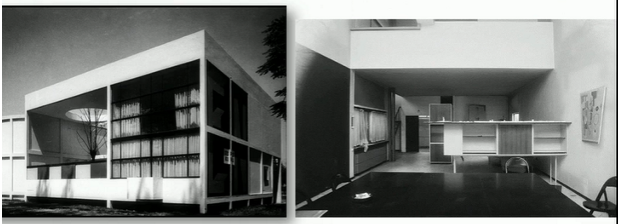
The Pavillion of the New Spirit Characteristics
No art deco, ornamental language, geometric structure, no art deco materials, lack or ornament
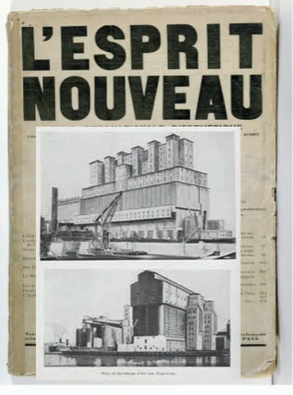
What did L’esprit Nouveau do
advocated use of modern industrial techniques and strategies to make society more efficient & higher standard of living on all socioeconomic levels
was anti-art deco
“a tool object is attuned to our movements and quick to respond to them” - le corbusier
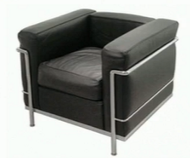
Le Corbusier and Perriang, Grand Confort Chair, 1929, International Style
furniture as tool objects: “responds to our needs”
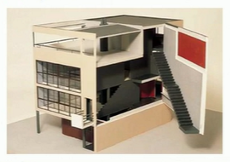
the building as a tool object: “machine for living”
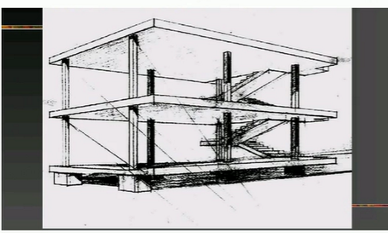
Le Corbusier, Domino house, 1914
modular kit:
concrete slabs
concrete columns
foundation blocks (adjust to site)
no weight-bearing walls (glass walls)
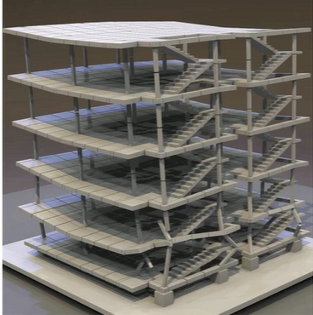
Domino house kit
modular kit:
can be stacked or multiplied
can be added to, subtracted from
adjustable to site
open spaces allows for variety of uses of the spaces
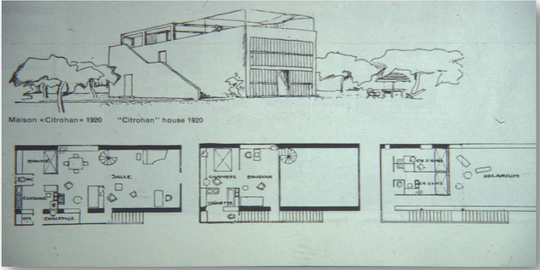
Le Corbusier, Citrohan House, 1919-1922
a city made for speed is a city made for success
houses, as efficient as a car
Piloti
Freestanding support that lifts building above ground/foundation
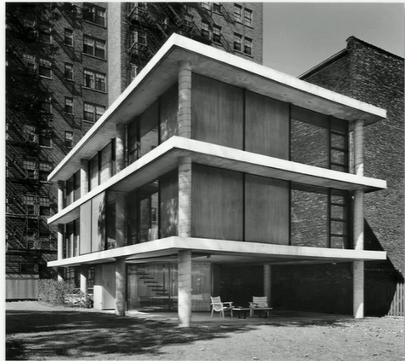
Le Corbusier Citrohan House, 1922
concrete slabs
concrete columns
no weight bearing walls
pilotis
International Style
pilotis adjust to any topography
Modular units provide for variety of configurations
modular units provide for adjustments of functions
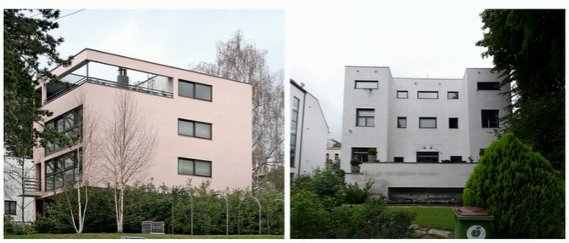
Le Corbusier, Citrohan House, 1922 & Adolf Loos, Steiner House, 1910 Early Modernism
geometric structure
absence of ornament
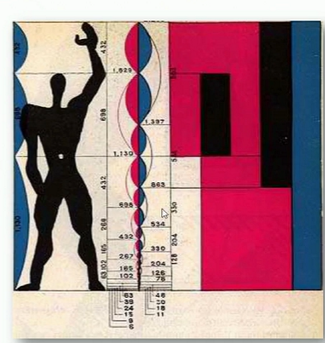
Le Corbusier, Modular Man
“tool objects… are objects used by man”
the “open hand” is a recurring motif in Le Corbusier’s architecture, a sign for him of peace and reconciliation
“open to give and open to receive”
to get at the “rhythms at the very root of human activity”
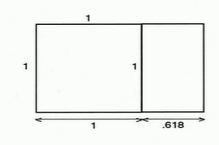
Golden Section
golden mean
golden ration
1: 1.618
Mark Barr, American mathematician 1909: proposed naming it “Phi”
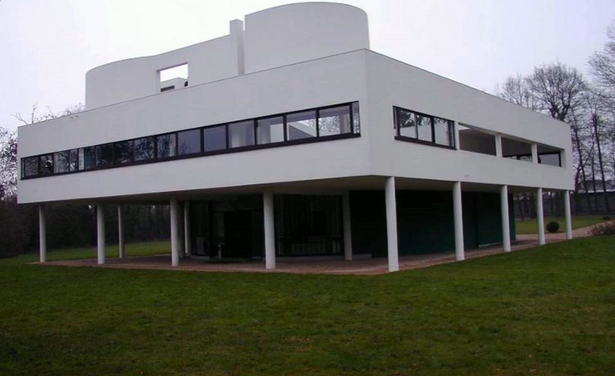
Le Corbusier, Villa Savoye, Poissy, France 1930
“a house is a machine for living in. baths, sun, hot water, cold water, warmth at will, conservation of food, hygeine, beauty in a sense of good proportion. an armchair is a machine for sitting and so on”
geometric, volumes, unadorned
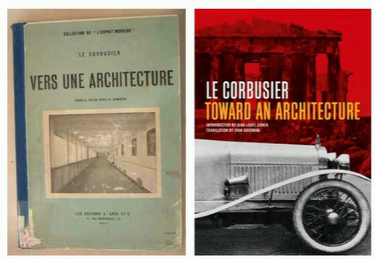
Five Points Toward a New Architecture, 1926, Le Corbusier:
Pilotis
Stack verticals
Free floor plan
strip windows
roof patio
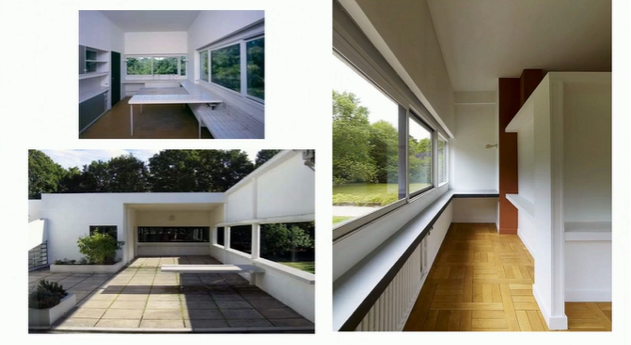
Le Corbusier, Villa Savoye, Poissy, France, 1930
furniture as “equipping a house” not decorating it
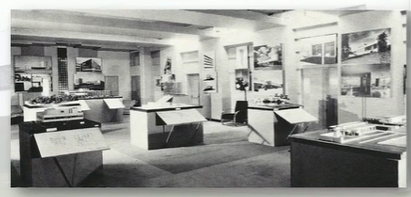
Museum of Modern Art, NYC
1932: exhibit:
“Modern architecture: International Exhibition”
Early Modernism characteristics
use of rectinlinear forms
flat surfaces without ornaments
open interior spaces
visually weightless quality
cantilever: open spaces
use of glass
materials: concrete, steel, glass
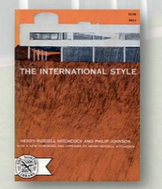
Johnson, Hitchock, 1932 (International Style)
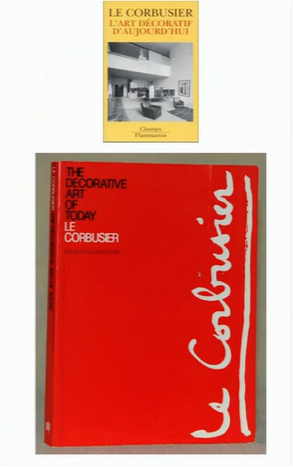
1925, Le Corbusier: L’Art Decoratif d’aujourd’hui
The Decorative Art of Today
types of furniture:
“human limb objects”
“tool objects”
furniture that is “extension of our limbs and adapted to human functions”
1929: furniture: “equipment for the home”
Perriand: “confrontations” between…
materials, surfaces, colors, textures
Le Corbusier began collaborating with Charlotte Perriand on furniture design in….
1928
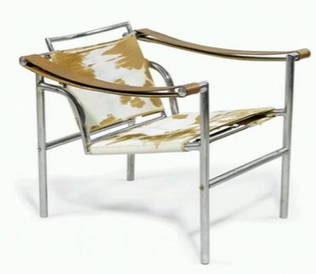
Le Corbusier and Perriand, B301 chair, 1929
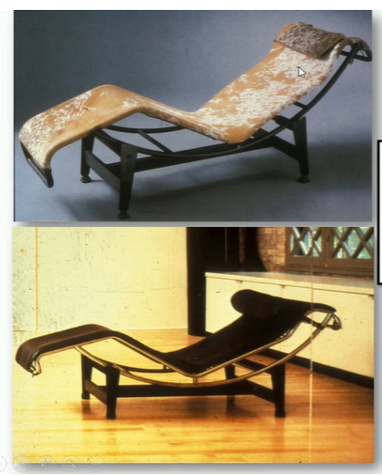
Le Corbusier and Perriand, B306 chaise, 1929
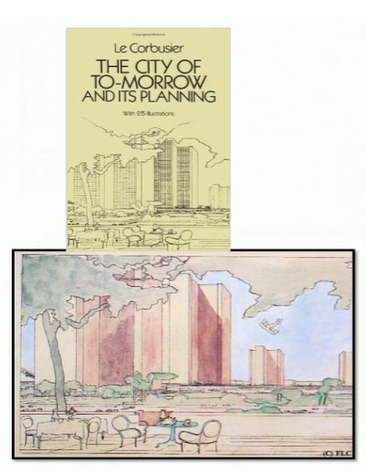
Le Corbusier, City of Tomorrow, 1922-25
“high density… high rise… modular city”
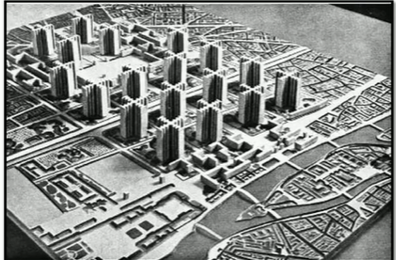
Le Corbusier, City of Tomorrow, 1922-25
2 million population
expandable:
“plug in modules”
cellular system
1929 International Exposition, Barcelona: May 1929-January 1930
25 million attended
20 European nations participated in the fair
in addition, private organizations from the US and Japan participated
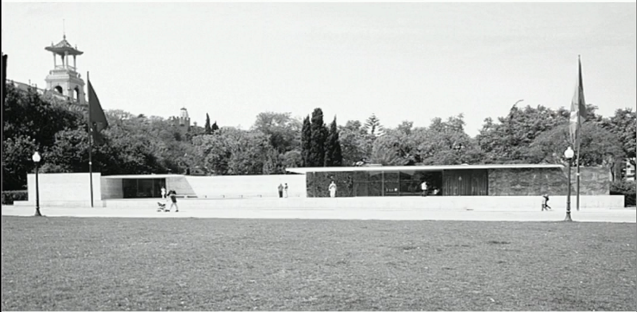
Mies, German Pavilion, Barcelona, 1929
post WWI
no trade exhibits
Mies: wanted the building to become “an ideal zone of tranquility”
assembled: 1929
disassembled: 1930
Reassembled: 1836
International style:
assembled on foundation that adjusts to site
concrete (horizontal) slabs, cantilevers
non-weight bearing walls, long expanses of glass curtain walls
open plan
“Mies’s Opaque Cube”
partitions were removable, floating plan
continuity of materials: interior/exterior
“less is more”: do away with extraneous: “simplify to essentials”
rely on materials for the “decorative”
“god is in the details”
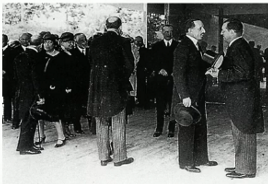
King Alonzo XIII and Mies, May 1929
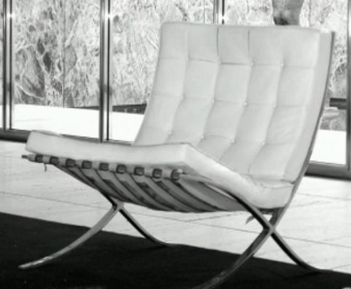
Mies and Reich, barcelona chair, 1929
“throne”
original in white pigskin
“floating plan”
god is in the details
Mies: “a chair is a very difficult object. A skyscraper is almost easier”
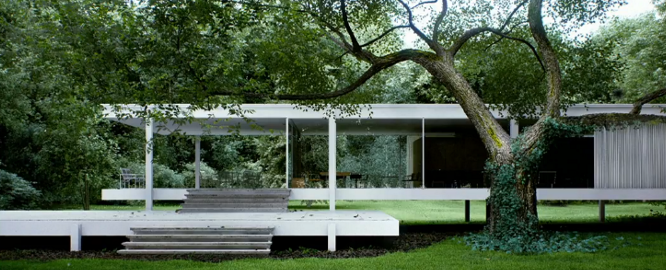
Mies, Farnsworth House, Fox River, Illinois, 1951
“assembly house”
International Style: pilotis adjust the building to any site
“floating plan”
“skin and bones architecture”
concrete horizontal slabs
non-weight bearing glass curtain walls
International style: reduction to essentials
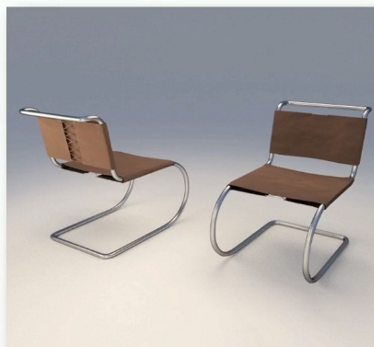
Mies, MR chair, 1927
MR - Mies van der Rohe
cantilever chair
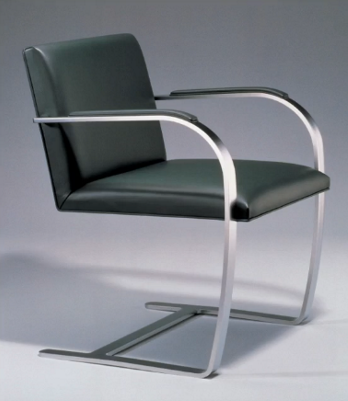
Mies, Brno chair, 1930
cantilever chair

Mies Brno chair only piece of furniture selected
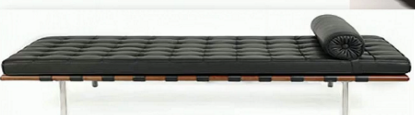
Mies, Day bed, 1940
“floating plan”
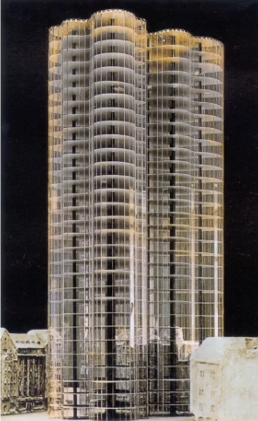
Mies, “glass skyscraper” 1921
glass partition walls
steel superstructure
“skin and bones architecture”
transparency: “floating”
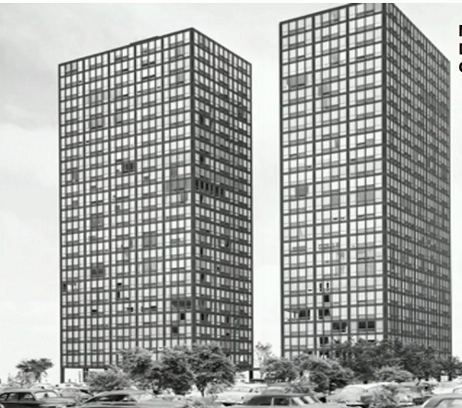
Mies, Lakeshore Drive Apartments, Chicago, 1951
skin and bones architecture
steel superstructure with glass partition walls
recessed ground floor
“floating” quality
matching interior/exterior materials
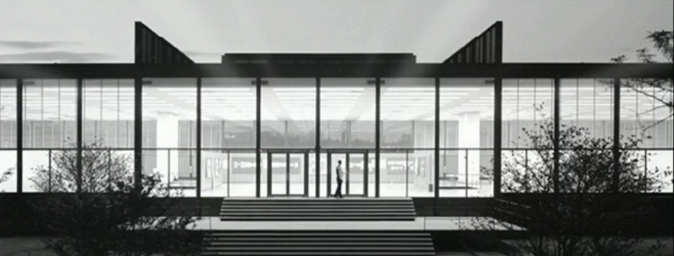
Mies, Crown Hall, I.I.T., Chicago, 1956
skin and bones architecture
floating plan
less is more
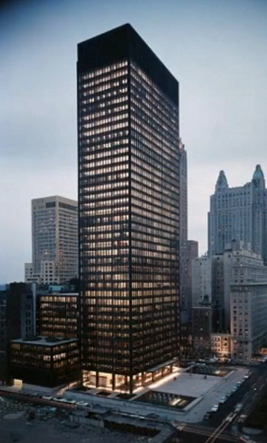
Mies and Philip Johnson, Seagram Building, NYC, 1958
built around elevators
skin and bone architecture
“floating” relieves massiveness at first floor by recessing entrance
matching materials exterior/interior
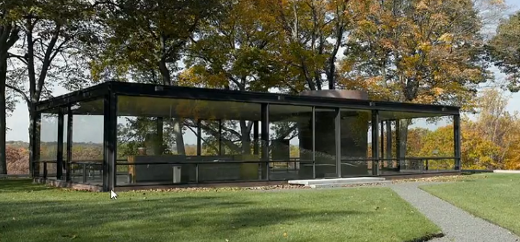
Philip Johnson, “Glass House,” New Canaan, Connecticut, 1949
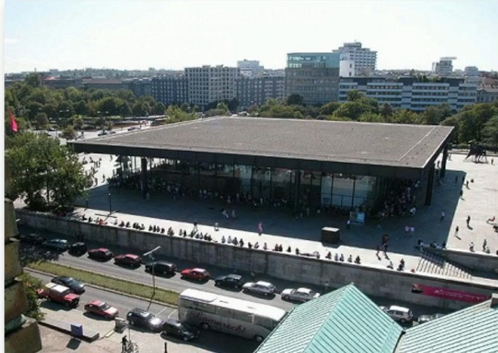
Mies, German National Gallery, Berlin, 1968
floating plan
transparency
removable partitions
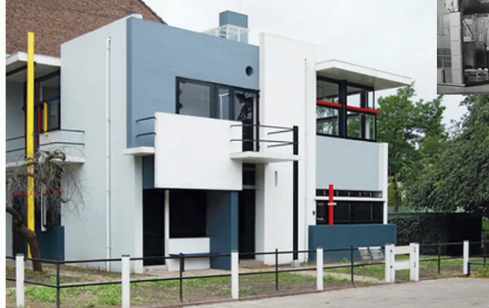
Rietveld, Schroder House, Utrecht, 1924
Gerrit Rietveld: De Stijl: “Pure Style” “simplification”
verticals, horizontals to flat planes that intersect primary colors, black, white, gray
vertical horizontal
no curves
no diagonals
flat roof, cantilvers
angles/angular
intersections of verticals and horizontals form volumes
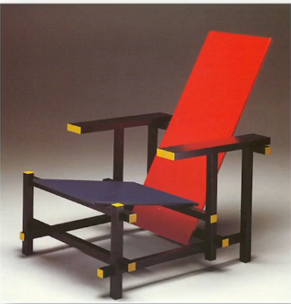
Rietveld, Red/Blue chair, 1918
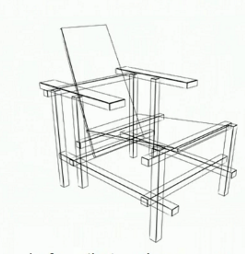
space boxes
Reitveld
a form that encloses space surrounded by a form
space surrounded by a form
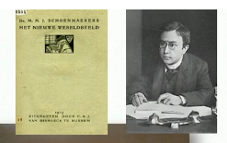
MHJ Schoenmaekers: “yellow symbolizes the vertical movement of the sun’s rays; blue, the horizontal lines of power around the sun”
Rational Design
1930s-1950s
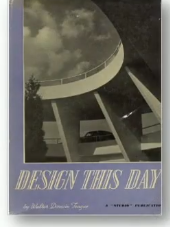
Walter Dorwin Teague, 1940
added Industrial Design to his letterhead upon landing his first big client, Eastman kodak
described beauty as “visible rightness”
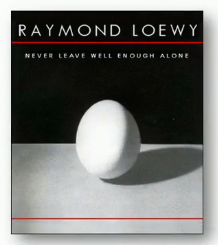
Raymond Loewy, 1951
nickanmes were The Father of Industrial Revolution
featured on cover of Time Magazine, October 31, 1949
M.A.Y.A: “Most Advanced Yet Acceptable”
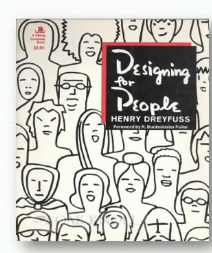
Henry Dreyfuss, 1955
first worked doing set designs for Broadway plays
opened his own firm in 1921
learned how to draw upside down so that he would impress clients
turned down a one-man show at New York’s Museum of Modern Art, saying he only wanted his products on display in Macy’s
“dissecting the product, seeing what made it tick then making it look better”
Table of contents indicates how much of the focus on being an industrial designer and on improving design relies on “problem solving”
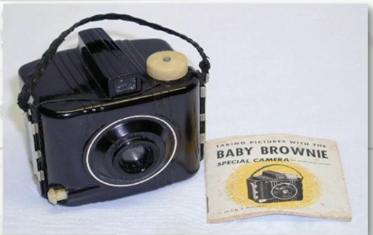
Teague, Baby Brownie camera, 1935
“technical efficiency”
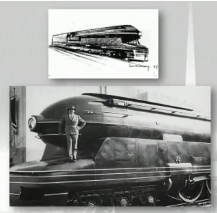
Raymond Lowey, PRR S1 locomotive, 1939
designed the shell of the locomotive
designed to carry heavy loads at advanced speeds
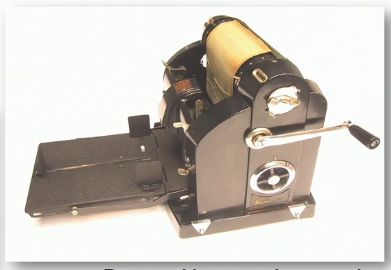
Raymond Lowey, mimeograph duplicator, 1940
casing added for protection to mechanism (old version was 1938)
operating dials improved
loading trays added
Rational Design
Theorists refer to “function” as the controlling factor in problem solving a design issue:
The function might include:
the ease of use (the “rationale of operating”)
improving the operating efficiency of the design, and multiplying its functions and functional capacity
marketability: improve appearance so it appeals to the consumer
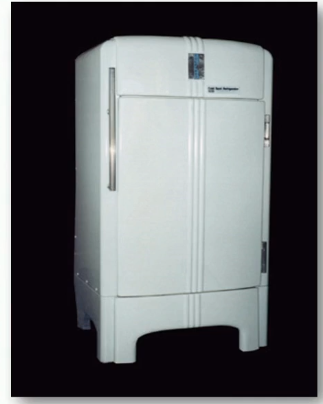
Raymond Lowey, Coldspot “Super Six” refrigerator, 1935
1935 - 15000 sold
sears sales increased 400% due to orders for the Coldspot
by 1940: 275,000 sold
“restyled”
streamlined:
rounded edges
flush door
recessed handle
chrome hardware
“rational design”: weighted door
Has water cooler, removable aluminum shelves, drawers/baskets, containers offered separately for sale

Coldspot, 1930
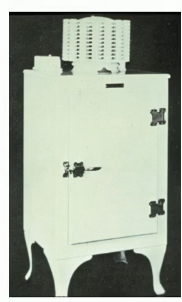
GE, 1992
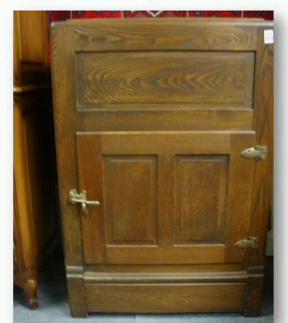
ice box, pre 1900
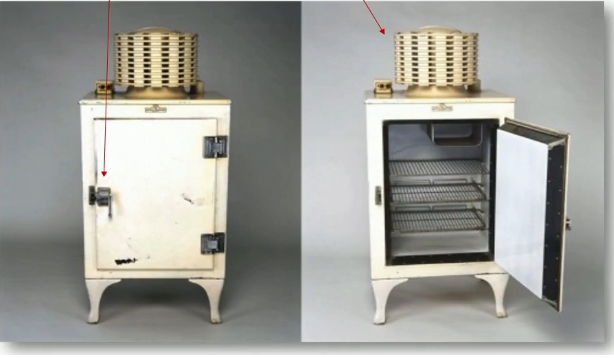
GE “ice box” refrigerator, 1922
cooling mechanism added
(1930 version has cooling mechanism enclosed)
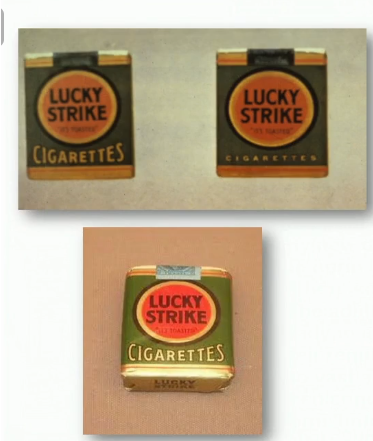
old Lucky Strike Packaging, 1917
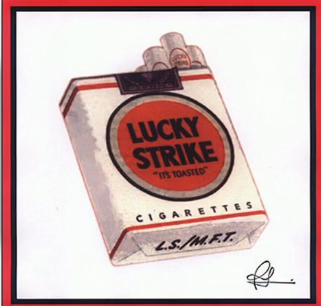
Loewy, Lucky Strike packaging, 1942
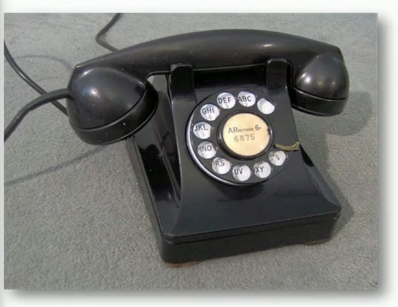
Henry Drewyfuss, Model 300 telephone, 1937
combined handset
base with cradle
circular dial
molded in bakelite
insulator, not heat conductive, light weight, moldable
removed gallows shaped funnel on the handset
weighted base, improved angle od dial and finger stop
covered cord, cork feet
bakelit
a hard synthetic plastic, invented by Leo Baekleand, 1907
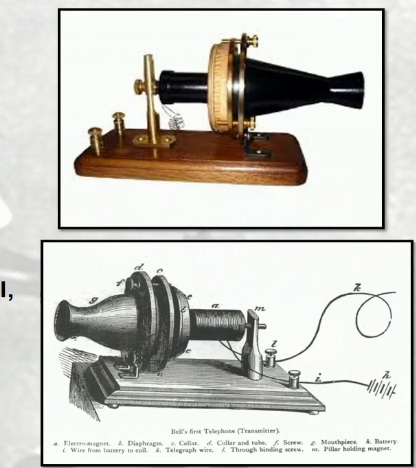
Alexander Graham Bell
June 3, 1875 - voice sounds transmitted one way
March, 1876 - two-way
“gallows shaped instrument”
gathers sound
projects sound
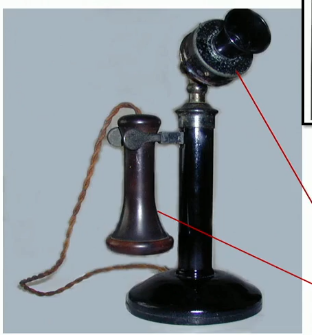
Candlestick telephone, 1888
transmitter, receiver
both gallows shaped
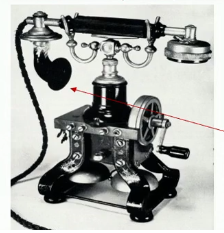
handset telephone, 1896
integrates transmitter, receiver transmitter: gallows shaped
ringer box: connects with manual switchboard dialing motion
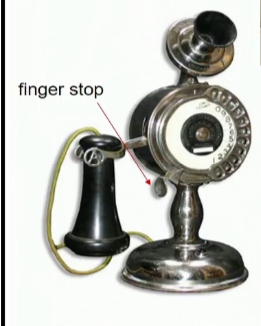
Strowger, candlestick telephone with dial, 1905
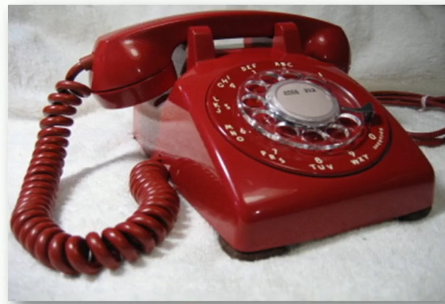
Henry Dreyfuss, coil cord telephone (500 series), 1955
coil cord vs covered cord
coil cord first offered as a premium option in 1949
standard feature from 1956
flatter angle of dial and dialing
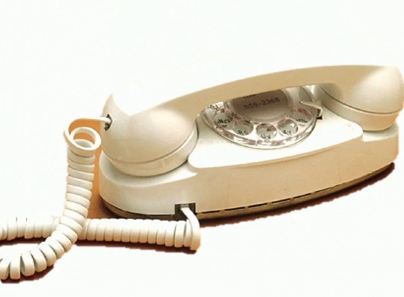
Dreyfuss, Princess telephone, 1959
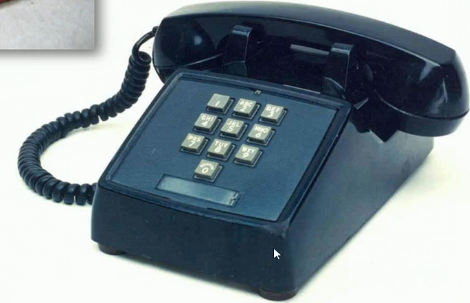
Dreyfuss, touchtone telephone, 1965
reverses numerical format from adding machine
square buttons in contrast to circular cut-outs in rotary dial
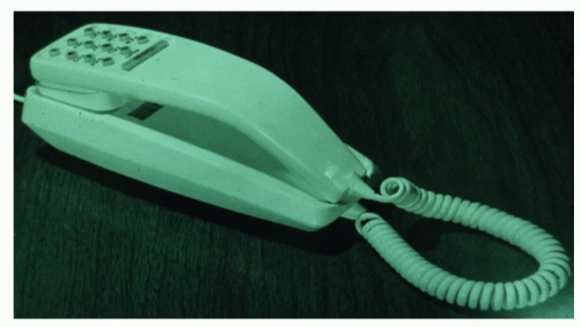
Dreyfuss, trimline telephone, 1968
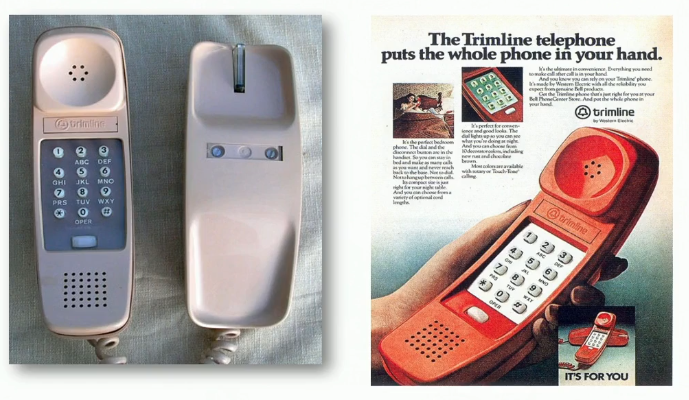
Dreyfuss, trimline telephone, 1969
circular (rounded corner) buttons replace square buttons
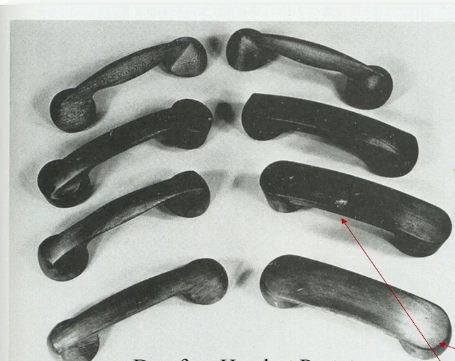
Dreyfuss handset protypes
“rational design”
1935
fits into hand
ease of use
1969
improve function of act of dialing
not focused on comfort in hand
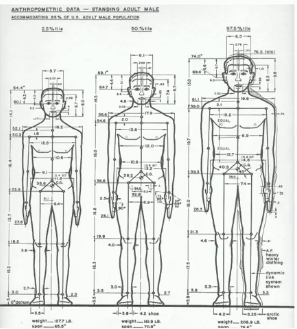
anthropometry
measurement of humans; the measurement of the human individual for the purposes of understanding human physical variation
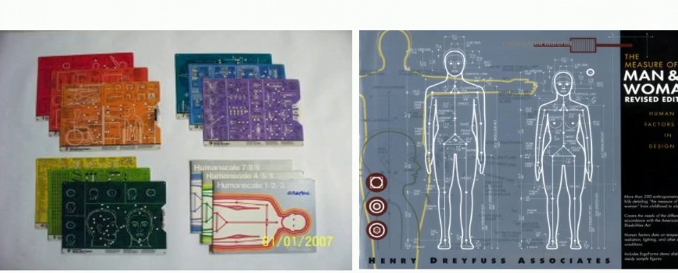
Henry Dreyfuss, Humanscale Charts, 1950s
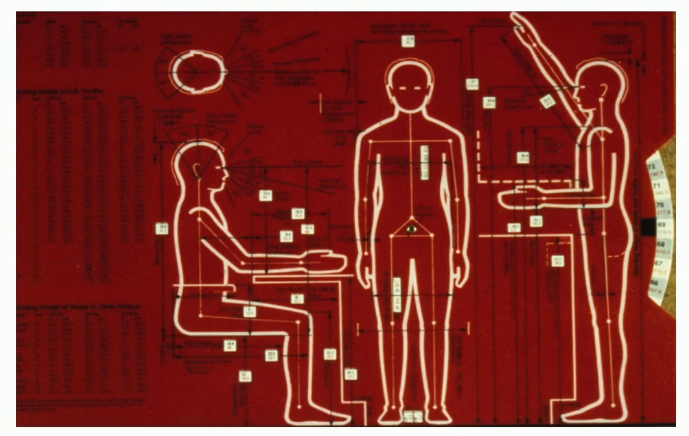
Henry Dreyfuss, Humanscale Charts, “Joe”, 1950s
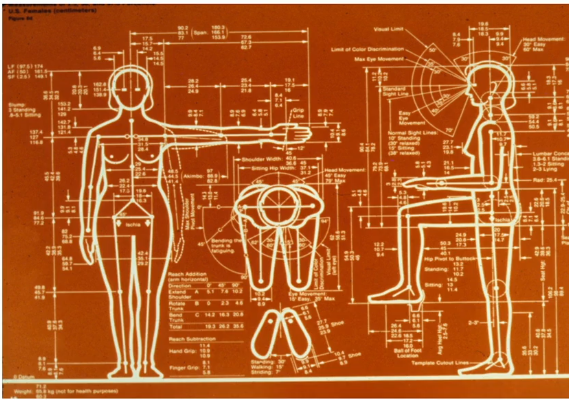
Henry Dreyfuss, Humanscale Charts, “Josephine”, 1950s
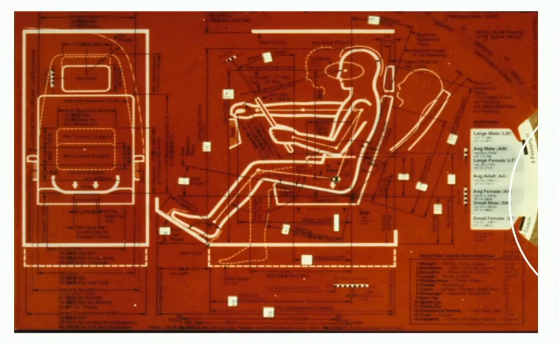
Henry Dreyfuss, Humanscale charts, 1960s
Dreyfuss: Humanscale = instead of adapting people to machine, “machines adapted to people would be the most efficient”
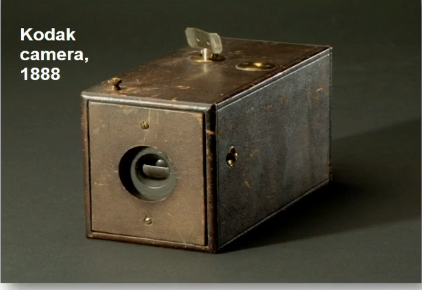
box camera to protect the mechanism
loaded with film
100 exposures
entire box sent to factory for developing
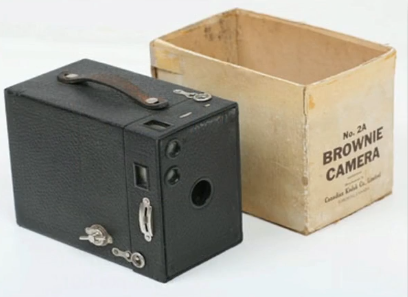
Baby Brownie Camera, 1900
interior box, to be removed and sent into Kodak for processing
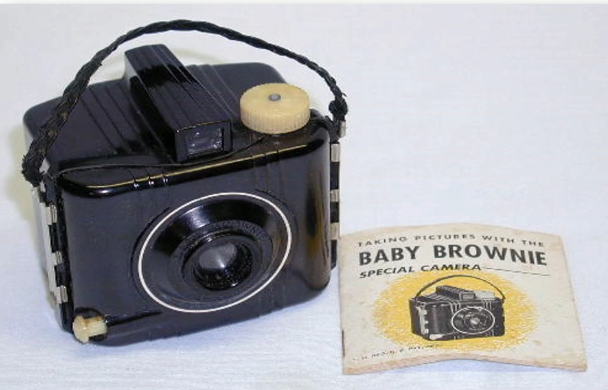
Teague, Baby Brownie camera, 1935
“technical efficiency”
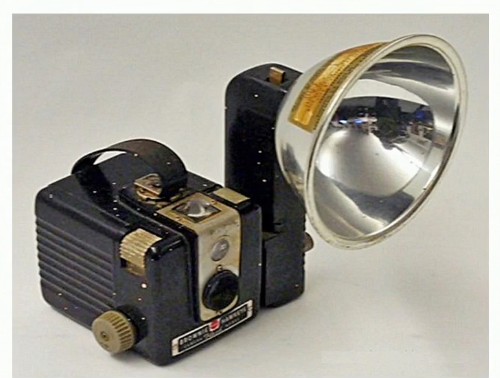
Teague, Baby Brownie Camera with flash attachment
Rational Design
“rationa” = function as the controlling factor in problem solving a design issue:
function might include:
the ease of use (the rationale of operating)
improving the operating efficiency of the design and multiplying its functions and functional capacity
marketability; improve appearance so it appeals to the consumer
ergonomics
the scientific discipline concerned with the understanding of interactions among humans and other elements of a system and the profession that applies theory, principles, data and methods to design in order to optimize human well being and overall system performance
ergonomics design: two stages
biomorphic molding
living organism form: object focused shape
improve function
improve angles of use
improve accessibility
improve adjustability
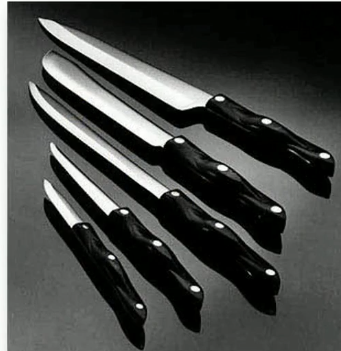
Thomas Lamb, knife handles, 1950s
biomorphic:
assumes human form
molded to human form
hand perfect handle
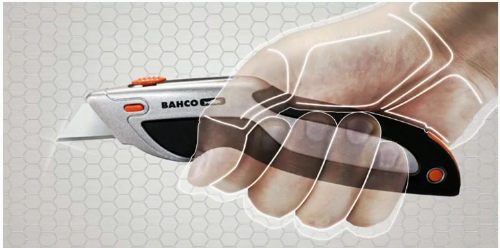
Bahco knife handles, 1960s
biomorphic molding
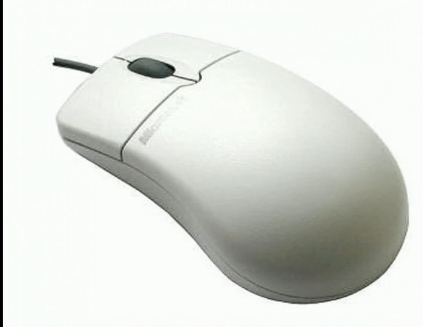
Microsoft Intellimouse Explorer, 1966
biomorphic molding
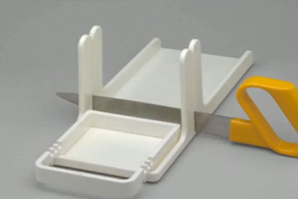
Ergonomi Design Group, cutlery, 1972 (renamed Veryday 2012)
improves function
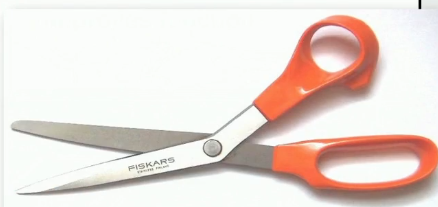
Fiskars scissors, 1967:
left/right versions
handles molded to improve angles of use
flattened blades to glide along cutting edge
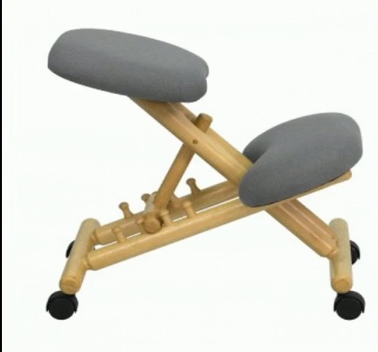
knee chairs, 1970s
improves function
the thighs are dropped to an angle of about 60-70 degrees from vertical
with some of the bodys weight supported by the shins
open body angle by lowering the angle of the lower body
one leans forward
in repositioning, the spine remains in alignment
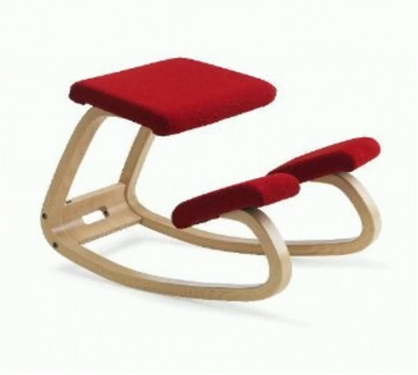
Stokke design group, Balans knee chair, 1990s
rocking function
makes you comfortable and makes you feel good
improves function
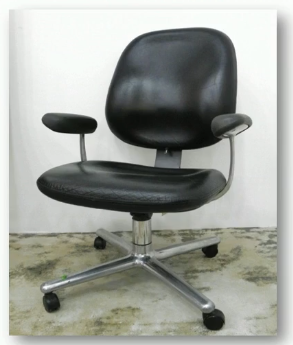
Bill Stumpf and Don Chadwick, Ergon chair, 1976
10 years of research in how people sit at their desks
“when i looked around at office spaces found designs that denies the human spirit”
“offices that were hermetically sealed artificial spaces”
“furniture that is design indignity”
improves functions
University of Wisconsin: environmental design center
collaboration with orthopedic and vascular specialists
research into how poeple sit and how people should sit
feel well. work well
seat: pocket for the body
swiveling base, rolling casters, pneumatic lift
three sizes
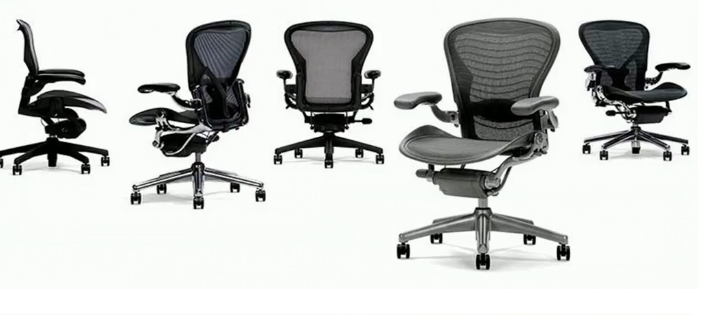
named after Aeron (celtic mythology “wind” reference)
also refers to aeration
lumbar support
pellicle weave:
provides ventilation
flexible to mold to body
sturdy, keeps shape
improves function
embody chairs
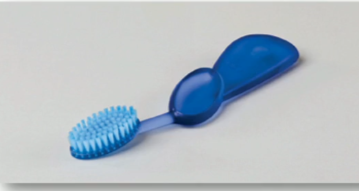
Kevin Foley, James O’Halloran, Radius toothbrush, 1984
thumb plate
palm handle
neo functionalist design
late functionist design
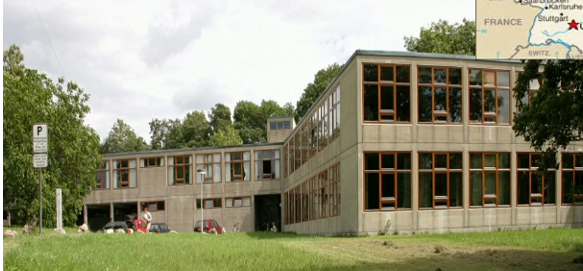
Hochschule for Gestaltung, Ulm, Germany
“The Ulm model was born as a model for design education based on science and technology”
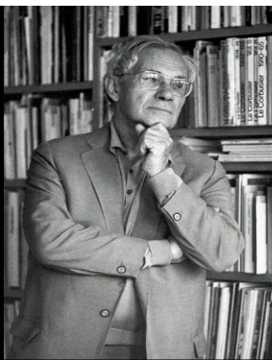
Max Bill, Director of the Hochschule Fur Gestaltung, Ulm Germany