Biology Exam
 Call Kai
 Learn
Learn Practice Test
 Spaced Repetition
 Match
Match Flashcards
 Knowt Play
1/114

There's no tags or description
Looks like no tags are added yet.
Name | Mastery | Learn | Test | Matching | Spaced | Call with Kai |
|---|
No analytics yet
Send a link to your students to track their progress
115 Terms
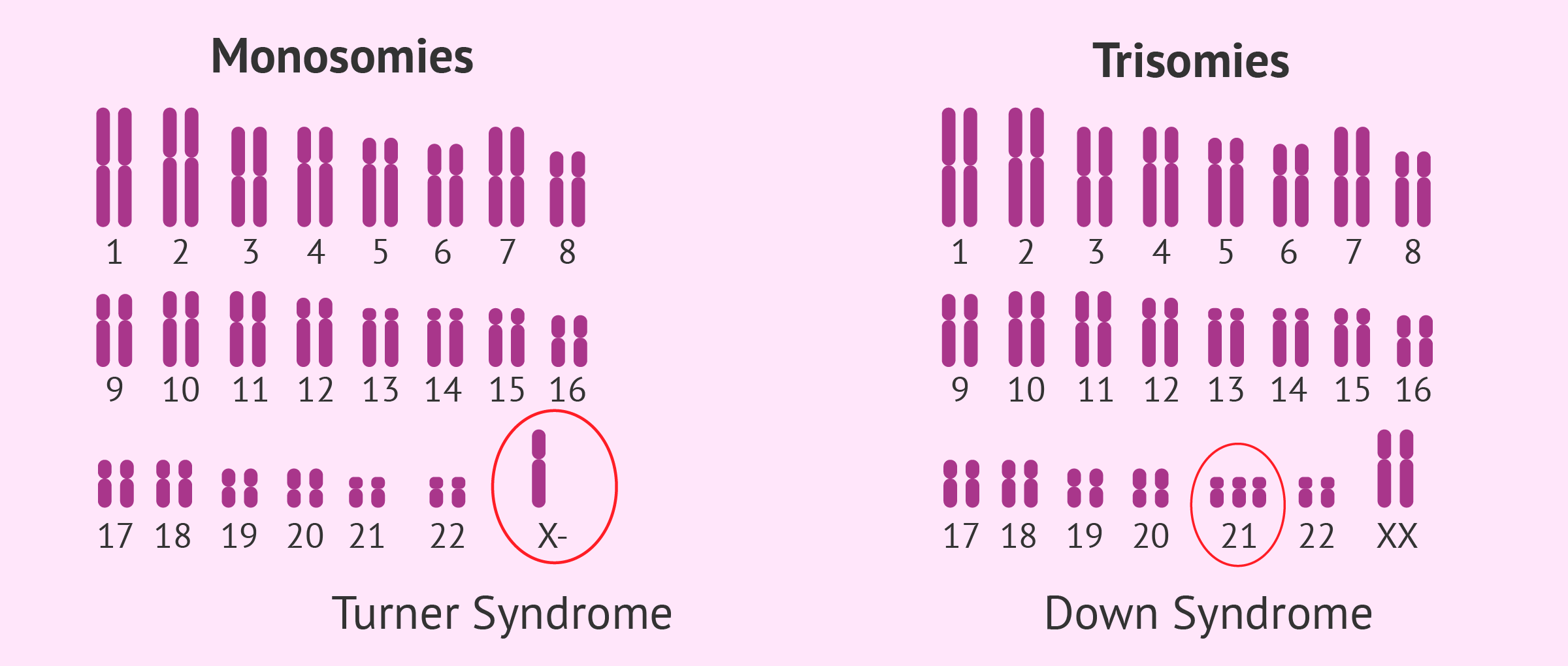
Monosomy vs trisomy?
Both of these refer to the amount of a certain chromosome is present
mono= only one
tri=three
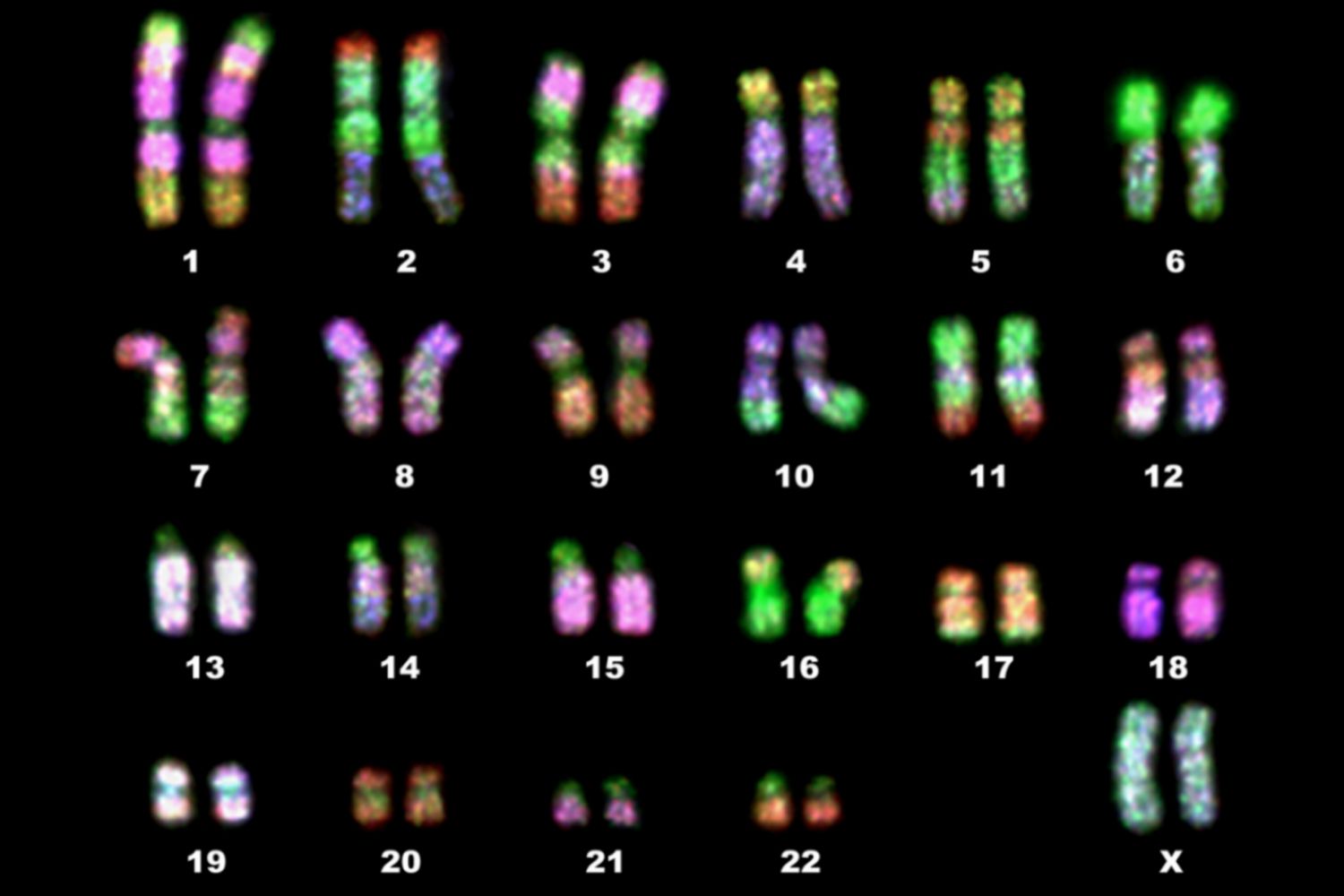
Karyotype?
This is a form of imagery that shows the complete ordered set of chromosomes
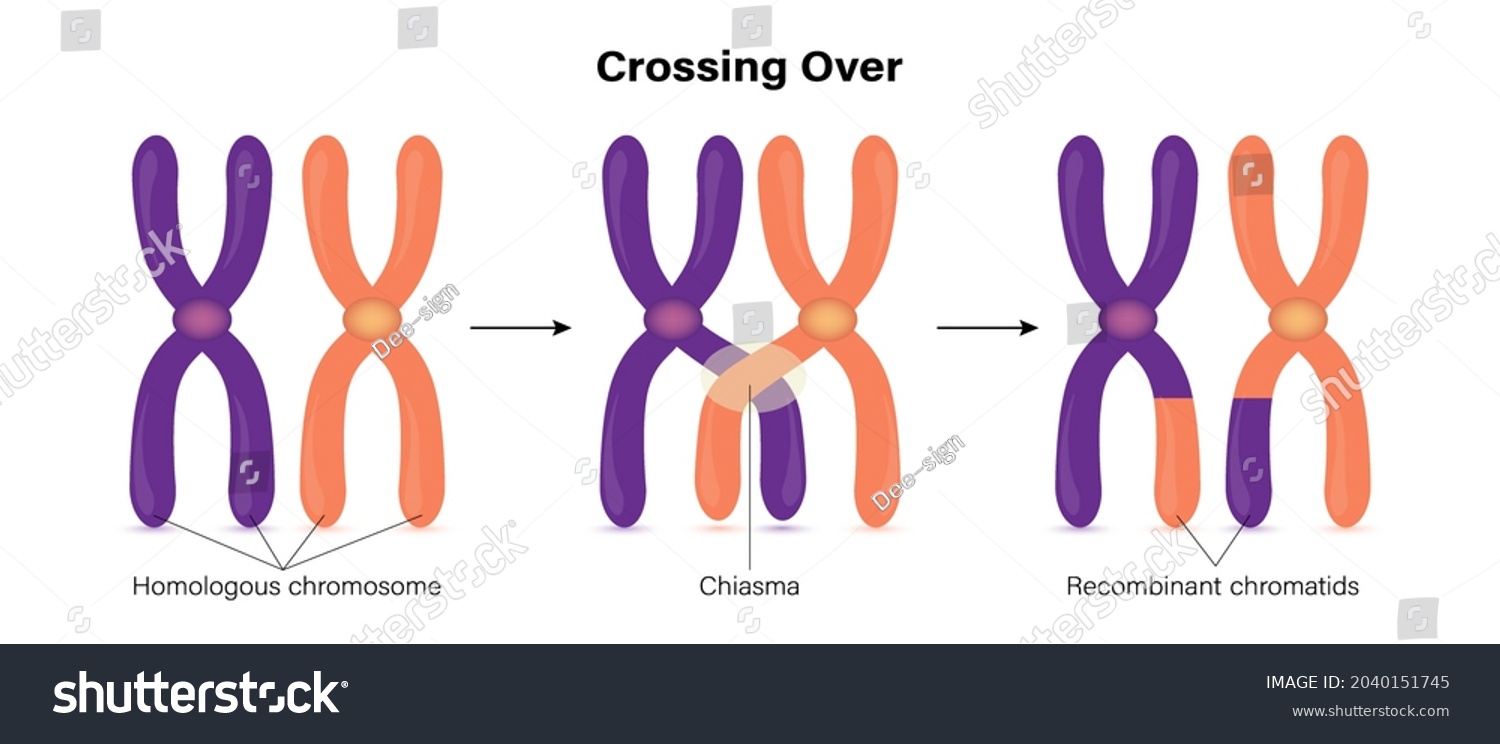
Crossing over?
Part of meiosis where two lined up chromosomes exchange information
This is reason for variety
Genetic testing methods
Cytogenetic testing- examination of whole chromosome for abnormalities
Amniocentesis (up=high accuracy, down=small risk of complications i.e. miscarriage)
Chorionic villus sampling (same as above)
Molecular testing- examination of a specific region of DNA for mutations
Biochemical testing- examination of specific proteins for functionality
Mendel’s three laws
Law of segregation
Individuals carry two alleles for each trait, the alleles get randomly separated during the creation of gametes
Law of independent assortment
The inheritance of alleles for one trait does not effect the inheritance for another
Law of dominance
Dominant alleles will always be shown (even over recessive ones)
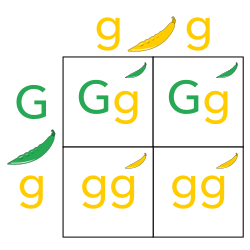
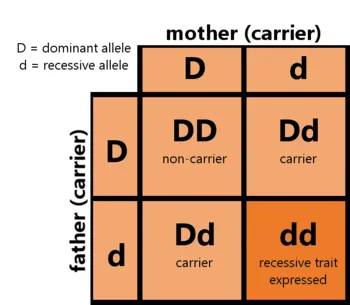
Monohybrid Crosses (punnett squares)
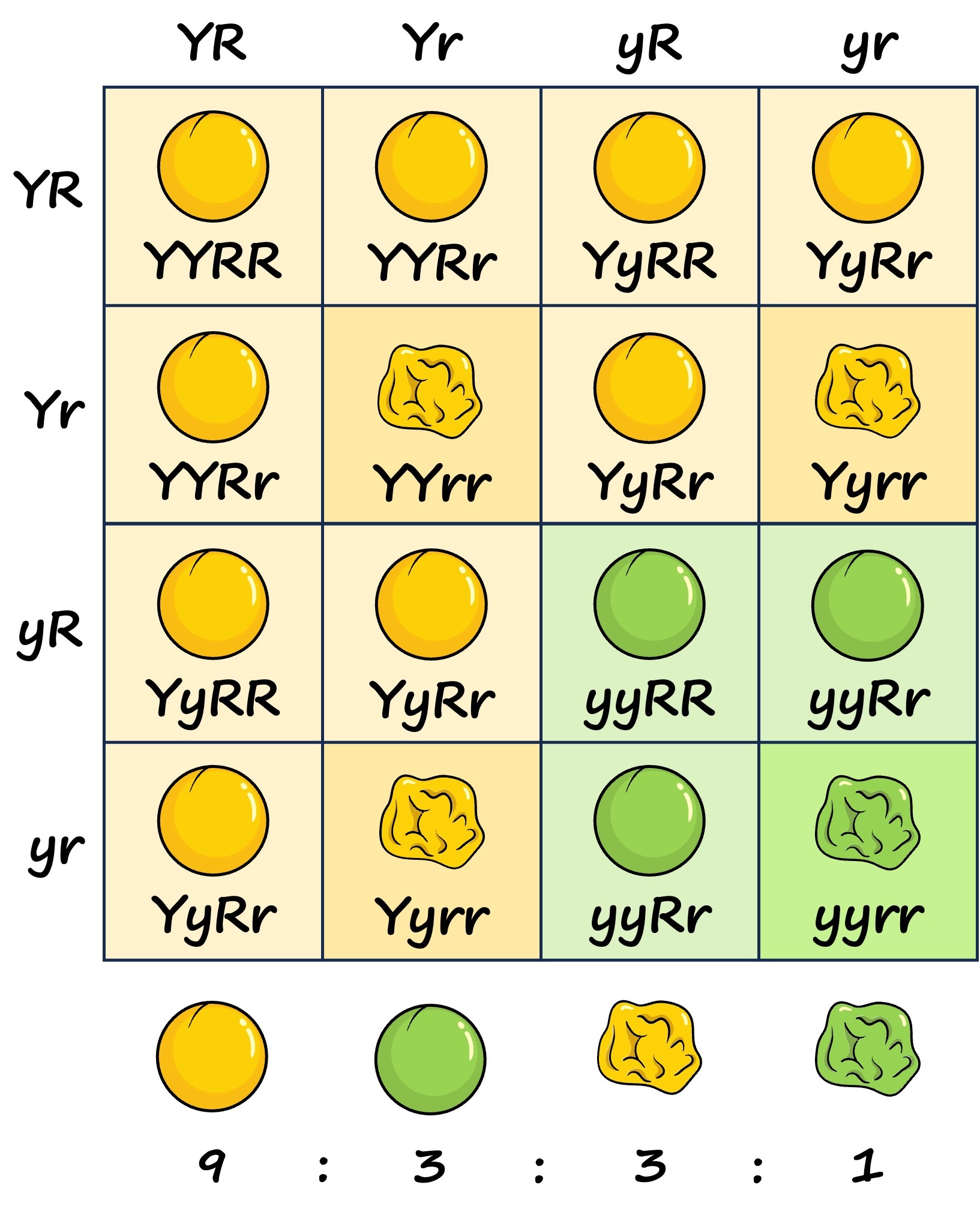
Dihybrid crosses
like mono but with an additional trait
Dominant vs. recessive traits
Dominant traits are more likely to be expressed
Recessive traits (since they need to be in pairs to be expressed) are more rare
Genotype vs. phenotype
Genotype is both of the alleles present for a certain trait (Tt, TT, tt)
Phenotype is the how those alleles are expressed (tall, round, wrinkled)
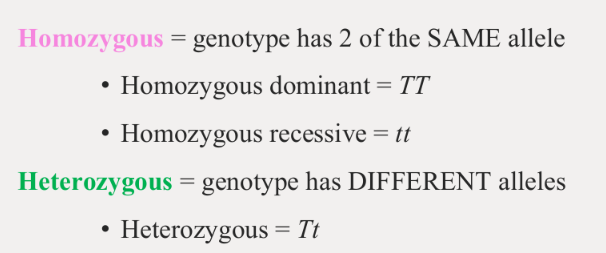
Homozygous vs heterozygous
Homo= genotype contains two of the same allele
Hetero= genotype contains two different alleles
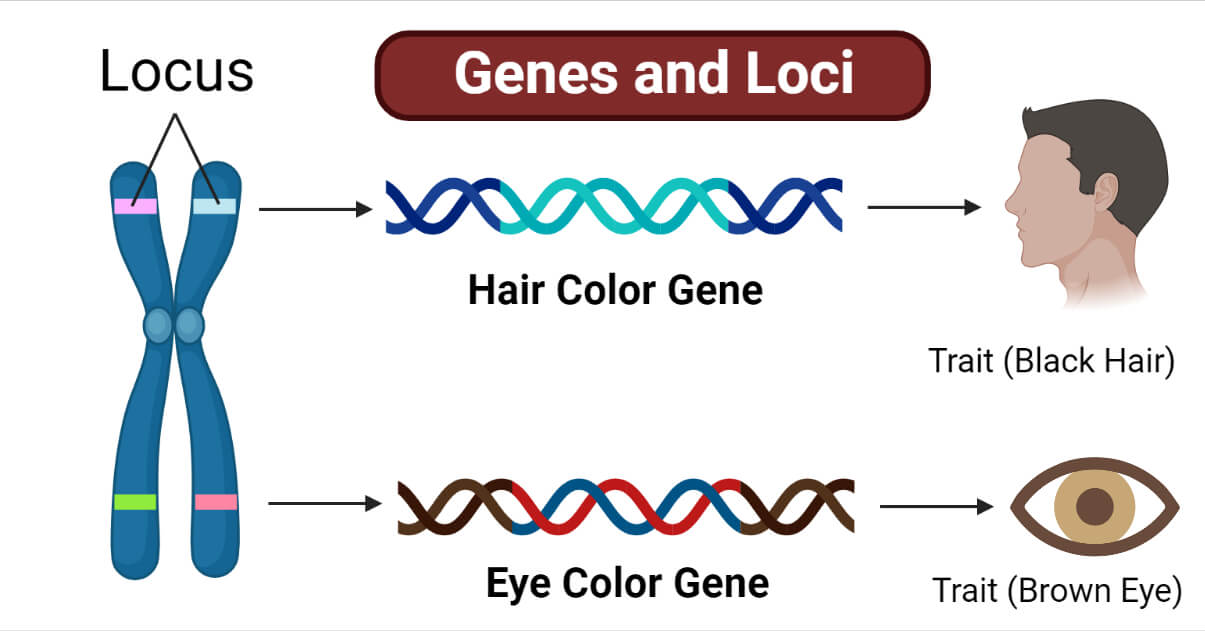
Allele vs Gene locus
Allele= one particular variant of a gene received from a parent
Gene locus= the specific, fixed location on the chromosome where a trait is located
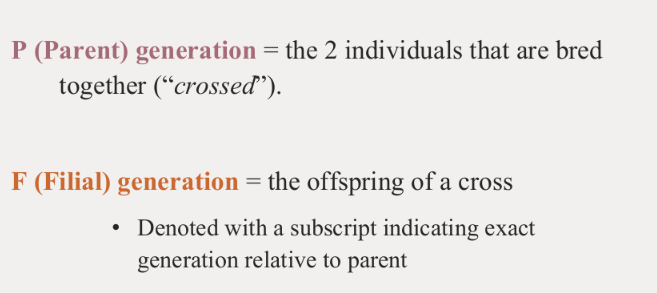
P, F₁, and F₂ generations
F1= Gen. 1
F2= Gen. 2
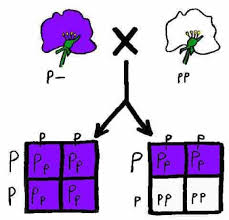
Test cross define?
This is a fundamental genetic method used to determine the unknown genotype of an organism that displays a dominant phenotype. It works by breeding the organism in question with a homozygous recessive individual
Why is inbreeding bad?
Since you are effectively self-fertilizing (as the genotypes of family members are similar), you increase the likelihood of expressing diseases
Incomplete dominance vs. codominance
Incomplete is where both alleles are partially expressed, creating an “inbetween”
Codominance is where both alleles are fully expressed
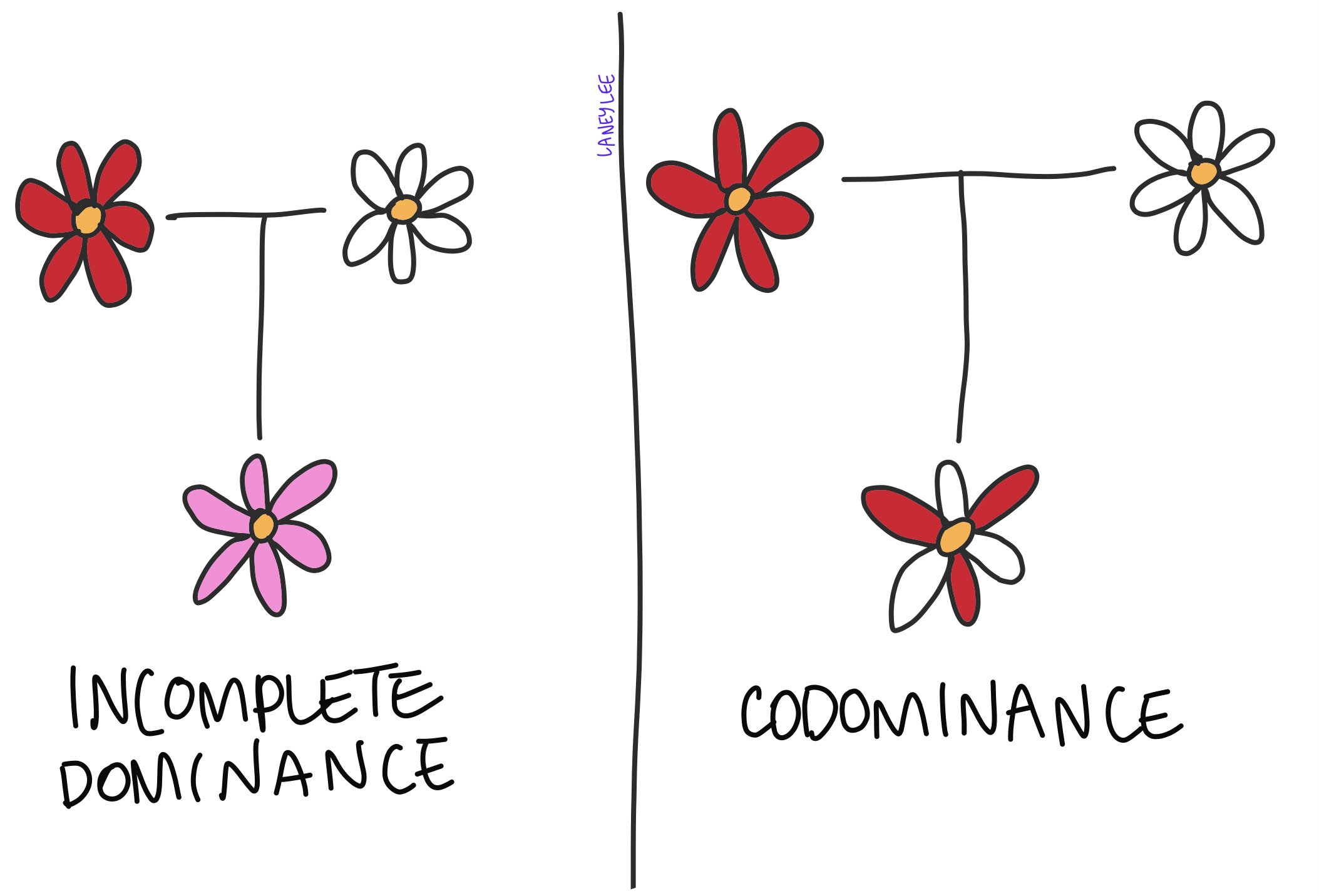
Multiple alleles
Three or more alleles for the same trait that can occupy the same gene locus
i.e. BLOOD TYPES
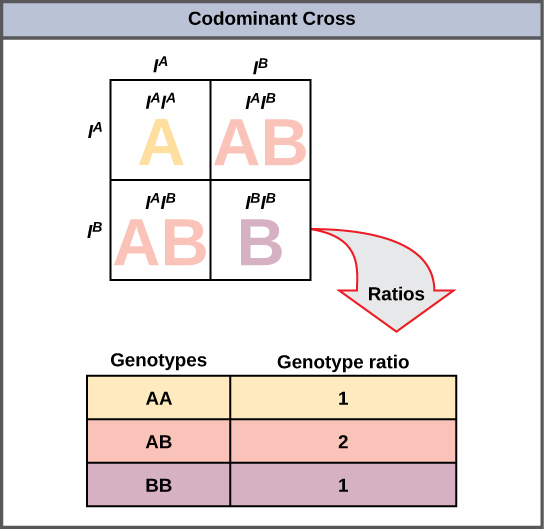
Blood types
Using a punnett square is just the same as normal
A and B are both dominant, meaning they will trump O
If A and B are both present they will exhibit codominance
O can only be expressed if it is paired with another O (since they are recessive)
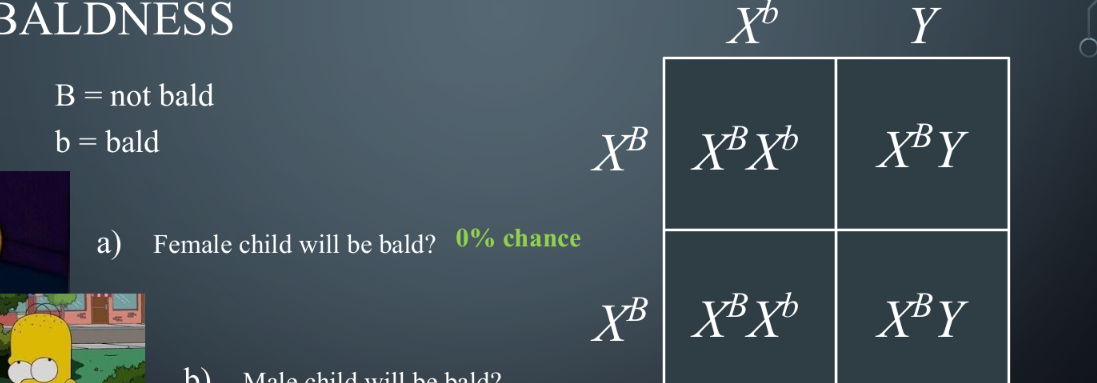
Sex-linked traits
These are traits that are determined by a gene located on a sex chromosome
Sex-linked crosses
Similar to a normal punnett square, except there are traits expressed above the X chromosome
Pedigree
These are maps that represent related individuals
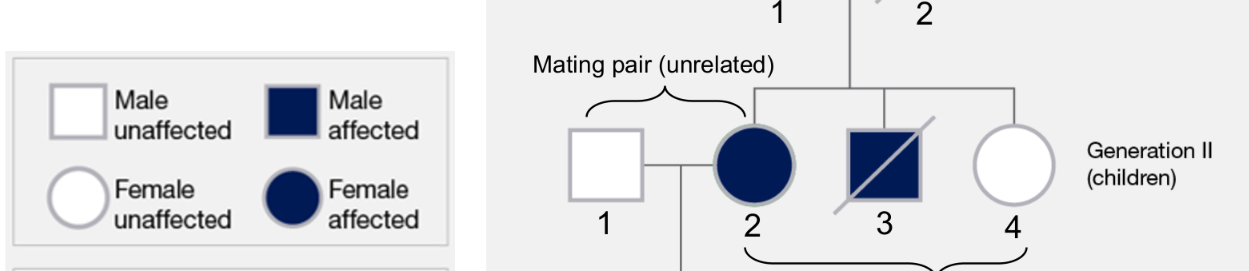
How to find what the inheritance pattern is
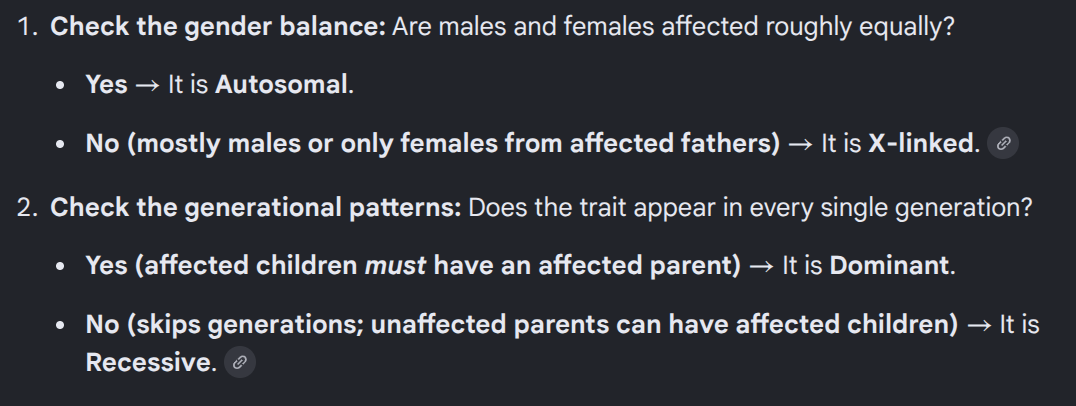
4 main meiotic errors
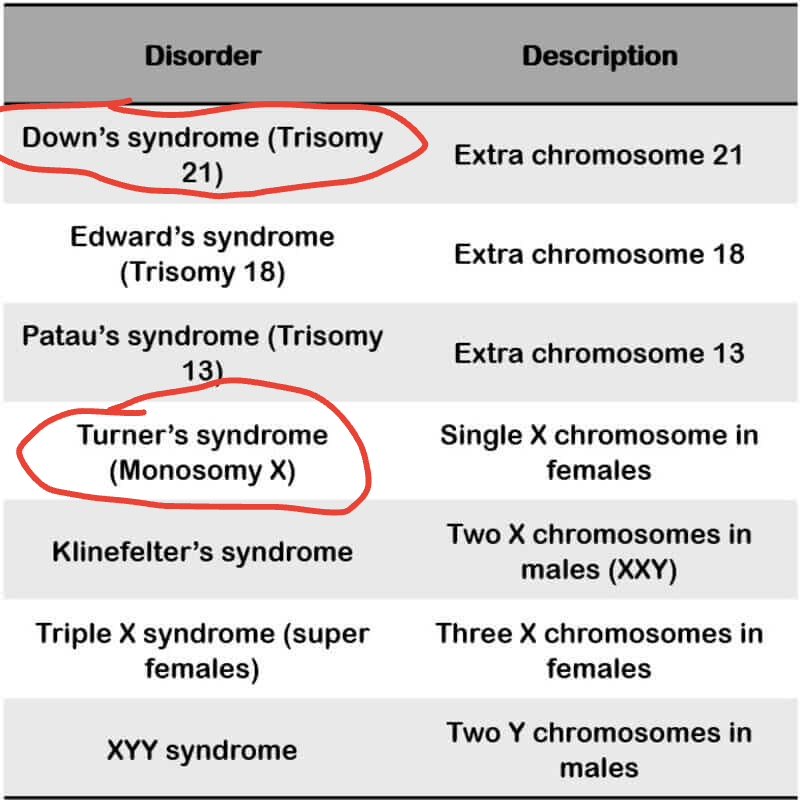
Nondisjunction
Chromosome fail to separate properly
Inversion
the chromosome gets rearranged instead of splitting
Duplication
Chromosome material gets copied incorrectly resulting in extra genetic material
Deletion
A section of the chromosome breaks off and is lost
chromosomal disorders (trisomy & monosomy)
DNA mutations
The permanent change in genetic letter in the DNA in a cell
Sources of DNA mutation
-radiation (eg. X-rays, UV)
-chemicals (eg. carcinogens, free radicals)
-viruses (eg. HPV)
Errors during replication
Variation vs. adaptation
Variation is how there is natural differences between individuals within species (eye color)
Adaptation is a variation that proved advantageous
Continuous vs discontinuous variation
Continuous are traits that can be measured on a continuous range (i.e. weight, heigh)
Discontinuous are traits that must fit into distinct categories (eye color, blood type)
Harmful, neutral, and advantageous mutations
Harmful= Mutations that inhibit the ability for the organism to survive/reproduce
Neutral= Mutations that have no effect on the organism’s ability to survive/reproduce
Advantageous= Mutations that allow the organism to survive/reproduce better
Variation to adaptation
A variation becomes an adaptation, if the variation allows the organism to survive/reproduce better (ADVANTAGEOUS MUTATION)
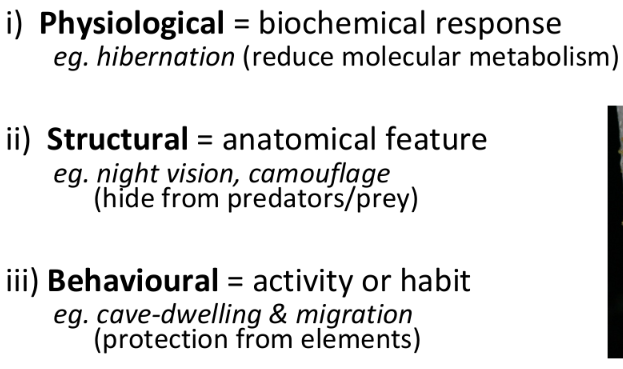
Types of adaptations
Physiological
Effects internal processes
Behavioural
Effects behaviour
Structural
Effects outer composition
Define Selective pressures
External agents that effect the ability for an organism to survive/reproduce
What are selective pressures that are caused by humans called & example
Anthropogenic selective pressure
English peppered moths adapting color to black during periods of high pollution
Mimicry define
A structural adaptation in which a harmless species resembles a harmful one
Charles Darwin & main principles
Created the idea of NATURAL SELECTION
All living things are related
natural processes drive evolution
Evolution main principles
individuals within a species will posses slightly different traits (variation)
Individuals with advantageous traits will be able to survive longer and reproduce more allowing them to spread their traits more
Evidence of evolution
Comparative anatomy
Embryology & development
Fossil records
DNA/biochemical comparisons
Biogeography
Observational evidence
CEFDBO
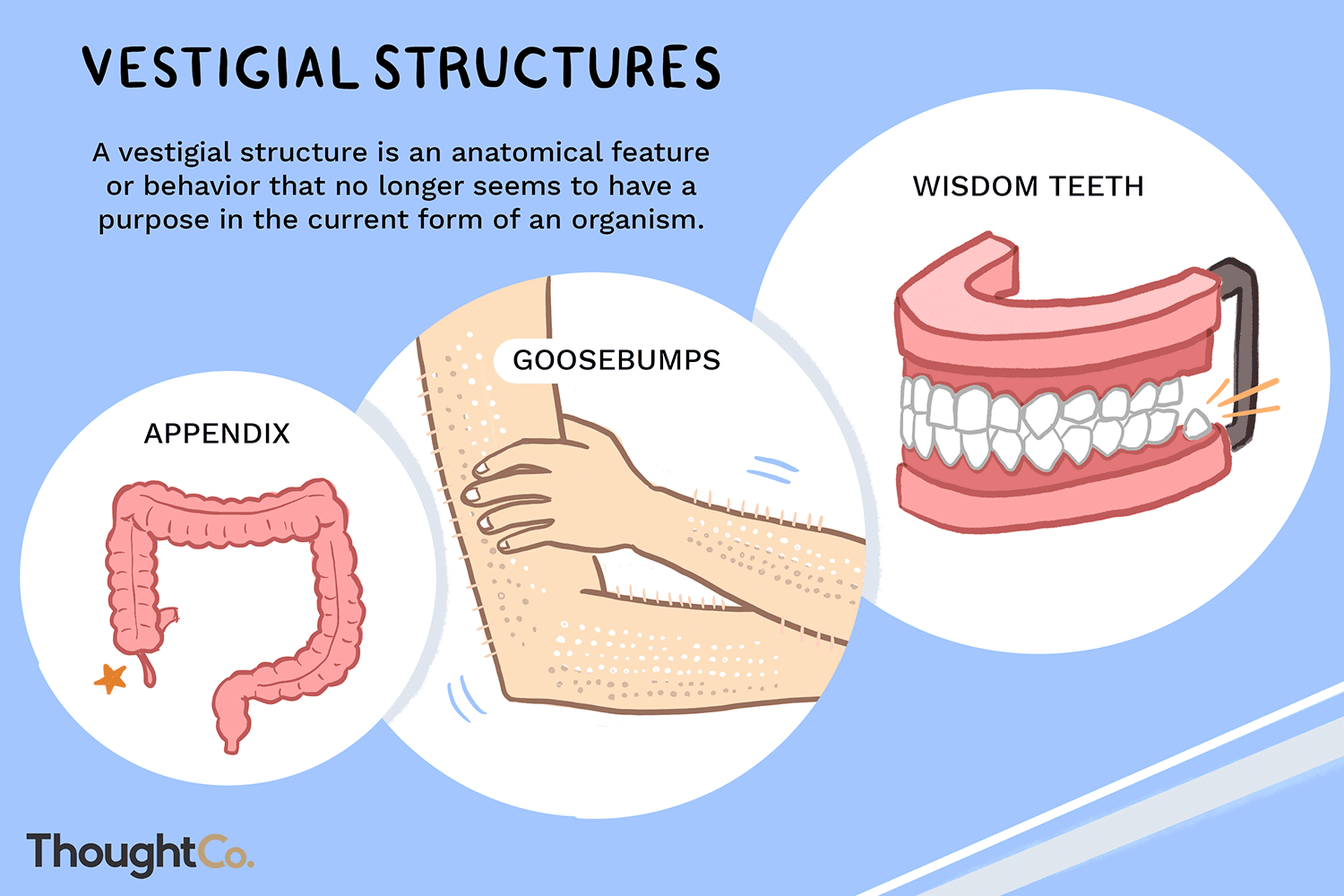
Vestigial structures
These are structures that have lost some or all of their ancestral power
Homologous vs analogous structures
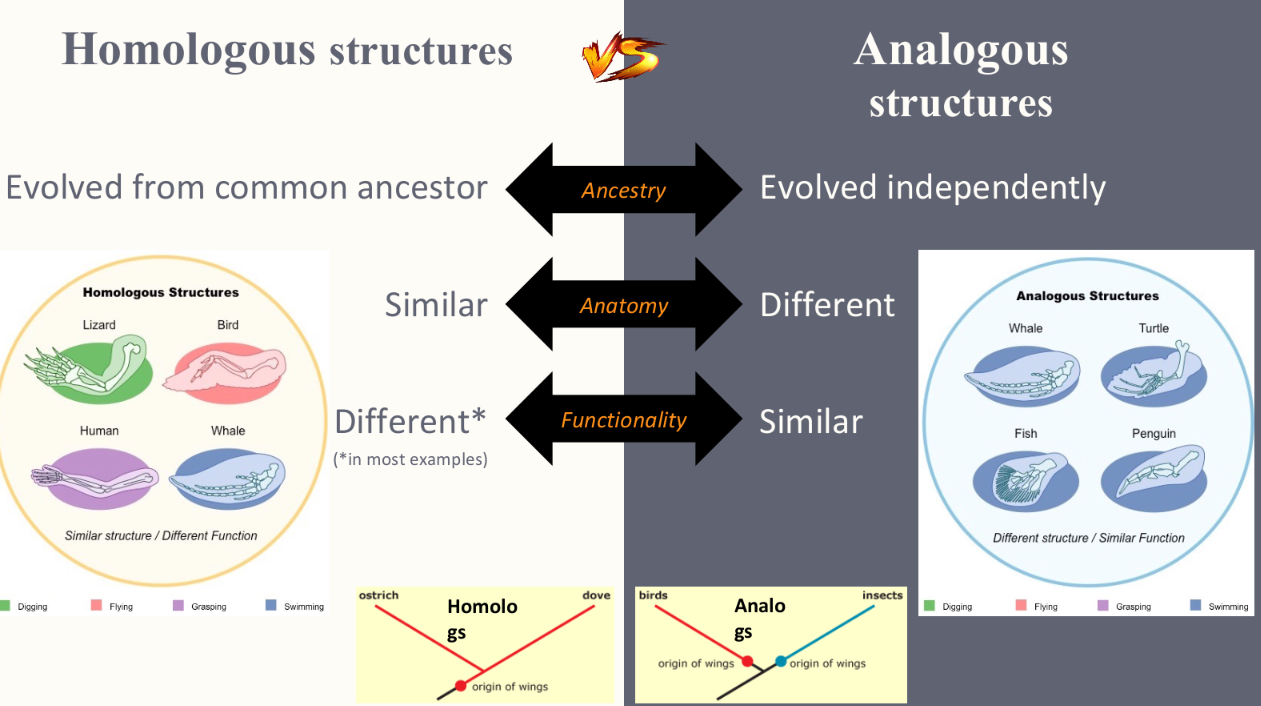
Transitional forms
Organisms that connect two distant relatives
Darwin’s finches
Charles Darwin saw that the same species of finch on the Galapagos islands had adapted slightly differently to give them an advantage in their specific environment
inspired him to make the idea of natural selection
Natural Selection
The process by which organisms get better evolved to their environments (weak ones die out)
“SURVIVAL OF THE FITTEST”
Evolutionary Fitness
The ability for an organism to pass of it’s genes to the next generation the most times
Artificial selection
The human directed selection of mating partners in organisms, meant to emphasize desired traits (i.e. dogs)
Sexual Selection
Natural selection arising through one sex’s preferance for a certain trait (i.e. dancing in birds)
Gene pool & why is bigger gene pool favourable
All the genes (including alleles), in a certain population
a bigger gene pool means that if a disease infiltrates a species it won’t kill all of them at once since there is health variety
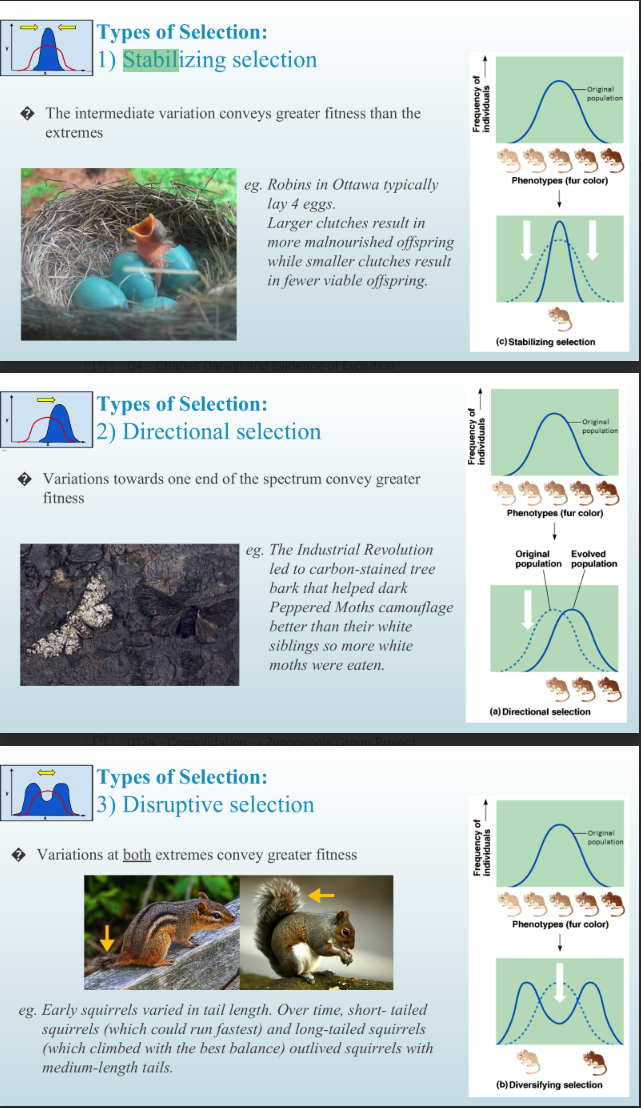
Stabilizing vs. Directional vs. disruptive selection
Stabilizing= intermediate variation grants greater fitness
Directional= variation toward one extreme grants greater fitness
Disruptive= variation at both extremes grants greater fitness
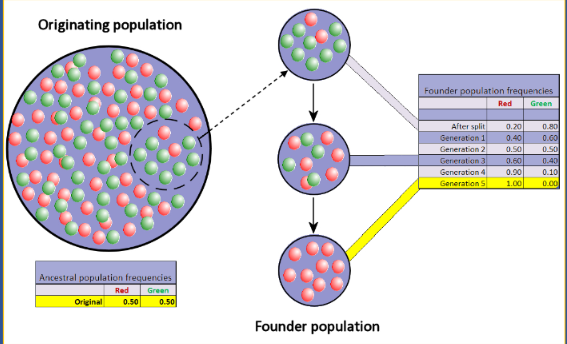
Genetic drift
Change in allele frequency due to random chance
Genetic bottleneck
Where a single event drastically reduces genetic variation within a population
Gene flow
The transfer of genetic variation from one population to another
Speciation define
The creation of one or more distinct species originating from one original one
Allopatric & sympatric speciation
Allo= Speciation that occurs because of geographic changes (i.e. creation of mountains or lake)
Sym= Speciation that occurs because of temporal of behavioural changes
Abrupt Speciation
Speciation possible in plants over just one generation as they have the ability to stay viable as a polyploid (two or more complete sets of chromosomes)
Autopolyploidy vs allopolyploidy
Auto= inherit all their chromosome sets from the same species
Allo= inherit their chromosomes sets from different but similar species
Major steps in human evolution
Bipedalism
Brain growth
Tool use
Language
Examples of modern human evolution
High altitude adaptations
Lactose tolerance in adults
Traditional taxonomy
The science of naming organisms based on their observable structural similarities and differences
8 levels of classification
Domain
Kingdom
Phylum
Class
Order
Family
Genus
Species
Doctor
Katy
Perry
Collects
Olives
For
Greek
Salad
3 domains of life
Eukaryotic, Bacteria, Archaea
Binomial nomenclature
Two part naming system that involves Genus and Species, CAPITALIZE FIRST ONE, both italicized or underlined
Genus species
Why is latin used in naming?
Since latin is a “dead” language it provides linguistic stability and political neutrality
Why are viruses on considered in this classification?
Viruses are not included in this classification as they are not considered living, since they can’t reproduce on their own and lack metabolic functions
Prokaryotes vs eukaryotes
Pro= are simpler, have no organelles and no nucleus, UNICELLULAR
Eu= complex, have organelles and nucleus, (mostly) MULTICELLULAR
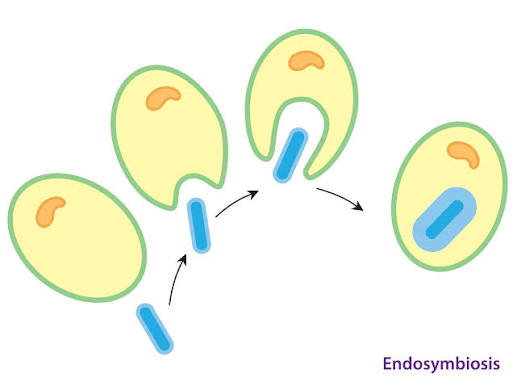
Endosymbiotic theory
A theory about how eukaryotic cells came to be
millions of years ago a larger prokaryotic cell “ate” many another prokaryotic cells leading to organelles
Why having a nucleus is beneficial
Allows for more complex cell functions
define biodiversity
the variety of all living things (from genes to ecosystems)
Threats to biodiversity
Climate change
Pollution
Habitat destruction
Overexploitation
Etc…
Dichotomous key & importance
A way of identifying organisms based on a series of binary questions
They offer a standardized, repeatable method to identify similar-looking specimens without relying on guesswork.
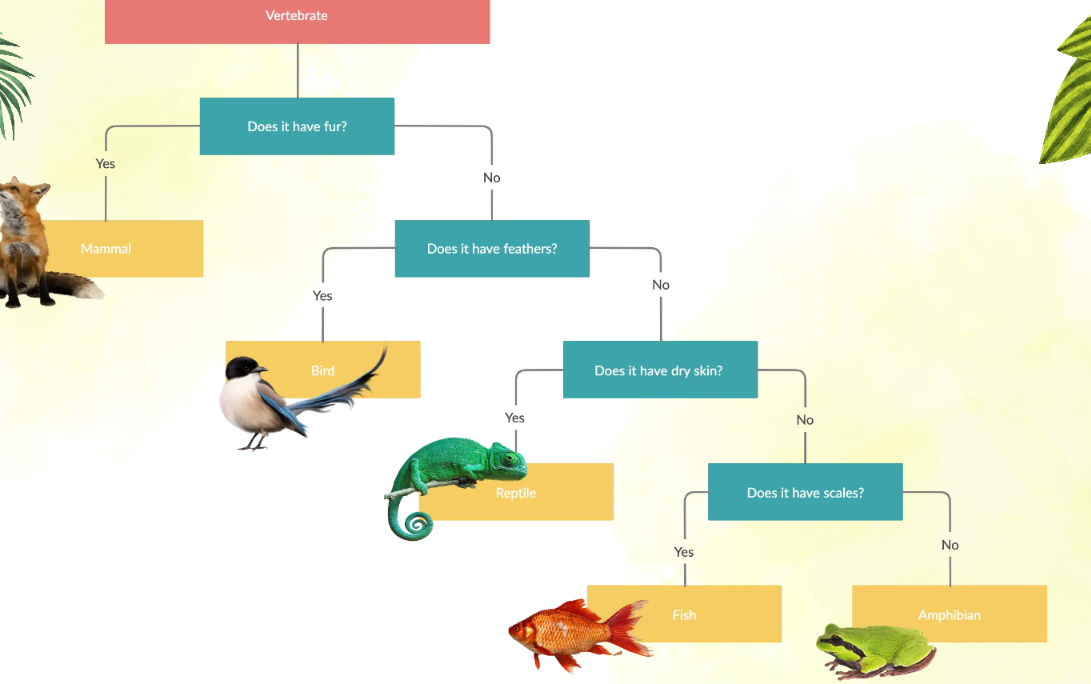
UNDERSTAND HOW TO BUILD A DICHOTOMOUS KEY
Cultivating bacteria lab
Key aspects are documentation, incubator and agar (jelly-like substance that provides solid food for the bacteria)
AMOCTOBSO
Atom
Molecule
Organelle
Cell
Tissue
Organ
Body system
Organism
Types of tissue
Epithelial
Covers body surfaces, for protection, absorption and secretion
Connective
Supports, binds and protects, includes bone, blood, adipose, and cartilage
Muscle
Enables movement; 3 types
skeletal (voluntary)
cardiac (heart)
smooth (involuntary)
Nervous
Transmits electrical signals, made of neurons and supporting cells (neuroglia)
Homeostasis define
A process by which organisms regulate their internal temperatures
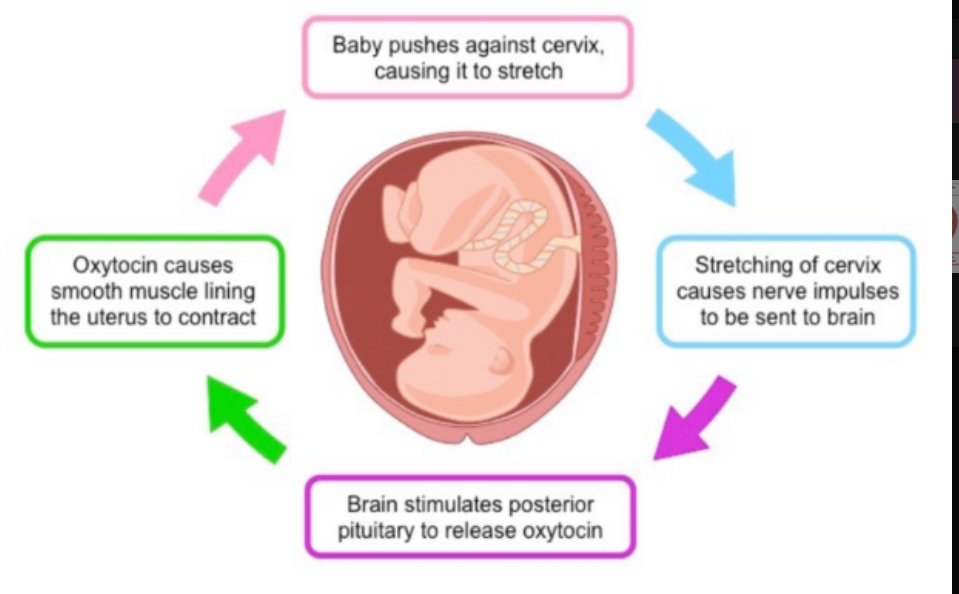
Positive feedback loop
Ex. Child birth- Amplifies responses
Diffusion define
When molecules move from an area of high concentration to an area of low concentration through gas or liquid
Osmosis define
The movement of water molecules through a semi-permeable membrane from an area of high concentration to an area of low concentration (SAME AS DIFFUSION JS THROUGH SEMI-P.. and only water molecules)
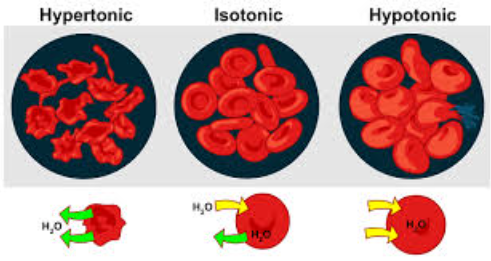
Hypertonic & Hypotonic solutions
Hypertonic solutions have a higher concentration of solutes than the cell, causing the cell to shrink
Hypotonic Solutions have a lower concentration of solutes than the cell, causing the cell to swell
Key respiratory features
Epiglottis
valve that protects airways during swallowing
Larynx
voice box
Trachea
Tube that connects larynx to bronchi
Lung
you know this one
Bronchi/Bronchus
branch out into bronchioli
Bronchioli/Bronchiole
branch out into alveoli
Alveoli/Alveolus
facilitate gas exchange
DIFFUSION IS RESPONSIBLE FOR SWAPPING OXYGEN RICH WITH OXYGEN POOR OXYGEN IN THE BLOODSTREAM
Diaphragm
muscle that contracts and relaxes to cause breathing
Lung Capacity therminology
Tidal volume - normal breathing
Vital capacity - Max air moved
Residual Volume - air remaining after max exhalation
Breathing issues and causes
Asthma= inflammation and narrowing of airways in lungs
Pulmonary embolisms= sudden blockage of an artery in the lungs
BE ABLE TO LABEL HEART parts
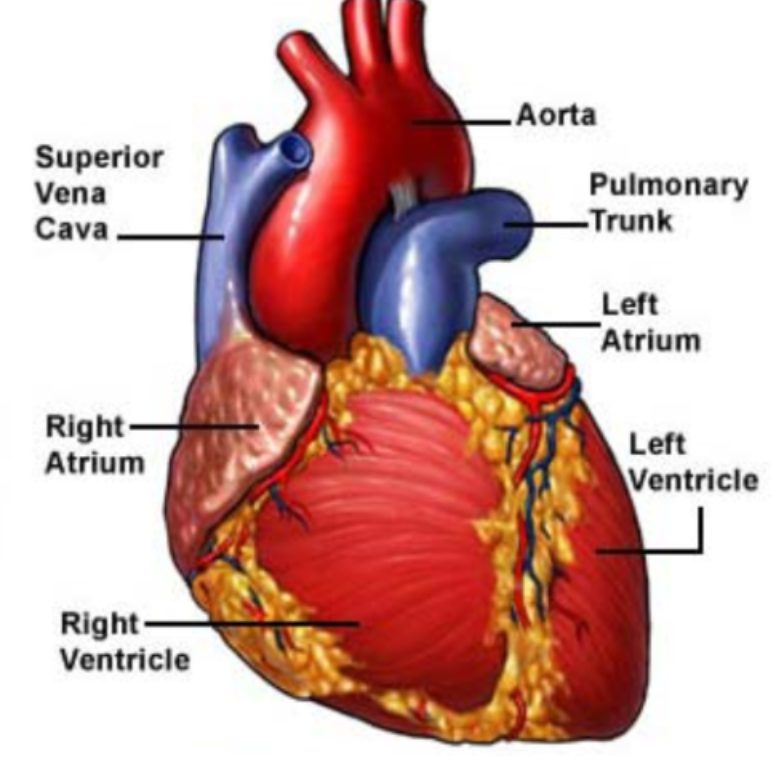
BE ABLE TO LABEL HEART flow of blood
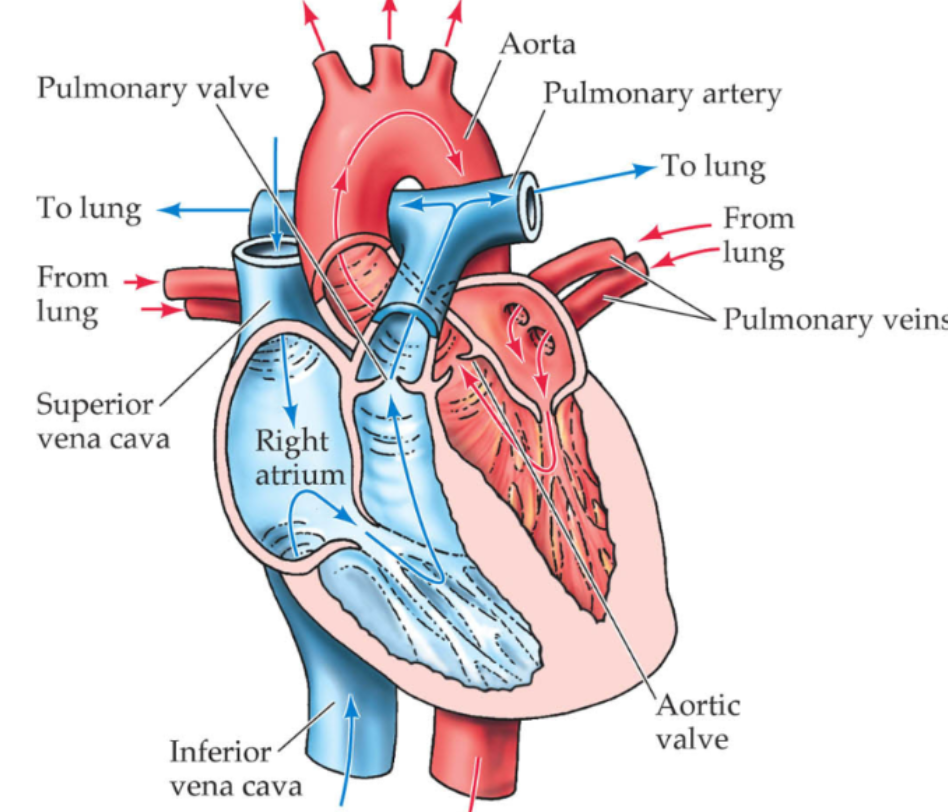
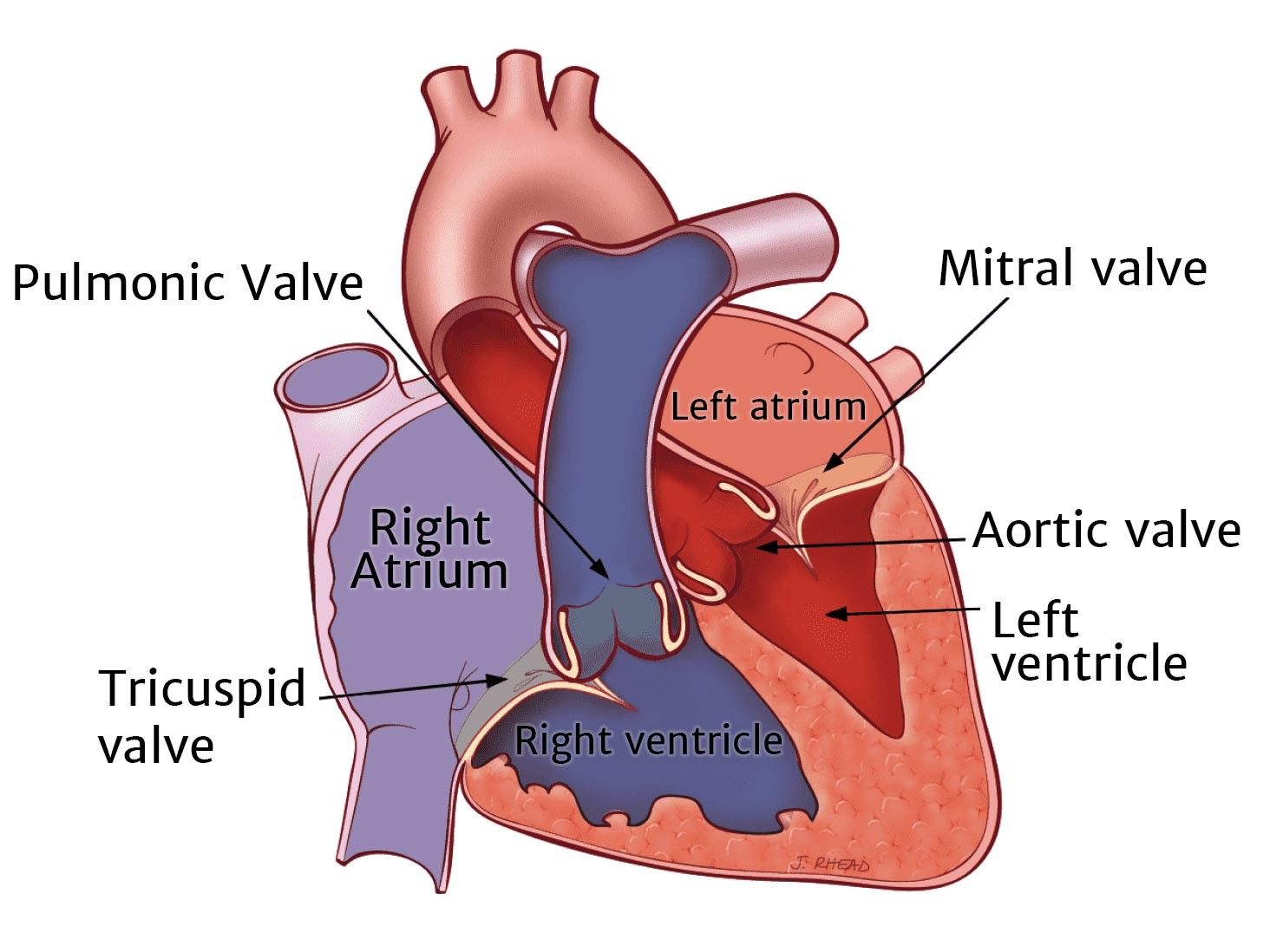
BE ABLE TO LABEL valves
Dif types of blood vessels
Arteries= away from heart
Veins= to heart
Capillaries= (smallest) connect arteries and veins
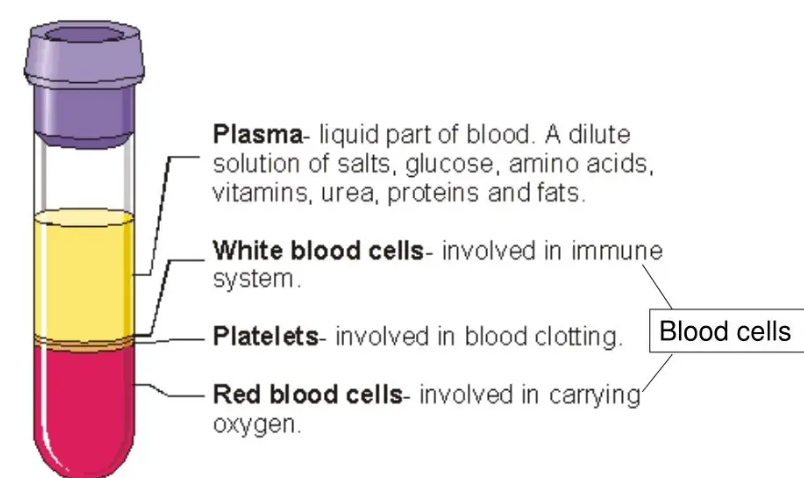
Blood components
55% Plasma
40-45% Red blood cells
-1% Platelets
-1% White blood cells
Cardiac Cycle
Systole= Contraction
Diastole= Relaxation
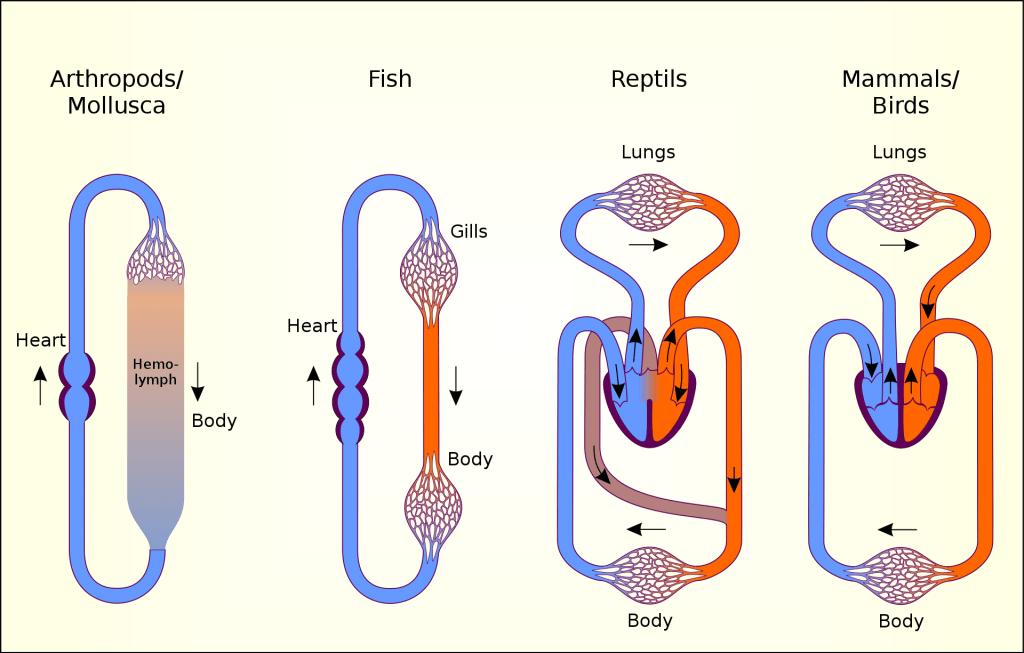
Open vs. closed circulatory system & examples
Open - blood pumped into body cavities, more energy efficient, bathing organs
Closed - blood confined to vessels, allowing higher pressure and faster nutrient transport
Enzymes role & examples
Breaking down nutrients in the digestive system
Main enzymes are; Amylase, Lipase,Protease
GI tract vs. digestive system
GI is a long tube that runs all the way from the mouth to the anus
DS encompasses all the organs that are involved in the process of digestion
Ingestion
Tongue and palate press food into a bolus
Tongue and throat guide bolus past the epiglottis and to the esophagus
Peristalsis pushes bolus to the stomach
*radial contraction of muscles down the esophagus
Food goes into the stomach
As food continues, it passes through 2 sphincters
Upper esophageal sphincter (Barrier to air)
Lower esophageal sphincter (Barrier to acid)
*muscles that prevent backflow
Digestion
Mechanical digestion - Mechanical processes that break down food before chemical digestion - chewing
Chemical digestion - Chemically breaking down nutrients into molecules the body can absorb -mouth, stomach, small intestine
Absorption in small intestine
Responsible for absorbing most nutrients
Lined with Villi - finger-like projections
Microvilli - micro-projections of the Villi
Absorption in large intestine
After entering, waste is called feces
Absorbs water and minerals, causes remainder to clump and solidify
Elimination
Process of removing undigested food from the body
Rectum - short length of the colon, stored for defecation
When rectal wall stretches, triggers urge to eliminate
Digestive system organs
Mouth
Pharynx
Where food is routed away from air way
Esophagus
Transportation tube to stomach
Stomach
Small intestine
Large intestine
Rectum
Accessory organs
Salivary glands
Moistens and dissolves food
Contains carbohydrase
Detect nutrients in the food, triggering hormonal responses (ie. appetite control
Liver
Creates bile
Gallbladder
Stores bile
Pancreas
manages blood sugar levels
Bird & ruminant digestive system
Humans only have one stomach & teeth
Birds have 2 stomach chambers - Have a gizzard - a stomach chamber that contains pebbles that mechanically break down food
Ruminants have 4 stomach chambers
Digestive diseases
Celiac disease
Allergy to gluten
Appendicitis
When the appendix suddenly bursts
Diverticulitis
Due to high pressure in the colon creates pouches in the rectum lining
Types of Meristematic tissue
Apical Meristems
responsible for lengthening
Lateral Meristems
responsible for widening
Intercalary
responsible for rapid regrowth after cutting
Specialized plant tissue
Dermal
Outer protective layer
Ground
interior bulk (photosynthesis, storage, support)
Vascular
Special tubes for plant respiration
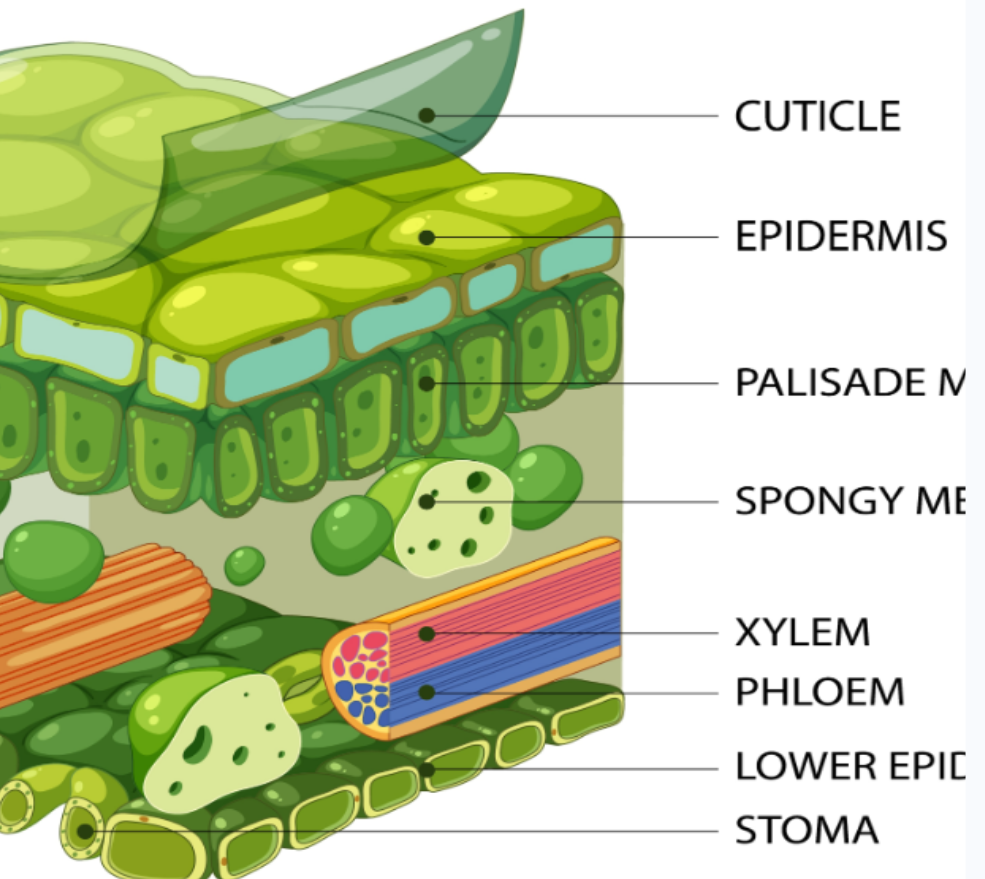
Leaf anatomy
Palisade Mesophyll
densely packed with chloroplasts for max light absorption
Spongy Mesophyll
loose arrangement for gas diffusion
Stomata
Pores regulated by guard cells to balance gas exchange and water loss (act as breathing “holes” collecting CO2