Dental Trauma In the Primary Dentition
 Call Kai
 Learn
Learn Practice Test
 Spaced Repetition
 Match
Match Flashcards
 Knowt Play
1/40

There's no tags or description
Looks like no tags are added yet.
Name | Mastery | Learn | Test | Matching | Spaced | Call with Kai |
|---|
No analytics yet
Send a link to your students to track their progress
41 Terms
Traumatic dental injuries compromise ___% of all injuries in children and young adults?
a. 2
b. 5
c. 10
d. 20
b. 5
___% of all school age children experience dental trauma?
a. 10
b. 15
c. 20
d. 25
d. 25
For children ages 0-6 oral injuries account for ___% of all physical injuries?
a. 10
b. 14
c. 18
d. 22
c. 18%
the mouth is the ____ most common area of the body to be injured?
a. first
b. second
c. third
d. fourth
b. second
Most common injury between the ages of 2-6?
Periodontal tissue injuries
Most common traumatic dental injury in the primary dentition?
a. Concussion
b. Extrusion
c. Intrusion
d. Luxation
e. Enamel fracture
d. Luxation
Craniofacial, head, face, and neck injuries occur in more than ___% of child abuse cases?
a. 20
b. 30
c. 40
d. 50
e. 60
d. 50
Most common site for inflicted oral injuries includes all of the following except?
a. Lips
b. Oral mucosa
c. Palate
d. Teeth
c. Gingiva
e. Tongue
c. Palate
Calcification of the incisal and middle 1/3 of the permanent incisor enamel is occurring ing up to ___ years of age?
a. 1
b. 2
c. 3
d. 4
b. 2
Which of the following injuries are commonly associated with anomalies in the permanent dentition?
a. Avulsion
b. Extrusion
c. Intrusion
d. Luxation
e. Enamel fracture
f. a & b
g. a & c
g. a & c
Peak injury to primary teeth is between ___ and ___ years?
a. 2 and 4
b. 2 and 5
c. 2 and 6
d. 3 and 5
e. 3 and 6
c. 2 and 6
Peak injury to permanent dentition is between ___ and ___ years?
a. 6 and 10
b. 6 and 11
c. 6 and 12
d. 7 and 10
e. 7 and 11
d. 7 and 12
e. 7 and 11
Which injury describes an injury to tooth supporting structures without loosening, displacement, sulcular bleeding, or radiographic abnormalities and a normal PDL but with a marked reaction to percussion?
a. Extrusion
b. Concussion
c. Intrusion
d. Luxation
e. Enamel fracture
b. Concussion
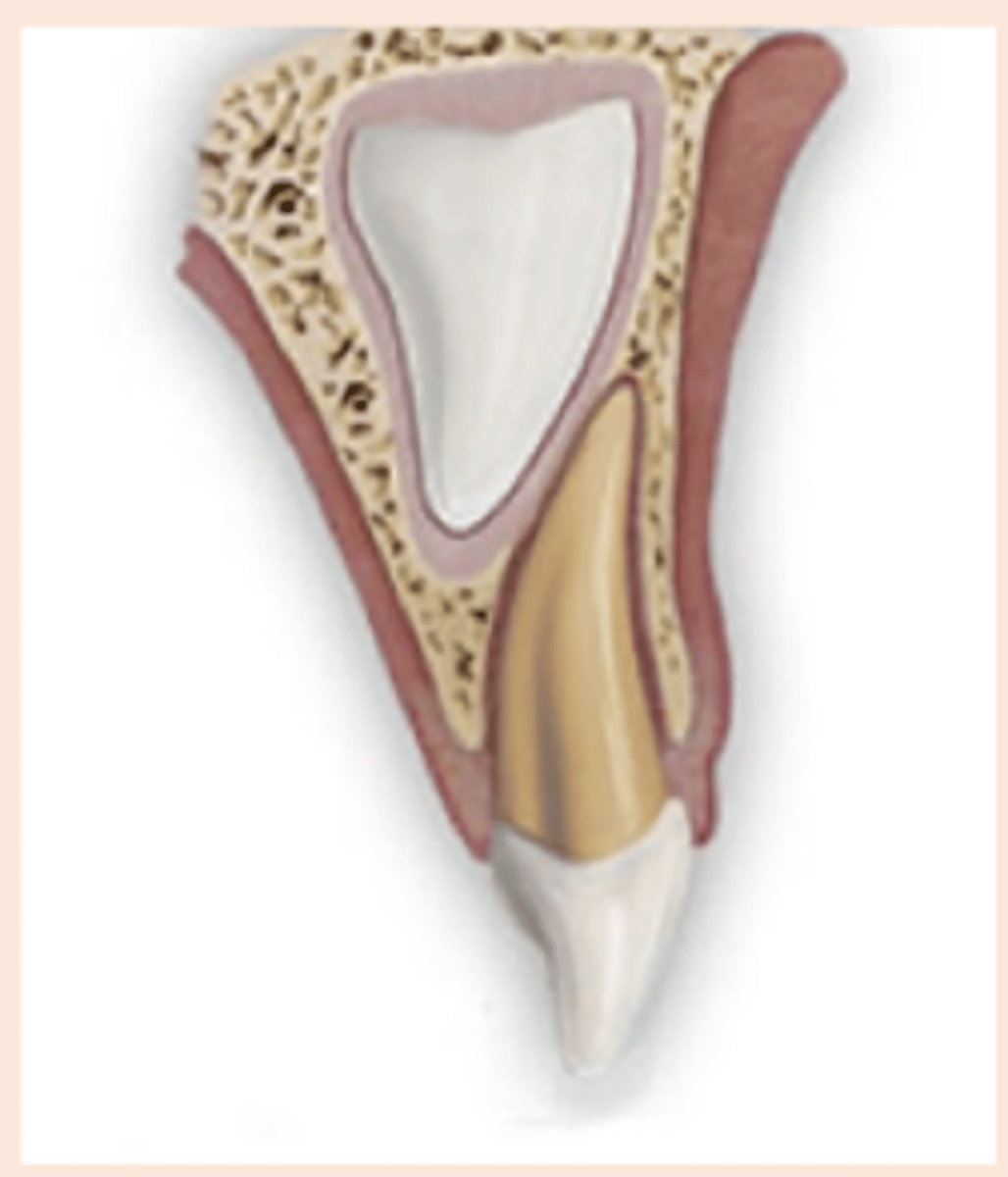
Which injury is described as an injury to the tooth-supporting structures with abnormal loosening and potentially sulcular bleeding, radiographs that usually show normal PDL that may be slightly widened but without displacement clinically or radiographically?
a. Subluxation
b. Concussion
c. Extrusive luxation
d. Intrusive luxation
e. Lateral luxation
a. Subluxation
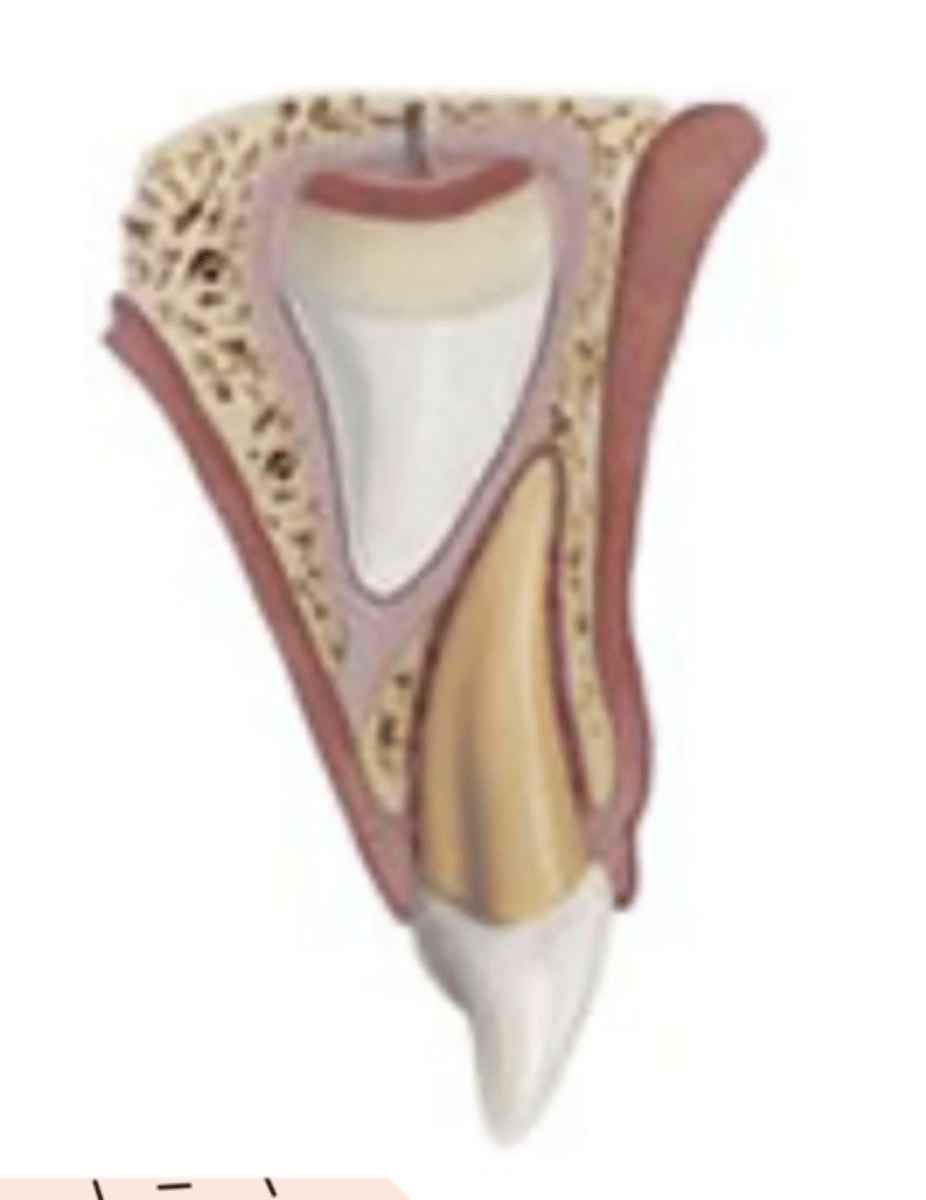
Which of the following is not a type of luxation injury?
a. Lateral
b. Extrusive
c. Intrusive
d. Medial
d. Medial
What is a partial displacement of the tooth out of the socket where the tooth is slightly elongated and may be excessively mobile and the PDL may be widened apically?
a. Subluxation
b. Concussion
c. Extrusive luxation
d. Intrusive luxation
e. Lateral luxation
c. Extrusive luxation
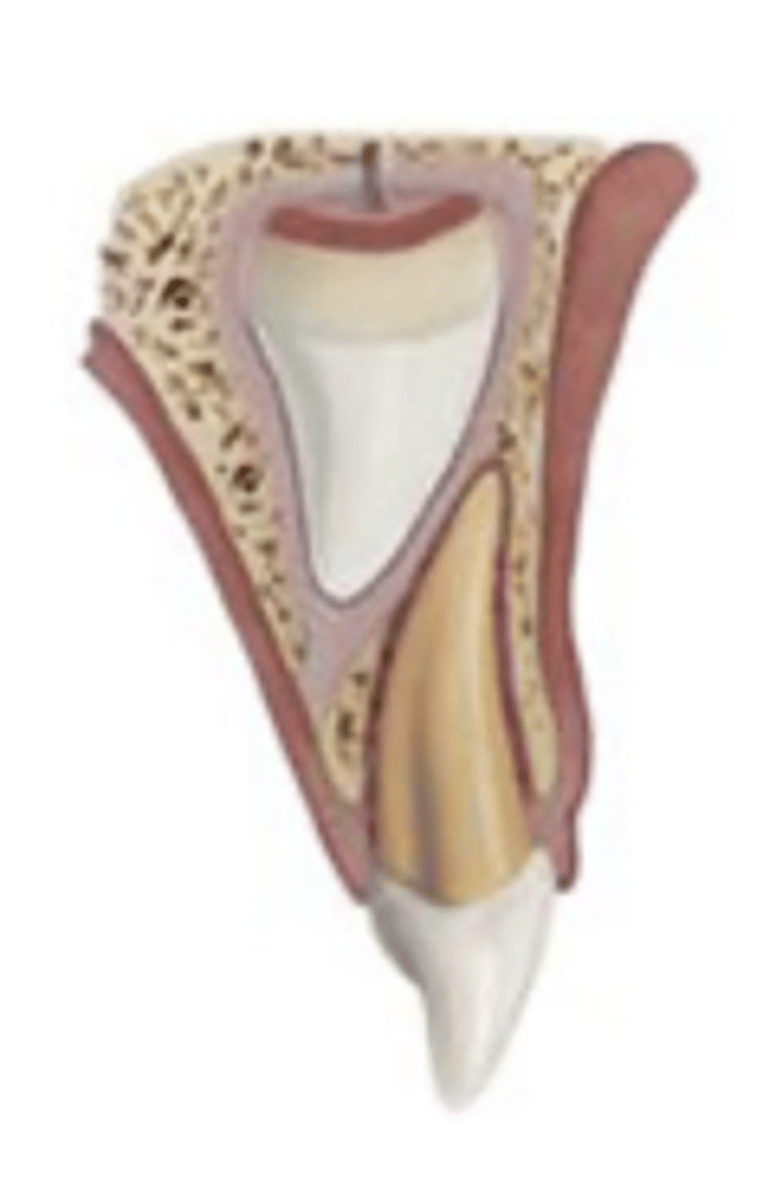
What injury is tooth displaced in a palatal or labial direction, the tooth is usually mobile and occlusal interference may be present?
a. Subluxation
b. Concussion
c. Extrusive luxation
d. Intrusive luxation
e. Lateral luxation
e. Lateral luxation
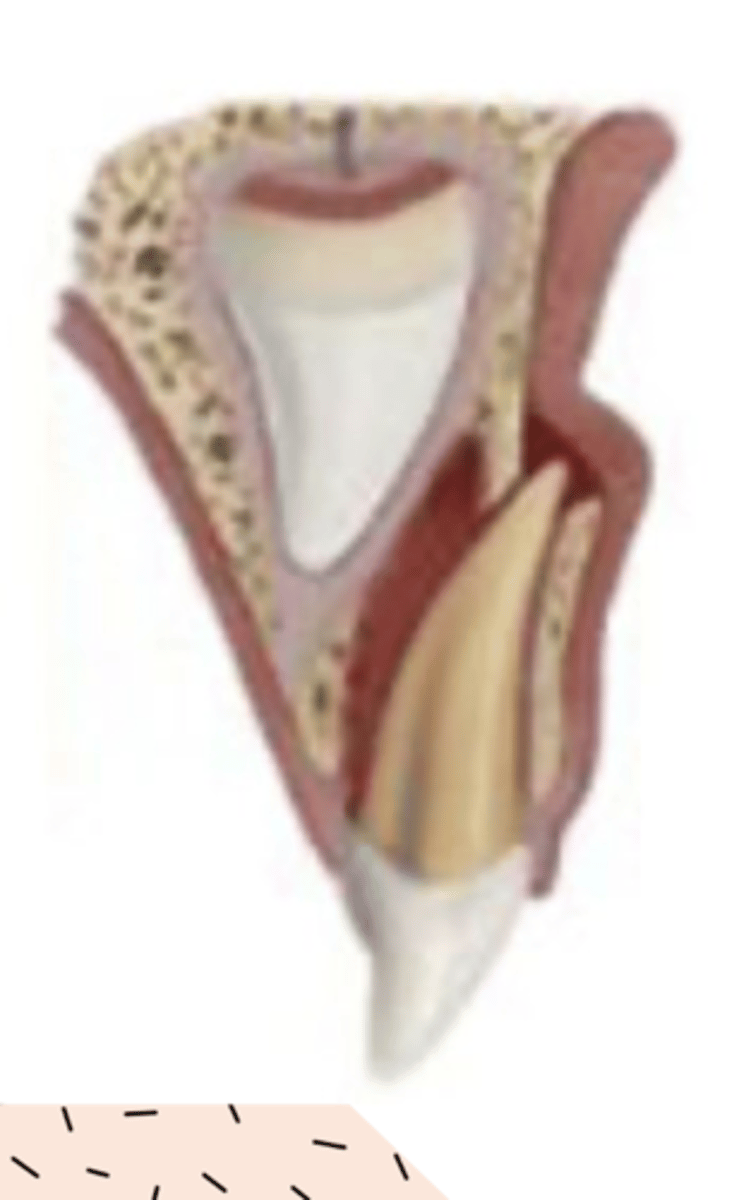
For which injury is splinting the injured tooth to an uninjured tooth for 4 weeks?
a. Subluxation
b. Concussion
c. Extrusive luxation
d. Intrusive luxation
e. Lateral luxation
e. Lateral luxation
Which injury is when the tooth has almost or completely disappeared into the socket and can be palpated labially?
a. Subluxation
b. Avulsion
c. Extrusive luxation
d. Intrusive luxation
e. Lateral luxation
d. Intrusive luxation
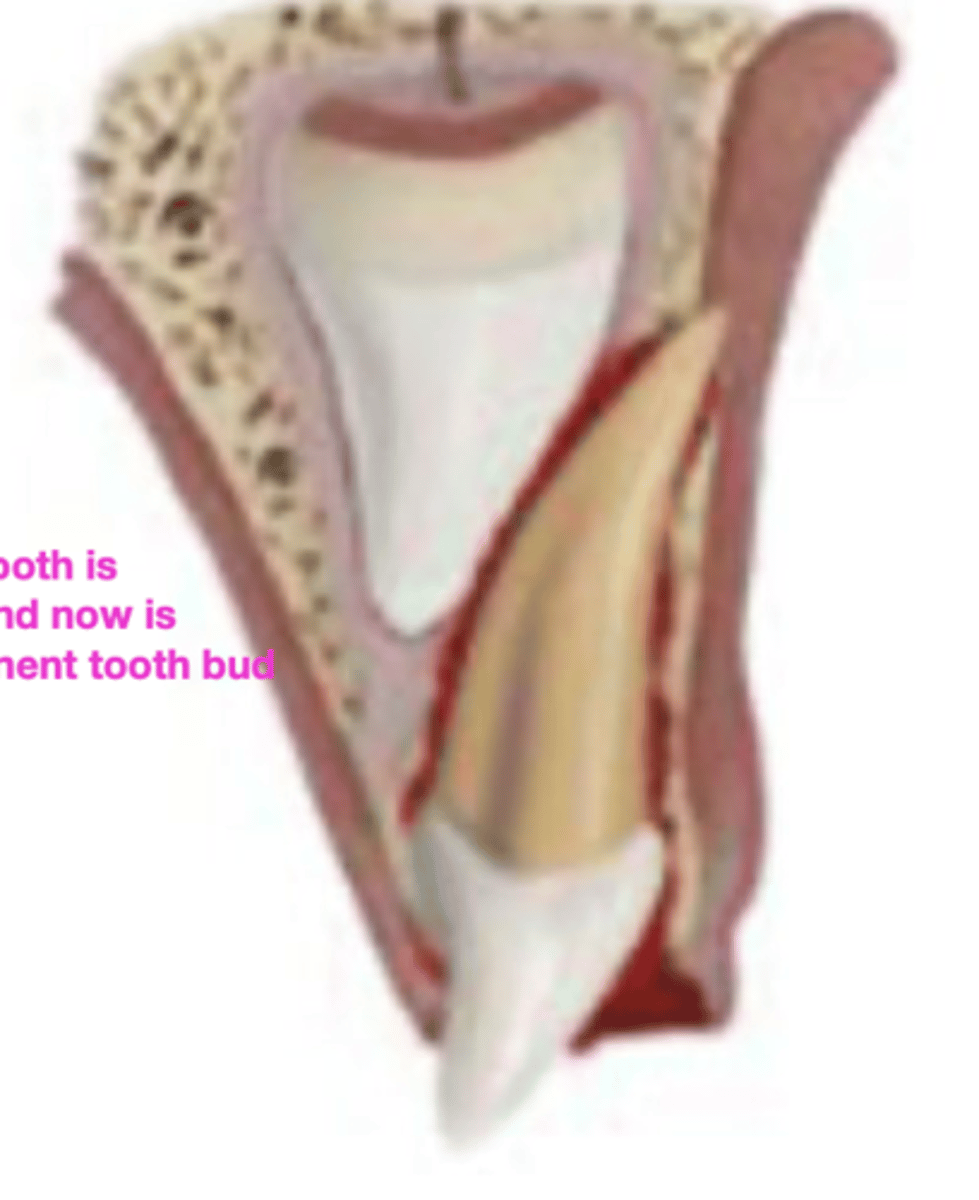
What injury injury is when the tooth is completely out of the socket?
a. Subluxation
b. Avulsion
c. Extrusive luxation
d. Intrusive luxation
e. Lateral luxation
b. Avulsion
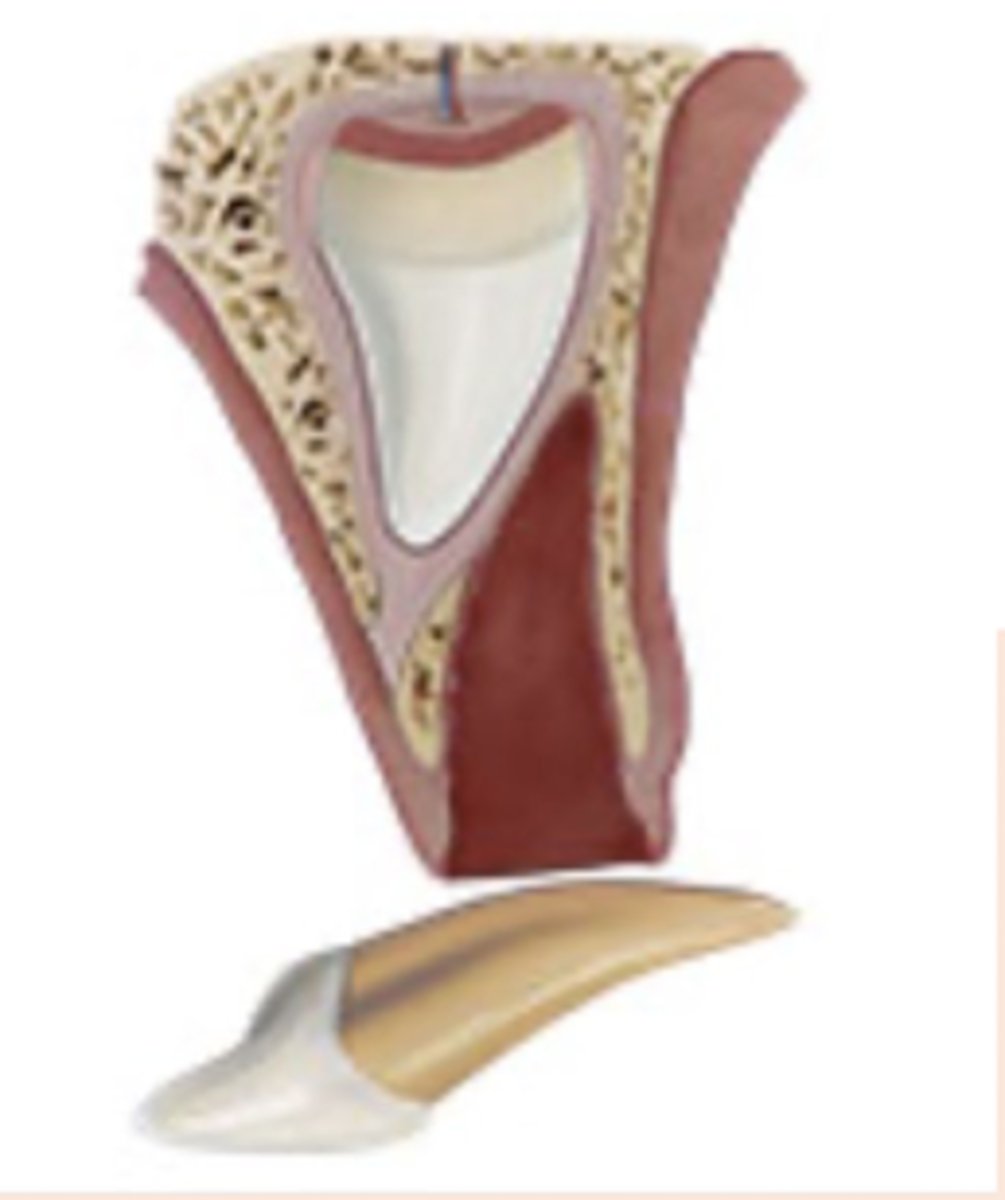
T/F: It is important to re-implant a primary tooth that has suffered an avulsion because it will help the succedaneous tooth to erupt on time?
False - Never re implant an avulsed primary tooth (only re-implant a permanent tooth)
An uncomplicated crown fracture includes all of the following except?
a. Enamel fracture
b. Enamel - Dentin fracture
c. Enamel - Dentin - Pulp fracture
c. Enamel - Dentin - Pulp fracture
T/F: In an enamel fracture, the tooth is usually not tender to percussion unless there is also luxation or root fracture also present?
True
T/F: With an enamel fracture, it is important to still take a radiograph and if all looks okay no follow up is recommended?
False, no radiograph or follow up needed
T/F in an Enamel-dentin fracture, radiographs are optional to establish a baseline and required if you cannot find the missing chunk?
True
T/F in an enamel dentin fracture, after covering the exposed dentin with GI or composite, no follow up is needed
False, follow up after 6-8 weeks
What are the treatment options for a complicated fracture (Enamel - Dentin - Pulp fracture)?
a. Direct pulp cap
b. Cvek (partial pulpotomy)
c. Pulpectomy
d. Cervical pulpotomy
c. Pulpectomy
Root fractures account for ___ to ___ % of primary tooth injuries?
a. 1 to 3
b. 2 to 3
c. 2 to 4
d. 3 to 5
c. 2 to 4
In an root fracture of primary tooth, fracture within the ___ third has the poorest prognosis?
a. Coronal
b. Middle
c. Apical
d. b & c
a. Coronal
The most common location(s) for a root fracture in primary tooth is (are)?
a. Coronal
b. Middle
c. Apical
d. b & c
d. b & c
___ % of teeth with root fracture exhibited pulpal necrosis?
a. 9.0
b. 9.2
c. 9.4
d. 9.6
c. 9.4
___ % of teeth with root fracture exhibited pulp obliteration?
a. 9.0
b. 9.2
c. 9.4
d. 9.6
b. 9.2
For which two injuries is splinting the injured tooth to an uninjured tooth for 4 weeks?
a. Subluxation
b. Root Fracture
c. Extrusive luxation
d. Intrusive luxation
e. Lateral luxation
f. a & c
g. b & d
h. b & e
i. c & e
h. b & e
The tooth injury that is characterized by mobility and dislocation of a segment with several teeth is?
a. Alveolar fracture
b. Avulsion
c. Extrusive luxation
d. Intrusive luxation
e. Lateral luxation
a. Alveolar fracture
For which two injuries is splinting the injured tooth to an uninjured tooth for 4 weeks?
a. Alveolar fracture
b. Root Fracture
c. Extrusive luxation
d. Intrusive luxation
e. Lateral luxation
f. a & c
g. b & d & e
h. a & b & e
i. c & e
h. a & b & e
Which injuries does not require an initial radiograph?
a. Subluxation
b. Concussion
c. Enamel fracture
d. Enamel and dentin fracture
e. Lateral luxation
f. b,c,d
f. b,c,d
Which injury is the only injury that does not require any follow up if there are no signs or symptoms of pathosis?
a. Subluxation
b. Concussion
c. Enamel fracture
d. Enamel and dentin fracture
e. Lateral luxation
f. b,c,d
c. Enamel fracture
Injuries require radiographic follow up even in the absence of signs and symptoms?
a. Alveolar fracture
b. Lateral luxation
c. Intrusive luxation
d. Complicated crown-root fracture
e. a & c
f. a & d
f. a & d
Which injuries most commonly are associated with pain and may require Tylenol or Ibuprofen?
a. Alveolar fracture
b. Luxation injuries
c. Concussion
d. Root fractures
e. b & d
f. a & d
e. b & d
All injuries have the following instructions: to encourage gingival healing and prevent plaque accumulation, parents should clean the affected area with a soft brush or cotton swab with an alcohol free ___% to ___% chlorhexidine gluconate mouth rinse applied topically twice a day for 1 week and exercise caution when eating to not further traumatize the injured tooth while encouraging a return to normal function as soon as possible/.
a. .1 to .3
b. .1 to .2
c. .2 to .4
b. .1 to .2
Suggested diet considerations include all of the following except:
a. Soft diet for 10-14 days
b. avoid biting or tearing food with injured teeth approximately for 6 weeks (well after splint removal)
c. addition of solid foods cut into small pieces after 2 weeks
d. Use a cup with no lid
e. All apply
e. All apply