Pharmacology- Pain and Inflammation Management Drugs- FINAL EXAM
 Call Kai
 Learn
Learn Practice Test
 Spaced Repetition
 Match
Match Flashcards
 Knowt Play
1/34

There's no tags or description
Looks like no tags are added yet.
Name | Mastery | Learn | Test | Matching | Spaced | Call with Kai |
|---|
No analytics yet
Send a link to your students to track their progress
35 Terms
what is pain physiology?
-pain begins with activation of nociceptors in response to tissue injury
-signals travel through peripheral nerves →spinal cord → brain
what is nociceptive pain?
- pain that arises from damage to or inflammation of tissue other than that of the PNS and CNS
- usually throbbing, aching, localized
-caused by TISSUE INJURY can be somatic (skin or muscle) or visceral (internal organs)
what is neuropathic pain?
-pain that arises from abnormal or damaged pain nerves --ex: phantom limb pain, pain below the level of a spinal cord injury, diabetic neuropathy
-usually intense, shooting, burning, or "pins and needles"
-caused by NERVE INJURY and responds poorly to opioids
what is ischemic pain?
-results from a profound, sudden loss of blood flow to an organ or tissue
-priority is to treat the cause of decreased tissue perfusion
-example: acute myocardial ischemia
-nitroglycerin improves perfusion
-morphine relieves pain and anxiety
-goal is to restore oxygen supply to tissues
what are non-opioid analgesics?
-NSAIDs and acetaminophen
-mild to moderate pain, fever, inflammation (NSAIDs)
what is acetaminophen?
-not an NSAID and not good for inflammation
-used to treat minor aches and pains and reduce fever
-preferred to NSAIDs for children suspected of having a viral infection like chicken pox or influenza
-overdose may cause fatal liver damage
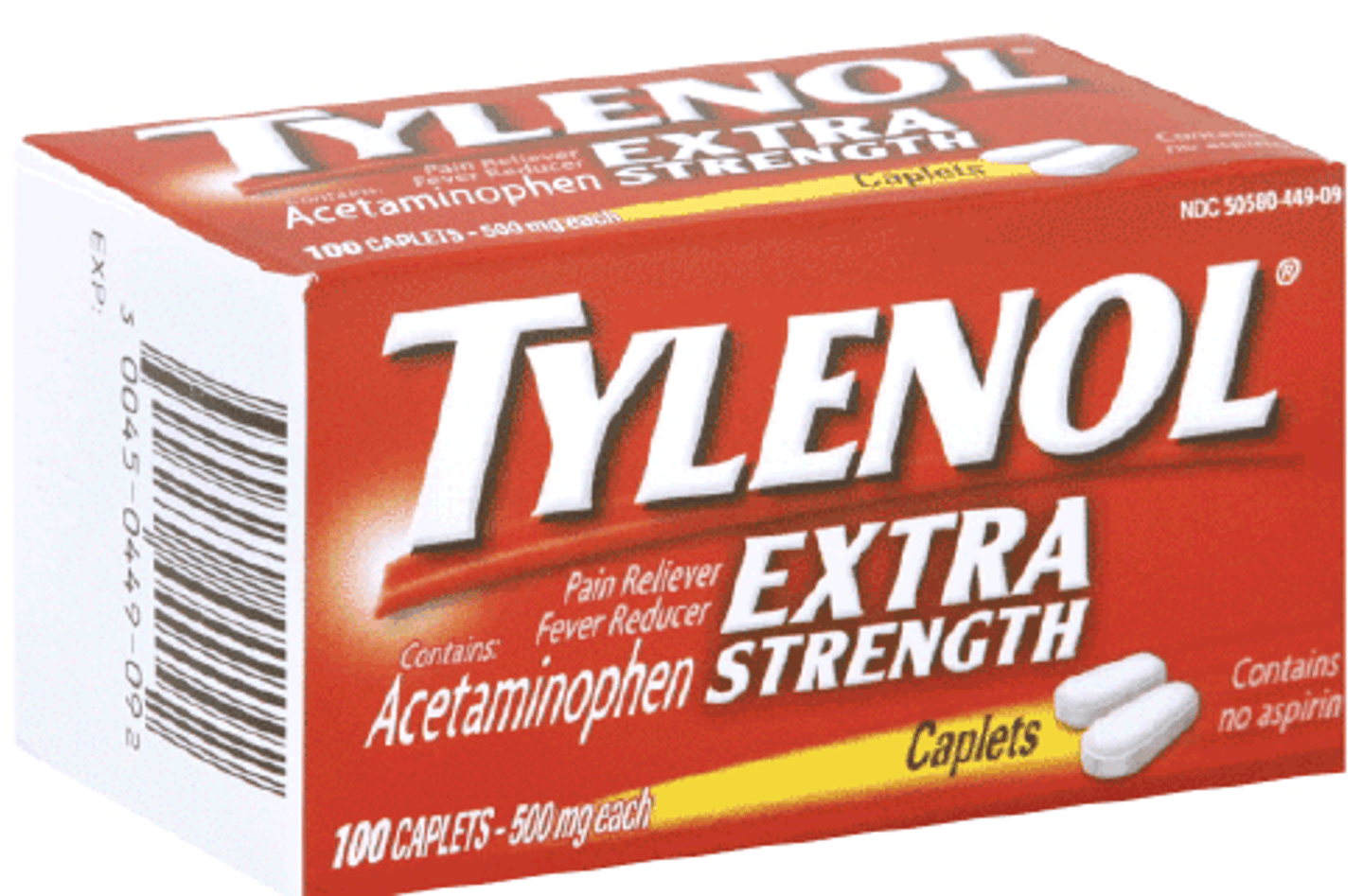
what is the MOA of acetaminophen?
-slows production of prostaglandins in the CNS
-acts on the hypothalamus to reduce fever
-not an anti-inflammatory drug
what are the therapeutic dosages of acetaminophen for varying patient populations?
-4 g/day for most patients
-3 g/day for undernourished patients
-2 g/day for patients who consume more than three servings of alcohol daily
what are acute toxicity signs and symptoms for acetaminophen?
-liver damage with early manifestations like N/V, diarrhea, sweating, abdominal discomfort progressing to hepatic failure, coma, death
-indications of hepatic injury appear 48 to 72 hours after ingestion
-administer antidote which is acetylcysteine
what are the nursing administration factors for acetaminophen?
-teach patients to read medication labels carefully
-administer orally with full glass of water, with or without food
-if pain or fever persists for more than 3 days, contact provider
what are non-steroidal anti-inflammatory drugs (NSAID's)
-first-generation (COX-1 and COX-2 inhibitors) =aspirin, ibuprofen, naproxen, indomethacin, ketorolac
-second-generation (selective COX-2 Inhibitor) =celecoxib
what are the uses for NSAID's?
-inflammation suppression
-fever reduction
-dysmenorrhea
-inhibition of platelet aggregation (aspirin)
what are the main differences between COX-1 and COX-2 NSAID's?
-COX-1 = can result in decreased platelet aggregation and kidney damage
-COX-2 = results in decreased inflammation, fever, and pain and does not decrease platelet aggregation
what are the complications associated with NSAID's?
-GI discomfort
-impaired kidney function
-increased risk of heart attack and stroke
-salicylism with aspirin
-reye syndrome (rare but serious complication)
-aspirin toxicity
what are signs of salicylism?
-tinnitus, sweating, headache, dizziness and respiratory alkalosis
what is reye syndrome?
-a rare but life-threatening condition that causes acute brain swelling (encephalopathy) and liver dysfunction in children
-strongly associated with giving kids aspirin
what are the contraindications of first generation NSAID's?
-pregnancy
-peptic ulcer disease
-bleeding disorders
-hypersensitivity to aspirin and NSAIDs
-aspirin contraindicated in children and adolescents who have a viral illness
-ketorolac contraindicated in patients who have advanced kidney disease can use NO LONGER than 5 days
what are the contraindications of second generation NSAID's?
-celecoxib is last-choice for chronic pain b/c of increased risk of MI and stroke due to suppression of vasodilation
what are the nursing administration factors for ketorolac?
-short-term treatment of moderate to severe pain (post-op pain)
-use with opioids allows for lower dosages of opioids
-usually first administered parenterally and then switched to oral
what are the nursing administration factors for ibuprofen?
-IV infused over 30 minutes
-hydrate patient to prevent kidney damage
what are patient education factors for NSAID's?
-stop aspirin 1 week before elective surgery or expected date of child birth
-take NSAIDs with food, milk, or 8 oz of water
what are opioid agonists?
-bind to opioid pain receptors in the brain and causes an analgesic response (reduction of pain sensation)
-act on mu receptors and, to a less degree, kappa receptors
-morphine, fentanyl, meperidine, methadone, codeine, oxycodone
-used for moderate to severe pain, reduction of bowel motility relief of diarrhea and cough suppression
what symptoms do activation of mu receptors cause?
-produces analgesia, respiratory depression, euphoria, sedation
what symptoms do activation of kappa receptors cause?
-analgesia, sedation, decreased GI motility
what are the complications associated with opioid agonists?
-respiratory depression
-constipation
-orthostatic hypotension
-urinary retention
-cough suppression
-sedation
-N/V
opioid toxicity triad which includes coma, respiratory depression, and pinpoint pupils
what are the nursing administration factors for opioid agonists?
-assess pain level on a regular basis and take baseline vitals
-double-check opioid doses with another nurse
-administer IV slowly over 4-5 minutes and have naloxone and resuscitation equipment available
-do not discontinue abruptly
-closely monitor patient-controlled analgesia (PCA) pump settings (dose, lockout interval, 4-hour limit)
-first administration of transdermal fentanyl patch will take several hours to achieve desired therapeutic effect
what are opioid antagonists?
-naloxone
-drugs that block the effects of opioid agonists by blocking opioid receptors REVERSING the effects of opioids
-have no effect in the absence of opioids
what is naloxone used for?
-reversal of effects of opioids specifically respiratory depression
-reversal of respiratory depression in an infant
what are the complications associated with naloxone?
-tachycardia and tachypnea
-abstinence syndrome which includes cramping, hypertension, vomiting, and reversal of analgesia
-contraindicated in patients who have opioid dependency
what are the nursing administration factors for opioid antagonists?
-do not administer naloxone orally
-observe withdrawal manifestations or abrupt onset of pain
-titrate naloxone dosage to achieve reversal of respiratory depression without full reversal of pain management effects
-rapid infusion can cause hypertension, tachycardia, N/V
-monitor respirations for up to 2 hours after use to assess for recurrence of respiratory depression and need for repeat dosage of naloxone
what are adjuvant drugs for pain?
-used with a primary pain medication
-usually an opioid agonist, to increase pain relief while reducing dosage of opioid agonist
-developed to treat other conditions
what are the categories included as adjuvant drugs for pain?
-tricyclic antidepressants (amitriptyline- oral)
-anticonvulsants (carbamazepine- oral, gabapentin- oral)
-cns stimulants (methylphenidate- oral, transdermal)
-antihistamines (hydroxyzine- oral, im)
-glucocorticoids (dexamethasone- oral, iv, im)
-bisphosphonates (etidronate- oral)
nsaids (ibuprofen- oral, iv)
what are anti-gout drugs?
-allopurinol
-colchicine
what is colchicine?
-anti-inflammatory gout drug for exacerbations and flare-ups
-inhibits migration of leukocytes to the inflamed site
-effective at alleviating acute symptoms of gout
-does not inhibit uric acid synthesis or promote uric acid excretion
-should be taken with food to decrease gastric irritation
what is allopurinol?
-not an anti-inflammatory drug used for prophylaxis
-increases uric acid excretion in urine
-reduces uric acid production, preventing the precipitation of an attack
-prevent gout and commonly used for chronic tophaceous gout