APHUG All Unit Review
 Call Kai
 Learn
Learn Practice Test
 Spaced Repetition
 Match
Match Flashcards
 Knowt Play
1/199

There's no tags or description
Looks like no tags are added yet.
Name | Mastery | Learn | Test | Matching | Spaced | Call with Kai |
|---|
No analytics yet
Send a link to your students to track their progress
200 Terms
4 Map Projection Distortions
Size, Shape, Distance, Direction
Small scale map
shows large area
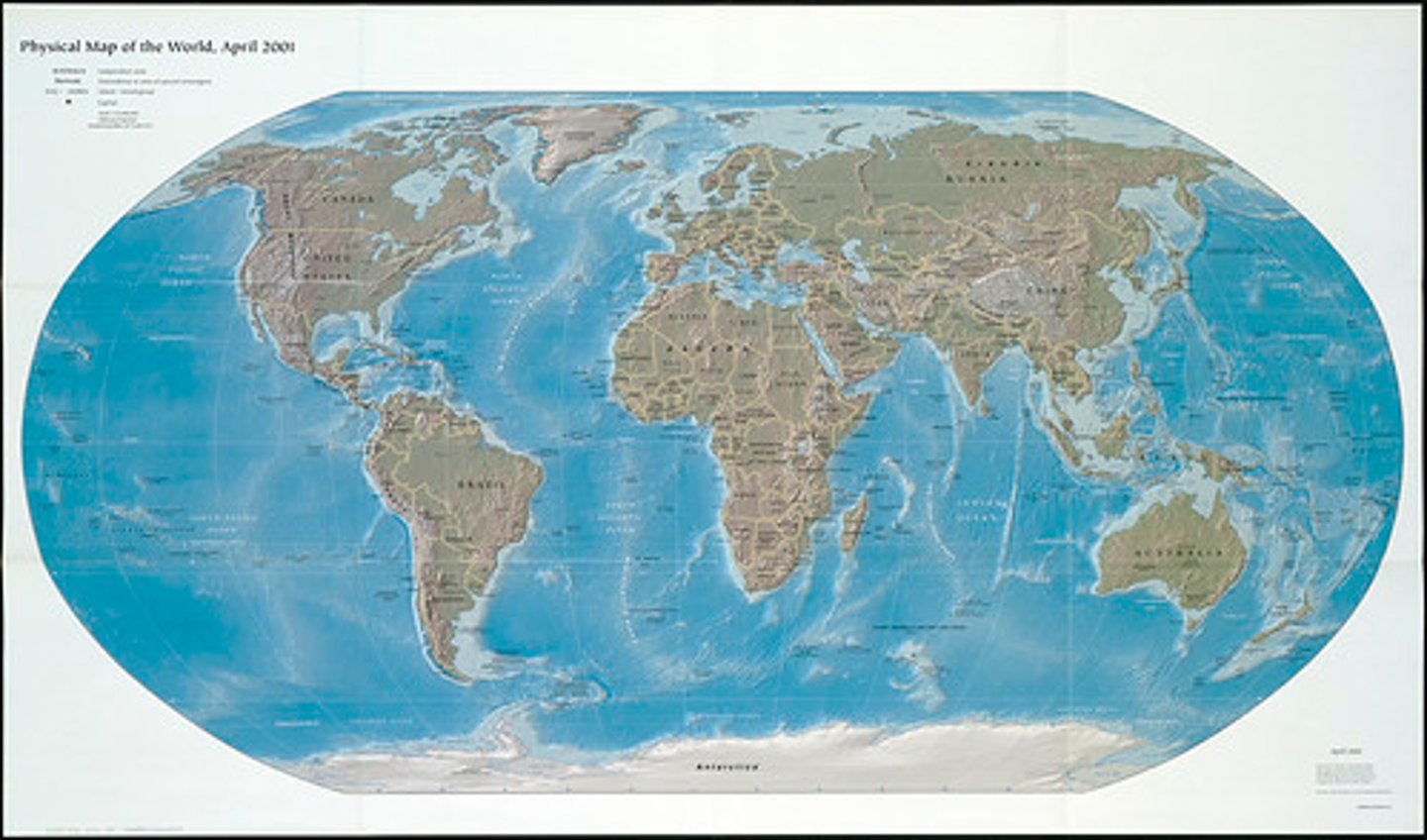
Large scale map
shows small area
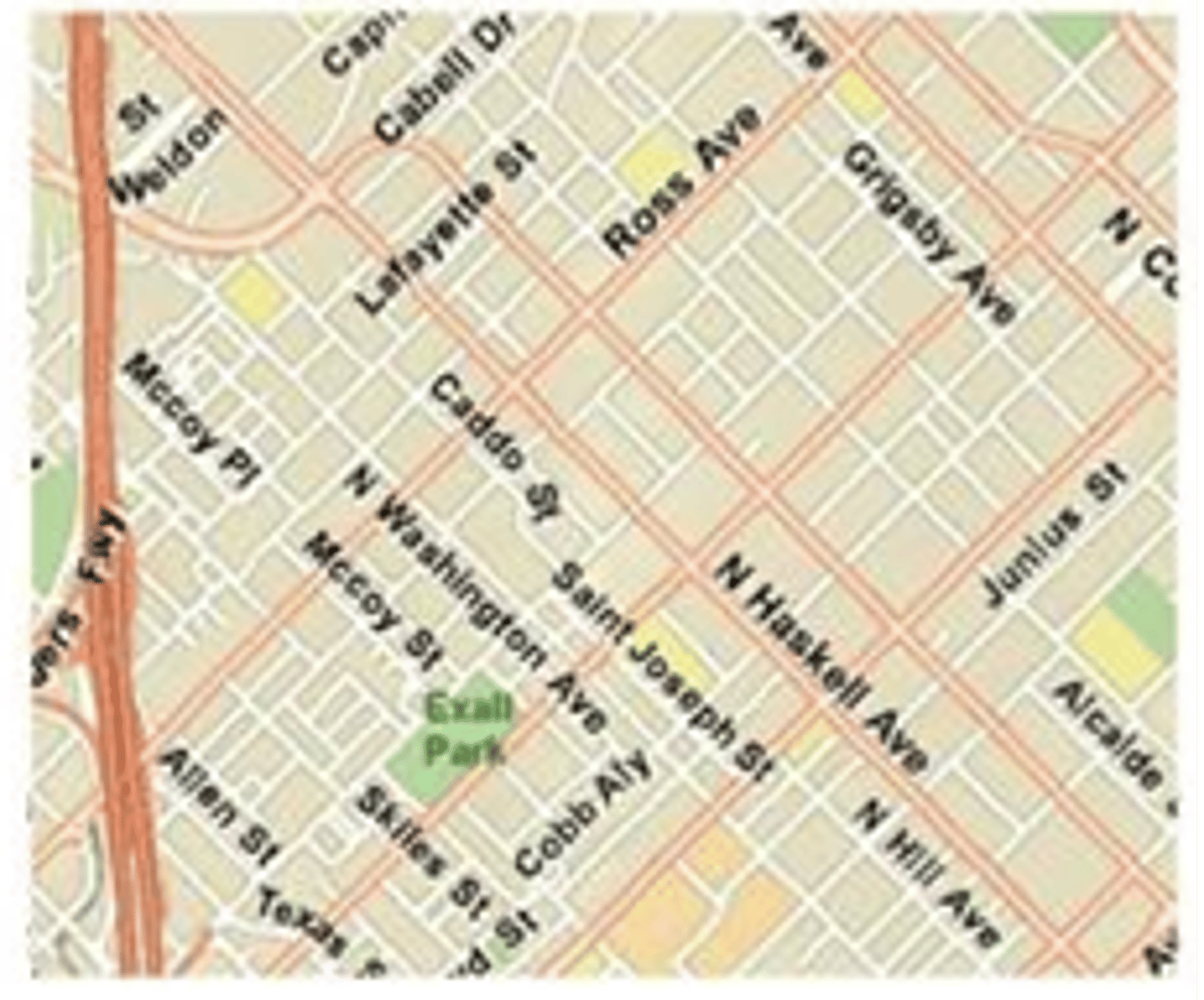
Reference Maps
locational map

Thematic map
Displays spatial patterns using quantitative data to show a specific topic
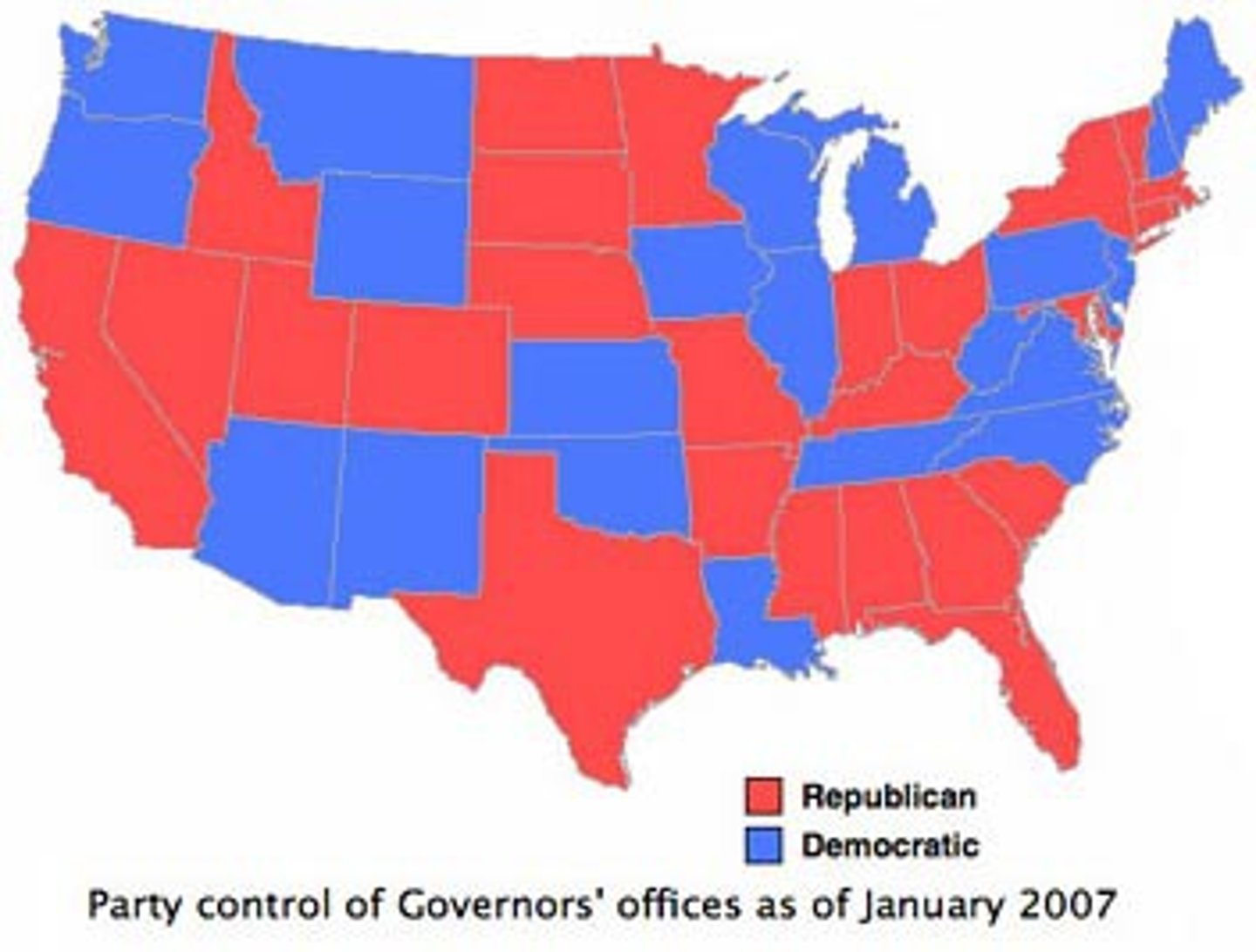
6 thematic maps
choropleth, cartogram, graduated cylinder, dot density, isoline, flowline
Relative direction
direction based on location of an object
Relative distance
6 min walking distance
Relative location
location relative to surroundings (in front of the school)
Individuals can gather geographic data through
Field observations, travel narratives, media, landscape analysis
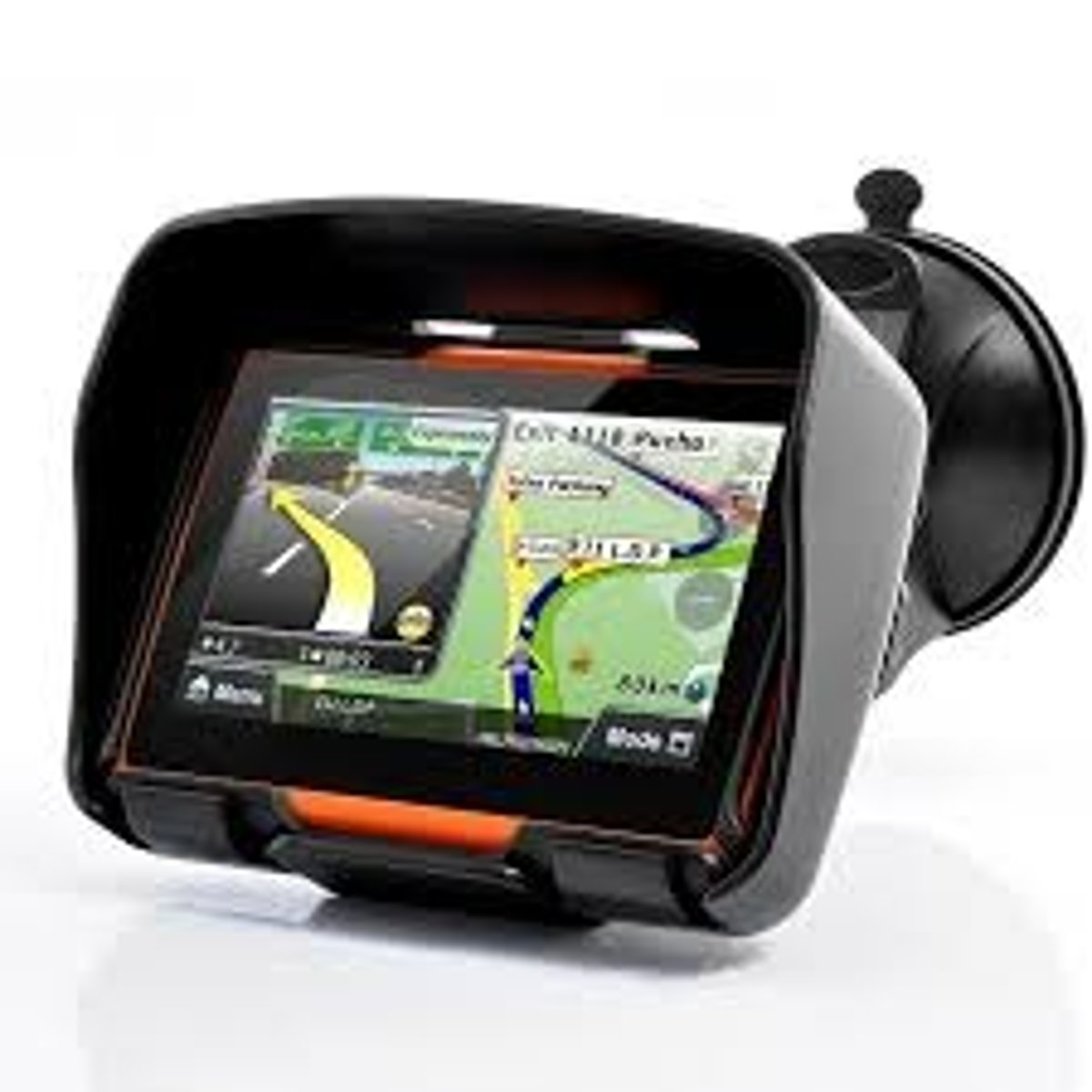
Global positioning system (GPS)
determines precise location of something using satellites
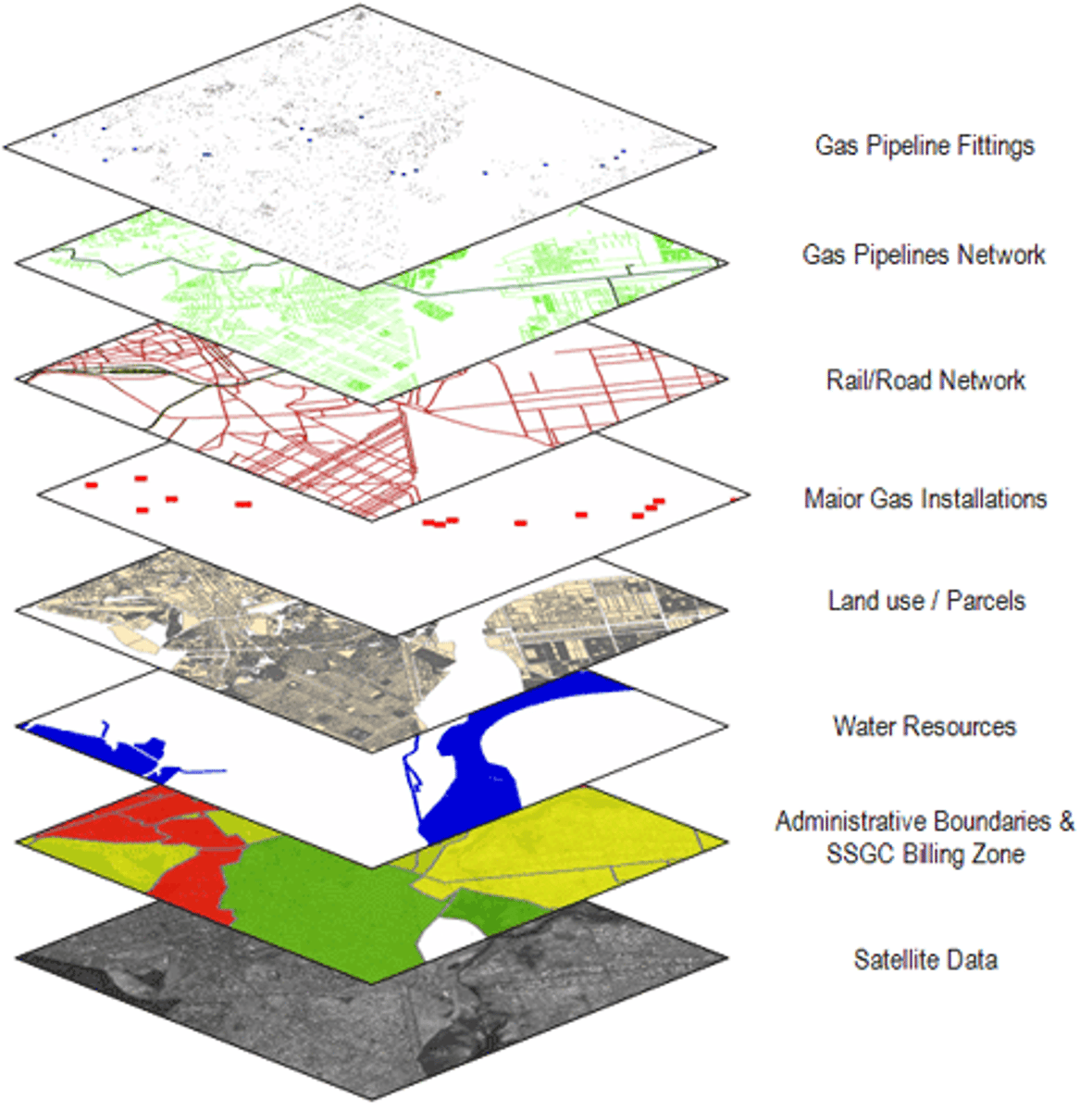
Geographic information system (GIS)
Collect, analyze, display geographic data and can layer maps with different info
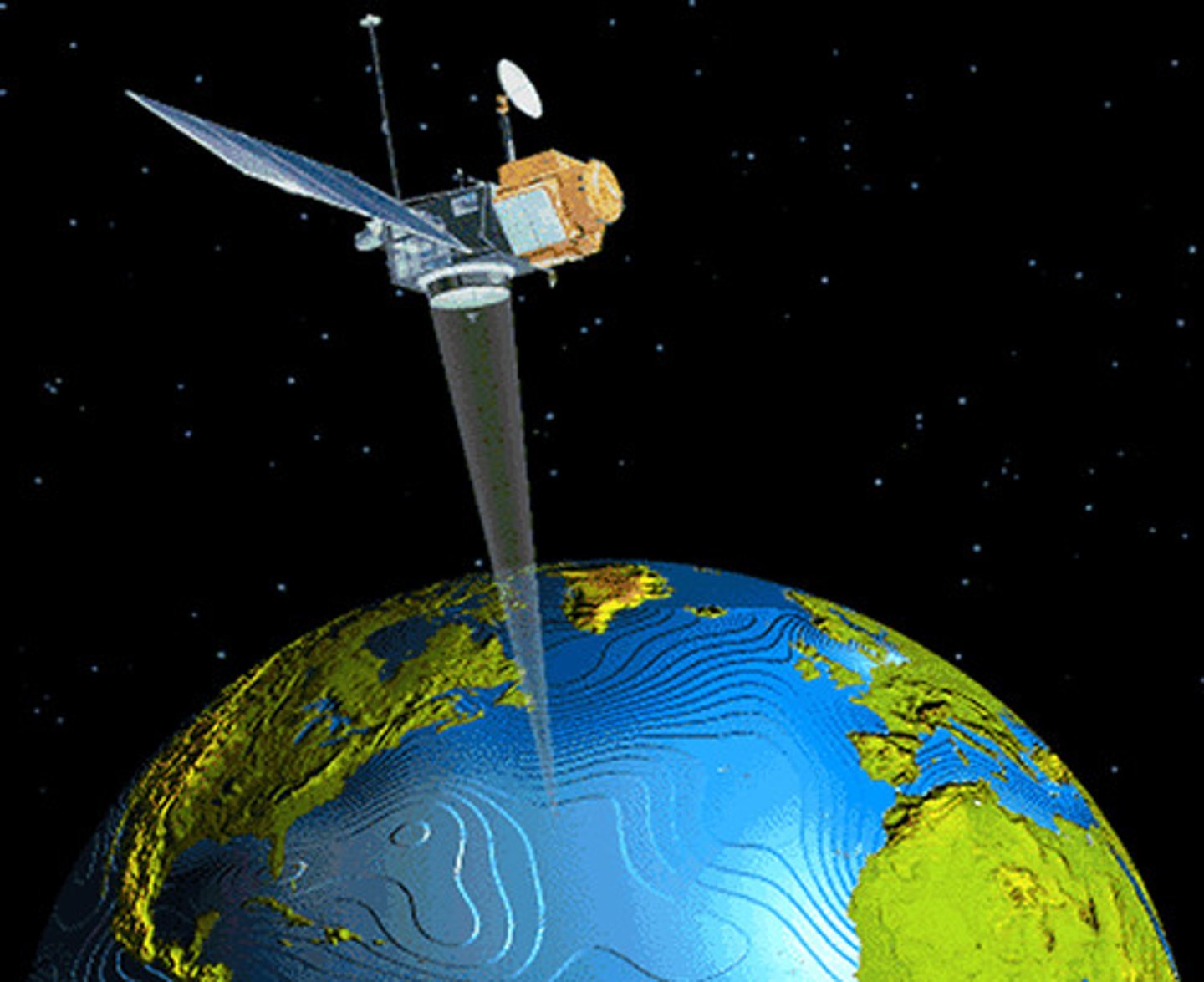
Remote sensing
getting geo. data with NO physical contact (satellite imagery, aerial photography)
Provide 1 personal, business, and government reason for using geographic data
Personal: moving, recreation
Businesses: census data to see where people with high incomes live
Government: affects how many representatives, where gov. funds distributed
Space
geometric surface of earth, physical gap
Place
how humans modify a space
Distance decay
further apart things are from each other, less connected they are
Time-space compression
reduction in time it takes for something to get from one place to another
Density vs concentration
Density is amt of objects / area and concentration is spread of objects
Spatial Patterns
clustered, dispersed, linear, random, circular, geometric
Formal Regions
geographic area with common features (ESPN)
Functional Region
area organized around a node
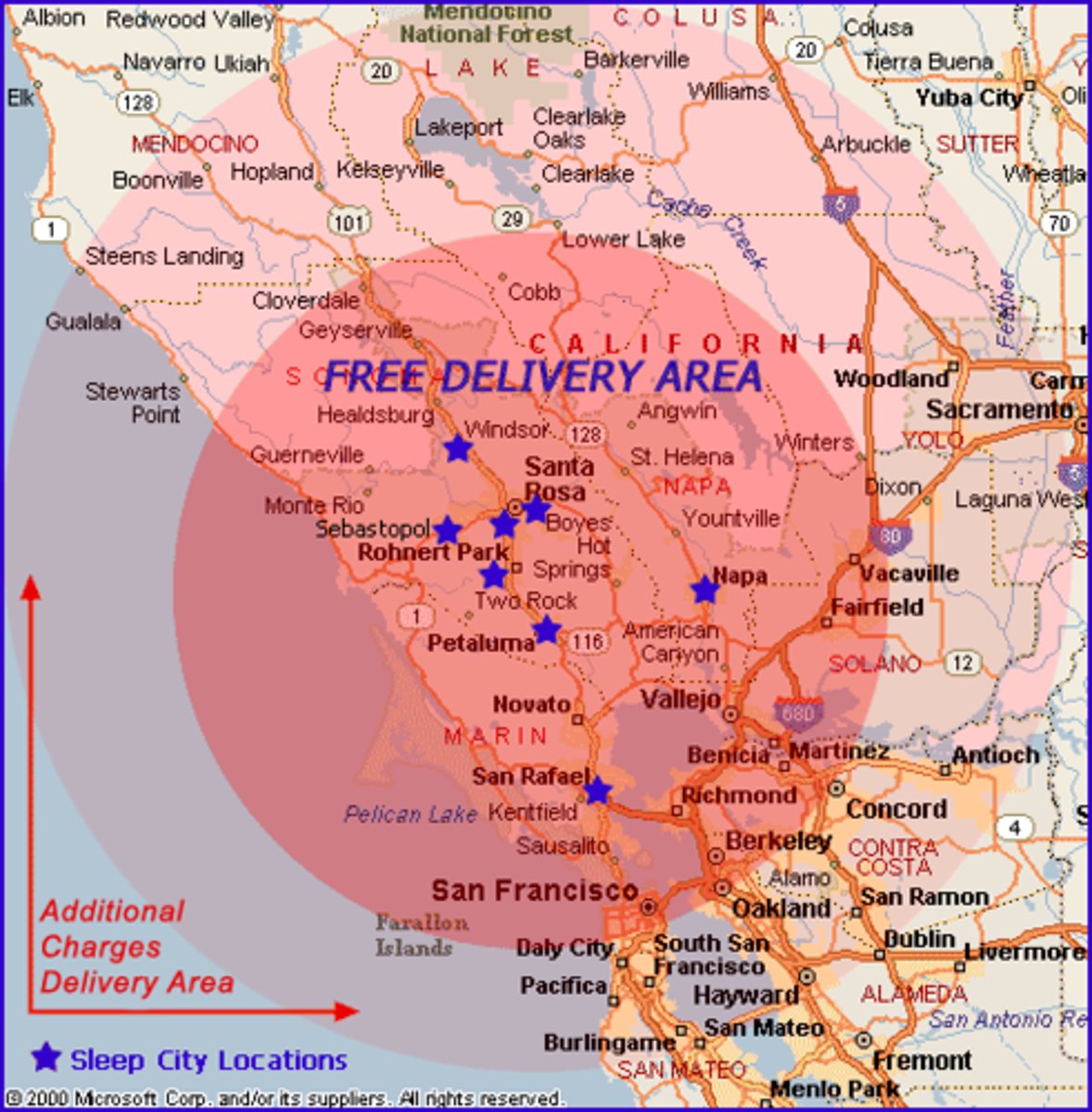
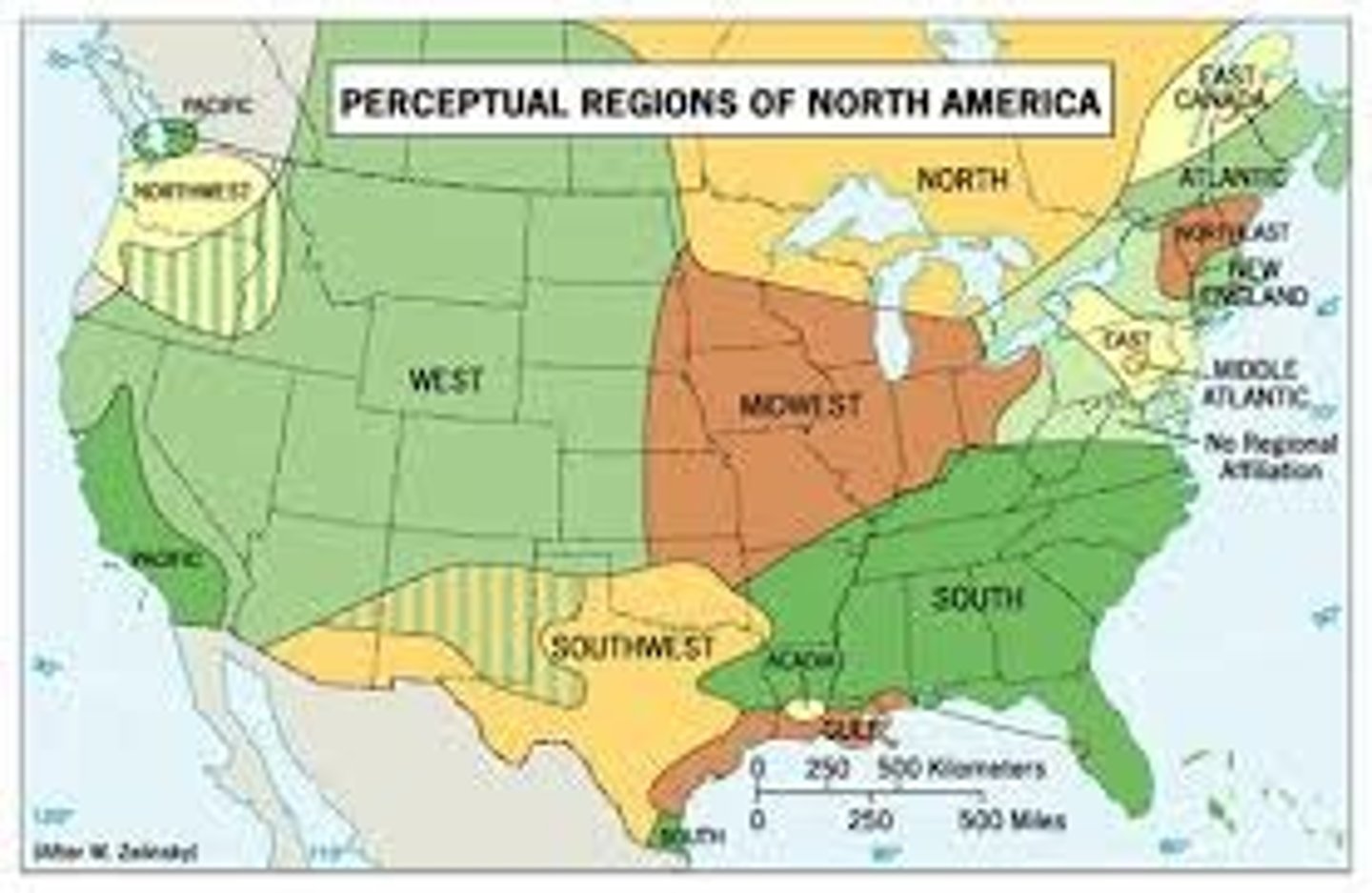
Vernacular region
exists because of how people feel about the region
4 Big Regions that have over 2/3 of world's population
South Asia, Southeast Asia, East Asia, Europe
Population density and distribution affects ESPN processes how?
Economic - growing pop = more businesses/services
Social - high density = better education, more police
Poltical - higher # of rep., more gov. services
eNvironmental - more pollution
Sex Ratio
(# of male births / # of female births ) x 100
Dependency Ratio
(ppl 0-15 and 65+ / working people) x 100
Elderly dependency ratio
(65+ / working people) x 100

Demographic factors determining population growth
fertility, mortality, migration
Replacement rate
TFR of 2.1
Demographic Transition Model Stage 1
High CBR, High CDR, Low NIR
Demographic Transition Model Stage 2
High CBR, rapid declining CDR, very High NIR
Demographic Transition Model Stage 3
Rapidly declining CBR, mod. declining CDR, mod. NIR
Demographic Transition Model Stage 4
Very low CBR, 0 or increasing CDR, 0 or - NIR
Possible DMT stage 5?
Very low CBR, increasing CDR, negative NIR
Epidemiologic Transition model 5 Stages
1. Pestilence and Famine
2. Receding pandemics
3. degenerative diseases
4. delayed degenerative + lifestyle diseases
(5? re-emergencing infectious disease)

Epidemic
sudden outbreak of disease rapidly diffusing in a community
Pandemic
sudden outbreak of disease rapidly diffusing globally
Endemic
disease that stays in particular area and does NOT spread through an entire region or community
Migration Transition
1. High seasonal Mobility
2. High international emigration and interregional migration rural to urban
3. High international immigration and intraregional migration from cities to suburbs
4. Same as stage 3
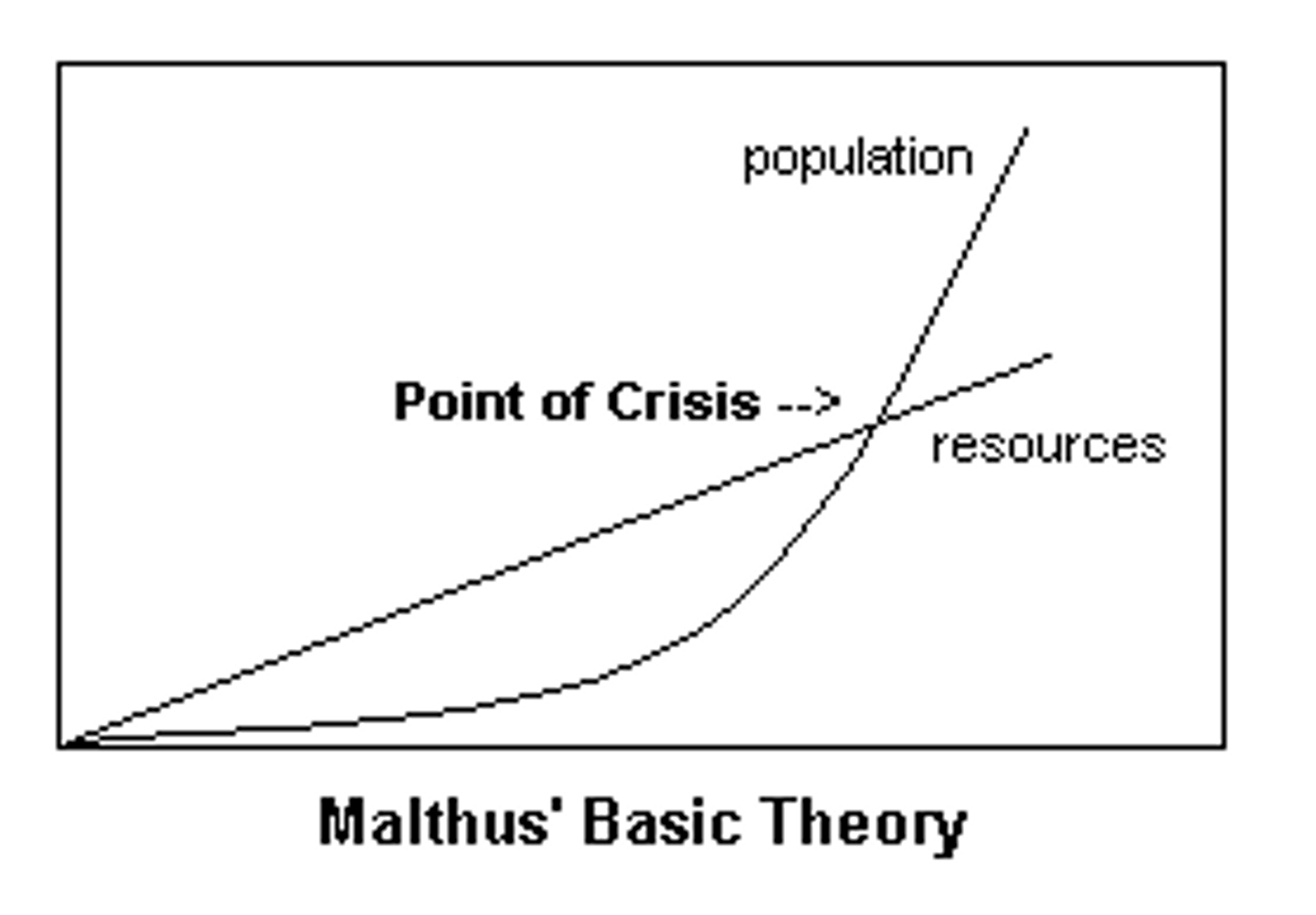
Thomas Malthus proposed his theory in _____ during the _______ ______
1798, Industrial Revolution
Malthusian theory
population growth is exponential and food supply is arithmetic
When women get ___(3) their fertility rates and IMR decrease
- access to education
- access to family planning (contraceptives!)
- access to jobs
Aging Populations ESP consequences
Economic: companies struggle to find young workers, gov use money to support old
Social: society shift to elderly service, family care for old
Political: elderly voting bloc, pro-natalist policies, gov elderly care systems
Top reason why people migrate
Jobs
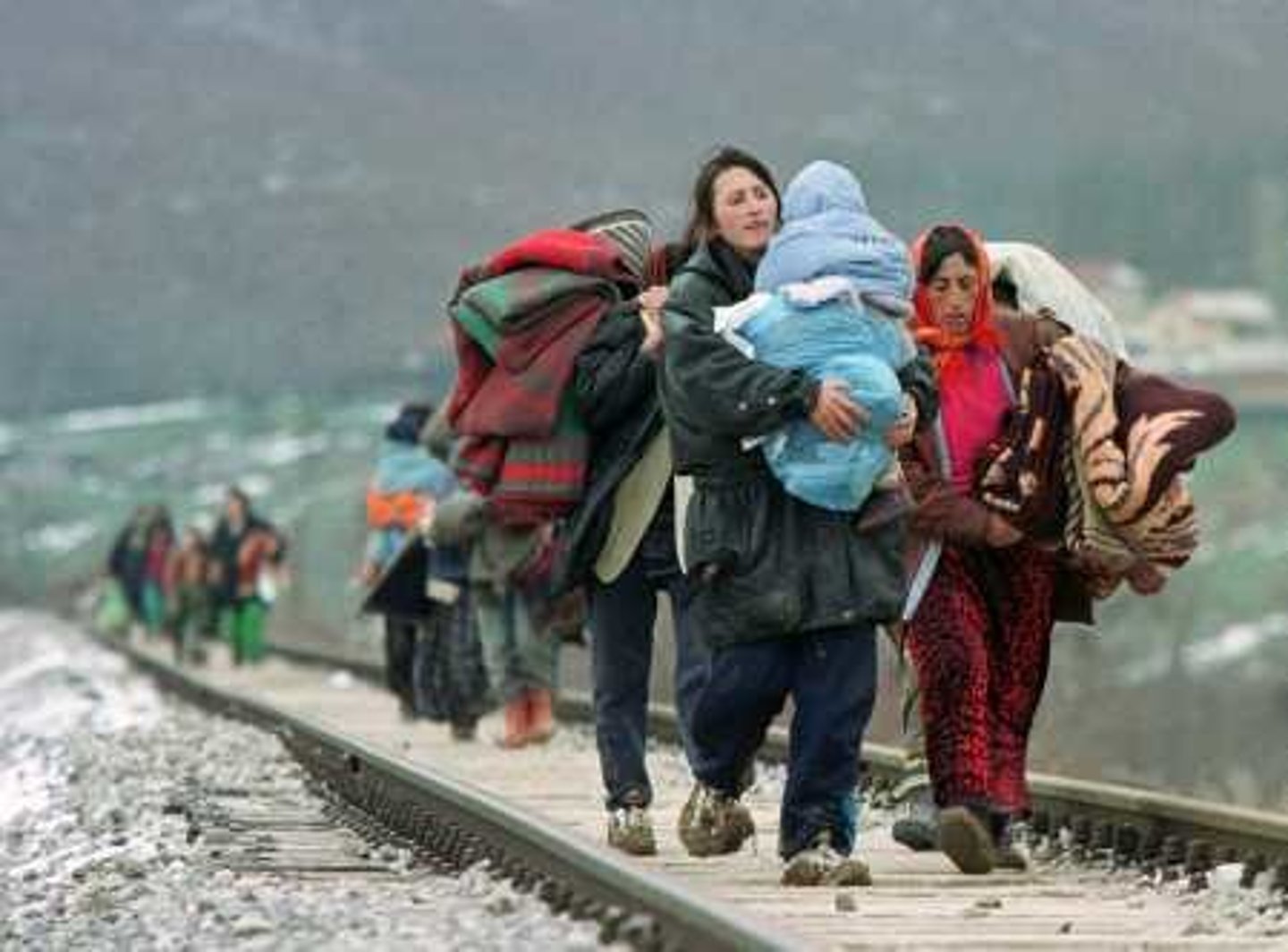
Refugee
ppl forced to leave country and have crossed an international border
Asylum seeker
left home and seeking refugee status in another country
Internally displaced person (IDP)
person forced to leave bc of armed conflict, violence, disaster, but has NOT crossed an international border
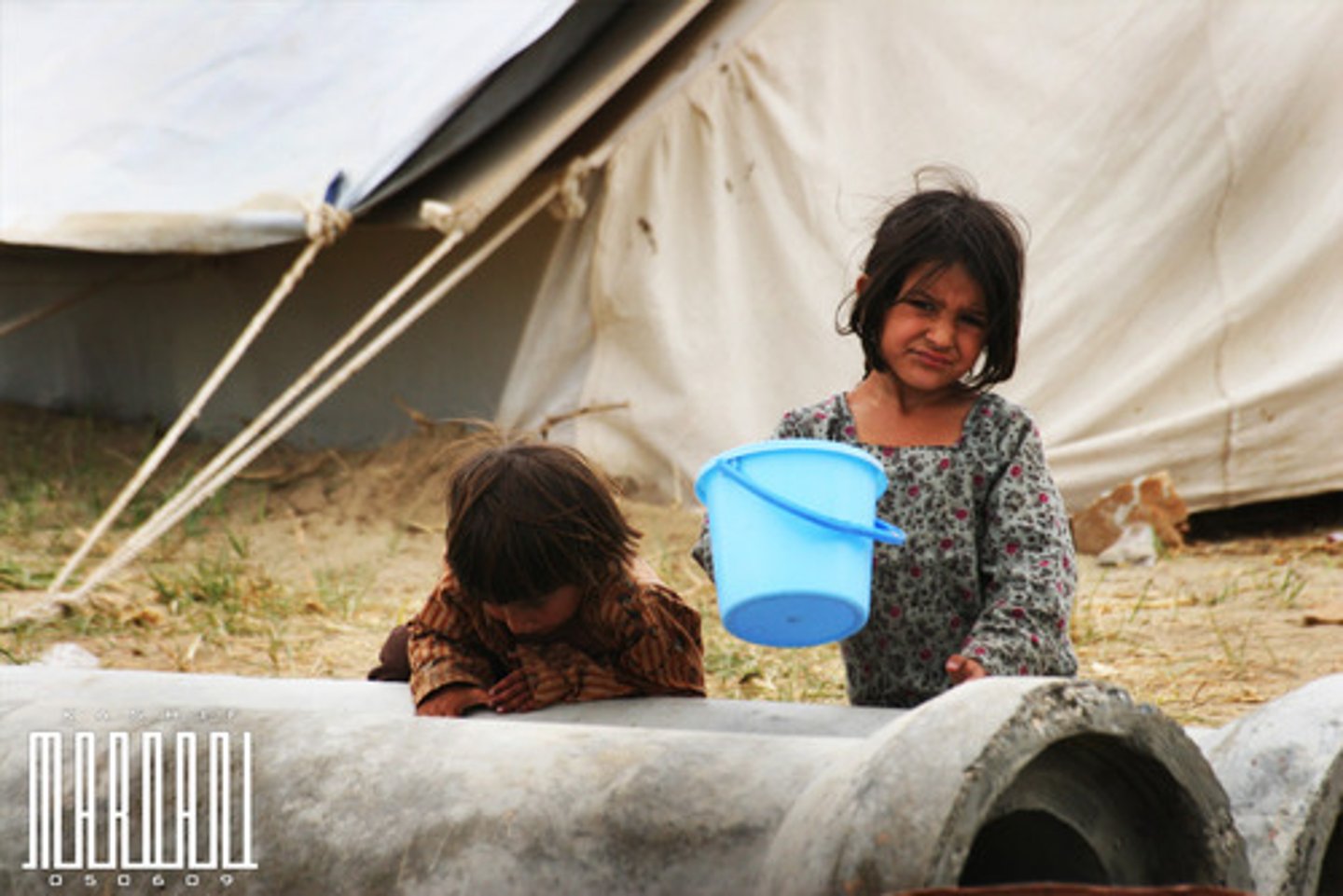
Voluntary Migration Types
Transnational, Transhumance (seasonal livestock), Chain, Step, Guest Workers, Rural to Urban
Effects of Migration EP
Economics: immigrants accept primary sector jobs, do heavy lifting, and boost economy by spending + also send remittances home and boost home country economy
Political: more political power for southern /western states in Sunbelt Migration
Culture
shared practices, attitudes, behaviors, history/background by a society
Modern culture is ______ and exists in _______ countries diffusing through _______ diffusion
heterogenous, developed, contagious + hierarchical
Folk culture is ______ and exists in _______ countries and diffuses through _____ diffusion
homogenous, developing, relocation
Cultural relativism
- looks at a culture by using that culture's perspective, understands it more
Ethnocentrism
looks at a culture by standards of one's own culture, can cause xenophobia (fear of ppl from other countries)
Sequent occupancy
cultures over time leave marks on a place
______, ______, _______ contribute to sense of place and are centrifugal or centripetal forces.
Language, ethnicity, religion
Imperialism
powerful state enacts policies to extend power over another state, either by military force to gain economic and political power NOT necessarily by establishing settlements (ideology)
Colonialism
state establish settlements in other places for economic or political gain
First wave of European Imperialism
British to US (english) Spain to Central America (spanish) portugal to Brazil (portuguese is main language in Brazil)
Second Wave of European Imperialism
europeans (like france) conquered africa countries
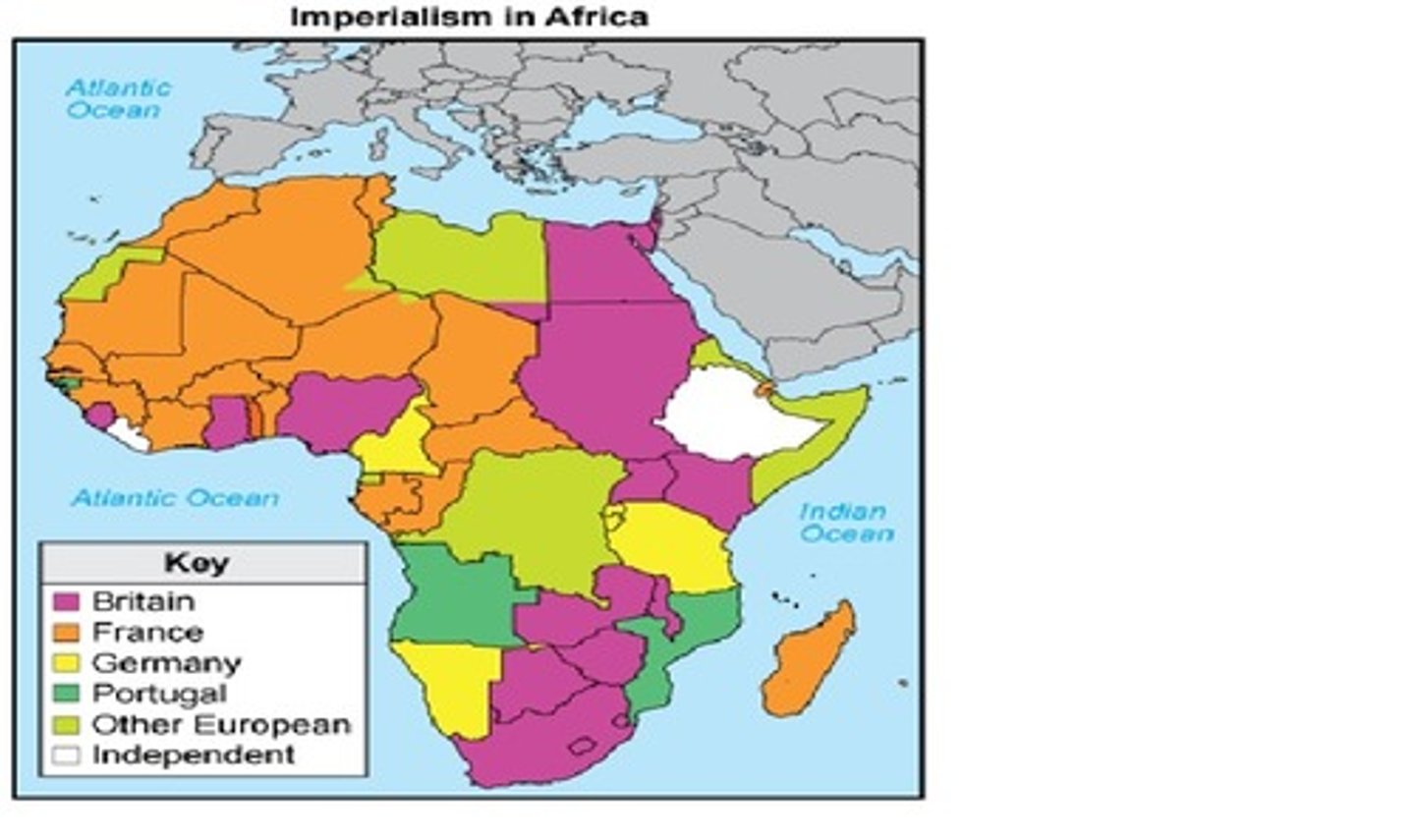
Lingua Franca
common language adopted by ppl of many different language to communicate (english is global lingua Franca)
Creolization
two or more languages combined to form a new distinct one (afrikaans)
Large Scale Forces of Cultural Diffusion
Globalization (interdepending of ppl throughout world on each-other economically, politically, socially) + Urbanization (influence of cities, cities are diverse)
Universalizing religions (_____, ______, _______, ______) are spread through expansion (______) and _______ diffusion.
Buddhism, Islam, Christianity, Sikhism, contagious/relocation
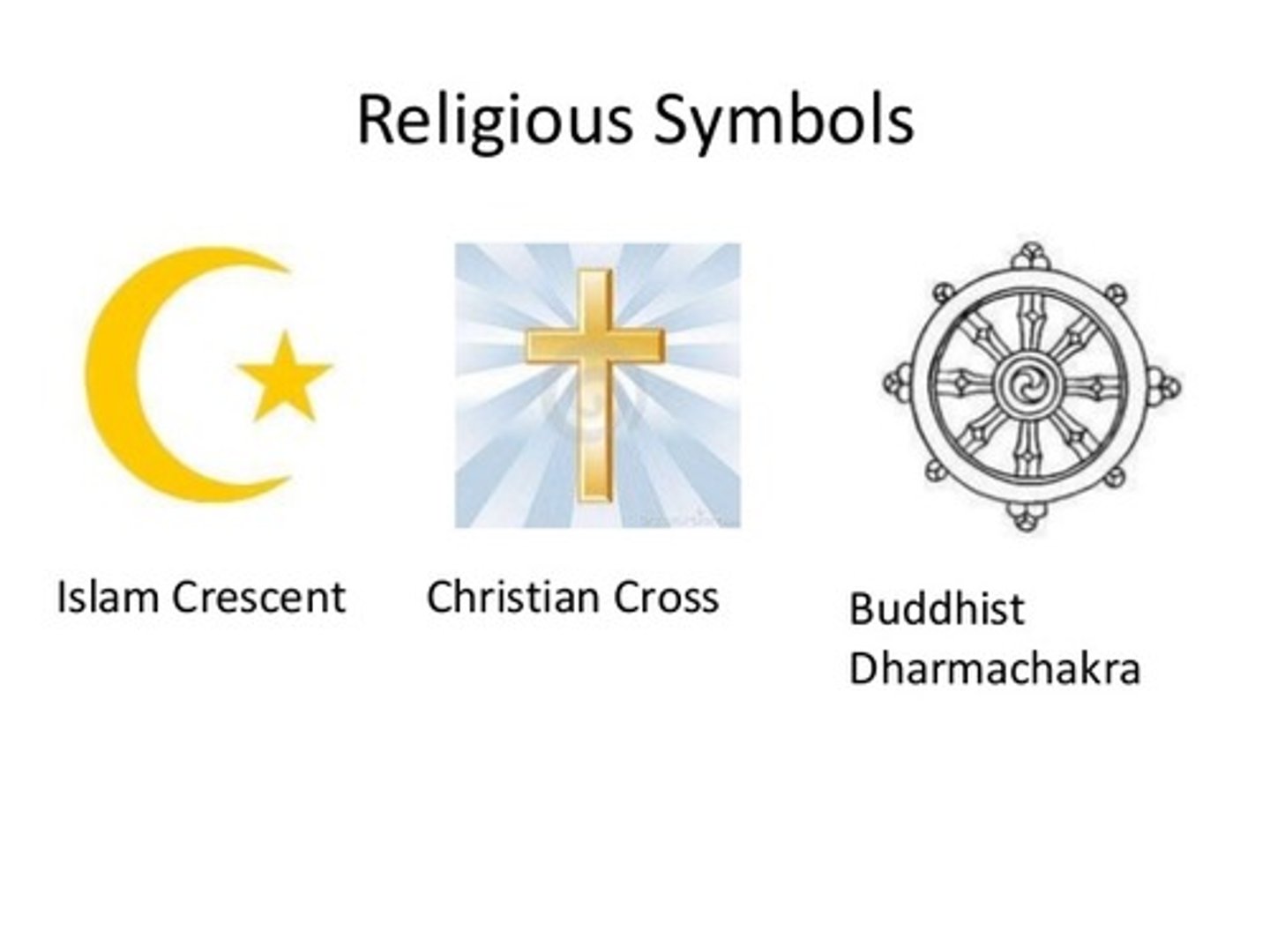
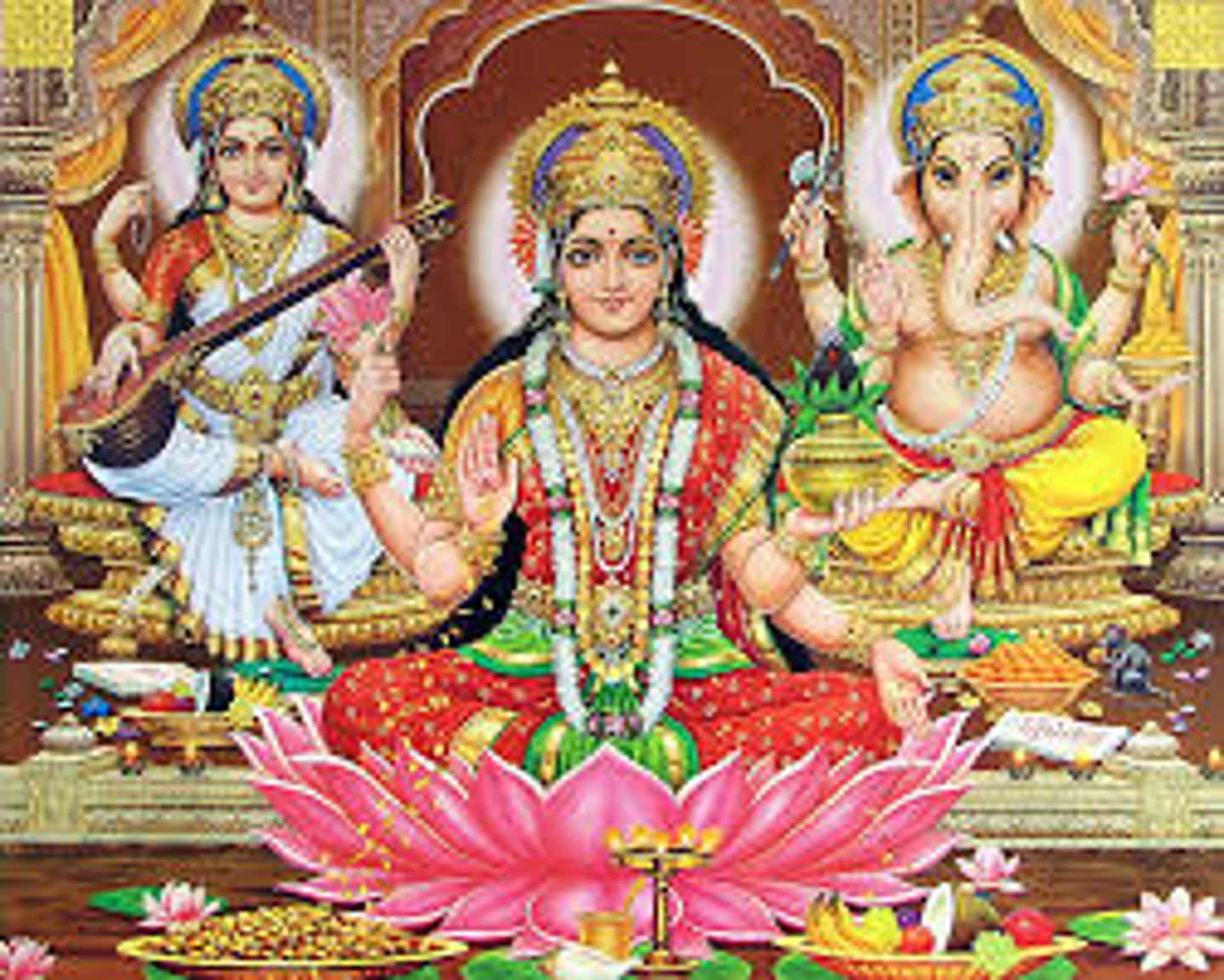
Ethnic religions (_____, ______) are generally found near hearth or spread thru ______ diffusion.
Hinduism, Judaism, relocation
Shia vs Sunni
Shia - relatives ; Sunni - worthy ppl should be leaders
Language family
share common ancestral language
Language family broken into
language branches and then language groups
Sovereignty
control over internal + foreign affairs
Nation-State
sovereign state that closely follows a homogenous population with a shared culture and history
Autonomous region
region within a state that has high degree of autonomy from state
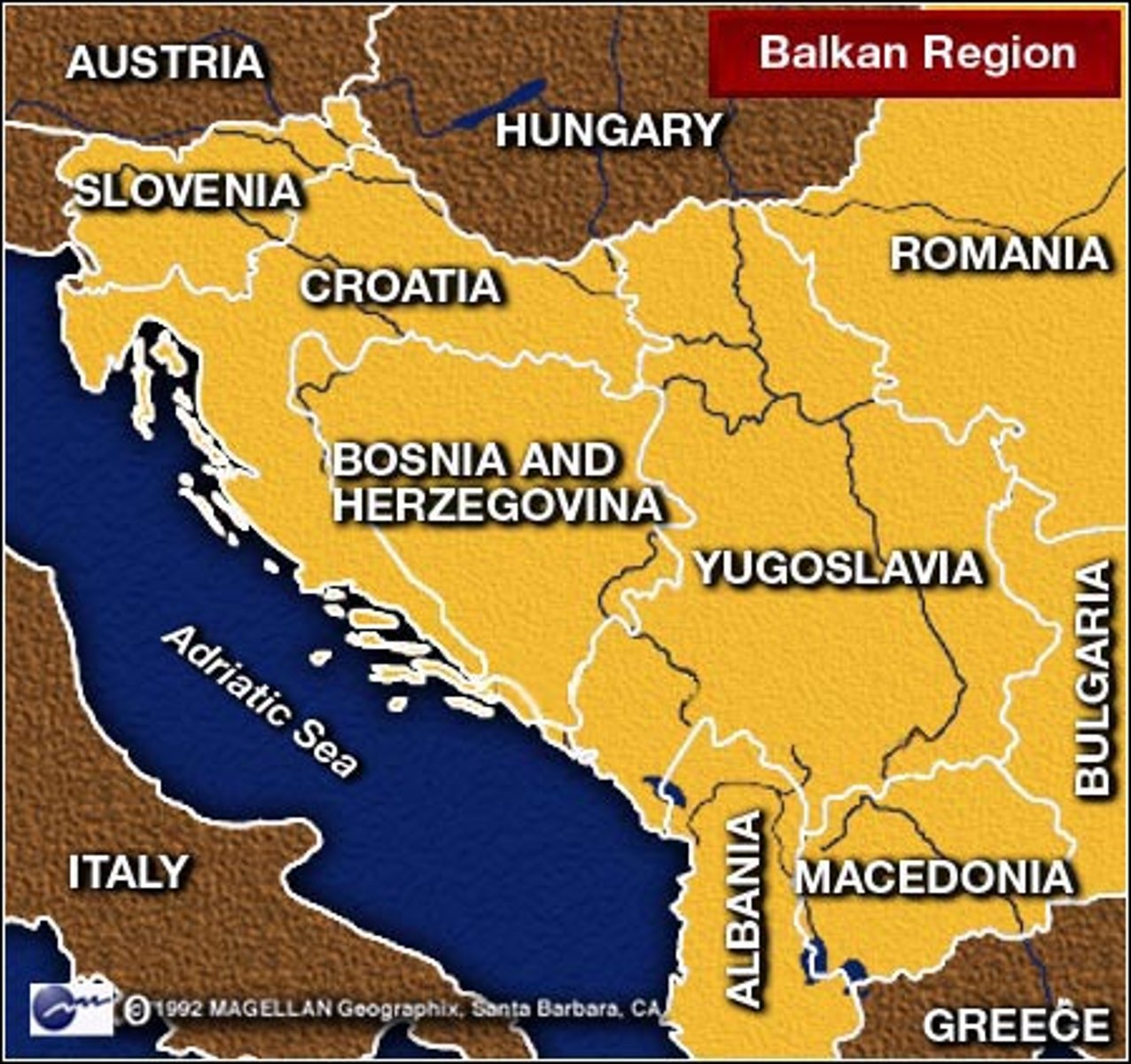
Balkanization
state breaks up into multiple states, usually driven by ethnic or religious conflicts
territoriality
the emotional, and political connection individuals or groups (states) have to a specific geographic area / enforced through political forces or military
Neocolonialism
the use of political, cultural, economic power to influence or control other countries (transnational corp. can do this too!)
Subsequent boundary
boundary that develops along with development of cultural landscape
Consequent boundaries
specific type of subsequent boundary that separates groups based on differences in ethnicity, religion, or language to reduce conflict
Defined vs Delimited vs Demarcated
boundary set politically (document) vs process of drawing boundary on map vs process of marking a boundary (border wall or sign)
Territorial Waters
(12 naut. miles) - regulate passage of ships
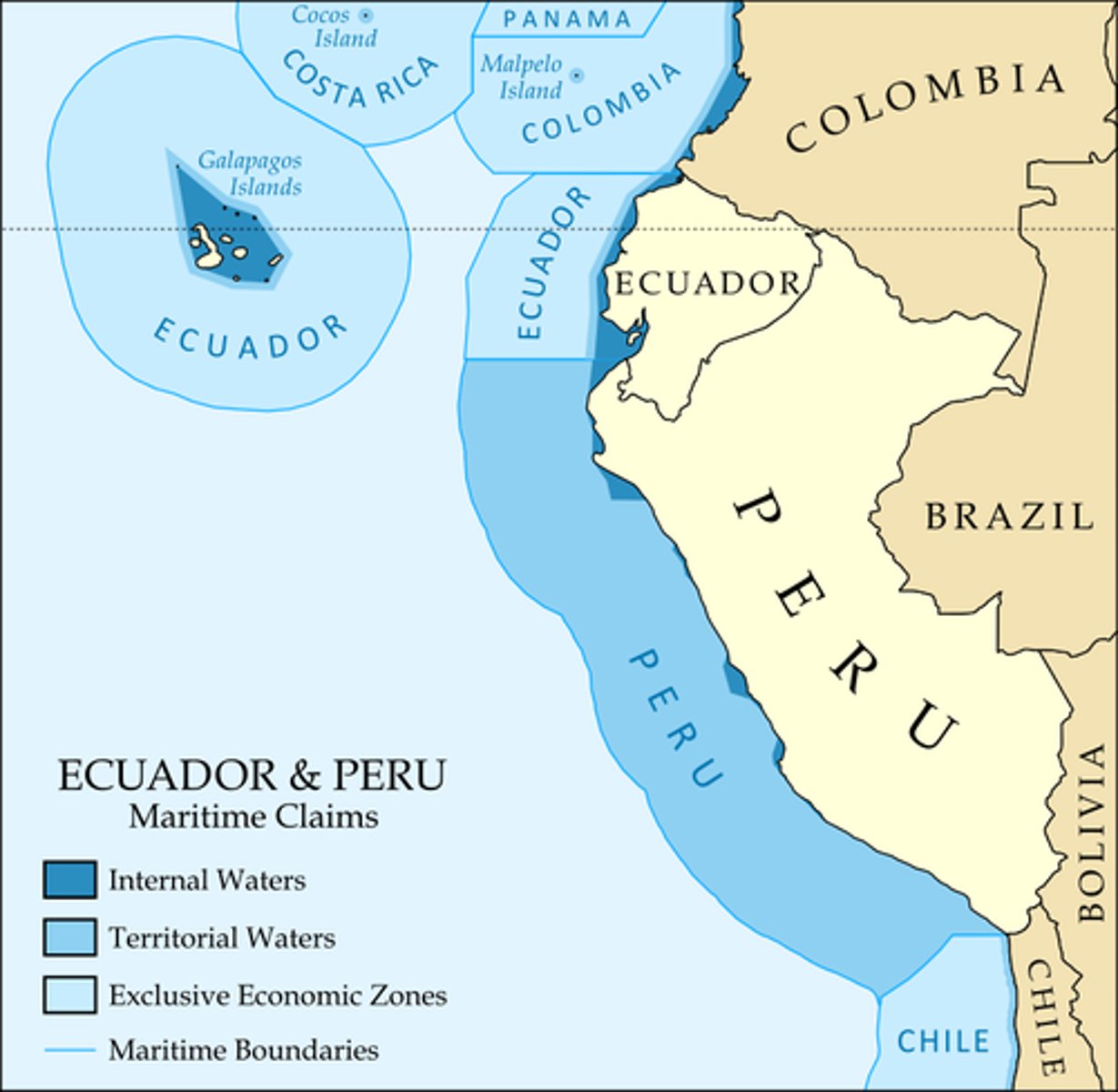
Contiguous zone
(12-24 m) - laws on pollution, taxation, customs + immigration
Exclusive Economic Zone
(24-200m) - state has sole use to any resources here
Unitary states
(central gov has main power) geographically smaller + more homogenous, more sense of national identity, can address big problems but not local problems quicker
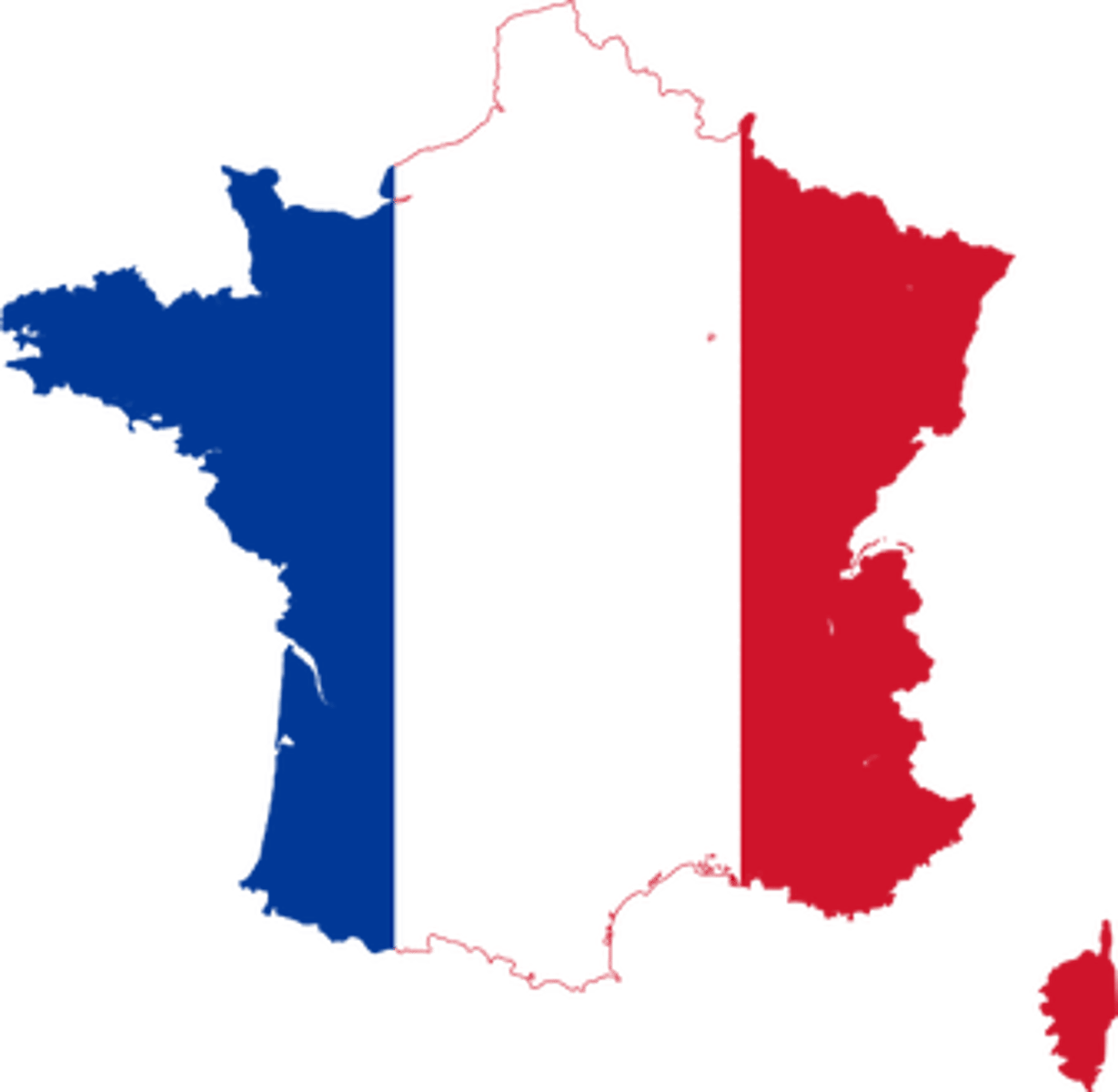
Federal state
power is shared btwn local governments
Devolution
transfer of power from national gov to regional (or state breaks up into multiple smaller states)
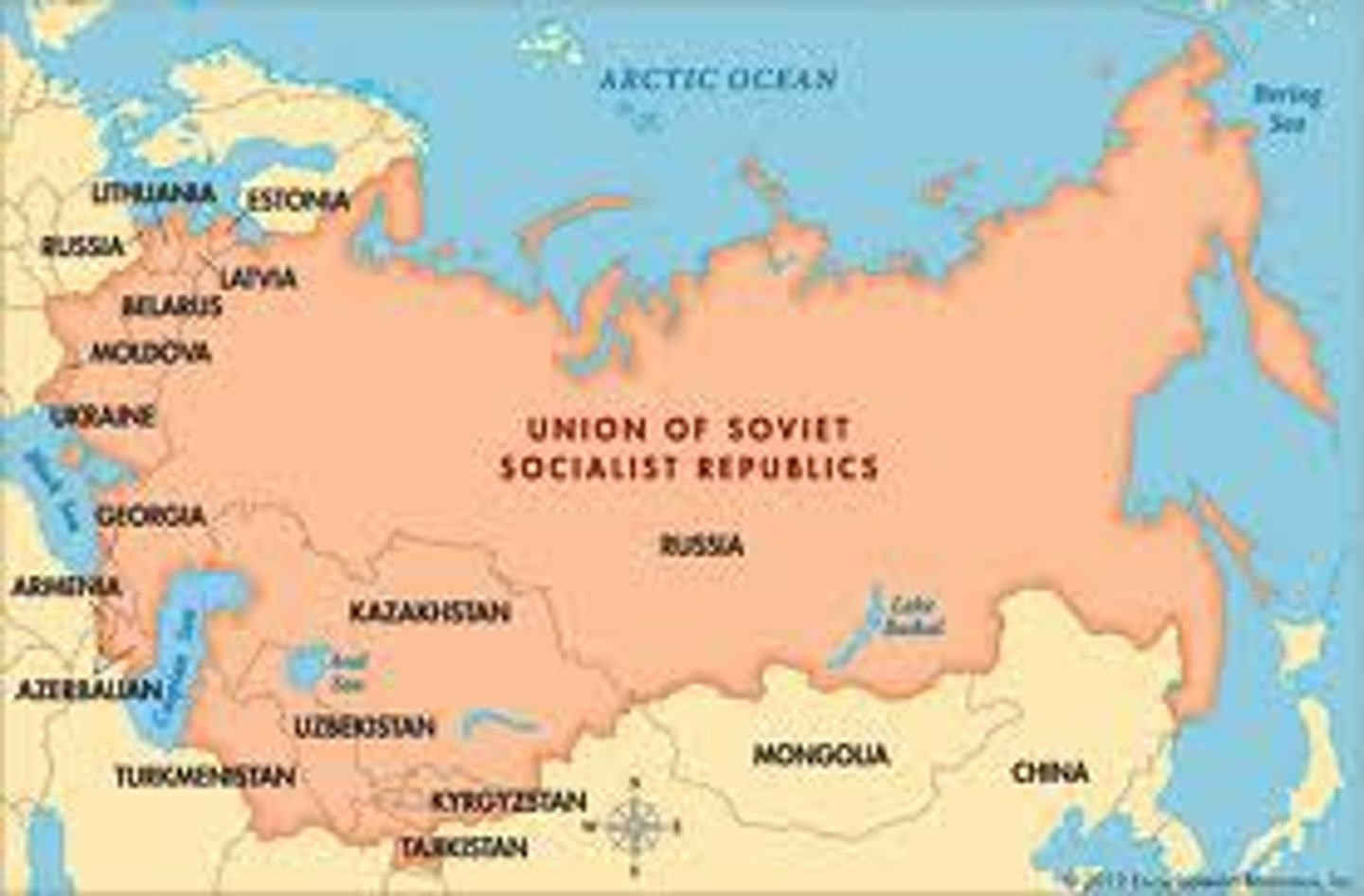
Factors of Devolution
- Physical Geography
- Culture
- Ethnic Separatism: when a person or ethnic group starts to identify more as their own ethnic group than as a citizen of state (often group wants more autonomy / political pwer)
- Ethnic Cleansing - gov attacks ethnic group in state to push ppl out of state (either by mass incarceration or genocide)
- Terrorism
- Economic/social problems
- Irredentism
Democratization
political regime becomes more democratic
Stateless nation
- nation that has history of self-determination but no recognized state
Ethnic nationalist movement
group wanna separate themselves and want control over specific ethnicity or nationality
Failed state
- government no longer viewed as legitimate and fails to function
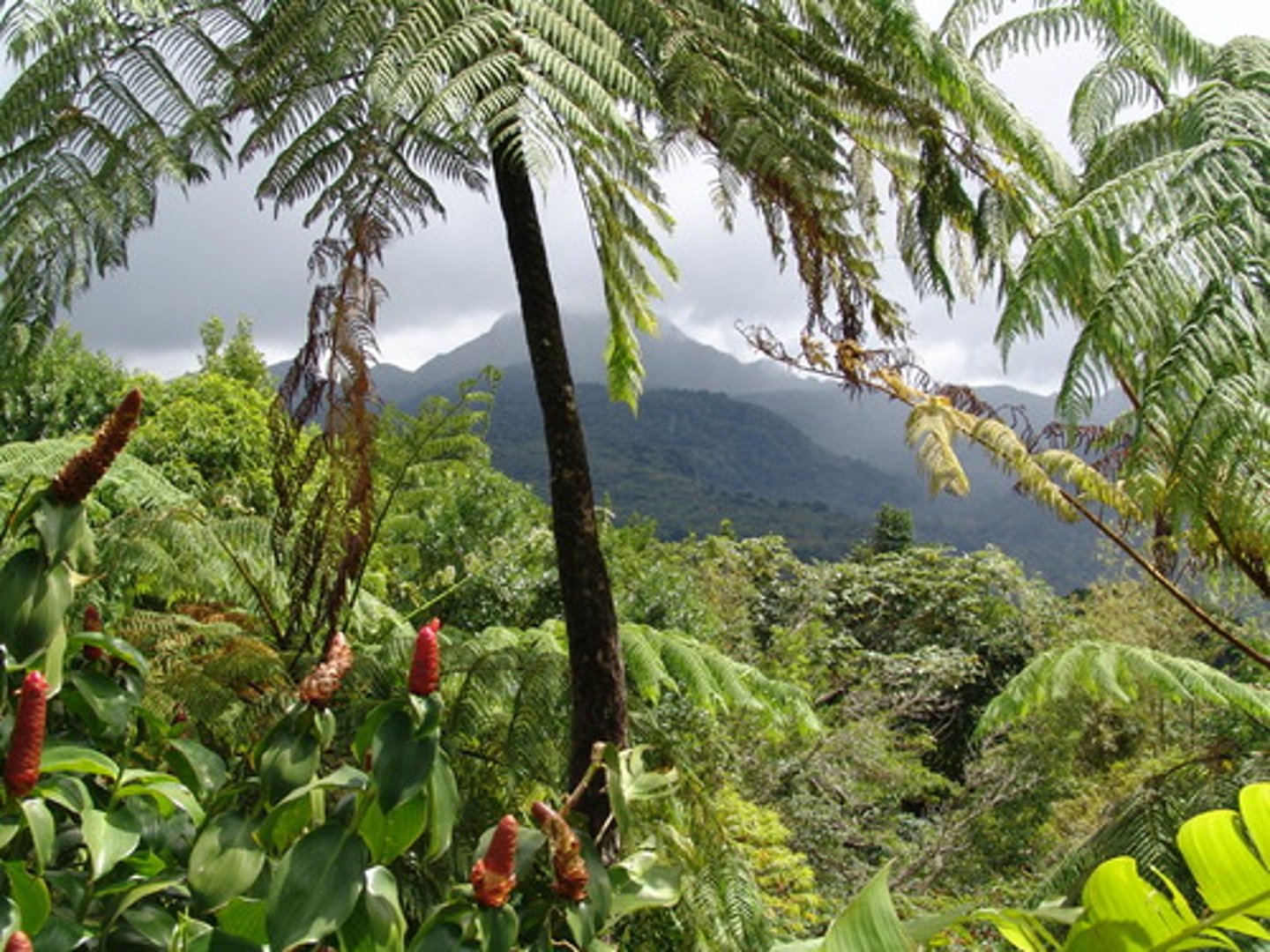
Tropical
(sub-saharan africa, indonesia, top of south America: coffee, sugar, pineapple
Subtropical
(india, central america): rice, cotton, tobacco
Dry
(west US, North Africa, Middle east): cattle ranching
Mediterranean
(cali, chile, medit. sea): horticulture, grape olive date
Warm Mid Latitude
(south china, us): veggies, fruits, rice
Cold Mid latitude
(north us + china, russia): dairy, wheat
GMO (genetically modified organism)
an organism whose genome has been modified to promote specific desirable traits that allow for increased production in either livestock farming or crops

Intensive Agricultural Practices
less land, more capital + labor, traditionally closer to larger population centers (needs more work + effort to get highest yield possible)
Extensive Agricultural Practices
less labor + capital, more land (lower yield, farther away from larger population centers)
Intensive Agricultural Practices Examples
- Plantation Agriculture: tropical peripheries (cash crop: tobacco, tea, sugar)
- Mixed Crop and Livestock: in MDCs (corn, soybeans to feed animals)
- Market Gardening (truck farming): se US
Extensive Agricultural Practices Examples
- Shifting cultivation (tropical latin america, se asia, sub-saharan africa)
- Nomadic Herding (central asia or sw asia + north africa)
- Ranching (dry cheap land)