pacifying noverbal behaviors
 Call Kai
 Learn
Learn Practice Test
 Spaced Repetition
 Match
Match Flashcards
 Knowt Play
1/15

There's no tags or description
Looks like no tags are added yet.
Name | Mastery | Learn | Test | Matching | Spaced | Call with Kai |
|---|
No analytics yet
Send a link to your students to track their progress
16 Terms
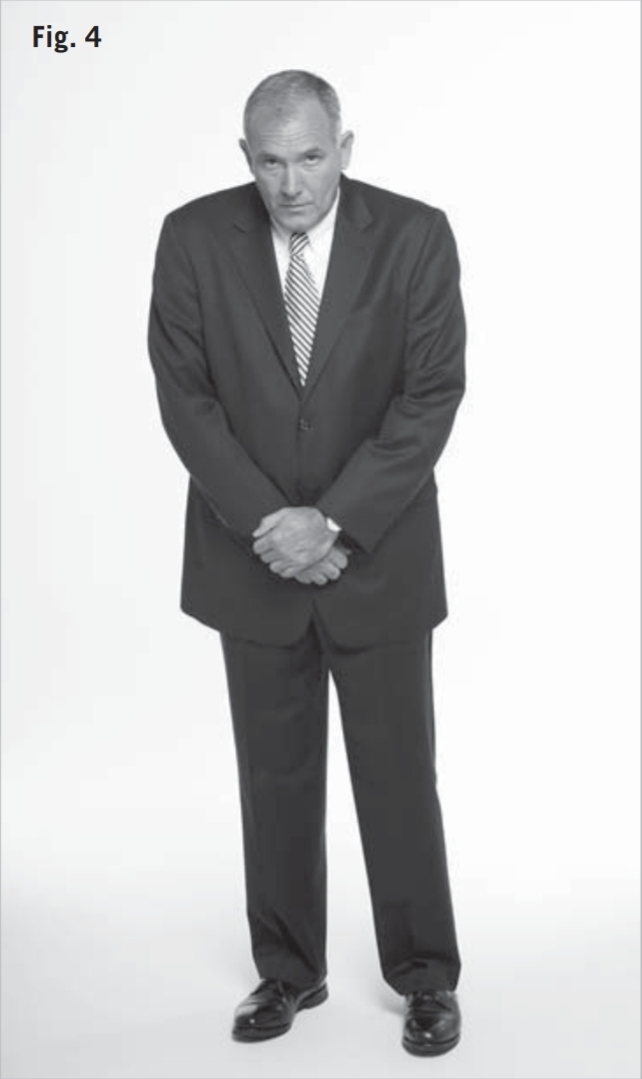
Turtle effect
The “turtle effect” (shoulders rise toward the ears) is often seen when people are humbled or suddenly lose confidence
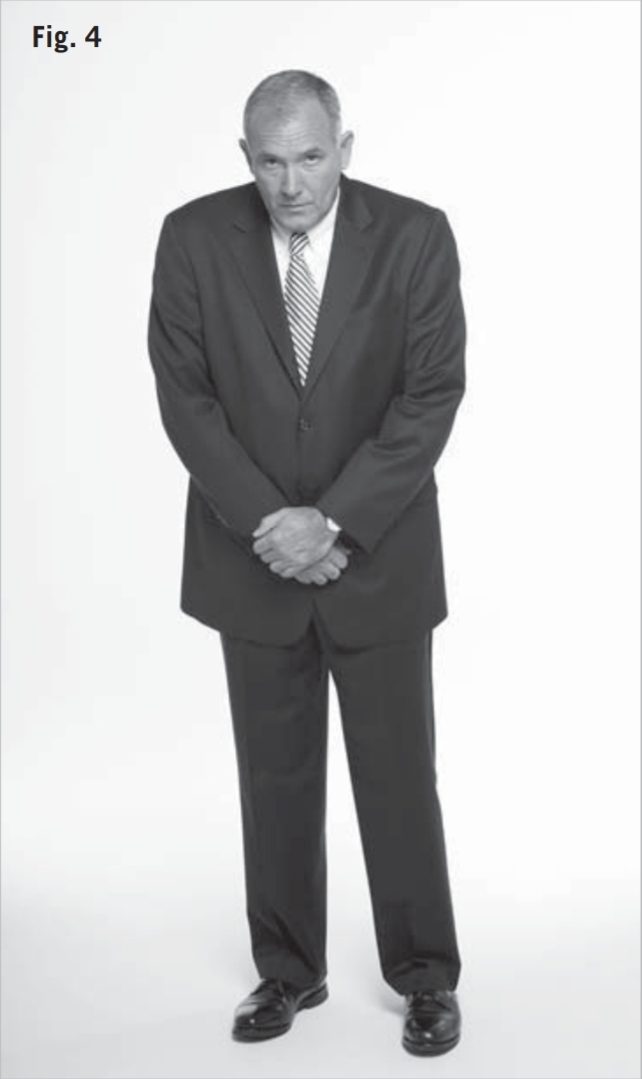
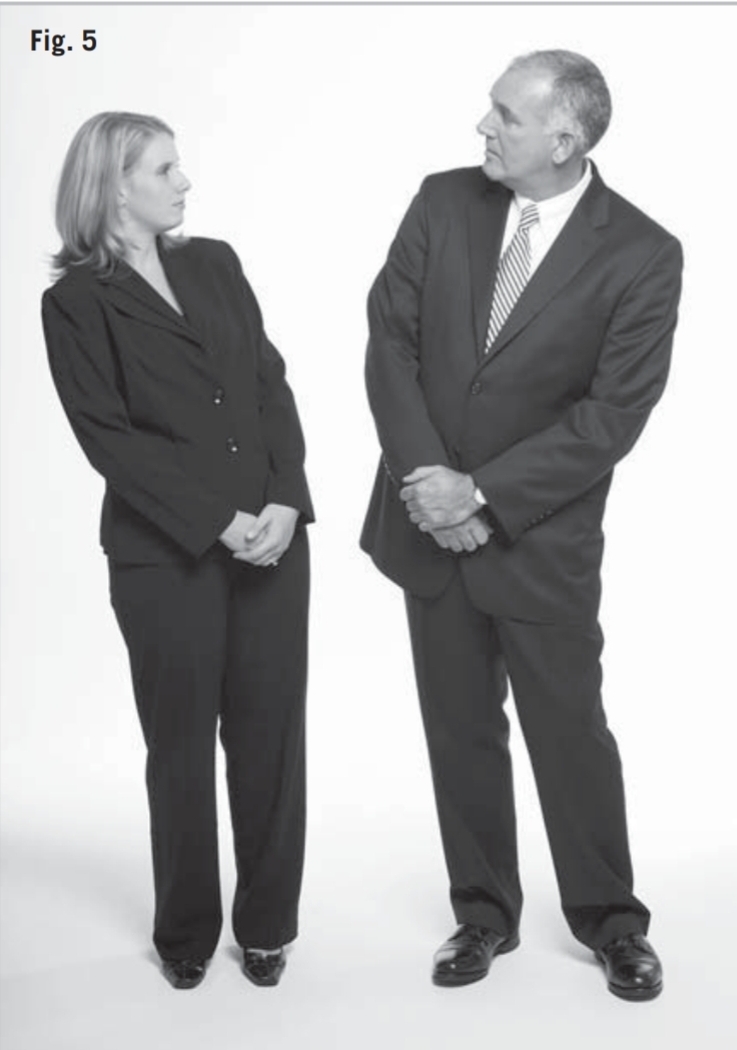
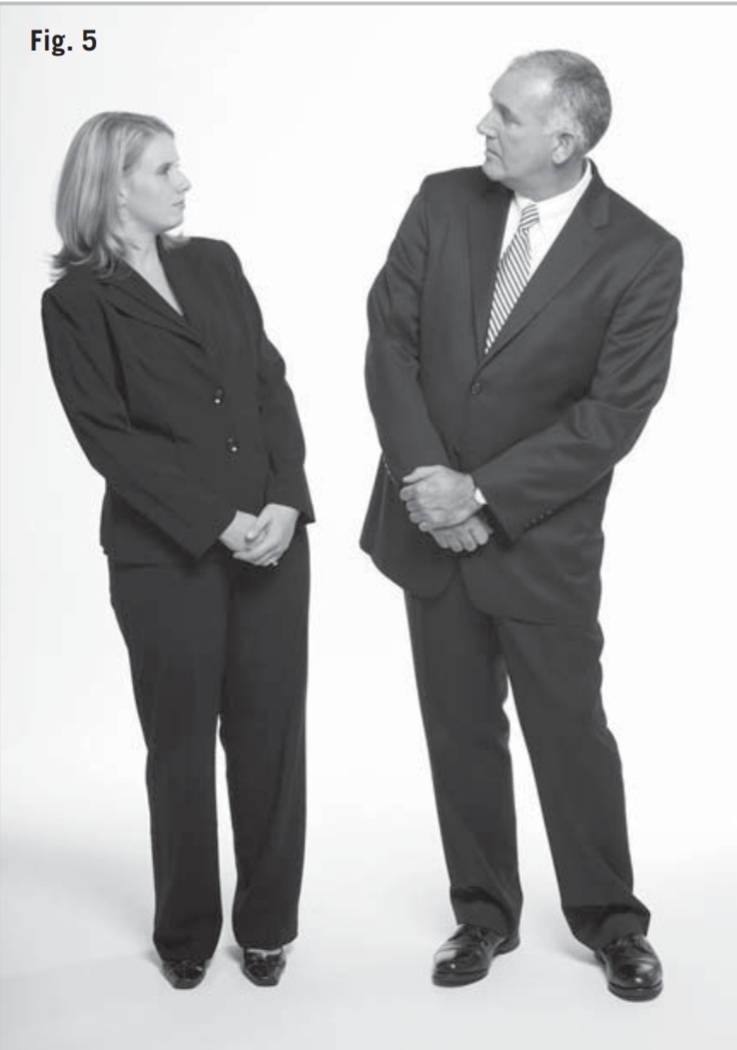
Lean away
People lean away from each other subconsciously when they disagree or feel uncomfortable around each other.
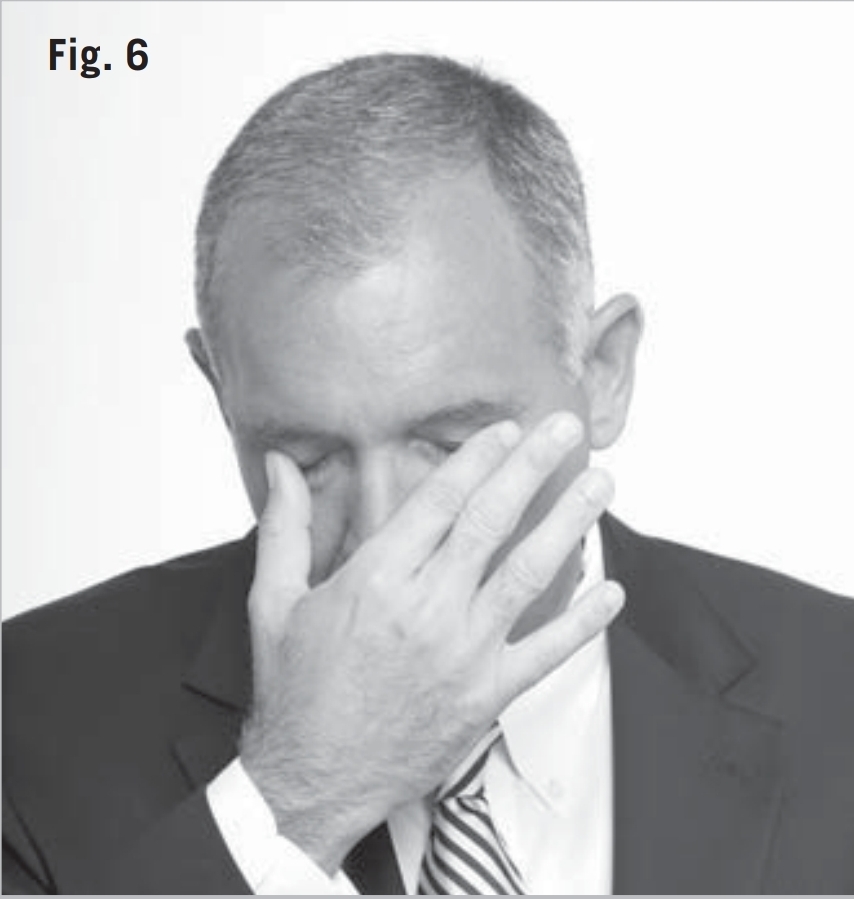
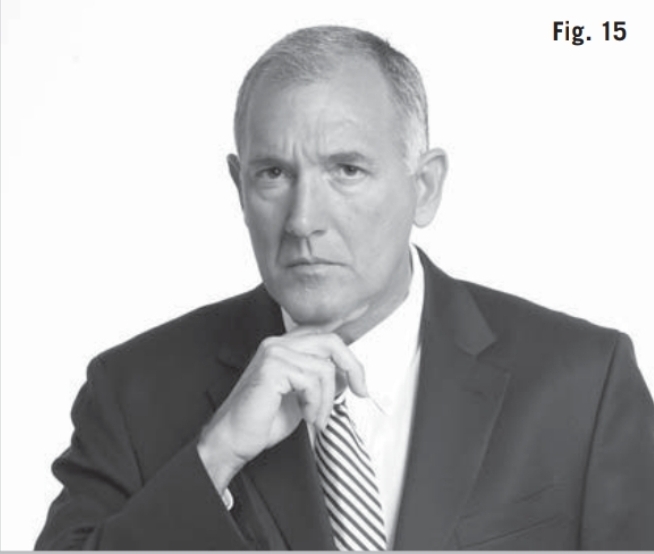
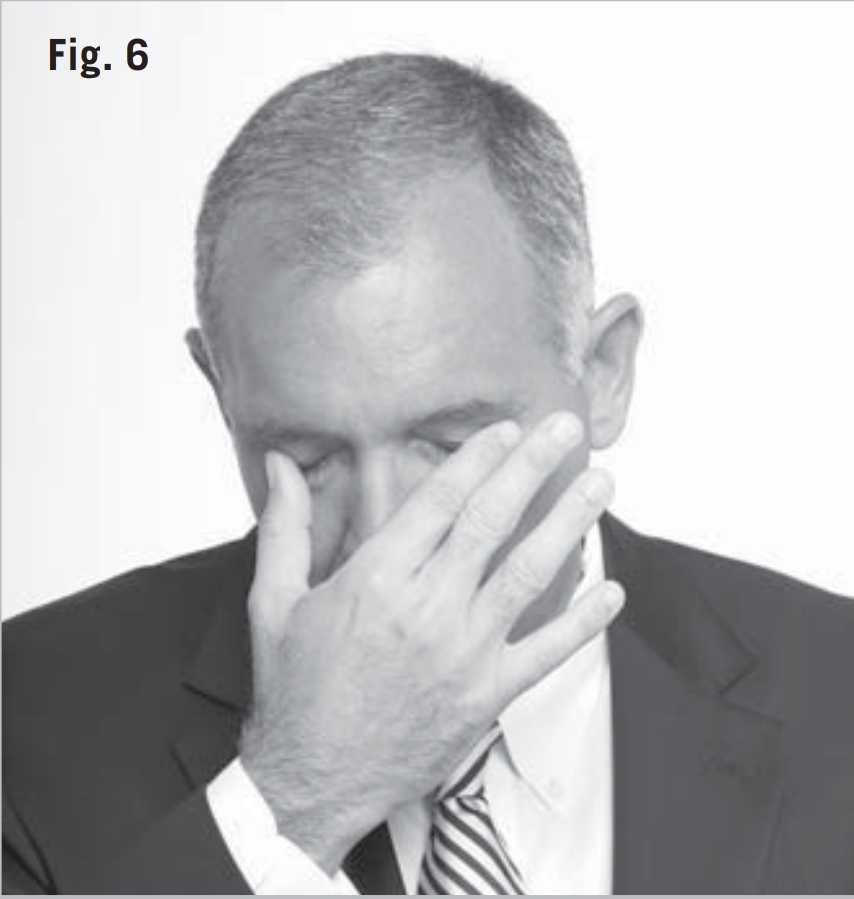
Eye blocking
Eye blocking is a very powerful display of consternation, disbelief, or disagreement.
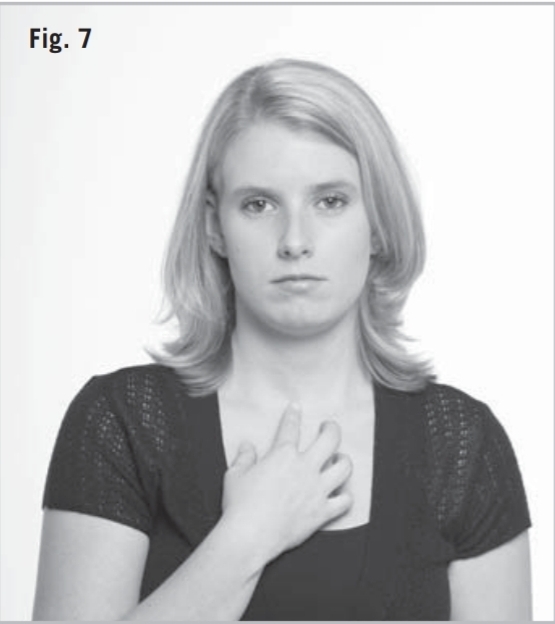
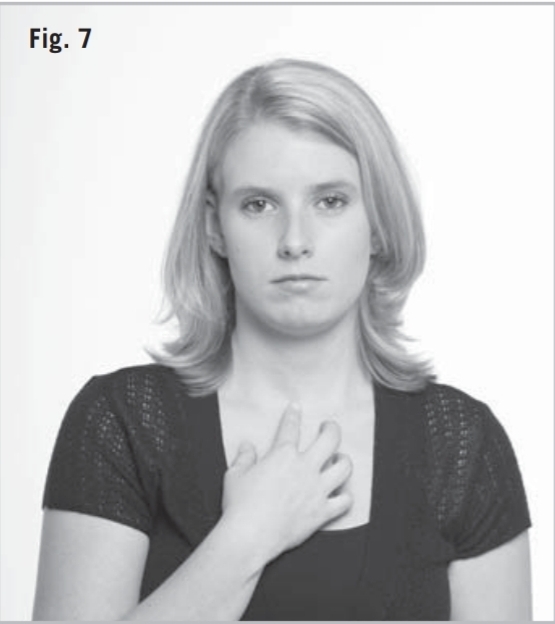
Covering neck dimple
Covering of the neck dimple pacifies insecurities, emotional discomfort, fear, or concerns in real time. Playing with a necklace often serves the same purpose.
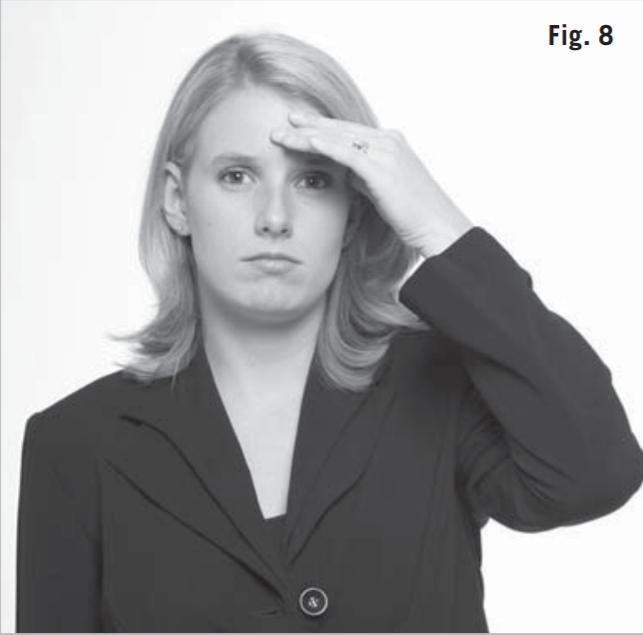
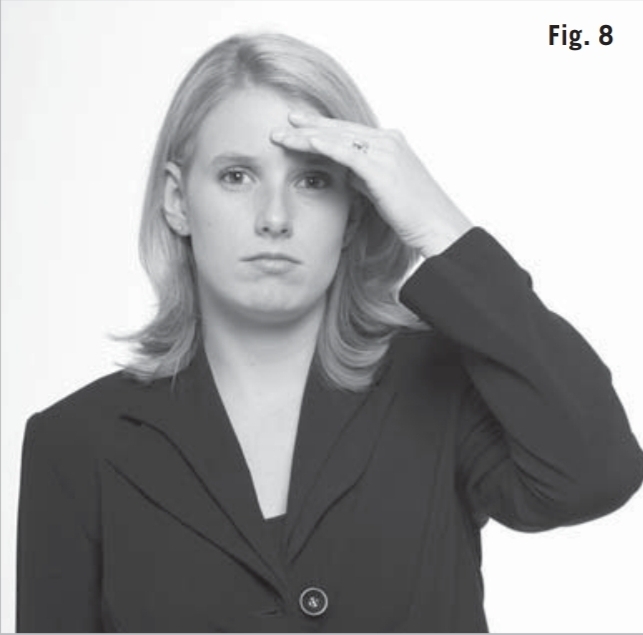
Rubbing forehead
Rubbing of the forehead is usually a good
indicator that a person is struggling with
something or is undergoing slight to severe
discomfort.
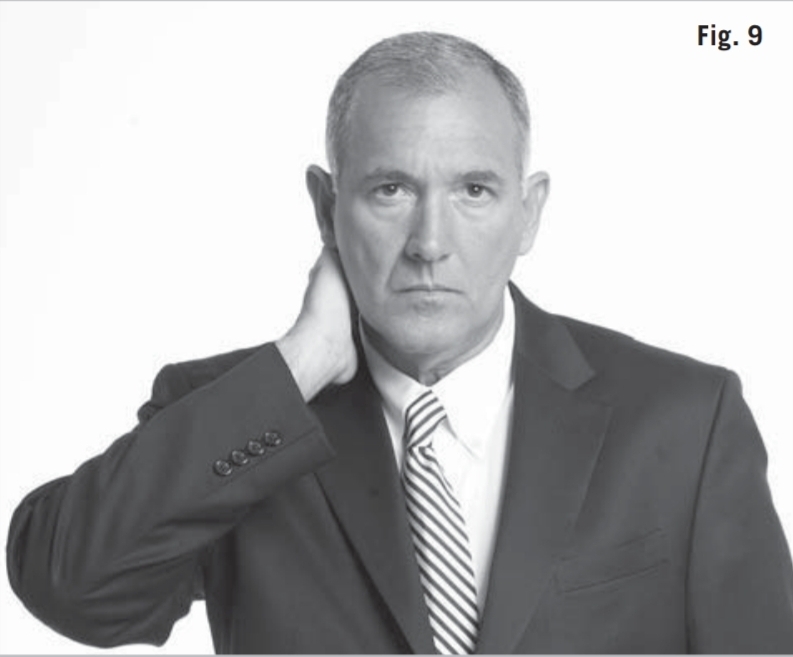
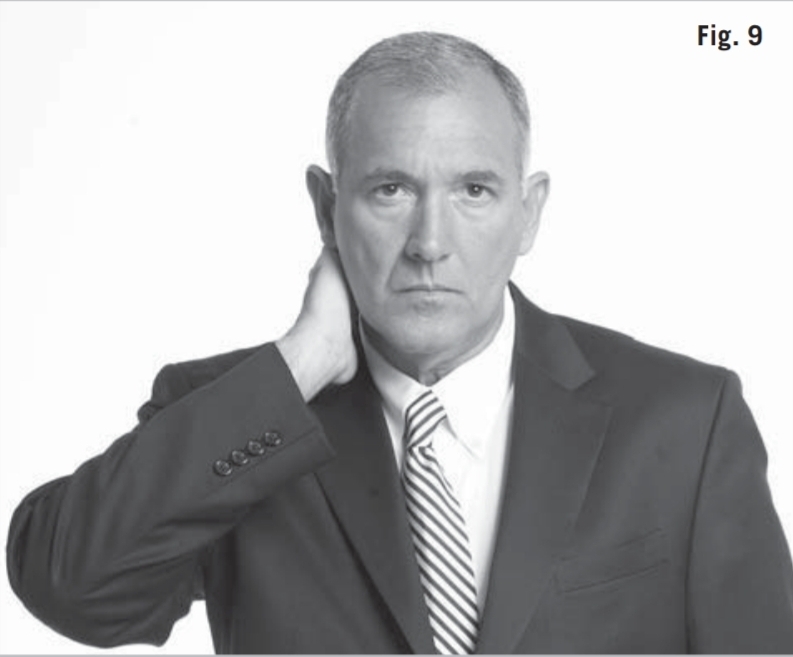
Neck touching
Neck touching takes place when there is emotional discomfort, doubt, or insecurity
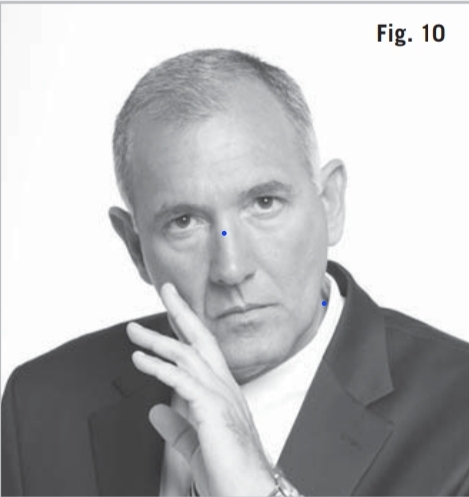
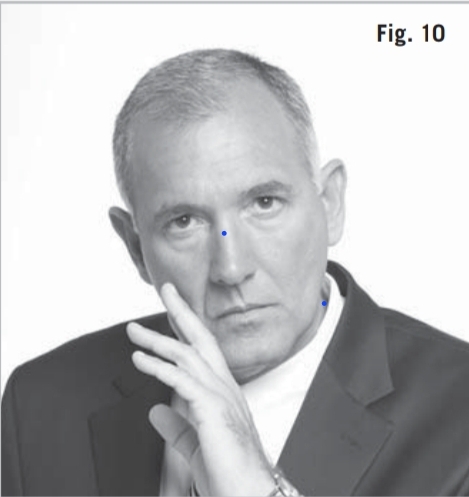
Face touching
Cheek or face touching is a way to
pacify when nervous, irritated, or
concerned.
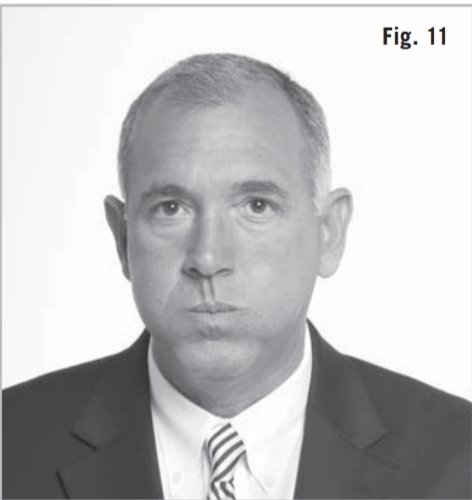
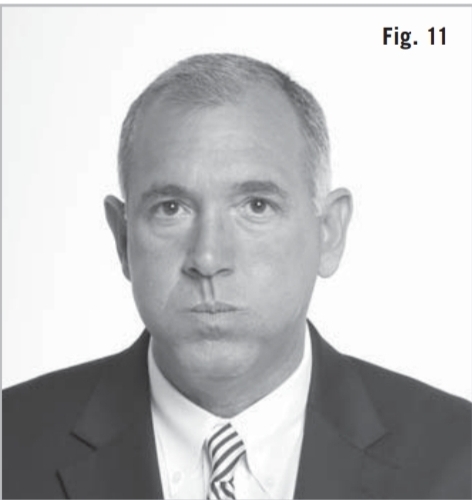
Puffed out cheeks
Exhaling with puffed out cheeks is a great way to release stress and to pacify.Notice how often people do this after a near mishap.
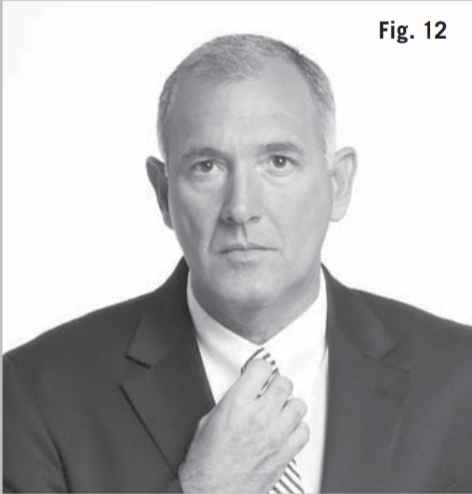
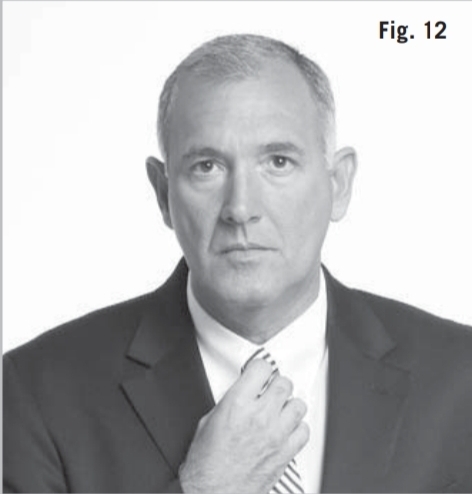
Adjusting ties
Men adjust their ties to deal with insecurities or discomfort. It also covers the suprasternal notch.
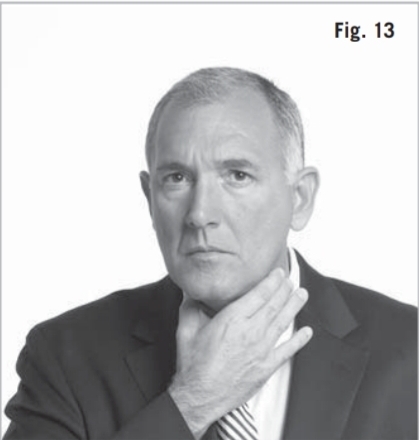
Massage neck
Men tend to massage or stroke their necks to pacify distress. This area is rich Men tend to massage or stroke their necks to pacify distress. This area is rich with nerves, including the vagus nerve, which when massaged will slow down the heart rate. with nerves, including the vagus nerve, which when massaged will slow down the heart rate.
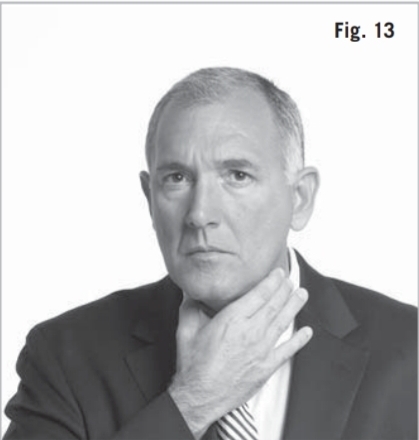
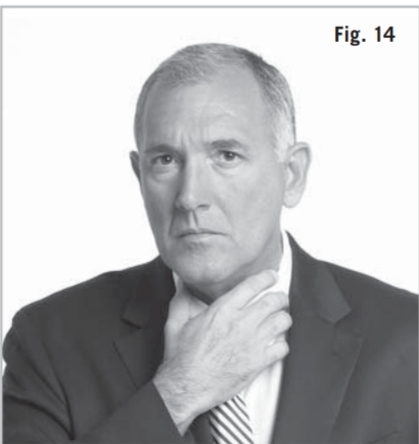
Covering necks
Men typically cover their necks more robustly than women as a way to deal
with discomfort or insecurity.
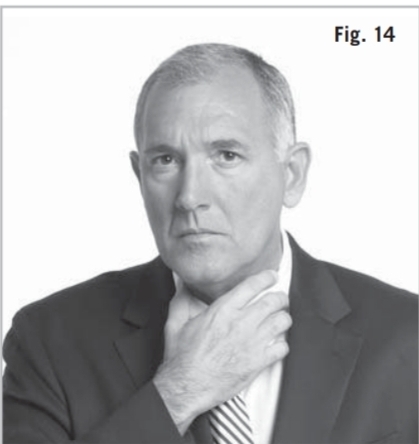
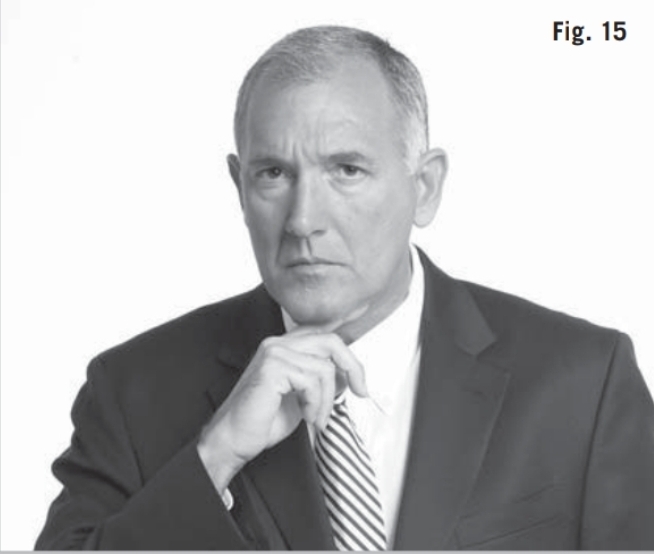
Brief touch of the neck
Even a brief touch of the neck will serve to assuage anxiety or discomfort. Neck touching or massaging is a powerful and universal stress reliever and pacifier.