hbs quiz 13 (3.2.1+3.2.2)
 Call Kai
 Learn
Learn Practice Test
 Spaced Repetition
 Match
Match Flashcards
 Knowt Play
1/84

There's no tags or description
Looks like no tags are added yet.
Name | Mastery | Learn | Test | Matching | Spaced | Call with Kai |
|---|
No analytics yet
Send a link to your students to track their progress
85 Terms
jungle rot
a foot condition caused by constant moisture similar to trench foot
caused when a mix of bacteria infect a wound on the skin
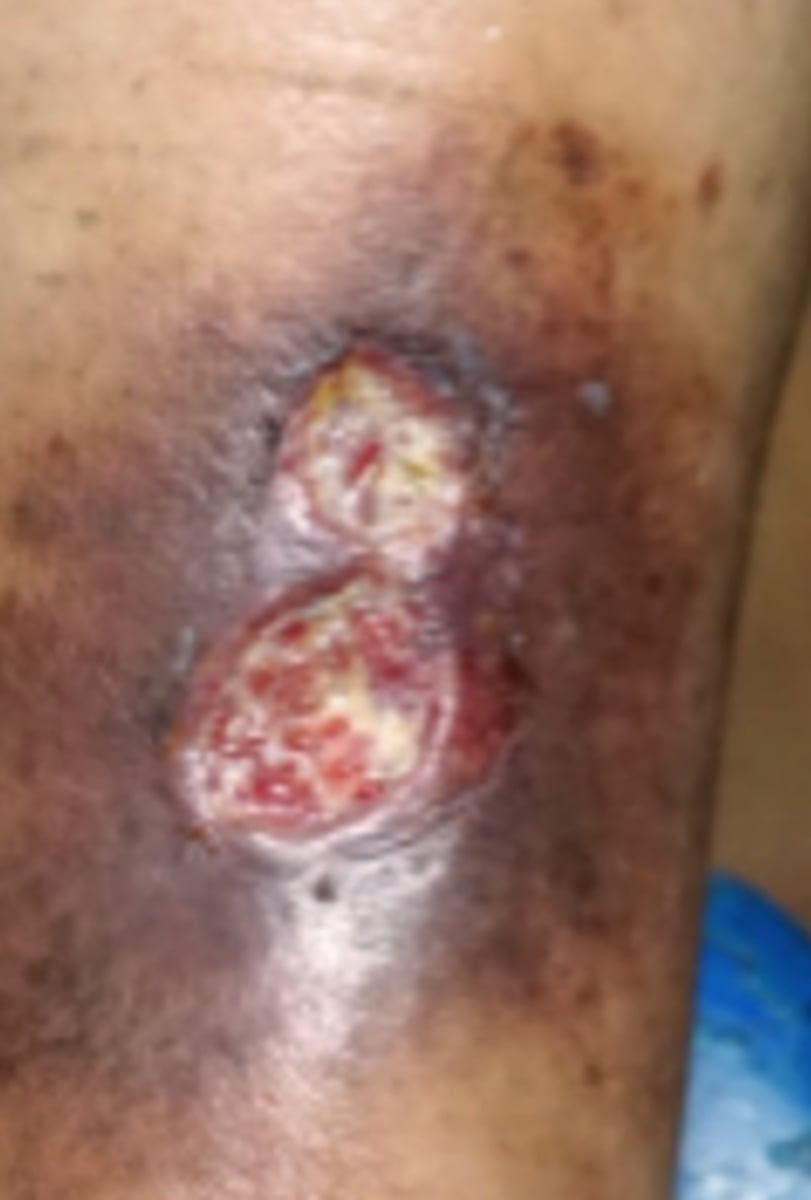
lesion
tissue destruction
pustule
a small blister or pimper on the skin containing pus
pathogen
a disease-causing organism
prions
any of various infectious proteins that are abnormal forms of normal cellular proteins
proliferate by inducing normal proteins to convert to the abnormal form that causes diseases, such as mad cow disease, Creutzfeldt-Jakob disease, and kuru
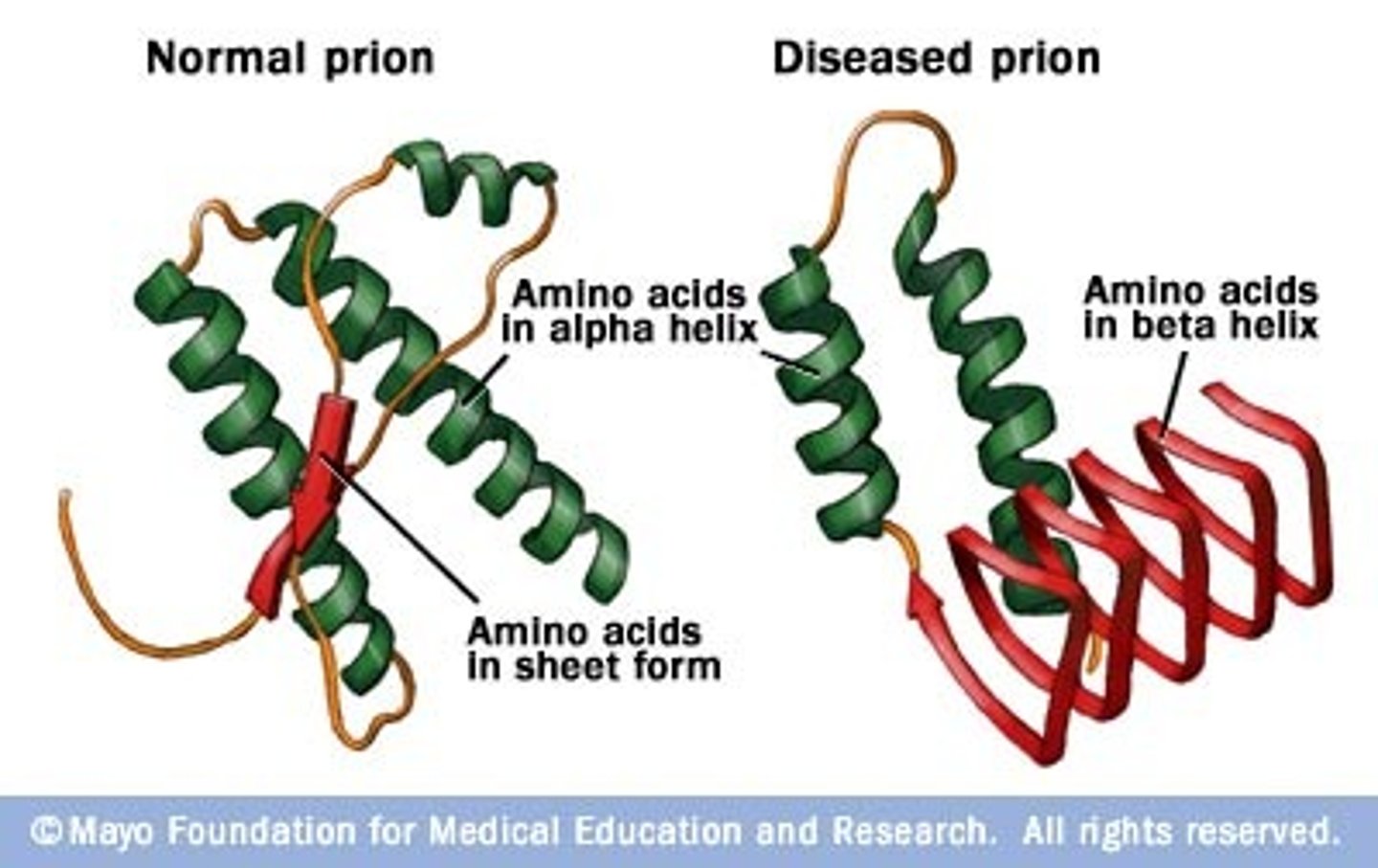
infection of prions
How they infect: Exposure occurs through consumption of meat tainted with ____, through contaminated medical equipment, or by receiving corneas or organs from infected individuals. These infectious proteins cause normal proteins in the brain to fold abnormally.
diagnosis of prions
Diagnosis: MRI, cerebrospinal fluid analysis, electroencephalogram (EEG) which analyzes brain waves, and blood tests.
treatment of prions
Treatment: There is no cure for ____ diseases, but medications can slow the progression of the disease.
prevention of prions
Prevention: Properly cleaning and sterilizing medical equipment may prevent the spread of the disease. Educating ____-infected individuals about not donating organs or tissue.
viruses
non-living microscopic agents made up of an outer protein shell, called a capsid, and either DNA or RNA.
infection of viruses
How they infect: The method of infection depends on the type of ___. Infection may occur through touch, saliva, blood, or sexual contact. ____ cannot replicate on their own. To reproduce, they infect cells and take over the host cells’ protein synthesis processes. A side effect is that host cells and tissues are destroyed.
diagnosis of viruses
Diagnosis: Physical examination and clinical laboratory testing
treatment of viruses
Treatment: Antivirals may be used under certain circumstances. Over-the-counter treatments do not treat the infection but can sometimes relieve symptoms. These include pain relievers, decongestants, and cough syrups.
prevention of viruses
Prevention: Vaccines and proper personal hygiene.
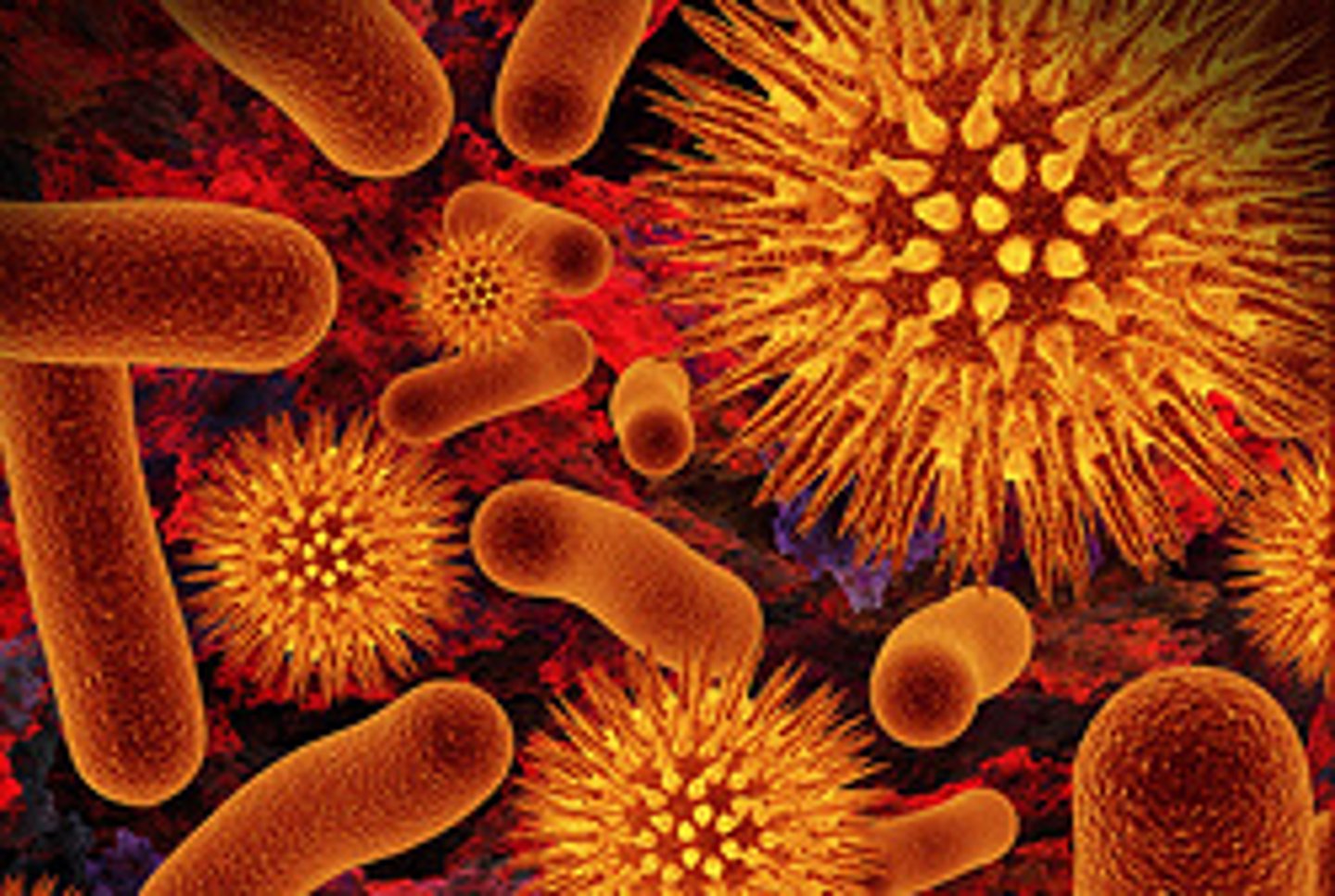
bacteria
living, microscopic, unicellular, prokaryotic organisms
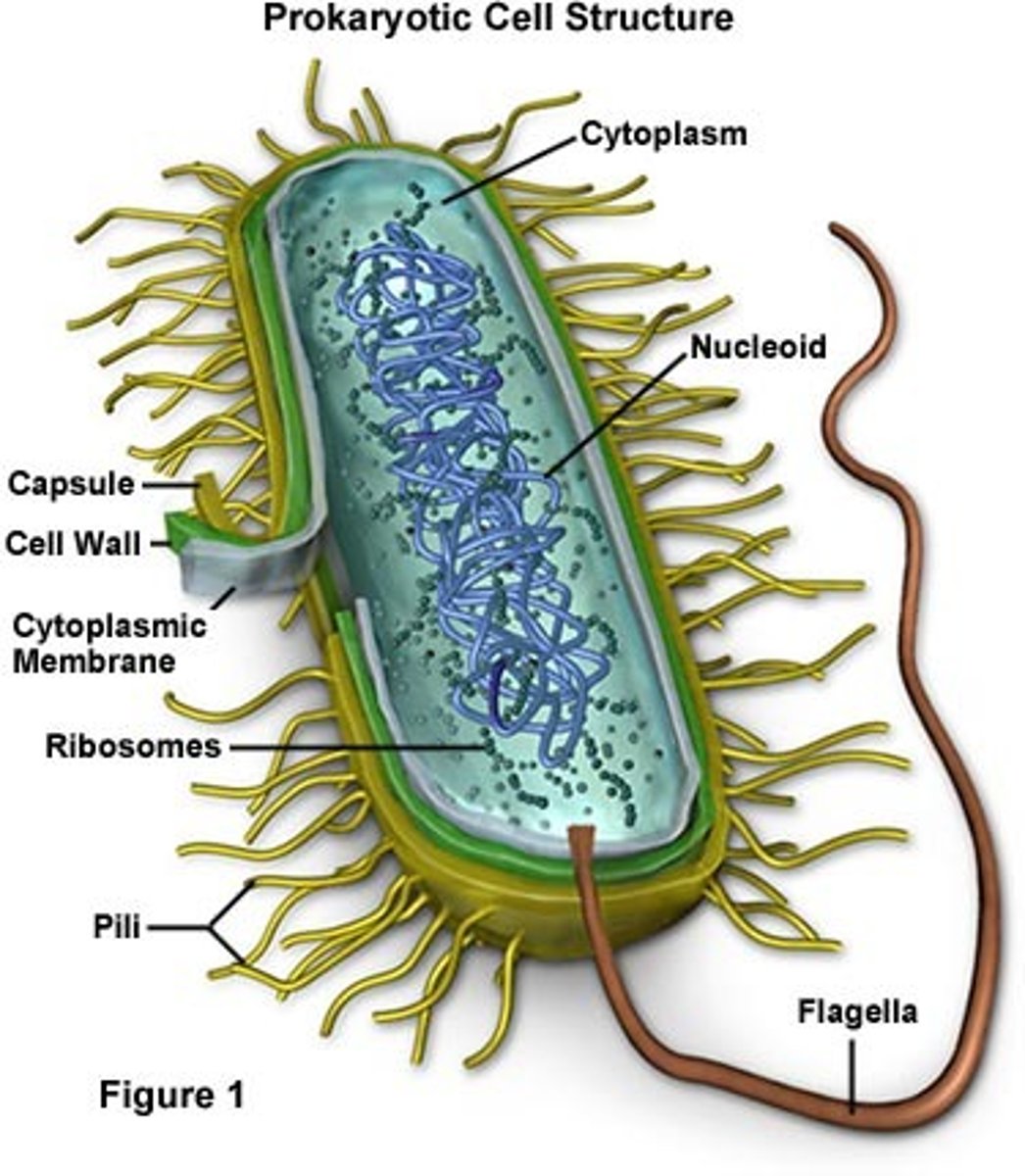
infection of bacteria
How they infect: The method of infection depends on the type of ___. Infection may occur through an orifice (nose, eyes, mouth), through a wound, by ingesting contaminated food or water, through inhalation, through sexual contact or may result due to an imbalance in our normal flora. ____ can invade cells, cause tissue damage, and produce harmful toxins.
diagnosis of bacteria
Diagnosis: Physical examination and clinical laboratory testing.
treatment of bacteria
Treatment: Antibiotics can be used to treat _____ infections.
prevention of bacteria
Prevention: Vaccines, maintenance of sanitary conditions, and proper personal hygiene.
protists
living, microscopic, single-celled, eukaryotic, animal-like organisms
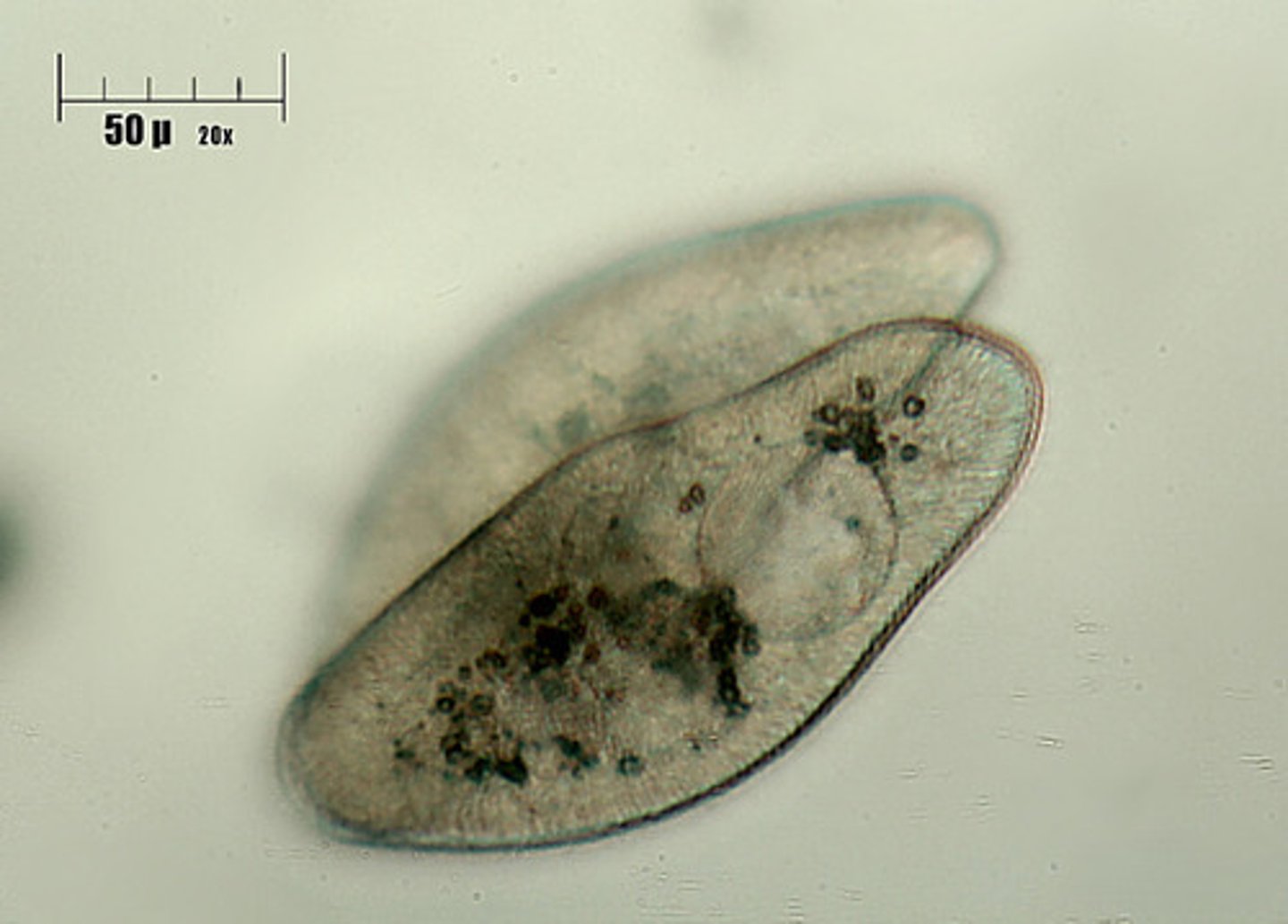
infection of protists
How they infect: Infection typically results through the ingestion of food or water that has been contaminated with feces from an infected organism. ____ infect the digestive tract, blood, or organs of the body depriving a host of essential nutrients found in food. They can also cause tissue and organ damage.
diagnosis of protists
Diagnosis: Microscopic examination of fecal material to look for the presence of the ____.
treatment of protists
Treatment: Some infections can be treated with antiprotozoal medication.
prevention of protists
Prevention: Maintenance of sanitary conditions and proper personal hygiene.
helminths
living, multicullar, eukaryotic worms (microscopic and macroscopic)
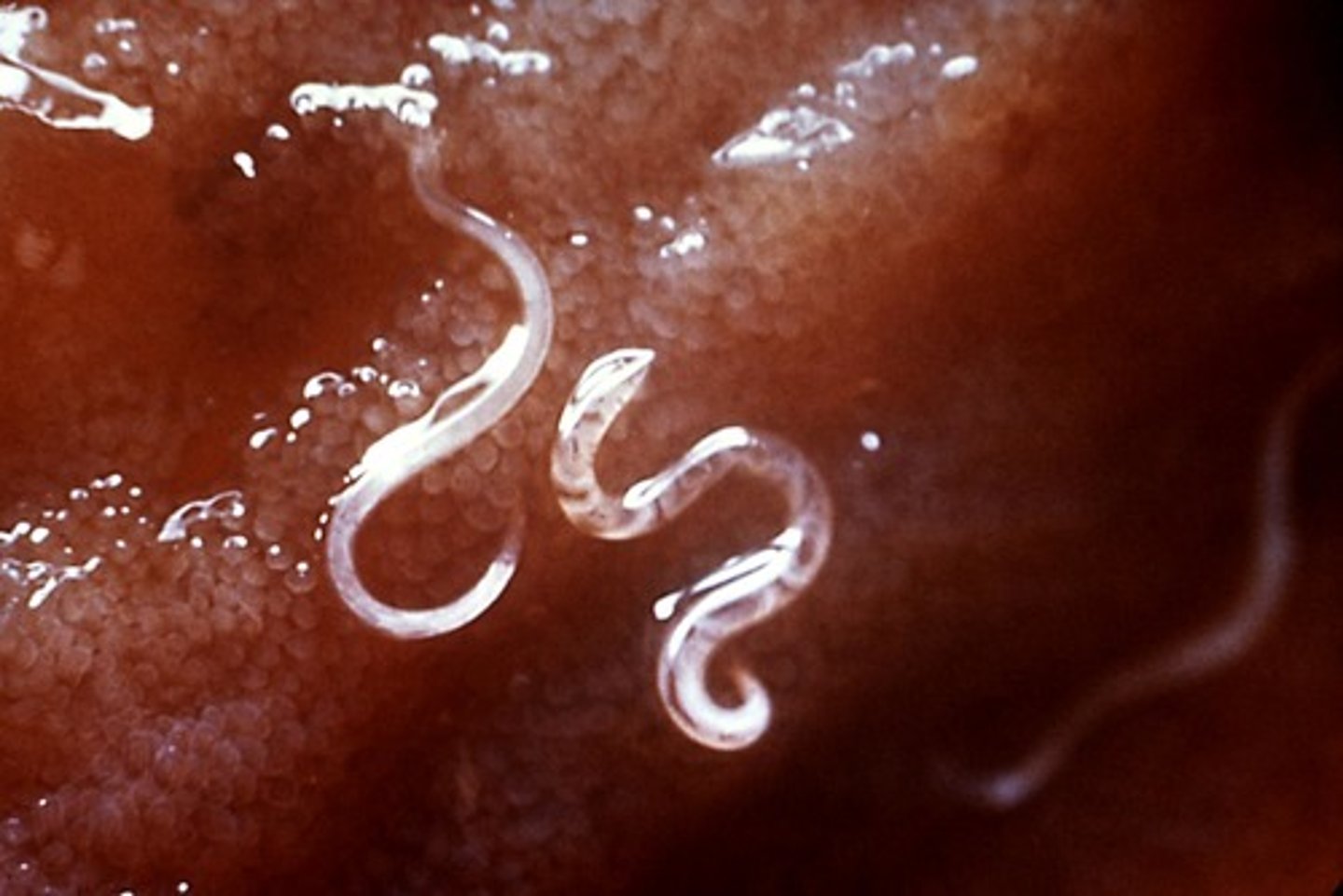
infection of helminths
How they infect: The method of infection depends on the type of worm. Infection may occur through consumption of contaminated foods or water or by being bit by an infected insect. ____ deprive the host of essential nutrients found in food and can cause tissue and organ damage.
diagnosis of helminths
Diagnosis: Microscopic examination of fecal material or blood to look for the presence of the worms.
treatment of helminths
Treatment: Deworming medications.
prevention of helminths
Prevention: Varies depending on the type of worm, but includes avoiding:
-Exposure to food or water contaminated with feces from a person or animal infected with a worm
-Ingestion of meat from an animal infected with a worm
-Insect bites
fungi
living, multicellular, eukaryotic, organisms (microscopic and macroscopic)
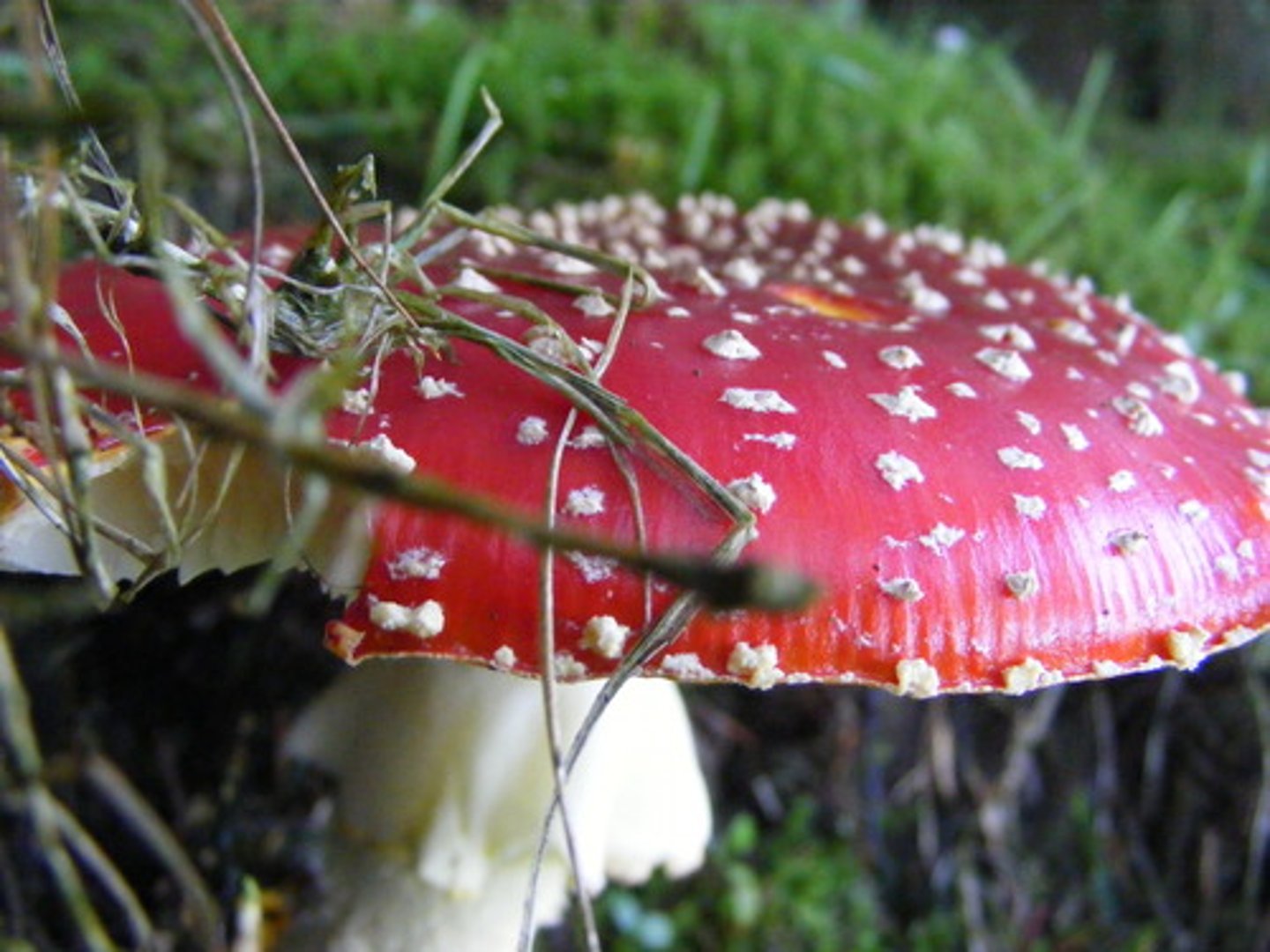
infection of fungi
How they infect: Some forms infect when the spores of the ___, the reproductive cells, are inhaled or land on a host. Infection can result in tissue damage.
diagnosis of fungi
Diagnosis: Microscopic examination of tissue taken from the infected area, or blood taken from the host, to look for the presence of the ___.
treatment of fungi
Treatment: Antifungals
prevention of fungi
Prevention: Avoiding contact with an infected host.
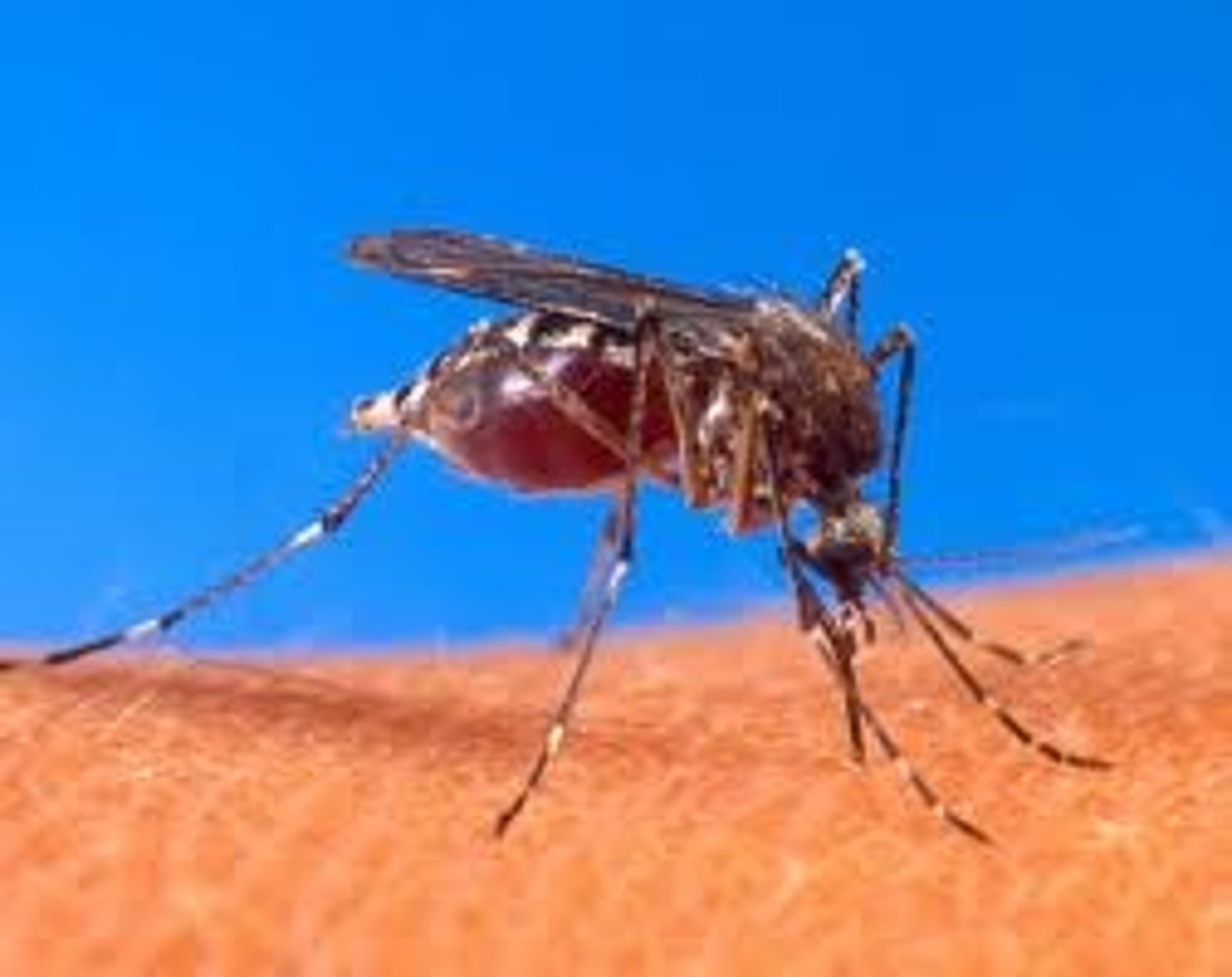
parasite
living things that use other living things for food and a place to live
skin
first line of defense against pathogens
mucus
slimy fluid secreted by the mucus membranes that covers cells that line our respiratory and digestive systems and helps traps pathogens
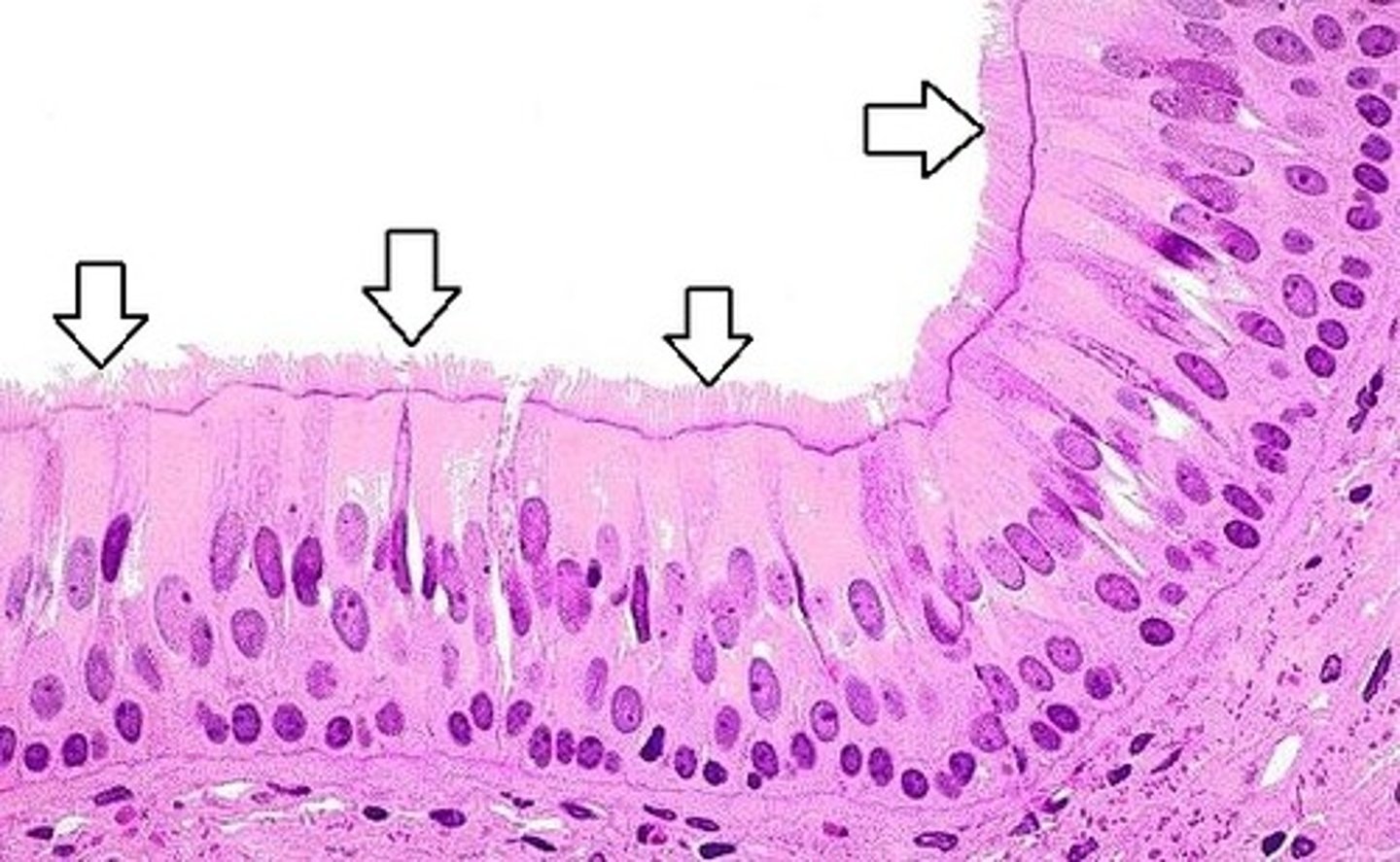
columnar epithelium
a type of tissue consisting of single-layered, tall, column-shaped cells with elongated, basally located nuclei involved with secretion and absorbtion
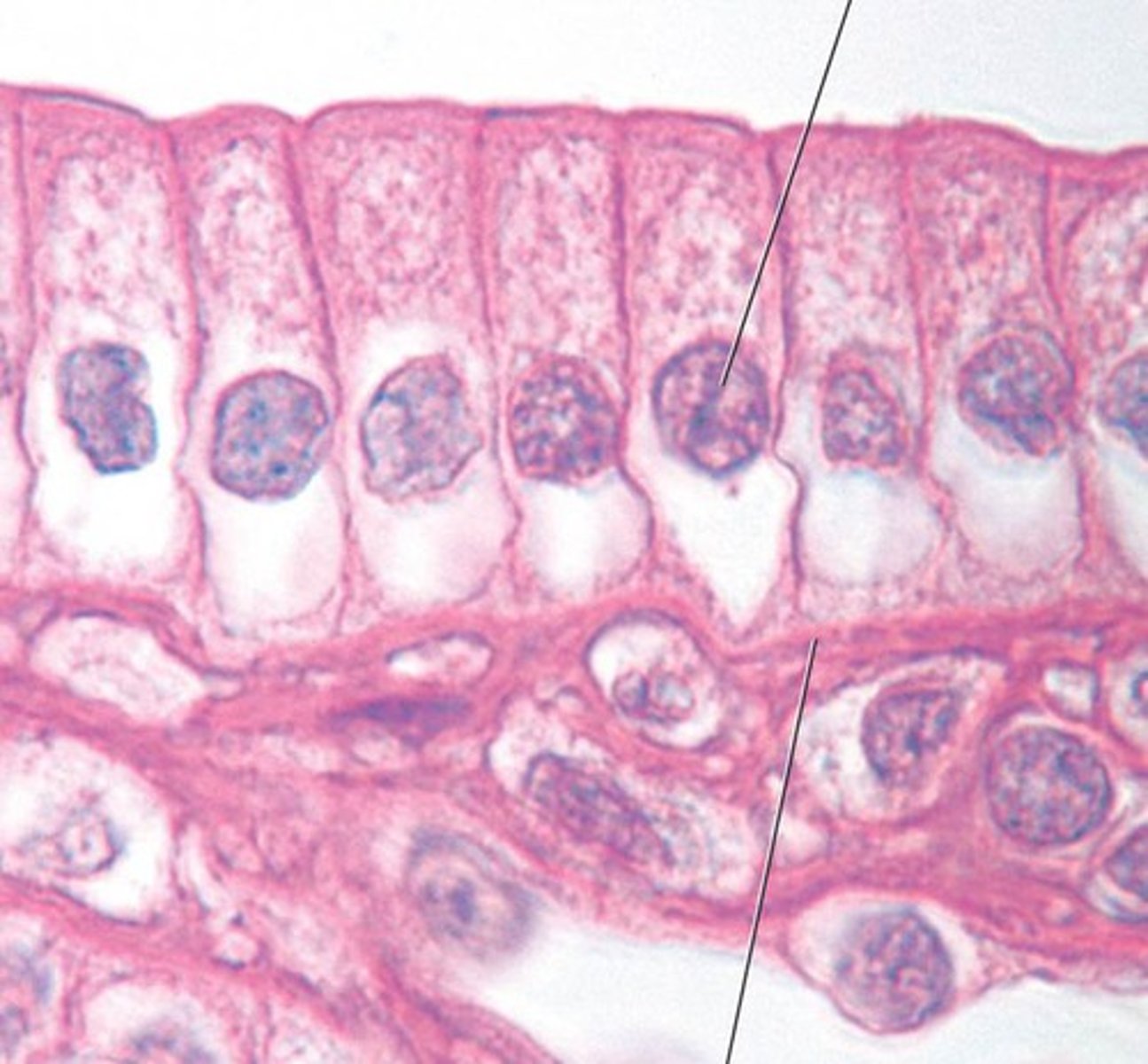
cilia
tiny, antenna-like organelles found on the surface of skin cells (keratinocytes and Langerhans cells) that function as sensory hubs, regulating cell proliferation, differentiation, and immune responses
goblet cells
a column-shaped cell found in the respiratory and intestinal tracts, which secretes the main component of mucus.
basal cells
small, round, stem-like cells located in the deepest part of the epidermis
epidermis, dermis, and subcutaneous fatty tissue
three layers of skin
epidermis
the top layer of the skin that provides a barrier, makes new skin, and provides skin color
dermis
the middle layer of skin that contains collagen and elastin, grows hair, makes oil and sweat, and contains blood vessels and nerves endings
subcutaneous fatty tissiue
the bottom layer of the skin consisting of fat that cushions muscles and bones and helps to regulate body temperature
sepsis, severe sepsis, septic shock
three stages of sepsis
sepsis
the body's immune sytsem overreacts to an infection causing inflammation
severe sepsis
organs in the body begin to malfuction, blood pressure is low, and inflammation continues
septic shock
extremely low blood pressure that does not respond to IV fluids
inflammation
a localized physical condition in which part of the body becomes reddened, swollen, hot, and often painful, especially as a reaction to injury or infection
temperature, infection, mental decline, extremely ill
what does TIME stand for in terms of the symptomes of sepsis?
lymph node
any of the rounded masses of lymphoid tissue that are surrounded by a capsule of connective tissue, are distributed along the lymphatic vessels, and contain numerous lymphocytes which filter the flow of lymph passing through the node
lymph
a usually clear fluid that passes from intercellular spaces of body tissue into the lymphatic vessels
organs, ducts, lymph nodes
parts of lymphatic system
leukocytes
white blood cells, fight infection
lymphocytes
type of leukocyte
B lymphocytes form in the bone marrow and release antibodies that fight bacterial infections
T lymphocytes form in the thymus and other lymphatic tissue and attack cancer cells, viruses, and foreign substances.
monocytes
type of leukocyte
differentiate into macrophages and dendritic cells
granulocytes
type of leukocyte
consists of neutrophils, eosinophils, basophils
tonsils
help to stop germs entering the body through the mouth or the nose
contain leukocytes, which help kill germs
lymph nodes
glands in the immune system that usually enlarge in response to a bacterial or viral infection, or cancer
thymus
helps in the development of T-cells, a type of leukocytes that help fight infections
especiallly important in newborns; without a ____ a baby's immune system will not develop properly
bone marrow
produces new blood cells, both erythrocytes and leukocytes
B cells are formed here
liver
contributes to your immune defense by collecting and eliinating foreign compounds from the large volume of blood that passes through it
spleen
filters blood of foreign cells and old erythrocytes in need of replacement
lymphatic vessels
large vessels with valves, which collect and carry lymph to lymph nodes
no
is lymph fluid pressurized throughout your body?
innate immunity
non-specific immune defense mechanisms that people are born with. these mechanisms work to keep anything outsdie us from coming in
acquired immunity
specific immune defense mechanisms. this type of immunity is acquired over a lifetime.
there are two types:
- active immunity
- passive immunity
active immunity
type of acquired immunity
acquire after infection and recovery, or from a vaccine
there are two types:
- natural (from a natural disease)
- artifical (from a vaccine)
passive immunity
type of acquired immunity
acquired by a child from its mother through the placenta or through breast feeding
there are two types:
- natural (maternal antibody transfer)
- passive (antibody injections)
antigen
anything tat stimulated an immune response
b-cells
a type of lymphocyte that matures in the bone marrow and produces antibodies
antibodies
type of acquired immunity cell
a protein produced by B cells in the blood that works to impair pathogen. also called an immunoglobulin.
autoimmune disease
a disease in which the body attacks its own tissue as if it was foreign
prodromal
early signs or symptoms that precede the onset of a disease
rhinovirus
most frequent cause of the common cold
convalesce
to recover health gradually after sickness
neutrophil
type of granulocyte that is an innate immunity cell
a type of white blood cell that engulfs invading microbes and contributes to the nonspecific defenses of the body against disease
macrophage
innate immunity cell that is differentiated from monocyte
large white blood cell that removes bacteria, foreign particles, and dead cells
dendritic cell
innate immunity cell that is differentiated from monocyte
a specialized, bone marrow-derived immune cell that captures, processes, and presents antigens to T cells to initiate immune responses and maintain tolerance
helper T cell
acquired immunity cell
release cytokines to activate B cells (producing antibodies), Cytotoxic T cells (killing infected cells), and macrophages
cytotoxic T cell
acquired immunity cell
a type of lymphocyte that, when activated, kills infected cells as well as certain cancer cells and transplanted cells.
plasma B cell
acquired immunity cell
produces antibodies to fight an infection currently in the body
memory B cell
acquired immunity cell
a B cell that retains information about the shape of an antigen
Still learning (14)
You've started learning these terms. Keep it up!