The Language of Medicine Chapter 7
 Call Kai
 Learn
Learn Practice Test
 Spaced Repetition
 Match
Match Flashcards
 Knowt Play
1/170

There's no tags or description
Looks like no tags are added yet.
Name | Mastery | Learn | Test | Matching | Spaced | Call with Kai |
|---|
No analytics yet
Send a link to your students to track their progress
171 Terms
Cali/o
Calic/o
Calyx (calix)
Ex: Caliectasis
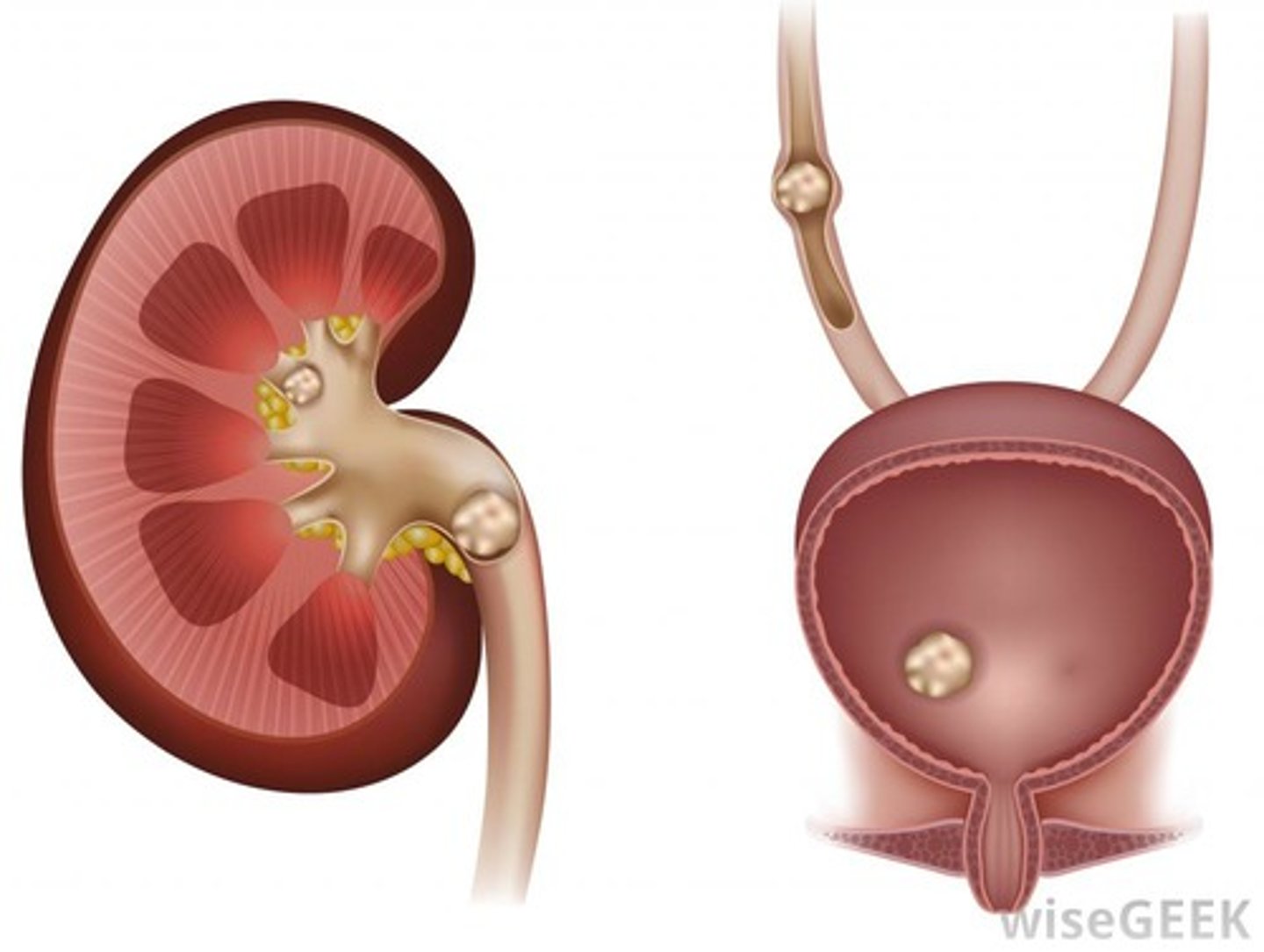
Cyst/o
Urinary bladder
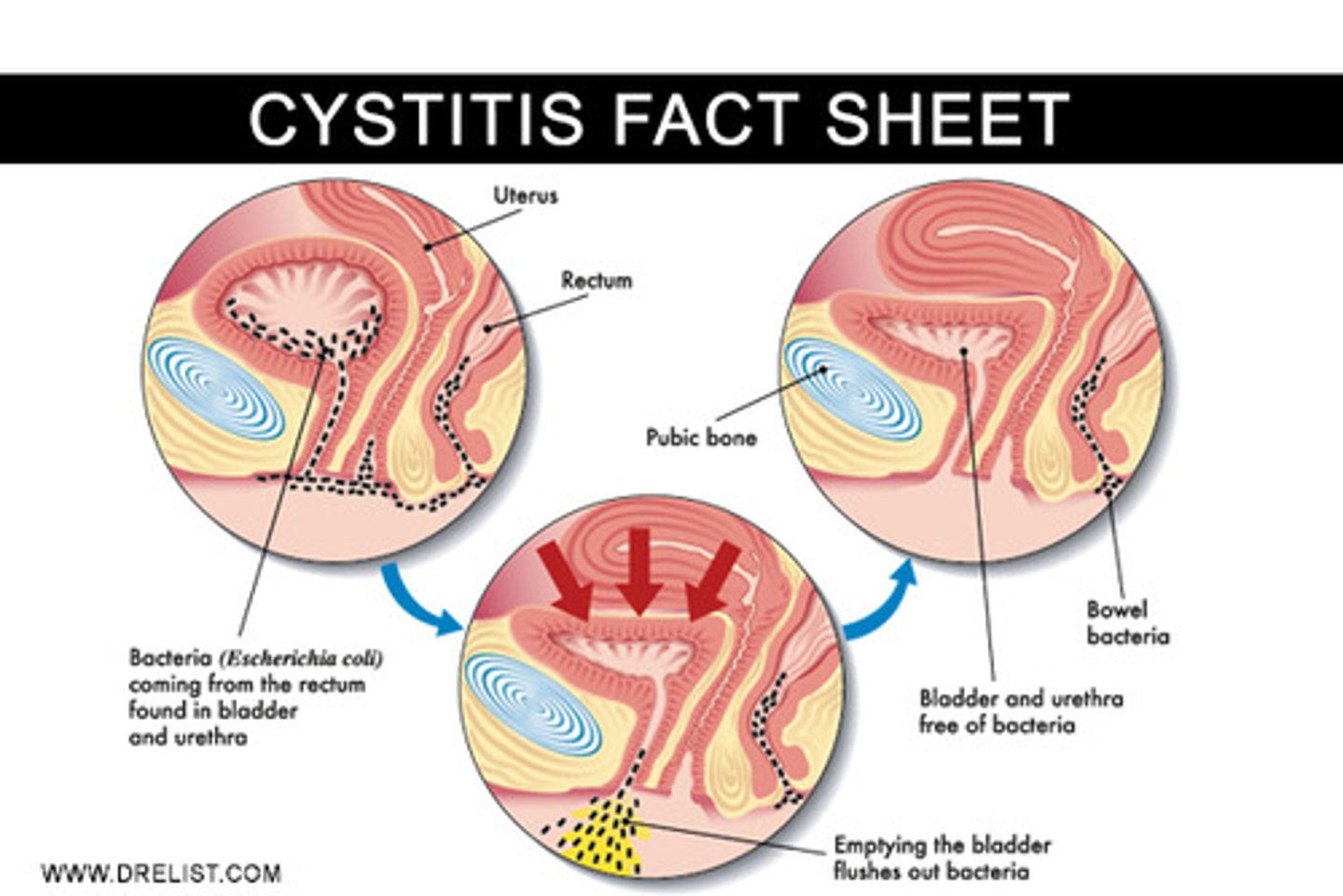
Glomerul/o
Glomerulus
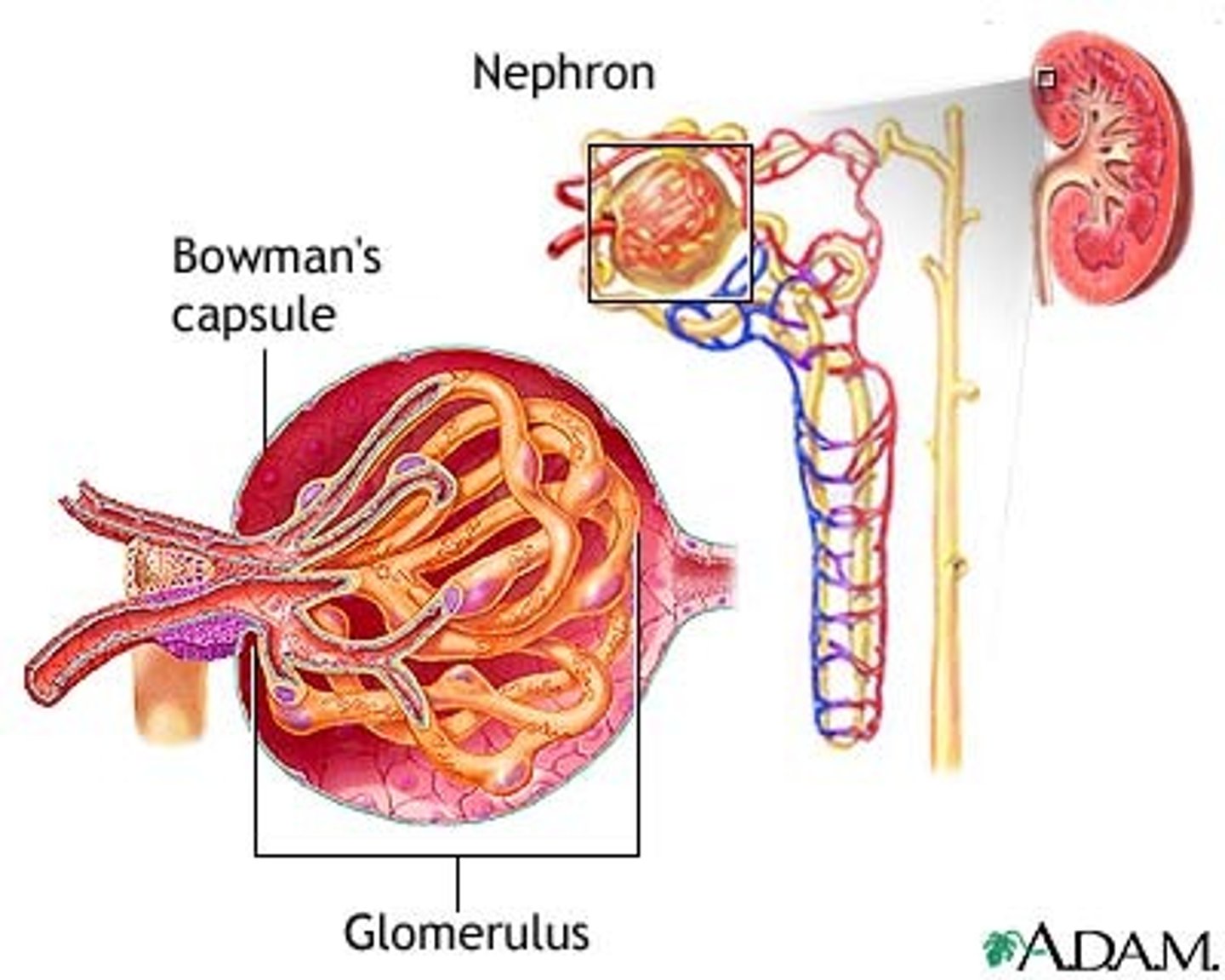
Meat/o
Meatus
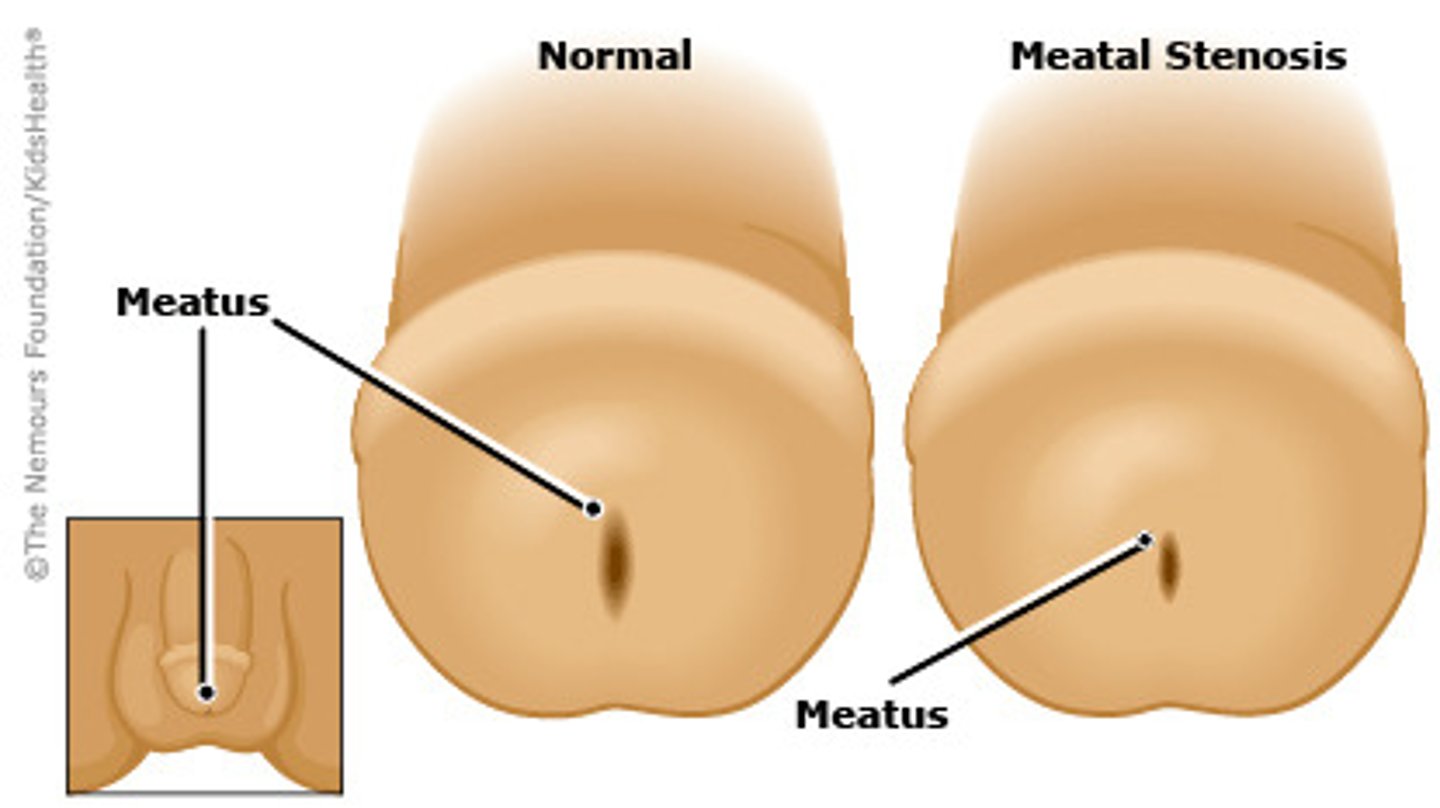
Nephr/o
Ren/o
Kidney
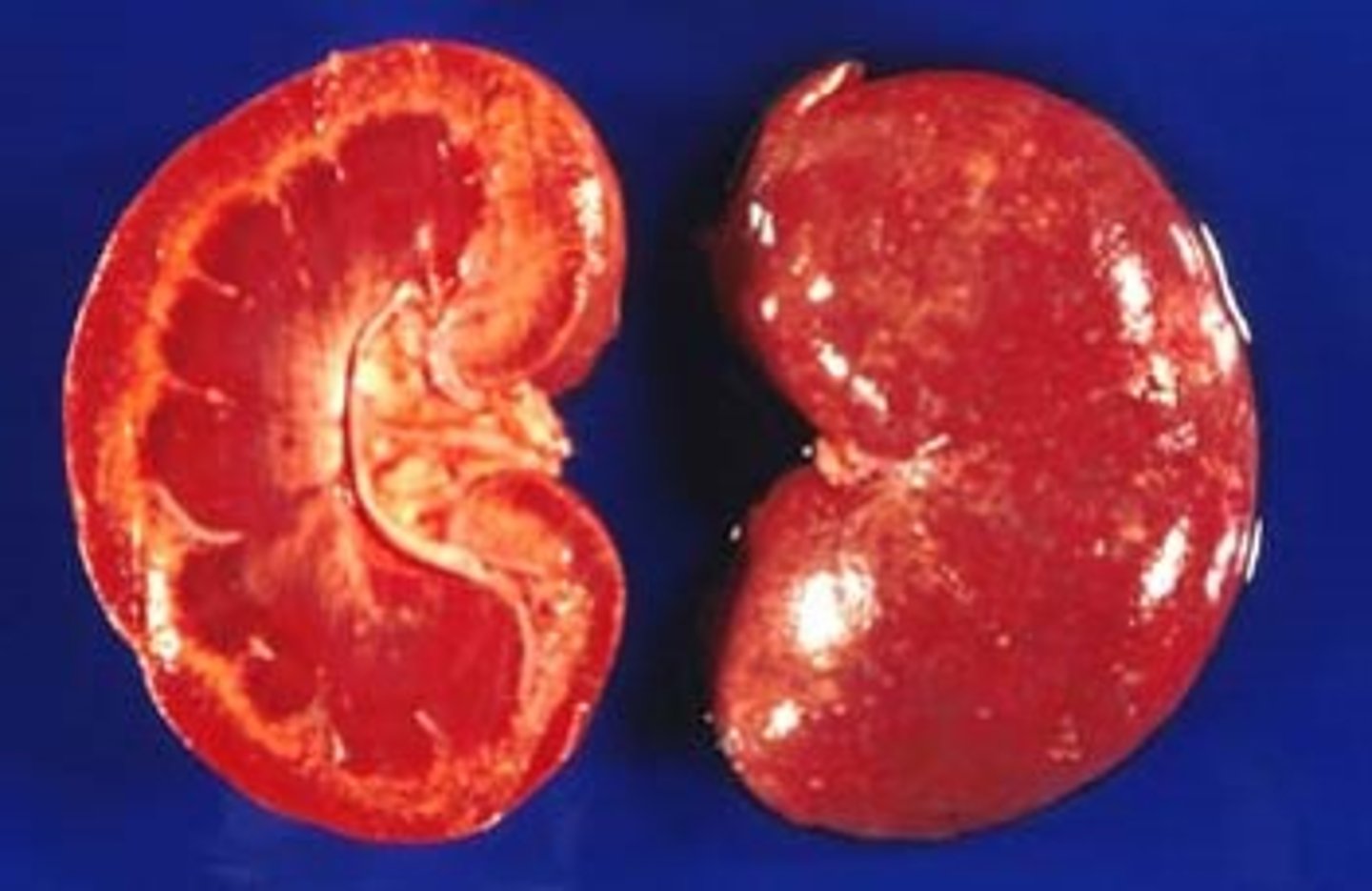
Pyel/o
Renal Pelvis
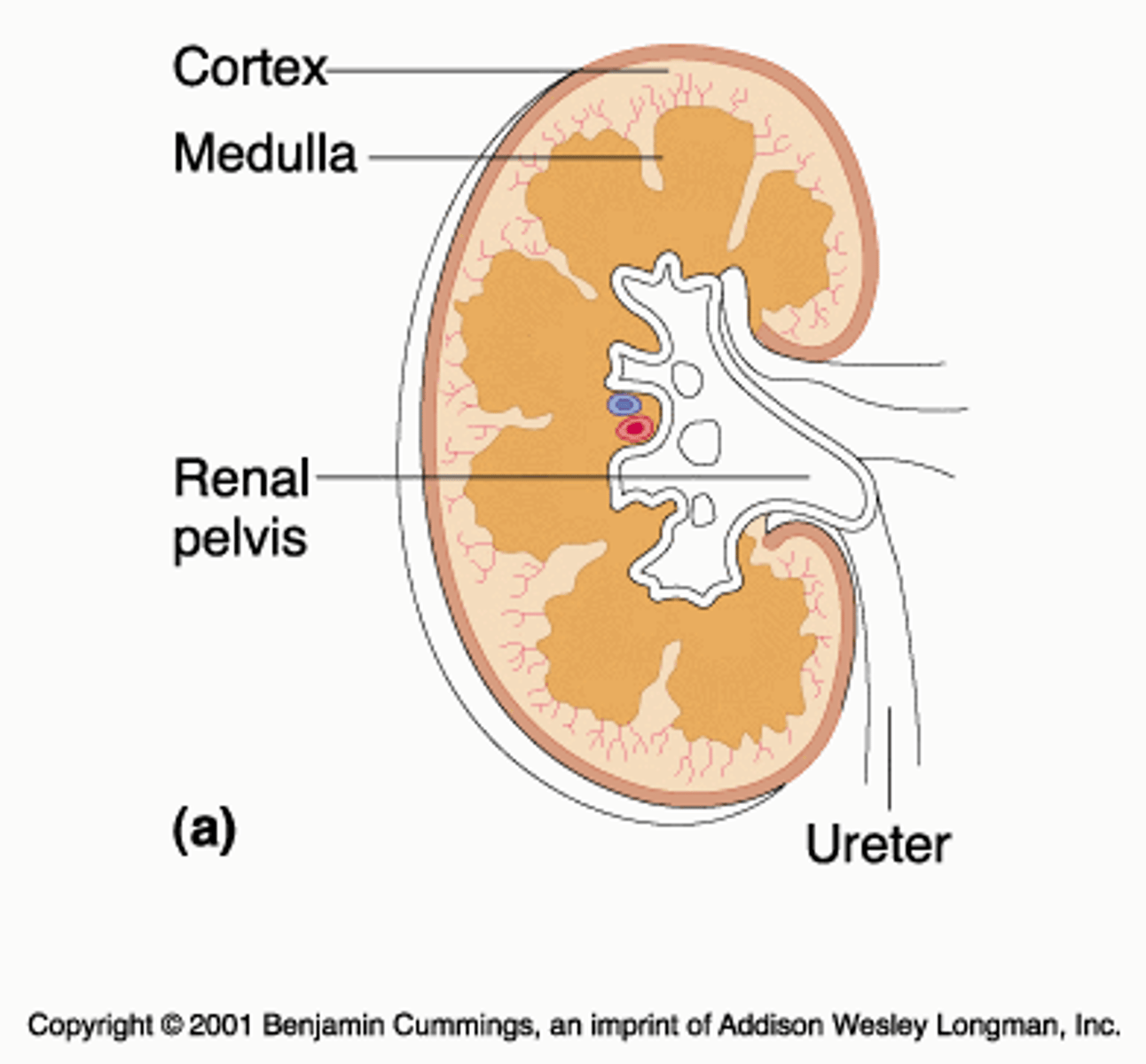
Trigon/o
Trigone (region of the bladder)
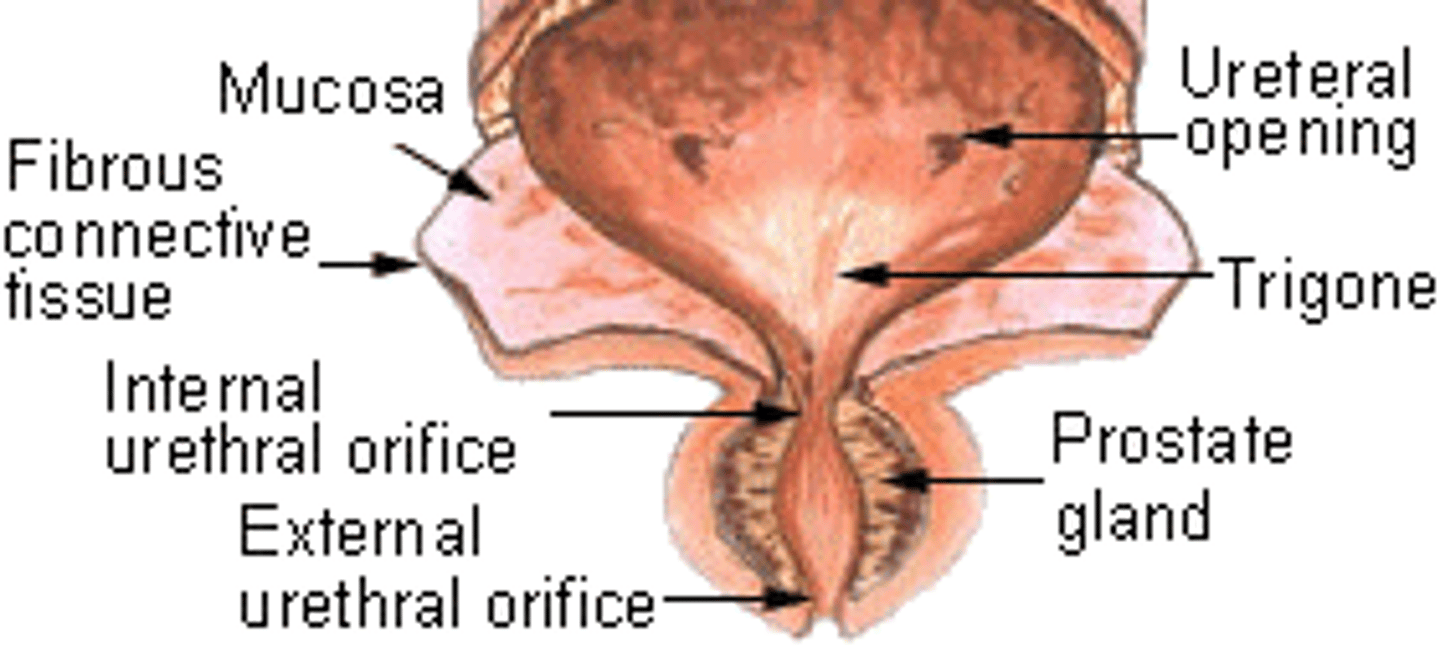
Ureter/o
Ureter
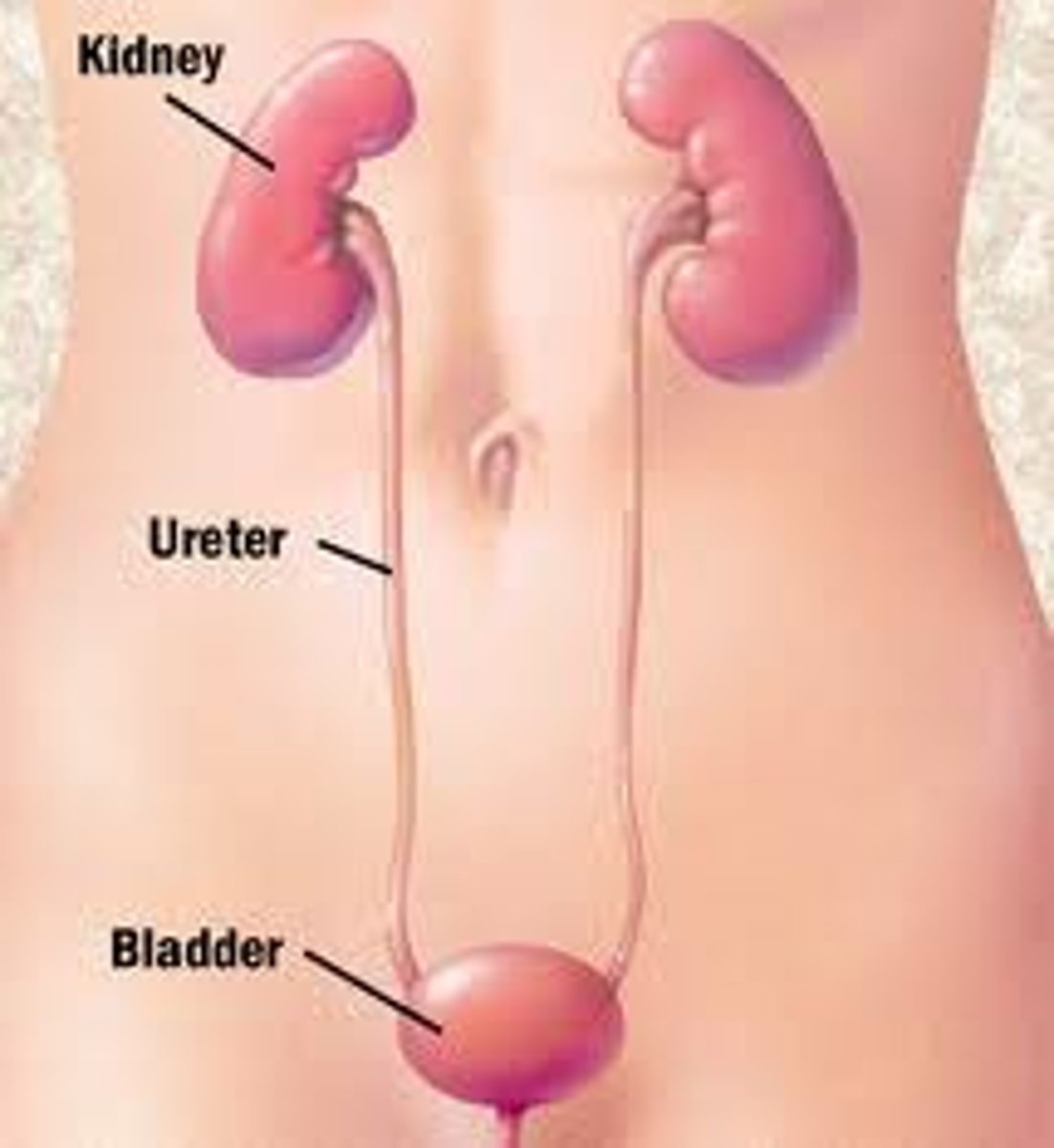
Urethr/o
Urethra
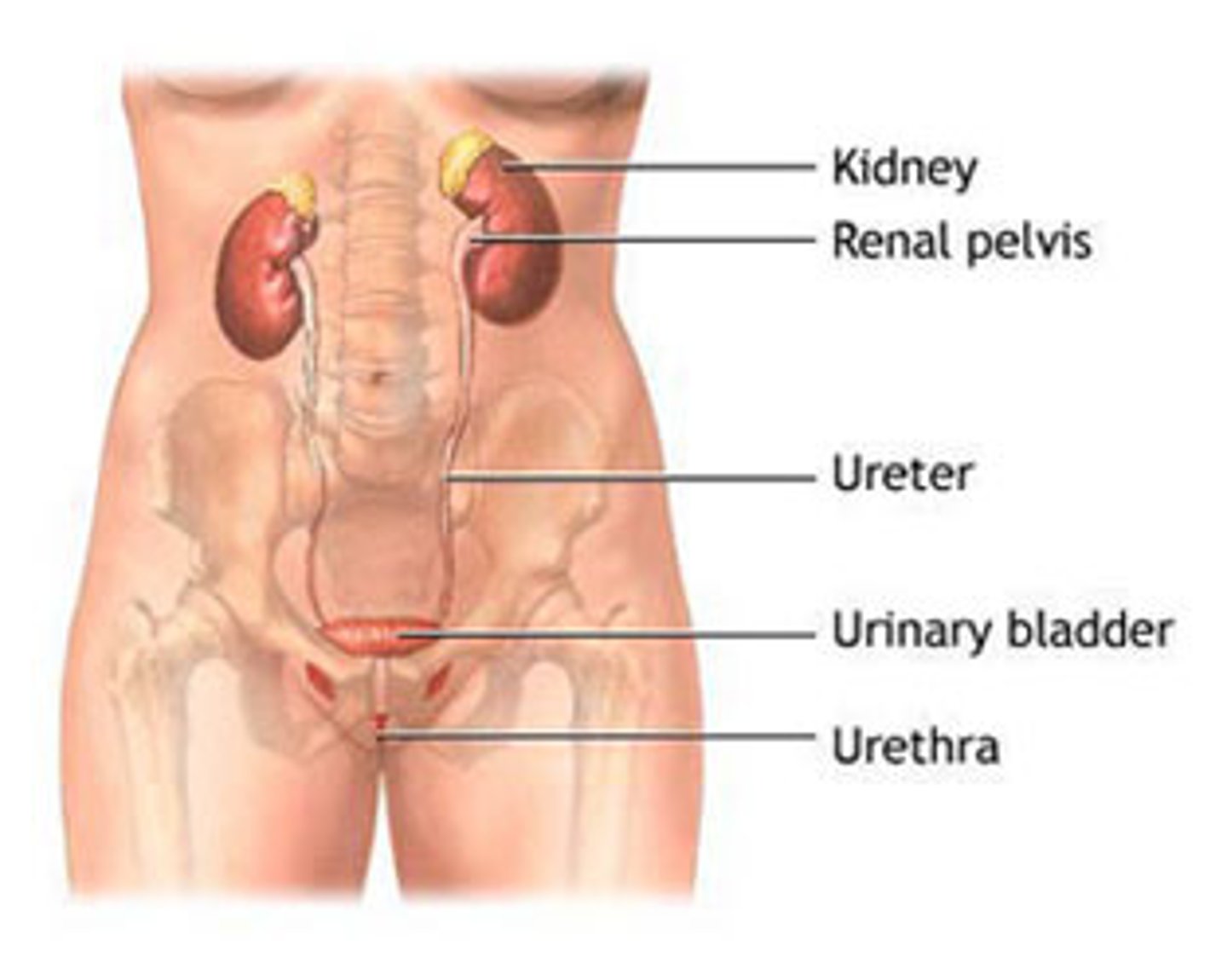
Vesic/o
Urinary bladder
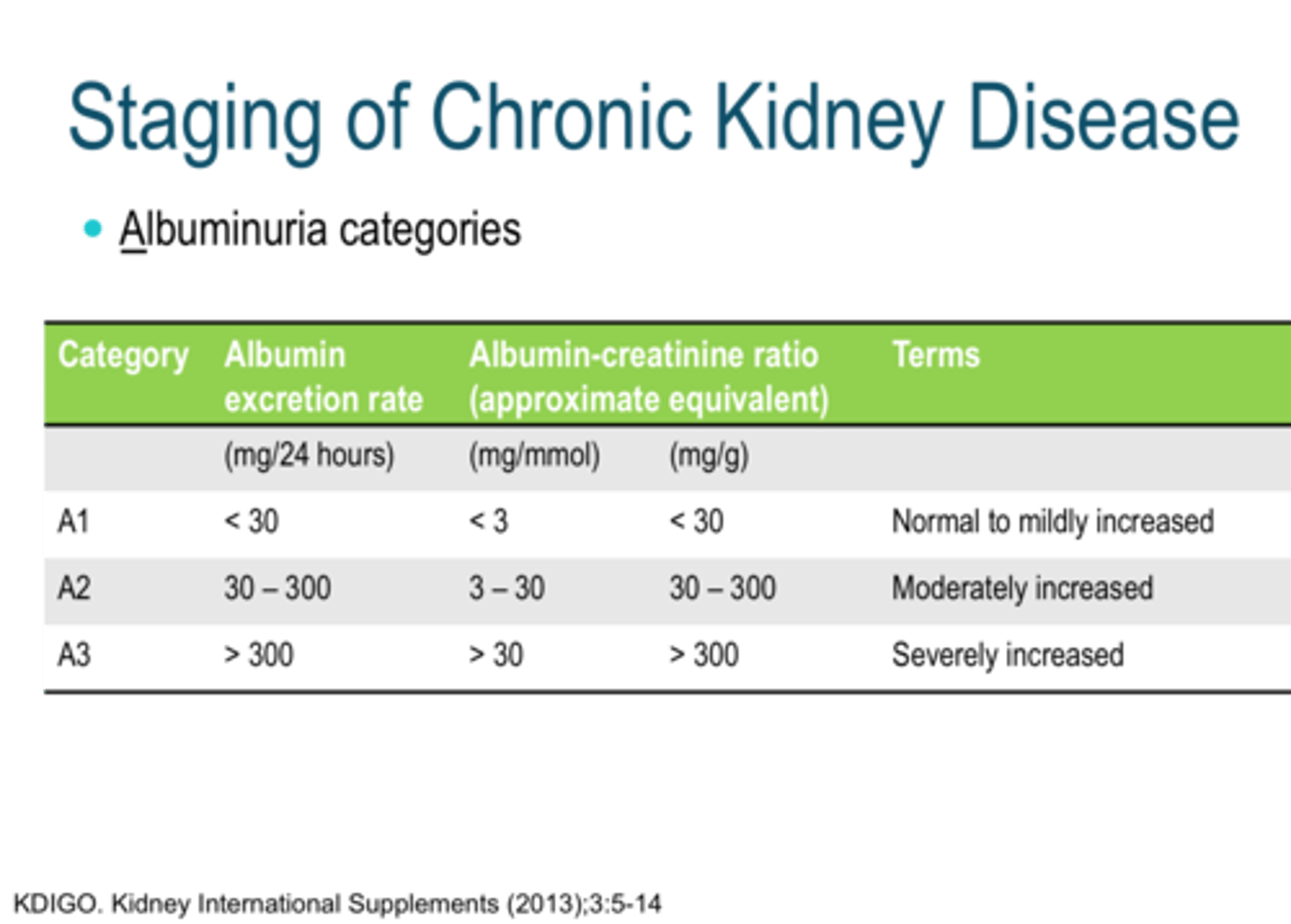
Albumin/o
Albumin (a protein in the blood)
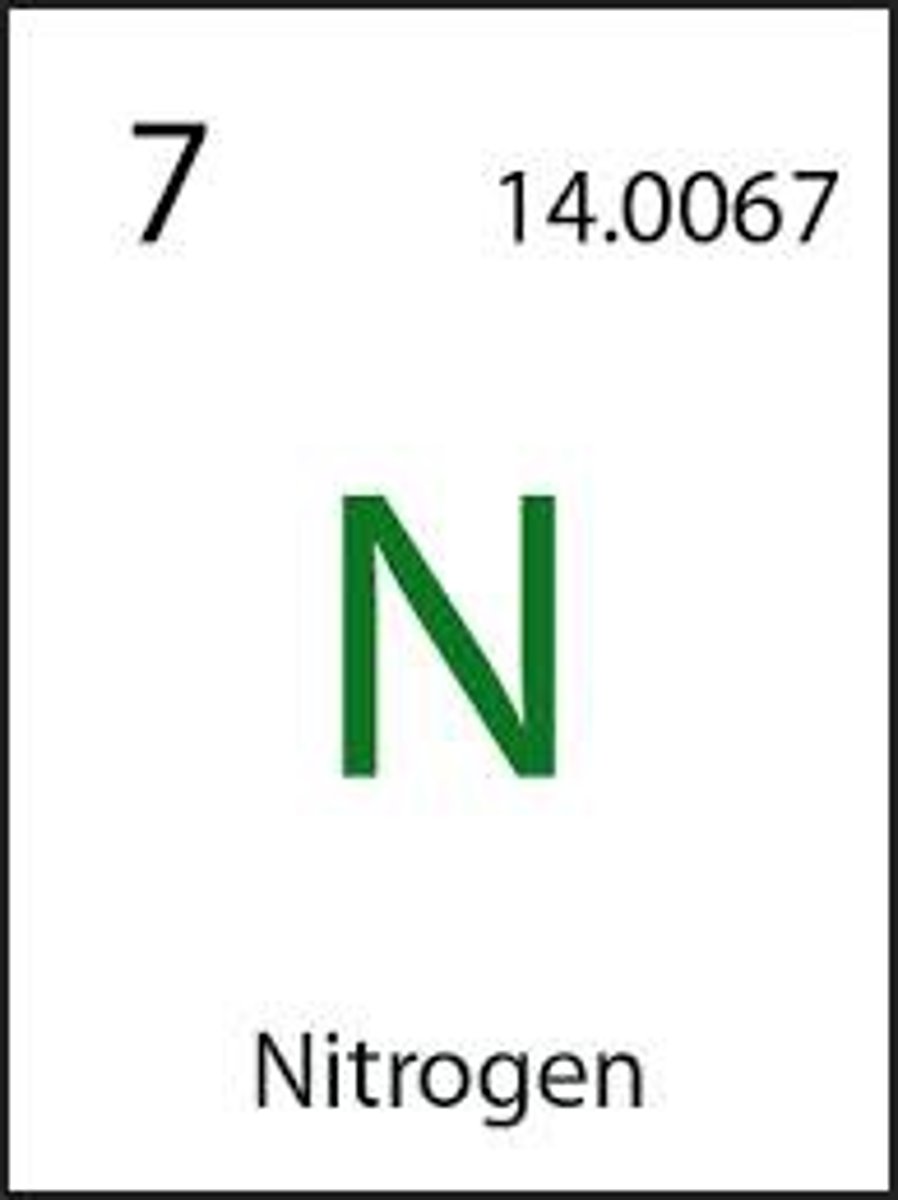
Azot/o
Nitrogen
Bacteri/o
Bacteria
Dips/o
Thirst
Ex: polydipsia

Kal/o
Potassium
Ex: hyperkalemia
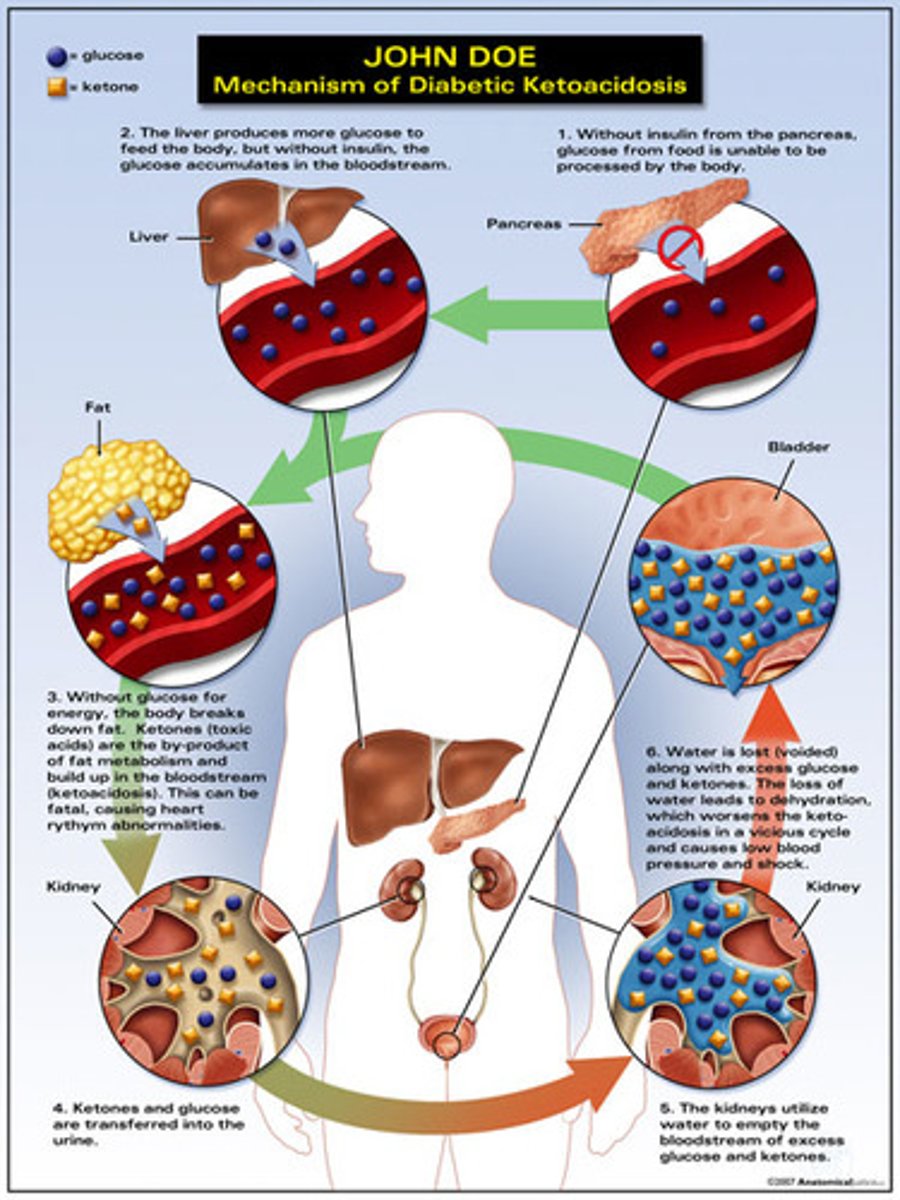
Ket/o
Keton/o
Ketone bodies (ketoacids and acetone)
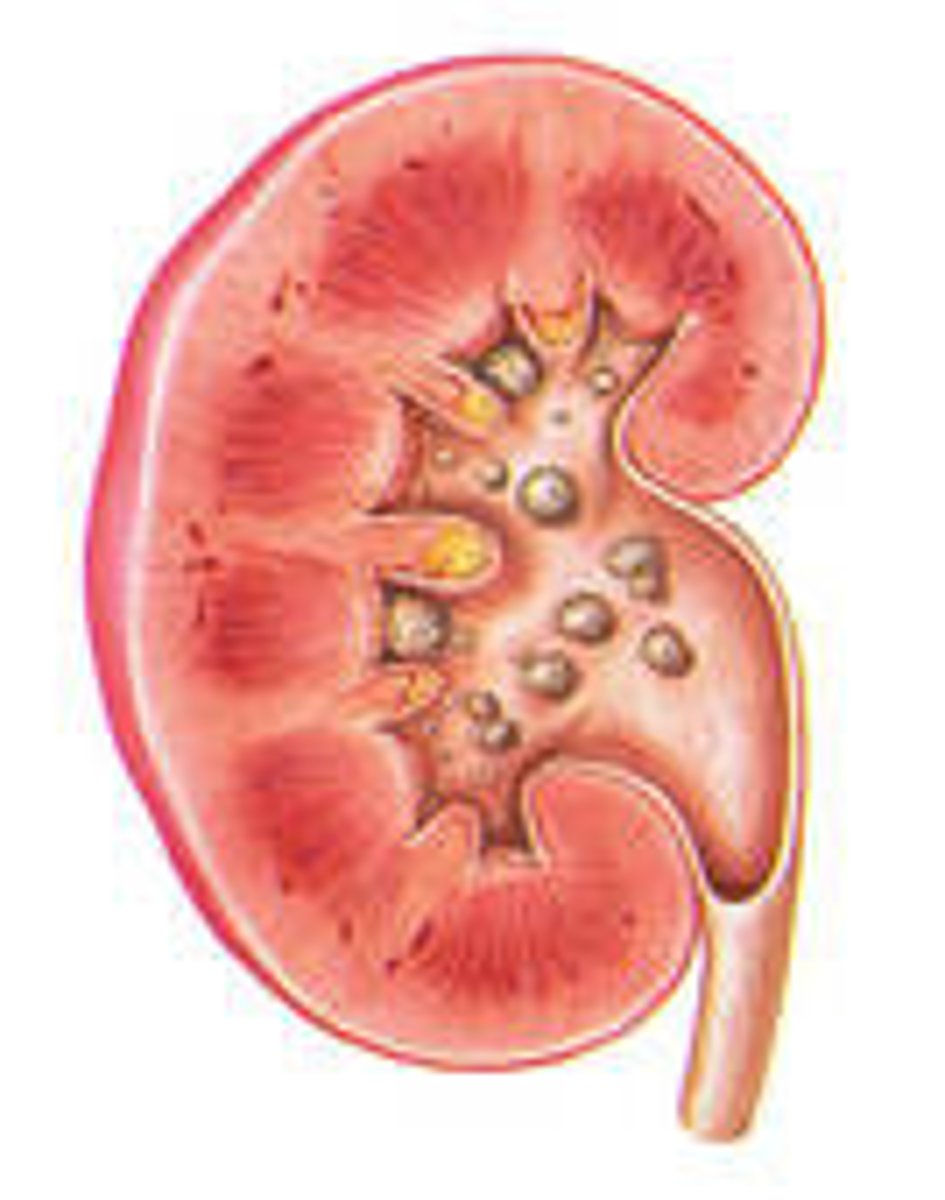
Lith/o
Stone
Ex: nephrolithiasis
Natr/o
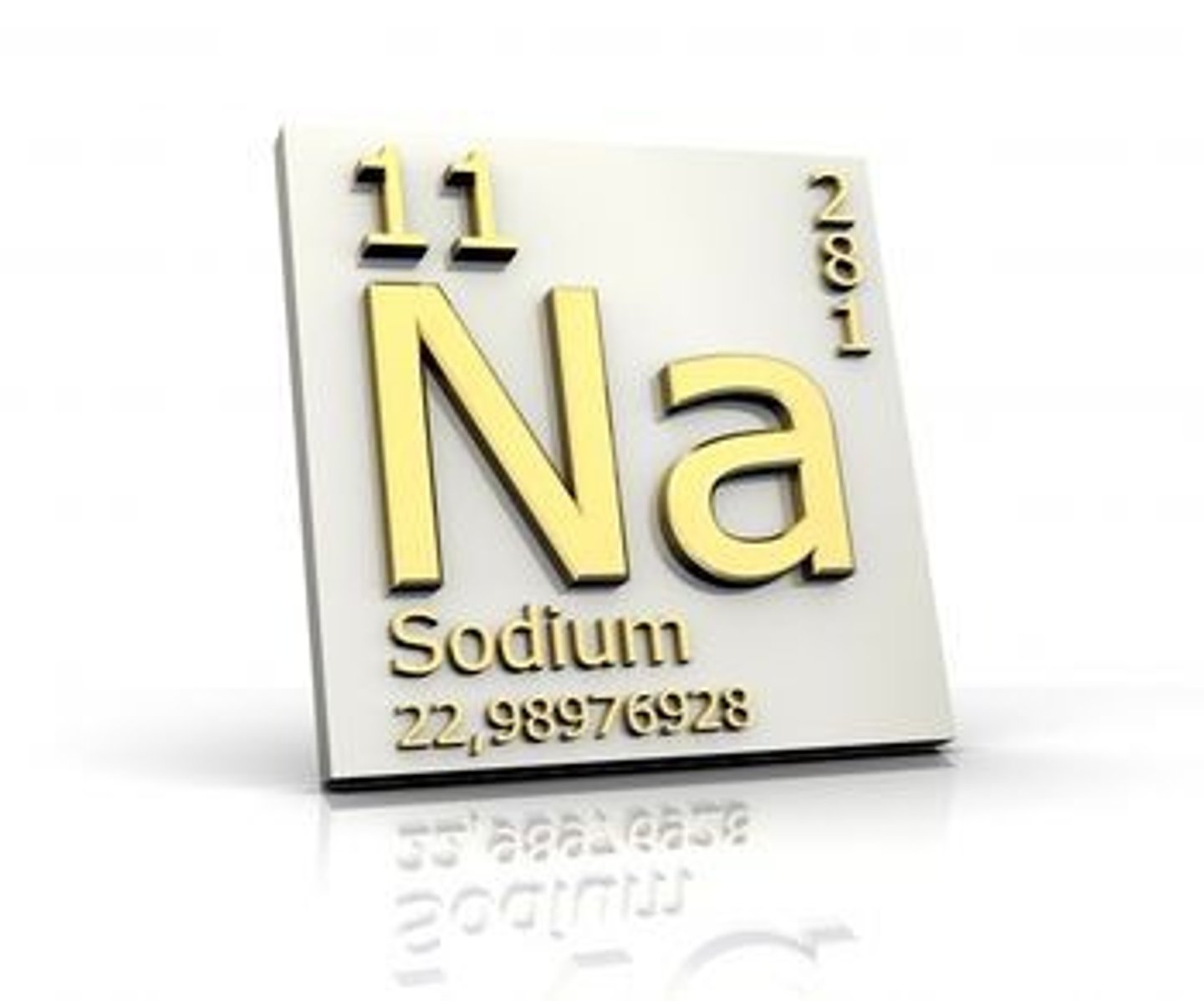
Sodium
Noct/o
Night
Olig/o
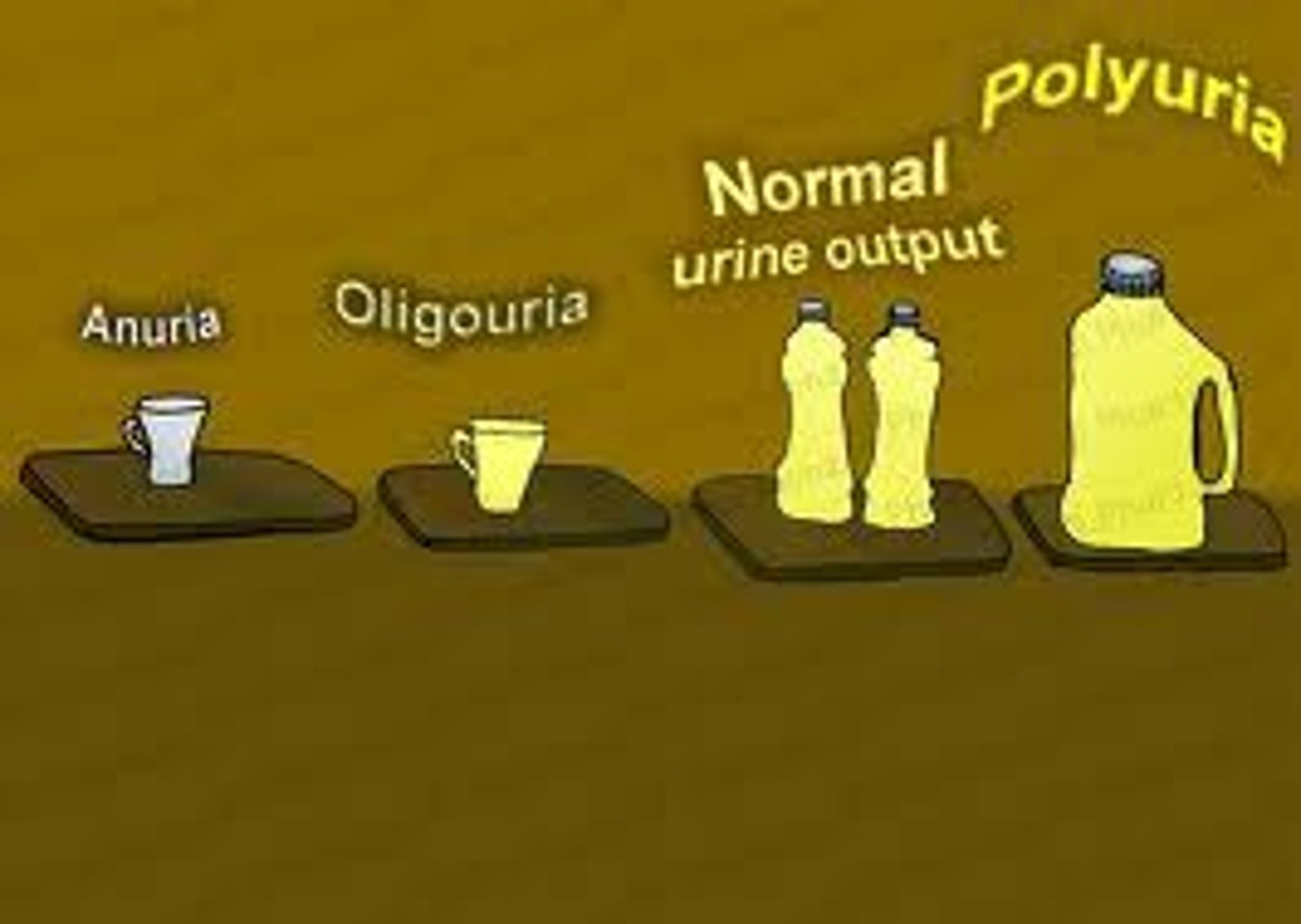
Scanty
-poietin
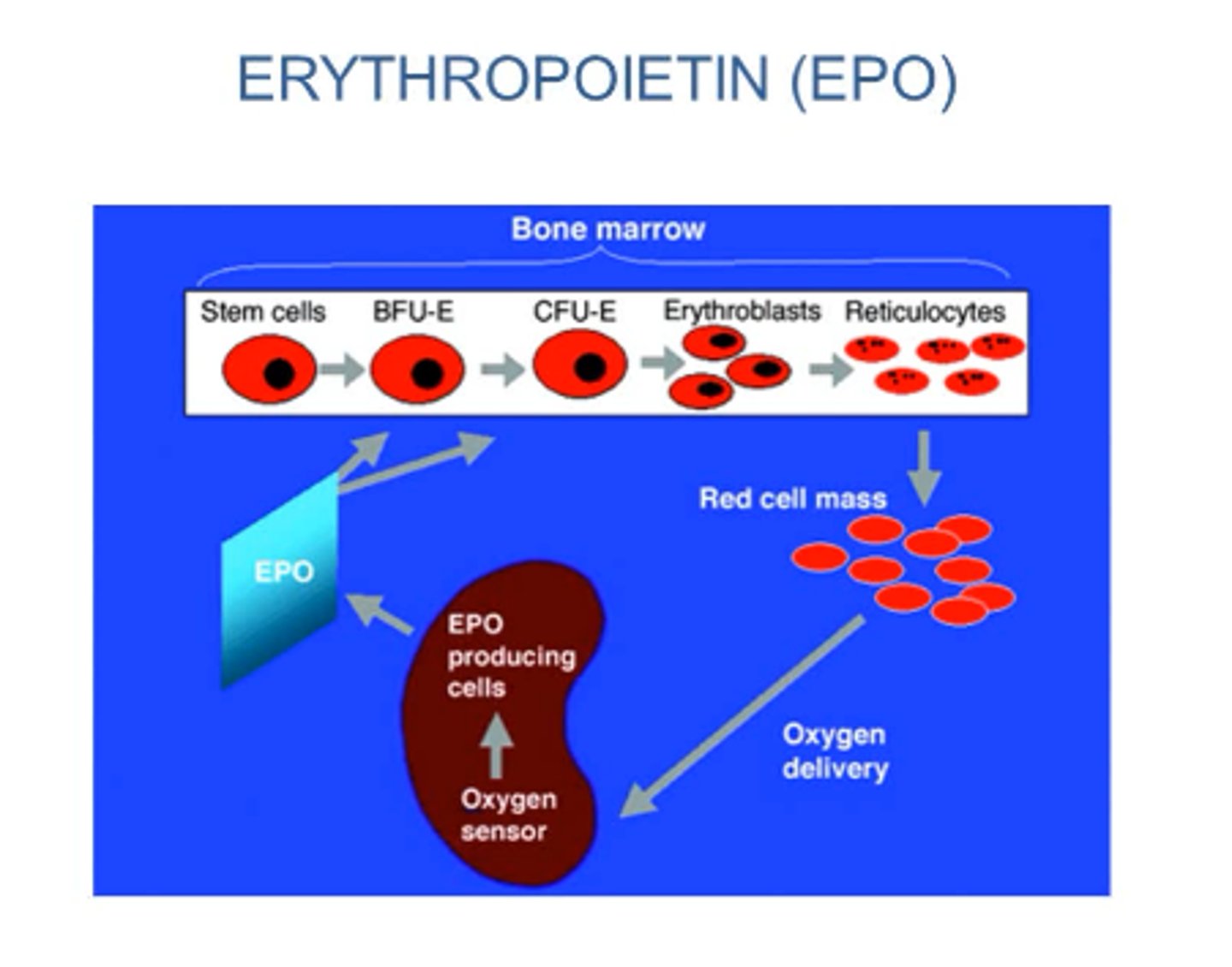
Substance that forms
Ex: erythropoietin
Py/o
Pus
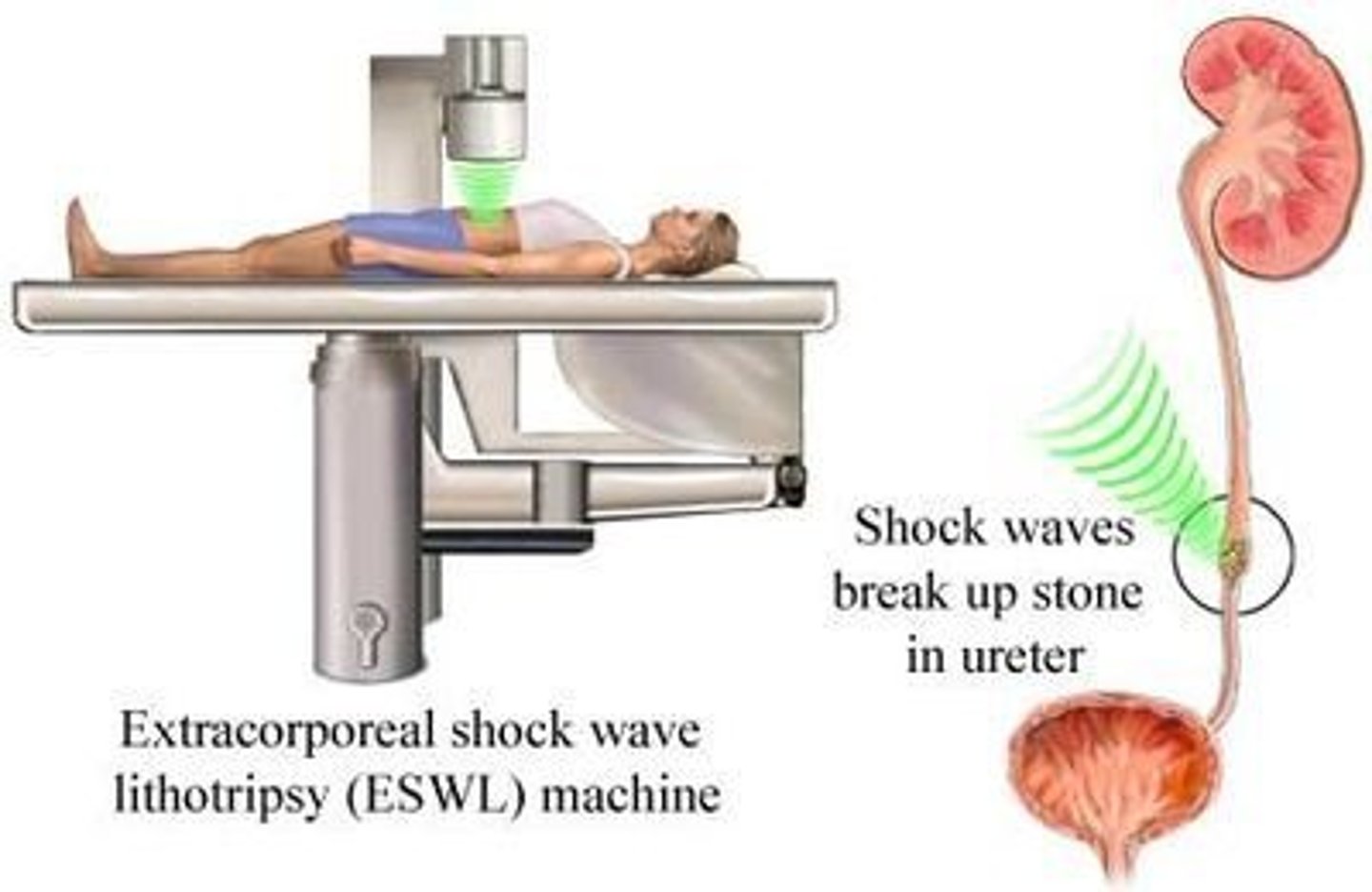
-tripsy
Crushing
Ur/o
Urine (urea)
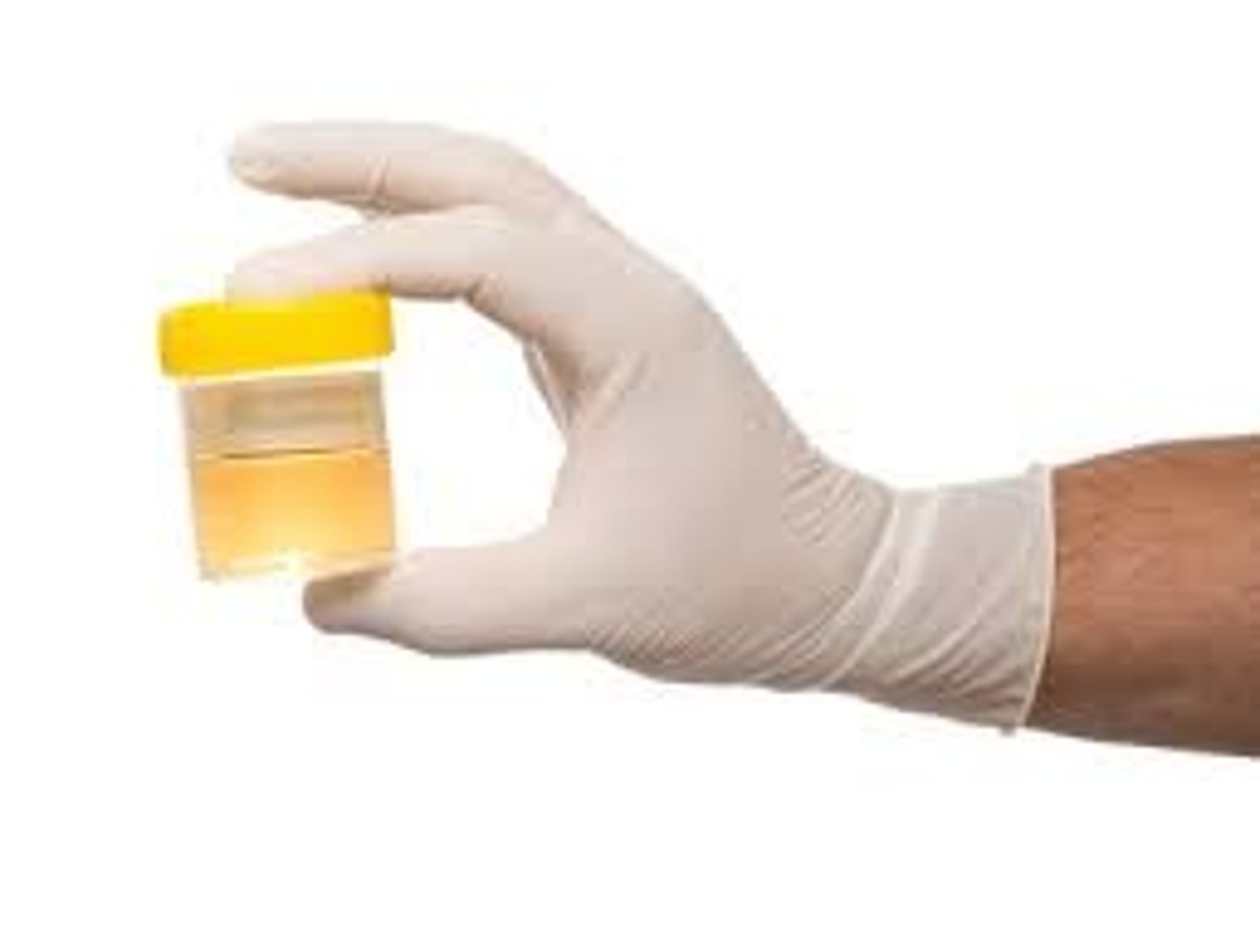
Urin/o
Urine
-uria
Urination, urine condition
Ex: dysuria, anuria
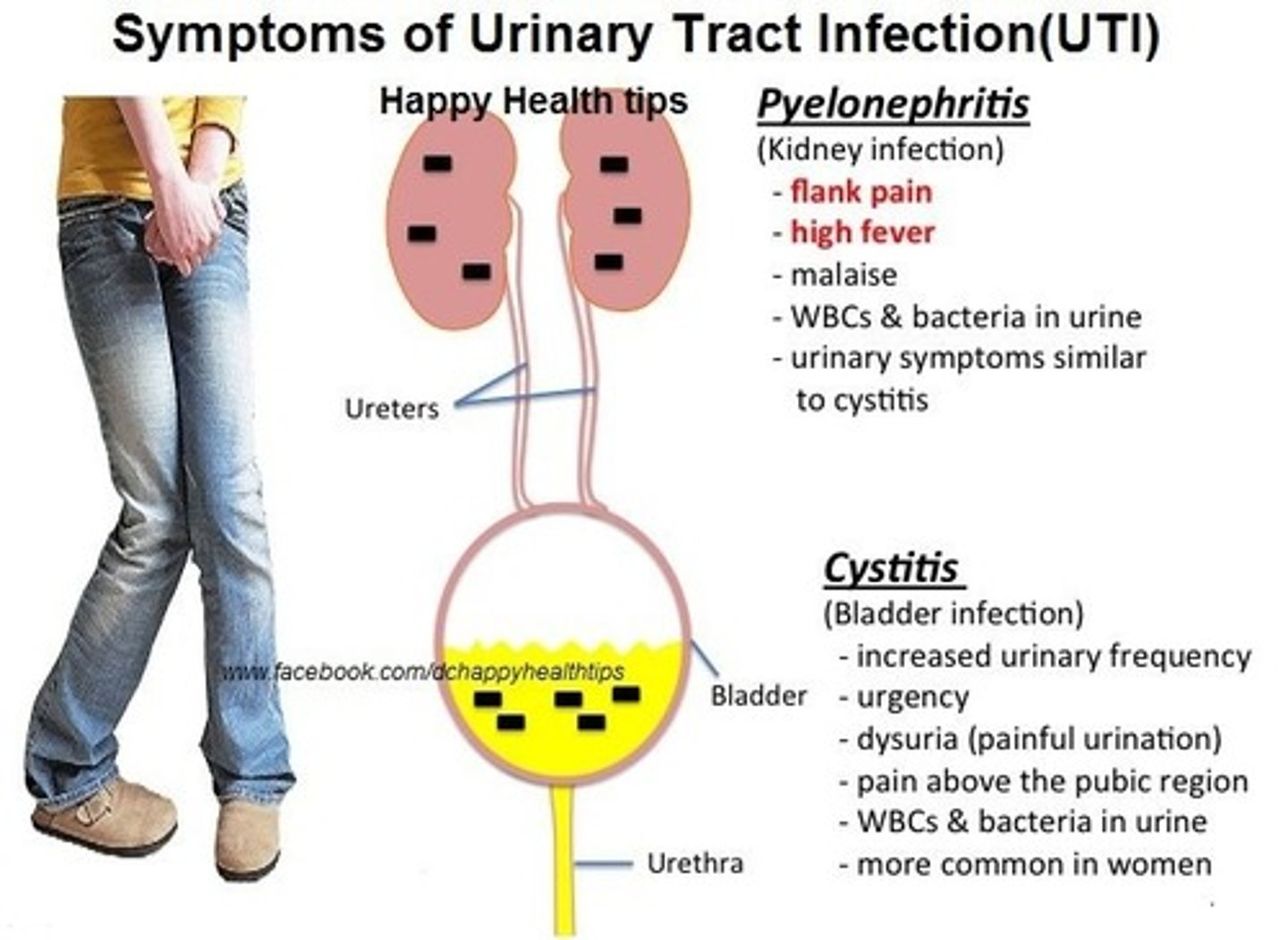
Arteriole
Small artery
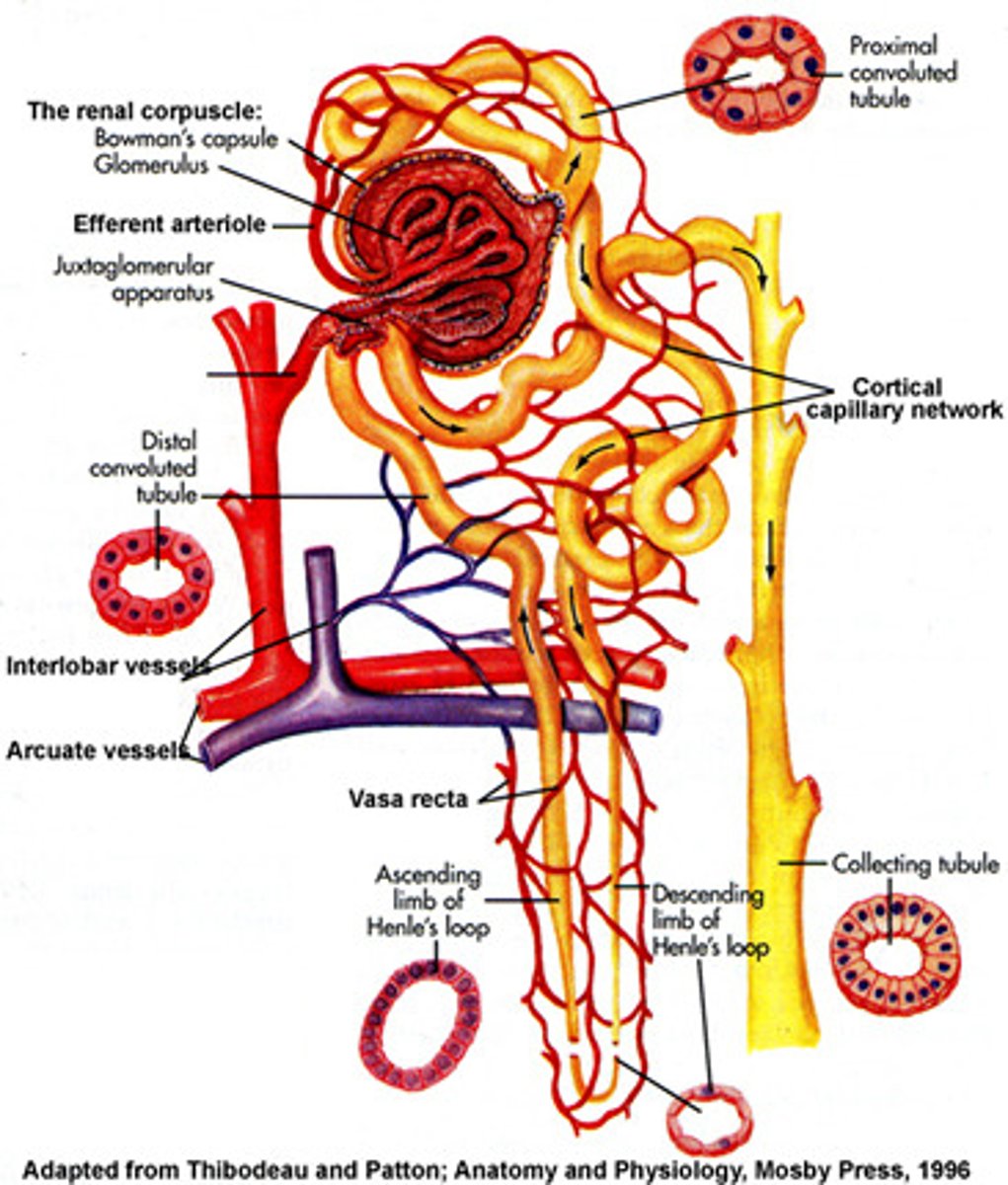
Calyx or Calix
Calyces or calices (plural) Cup like collecting region of the renal pelvis
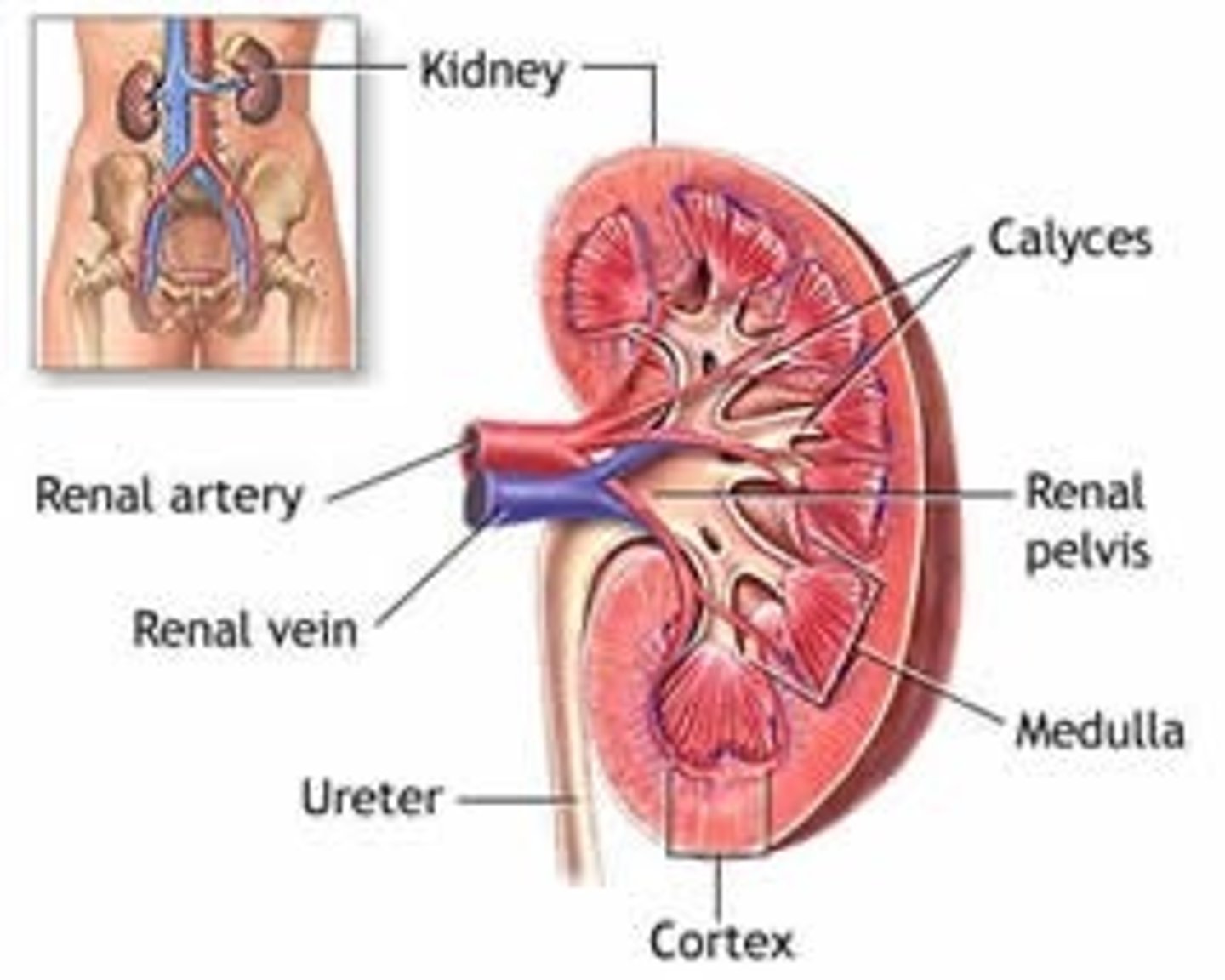
Catheter
Tube for injecting or removing fluids
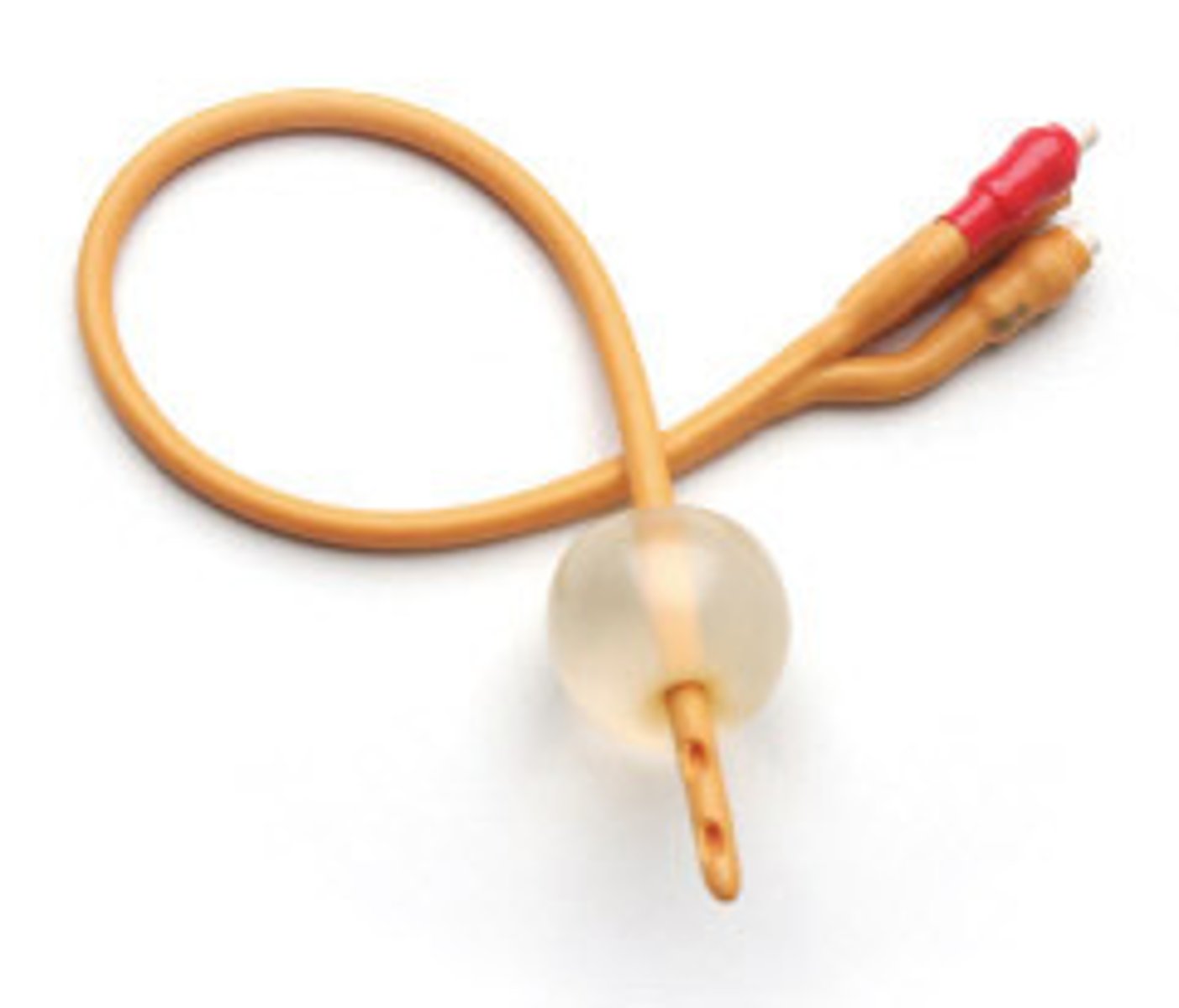
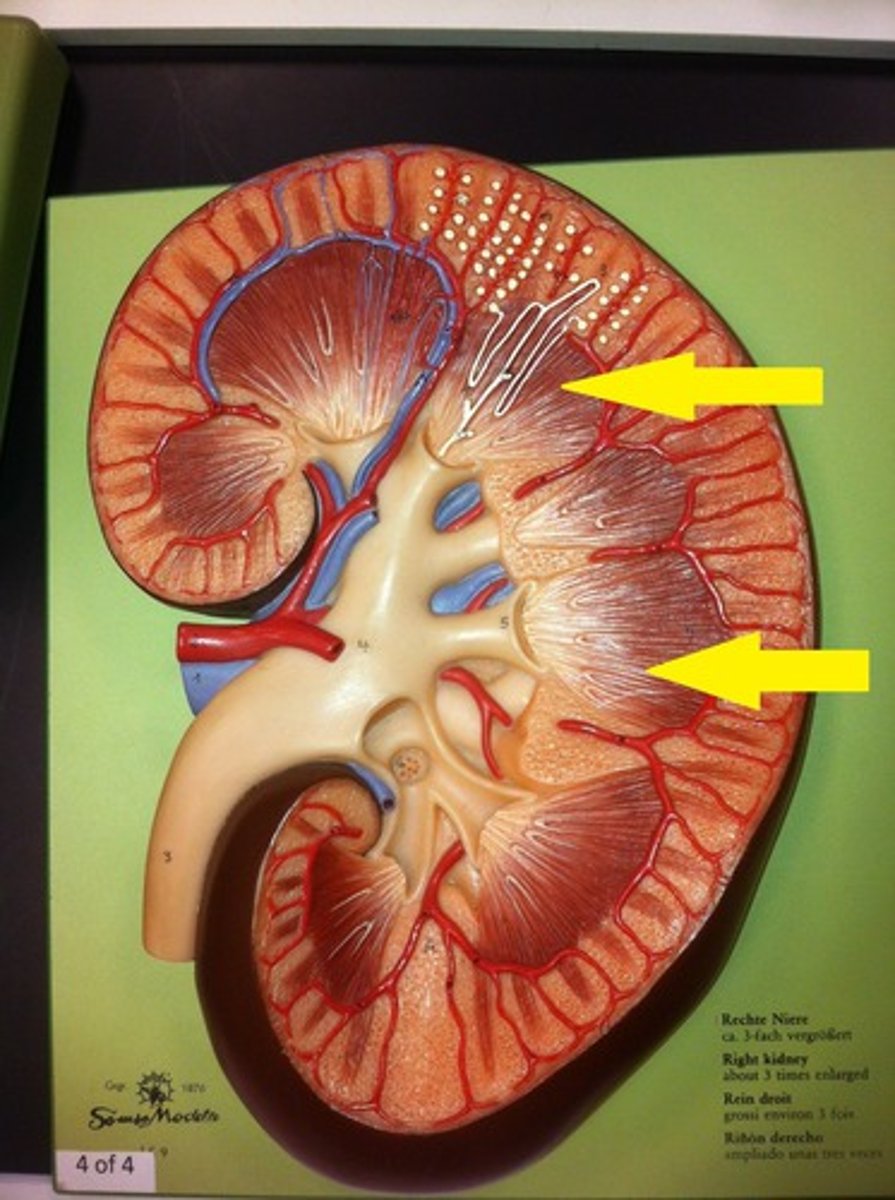
Cortex
Outer region of an organ; Renal cortex is the outer region of the kidney
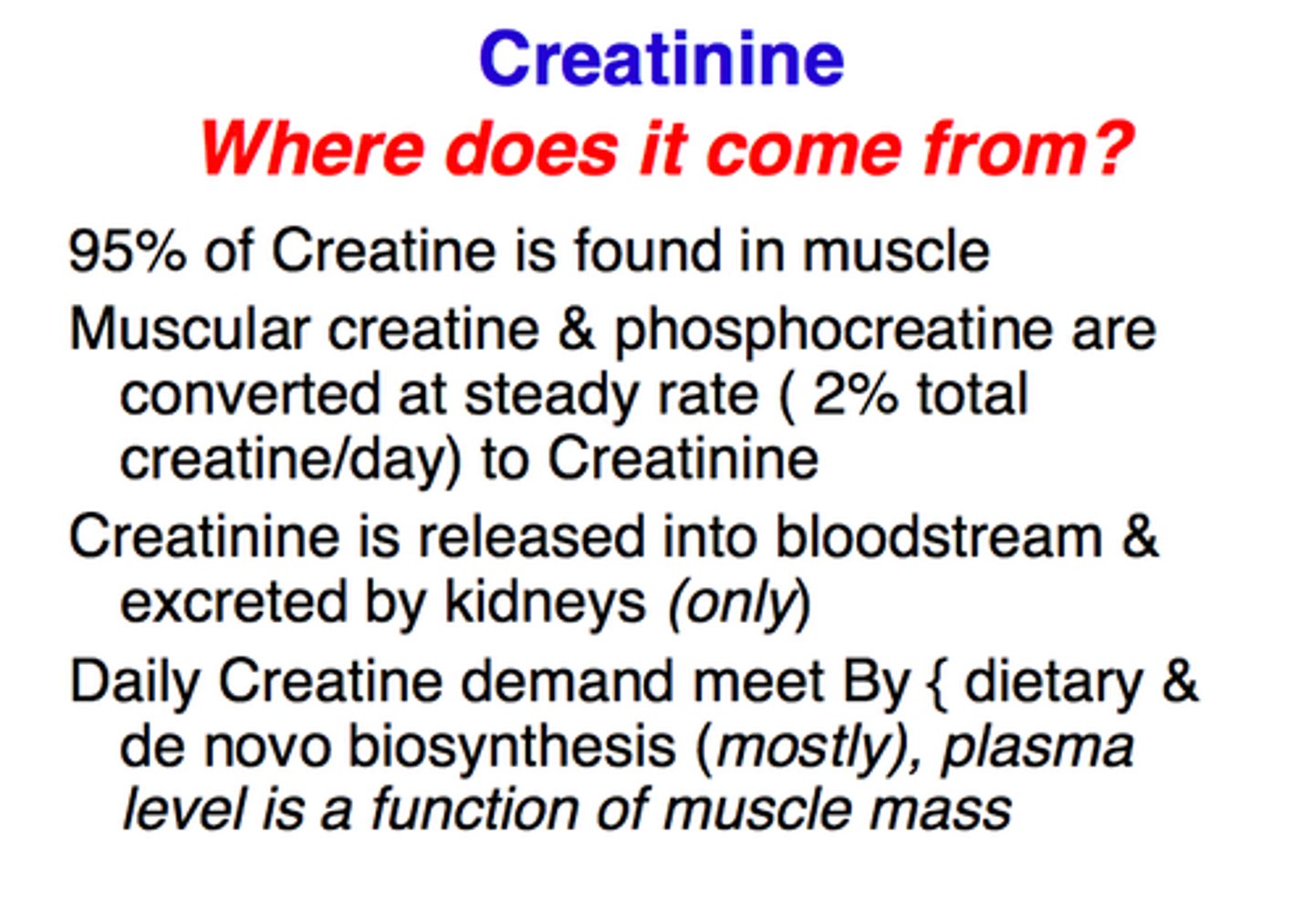
Creatinine
Nitrogenous waste excreted in urine
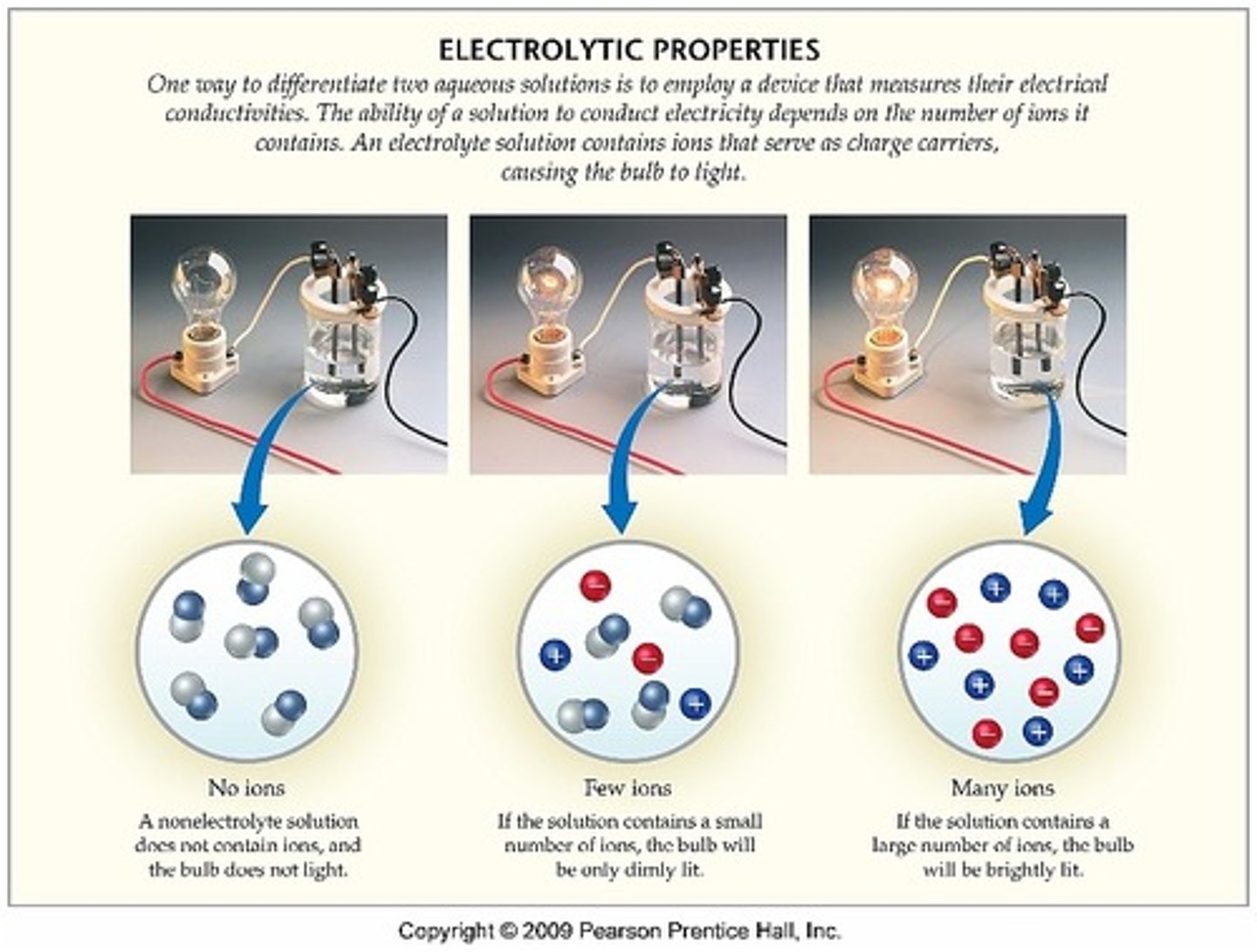
Electrolyte
Chemical element that carries an electrical charge when dissolved in water
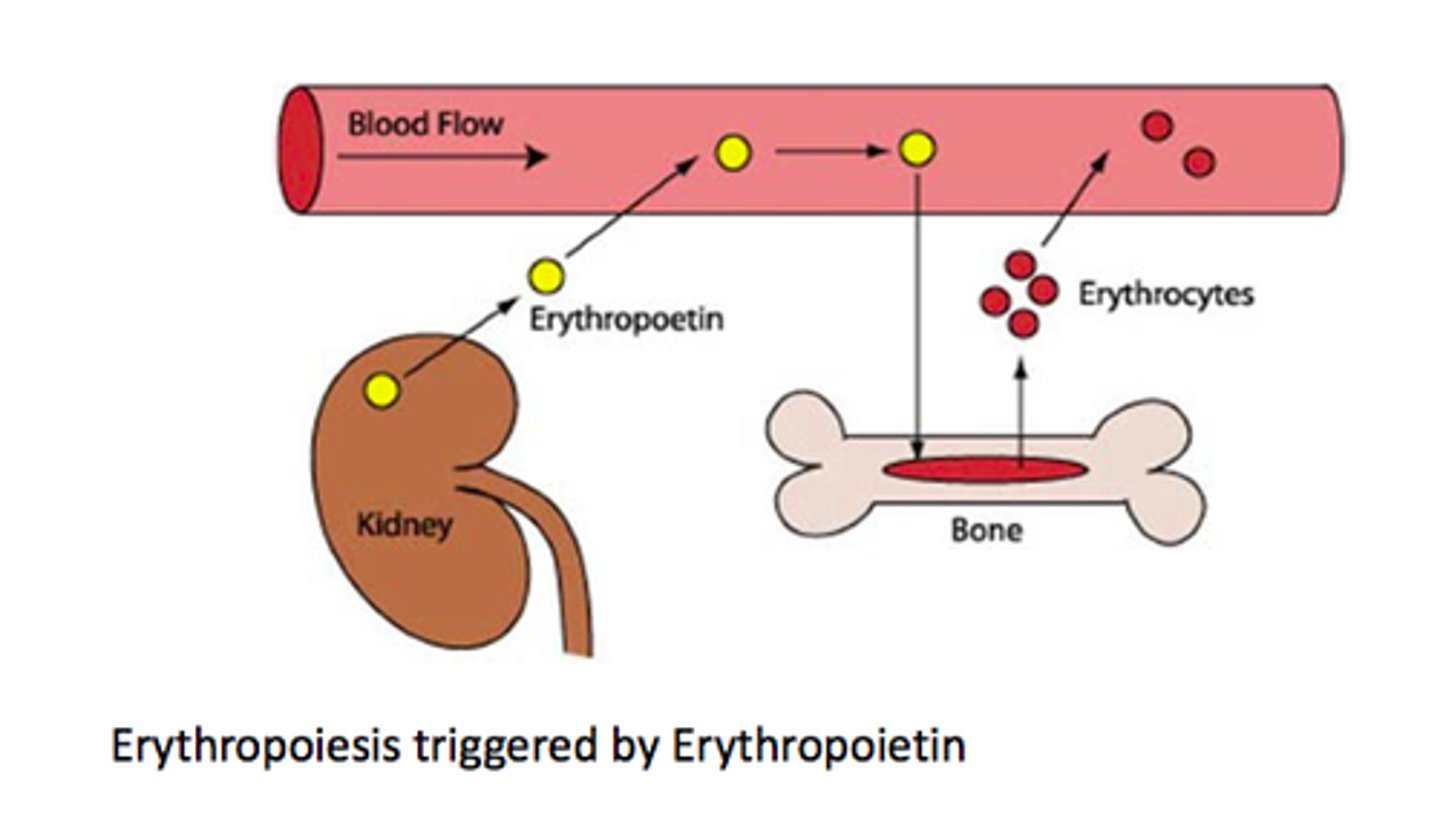
Erythropoietin
Hormone secreted by the kidney to stimulate the production of red blood cells by bone marrow
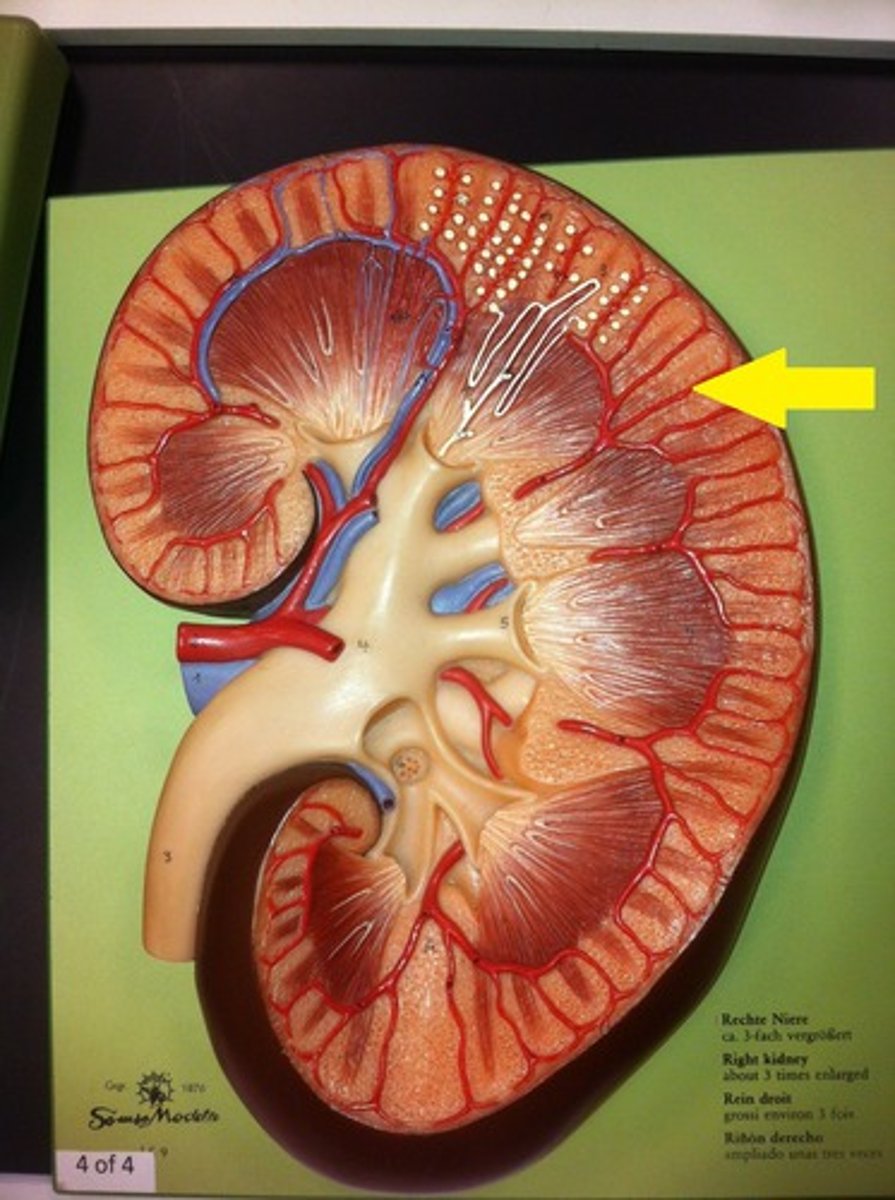
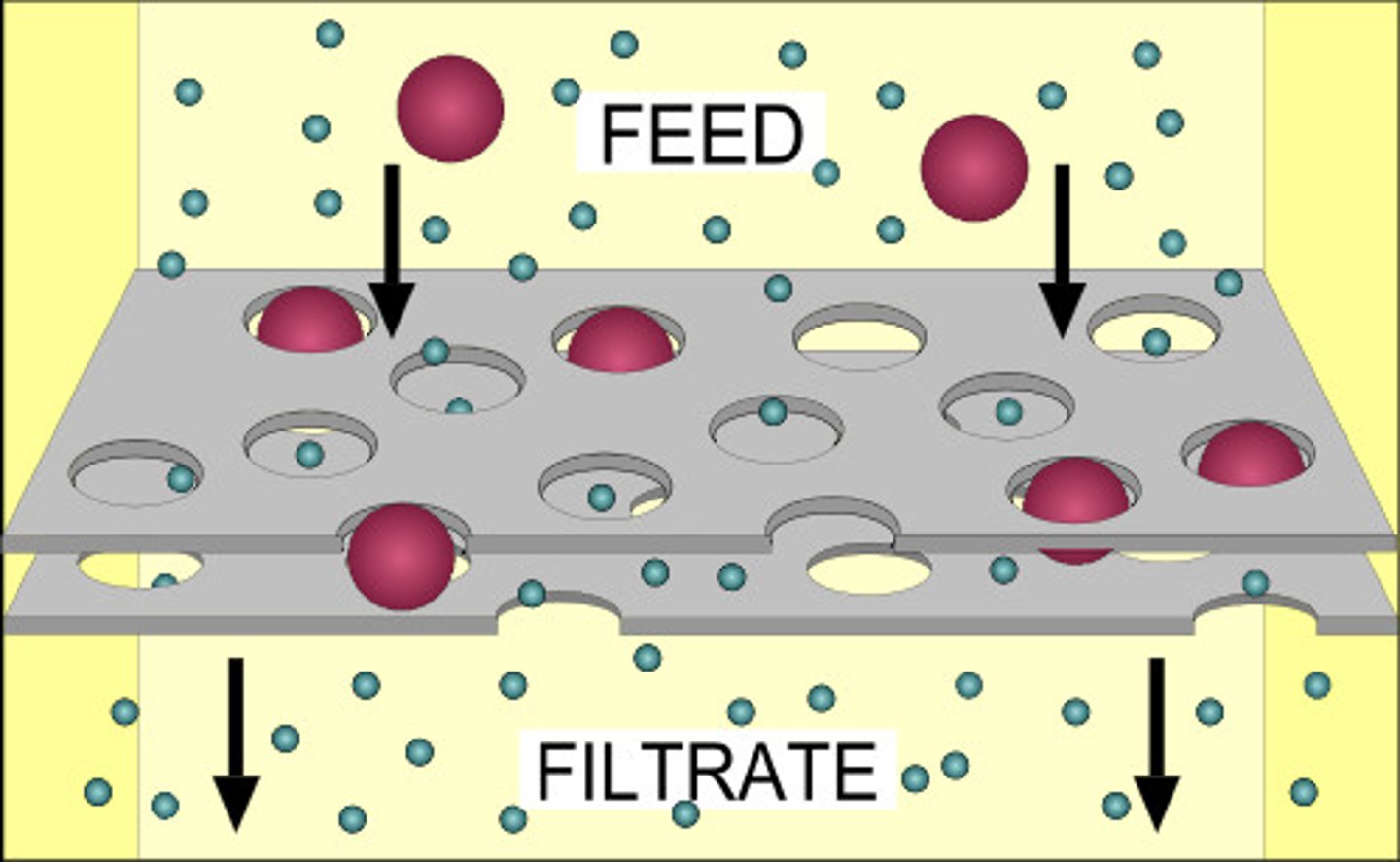
Filtration
Process whereby some substances, but not all, pass through a filter
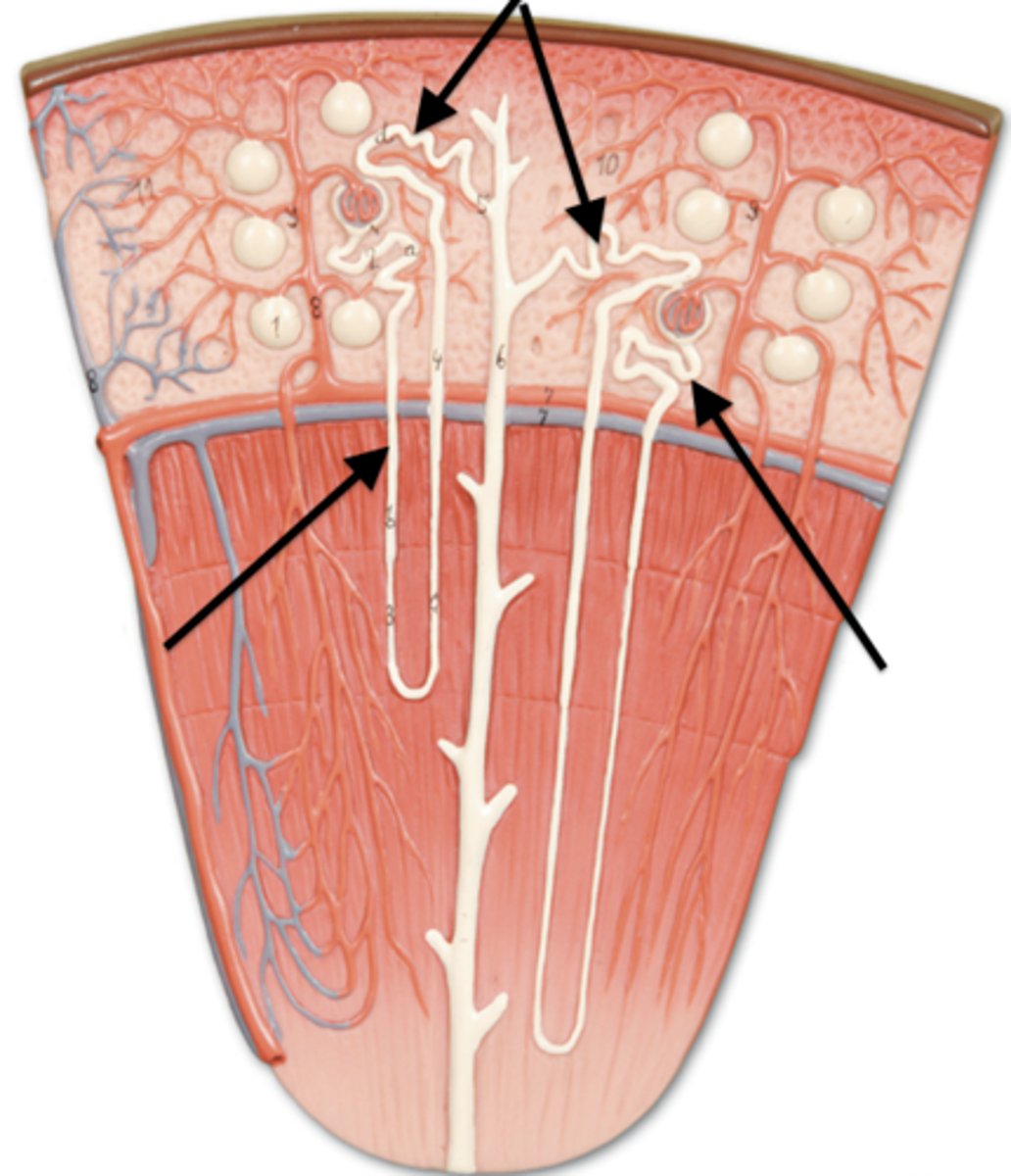
Glomerular capsule
Enclosing structure surrounding each glomerulus
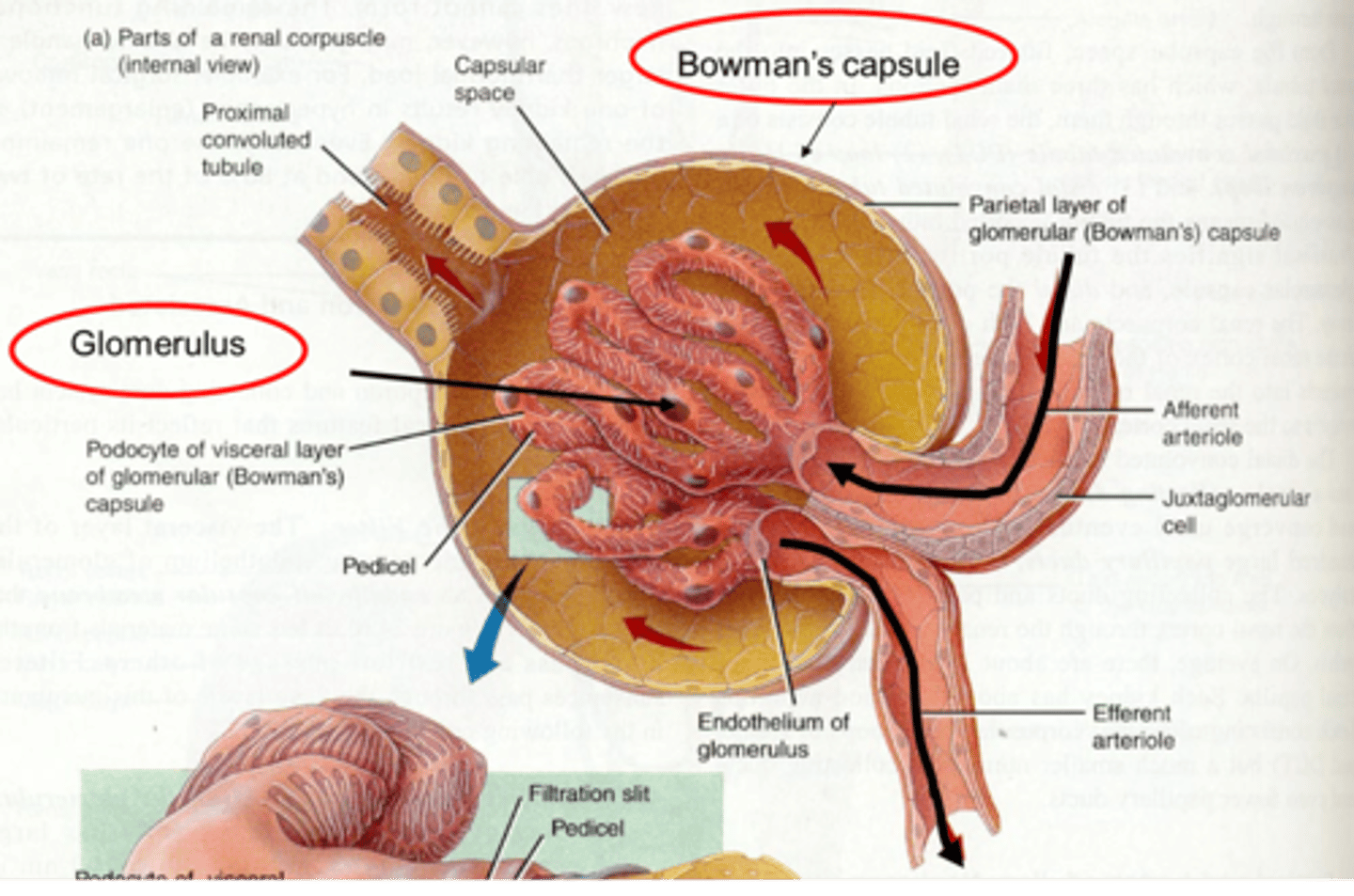
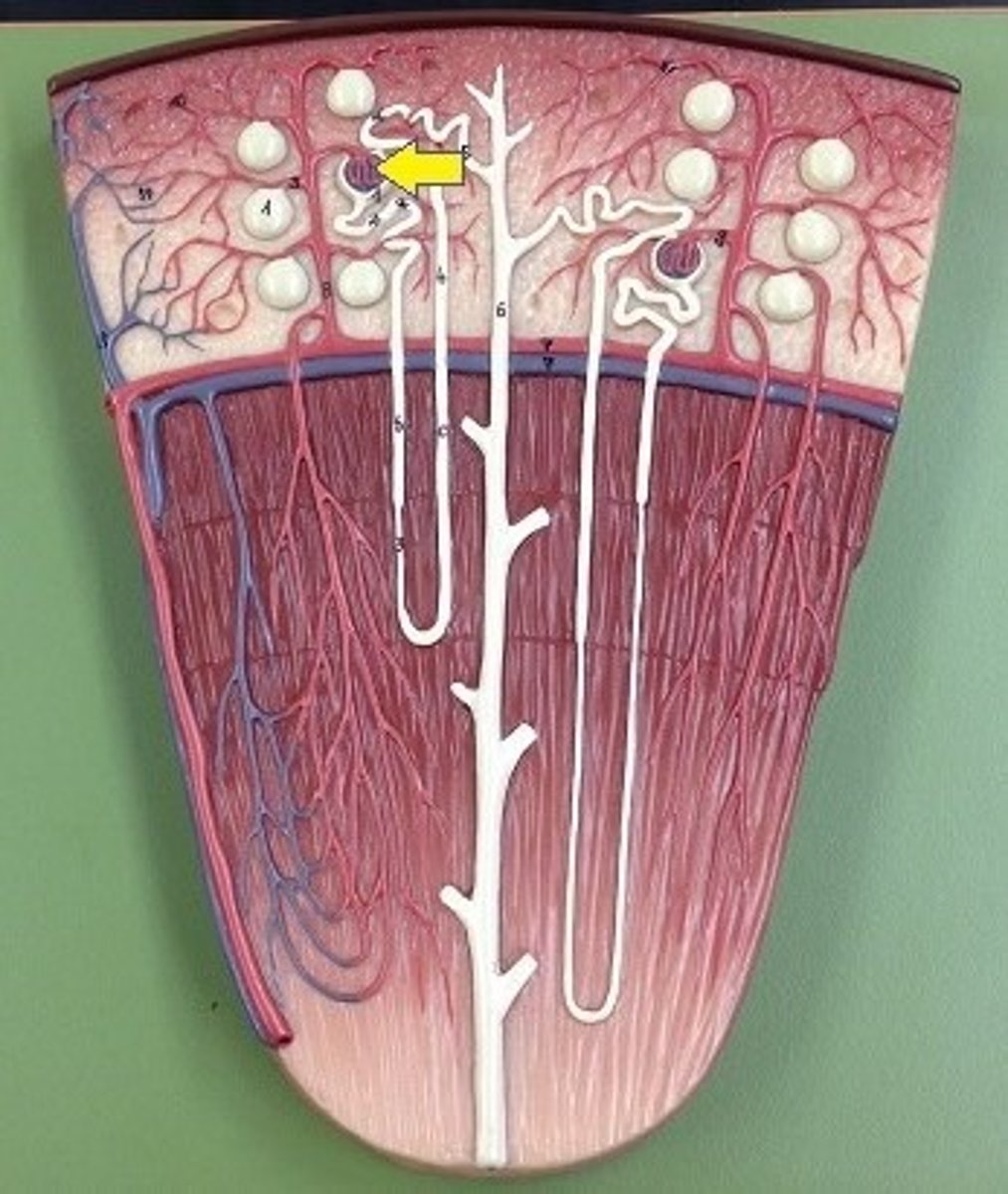
Glomerulus
Glomeruli (plural) Tiny ball of capillaries in the kidney
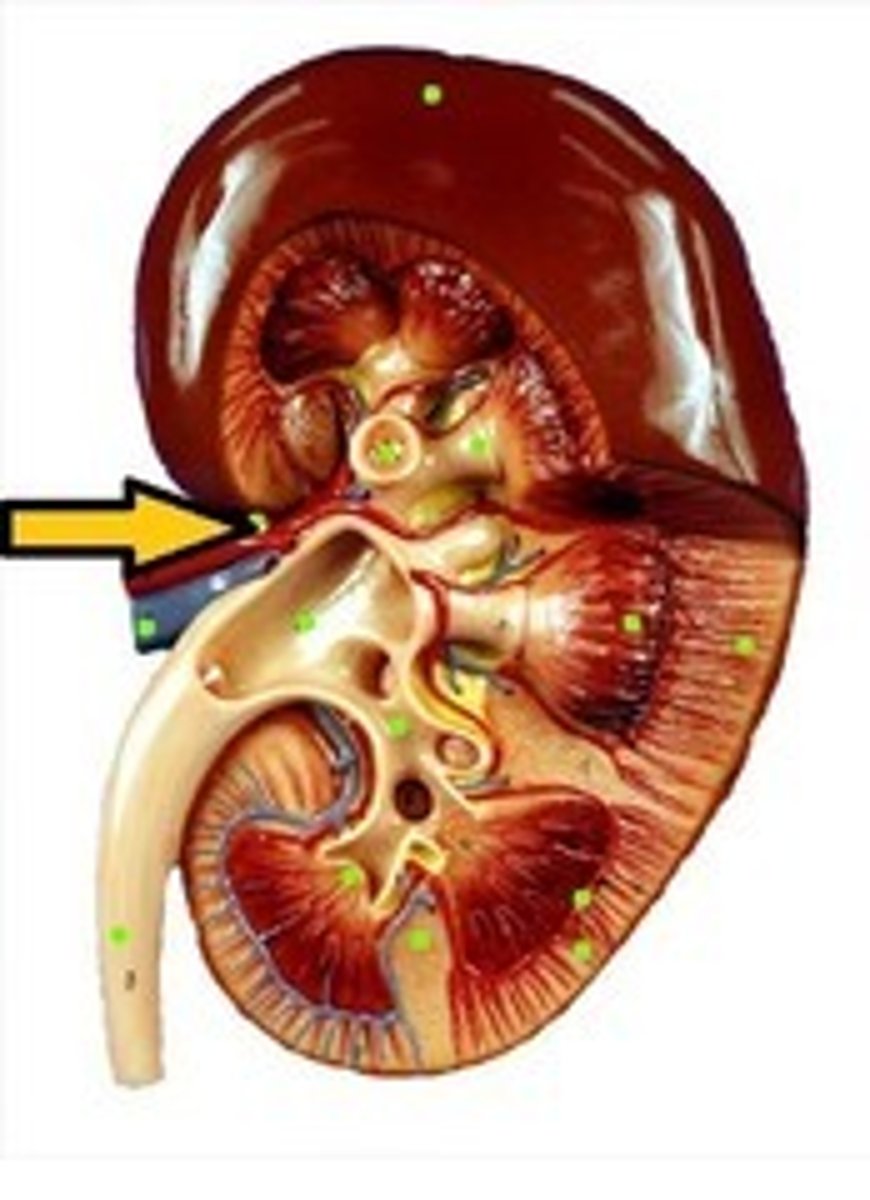
Hilum
Depression in an organ where blood vessels and nerves enter and leave
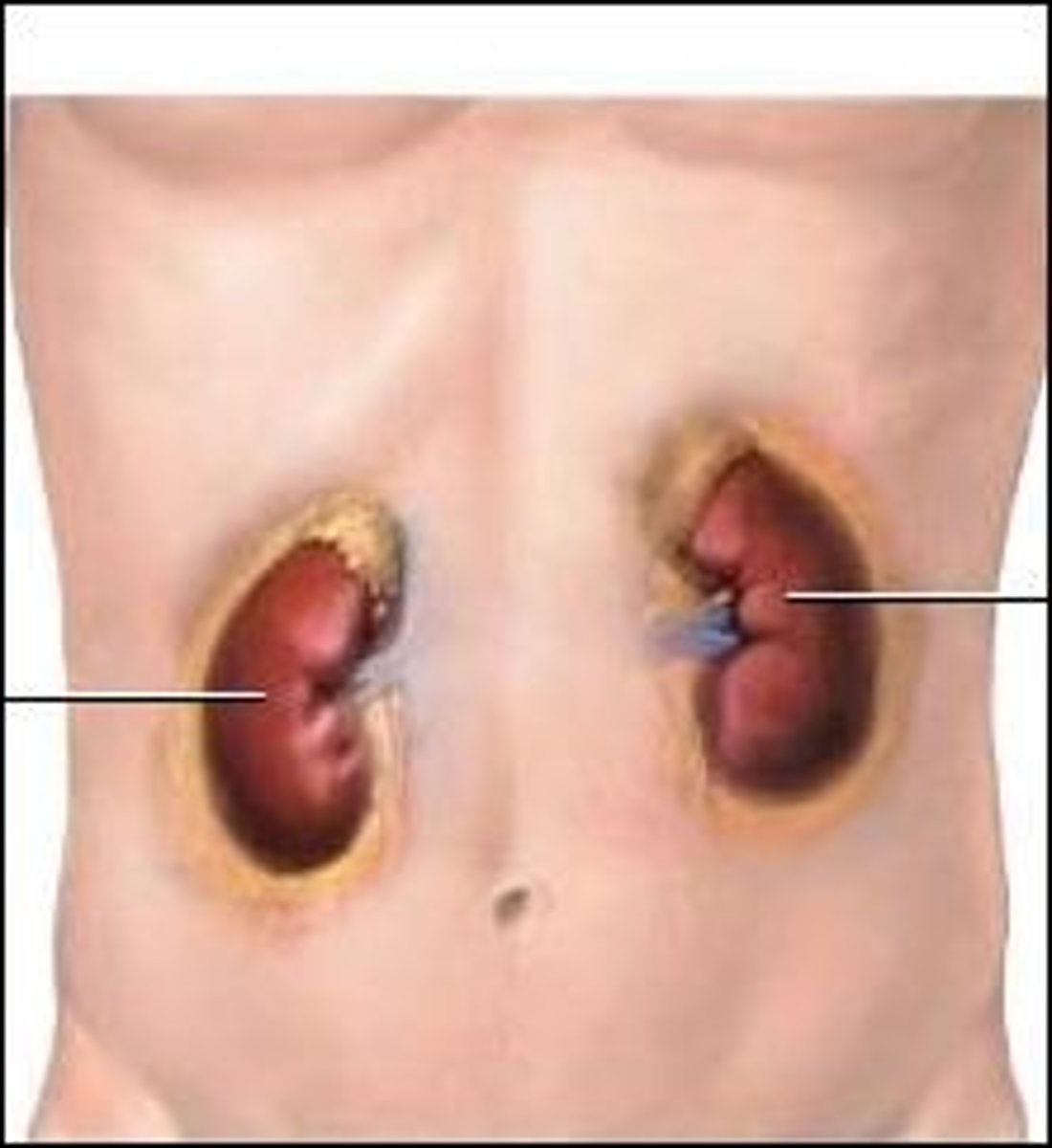
Kidney
One of two bean shaped organs on either side of the backbone in the lumbar region; filters nitrogenous wastes from the bloodstream to form urine
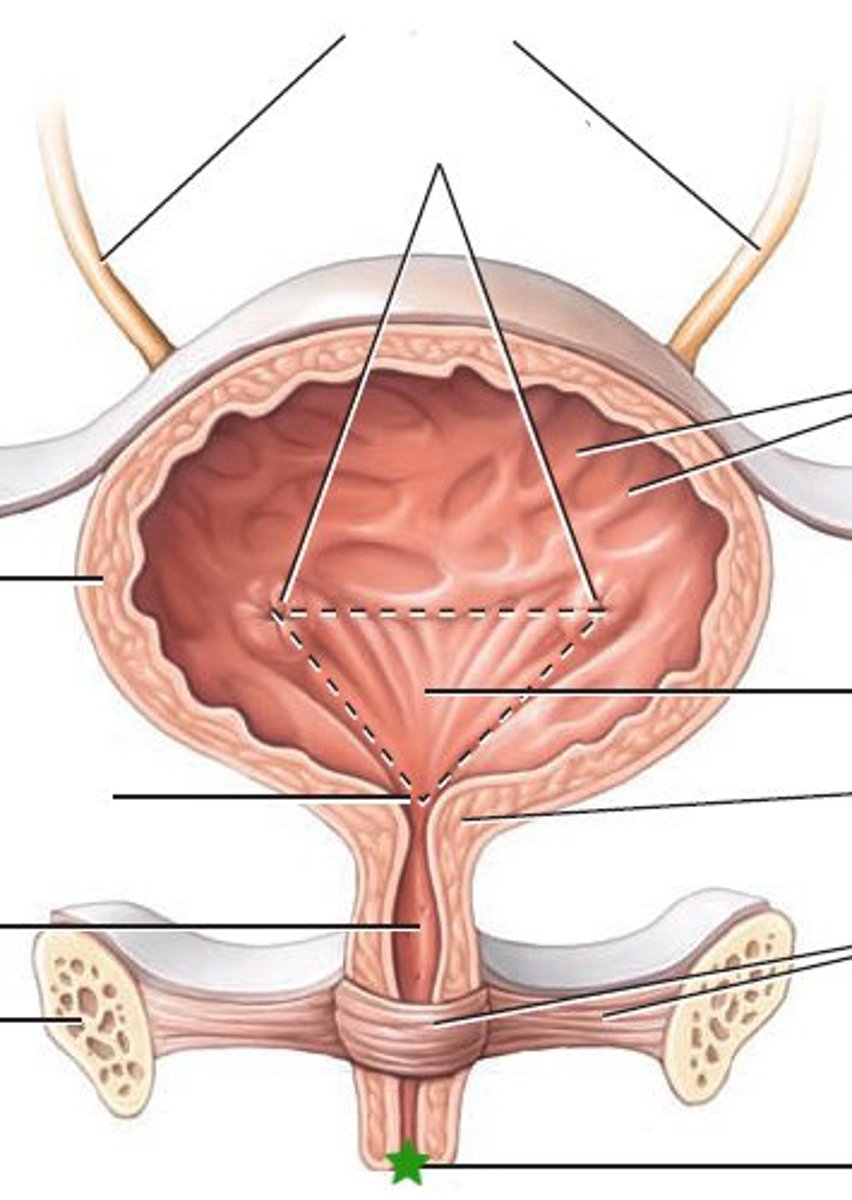
Meatus
Opening or canal
Medulla
Inner region of and organ; The renal medulla is the inner region of the kidney
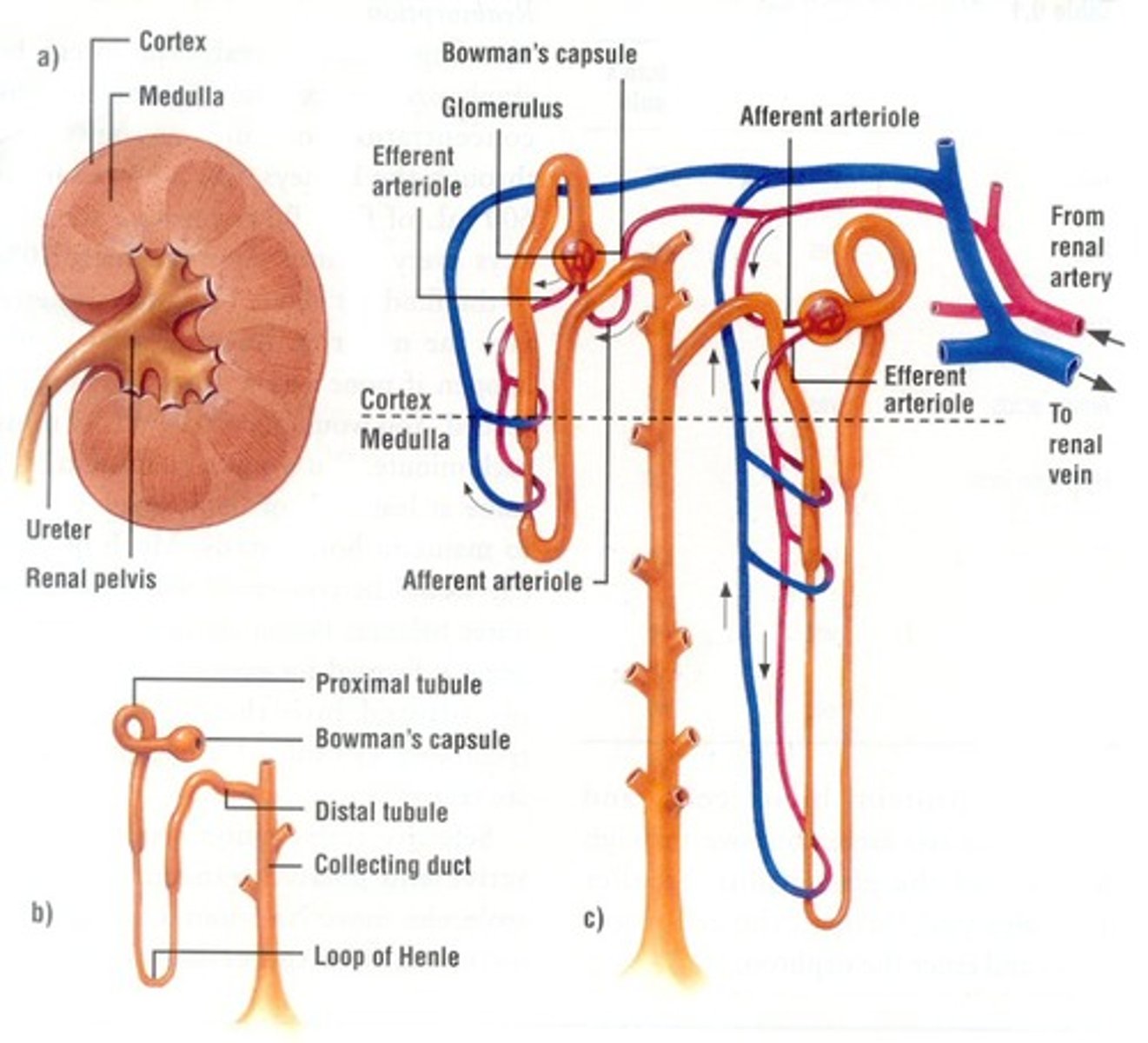
Nephron
Combination of glomerulus and renal tubule where filtration, reabsorption, and secretion take place in the kidney
Nitrogenous waste
Substance containing nitrogen and excreted in urine
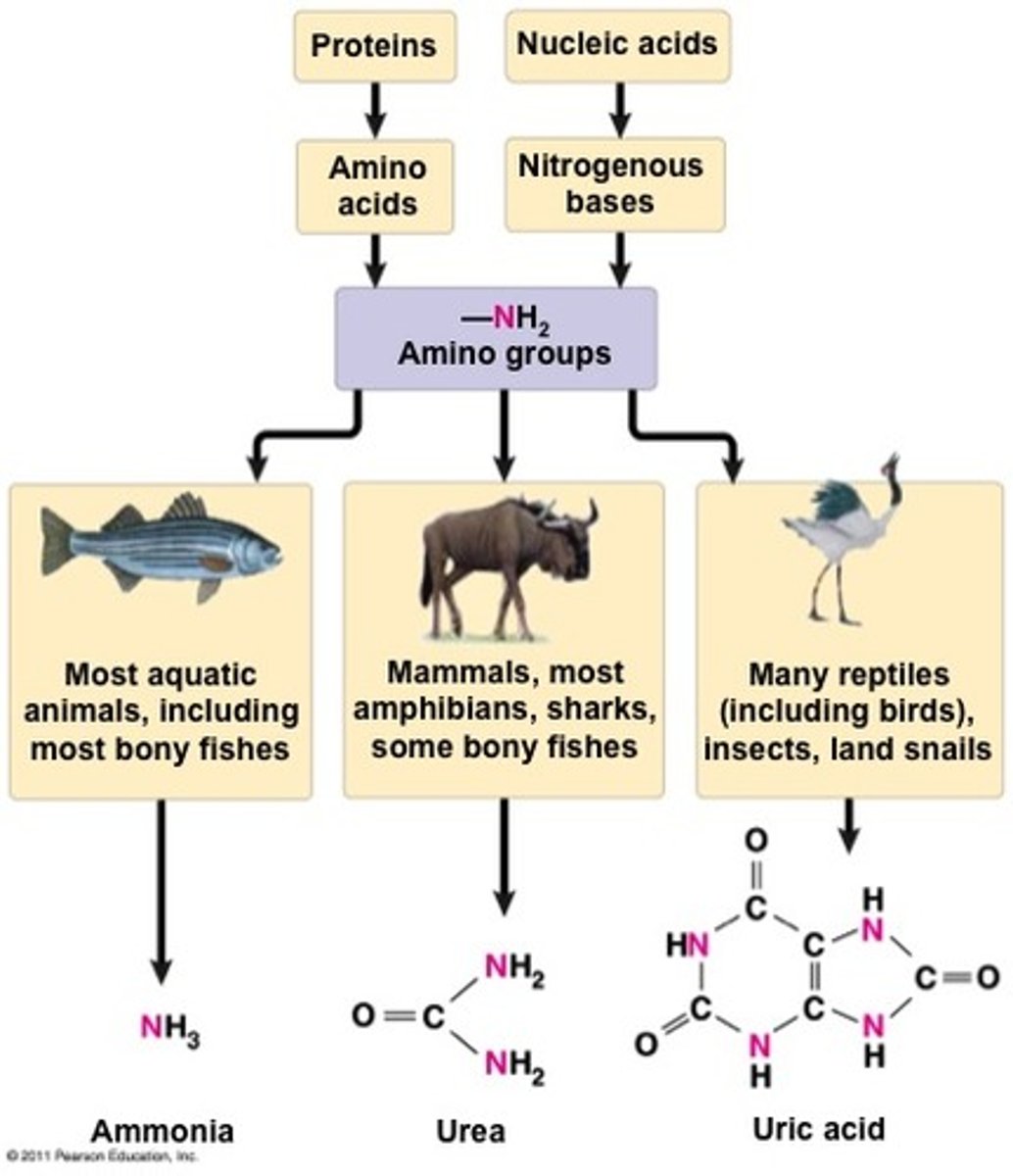
Potassium (K+)
An electrolyte regulated by the kidney so that a proper concentration is maintained within the blood
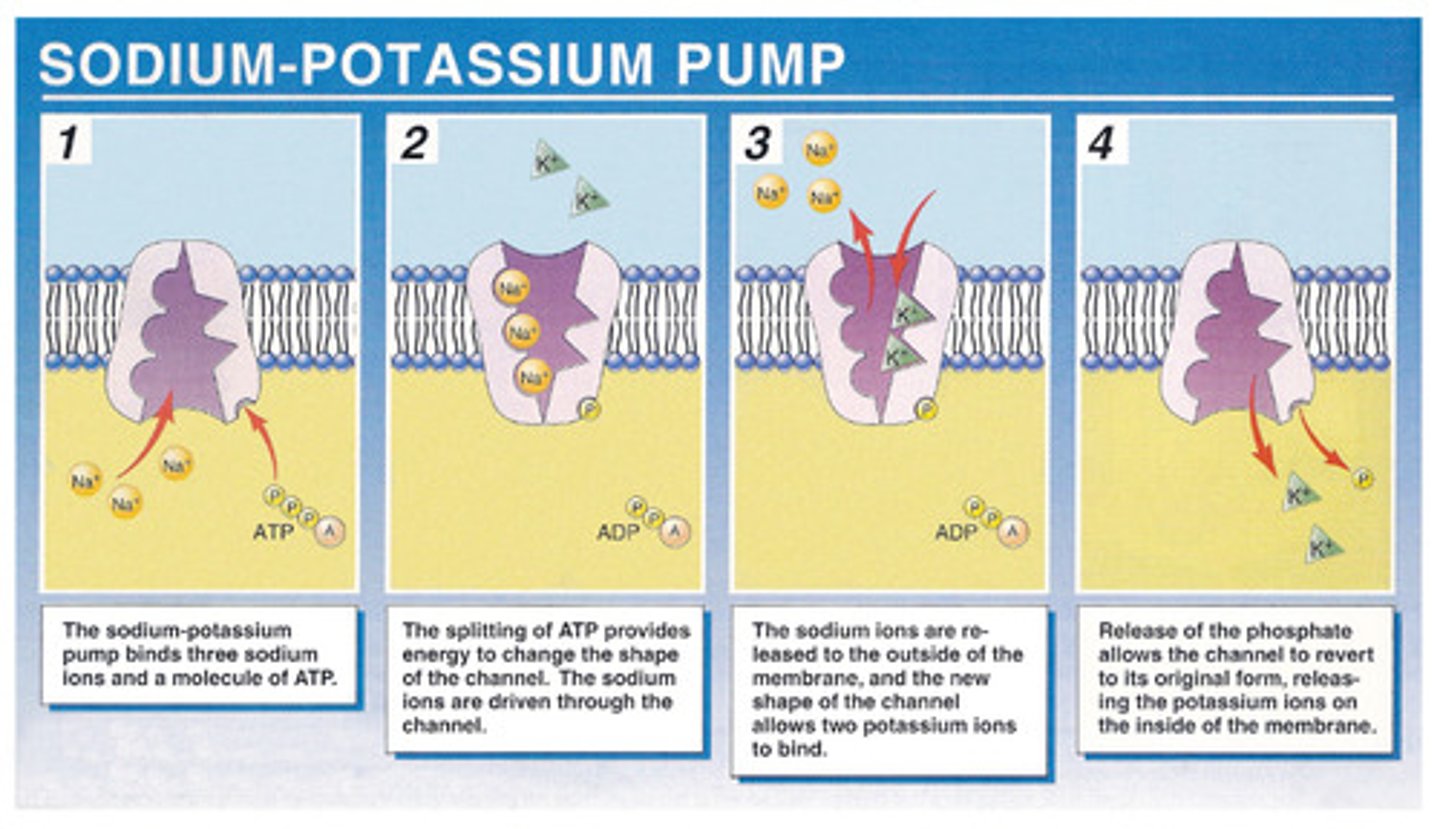
Reabsorption
Process whereby renal tubules return materials necessary to the body back into the blood stream
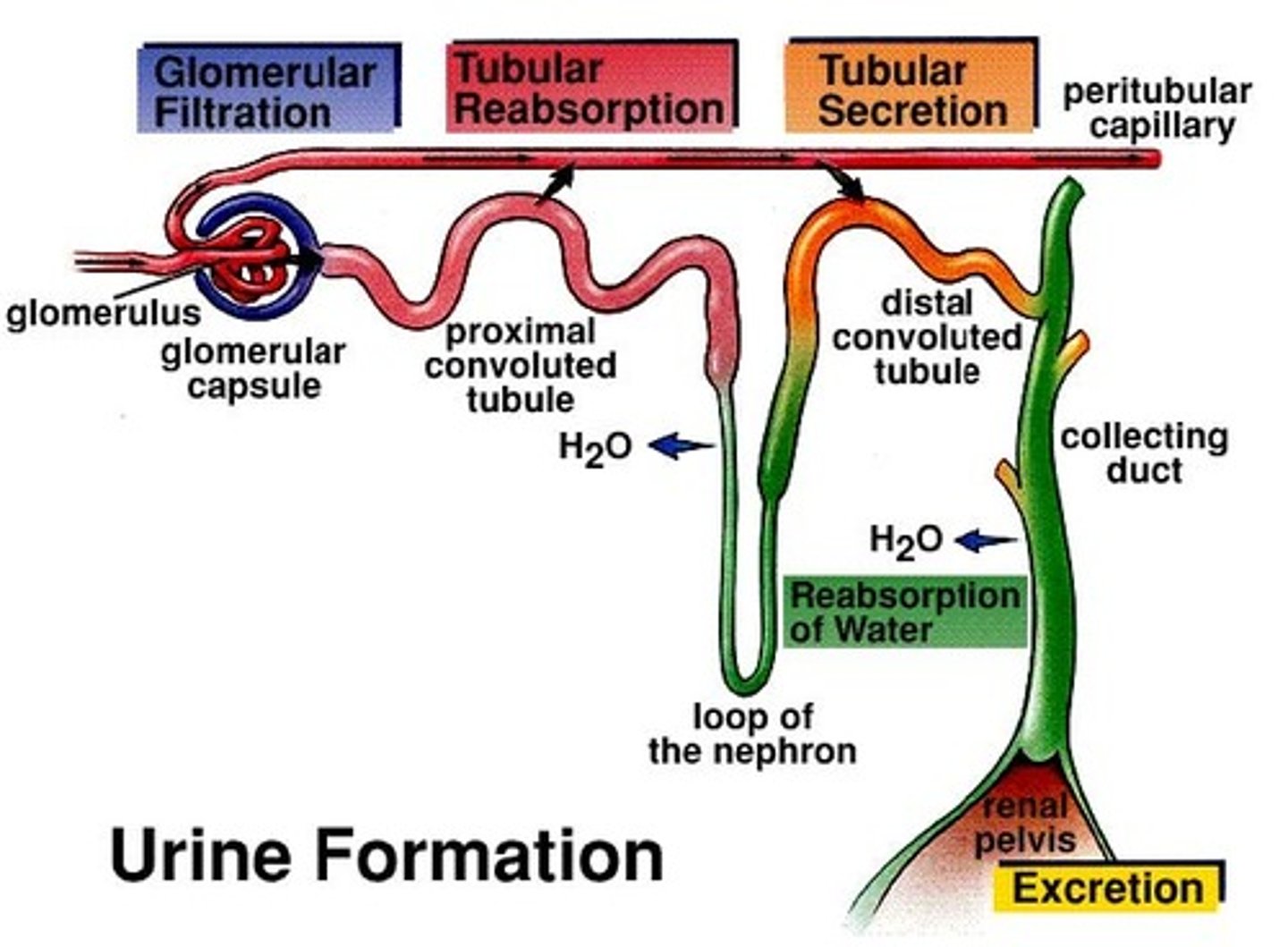
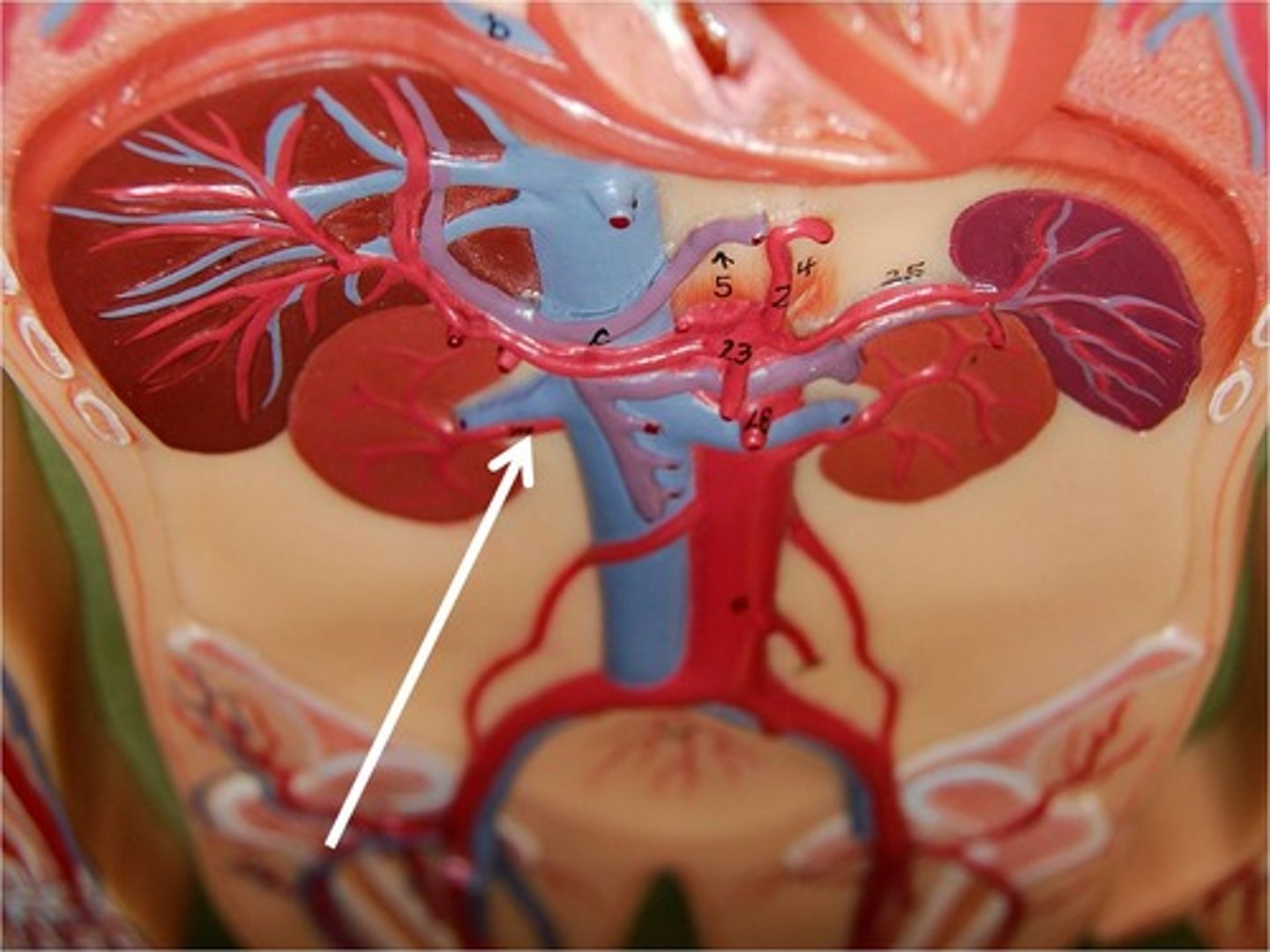
Renal artery
Blood vessel that carries blood to the kidney
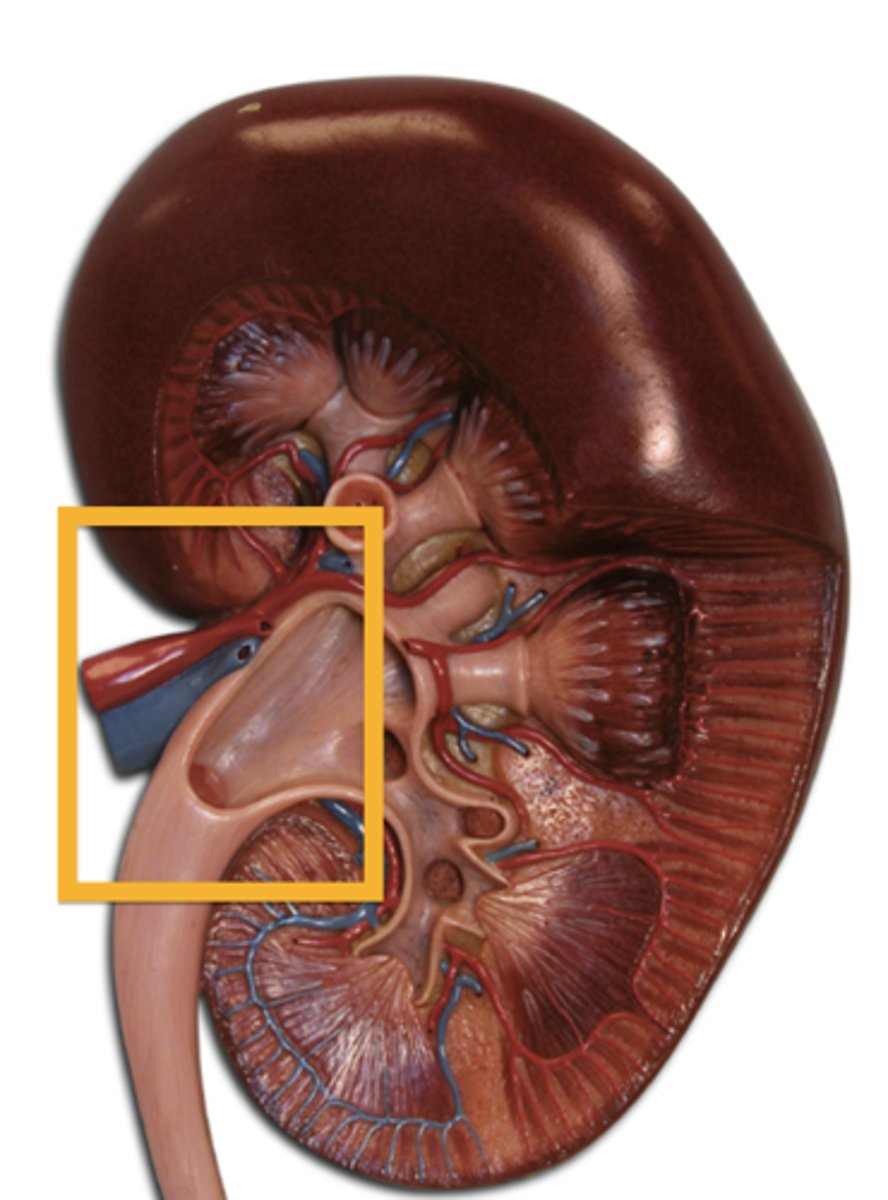
Renal tubule
Microscopic tubes in the kidney where urine is formed after filtration
Renal Vein
Blood vessel that carries blood away from the kidney and toward the heart
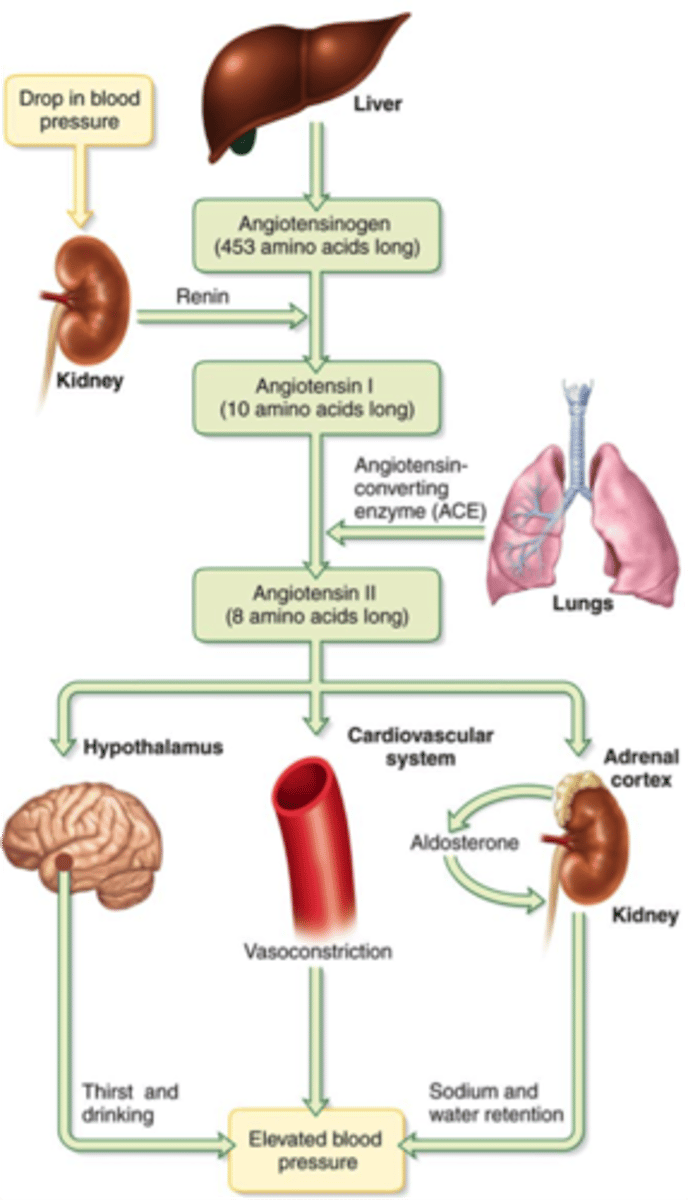
Renin
Hormone secreted by the kidney; raises blood pressure
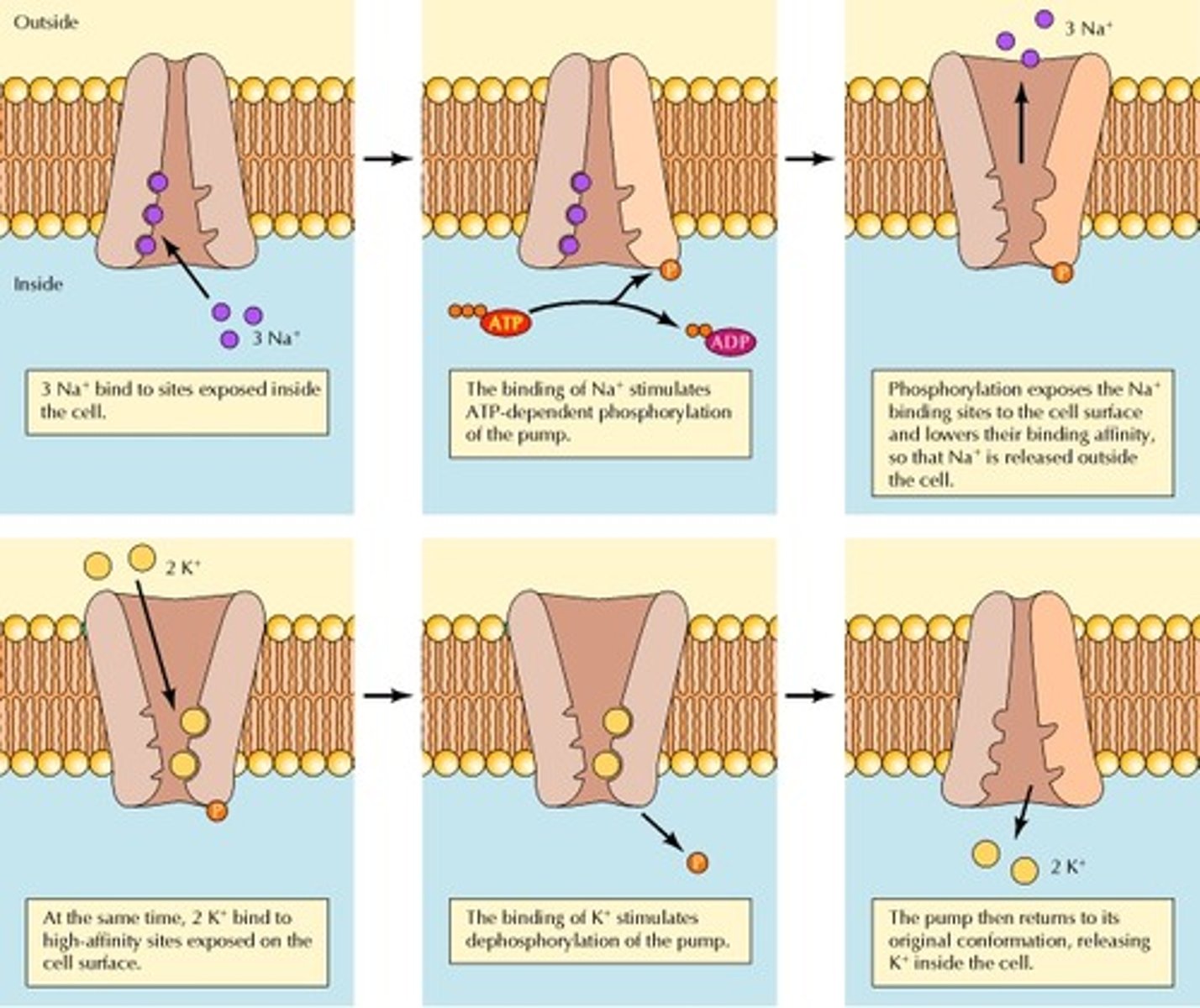
Sodium (Na+)
An electrolyte regulated in the blood and urine by the kidneys
Trigone
Triangular area in the urinary bladder
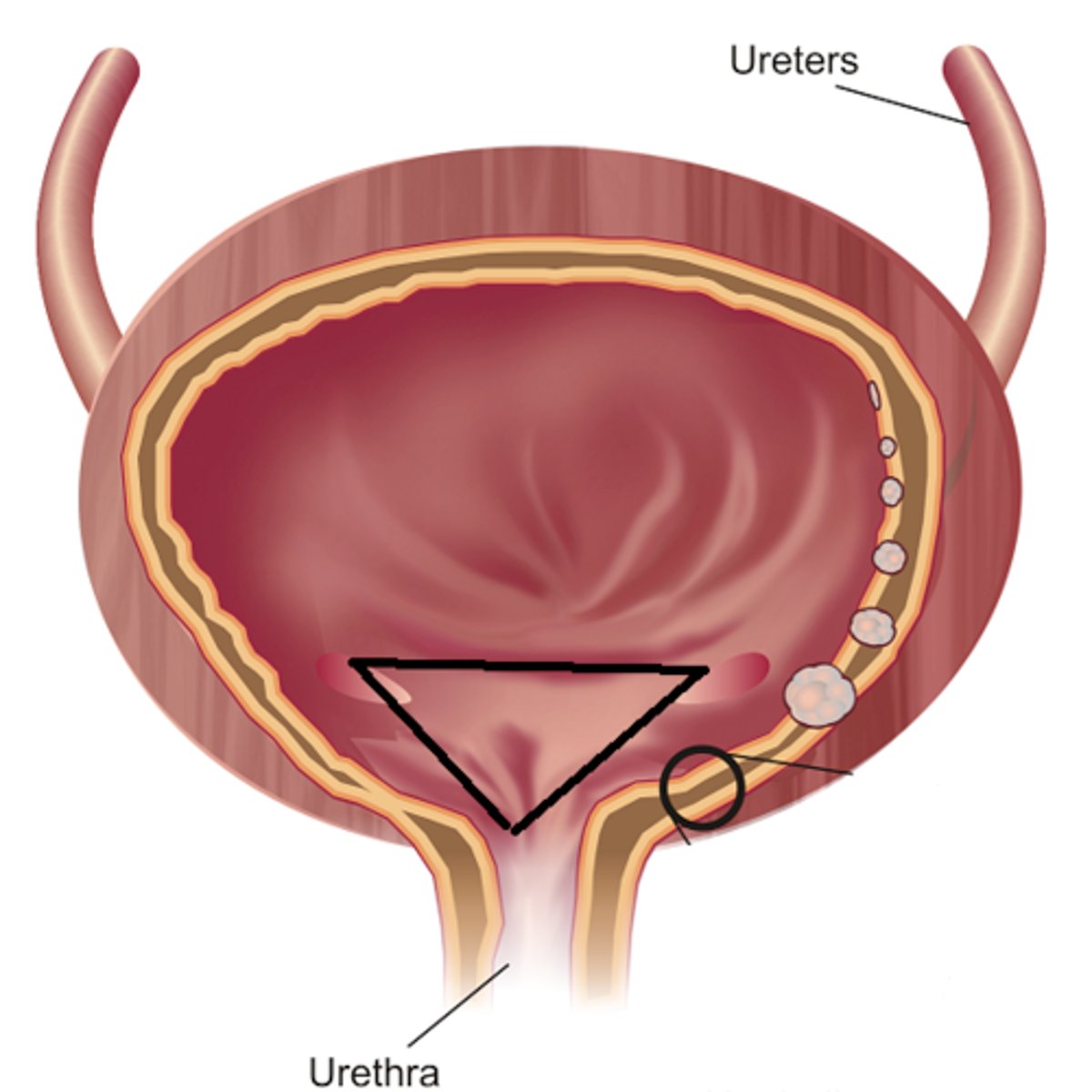
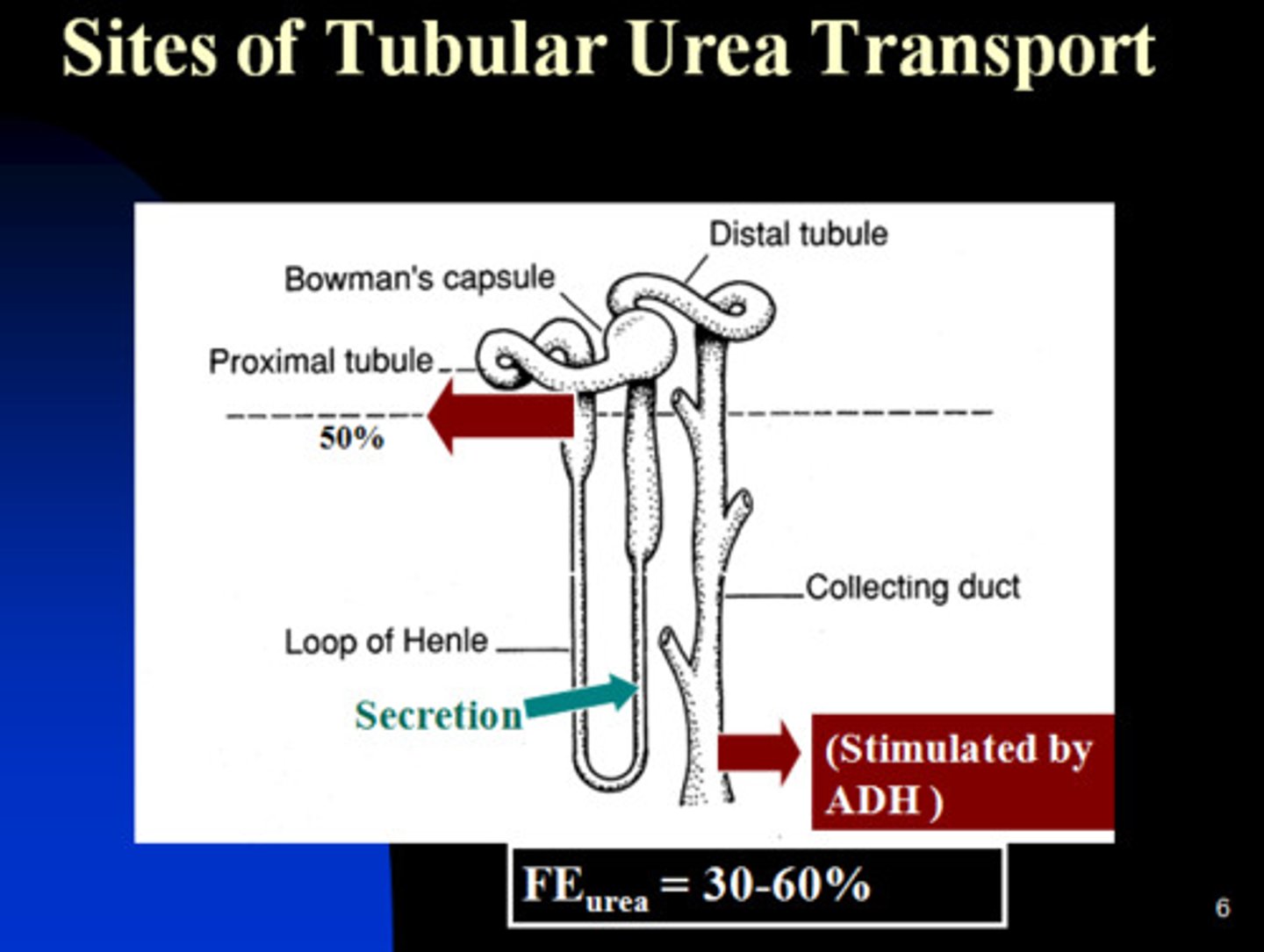
Urea
Major nitrogenous waste excreted in urine
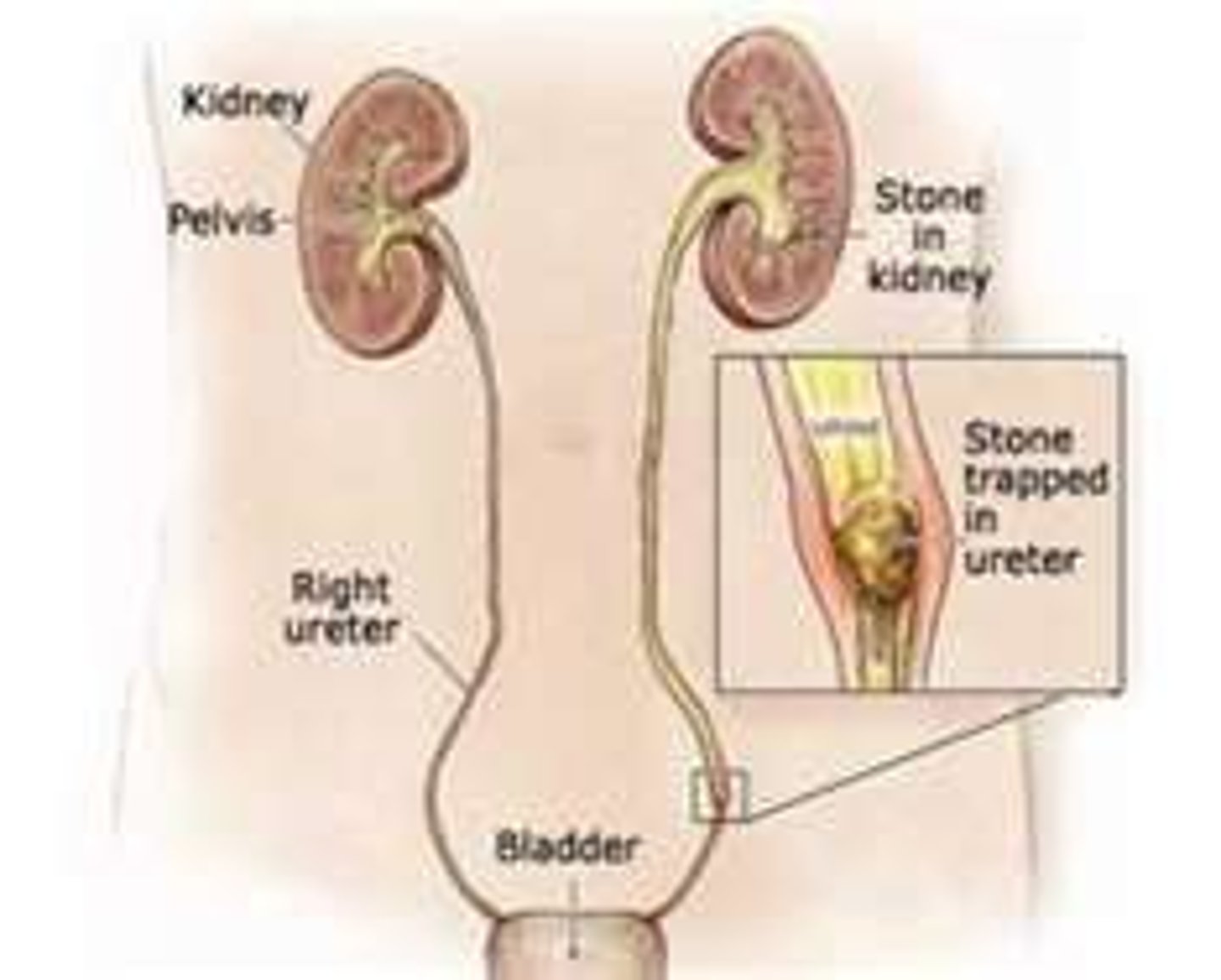
Ureter
One of two tubes leading away from the kidneys to the urinary bladder
Urethra
Tube leading from the urinary bladder to the outside of the body
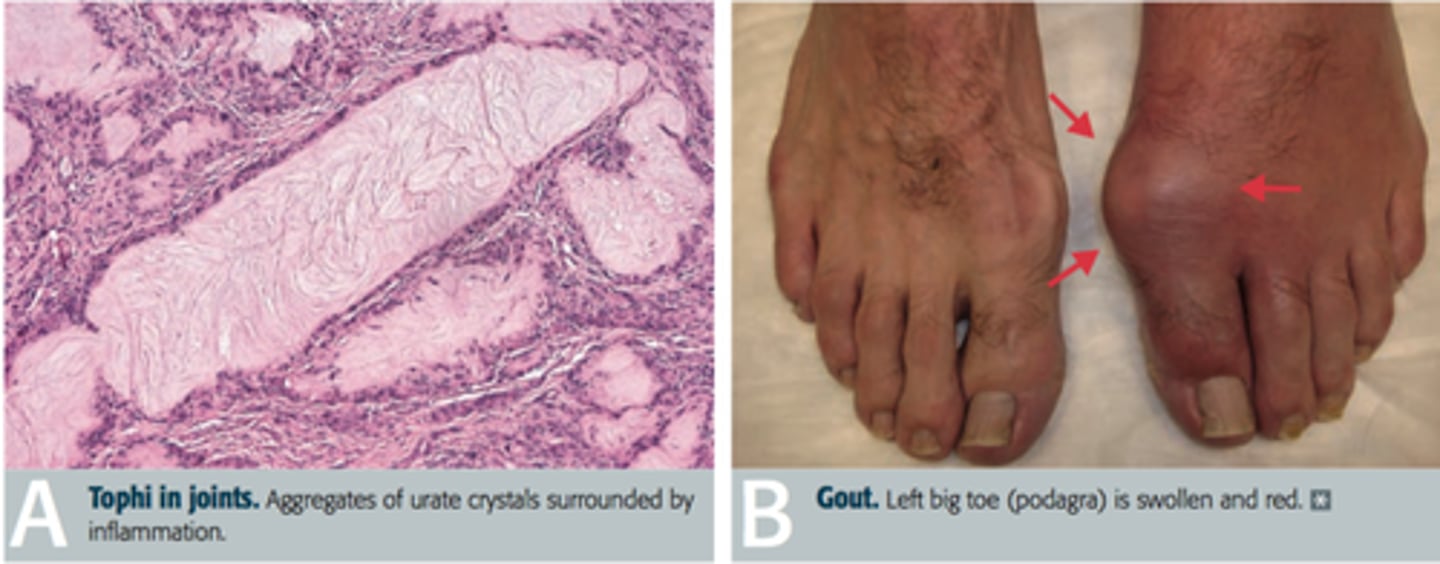
Uric acid
Nitrogenous waste excreted in the urine
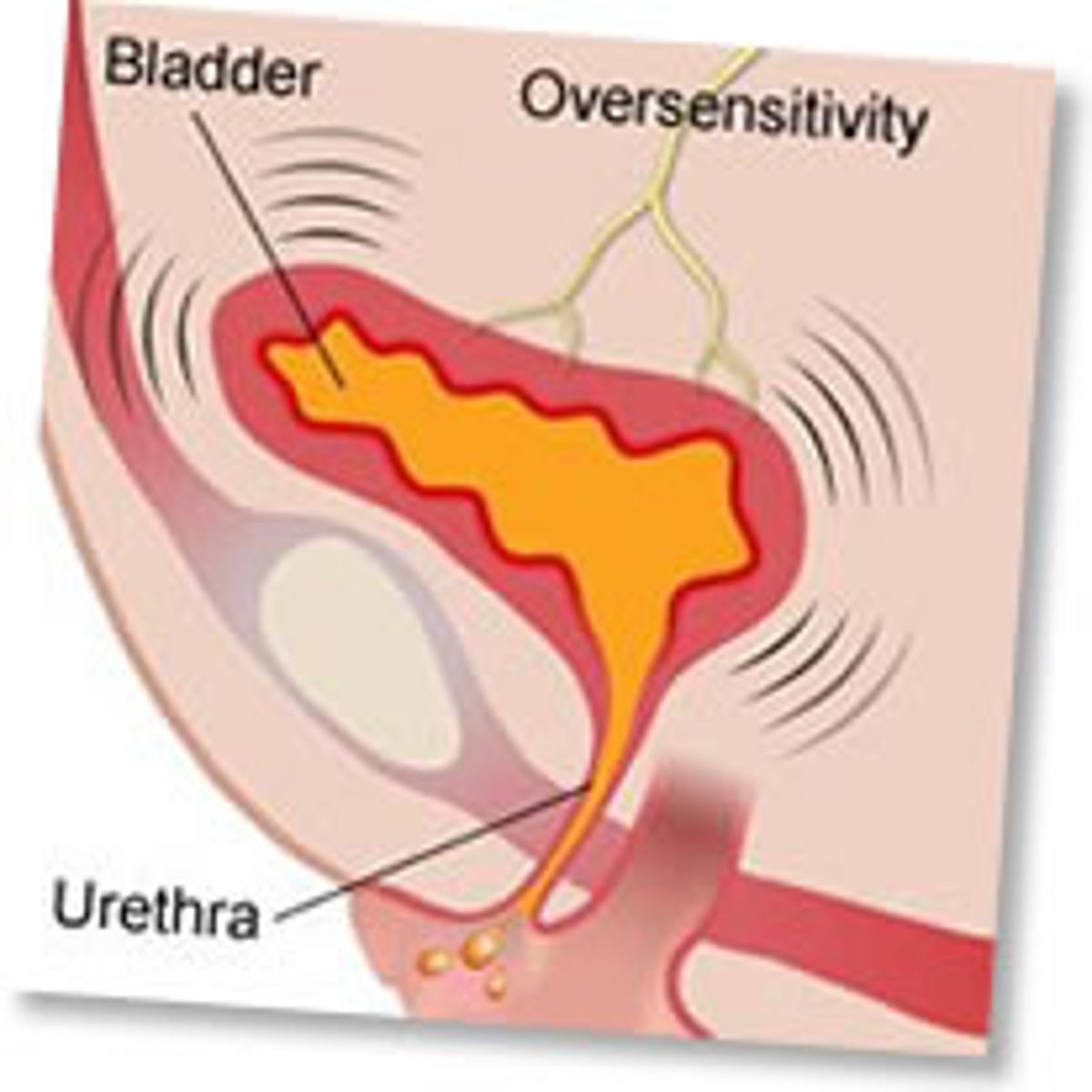
Urinary bladder
Hollow, muscular sac that holds and stores urine
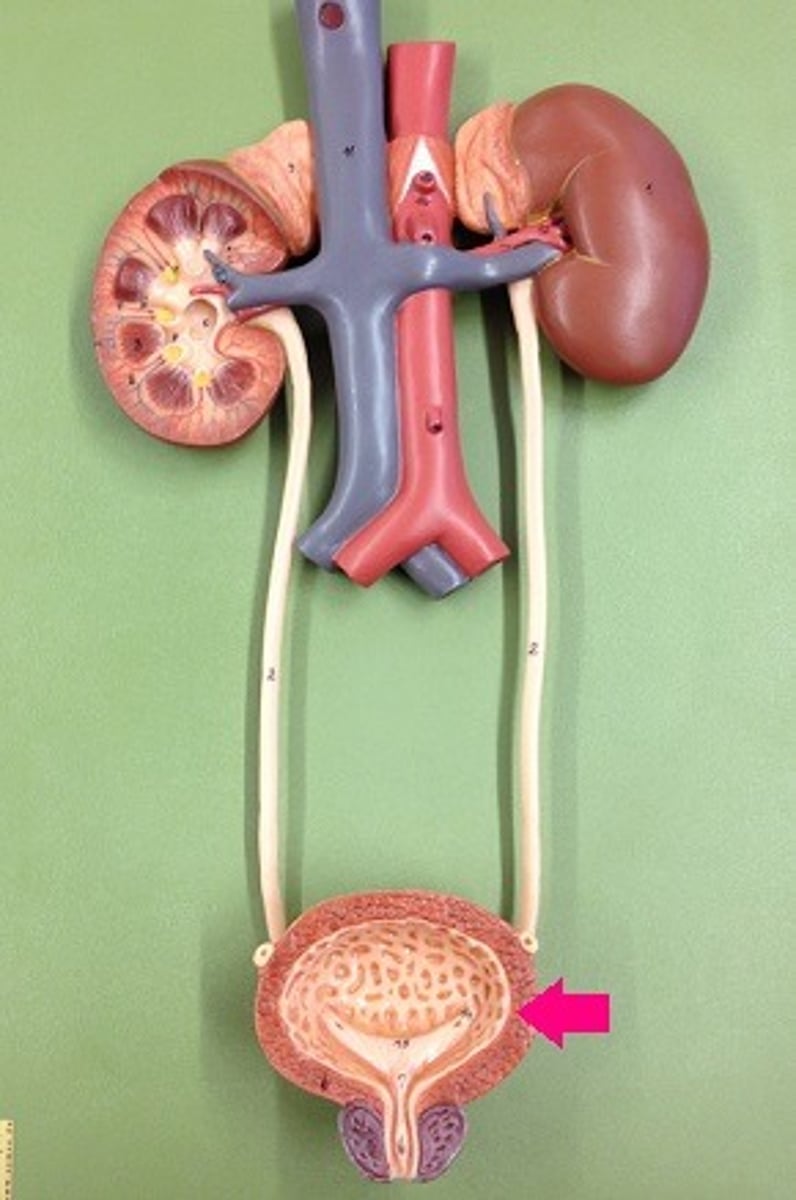
Urination (voiding)
Process of expelling urine; also micturition
acetone
a type of ketone body
albuminuria
presence of albumin in urine
antidiuretic hormone
hormone from pituitary gland that acts on renal tubules to promote water reabsorption
anuria
failure of the kidneys to produce urine
arteriole
small artery
azotemia
abnormal elevation of blood urea nitrogen (BUN)
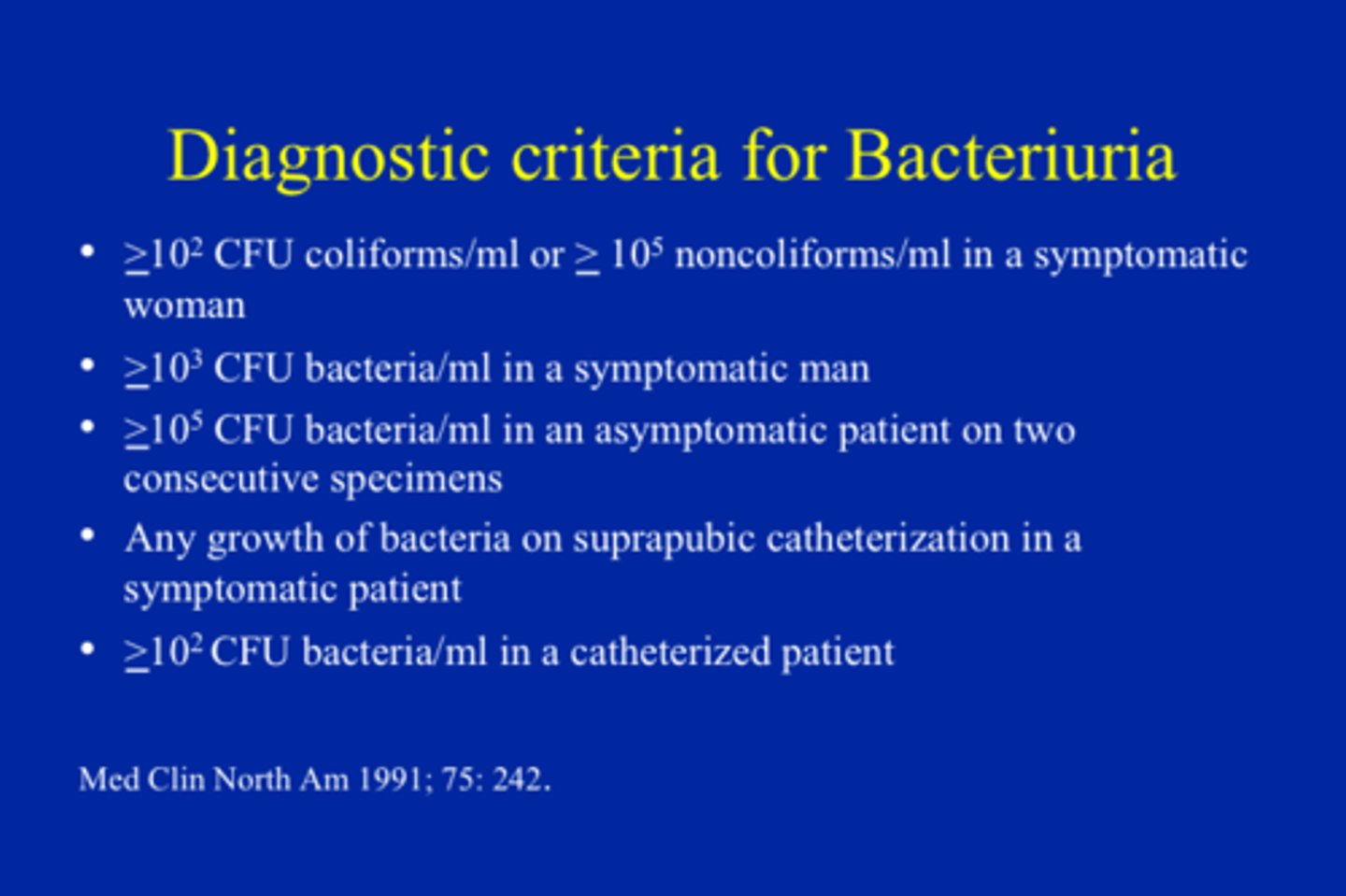
bacteriuria
bacteria in the urine (sign of a UTI)
calciferol
active from of Vitamin D secreted by the kidney
caliceal
relating to the calyx
caliectasis
dilation of the calices so that urine becomes backed up
calyx
cup-like collecting region of the renal pelvis
catheter
tube for injecting or removing fluids
cortex
outer region of an organ
cortical
pertaining to the cortex
creatinine
nitrogenous waste excreted in urine
creatinine clearance
measure of the efficiency of the kidneys in removing creatinine from the blood
CT urography
x-ray images obtained using computed tomography show multiple cross-sectional and other views of the kidney
cystectomy
surgical removal of all or part of the urinary bladder
cystitis
inflammation of the bladder
cystoscopy
direct visual examination of the urethra and urinary bladder with an endoscope
cystotomy
opening is made into the urinary bladder from the outside of the body
diabetes insipidus
antidiuretic hormone is not secreted, or there is a kidney resistance to it
diabetes mellitus
insulin is not secreted adequately, or tissues are resistant to its effects
diuresis
increased or excessive production of urine
dysuria
painful or difficult urination
edema
swelling caused by fluid in tissue spaces
electrolyte
chemical element that carries an electrical charge when dissolved in water
enuresis
bed-wetting
erythropoietin
hormone secreted by the kidney to stimulate the production of RBCs by bone marrow
essential hypertension
high blood pressure that doesn't have a known secondary cause
filtration
process whereby some substances, but not all, pass through a filter
glomerular capsule
enclosing structure surrounding each glomerulus
glomerulonephritis
inflammation of the glomeruli within the kidney
glomerulus
tiny ball of capillaries in the kidney
glycosuria
excess of sugar in the urine
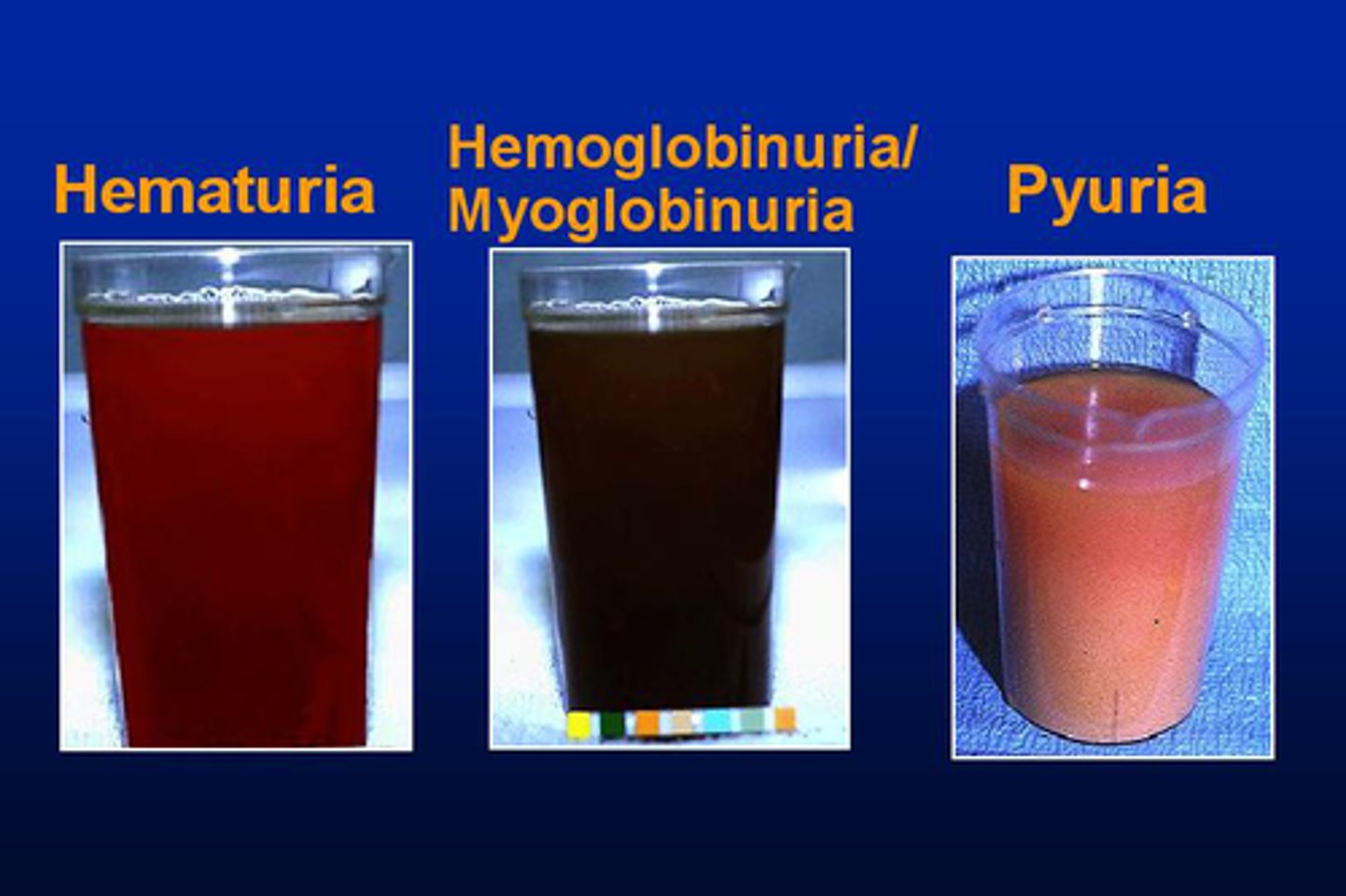
hematuria
presence of blood in the urine
hemodialysis
artificial kidney machine receives waste-filled blood from the bloodstream, filters it through an artificial porous membrane, and returns the dialyzed blood to the body
hilum
depression in an organ where blood vessels and nerves enter and leave
hydronephrosis
excess fluid in kidney due to backup of urine
hyperkalemia
high levels of potassium in the blood
hyponatremia
low levels of sodium in the blood
interstitial nephritis
inflammation of the connective tissue that lies between the renal tubules
intravesical
within the bladder
ketonuria
the excretion of abnormally large amounts of ketone bodies in the urine