PM Unit 3
 Call Kai
 Learn
Learn Practice Test
 Spaced Repetition
 Match
Match Flashcards
 Knowt Play
1/83

There's no tags or description
Looks like no tags are added yet.
Name | Mastery | Learn | Test | Matching | Spaced | Call with Kai |
|---|
No analytics yet
Send a link to your students to track their progress
84 Terms
Planning
developing a detailed roadmap of the project’s scope, goals, resources, and timelines
PMI defines “quality” as:
the degree to which a set of inherent characteristics fulfills requirements
Project Management Quality Plan
outlines how quality will be managed throughout a project.
project quality is achieved when a project’s deliverables and processes meet the project’s standards, specifications, and stakeholder expectations.
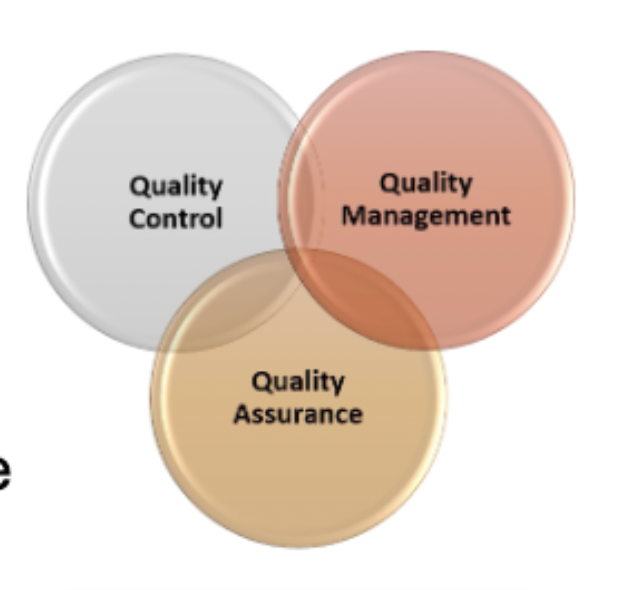
Three elements of a quality plan
Quality Control
Quality Management
Quality Assurance
Quality Planning
the process of identifying quality standards and quality objectives and documenting how the project will achieve them
quality objectives: defines measurable project quality goals
Quality Assurance (QA)
a proactive process that ensures the project’s processes are being followed correctly and deliverables will meet quality standards
focuses on preventing defects
Quality Control (QC)
a reactive process that monitors and measures project deliverables to ensure they meet defined quality requirements
detects defects in outputs and ensures deliverables meet the standards
Verification
a set or activities that compares a system or system element against the required characteristics
is this system right
Validation
confirmation through the provision of objective evidence that the stakeholder requirements for a specific intended use or application have been fulfilled
is this the right system
Key components of the quality plan
setting quality objectives
specifying roles and responsibilities
outlining applicable standards: identifies applicable industry standards, company policies, and regulatory requirements
outlining quality assurance activities: quality checks, audits, process reviews
setting quality control activities: inspections and tests to identify defects in deliverables
handling non conformance/implementing continuous improvement
Industrial Standard and Regulations
Industrial standards and regulations company standards have a major impact on quality assurance because they define minimum “quality” and safety standards
define quality and safety regulations and acceptance criteria
establish inspection and testing methods
require documentation, traceability, and records
require certified personnel, inspections, and audits
standardize processes across projects and manufacturers
reduce safety, legal, and performance risk
regulations make compliance mandatory by law
standards often become mandatory when referenced by regulations or contracts (General Duty Clause, Tort Claims)
non compliance can result in fines, shutdowns, liability, or product rejection
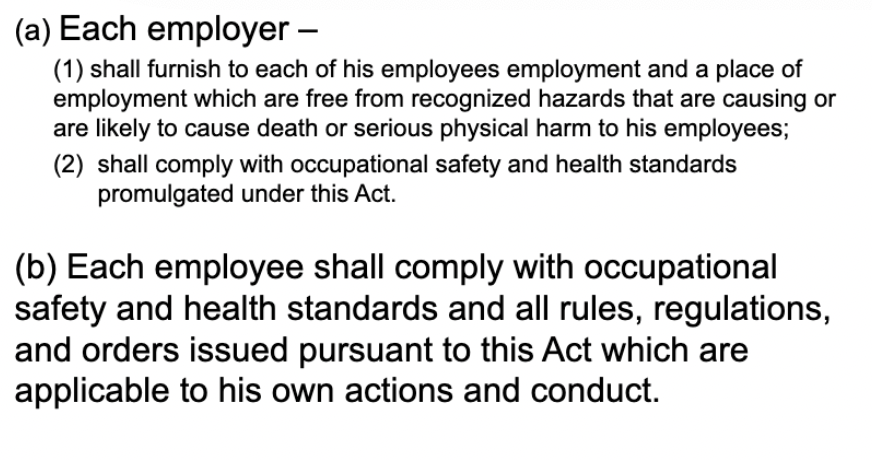
General Duty Clause
Process Standards and Regulations
ASME (American Society of Mechanical Engineers): Develops codes and standards for mechanical systems, including pressure vessels, piping, and elevators
API (American Petroleum Institute): standards for the oil and gas industry, equipment, and safety guidelines
ANSI/RIA R15.06: safety requirements for industrial robots and robot systems
NEC (National Electronic Code): standard for electrical wiring and installations in the United States, maintained by the NFPA (national fire protection association)
ISO (international Organization for Standardization): international standards across various industries
Consumer Product Development Regulations
the CPSC (Consumer Product Safety Commission) regulates consumer products to protect the public from unreasonable risks of injury or death
mechanical safety: products must not have moving parts, sharp edges, or pinch points that could injure users
electrical safety: electrical products must not be designed to prevent shocks, fires, or burns
labeling/instructions: clear labels and instructions are required, including warnings, age restrictions, and usage directions
recall/corrective action compliance: manufacturers must have systems in place to recall unsafe products and notify customers
Quality Assurance (QA) Acitvities
Professional Engineer (PE) Stamp: PE stamp verifies that the design process meets engineering standards, codes, and safety requirements before construction
Engineering Drawing Checking
Welding Standards/Certified Welders: piping and structural
Constructibility Review: a systematic process of evaluating design to identify issues before construction begins. typically involves input from engineers, contractors, and project managers to ensure that the design is practical and feasible for construction
Engineering Drawing Checking
engineering revisions: Rev A, B, etc
Released for Construction: Rev 0
Updates: Rev 1, 2, etc
as built or record drawings: the final set of drawings that reflect all modifications, changes, and deviations made during construction
Quality Control: Construction
quality control uses inspections and testing to verify that materials, workmanship, and finished products meet industrial standards and regulatory requirements
geotech testing: variety of tests to confirm soil properties for foundation design
concrete cylinder test: drawing concrete cylinders for compressive strength to ensure the concrete mix meets required specs
x ray weld inspection: radiographic testing (RT), non destructive testing method used to asses the integrity of welds
hydrostatic testing: 1.5x piping and vessels
Quality Control: Product Development
in product development, QC testing ensures that the product meets specs, performs reliably, and is safe before it reaches the customer
functional testing: verifies that the product performs as intended
performance/load testing: checks how the product performs under normal and extreme conditions
durability/life cycle/Environmental testing: measures how long the product lasts under repeated use
regulatory compliance testing: ensures product meets industry or government standards
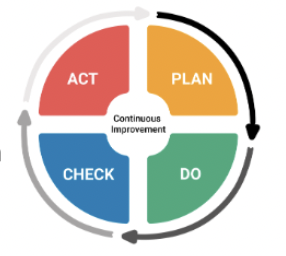
in Project Quality Management, PDCA:
Plan: develop project quality management plan and plan quality assurance and QC activities
Do (Execute the project work): implement quality assurance processes, follow quality procedures and standards, perform training, process audits, and process improvements
Check: perform QC by conducting inspections, testing, and measurements. identify defects and nonconformance
Act: implement corrective actions, fix defects and improve processes, apply lessons learned for continuous improvement
the QA/QC process is for continuous improvement
Seven Quality Tools to implement corrective actions (Act)
fishbone/Ishikawa diagram: identify root causes
check sheet: collect and organize data
control chart: monitor process stability over time
histogram: show data distribution
pareto chart: identify more significant problems (80/20 rule)
scatter diagram: show relationships between two variables
flowchart: show process steps and workflow
these are used to identify, analyze, and prioritize quality problems in projects. They help find issues by organizing data, identifying root causes, and monitoring process performance
Importance of Communication per PMI
“Nothing is more important to the success of a project than effective communication… About 90% of the time in a project is spent on communication by the project manager”
Communication Channels
pathway through which information flows between stakeholders in a project
PMI formula for communication channels
Number of Channels = n(n-1)/2
n = number of stakeholders
PMI emphasizes:
more stakeholders → more communication channels
more channels → greater risk of miscommunication
managing communication complexity is a key responsibility of the project manager
Communication Management Plan
according to PMI, “the communication management plan outlines how project communications to the stakeholder will be structures and executed”
(stakeholder power-interest grid, RACI chart)
The stakeholder
Stakeholders are persons or organizations who are actively involved in the project or whose interests may be positively or negatively affected by the performance or completion of the project” -PMBoK Guide
Components of the Communication Plan
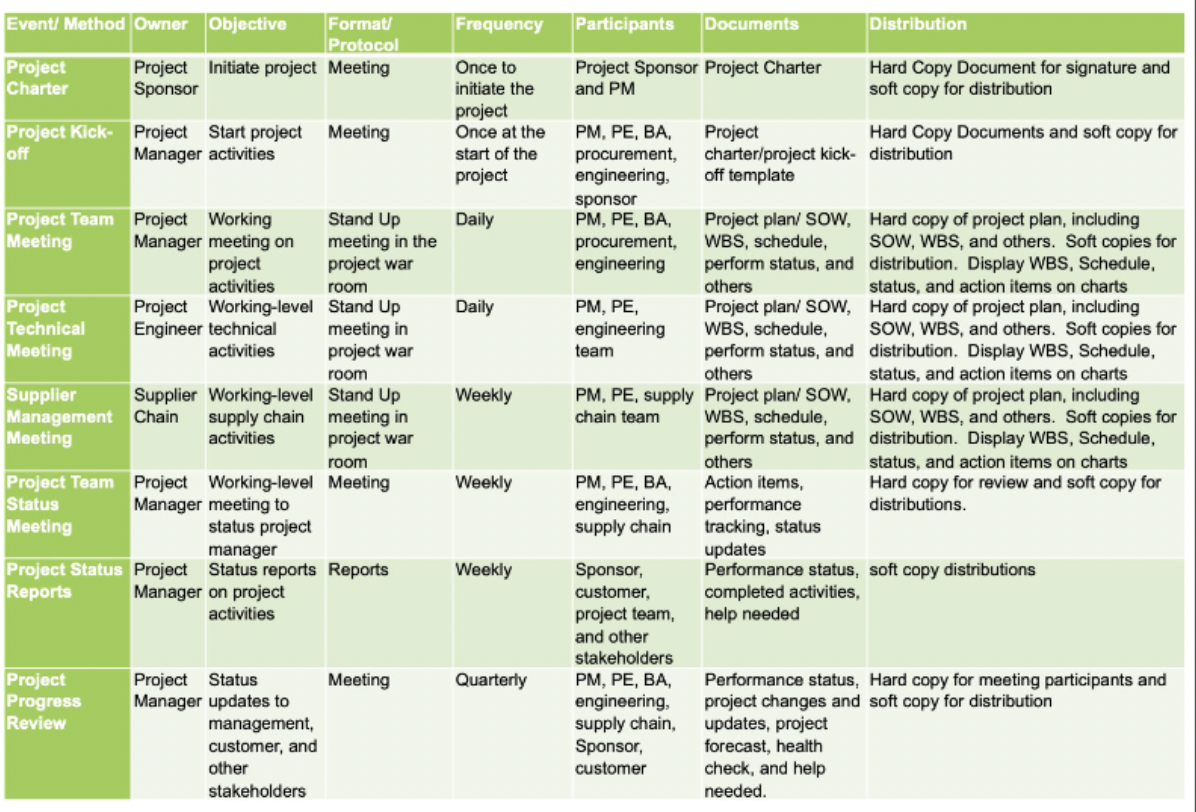
ID of key stakeholders and their information needs
type of information (status updates, technical reports, risk reports, etc)
frequency and timing: how often communications occur (daily, weekly, monthly)
roles and responsibilities: who is responsible for sending, receiving, and approving communications? archiving and storing copies of project information
Project Communication Venues
informal communication: emails/meetings, documentation
formal communication: monthly reports
presentations/reviews: executives, stakeholders
external communication: company publicity, handling bad news
Communication Plan chart
Communication tips
know your audience: tailor communication to the stakeholder’s needs, consider cultural and organizational differences
choose the right communication method: formal reports for major decisions and project status updates, emails for routine updates and documentation
keep it clear, concise, professional: keep written records of decisions, risks, and changes
Communication with Executives: Monthly Reports
executive summary: one paragraph overview of project progress, overall project health (on track, at risk, delayed)
project status: schedule update (% completion), budget status (actual vs planned), scope status (any changes)
key accomplishments: major deliverables completed
concerns, risks, and issues (with solutions)
next steps and upcoming milestones
project team daily standup meetings
held at the start of each day
quick (15 mins) to the point
safety issues and concerns
an update on status: team members give a quick run through of yesterdays progress and todays next steps
look ahead
log issues
discuss any further problems outside of the meeting
Reasons for conducting a meeting
Good reasons to meet:
clarify information
solve problems (brainstorm)
develop ideas
make decisions
delegate work or authority
inspire and gain commitment
“Hidden” reasons to meet:
to share risk and avoid responsibility
because the problem is there
because its mandated
the provide one way information sharing: no input, no consultation
Two general types of meetings: formal and informal
informal: unstructured
unplanned/ad hoc
problem solving
spur of the moment
usually in house
formal: structured
planned
multi-purpose
in house/external/third party
Rules for informal meetings
State purpose, standup
stay on topic
big topic? inadequate information? no decision maker? → adjourn and reschedule
avoid multitasking like checking phone or email
follow up: even if the meeting was informal, make sure theres a summary or follow up actions sent afterward
Formal Meetings
Project kickoff meeting
monthly meeting
presentation to management
budget review meeting
team meeting
town hall meeting
bid meetings
contract negotiation
stakeholder engagement meeting
Steps in the meeting process
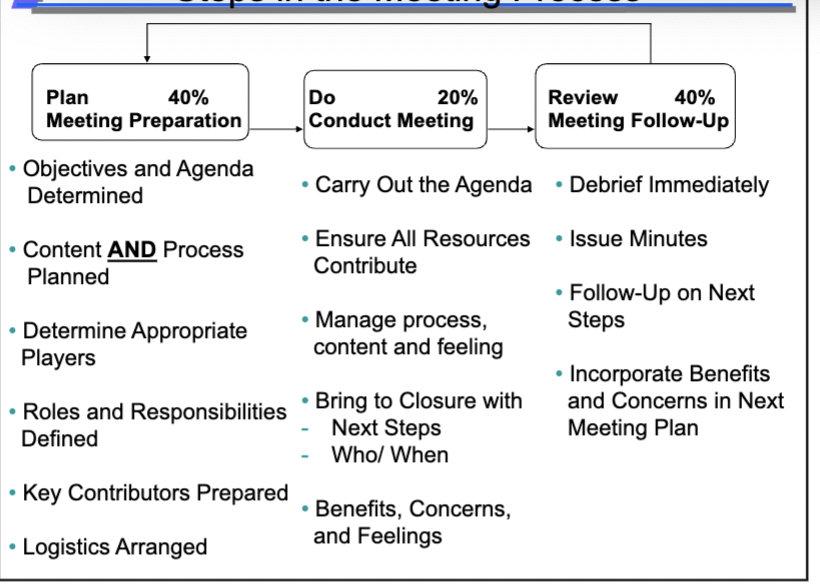
Basic steps for planning a meeting
decide what you want to accomplish by means of the meeting
analyze the group who will attend interest, expectations, levels of knowledge, responsibility/accountability or skill
the most powerful meeting planning tool: The Agenda (discussion item and duration, how will you present each part of the agenda for maximum effectiveness, how can your plan be derailed)
plan what you will do after the meeting to make results happen
pre-issue meeting agenda, issues, materials to key participants, sponsors
Boarding issues
second most powerful tool in a structured meeting is the board. board issues, action items, and points on a flip chart or white board or ppt
Making meeting effective
effective agenda (PMs job): identify time, date, place, and participants, schedule items in order of importance, set a time contract, distribute in advance
setup: pick a good meeting spot, arrive early
do: stay on the process, facilitator
meeting notes (PMs job): note decisions, close the loop (who does what by when)
Benefits and Concerns (B&C)
at the end of the meeting, ask what benefits and concerns arose from the meeting
this is helpful because:
captures things that went well and the opportunities for improvement
allows team members to address feelings inside the meeting
helps the team see successes and accomplishments as they occur (continuous improvement, sets next steps)
feedback mechanism for team
Project Cost Management
the process of planning, estimating, budgeting, managing, and controlling project costs so the project can be completed within the approved budget
Four Main processes of Project Cost Management
plan cost management: determine how project costs will be planned, managed, and controlled
estimate costs: develop an estimate of the costs required to complete project activities
determine budget: aggregate estimated costs to establish the authorized cost baseline
control costs: monitor project costs and manage changes to the cost baseline
Cost Estimate
an approximation of the money required to complete a project
Cost Baseline
the approved version of the project budget, used to measure and track cost performance
Contingency
budget set aside for identified risks that may occur during the project (controlled by PM)
Control Threshold
a predefined limit of acceptable cost variance from the budget baseline that triggers corrective action
management reserve
budget set aside for unforeseen work or unknown risks, controlled by executives (Project Sponsor)
variance
the difference between what was planned or budgeted and what was spent
variance = plan - actual
Financial Accounting
focuses on the entire organization; used for taxes and company financial statements
tracks revenue, expenses, assets, and liabilities
accrual principle: transactions are recorded when the work is performed or the cost is incurred
reports by fixed time cycle (monthly, quarterly, yearly)
Project Accounting
focuses on individual projects
tracks budget, committed costs (POs/contracts issued) and actual cost
compares budget vs committed vs actual spent
time flexible: reporting can be weekly, daily, or at project milestones
used by PMs for planning, monitoring, and cost control
Wideman’s Estimating Accuracy
estimating accuracy improves as engineering information increases. Early, limited data force the use of high level estimating methods with wide uncertainty, while detailed engineering provides precise quantities and specifications that reduce assumptions, contingency, and uncertainty
Detailed (Bottom up) Estimating
a cost estimating technique that develops estimates by reviewing scope and WBS, identifying resources, labor, materials, equipment, and subcontractor needs (take off on all components).
aggregating the estimates to determine total project cost and duration
Project Budget
the purpose of a project budget is to plan project spending, establish a cost baseline, and provide a tool to monitor and control project costs
the initial budget is the project baseline divided into Code of Accounts and converted into time based cash flows
as cost variance approaches the control threshold, the PM implements corrective action.
Code of Accounts
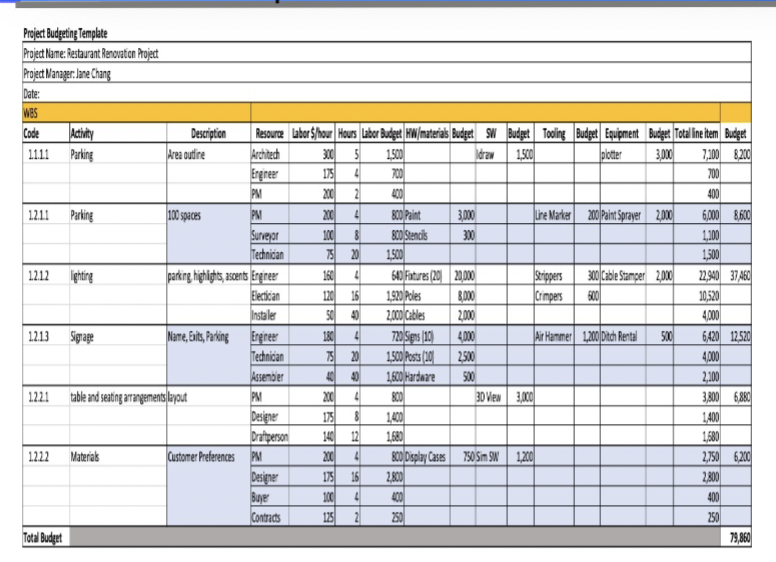
Cost Variance Reporting
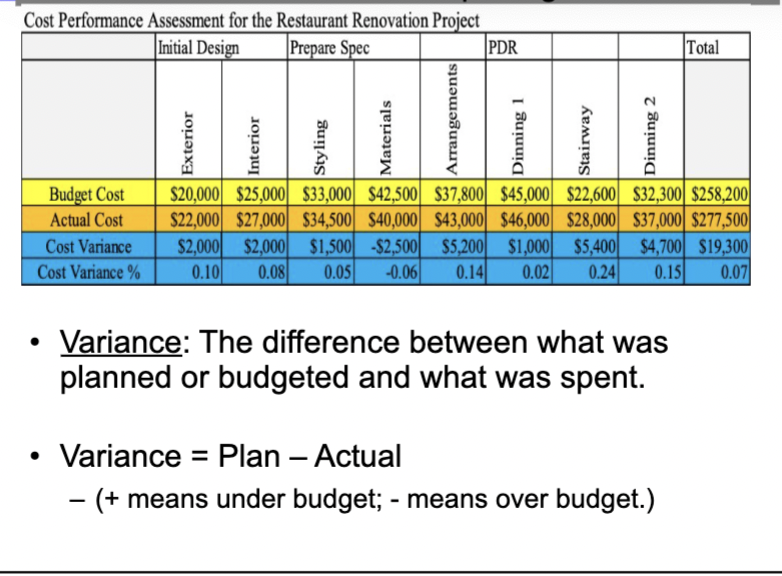
cash flow
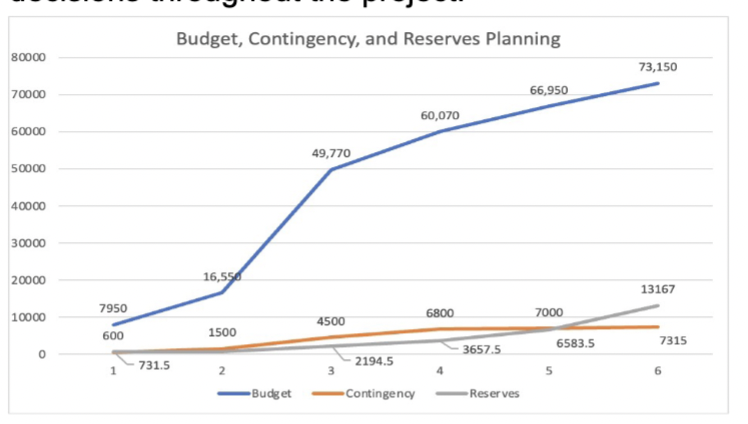
a project budget is a time phased estimate of the total project cost used to fund the project. It helps predict future cost performance and guide financial decisions throughout the project.
Trend analysis
the process of analyzing project cost performance over time to determine whether costs are increasing, decreasing, or staying stable, and to forecast future project costs
the purpose is to detect problems early in cost or schedule and enable corrective actions
Cost Control Threshold
a predefined limit of acceptable cost variance from the project’s cost baseline that triggers corrective action
Cost Variance vs Cost Trending
Cost variance tells the PM if the project is currently over or under budget → backward looking
Cost Trending shows whether costs are increasing, decreasing, or staying stable over time → proactive
Change Management Plan
establishing a formal change process. defines are changes are requested, reviewed, approved, or rejected
offers a structured framework for evaluating and implementing necessary changes effectively—good for decision making
also good for stakeholder communication because it ensures stakeholders are informed and engaged in change-related decisions. ensures traceability
Major Change Issues
budget change
schedule change
scope changes
If we plan this whole time, why do projects still fail
its not that planning failed, but that reality changes
requirements were not fully known or better information becomes available
Causes and Impact of Scope Change
scoping misalignment or misestimate: contingency/undeveloped design
requirement change: expansion of project scope due to additional features or requirements
stakeholder requests: changes driven by new or revised stakeholder expectations
regulatory or compliance updates: new laws or industry standards requiring modifications
resource availability: changes in personnel, budget, or material constraints
risk management adjustments: responses to identified risks that necessitate modifications
market or business shifts: economic, competitive, or strategic factors requiring project realignment
Two Types of Scope Change
Scope Creep (uncontrolled change)
Managed Scope Change (approved modifications)
Communicate the change
change control procedures, including the steps by which official company standards, policies, plans, and procedures—or any project documents—will be modified, and how any changes will be approved, validated, and communicated.
review, validation, and approval by subject matter expert
sign offs by appropriate SME
review and approval by PM
execute the change
mark with new Rev #
destroy all old versions except for archive copies
Change Management Process Flow
identify need for change: submit change request, formal paperwork signed by requestor
perform impact analysis: impact to scope, schedule, and/or budget
review by project manager: or Change Control Board (CCB), approve or reject, add to change log
communicate change
implement change
update project documents
Change Order Form
request submission - a stakeholder submits a change request detailing the modification needed
initial review - the PM assess the request
Impact analysis - the team evaluates the effect of the change on scope, schedule, budget, resources, and risks; makes recommendation
Approval or Rejection - the PM or CMB approves, rejects, or requests modifications to the change. if the change is significant the PM submits the change to the appropriate decision making authority
implementation planning - is approved, an updated project plan is integrated
Execution and Documentation - change is implemented, progress is monitored, and records are updated to ensure traceability
Closure and Communication - stakeholders are informed, and the final impact of the change is reviewed to confirm successful integration; change order log
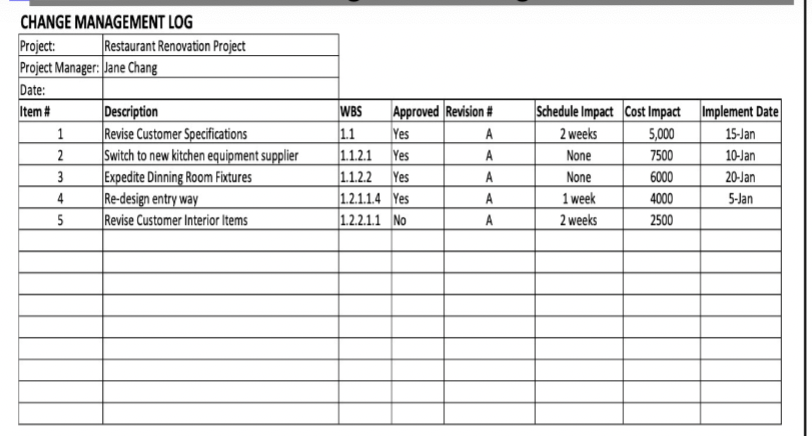
Change Order Log
a project document used to record and track all change requests, approvals, cost impacts, and schedule impacts throughout the project