Peds Exam 2
 Call Kai
 Learn
Learn Practice Test
 Spaced Repetition
 Match
Match Flashcards
 Knowt Play
1/63

There's no tags or description
Looks like no tags are added yet.
Name | Mastery | Learn | Test | Matching | Spaced | Call with Kai |
|---|
No analytics yet
Send a link to your students to track their progress
64 Terms
MMR and varicella vaccination age
12-15 months
Tdap vaccination age
11-12
when does flu vaccination begin?
6mo, yearly after
vaccines completed in early childhood
DTaP
Hib
Hep B
PCV-pneumococcal
IPV-polio
RV-rotavirus
MMR
varicella
Hep A
nursing considerations for vaccines
rash or fever 2-3 weeks after
do not give if child is immunocompromised or allergic
Gardasil can be cloudy
Kolpick spots = sign of measles
palliative vs hospice care
palliative
pain and symptom relief while curative tx continues
physical comfort
family support
hospice
provided when child is expected to live for 6> months
emphasis of quality of life rather than curative tx
family centered
often provides care at home
how do preschoolers view death?
view death as temporary
when do children start to understand death
school ages, 9-10
signs of impending death
agonal breathing
coma
mottled skin
complicated grief
grief that lasts >1year with an inability to cope
grief stages
denial
anger
bargaining
depression
nephrotic syndrome manifestations
nephrotic
massive edema
massive proteinuria
HTN
ascites
tachycardia
lethargy
glomerular nephritis manifestations
APSGN
HAD STREP
HTN
antistreptolysin O antibody titer
decreased GFR
swelling of hands and face
tea colored urine
recent strep infection
elevated BUN/creatinine
proteinuria-mild
nephrotic syndrome vs acute glomerulonephritis patho
nephrotic
between ages 2-7
increased permeability of membrane causes basement membranes to lose their charge allowing lagre amounts of proteins out
APSGN
type III sensitivity response after a strep infection whihc causes the body to form antigen-antibody complexes in the glomerulus
poisoning considerations
1st priority = ABCs
PREVENTION
consider developmental level
know poison control number
antidotes for
acetaminophen
CO2
opioids
benzos
digoxin
snake/spider bites
acetaminophen = N-acetylcysteine (Mucomyst)
CO2 = O2
opioids = naloxone (narcan)
benzos = flumazenil (romazicon)
digoxin = digoxin immune fab (digibind)
snake/spider bites = anti-venom
lead poisoning sources
lead paint or paint chips
unglazed pottery
lead pipe water
cigarette butts
ashes and smoke
pool chalk
lead poisoning manifestations
neuro changes
cognitive impairments
change in behavior
kidney and liver damage
lymphoma/leukemia patho and complications
unrestricted proliferation of immature WBC, high number of immature WBC which compete with other healthy cells
complications
anemia
neutropenia
bleeding
infection
ALL
ALL
immature non-fixed lymphoblasts dominate bone marrow production, so it cannot produce enough RBC/platelets, causing anemia, neutropenia, thrombocytopenia, pallor, SOB, and bruising
most common childhood leukemia
AML
AML
increased myeloblasts production causes replacement of malignant myeloblasts in bone marrow leading to depletion of fixed WBC, RBC, and platelets causing s/s of DIC and bleeding
neuroblastoma patho and manifestations
comes from embryonic neuro crest cells in utero that cause malignant cells in the abdomen on the adrenal gland and metastasize early on
firm, irregular, nontender abdominal mass
fever
proptosis(bulging eyes)
increased SNS activity
DO NOT PALPATE ABDOMEN
medulloblastoma manifestations
balance problems
positive Babinski
weakness and spasticity
nystagmus and diplopia
increased BP, decreased RR and HR
ICP
retinoblastoma manifestations
most commonly unilateral
leukocoria (cat eye appearance)
white pupils
poor vision
lazy eye
redness
swelling
involuntary eye movements
ANC equation
ANC = total WBC x (segments + bands)
ANC risk levels
normal: < 1500
minimal: 1000-1500
moderate: 500-1000
severe: <500
normal platelet range
150,000-400,000
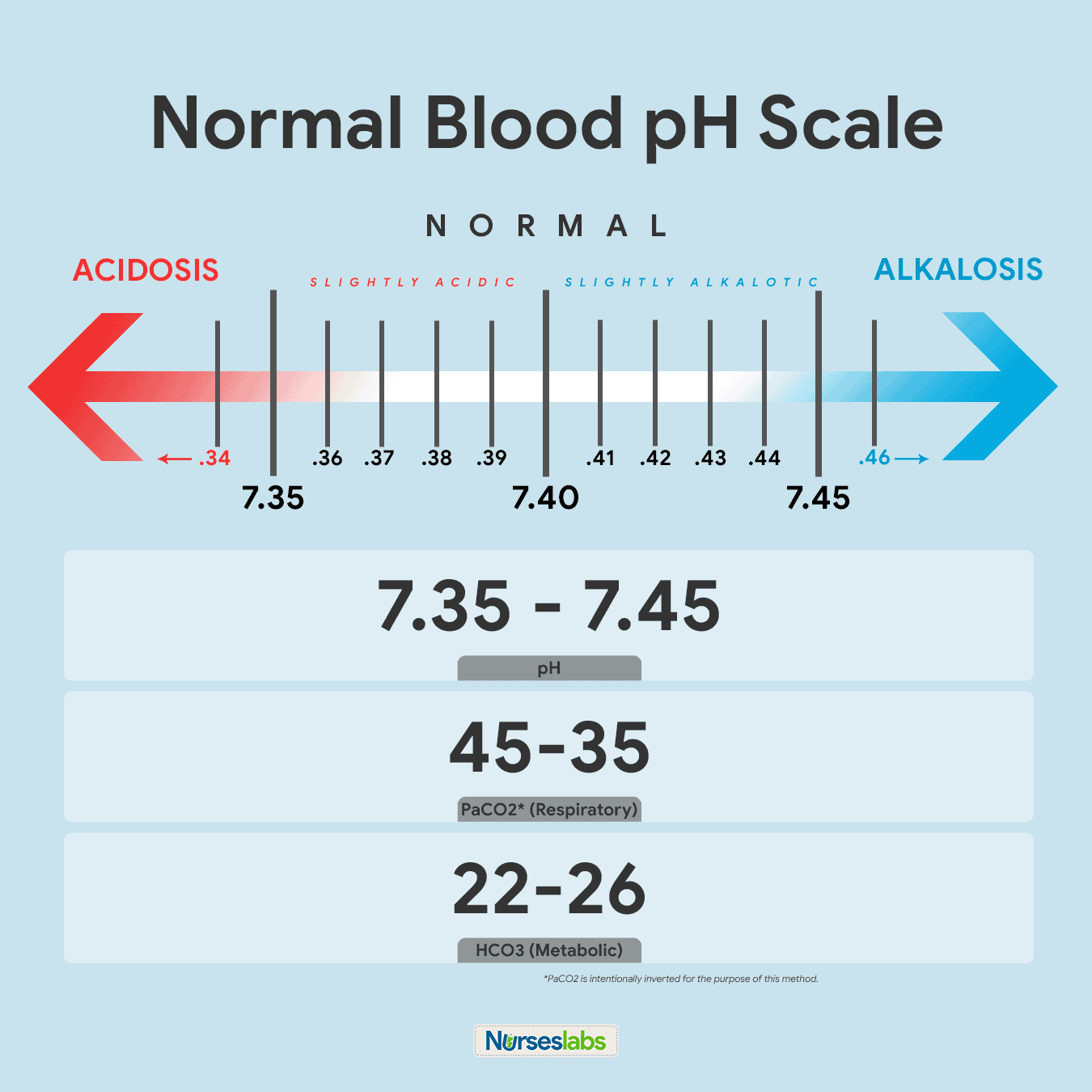
ABG ranges
electrolyte ranges
sodium: 135-145
potassium: 3.5-5
calcium: 8.5-10.5
tumor lysis syndrome complications
can increase potassium, pH, and nucleic acids which leads to kidney failure, cardiac problems, seizures, and more
acne patho
increased sebum and apocrine sweat gland production
open comedone: black head
closed comedone: white head
atopic dermatitis patho/manifestations
IgE sensitization-type 1 hypersensitivity reaction
dry itchy skin
brown and graying hues
red skin
rashes can ooze
typical atopic dermatitis sites
face
neck
elbows
wrists
groin
knees
ankles
atopic dermatitis tx
short baths
moisturize skin
topical steroids
antihistamines
decreased exposure to latex
short nails
avoid triggers
allergic diet
cool compress
hemophilia patho and manifestations
x recessive disorder causing a deficiency of coagulation factor VIII
hemarthrosis
hematuria
bruising
prolonged bleeding time
hemophilia nursing interventions and tx
protect joints- if hemoarthrosis occurs RICE
regular exercise
PT
careful with dental care and procedures
low-impact sports
tx = DDAVP (desmopressin)
sickle cell tx
HOPS
hydration
oxygen
pain relief
support and rest
sickle cell types of crises
vaso occlusive: obstruction caused by RBC, which causes ischemia
acute chest syndrome: occlusion of pulmonary vessels, causes fluid build up
aplastic: not making enough RBC in general
sequestration: blood pooling in liver and spleen
hyperhemolytic: rapid breakdown of RBC
pediculosis treatment
boil combs and brushes
wash everything on high heat
permethrin
malathion
provide comfort and embarrassment
do not share hats
type 1 diabetes
type 1 diabetes
beta cells aren’t able to make insulin
3ps: polyuria, polydipsia, polypahgia
weight loss
blurred vision
tx insulin
type 2 diabetes
type 2 diabetes
insulin resistance
acanthosis nirgicans: dark skin in folds
3ps
tx= metformin, diet and exercise, insulin if more moderate or severe problem
DKA glucose level
>250
HHNS glucose level
>600
rule of 15
used for hypoglycemia
consume 15g of carbs, wait 15 min and reassess glucose levels
teratology of Fallot four factors
PROV
pulmoary stenosis
right ventricular hypertrophy
overriding aorta
ventricular septal defect
primary HTN patho and tx
BP is the result of cardiac output and peripheral vascular resistance
lifestyle changes first
hydrochlorothiazide, ACE inhibitors, ARBs, calcium channel blockers
rheumatic heart disease patho
results from untreated strep infection causing antigen antibody complexes in the mitral valve that are lodged in the mitral valve in the heart
CHDs that cause increased pulmonary BF
patent ductus arteriosus (PDA)
atrial septal defect (ASD)
ventricular septal defect (VSD)
increased pulmonary BF manifestations
tachycardia
frequent respiratory infections
tachypnea
murmur
diaphoresis
heart failure
CHDs that cause decreased pulmonary BF
pulmonic stenosis
tetralogy of Fallot
pulmonary atresia
tricuspid atresia
decreased pulmonary BF manifestations
cyanosis
poor weight gain
hypercapnic episodes
polycythemia
CHDs that cause obstruction to systemic BF
coarctation of the aorta
hypoplastic left heart syndrome
mitral stenosis
interrupted aortic arch
CHDs that cause obstruction to systemic BF manifestations
diminished pulses
delayed cap refill
poor color
heart failure
pulmonary edema
CHDs that cause mixed BF
transposition of the great arteries: need surgery, blood doesn’t mix until surgery
CHDs that cause mixed BF manifestations
cyanosis
poor weight gain
pulmonary congestion
heart failure
iron deficiency anemia patho
RBCs can’t carry enough iron, microcytic hypochromic decreased MCV and MCH
iron deficiency anemia tx
increased iron rich foods: broccoli, red meat, greens, dark chocolate
iron supplements
ferrous sulfate: give with VIT to increase absorption, plenty of fluids, rinse mouth, do not take with calcium
asthma interventions
peak flow meter
asthma action plan
avoid triggers
asthma meds
SABA: albuterol
LABA: salmeterol
IV dexamethasone for extreme cases
leukotreine inhibitor: montelukast
hypersensitivity types
type I: IgE
anaphylaxis
type II: antibodies react to substance from another body
transfusion reaction
type III: antigen antibody complex
post streptococcal glomerular nephritis
type IV: contact
poison ivy
ADHD tx
stimulants
check growth, height, weight, HR, BP
child abuse manifestations
suspicious bruising
blood in underwear/genital pain
torn frenulum
adult sized bite marks
pattern injury-hand, wire hanger, etc
fractured ribs
spiral fractions
purposeful burns
child abuse risk factors
colicky baby
really young or old parents
children with disabilities
poverty
infants
classic shaken baby finding
retinal hemorrhage