L7. Microbial Infections of the Oral Cavity/GI Tract Pt. 2 - Bacterial, Parasitic, and Fungal Infections
 Call Kai
 Learn
Learn Practice Test
 Spaced Repetition
 Match
Match Flashcards
 Knowt Play
1/167

There's no tags or description
Looks like no tags are added yet.
Name | Mastery | Learn | Test | Matching | Spaced | Call with Kai |
|---|
No analytics yet
Send a link to your students to track their progress
168 Terms
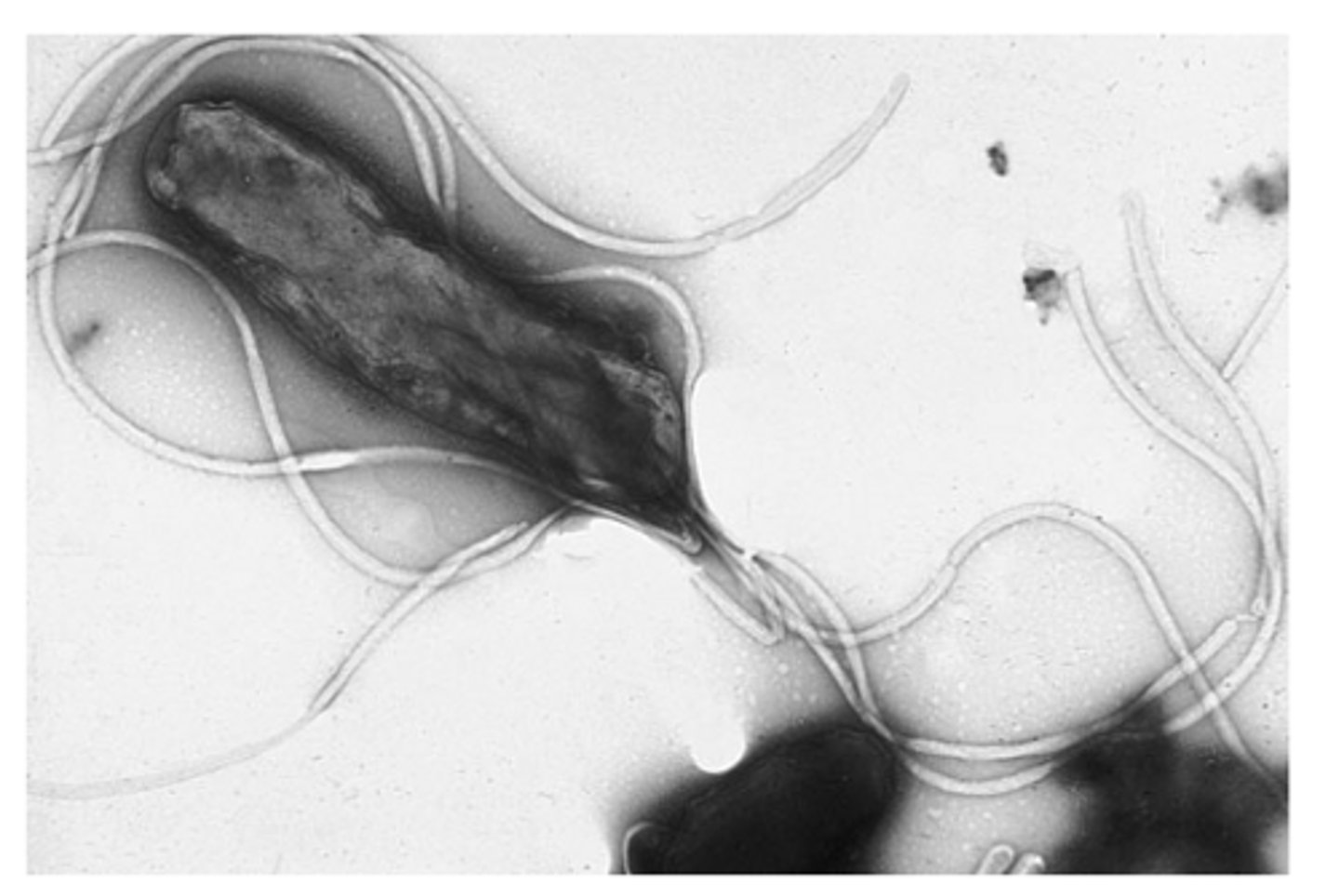
a Gram-negative, spiral-shaped bacterium with a flagellum
Considering its structure and morphology, what is Helicobacter pylori (H. pylori)?
chronic gastritis
What is H. pylori the most frequent cause of?
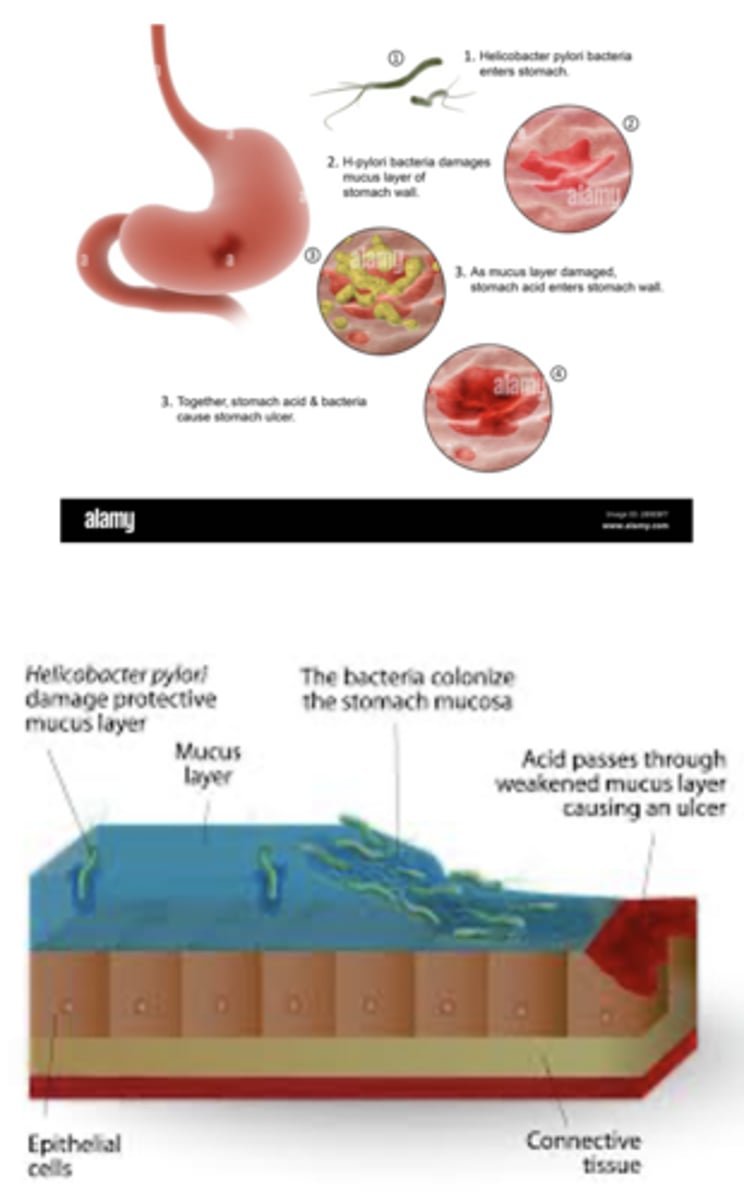
it colonizes gastric epithelium in an acidic environment and grows in the mucus layer that coats the inside of the human stomach
How does H. pylori function to cause chronic gastritis?
Marshall and Warren (awarded Nobel Prize in Physiology/Medicine in 2005 for discovery) invalidated the dogmatic assumption of the acidic stomach as a sterile organ and peptic ulcer as acid-driven
What discovery was made regarding H. pylori and chronic gastritis that defied previous dogmatic assumptions?
severe gastroduodenal conditions
What manifestations can H. pylori infection lead to?
-gastric and duodenal peptic ulcer disease (PUD)
-gastric cancer
-gastric mucosa-associated lymphoid tissue (MALT) lymphoma
What are 3 examples of severe gastroduodenal conditions that H. pylori infection leads to?
~2/3 of the world's population harbors the bacterium
What does the CDC estimate about the prevalence of H. pylori ?
-age
-ethnicity
-associated diseases
-geographic regions,
-socioeconomic status
-hygiene conditions
What 6 things does the prevalence of H. pylori vary substantially with?
varies across racial and ethnic groups (ex: in 1999-2000, ~21% of non-Hispanic Whites, 52% of non-Hispanic Blacks, and 64% of Mexican Americans harbored the bacterium)
How does the prevalence of H. pylori vary in the US?
person-to-person transmission is common within families; especially from mothers and siblings with the infection
What is a common route of H. pylori transmission, and explain?
from person to person through oral contact with saliva (oral–oral), including food sharing among people
How does H. pylori mainly spread?
during childhood
When is the H. pylori bacterium first acquired in most populations?
the pathogen usually persists throughout their lifetime
What happens once individuals acquire an H. pylori infection?
80% (most!)
What fraction of individuals with H. pylori infection remain asymptomatic?
long-lasting inflammation that can lead to atrophic gastritis (thinning of the stomach lining) in many people
What does chronic H. pylori infection cause?
polymorphisms in IL-1β and TLR-1 increase susceptibility to H. pylori infection
What have gene and genome-wide association studies revealed about susceptibility to H. pylori infection?
they cause epithelial cell degeneration and injury within the mucosal layer
How are neutrophils, lymphocytes, plasma cells, and macrophages involved in H. pylori infection?
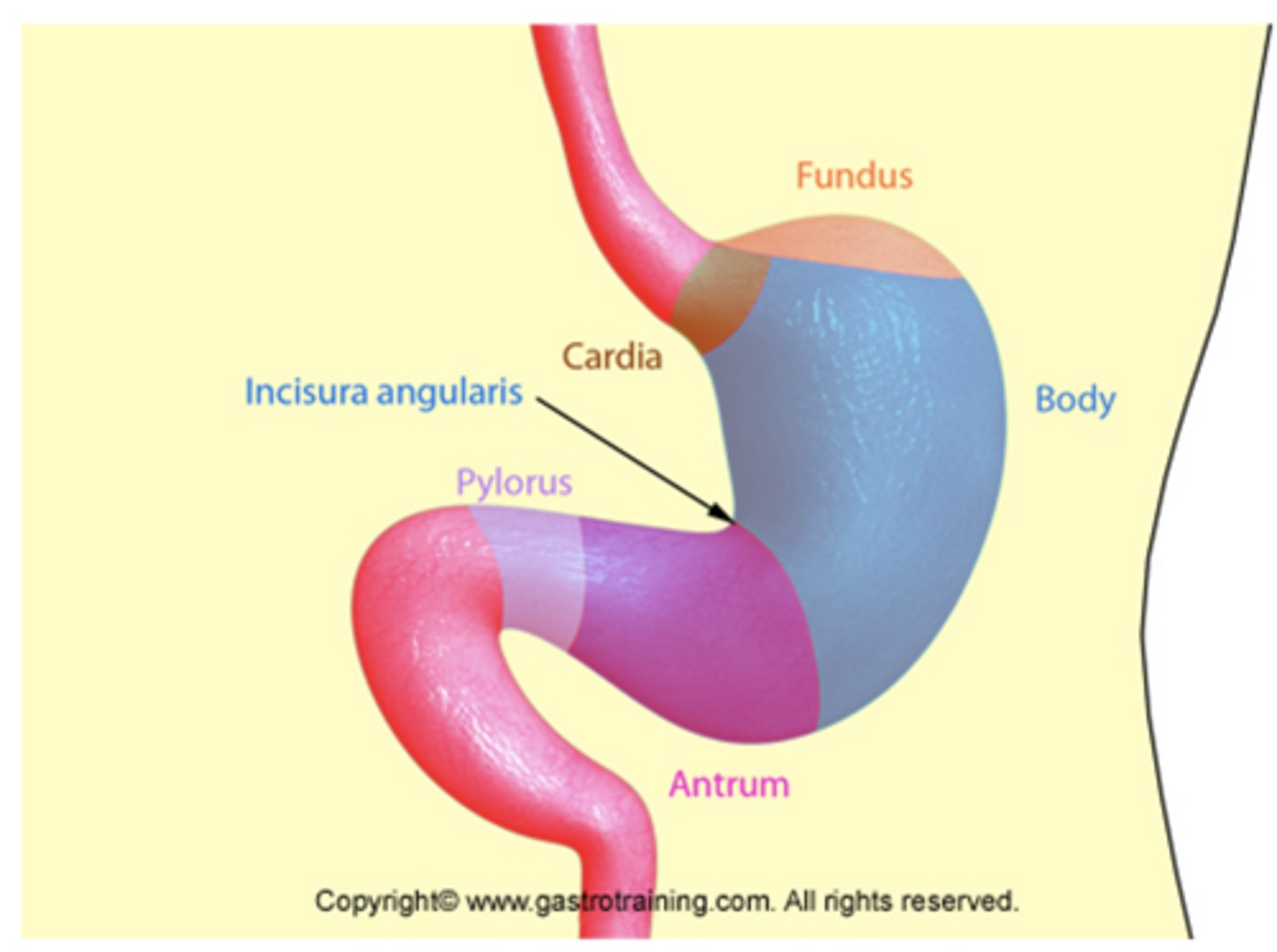
gastritis is usually more severe in the antrum, with little or no inflammation in the corpus (body)
How does the severity of gastritis from H. pylori infection vary throughout the stomach?
peptic ulcer disease (PUD)
What condition is associated with H. pylori infection?
10%
What fraction of individuals with H. pylori infection develop PUD after 10 years?
acid-induced lesions characterized by denuded mucosa with the defect extending into the submucosa or muscularis mucosa
What are peptic ulcers?
1 out of 12 people
What fraction of people does PUD affect in the US?
increasing use of NSAIDs raises the risk of PUD
How can pharmacotherapeutics contribute to PUD?
the combo of H. pylori infection and NSAIDs independently increases the risk by more than sixfold
How does a combination of H. pylori infection and NSAIDs affect the risk of gastroduodenal ulcer and ulcer bleeding?
-dull or burning pain in the stomach (more often a few hours after eating and at night) -> may last minutes to hours and may come and go over several days to weeks
-burping
-bloating
-indigestion (dyspepsia)
-loss of appetite
-unplanned weight loss
-nausea and vomiting (bloody vomit)
-dark stools (from blood in stool)
What are the 8 main symptoms associated with PUD?
perforation
What is a common complication of PUD?
occurs in 2-10% of peptic ulcers -> can present as sudden, severe abdominal pain with hemodynamic instability or shock or sepsis
What is the prevalence and presentation of perforation as a complication of PUD?
if you see blood in stool, these are GI conditions that will cause it:
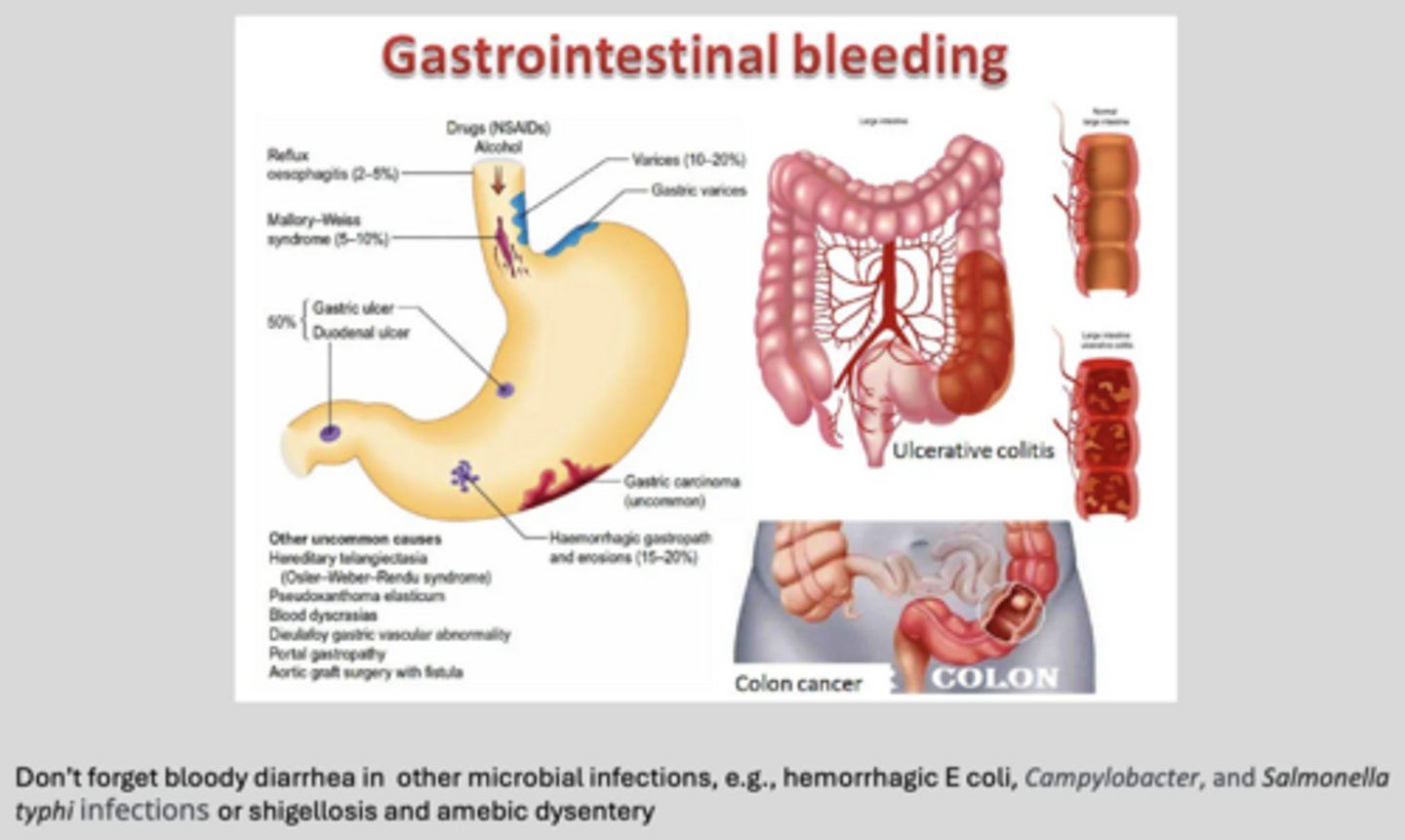
yes; it can migrate to the mouth and cause numerous symptoms
Can H. pylori affect the oral cavity, and explain?
-oral sores -> painful sores in the gums that can lead to bad breath
-tongue discoloration -> some medications used to treat peptic ulcers, such as bismuth subsalicylate, can temporarily turn the tongue black
-lowered salivary pH -> peptic ulcers can cause a decrease in the buffering capacity and flow rate of saliva
-other complications of mouth ulcers
What are 4 main symptoms/manifestations of H. pylori infection in the oral cavity, and explain?
-urease
-motility
-adhesion
-LPS
-vacuolating cytotoxin
-cytotoxin-associated gene A (CagA)
What are the 6 main pathogenic/virulence factors associated with the H. pylori bacterium?
cleaves urea into ammonia and carbon dioxide, allowing survival on the brief exposure to the HCl from the parietal cells in the gastric lumen -> essential for colonization
What is the function of urease in H. pylori, and explain?
flagella rotation is essential for H. pylori's entry into and replication in the mucus layer -> movement is directional in the gastric mucus, with orientation through pH and bicarbonate gradients
What is the function of motility in H. pylori, and explain?
adhesins are used to anchor to the outer surface molecules of gastric epithelial cells -> enables H. pylori to achieve high colonization despite epithelial cell shedding, mucus layer turnover, and physical force in gastric emptying
What is the adhesion like in H. pylori, and explain?
is a PAMP molecule that binds to TLR and activates inflammation
What is the function of LPS in H. pylori?
VacA protein toxin that induces the formation of large intracellular vacuoles -> it inhibits T-cell and B-cell proliferation, causes downregulation of the immune responses to H. pylori infection, and promotes host tolerance to the organism
What is the vacuolating cytotoxin involved in H. pylori infection, and explain its function?
induces inflammation, disrupts tight junctions, and is carcinogenic
What is the function of CagA in H. pylori?
a horizontally acquired 27-31 gene locus
What is the cag pathogenicity island (cagPAI)?
it is the most well-characterized H. pylori virulence determinant and a significant step in the evolution of H. pylori
What is the relevance of the cag pathogenicity island (cagPAI) to H. pylori?
a syringe-like protein complex that spans the bacterial cell envelope and can deliver diverse effector molecules into host cells following adherence
What is CagA (cytotoxin-associated gene A), considering its structure and function?
it is delivered into gastric epithelial cells
What happens to CagA in the GI tract in an H. pylori infection?
it is a carcinogenic protein
What is the clinical significance of CagA being delivered into gastric epithelial cells?
-manipulates intracellular signaling
-induces cytokines and inflammation
-induces and disrupts tight junctions (hummingbird phenotype -> extremely elongated cell-shape)
-promotes neoplastic transformation of gastric epithelial cells
What are the 4 main functions of CagA?
cag+ strains significantly augment the risk for severe gastritis, peptic ulcer disease, atrophic gastritis, and distal gastric cancer compared to that incurred by cag− strains
How do cag+ and cag- strains of H. pylori compare?
classified as a human carcinogen by the World Health Organization’s International Agency for Research on Cancer
What has H. pylori been classified as by a research division of the World Health Organization’s International Agency?
Cag pathogenicity island and gastric adenocarcinoma:
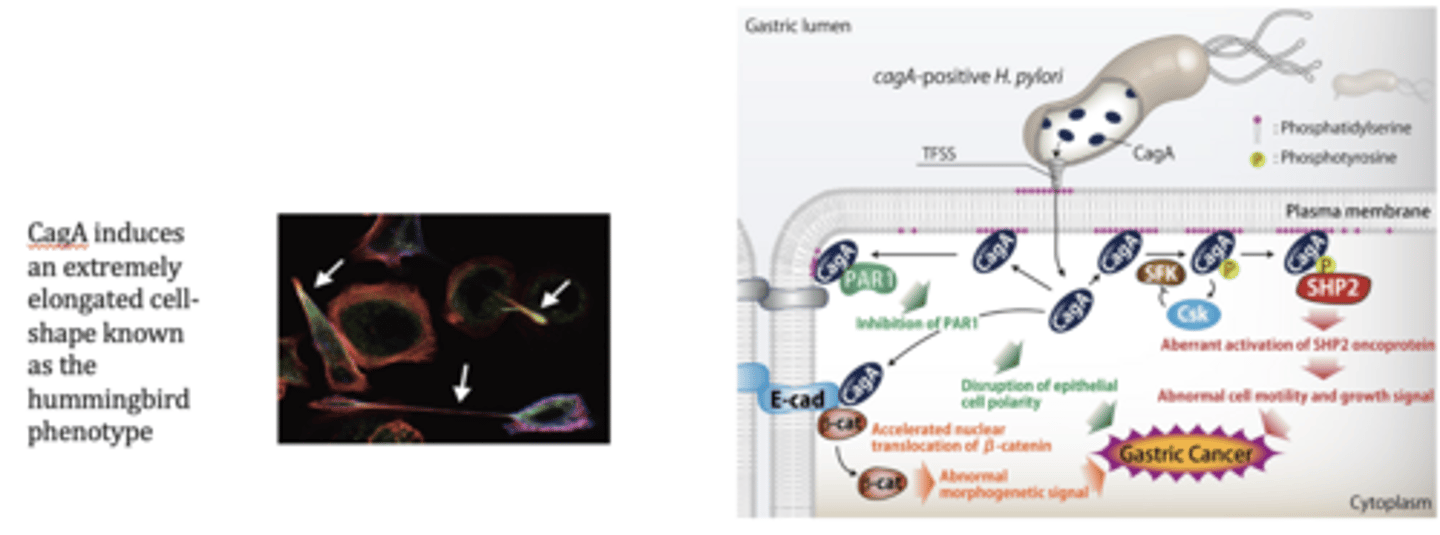
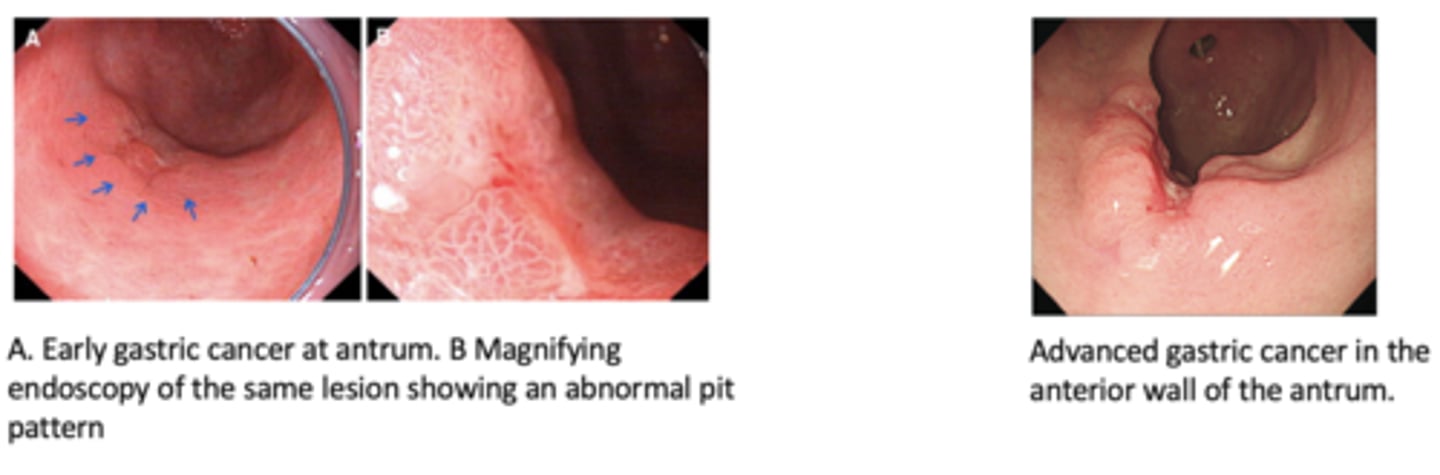
is the fifth most common malignancy
What is the prevalence of gastric cancer?
-approximately 950,000 new cases registered each year
-the 3rd leading cause of cancer-related deaths worldwide, accounting for more than 700,000 victims every year
What are 2 significant statistics regarding gastric cancer?
~90% of gastric cancer cases
What fraction of gastric cancer cases can be attributed to H. pylori infection?
it is the most common cancer in several geographic regions of the world, most notably East Asia
Across the world, what is the prevalence of gastric cancer like?
East Asian countries such as Japan, China, and Korea; the incidence of gastric cancer in these countries is almost 10x higher than that in the US
Where are more than half of the total gastric cancer patients from, and explain?
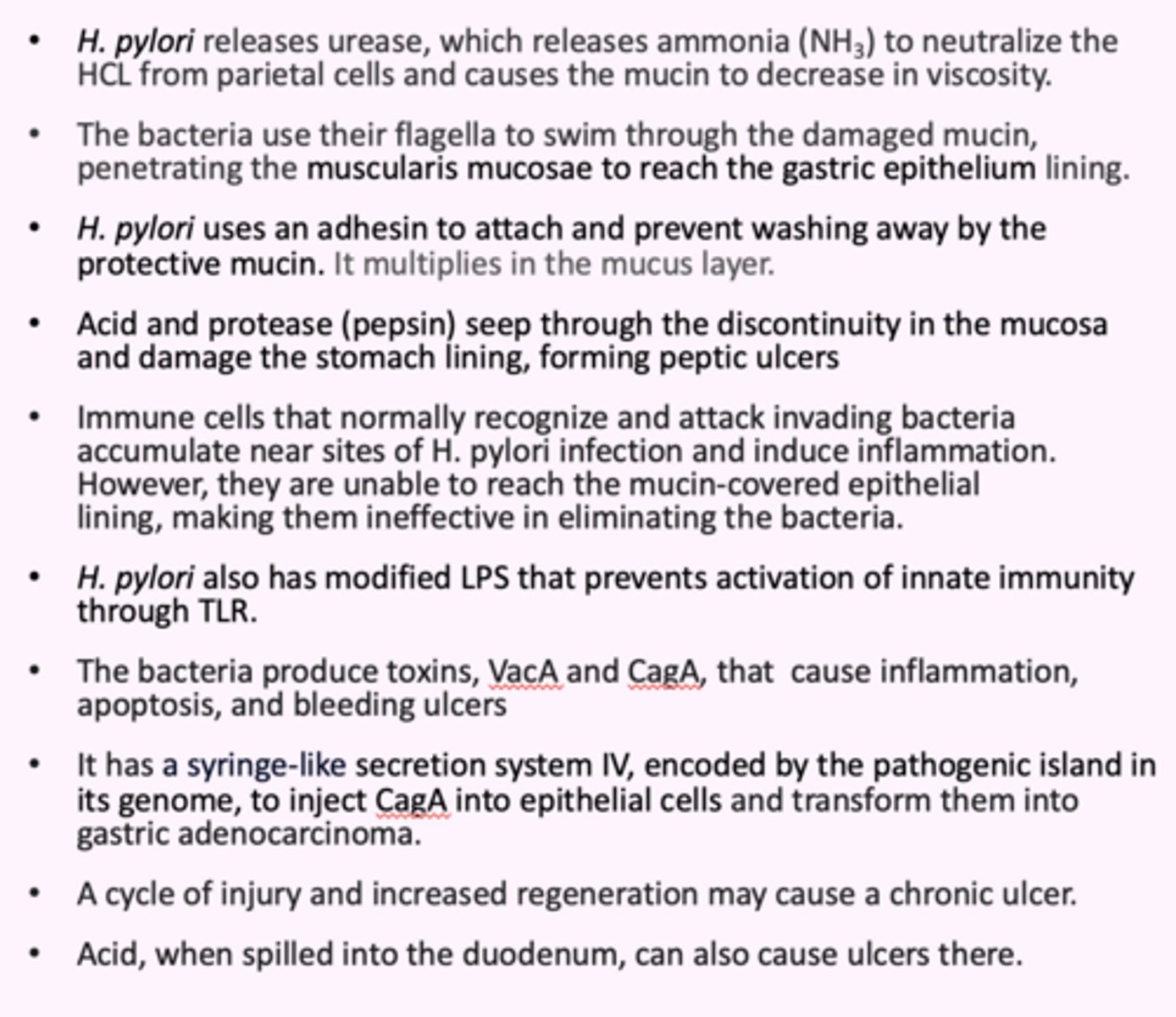
summary of H. pylori pathogenesis:
*iron-deficiency anemia
*itamin B12 deficiency
*idiopathic thrombocytopenic purpura from H. pylori antigen mimicry-induced autoimmunity
What are 3 extra-gastric diseases associated with H. pylori infection?
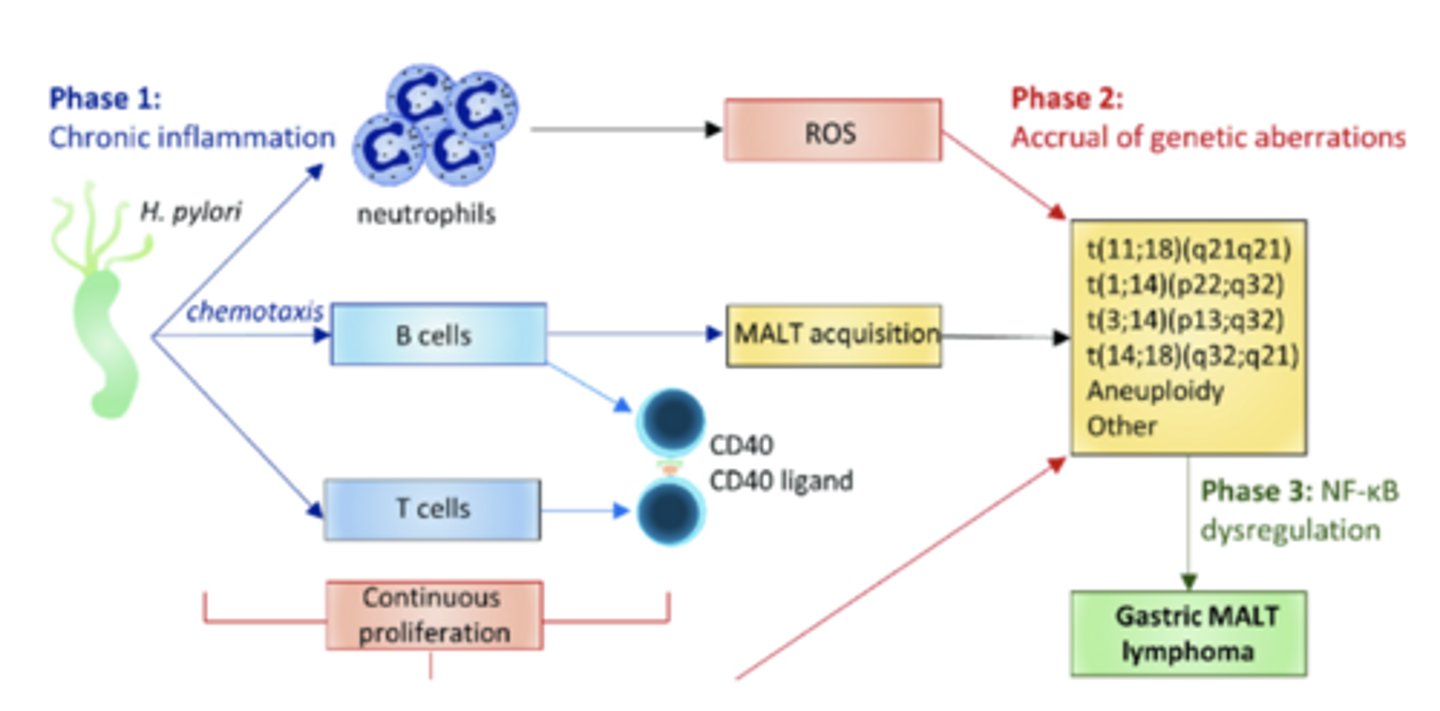
gastric mucosa-associated lymphoid tissue (MALT) lymphoma -> a rare, slow-growing type of non-Hodgkin lymphoma of B-cell origin
-> most of the patients with MALT lymphoma are infected with H. pylori cagA+ strains
What else, besides gastric cancer, is cagA+ H. pylori associated with the development of, and explain?
effects of H. pylori infection:
*asthma and allergy in children
*gastro-esophageal reflux disease (GERD)
*Barrett's esophagus
*esophageal adenocarcinoma
What 4 conditions are inversely associated with H. pylori infection (aka H. pylori infection reduces the risk of developing)?
particularly in the USA and Europe, it does so through its recruitment of immunosuppressive Treg cells to the gastric mucosa and, potentially, other body sites such as the lung
How is H. pylori infection inversely associated with asthma and allergy in children?
they should be tested for H. pylori
What should be done to all patient with peptic ulcers?
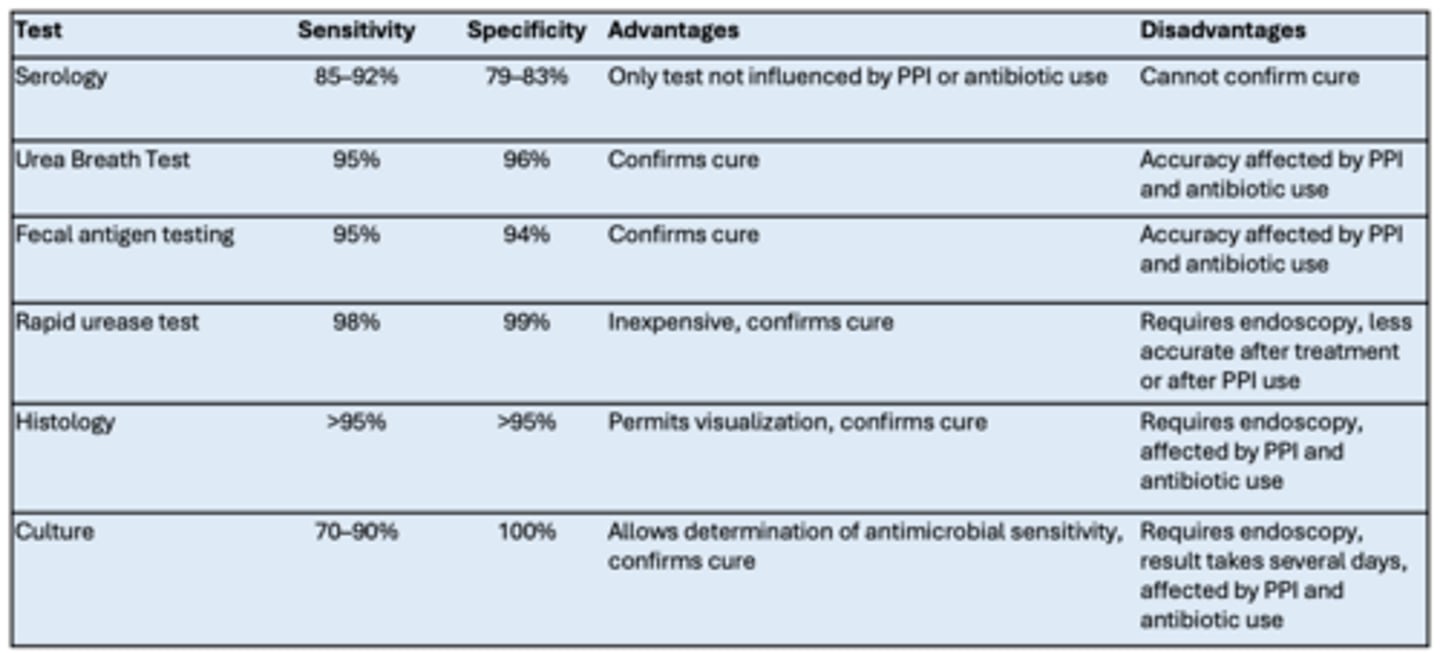
-invasive methods
-noninvasive methods
What are the 2 main types of methods of testing for H. pylori?
-urea breath test
-stool antigen test
-serologic testing
What are 3 examples of noninvasive methods of testing for H. pylori infection?
endoscopy -> allows for biopsy and includes a variety of testing methods, such as histology, culture, or rapid urease test
What is the main invasive method of testing for H. pylori infection, and explain?
all methods, other than serology, are affected by the use of acid-suppressing medications such as proton pump inhibitors -> may produce false negatives
What are all the methods of diagnosing H. pylori infection affected by, and what is the exception?
family-based H. pylori screening and treatment are recommended -> can reduce the recurrence rate more than a single-patient approach
What are recommendations for family-based H. pylori screening and treatment like, and explain?
diagnosis of H. pylori infection:
-proton pump inhibitor (PPI)
-antibiotics
What are the 2 main methods of treating H. pylori infections?
PPIs work synergistically with antibiotics to eradicate H. pylori
How do PPIs and antibiotics interact in treating H. pylori infections?
they should be tested for H. pylori infection
What should be done for a patient <60 y/o who has dyspepsia without alarming symptoms?
treated with the first-line therapy for H. pylori eradication, which includes a proton pump inhibitor (PPI), clarithromycin, and amoxicillin or metronidazole
What should be done for a patient <60 y/o who has dyspepsia without alarming symptoms and tests positive for H. pylori infection?
they should be treated empirically with a proton pump inhibitor (PPI)
What should be done for a patient <60 y/o who has dyspepsia without alarming symptoms and tests negative for H. pylori infection?
should have esophagogastroduodenoscopy
What should be done for a patient >/= 60 y/o with new symptoms OR a patient of any age with alarming symptoms?
the taking of samples for identification of H. pylori resistance
What is enabled by esophagogastroduodenoscopy?
bismuth quadruple therapy -> consists of a proton pump inhibitor (PPI), bismuth, tetracycline, and metronidazole, and is the preferred first-line treatment
What should be done if there is a positive result from esophagogastroduodenoscopy, and explain?
clinicians should consider eradicating H. pylori or substituting current NSAID with an NSAID that has less effect on the gastric mucosa, such as celecoxib
How should H. pylori infection in NSAID users be addressed?
reduces the likelihood of peptic ulcers by 50%
What is the result of eradicating H. pylori in NSAID users?
American trypanosomiasis
What is Chagas disease also known as?
Trypanosoma cruzi
What is the etiologic/causative agent of Chagas disease (American trypanosomiasis)?
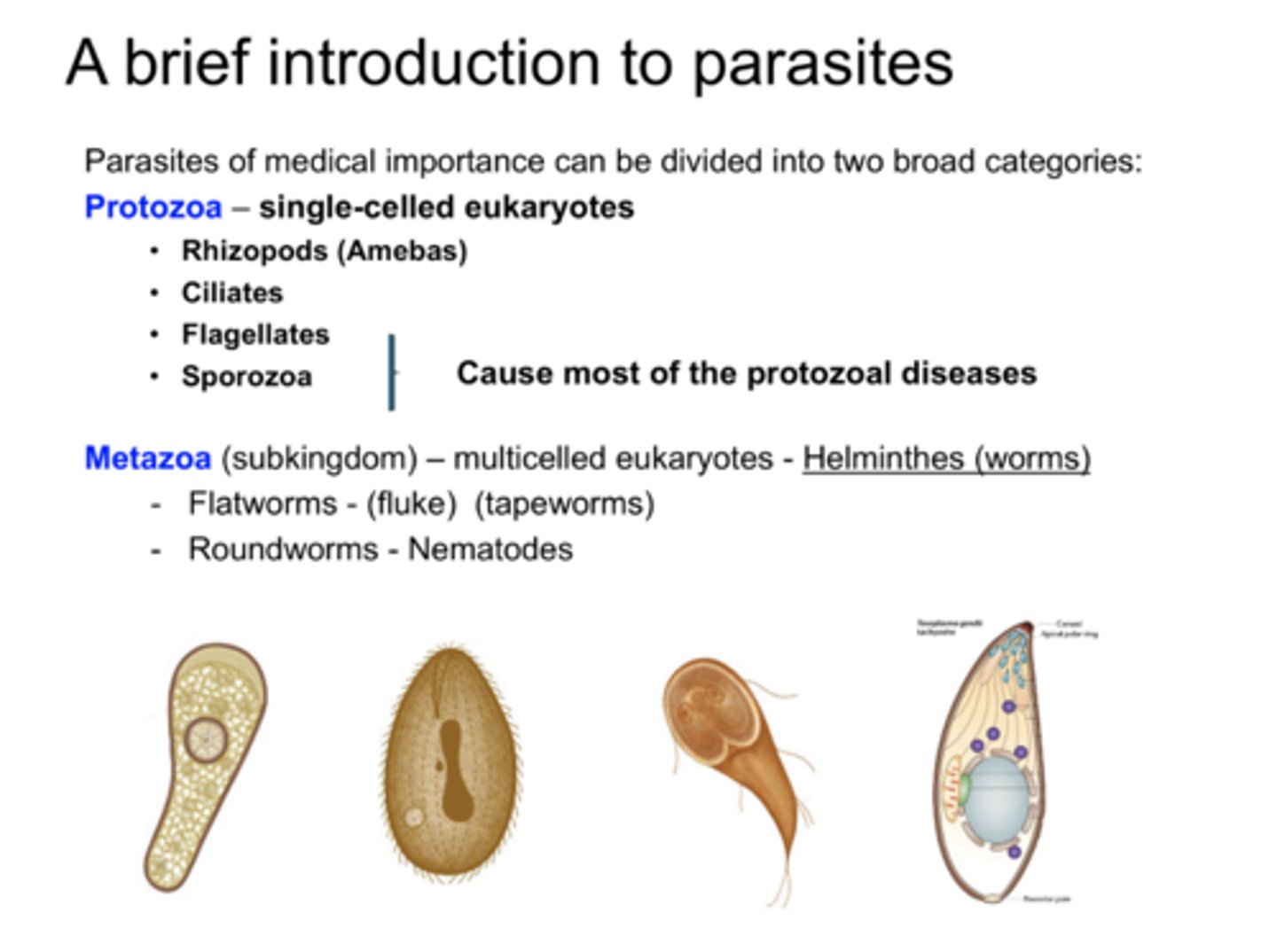
it is a flagellated parasite
What type of microbe is Trypanosoma cruzi, considering its structure?
-insect stages
-mammalian stages
In what 2 organisms do the stages of Trypanosoma cruzi's lifecycle occur?
it is deposited with fecal matters
What happens to Trypanosoma cruzi in the insect stages?
-Trypomastigote in blood -> in blood
-Amastigote -> inside cells
What are the 2 forms of Trypanosoma cruzi in the mammalian host, and explain?
in Central and South America -> increasingly considered endemic in the US
Where is Trypanosoma cruzi infection prevalent, and explain?
recap:
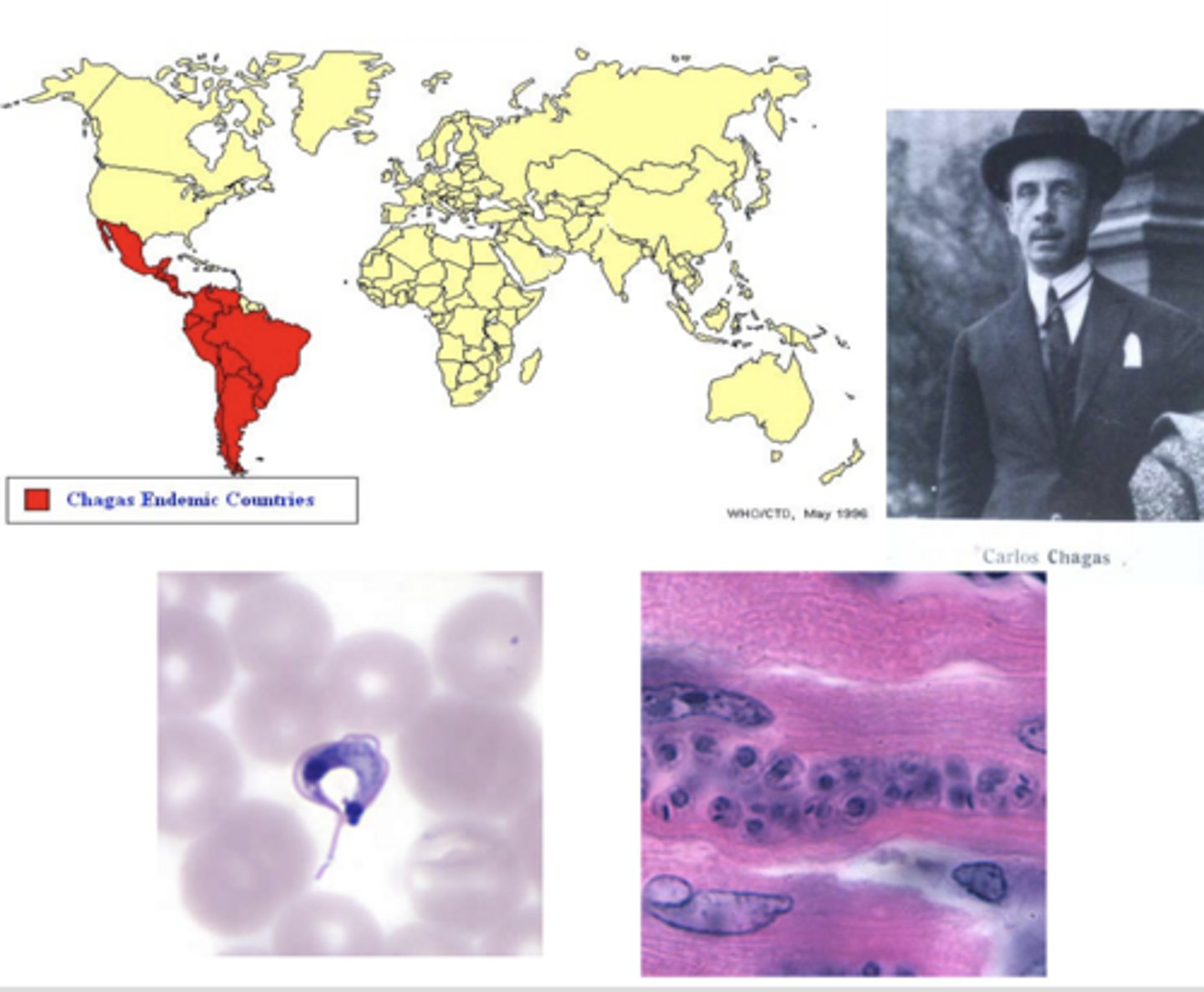
endemic in the US
What is the prevalence of Chagas disease like in the US?
Chagas Disease is endemic in the US:

blood-sucking kissing (reduviid/triatoma) bugs
What is the vector for transmission of Chagas disease?
-ingesting/consuming food or drinks contaminated with Trypanosoma cruzi-infected triatomine bugs (or their feces) -> Açaí palm fruit, or sugar cane juice ground with infected bugs are the primary culprits
-transplacental vertical spread from an infected mother to her baby -> risk of infection 5–10%
-blood/platelet transfusion or organ transplants
What are 3 other routes of Chagas disease transmission, besides via the kissing bug vector, and explain?
Chagoma develops on the bite site within a few hours of a bite
What happens when a person is injected with the Trypanosoma cruzi infection by the kissing bug vector?
*slightly raised
*non-purulent
*red
*surrounded by a variable area of hard edema
What are 3 features of the Chagoma that develops on the bite site?
on the face, cheek, and lips
Where is the Chagoma usually found?
Romana's Sign
What is it called when the Chagoma is on the eyelid?
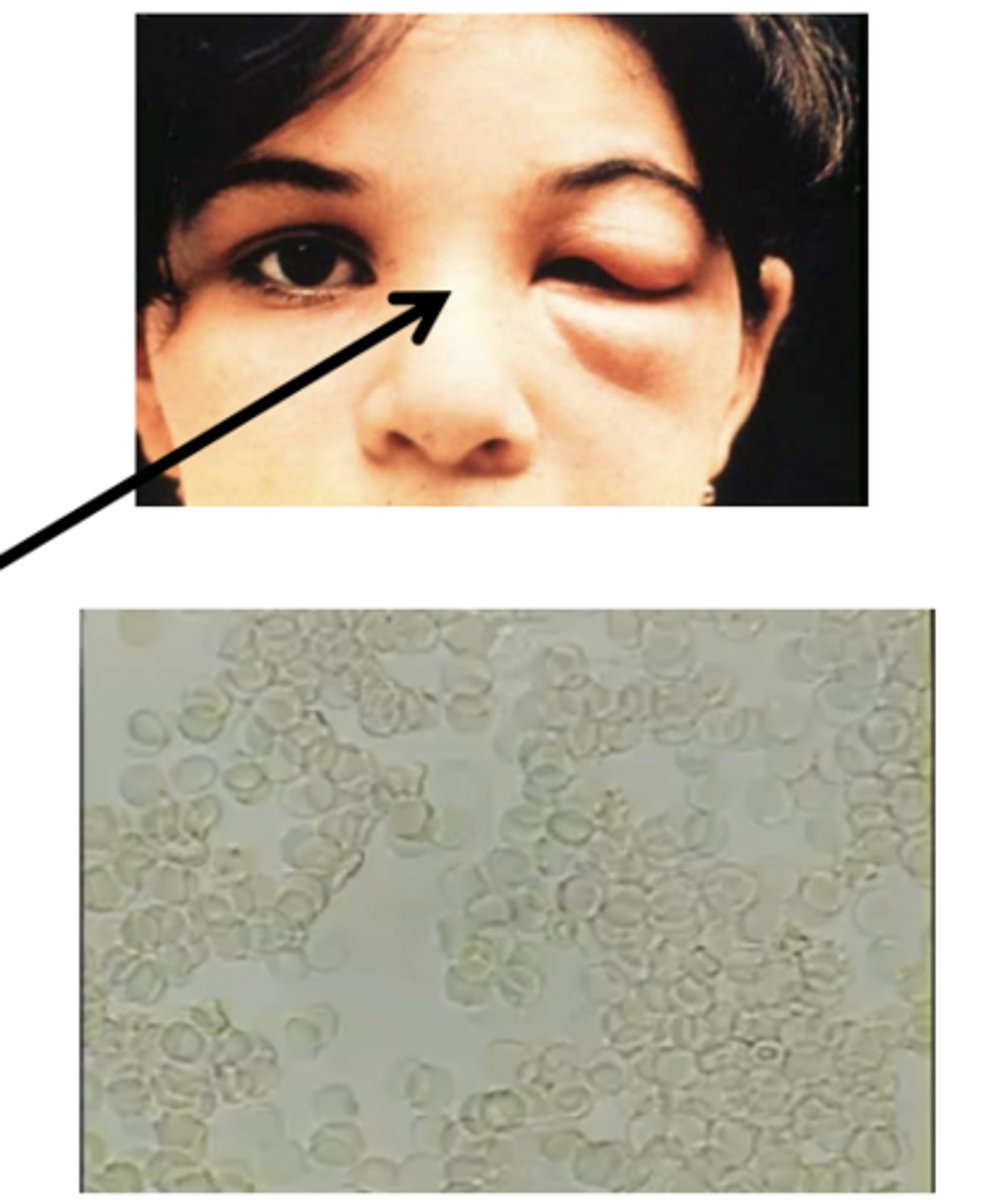
they enter the bloodstream and multiply as trypomastigotes
What do the parasites do upon injection into the host via the vector?
it penetrates through the mucous membranes of the mouth, esophagus, or stomach
What happens when Trypanosoma cruzi is ingested through contaminated food or drink?
the parasites enter cells, transform into multiplying amastigotes, and eventually break out into the bloodstream as bloodstream trypomastigotes
What happens when the Trypanosoma cruzi parasite passes through the mucosal lining?
oral infection often results in a more severe, acute disease -> likely due to a higher initial parasite load
What is the result of oral infection with the Trypanosoma cruzi parasite, and explain?
-restlessness
-sleeplessness
-malaise
-increasing exhaustion
-chills and fever
-bone and muscle pains
What 6 symptoms does an infected person suffer 7-14 days after Trypanosoma cruzi infection (acute stage)?
they go intracellular
How do Trypanosoma cruzi parasites interact with the cells of the host?
they lose their flagella and become amastigotes
What happens to Trypanosoma cruzi parasites when they go intracellular?
-nerve cells
-smooth muscle cells
What 2 host cell types do Trypanosoma cruzi parasites intracellularly infect?
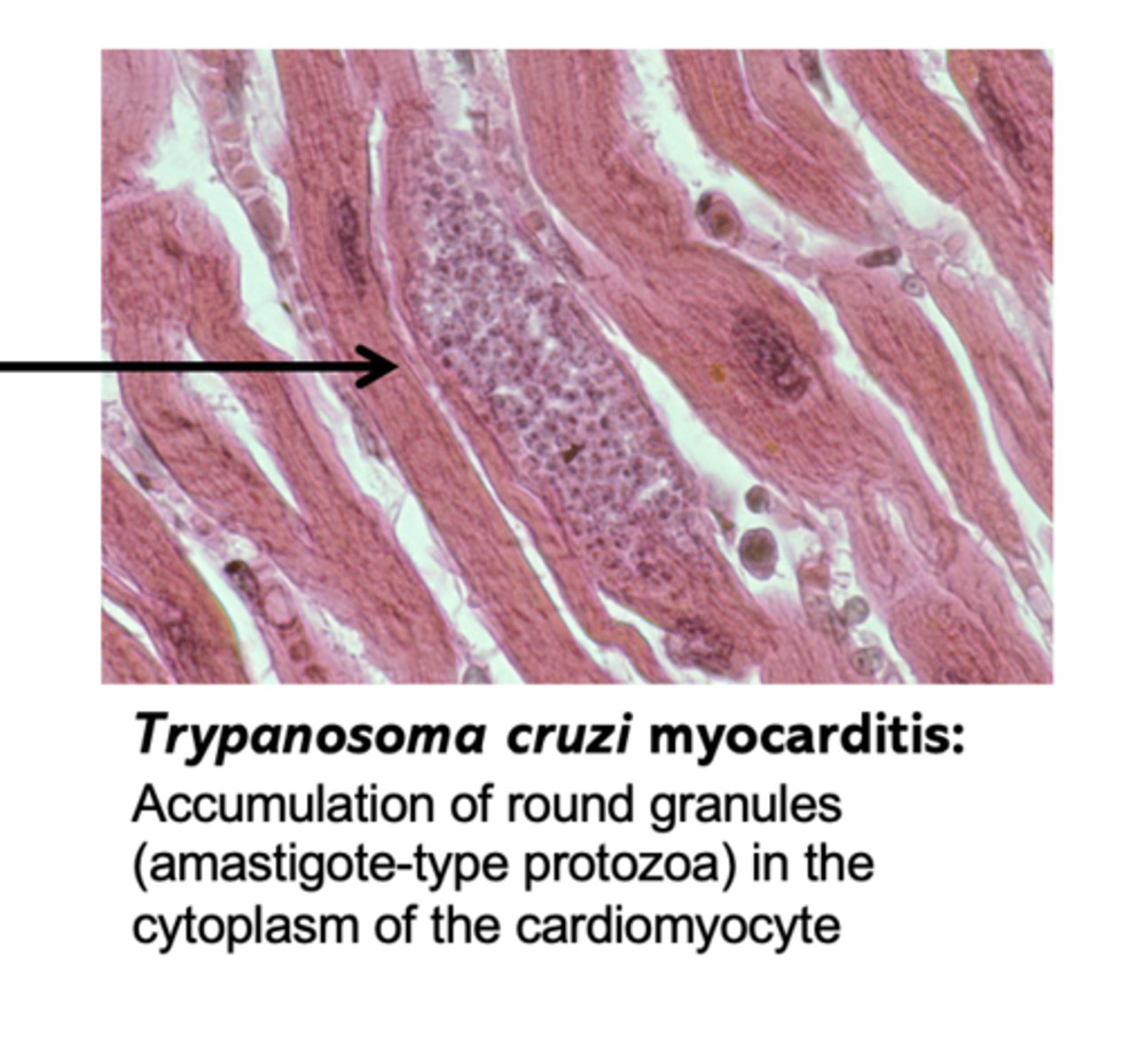
when the parasites go intracellular, they lose their flagella and become amastigotes: