CAD and IHD
 Call Kai
 Learn
Learn Practice Test
 Spaced Repetition
 Match
Match Flashcards
 Knowt Play
1/109

There's no tags or description
Looks like no tags are added yet.
Name | Mastery | Learn | Test | Matching | Spaced | Call with Kai |
|---|
No analytics yet
Send a link to your students to track their progress
110 Terms
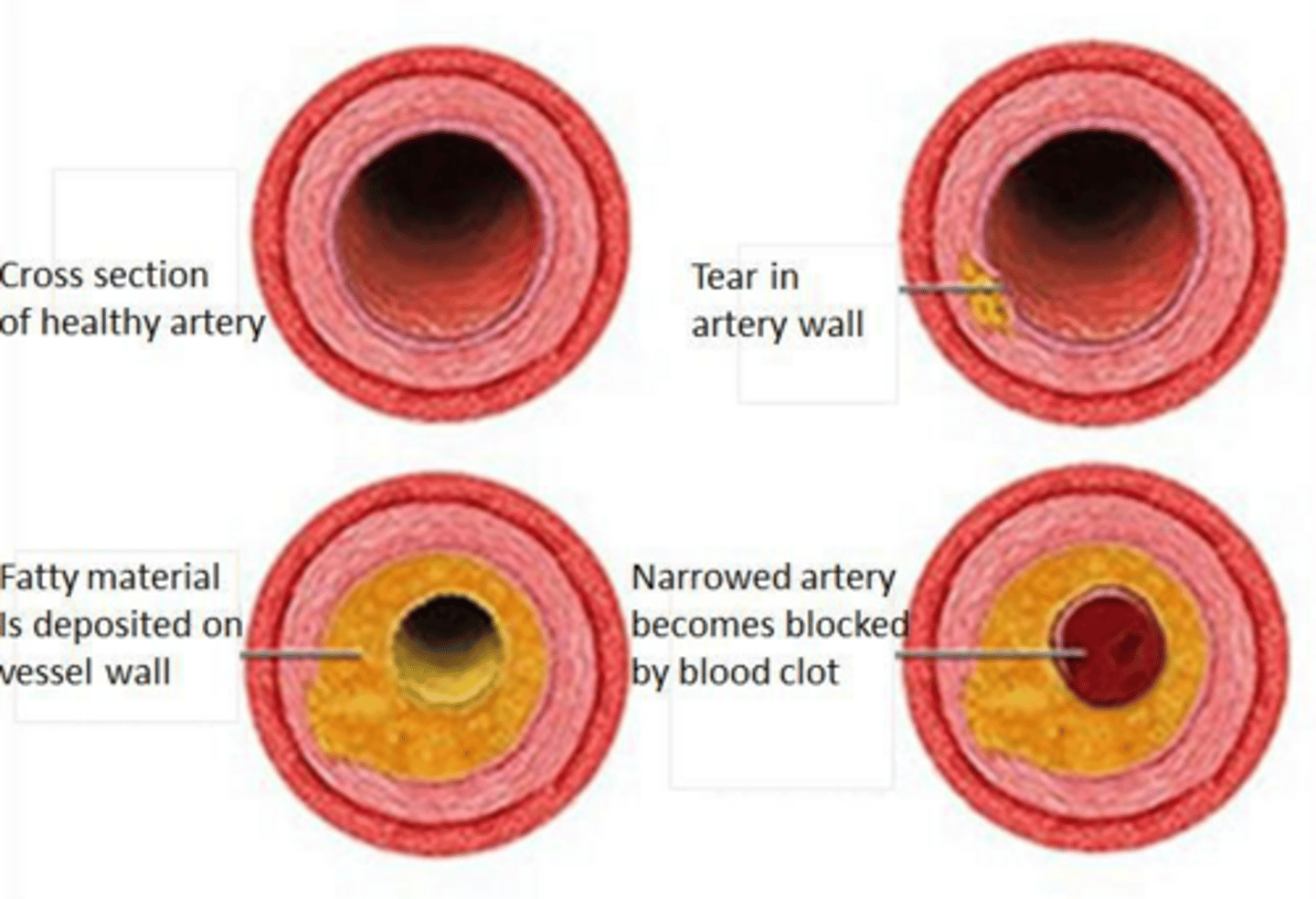
What is the primary pathophysiological process underlying ischemic heart disease?
Atherosclerosis, characterized by chronic inflammation and plaque formation in arterial walls.
What are the main clinical presentations of ischemic heart disease?
Stable angina, unstable angina, NSTEMI, and STEMI.
How can angina pectoris be differentiated from unstable angina?
Angina pectoris is predictable and relieved by rest, while unstable angina occurs unpredictably and may not be relieved by rest.
What is the significance of the Framingham Risk Score?
It estimates cardiovascular risk to inform prevention and treatment strategies.
What are the key components of initial management for acute coronary syndrome?
Pharmacologic therapy, reperfusion strategies, and risk stratification.
What complications can arise from ischemic heart disease?
Arrhythmias, heart failure, cardiogenic shock, and sudden cardiac death.
What long-term management strategies are recommended for ischemic heart disease?
Secondary prevention with medications, lifestyle modifications, and cardiac rehabilitation.
What are the indications for percutaneous coronary intervention (PCI)?
To relieve symptoms and improve outcomes in patients with significant coronary artery disease.
What is the difference between Type I and Type II myocardial infarction?
Type I is caused by acute plaque rupture leading to thrombosis, while Type II results from a supply-demand mismatch without acute thrombosis.
What are common causes of Type II myocardial infarction?
Tachyarrhythmias, severe hypertension, anemia, hypoxemia, and sepsis.
What is stable angina and how is it characterized?
Predictable chest discomfort during exertion or stress, relieved by rest or nitroglycerin.
What is the role of troponin in myocardial infarction?
Troponin elevation indicates myocardial injury, but does not specify the cause.
What is the clinical spectrum of ischemic heart disease?
It ranges from chronic stable disease to acute coronary syndrome and advanced disease.
What is atherosclerosis and how does it develop?
A chronic inflammatory process starting with endothelial dysfunction, leading to LDL accumulation and plaque formation.
What differentiates stable plaque from vulnerable plaque?
Stable plaque has a thick fibrous cap and less inflammatory activity, while vulnerable plaque has a thin cap and is prone to rupture.
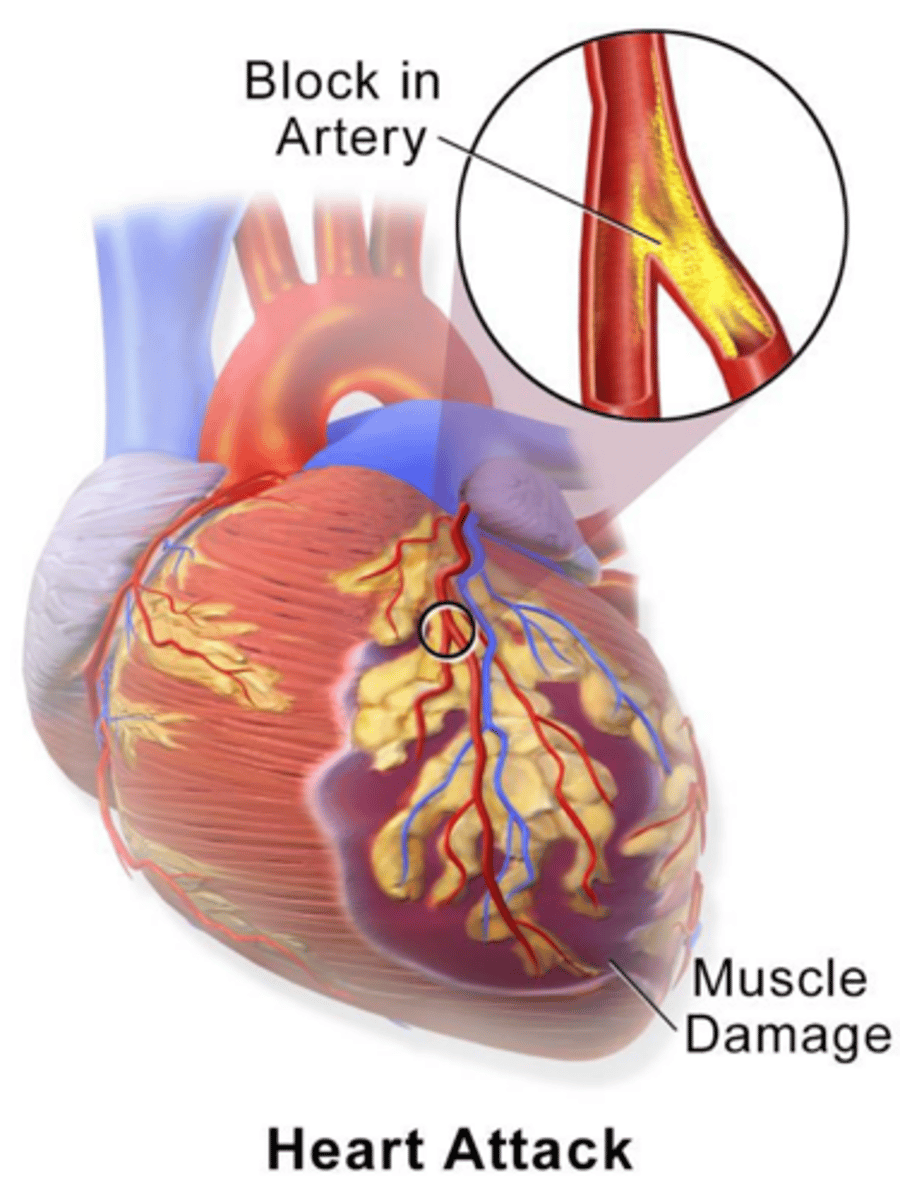
What is the primary problem in Type I myocardial infarction?
Coronary artery occlusion due to plaque rupture and thrombosis.
What is the importance of patient education in managing ischemic heart disease?
It helps patients recognize symptoms, adhere to medications, and understand lifestyle changes.
What lifestyle changes can reduce cardiovascular risk?
Smoking cessation, healthy diet, regular exercise, and stress management.
What is the ASCVD algorithm used for?
To assess the 10-year risk of atherosclerotic cardiovascular disease events.
What are the typical symptoms of stable angina?
Substernal pressure, tightness, or heaviness, often radiating to the left arm, neck, or jaw.
What is the clinical priority when assessing chest pain?
To identify life-threatening ischemia and rule out acute coronary syndromes.
What is the impact of delayed diagnosis in acute coronary syndromes?
It can lead to increased myocardial damage and worse patient outcomes.
What is the role of medications like aspirin and statins in ischemic heart disease?
They are used for both acute management and long-term prevention of cardiovascular events.
How does myocardial oxygen supply relate to ischemic heart disease?
An imbalance between myocardial oxygen supply and demand can lead to ischemia.
What is the significance of recognizing different types of myocardial infarction?
It guides treatment decisions and management strategies based on the underlying cause.
What is the relationship between ischemic heart disease and heart failure?
Ischemic heart disease can lead to heart failure due to reduced myocardial function.
What are the benefits of cardiac rehabilitation?
Improves physical fitness, reduces symptoms, and enhances quality of life in patients with ischemic heart disease.
What is stable angina?
A condition characterized by predictable chest pain due to increased myocardial oxygen demand and fixed coronary stenosis.
What triggers unstable angina?
New onset, worsening, or rest chest pain that occurs unpredictably.
What is the pathophysiology of unstable angina?
Plaque rupture or erosion leading to partial or transient coronary thrombosis and reduced blood flow.
What distinguishes NSTEMI from unstable angina?
NSTEMI presents with elevated cardiac troponin levels indicating myocardial injury.
What are the key features of STEMI?
Acute ischemic chest pain, ST-segment elevation on ECG, and elevated troponin levels.
What is the significance of troponin levels in NSTEMI?
Troponin rise and/or fall above the 99th percentile confirms myocardial infarction.
What ECG findings are associated with NSTEMI?
ST-segment depression and T-wave inversion.
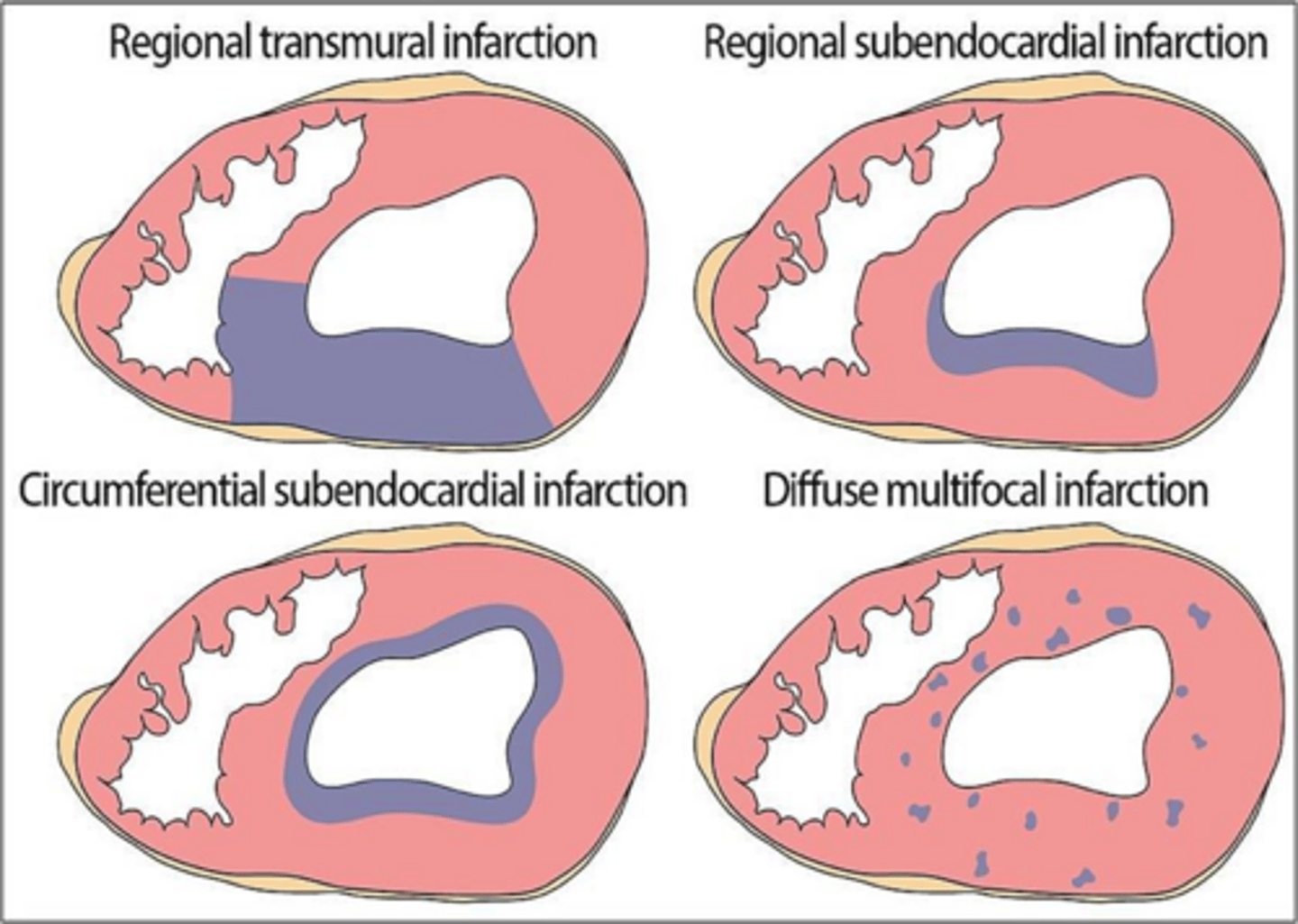
What is the main difference in myocardial damage between NSTEMI and STEMI?
NSTEMI results in subendocardial infarction, while STEMI results in transmural infarction.
What are the cardiovascular risk factors classified as non-modifiable?
Age, sex, and family history of premature cardiovascular disease.
What are some modifiable cardiovascular risk factors?
Hypertension, obesity, dyslipidemia, sedentary lifestyle, diabetes, poor diet, tobacco use, and psychosocial stress.
What does the Framingham Risk Score estimate?
The 10-year risk of coronary heart disease based on various risk factors.
What risk categories does the Framingham Risk Score provide?
Low risk (<10%), Intermediate risk (10-20%), and High risk (>20%).
What is the ASCVD Risk Estimator used for?
To estimate the 10-year risk of atherosclerotic cardiovascular disease and guide preventive therapy decisions.
What is the clinical approach for low-risk patients according to ASCVD?
Emphasize lifestyle modification.
What should be considered for intermediate-risk patients according to ASCVD?
Consider statin therapy and risk enhancers.
What is the clinical significance of unstable angina?
It is part of the acute coronary syndrome spectrum and has a high risk of progression to NSTEMI or STEMI.
What is the urgency of treatment for STEMI?
It is a time-sensitive emergency requiring immediate reperfusion to restore coronary blood flow.
What does the term 'myocardial ischemia' refer to?
A condition where there is insufficient blood flow to the heart muscle, often leading to chest pain.
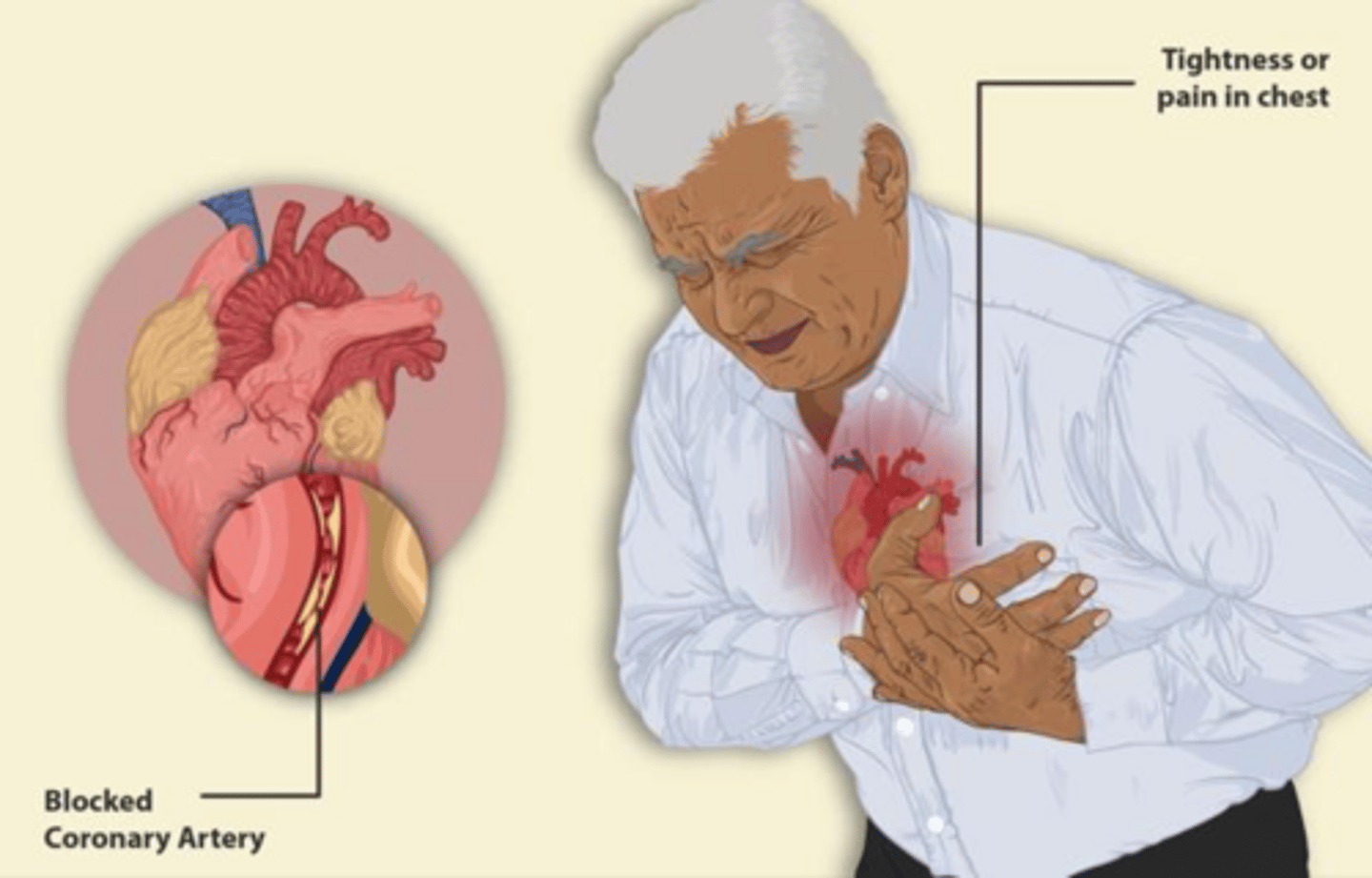
What are the common symptoms of ischemic heart disease?
Chest pain, shortness of breath, and fatigue.
What is the role of lifestyle modification in cardiovascular health?
It is foundational for everyone to reduce risk factors and improve overall heart health.
What does the term 'transmural infarction' indicate?
Infarction that affects the full thickness of the heart muscle.
What is the goal of treating high-risk patients for coronary artery disease?
Aggressive risk reduction through medications like statins and blood pressure control.
What does the term 'acute coronary syndrome' encompass?
It includes unstable angina, NSTEMI, and STEMI.
What is the importance of shared decision-making in cardiovascular risk management?
It involves discussing treatment options and preferences with patients to tailor their care.
What is the significance of plaque rupture in coronary artery disease?
It can lead to unstable angina, NSTEMI, or STEMI due to thrombosis and reduced blood flow.
What are the implications of having a family history of premature ASCVD?
It is considered a risk-enhancing factor for cardiovascular disease.
What does the term 'ischemic symptoms' refer to?
Symptoms that arise from reduced blood flow to the heart, such as chest pain or discomfort.
What is the primary diagnostic tool for acute coronary syndromes (ACS)?
ECG (Electrocardiogram)
When should an ECG be obtained for suspected ACS?
Within minutes of presentation
What are the two main types of myocardial infarction identified by ECG?
STEMI (ST-Elevation Myocardial Infarction) and NSTEMI (Non-ST-Elevation Myocardial Infarction) / Unstable Angina
What ECG pattern indicates STEMI?
ST-segment elevation in ≥2 contiguous leads
What ECG changes may indicate NSTEMI or unstable angina?
ST-segment depression and T-wave inversion
What does a normal ECG indicate regarding ACS?
A normal ECG does NOT rule out ACS
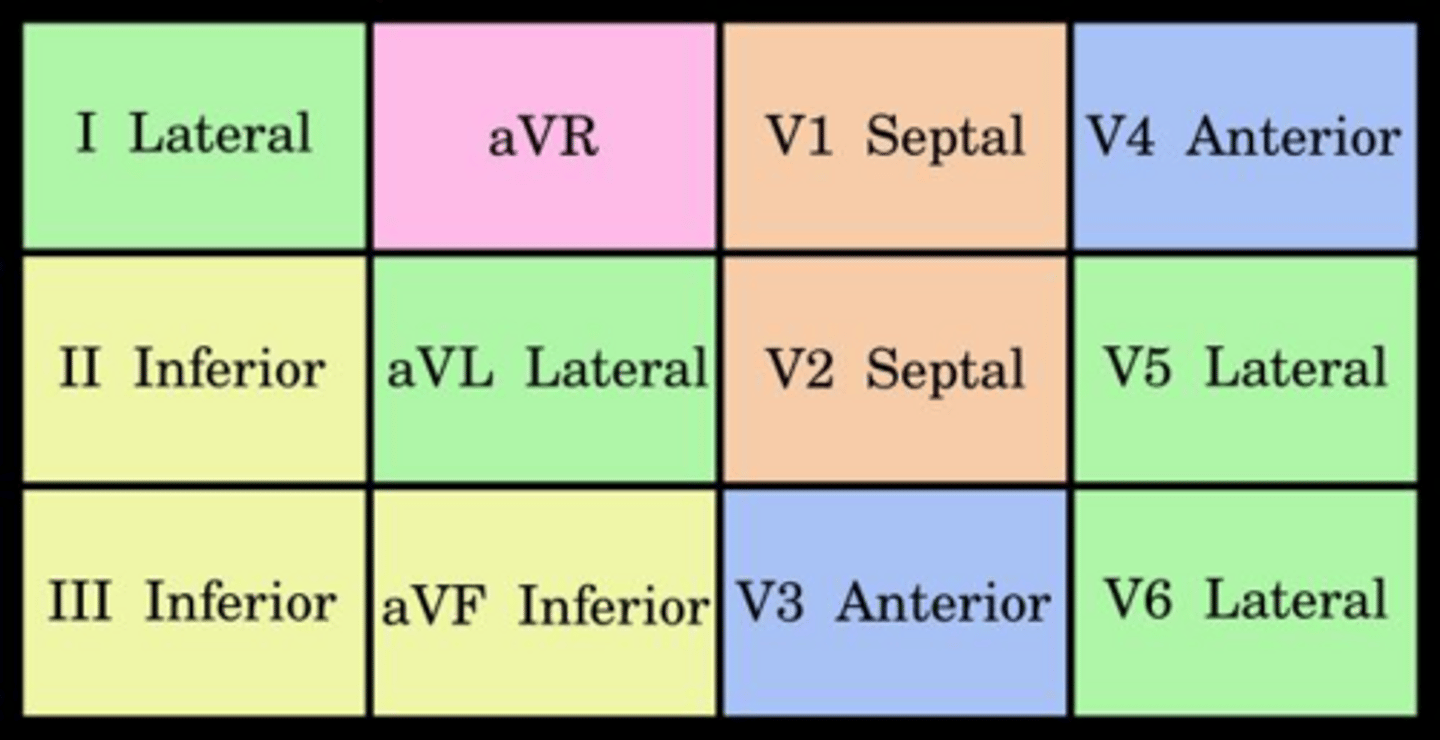
What is the contiguous lead concept in ECG interpretation?
Changes must occur in anatomically related leads
Which leads are considered inferior leads?
Leads II, III, and aVF
What is the most sensitive and specific marker of myocardial injury?
Cardiac Troponin
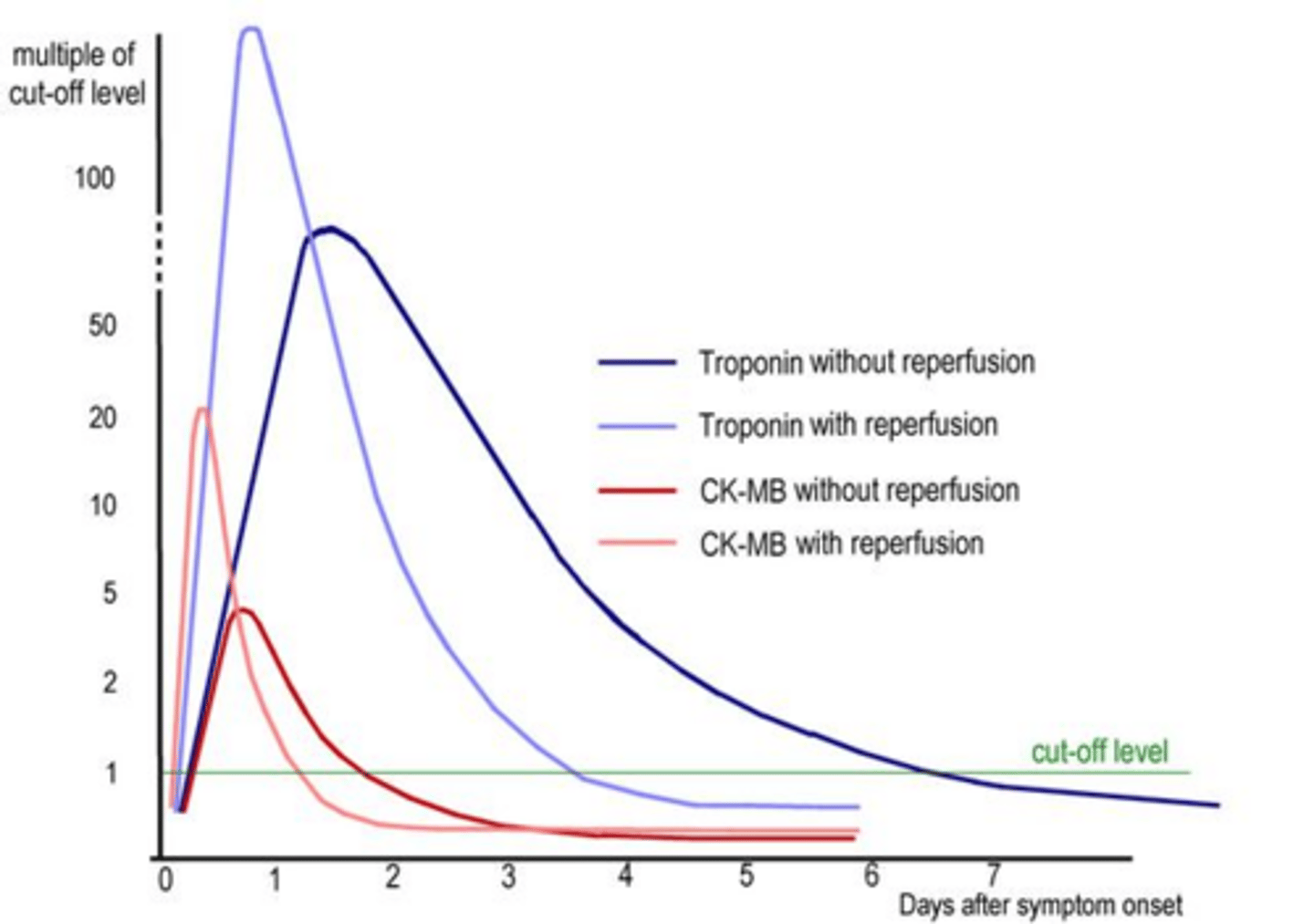
What is the diagnostic criterion for myocardial infarction (MI)?
Elevated troponin above the 99th percentile AND evidence of myocardial ischemia
What does a normal troponin level indicate in stable angina?
No myocardial injury
What does an elevated troponin level indicate in NSTEMI?
Infarction (subendocardial)
What is the initial management approach for suspected ACS?
Rapid assessment of symptoms, vital signs, ECG, and obtaining serial troponins
What is the immediate medical therapy for ACS?
Dual Anti-Platelet Therapy (DAPT), anticoagulation, nitrates, beta-blockers, high-intensity statin, and oxygen if hypoxemic
What is the preferred reperfusion strategy for STEMI?
Primary PCI (Percutaneous Coronary Intervention)
What is the goal of reperfusion in ACS?
Restore coronary blood flow as quickly as possible to limit myocardial damage
What are common high-risk features for immediate invasive strategy in ACS?
Hemodynamic instability, ongoing chest pain, dynamic ECG changes, sustained ventricular arrhythmias, signs of heart failure
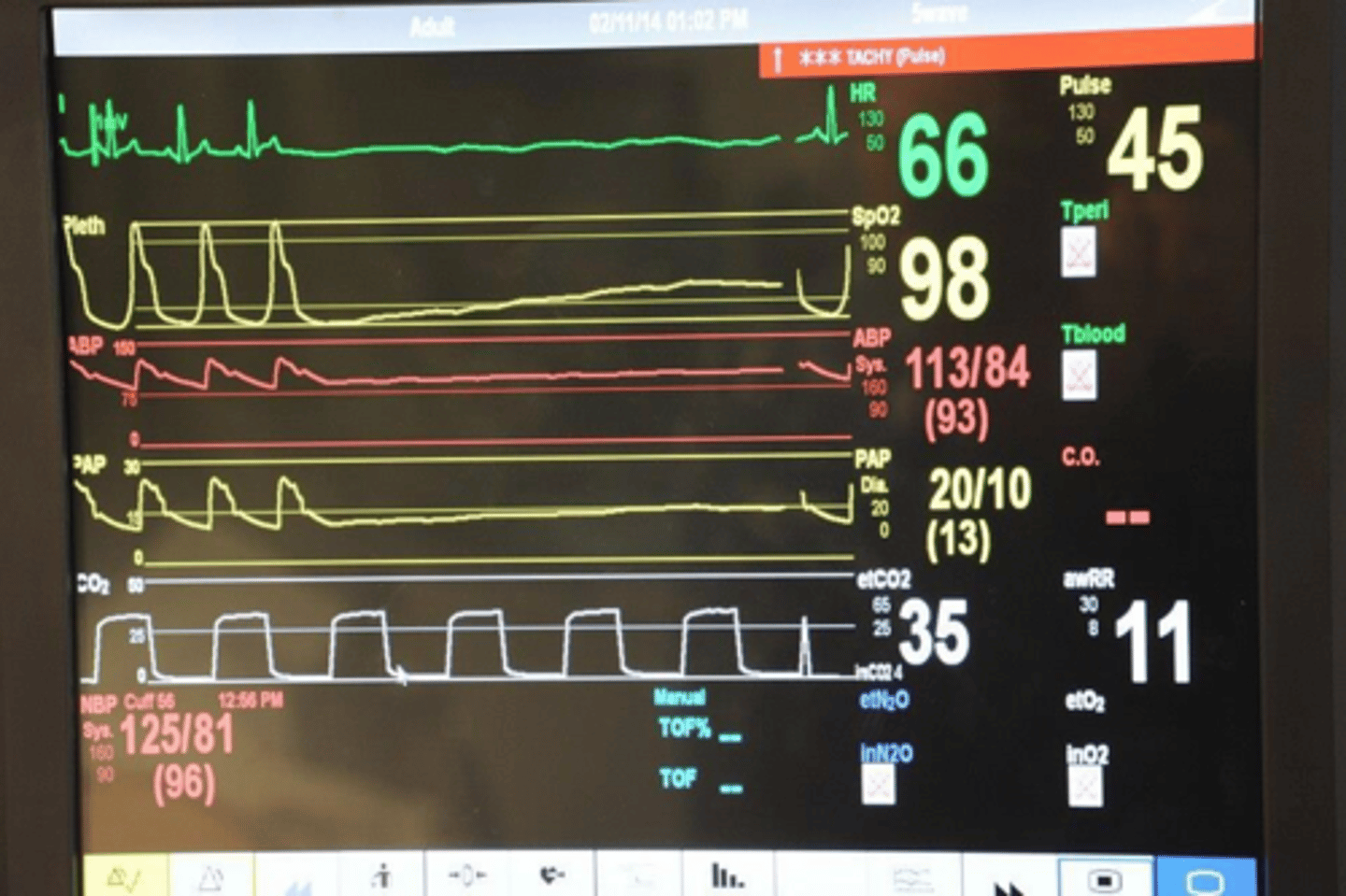
What does the TIMI Risk Score estimate?
Mortality risk for patients with unstable angina or NSTEMI
What is the role of antiplatelet therapy in ACS?
Prevent platelet aggregation and thrombus progression
What is the purpose of anticoagulation in ACS?
Prevent clot propagation
What is the effect of nitrates in ACS management?
Provide symptom relief by decreasing preload and demand
What is the role of beta-blockers in ACS?
Decrease heart rate and myocardial oxygen demand
What is the significance of high-intensity statins in ACS?
Stabilize plaque and reduce future cardiovascular events
What is the risk associated with fibrinolytic therapy?
Higher risk of bleeding, including intracranial hemorrhage
What is the preferred timing for administering fibrinolytic therapy?
Most effective when given early
What is the purpose of neurohormonal modulation in ACS?
Improve outcomes, especially in patients with reduced ejection fraction, hypertension, or diabetes
What are the core medications in ACS management?
Antiplatelet therapy, anticoagulation, anti-ischemic therapy, plaque stabilization, and neurohormonal modulation
What is the management approach for NSTEMI/Unstable Angina?
Management is based on risk stratification and may involve early invasive or medical approaches.
What are major electrical complications of myocardial infarction?
Ventricular tachycardia, ventricular fibrillation, bradyarrhythmias, and heart block.
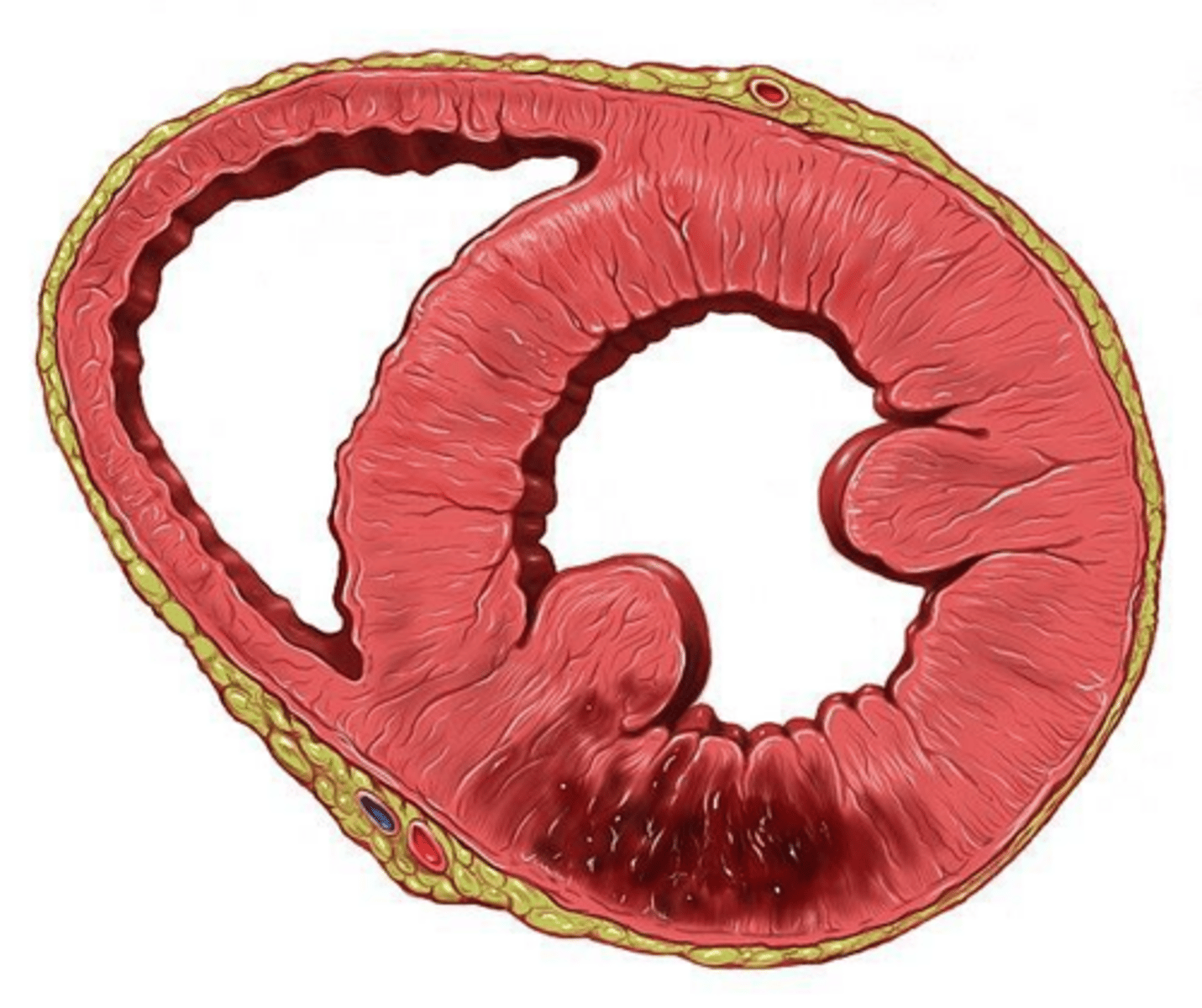
What is a leading cause of early mortality in myocardial infarction?
Pump failure, including cardiogenic shock.
What are some mechanical complications of myocardial infarction?
Papillary muscle rupture, left ventricular aneurysm, ventricular septal rupture, and free wall rupture.
What are the goals of long-term management for ischemic heart disease?
Prevent recurrent cardiovascular events, reduce mortality and morbidity, and improve functional status and quality of life.
What are core components of long-term management in ischemic heart disease?
Pharmacologic therapy, risk factor modification, lifestyle interventions, and cardiac rehabilitation.
What pharmacologic therapies are commonly used in long-term management?
Antiplatelet therapy, beta-blockers, ACE inhibitors/ARBs, statins, and glycemic control.
What lifestyle modifications are recommended for patients with ischemic heart disease?
Heart-healthy diet, regular physical activity, smoking cessation, and weight management.
What is the difference between PCI and CABG?
PCI is less invasive and has a shorter recovery time, while CABG is preferred for complex coronary anatomy and provides more durable outcomes.
What factors influence the decision between PCI and CABG?
Coronary anatomy, patient comorbidities, surgical risk, urgency, and patient preferences.
What symptoms should patients recognize as concerning for ischemic heart disease?
Chest pressure, tightness, discomfort, shortness of breath, diaphoresis, nausea, or unexplained fatigue.
When should patients seek immediate care for chest pain?
If chest pain lasts more than 5-10 minutes, occurs at rest, or is not relieved by rest or nitroglycerin.
What is the significance of troponin elevation?
Troponin elevation indicates myocardial injury, which may not always be due to Type I myocardial infarction.
What is the most likely diagnosis for a patient with chest discomfort that resolves with rest?
Stable angina.
What is the most concerning feature for acute coronary syndrome (ACS)?
Chest pain at rest or increasing frequency of episodes.
What is the initial management priority for a patient with suspected ACS?
Rapid recognition and initiation of appropriate treatment based on risk assessment.
What is the most likely etiology of troponin elevation in a patient with fever and malaise?
Myocardial injury due to demand-supply mismatch or infection.
What is the most appropriate management for a patient with ST-segment elevation on ECG?
Immediate reperfusion therapy, typically PCI.
What does the clinical spectrum of ischemic heart disease include?
Stable angina, unstable angina, NSTEMI, and STEMI.