Arch 10B Final
 Call Kai
 Learn
Learn Practice Test
 Spaced Repetition
 Match
Match Flashcards
 Knowt Play
1/74

There's no tags or description
Looks like no tags are added yet.
Name | Mastery | Learn | Test | Matching | Spaced | Call with Kai |
|---|
No analytics yet
Send a link to your students to track their progress
75 Terms
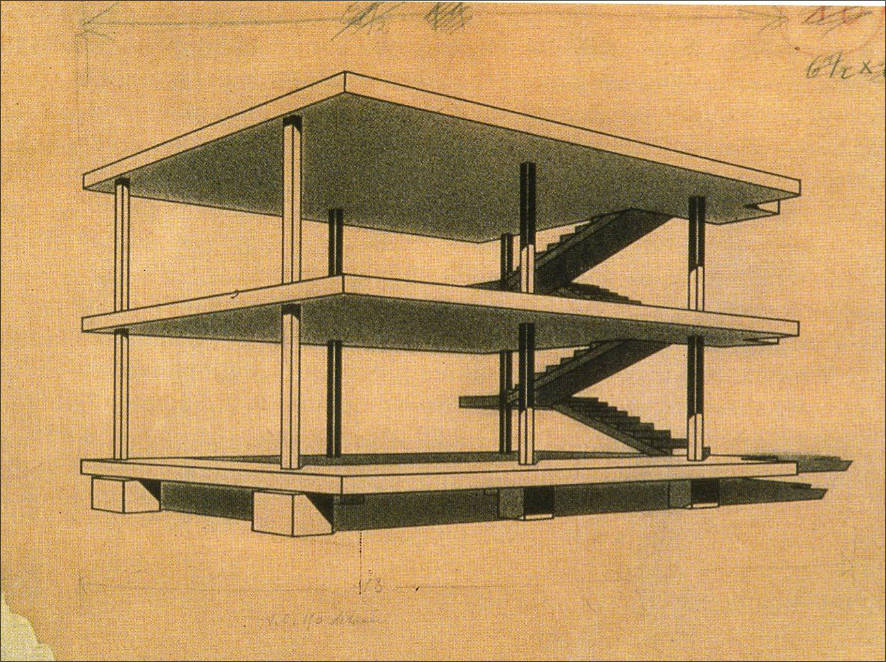
Maison Dom-ino, Le Corbusier (1914-15)
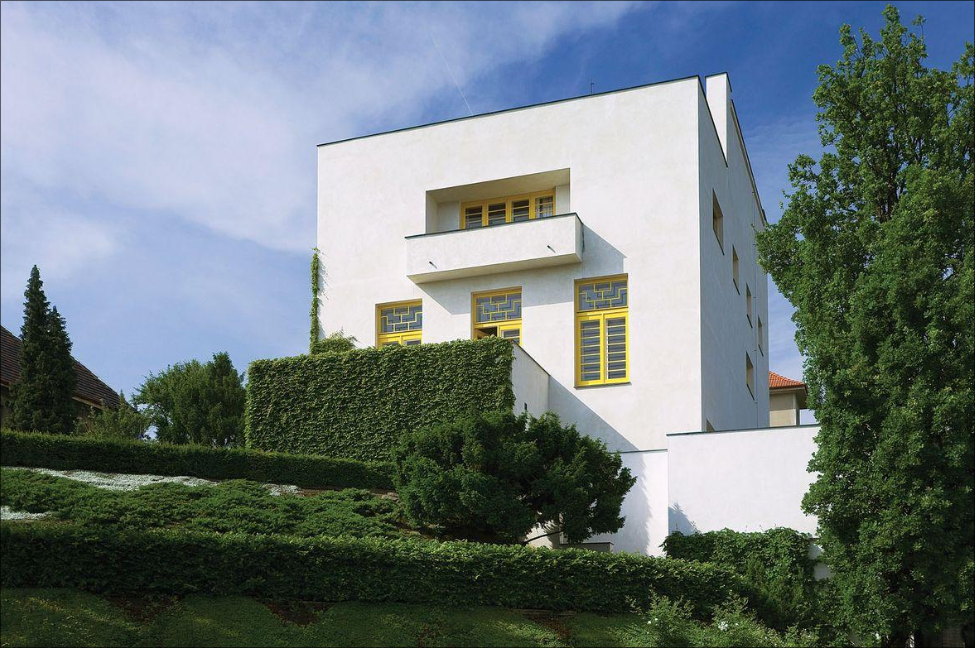
Villa Muller, Adolf Loos (1929-30)
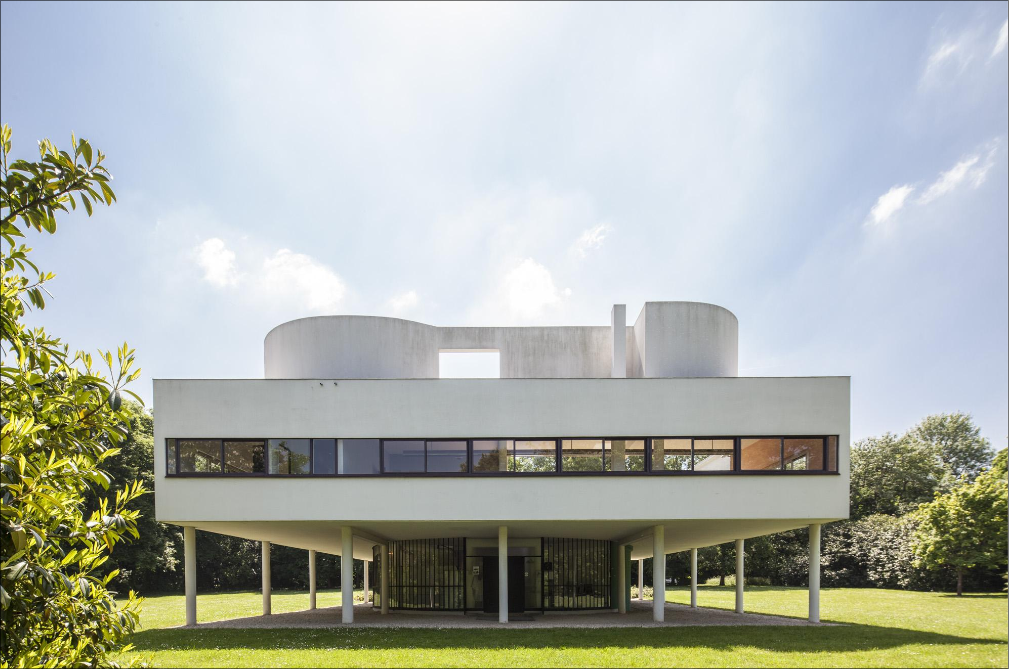
Villa Savoye, Le Corbusier (1928-31)
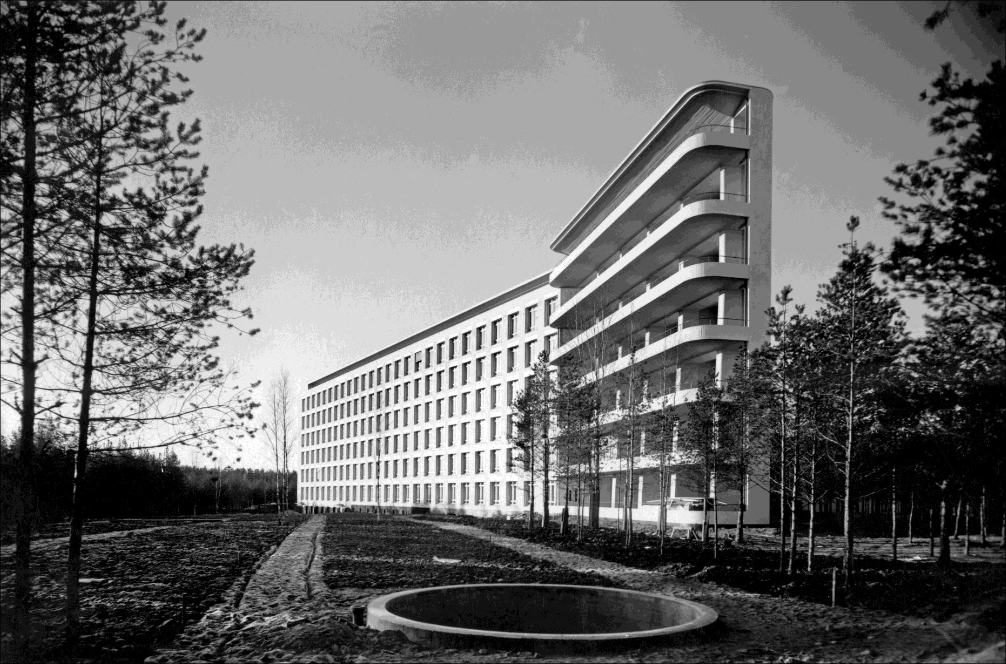
Paimio Sanatorium, Alvar Aalto (1929-33)
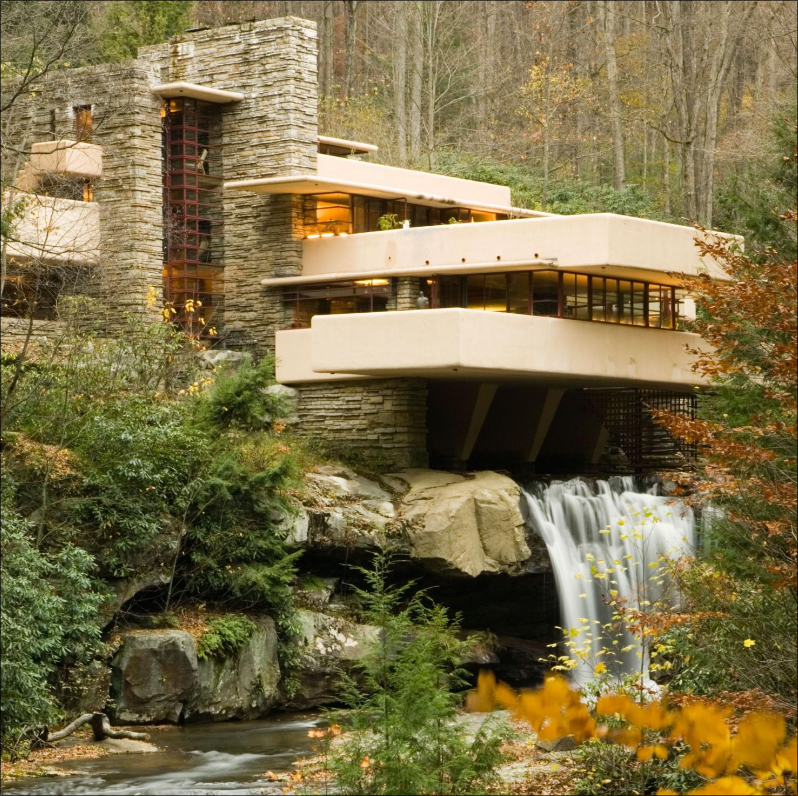
Fallingwater, Frank Lloyd Wright (1936-37)
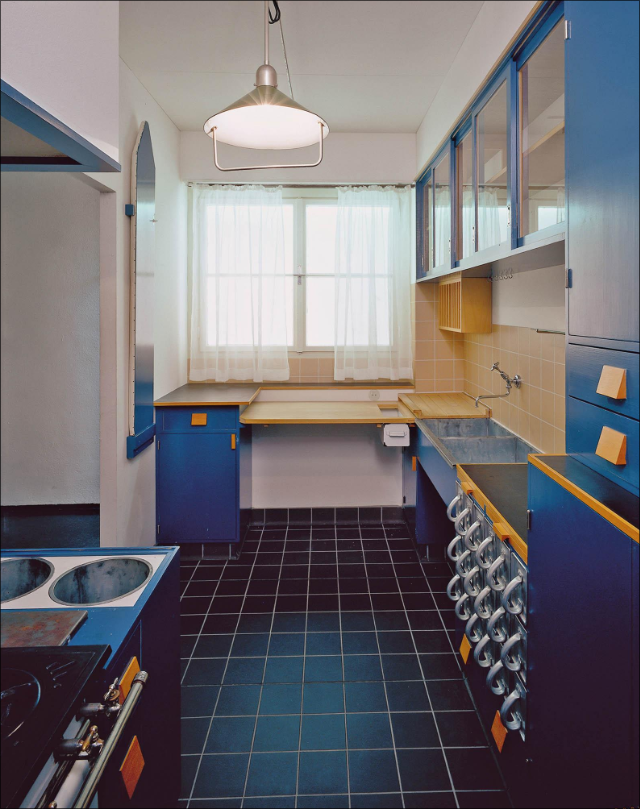
Frankfurt Kitchen, Margarete Schutte-Lihotzky (1926)
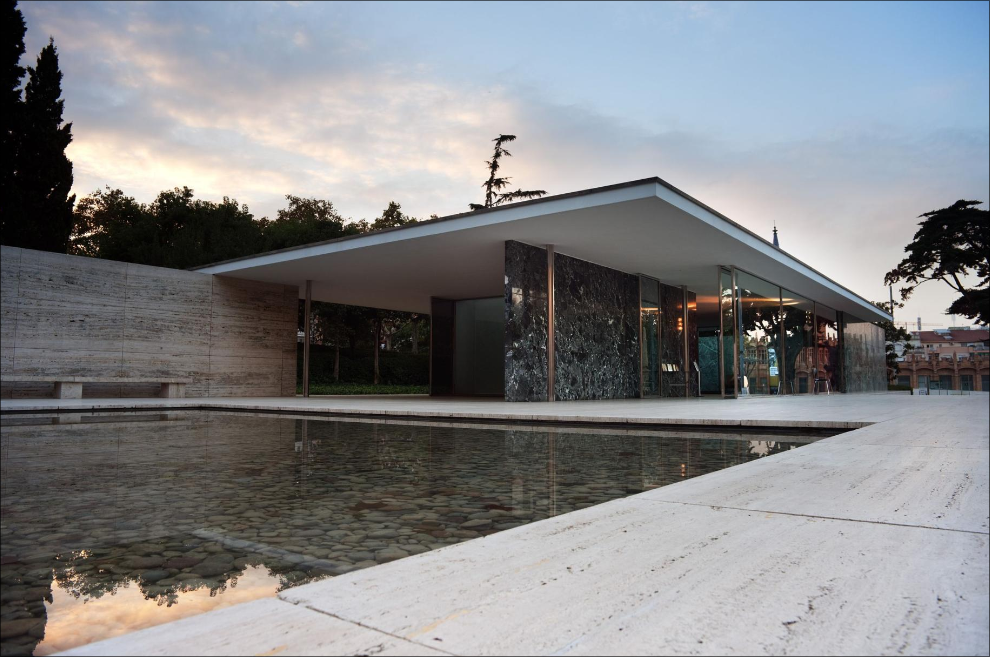
Barcelona Pavilion, Mies van der Rohe (1928-29)
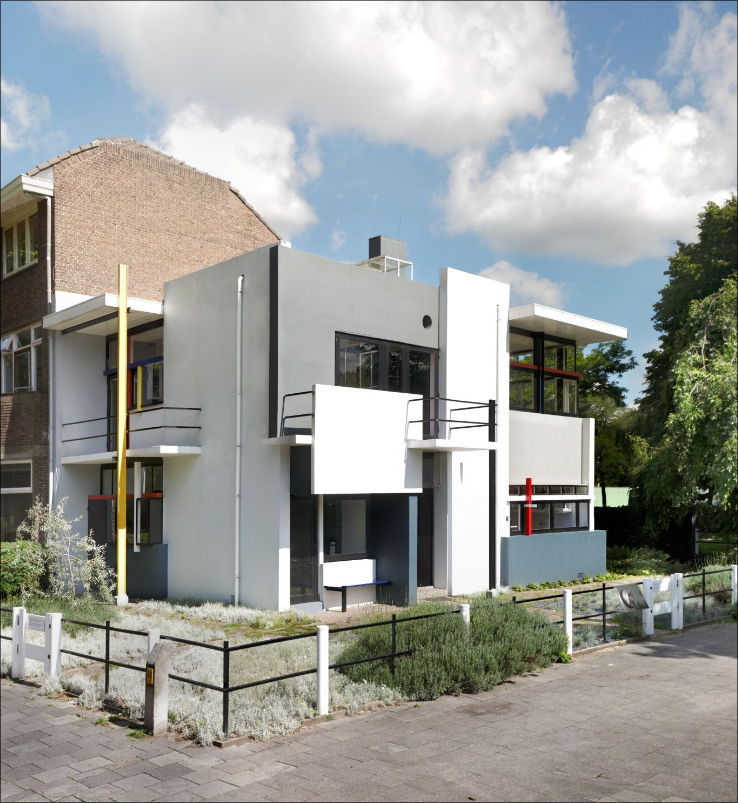
Schroder House, Gerrit Rietveld (1924)
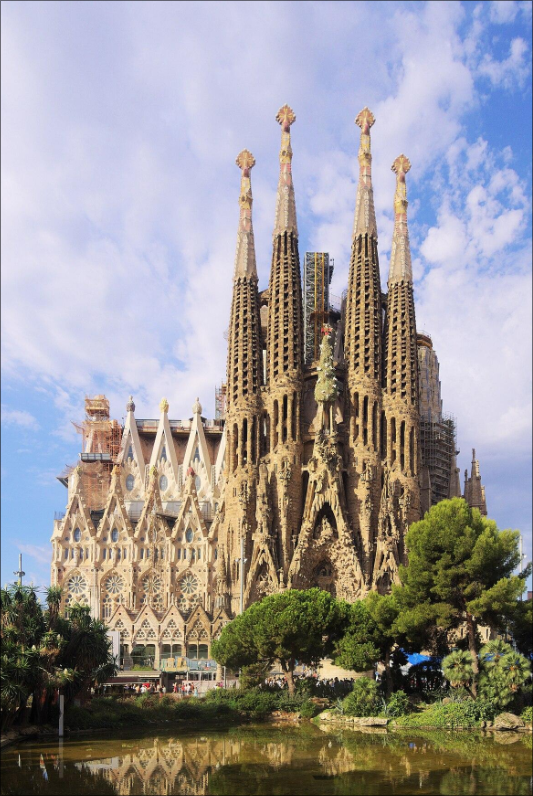
Sagrada Familia, Antonio Gaudi (1882-2026?)
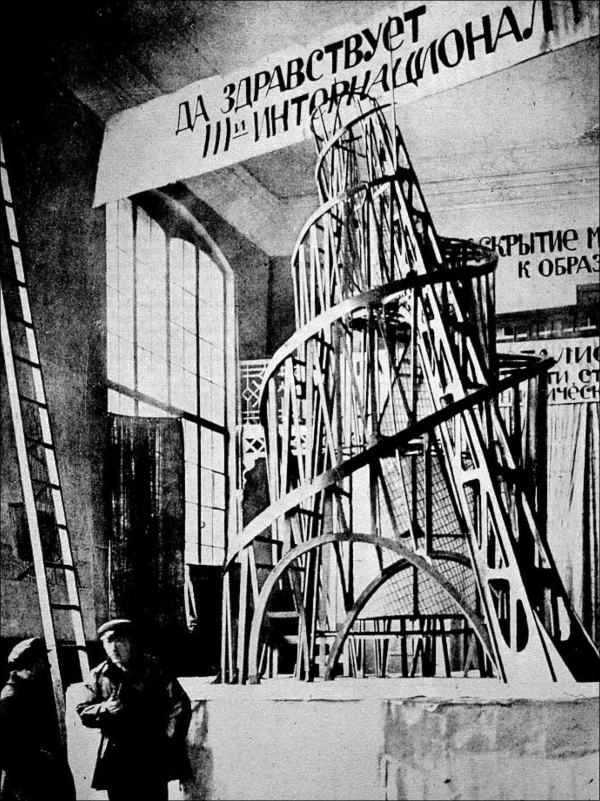
Tatlin’s Tower, Vladimir Tatlin (1919)
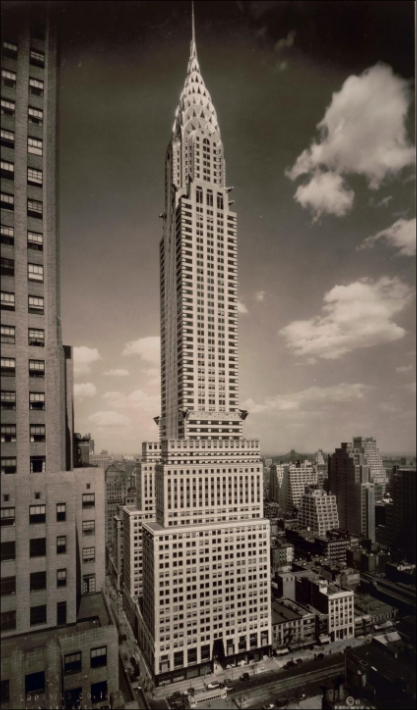
Chrysler Building, William Van Alen (1929-30)
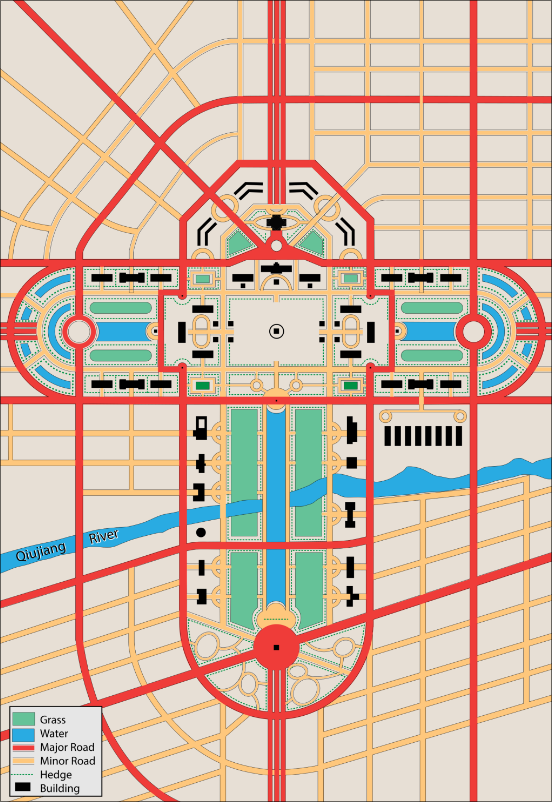
Greater Shanghai Plan, Dong Dayou (1927-29)
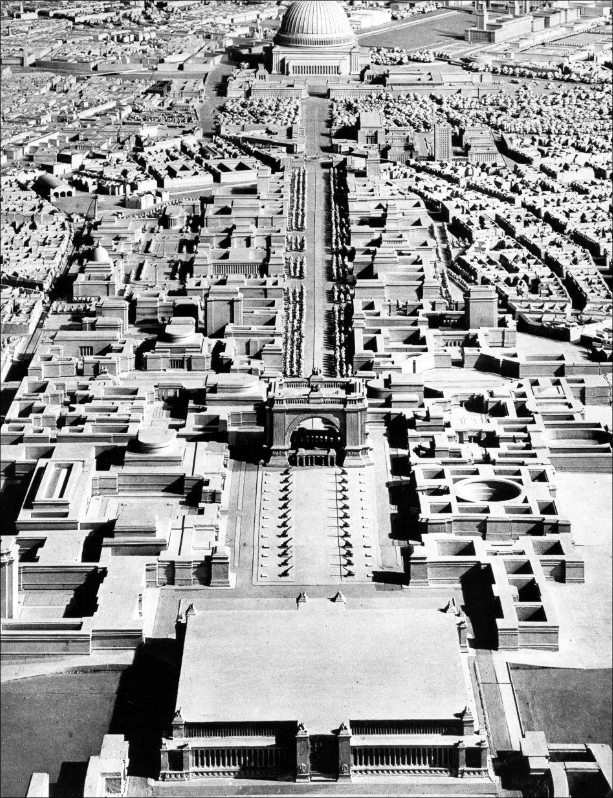
Germania, Albert Speer (1937-41)
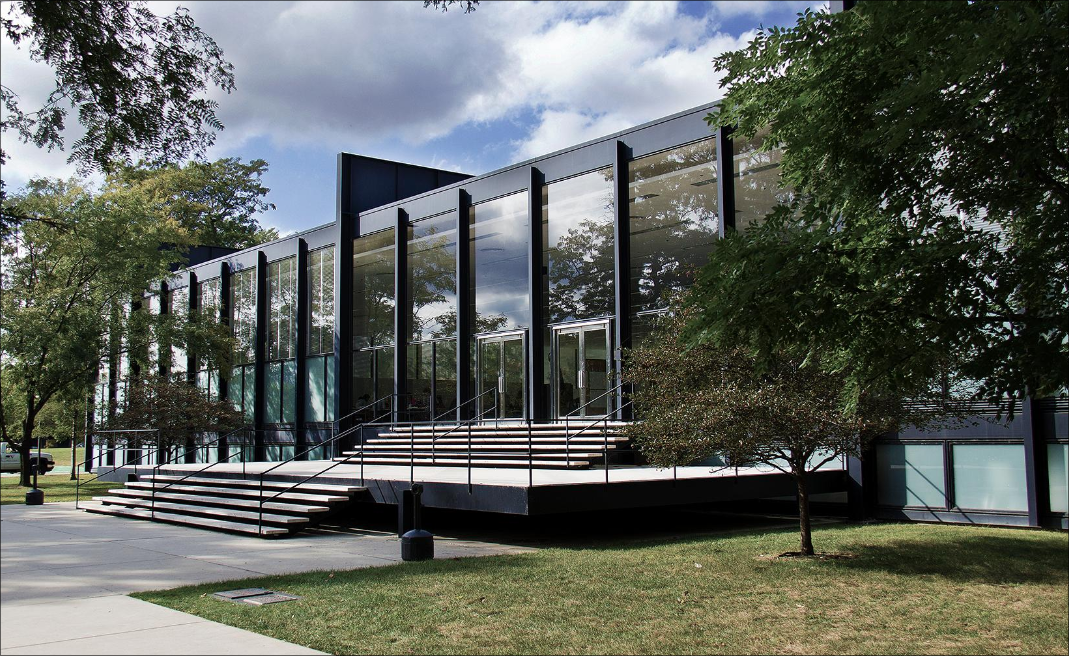
IIT, Ludwig Mies van der Rohe (1941-56)
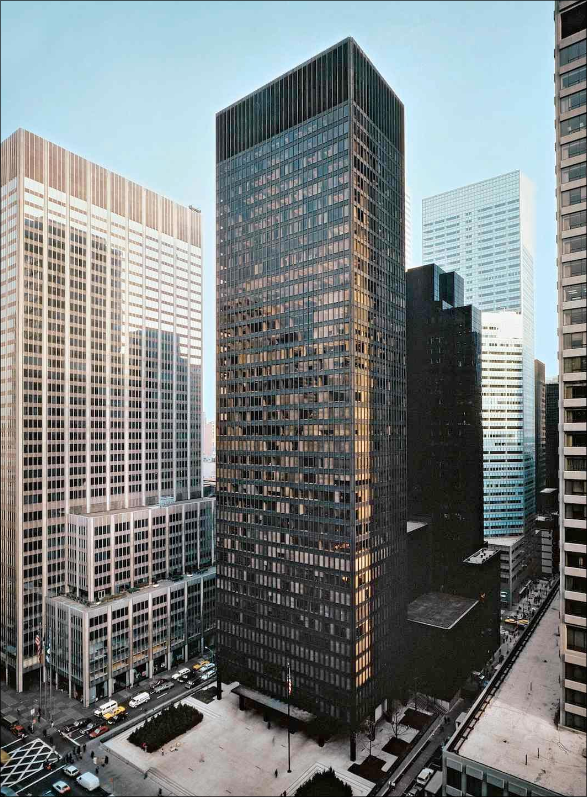
Seagram Building, Ludwig Mies van der Rohe and Philip Johnson (1955-58)
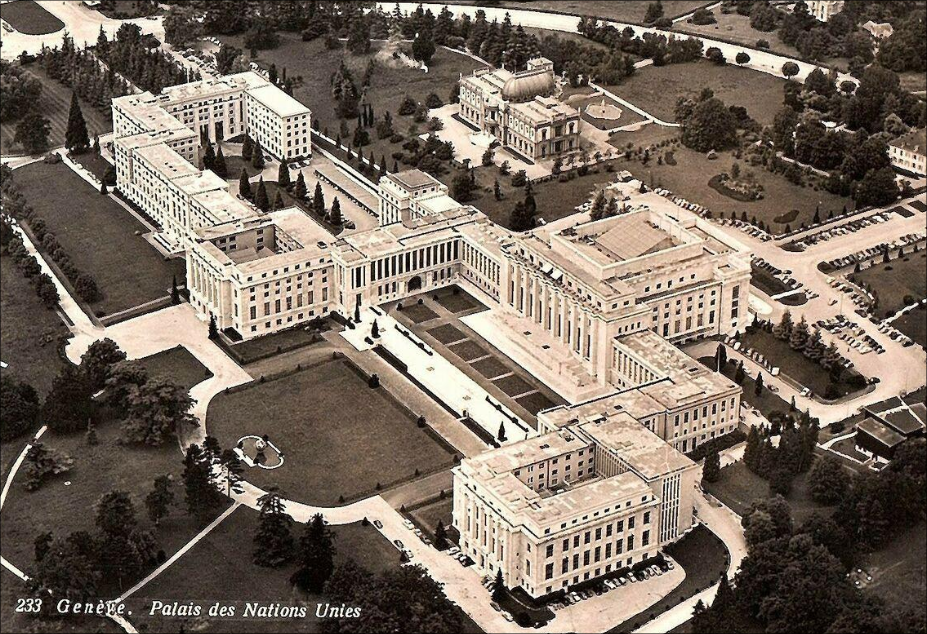
Palace of Nations, (1929-38)
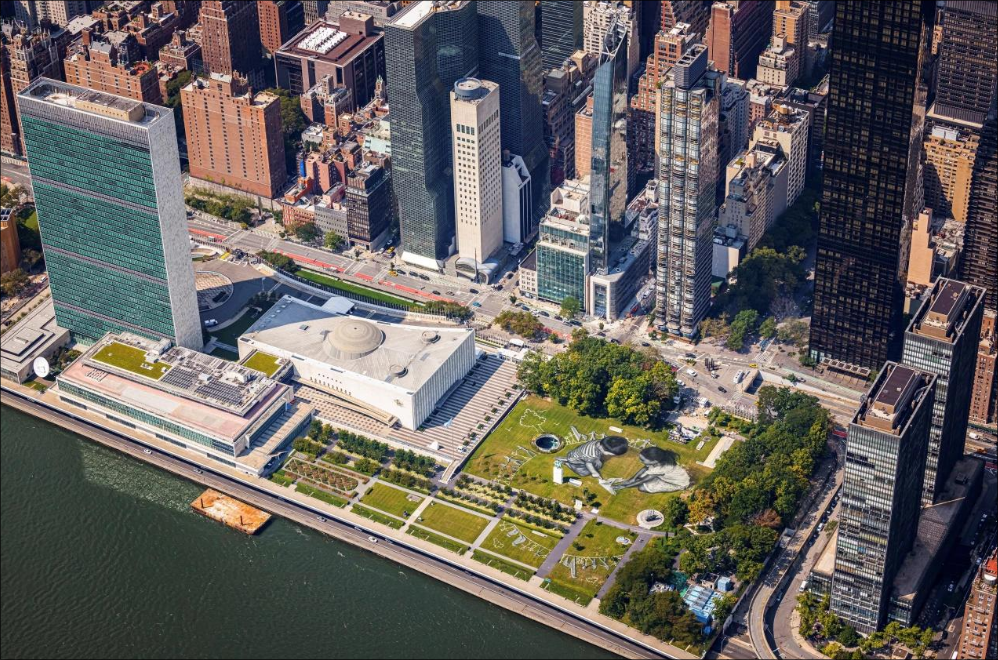
UN HQ, Wallace Harrison (1948-52)
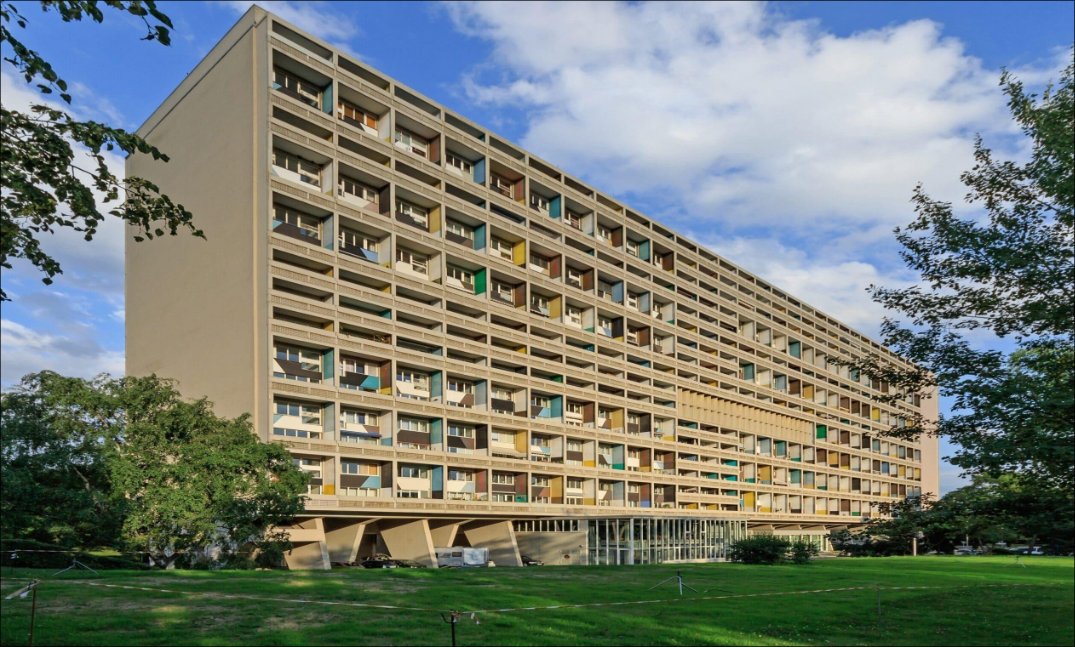
Unite d’Habitation, Le Corbusier (1947-52)
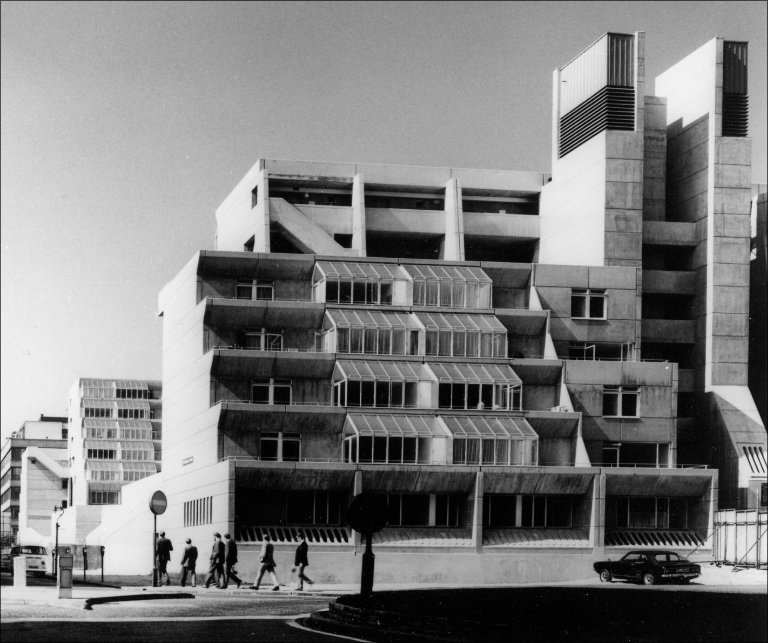
Foundling Estate, Patrick Hodgkinson (1967-72)
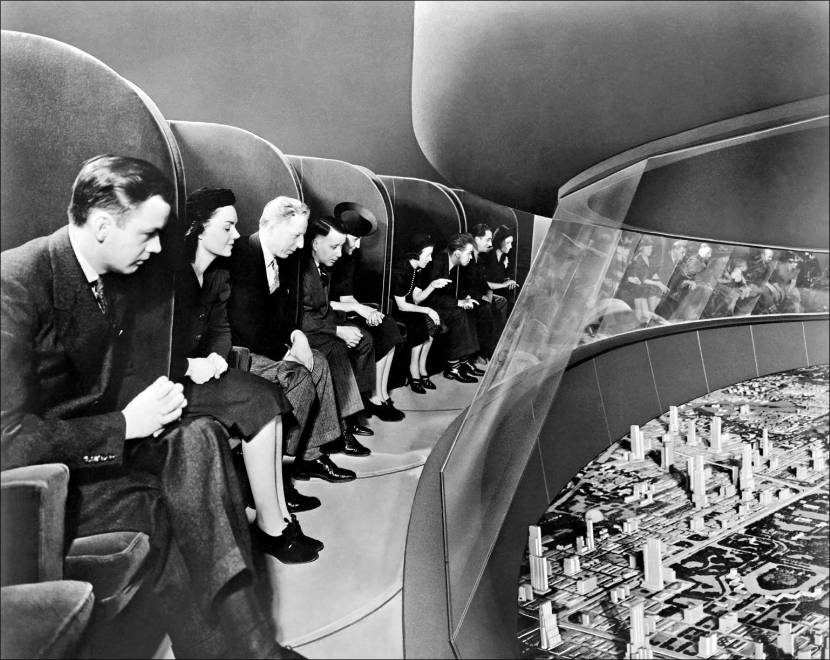
Futurama, Norman Bel Geddes (1939-40)
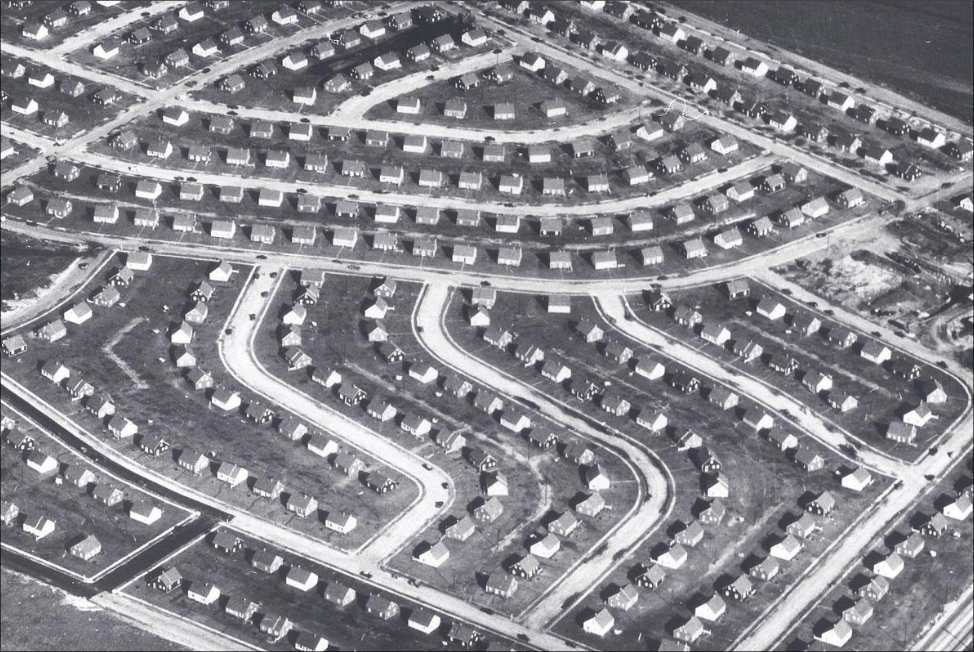
Levittown, William J. Levitt (1952-58)
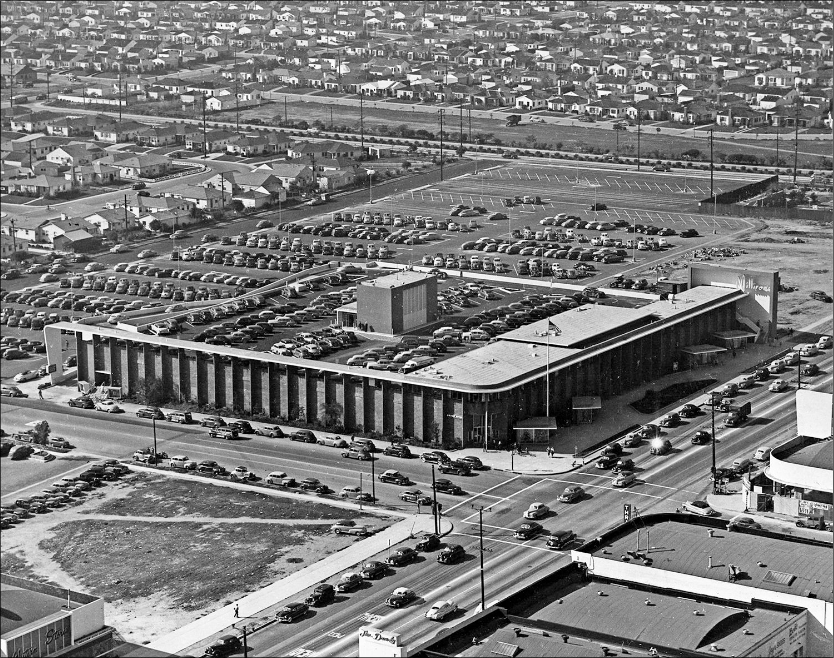
Milliron’s Department Store, Victor Gruen (1948-49)
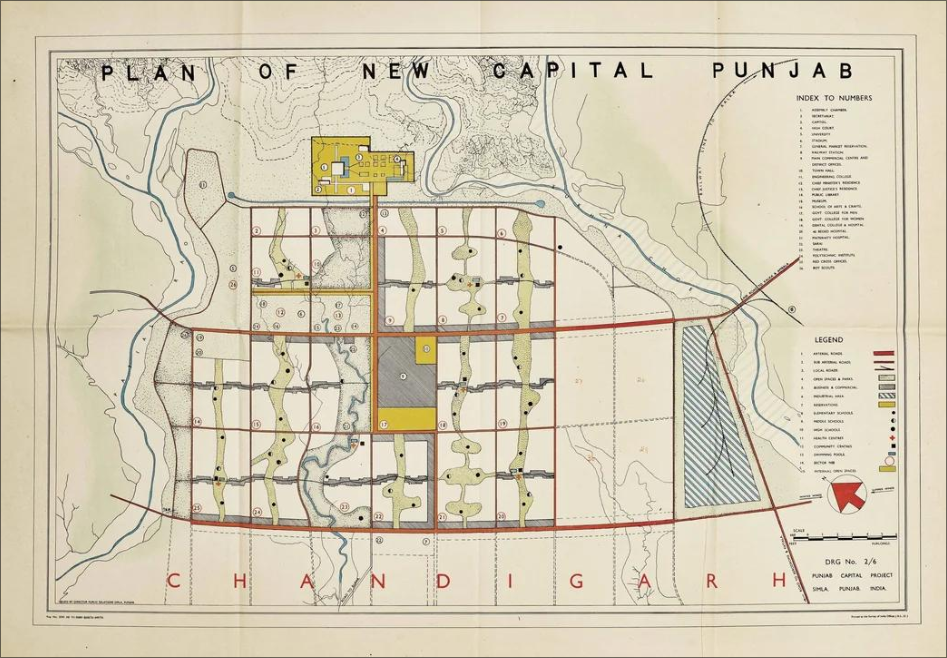
Chandigarh, India, Le Corbusier (1950-62)
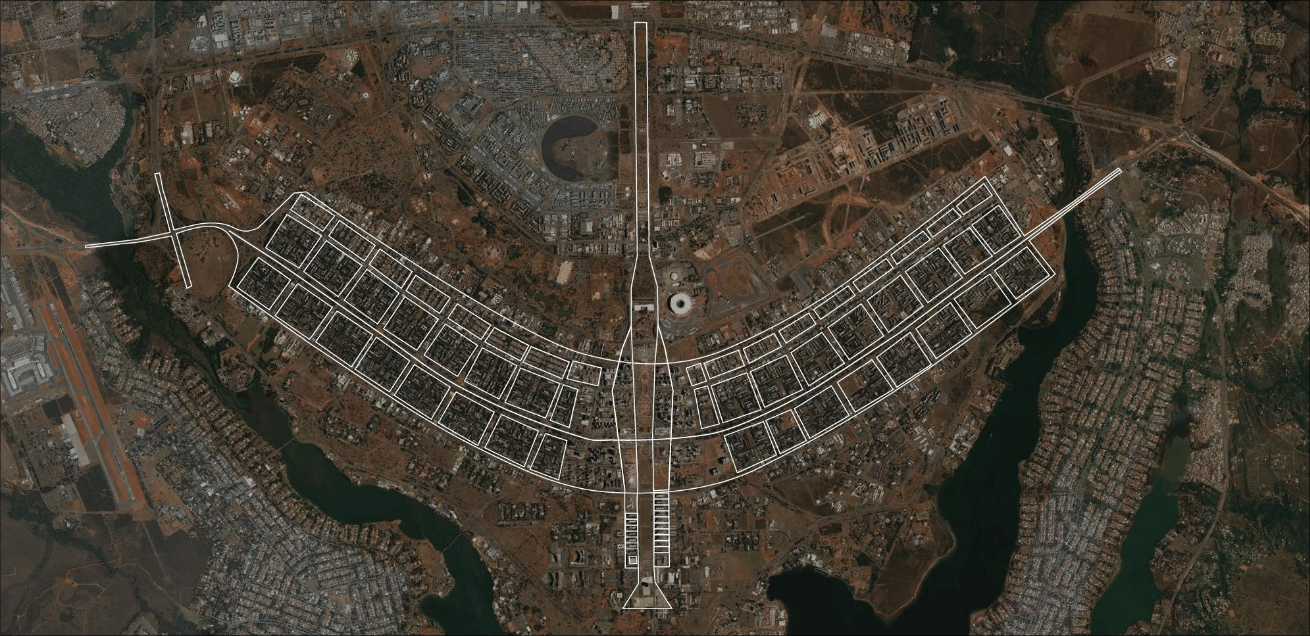
Brasilia, Lucio Costa, Oscar Niemeyer, and Joaquim Cardozo (1956-60)
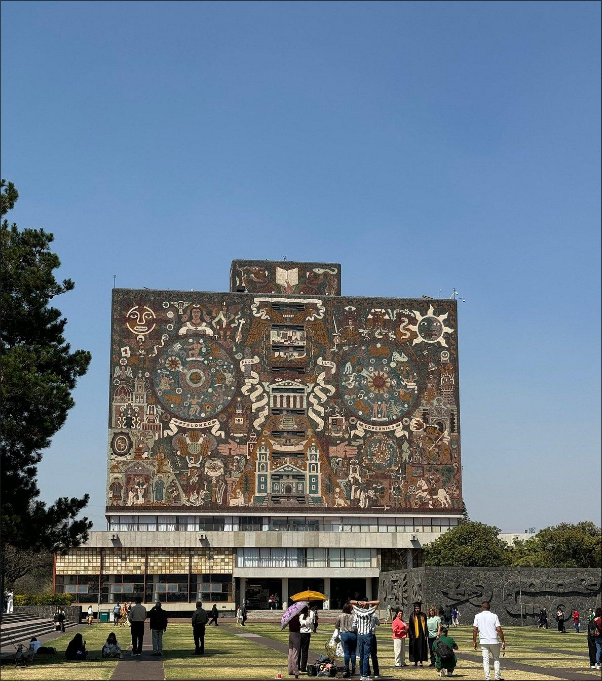
UNAM Central Library, Juan O’Gorman (1950-56)
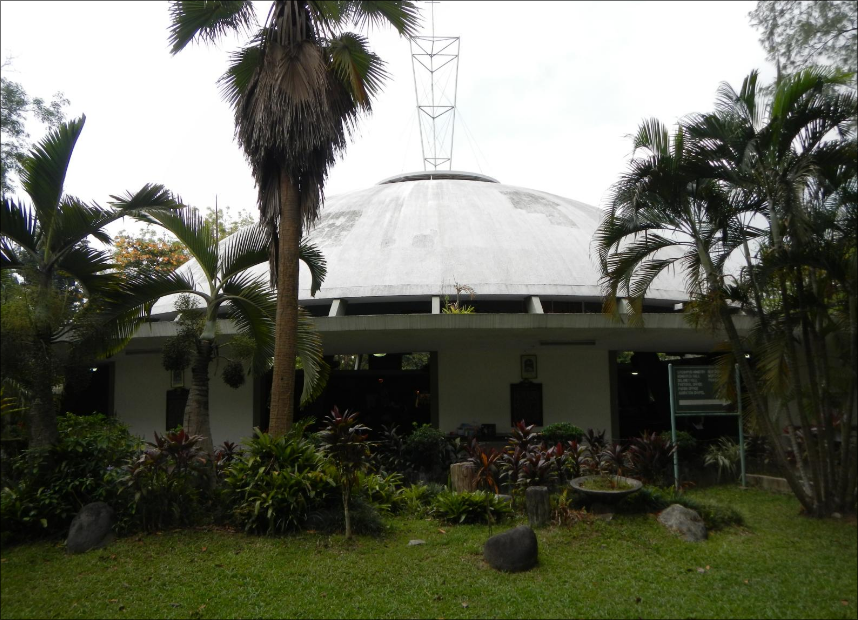
Church of the Holy Sacrifice, Leandro Locsin (1955)
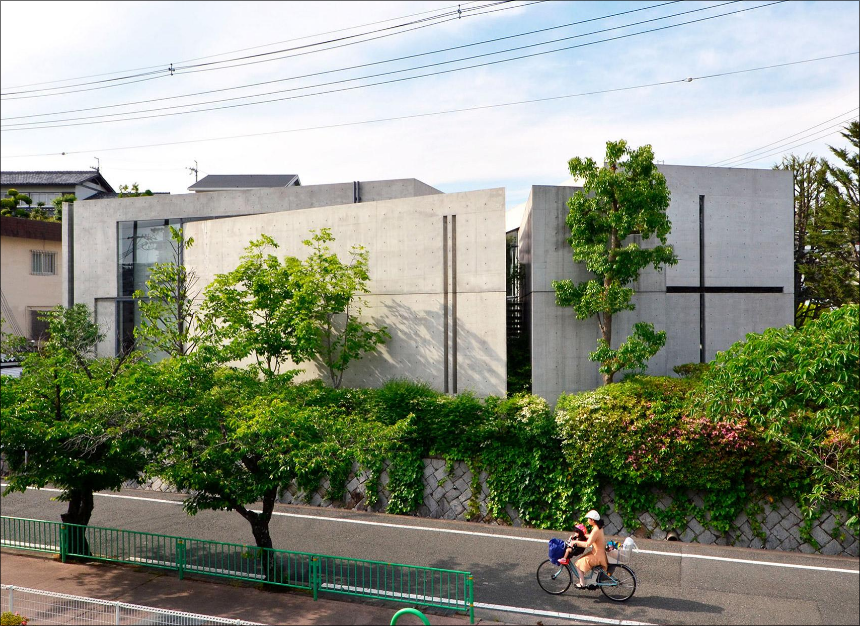
Church of the Light, Tadao Ando (1989-90)
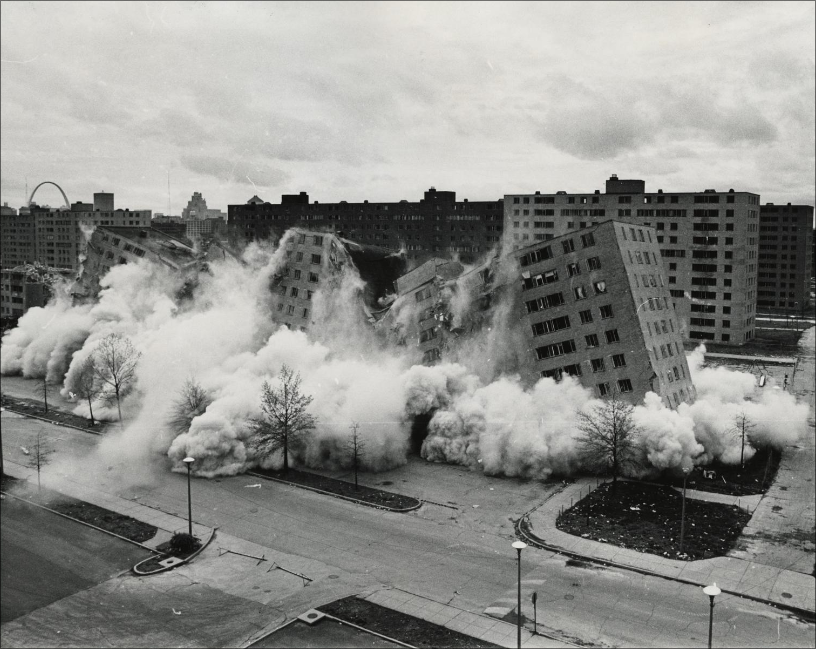
Pruitt-Igoe, Minoru Yamasaki (1951-55)
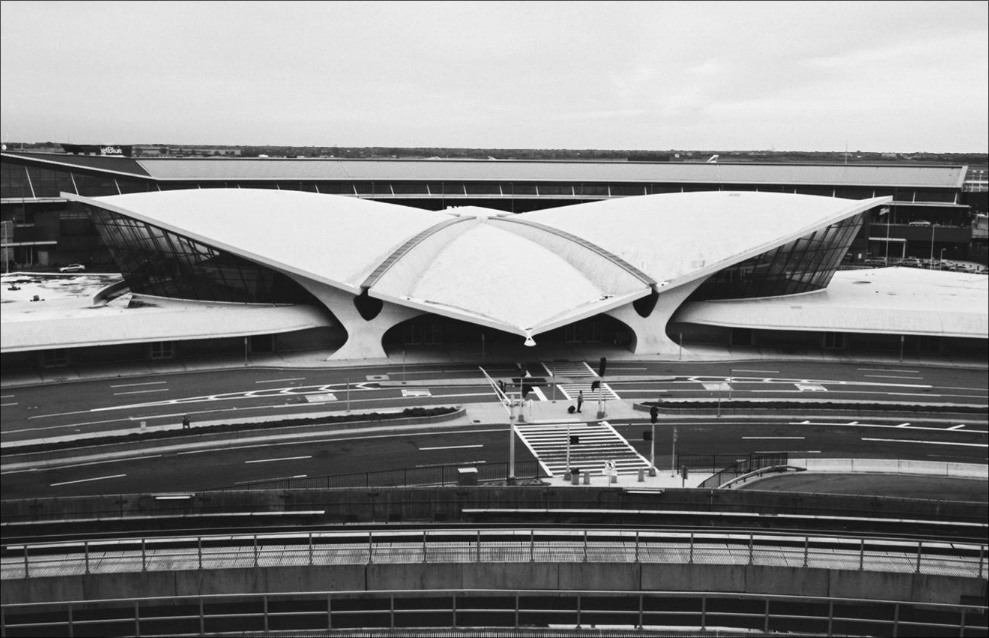
TWA Terminal, Eero Saarinen (1955-62)
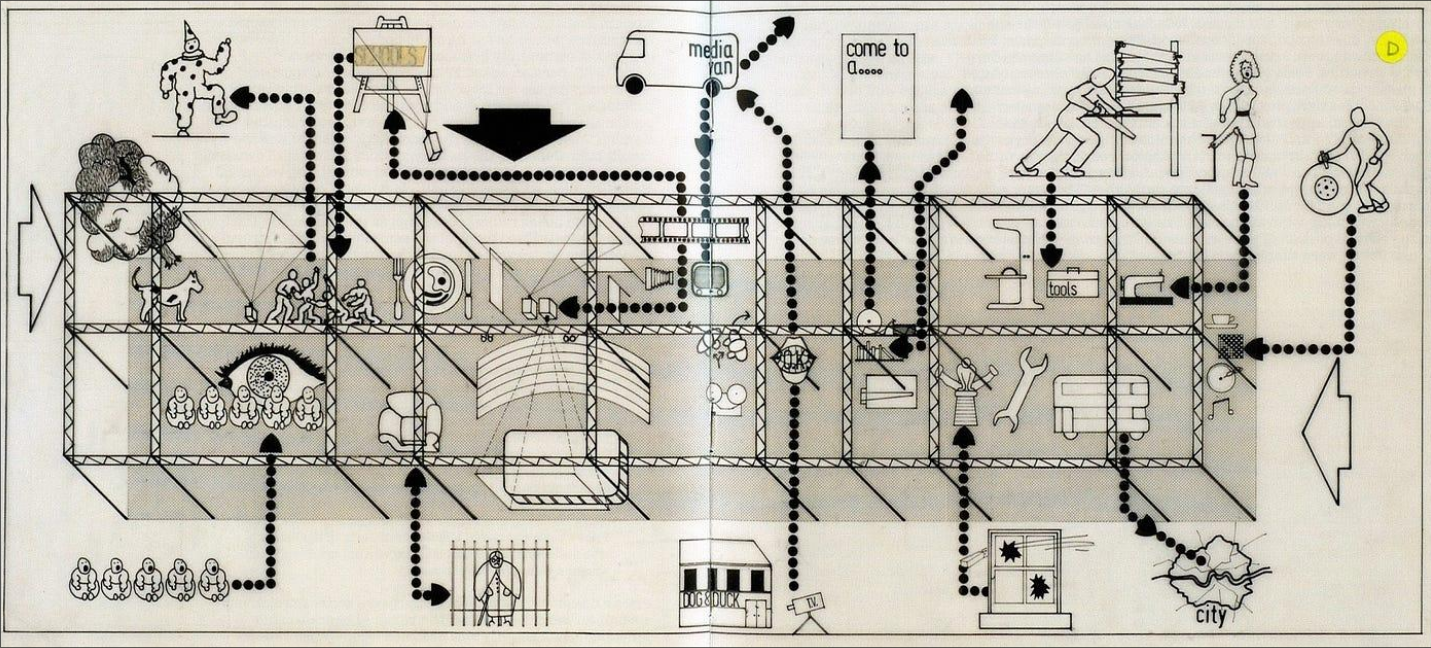
Fun Palace, Cedric Pricce and Joan Littlewood (1961-74)
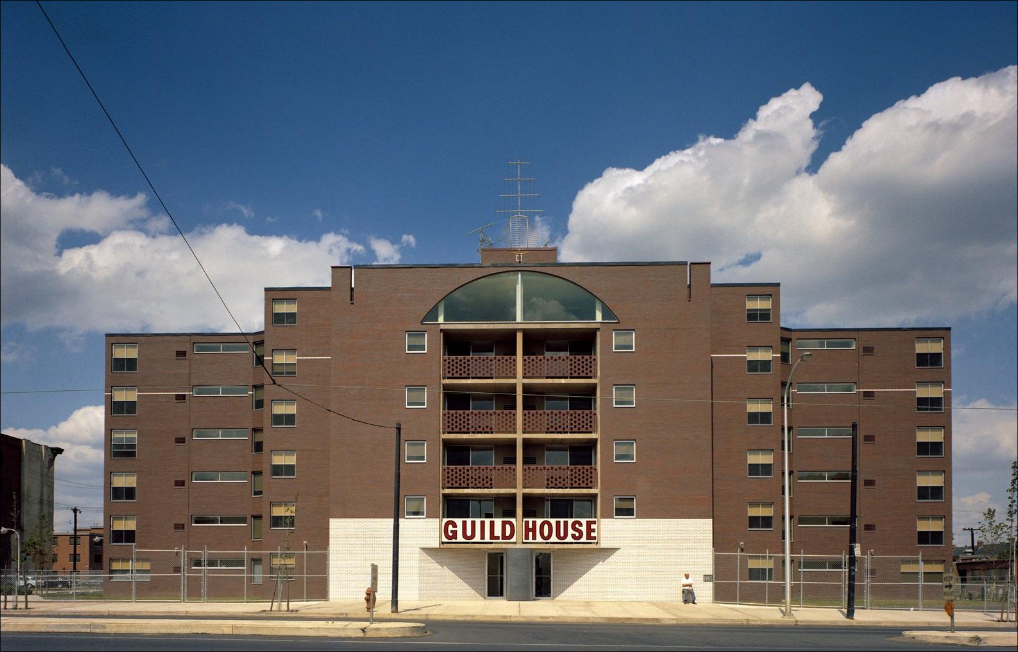
Guild House, Robert Venturi (1960-66)
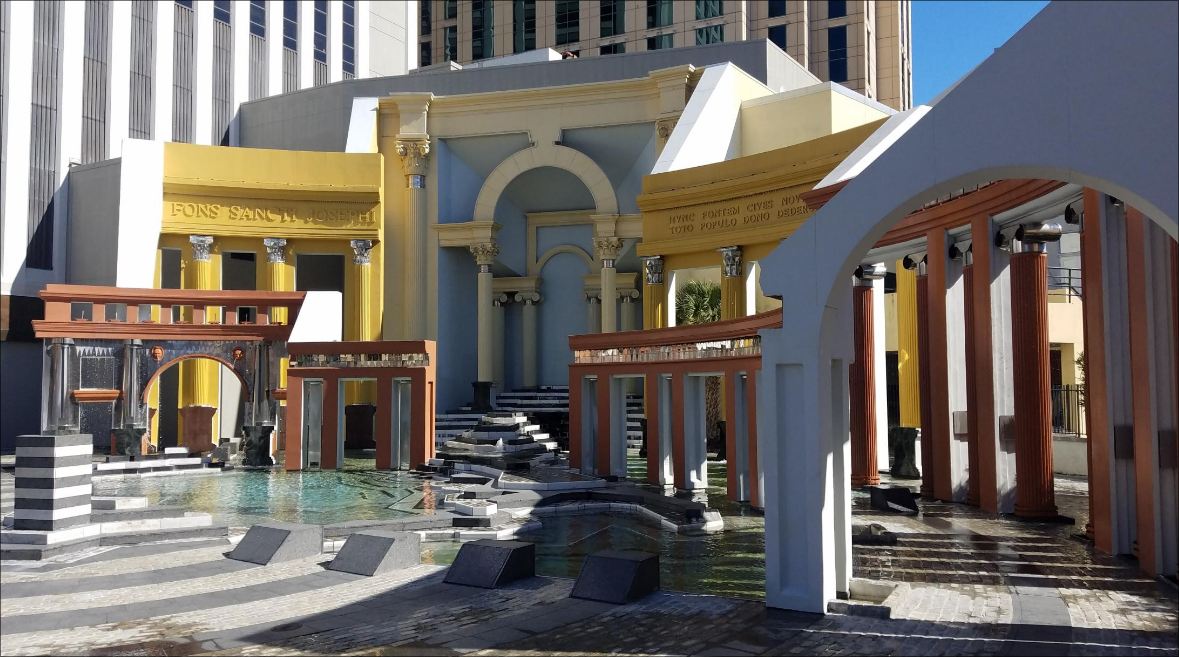
Piazza d’Italia, Charles Moore and Perez Architects (1974-78)
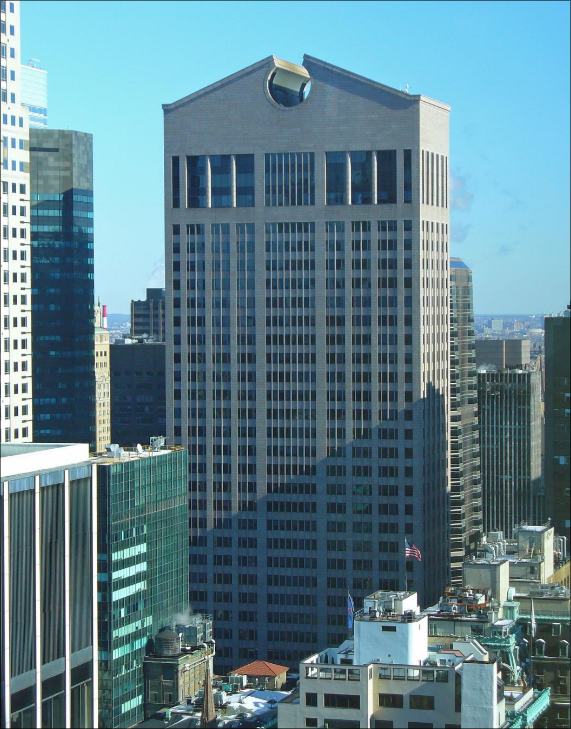
AT&T Building, Philip Johnson and John Burgee (1980-84)
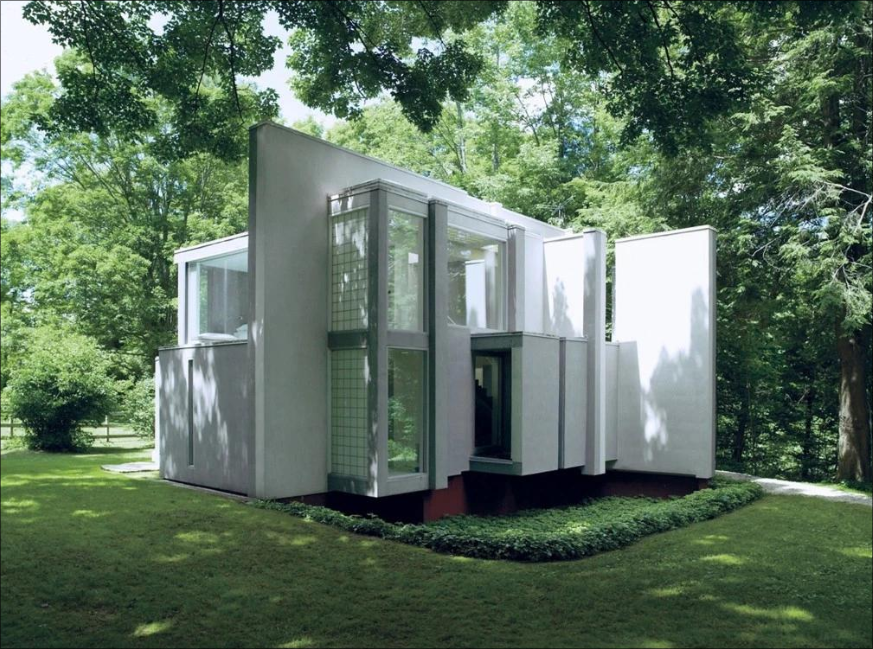
House VI, Peter Eisenman (1972-75)
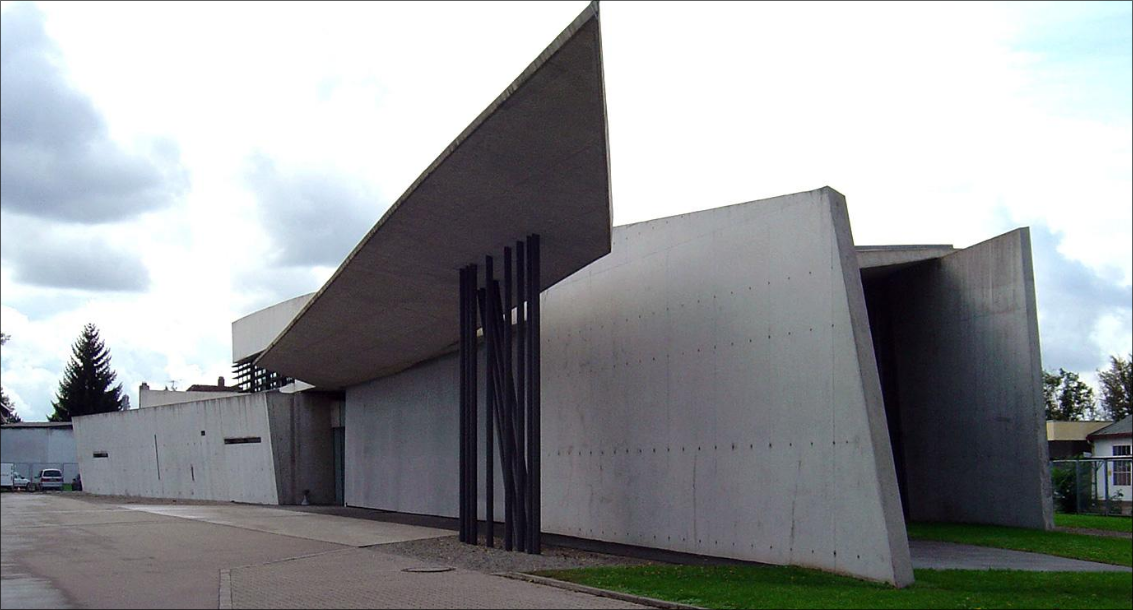
Vitra Fire Station, Zaha Hadid (1933)
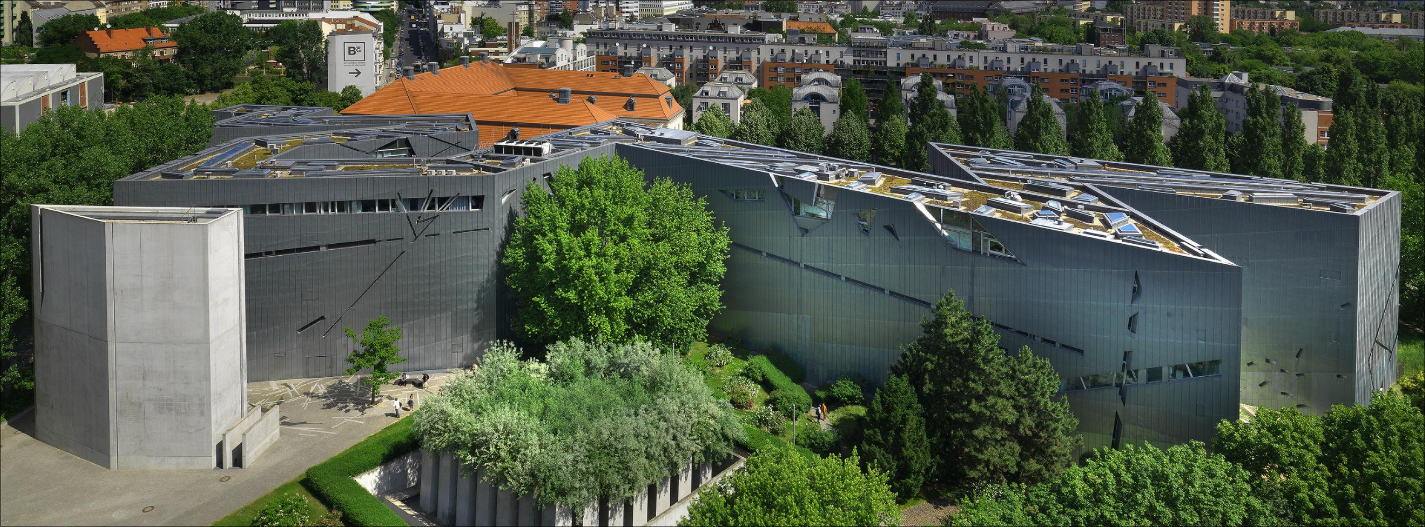
Jewish Museum, Daniel Libeskind (1989-2001)
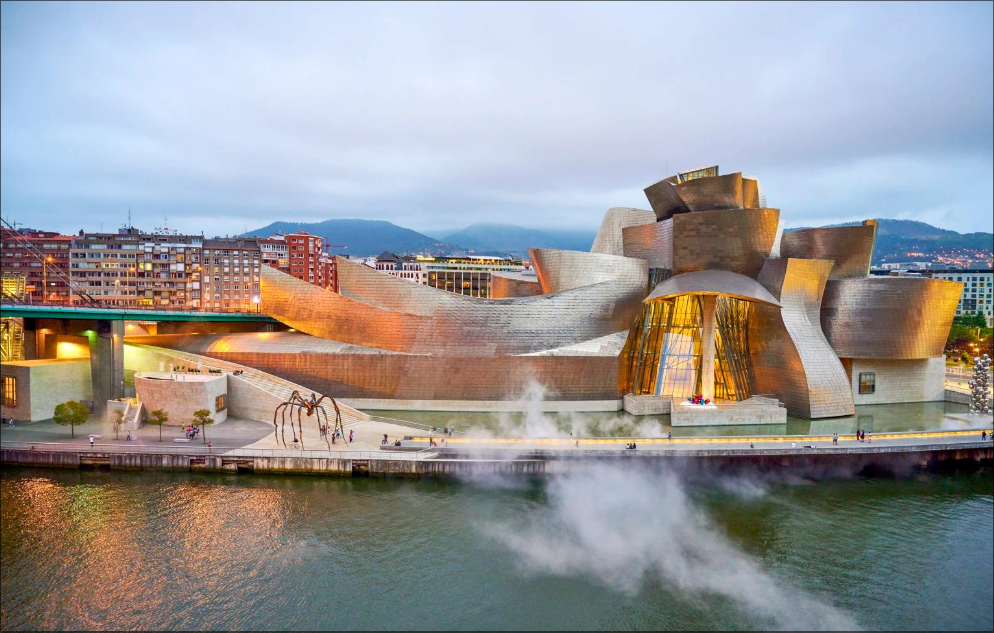
Guggenheim Bilbao, Frank Gehry (1991-97)
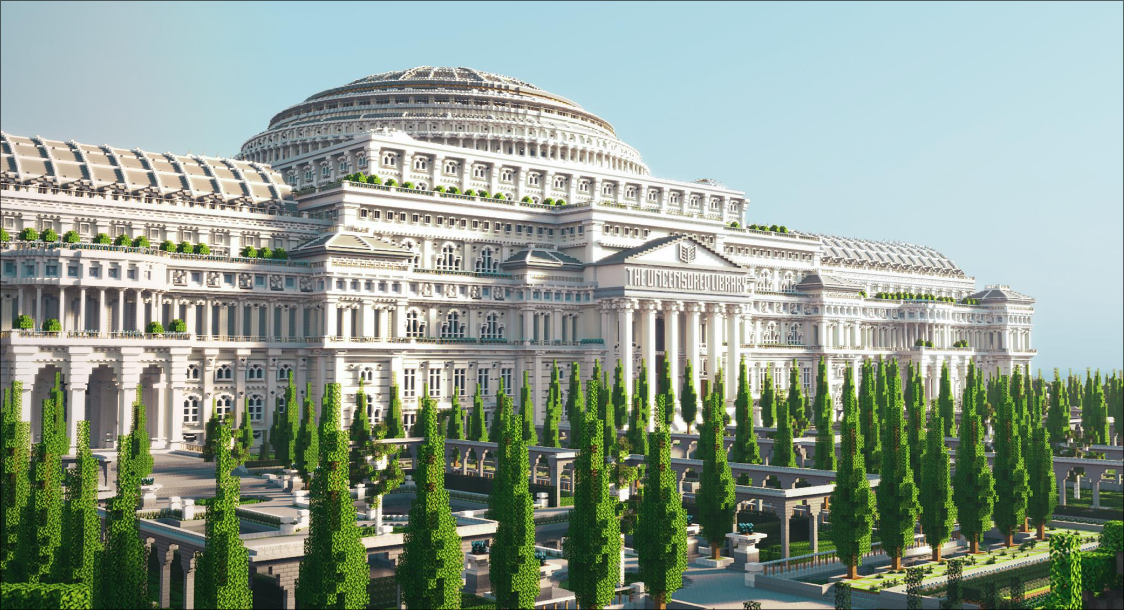
Uncensored Library, BockWorks and Reporters w/o Borders (2020)
Modernism
A 20th Century design
movement which sought to break away
from tradition in favor of geometric
forms, minimal decoration, and an
emphasis on technically ‘rational’
planning.
Raumplan
The concept of
spatial arrangement conceived
and promoted by Adolf Loos,
which favors a gradual,
vertical distribution of spaces
with differing ceiling heights
based on their importance and
function. Translated as
“spatial plan.”
Five points of Architecture
1. A grid of pilotis
2. Free plan
3. Free façades
4. Ribbon windows
5. Roof garden
Piloti
A slender column or
stilt that lifts the volume of a
building off the ground,
allowing for free passage
underneath.
Organic Architecture
Frank Lloyd
Wright’s concept of a modern
architecture which took inspiration
from, and worked in harmony with, the
site and surrounding natural
environment, as well as the human
occupants. Preferred simplicity and
honest use of natural materials.
Bauhaus
A massively
influential school of arts,
architecture, and industrial
design that helped to
define Modernism.
Operated in Germany
between 1919 and 1933.
International Style
The name
coined by the 1932 MoMA
Modern Architecture
International Exhibition for the
specific type of unornamented,
machine-aesthetic Modernist
architecture typified by Le
Corbusier, Mies van der Rohe,
Walter Gropius, and JJP Oud.
De Stijl
A Dutch artistic and
utopian movement which
sought a universal, modern
visual language in abstract
geometry rendered with strong
lines and bold primary colors.
Expressionism
A design
movement which rejected both
rigid historicism and functionalism
in favor of a more individualistic,
emotional, and artistic approach to
architecture.
Constructivism
A Soviet design
movement which sought to create an
architectural style unique to
communism. Employed an industrial
aesthetic and direct political symbolism
to celebrate modernized proletarian
labor and mass production.
Art Deco
A visual design style
which portrayed modernity
through sleek, geometric, graphic
forms, luxury materials, and
stylized references to technology,
motion, and nonwestern styles.
Facism
A form of authoritarian,
ultra-conservative government which
typically relies on the definition of
Sboth an in-group (usually along ethnic
lines) and the systematic oppression or
extermination of those outside this
category.
Socialist Classicism
An
architectural movement
promoted by Joseph Stalin
which employed lavish and
eclectic historic revivals, along
with some Art Deco influences,
in order to showcase the power
and prosperity of the Soviet
Union under his regime
Modulor
A system of proportions
and measurements devised by Le
Corbusier based on the body parts of
a man who is 6 feet (1.83 meters) tall.
Became a key design consideration in
his projects after the Second World
War.
Brutalism
A postwar Modernist
style which emphasizes its structure
through visible structural elements
and exposed, often monochrome
building materials. Derived from the
French term for unfinished concrete,
béton brut.
Megastructure
A single building or
small group of buildings meant to act
as a complete and comprehensive urban
environment. Very common in public
housing designs from the 1950s and
1960s.
Urban Renewal
The destruction of
neighborhoods deemed to be ‘blighted,’
rundown, or unsanitary, in order to
replace them with newer, usually more
open and modernist planning. In the
US, was regularly used to clear out
working class neighborhoods of
minorities and/or immigrants.
Case Study House Program
A
project commissioned by Arts &
Architecture magazine to design and
construct model houses for postwar
America. Led to the creation of 36
concepts employing modern
construction methods and materials
to make affordable, mass-
producible houses.
Interstate Highway Act
An American
federal legislation which led to the
construction of a nationwide system of
freeways between major cities, both to
facilitate civilian traffic and as a military
infrastructure in case of an attack on
the United States. Fully named the
National Interstate and Defense
Highways Act of 1956.
Redlining
The discriminatory use of
legal and financial systems to withhold
home loans and other services from
neighborhoods which, on the basis of
significant minority populations, are
declared to be unsafe investments. In
the United States, was used to prevent
suburban homeownership by ethnic
minorities, especially Black families.
Brise-soleil
An architectural feature, usually
made up of louvers, which shields windows
on the outer façade from direct sunlight.
Particularly common for Modernist
structures, especially in hot climates.
Hyperboloid Structure
A
structural form based on the curves
of a mathematical hyperbola.
Commonly used for strong and
stable towers, but can also be
employed to produce curved
surfaces with entirely straight
framing pieces.
Modern Regionalism
A postwar design
movement, named and championed by
Minnette de Silva, which sought to adapt
International Style Modernist concepts to
the specific material, cultural, and
economic context of nonwestern societies.
Could feature culturally relevant ornament,
traditional crafting methods, and local
materials.
Metabolism
A design movement of the
1960s and 70s which employed biological
logic and metaphors in the design of
architectural and urban space. Most
commonly worked on the scale of the
megastructure, and frequently employed
aspects of prefabrication and modular
design.
Critical Regionalism
A term
coined by Kenneth Frampton for
an alternative to the placeless
universality of the International
Style – not in a return to traditional
architectural or decorative styles,
but in the respect for, and use of,
techniques and materials which suit
the place where something is built
Populuxe
A style of pop art and
consumer goods which was popular
in the United States 1950s and 60s.
Aestheticized the technological
progress of the era, often featuring
dynamic curves or angles, fins, and
modern materials like chrome or
plastic. Derived from the words
‘popular’ and ‘luxury.’
Googie
A postwar, primarily commercial
architectural style which embodied many
aspects of Populuxe, celebrating the Space Age
through futuristic, nontraditional forms like
boomerangs, paraboloids, hyperboloids, and
upswept rooflines.
Archigram
A British architectural
magazine published through the 1960s and
70s which featured conceptual designs for
futuristic buildings and cityscapes, often
presenting these designs through images
created along the lines of pop art. Short for
“Architectural Telegram.”
The Death and Life of Great
American Cities
Jane Jacobs’ 1961
book on urban planning, which criticizes
the Modernist obsession with highways,
urban renewal, and single-use zoning.
The text instead advocates for mixed-
use development, sidewalk culture, and
the preservation of existing
neighborhoods.
Duck and Decorated Shed
An analogy
conceived by Robert Venturi and Denise
Scott Brown to explain the differing ways
in which buildings express their functions
to passersby. A “duck” uses its own form
to communicate its purpose, while a
“decorated shed” features communicative
ornament that is separated from the
structural form of the building itself.
Postmodernism
An umbrella term
for various reactions against
Modernism in architecture roughly
from the 1970s through the 1990s.
Common features of postmodern
architecture include fragmented or
irregular forms, multicolored surfaces,
historic references, and a tendency
toward ironic or even campy humor.
Paper Architect
A designer whose work is
primarily or exclusively intended to only be
represented in images, often because its
forms or required technologies are
impractical or outright impossible to build
physically. These works may be intended
simply as artistic/social statements or as an
exploration of new design concepts.
Deconstructivism
An architectural
style which rejects ideas like purity of
geometric forms, a sense of
completion or spatial order, and
functionalism; may include
intersecting and irregular masses,
distortion of conventional building
elements, or deliberate asymmetry
and discontinuity of its parts
CAD
Short for ‘computer-aided
design’: the use of digital software to
draw, model, refine, and render
architectural projects. Allowed for
substantial innovation in both the
geometric forms that could be built
as well as the capacity to predict the
functionality of a structure.
Starchitect
A portmanteau of ‘star’
and ‘architect’: an architect whose
work is so globally known that they
become a sort of celebrity, and
possession of one of their buildings
becomes a point of pride or publicity
for a city.
Parametric Design
A mode of
design which focuses and the
creation and application of
algorithms that produce architectural
forms, rather than the placement of
conventional forms and elements at
the whim of the designer. Tends to
produce fluid, geometrically irregular
forms.
New Urbanism
An urban
planning and real estate
development movement which
focuses on creating walkable
communities, often with a
mixture of mixed-use zones as
well as single family housing,
from scratch. Tends to both
reference and mimic the design
of traditional neighborhoods