Adaptive Immunity Study Guide
 Call Kai
 Learn
Learn Practice Test
 Spaced Repetition
 Match
Match Flashcards
 Knowt Play
1/34

There's no tags or description
Looks like no tags are added yet.
Name | Mastery | Learn | Test | Matching | Spaced | Call with Kai |
|---|
No analytics yet
Send a link to your students to track their progress
35 Terms
What is adaptive immunity?
A specialized branch of the immune systems characterized by specificity, learned immune response that targets pathogens using lymphocytes (T and B cells) and antibodies, providing memory.
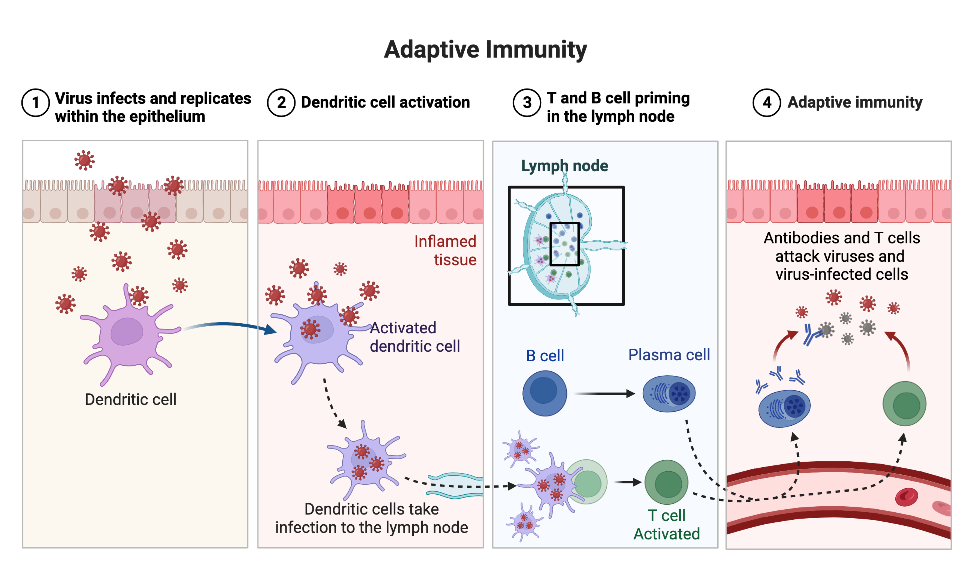
Describe how the adaptive immune system has specificity:
The ability to recognize and respond to specific molecular structures (antigens)
What is humoral (antibody mediated) immunity?
A branch of the adaptive immune system mediated by antibodies produced by B lymphocytes (B cells) in extracellular fluids (blood/lymph)
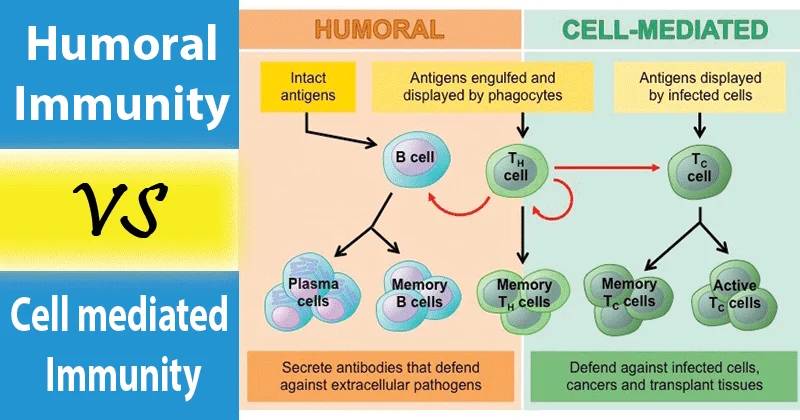
Describe the mechanism to humoral immunity:
B cells, upon recognizing specific antigens, differentiate into plasma cells that secrete antibodies, which bind specifically to pathogens
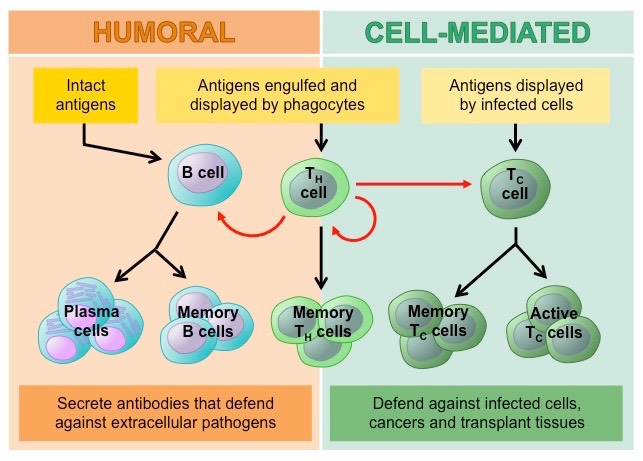
What are the 3 mechanisms in which humoral immunity uses antibody action:
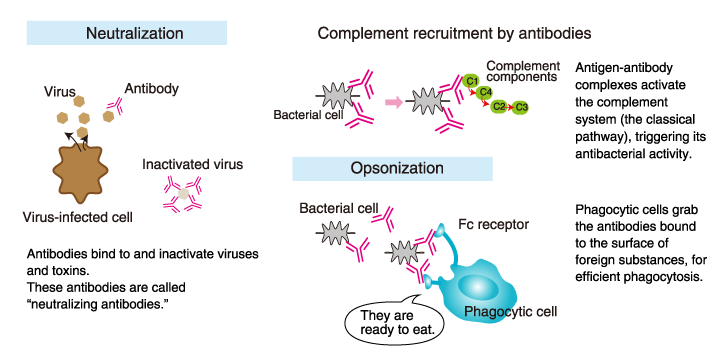
Neutralization: Binding pathogens to prevent them from entering or infecting cells
Opsonization: Coating pathogens to enhance phagocytosis by immune cells
Complement activation: Activating the complement system to destroy pathogens
What is the origin of B-cells?
Stem cells diverge into cell lines; B-cells differentiate in the adult bone marrow
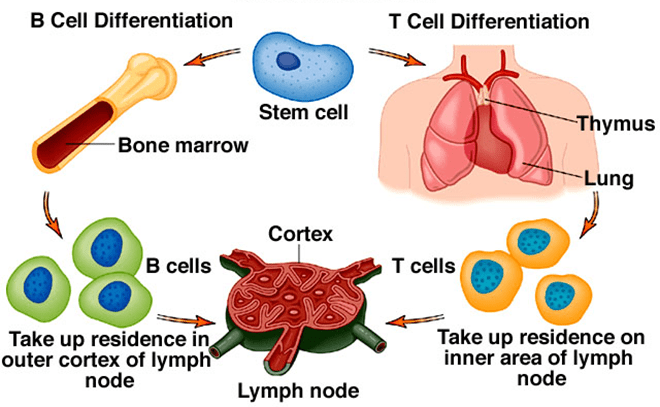
Describe the migration of B-cells:
Mature B-cells migrate to lymphoid tissues, particularly the spleen and lymph nodes
To ensure B-cells do not produce antibodies against self, what are the 2 signals required for differentiation into plasma cells:
Signal 1: Specific interaction between an antigen and the B-Cell Receptor (BCR
Signal 2: Cytokines provided by activated T-helper cells
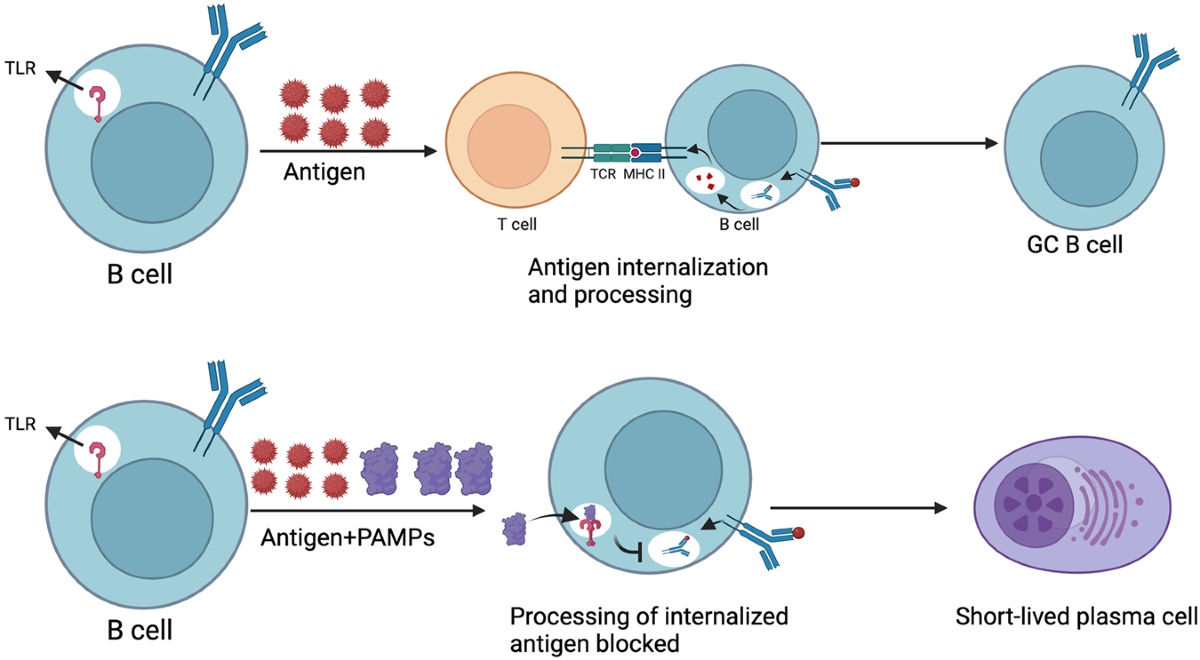
Once activated, B-cells proliferate and differentiate into:
Plasma cells (secrete antibodies) and memory cells (which persist for future encounters)
Antibodies are _______ consisting of 4 polypeptide chains (2 heavy, 2 light) connected by _______ bridges.
Glycoproteins; disulfide
What are antibodies produced by?
Antibodies are produced by B cells in the immune system
What is the function of antibodies?
To identify and neutralize foreign invaders like bacteria, viruses, and toxins. They function by binding to specific antigens to block, destroy, or flag them for other immune cells to eliminate, providing crucial defense against disease
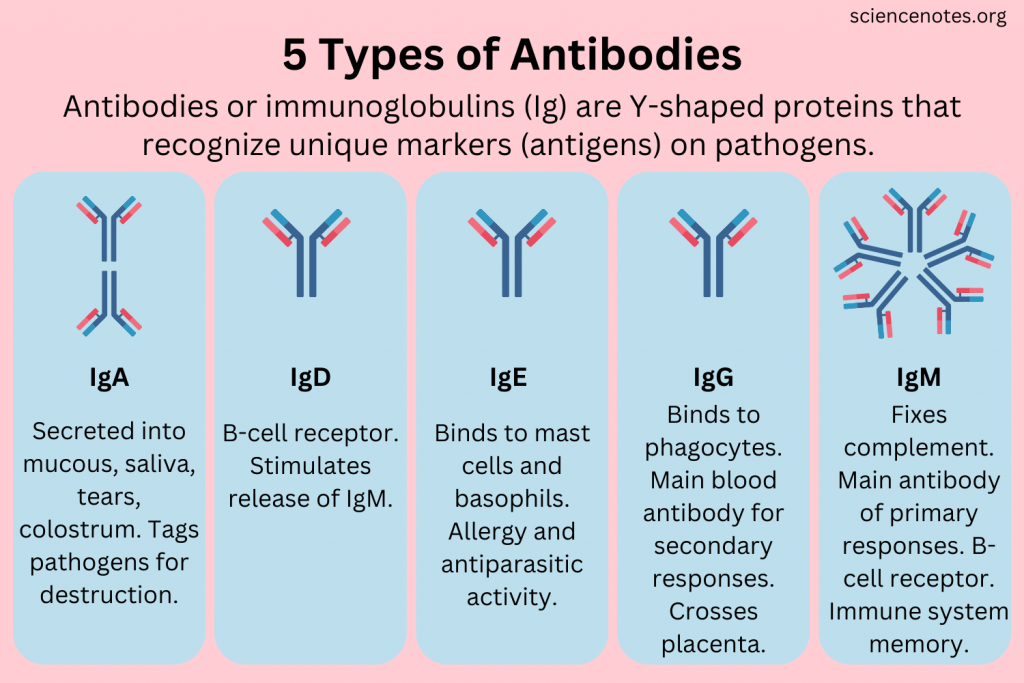
What are the key characteristics to IgG?
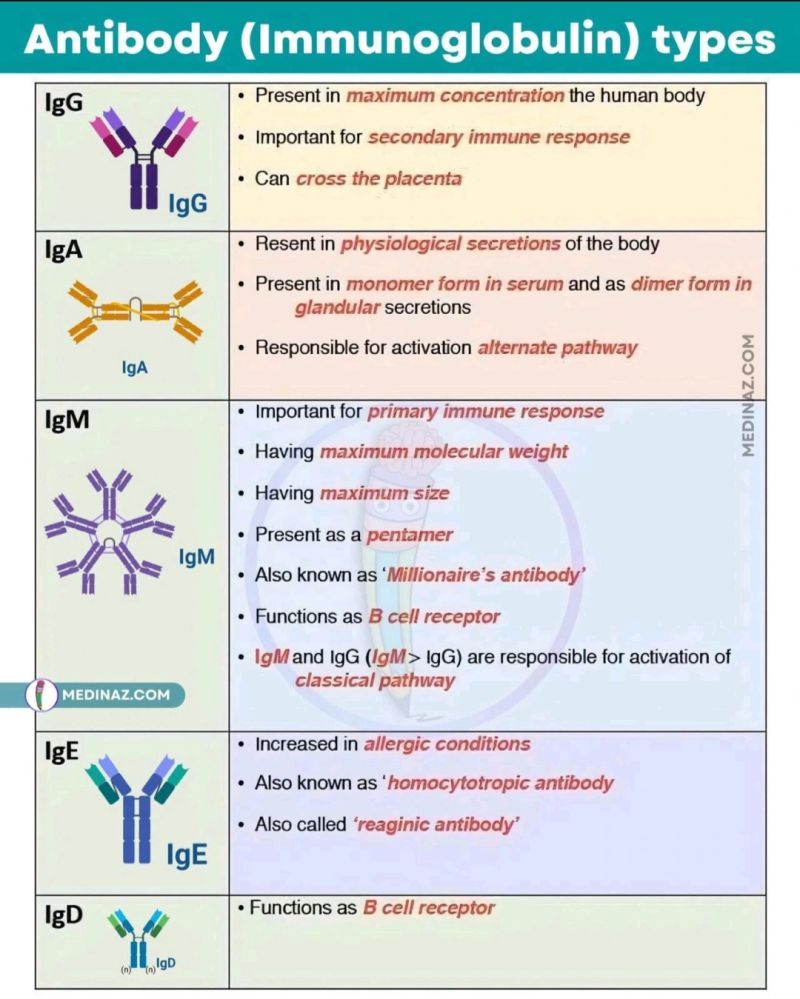
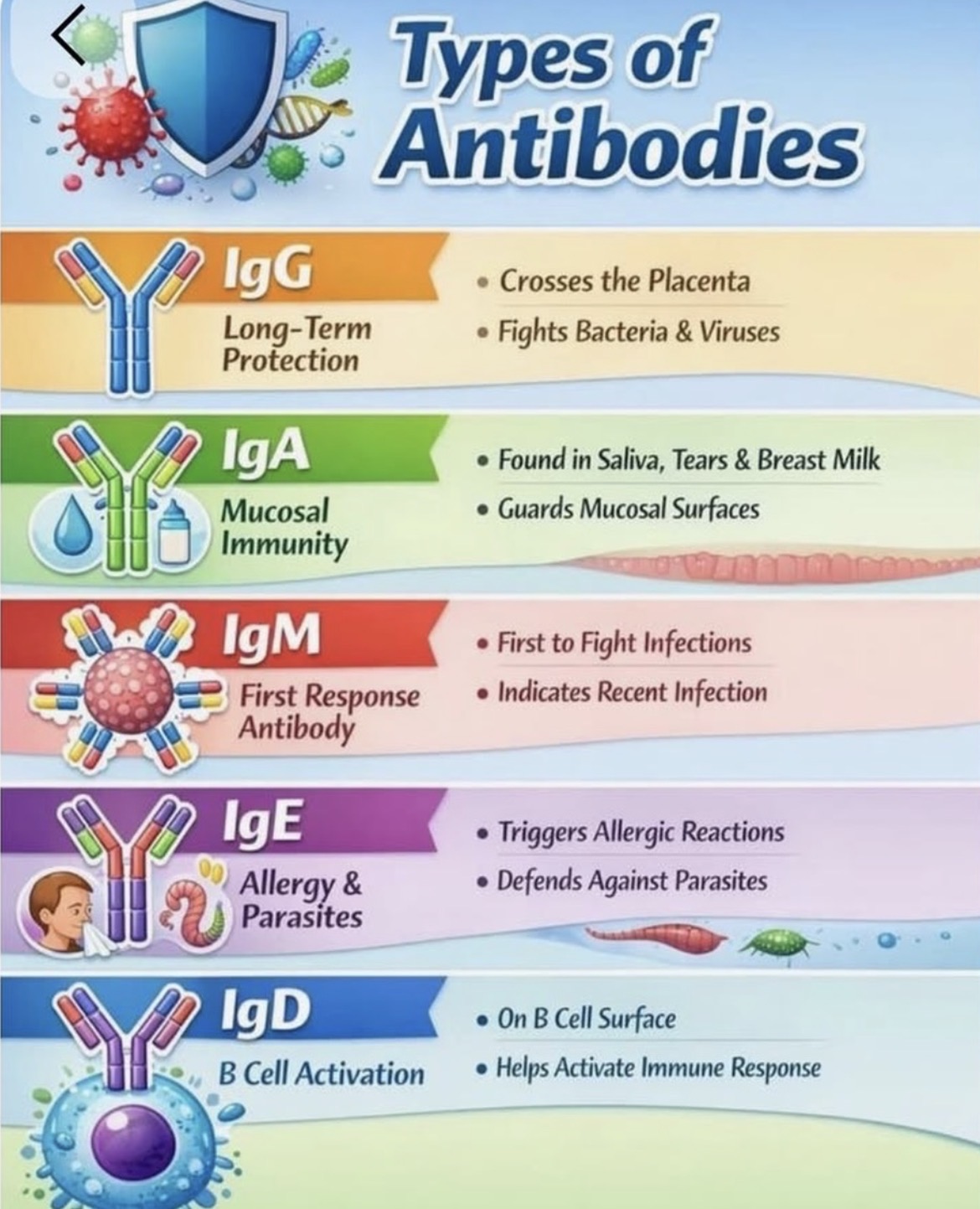
The most abundant type. It crosses the placenta, provides long-term immunity, protects against bacteria/viruses, fixes complement, facilitates Opsonization and ADCC
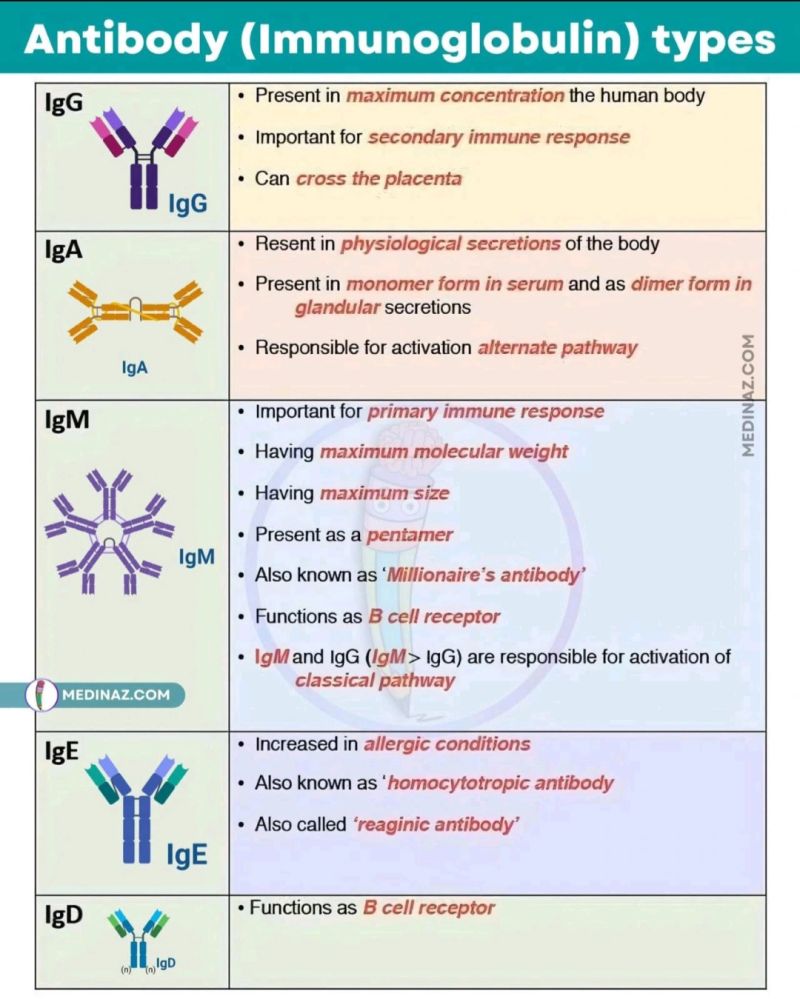
What are the key characteristics to IgA?
Secretory antibody. Found in mucosal areas (saliva, tears breast milk), protects body openings, neutralizes and trap pathogens in secretions
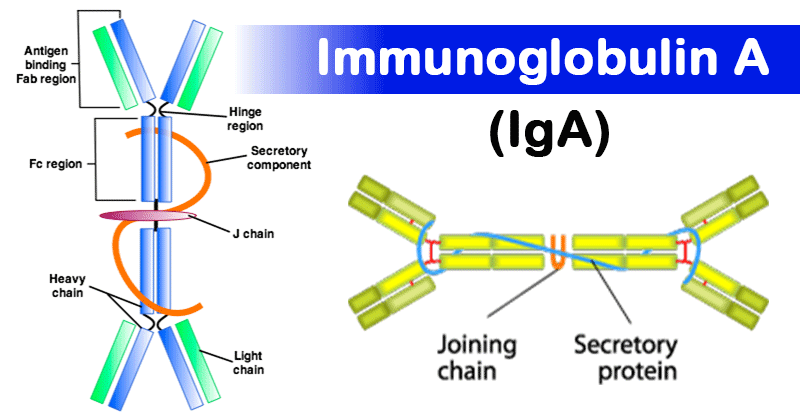
What are the key characteristics to IgM?
The 1st antibody produced in response to an infection (primary response). Has 10 binding sites, excellent at neutralization and agglutination, fixes complement
What are the key characteristics to IgE?
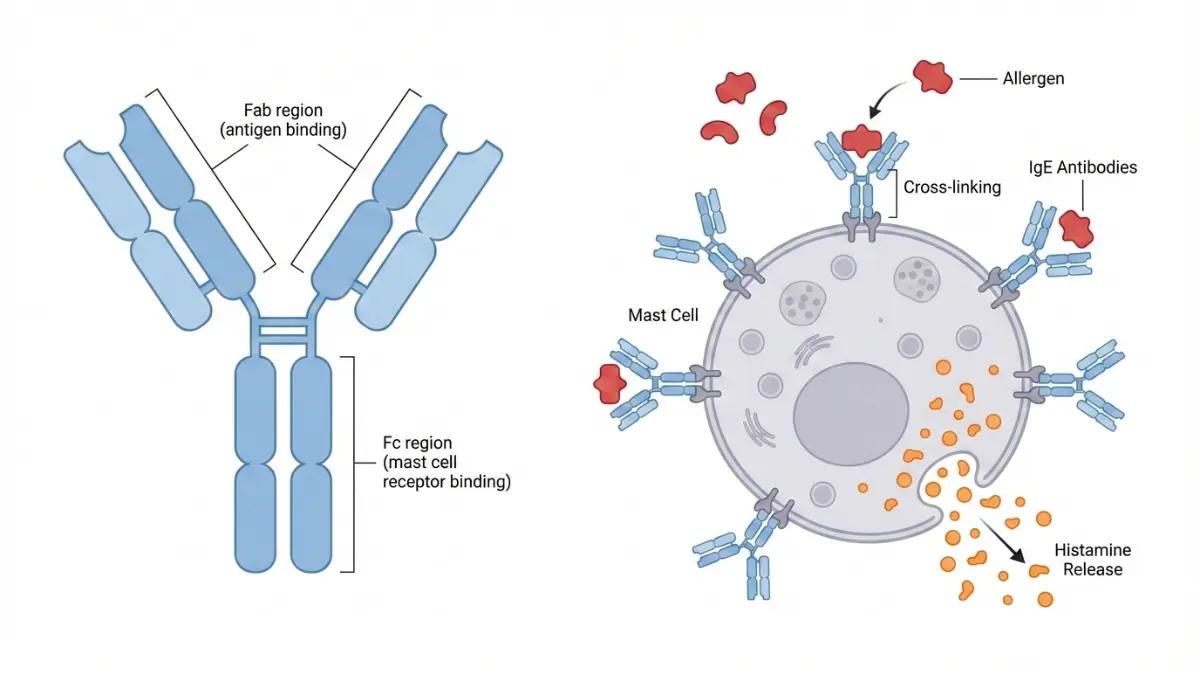
Involved in the activation of mast cells and basophils. Targets parasitic infections and triggers allergens (allergic reactions)
What are the key characteristics to IgD?
Primarily acts as an antigen receptor on B cells (BCR)
What are the 4 overall steps to how antibodies function?
Recognition: When a foreign antigen enters the body, the immune system produces antibodies tailored to that specific antigen
Binding: The antibody uses its Y-shaped arms to stick to the antigen
Neutralization: By binding to the invader, the antibody blocks it from damaging cells
Elimination: The antibody signals other immune cells (like phagocytes) to destroy the bound invader
What is neutralization of antibodies?
Antibodies bind to the surface of viruses or toxins, preventing them from attaching to host cell receptors
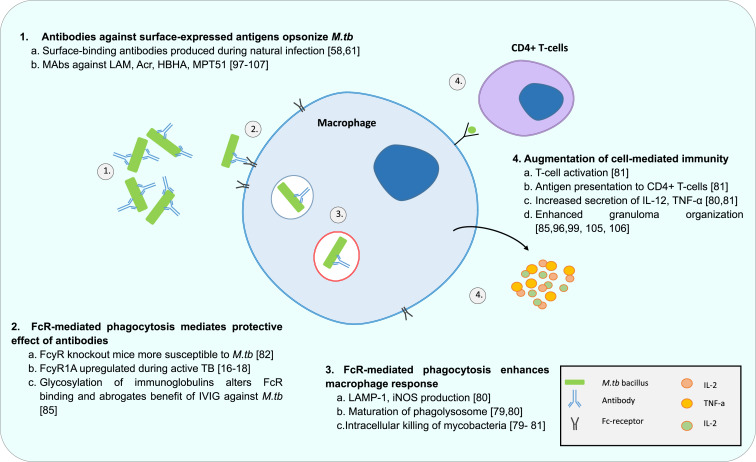
What is Opsonization of antibodies?
Antibodies coat pathogens, and their Fc regions bind to receptors on phagocytes (macrophages), significantly enhancing phagocytosis
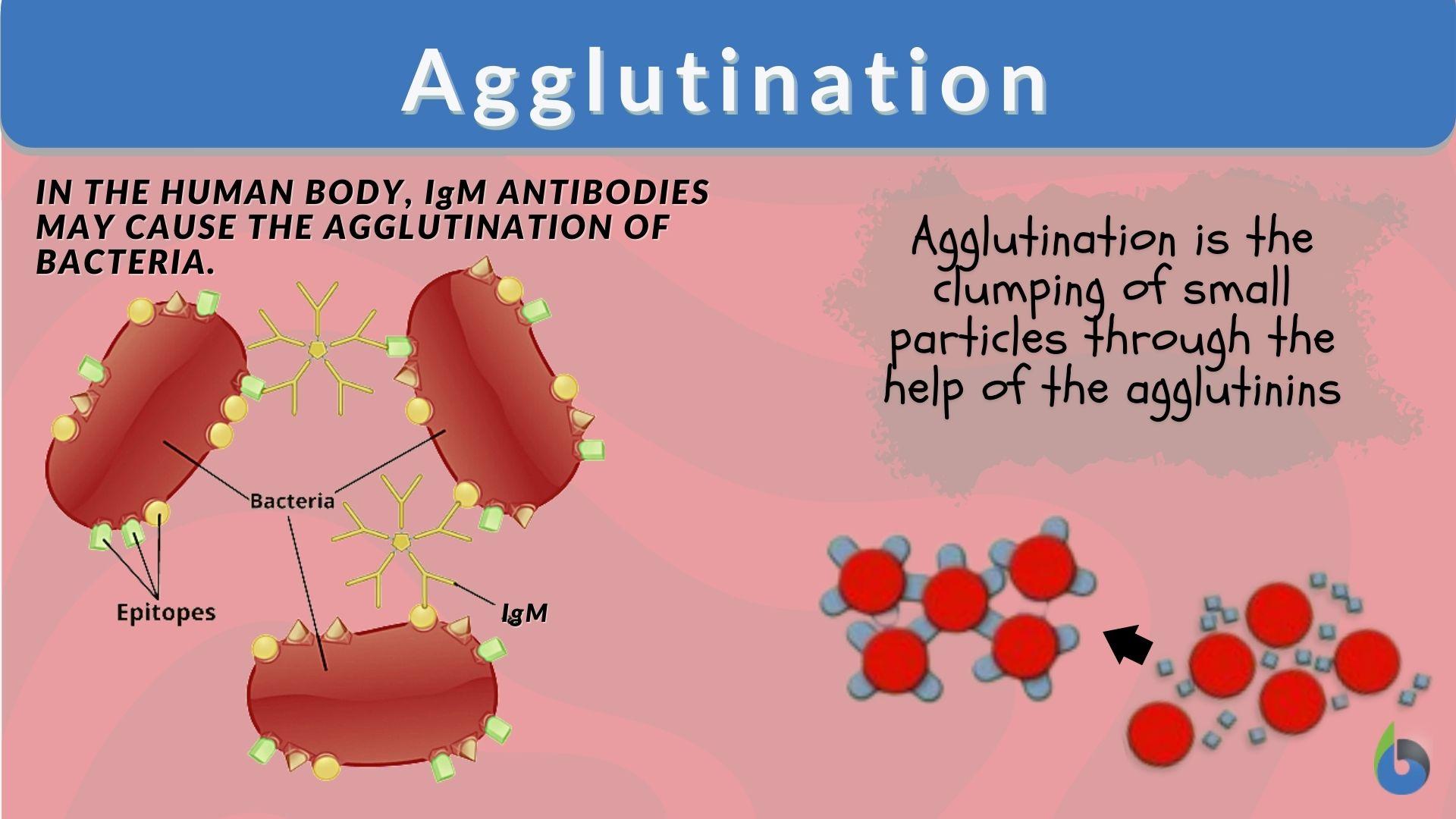
What is agglutination of antibodies?
Multiple binding sites on antibodies (especially IgM) cross-link pathogens into large clumps, making them easier to filter or ingest
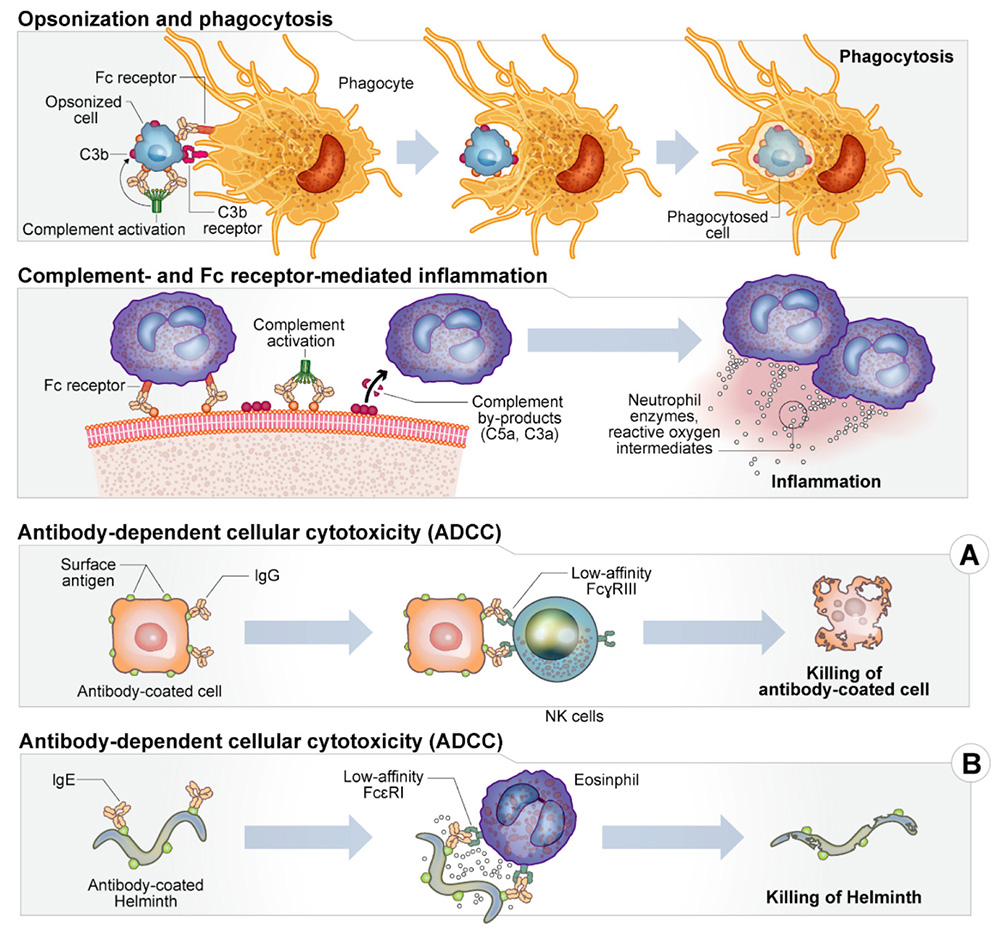
Describe the mechanism of Antibody-Dependent Cell Cytotoxicity (ADCC):
Antibodies bind to a target cell; Natural Killer (NK) cells, eosinophils, or macrophages then bind to the antibodie’s Fc regions and release cytotoxic to destroy the target
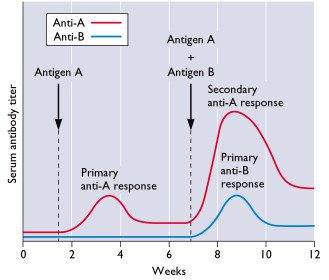
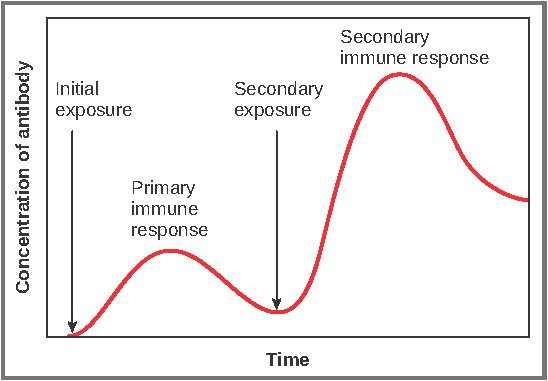
Describe the primary response of antibodies:
Occurs after the first exposure to an antigen. It features a latent period (approx. 10 days) followed by a rise in IgM and then IgG
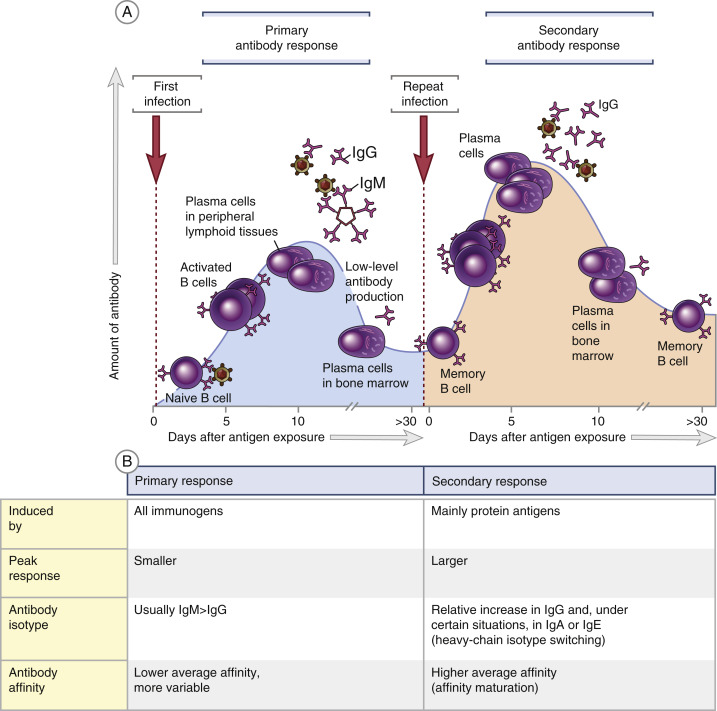
Describe the secondary response of antibodies:
Occurs upon re-exposure. Characterized by a much shorter latent period, a more rapid exponential phase, and significantly higher titers of IgG. High levels of antigen-specific IgM typically indicate a current or very recent infection
What is cell-mediated immunity?
An immune response that does not involve antibodies, but rather relies on the direct action of immune cells. primarily T lymphocytes (T cells) to destroy infected, cancerous, or foreign cells
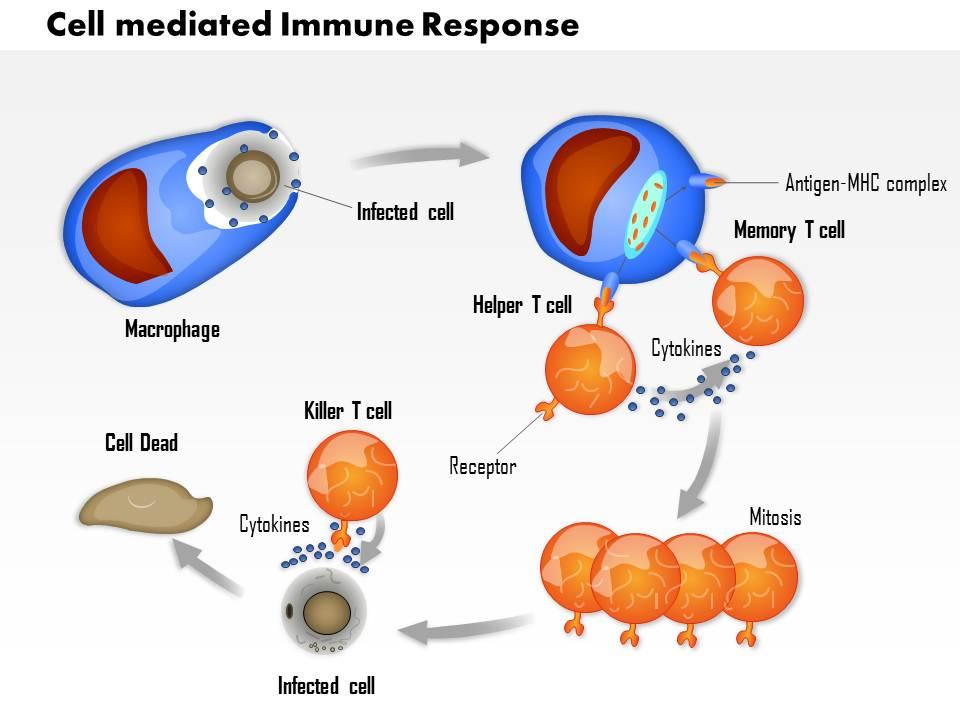
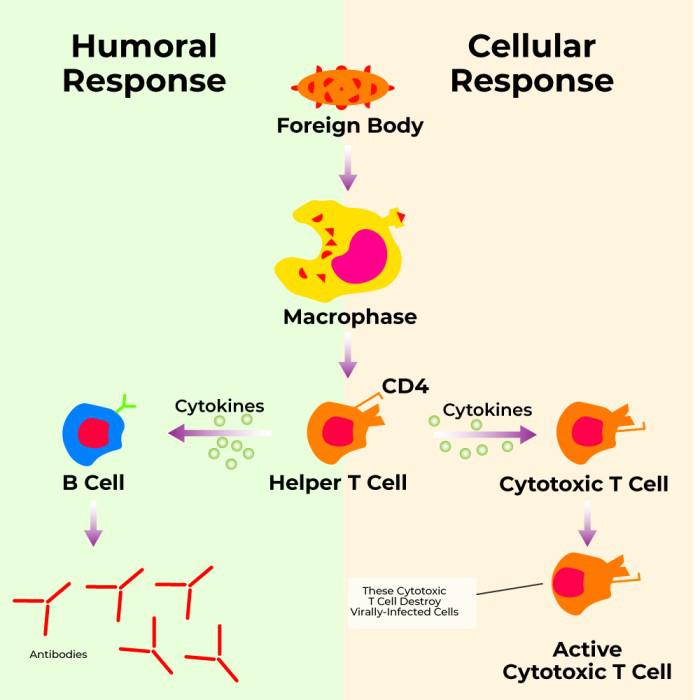
T-cells direct the immune response against _________ pathogens through cytotoxicity and the release of ________.
Intracellular; cytokines
What is the origin of T cells?
Originate from hematopoietic stem cells in the bone marrow. Travel to the thymus to develop, mature, and undergo selection. Mature T cells then move to lymphatic system and bloodstream to fight infection.
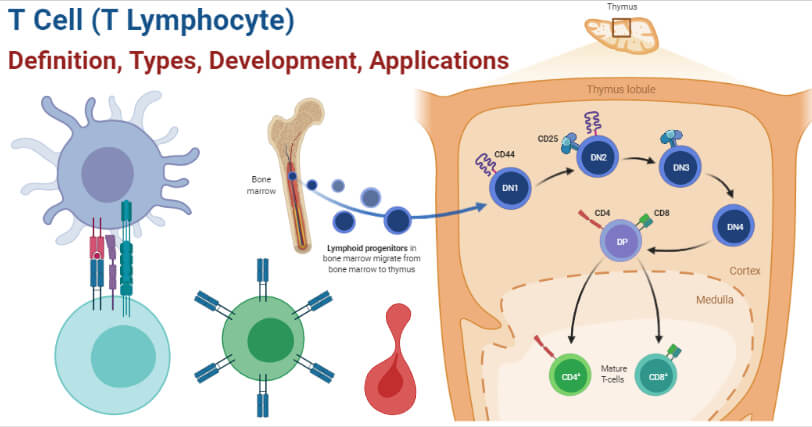
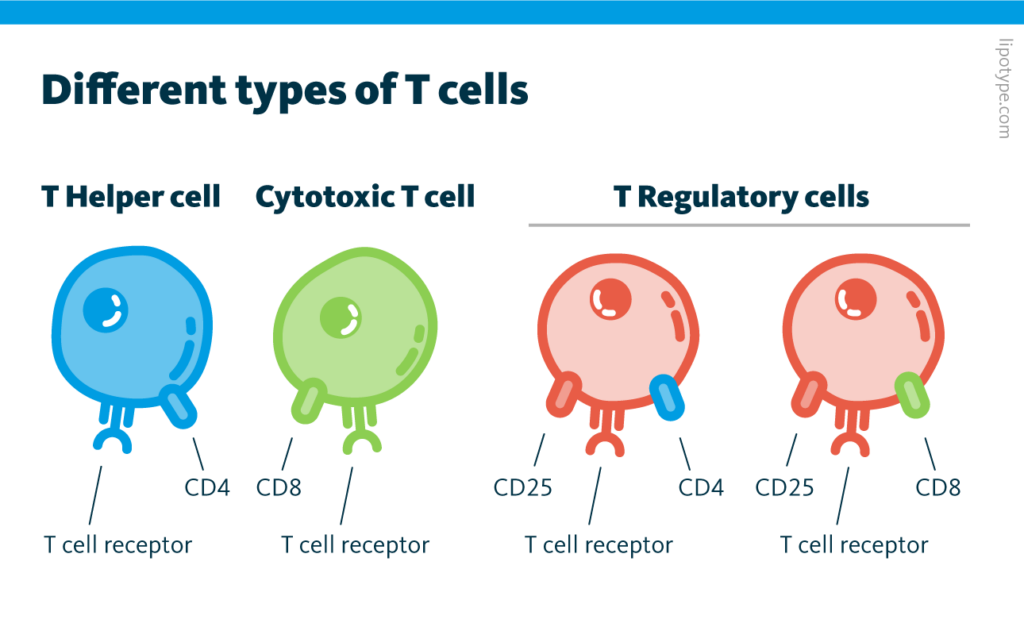
Once T cells are matured, they become specialized. What are the 3 types?
Helper T cells (CD4+)
Cytotoxic T cells (CD8+)
Regulatory T cells
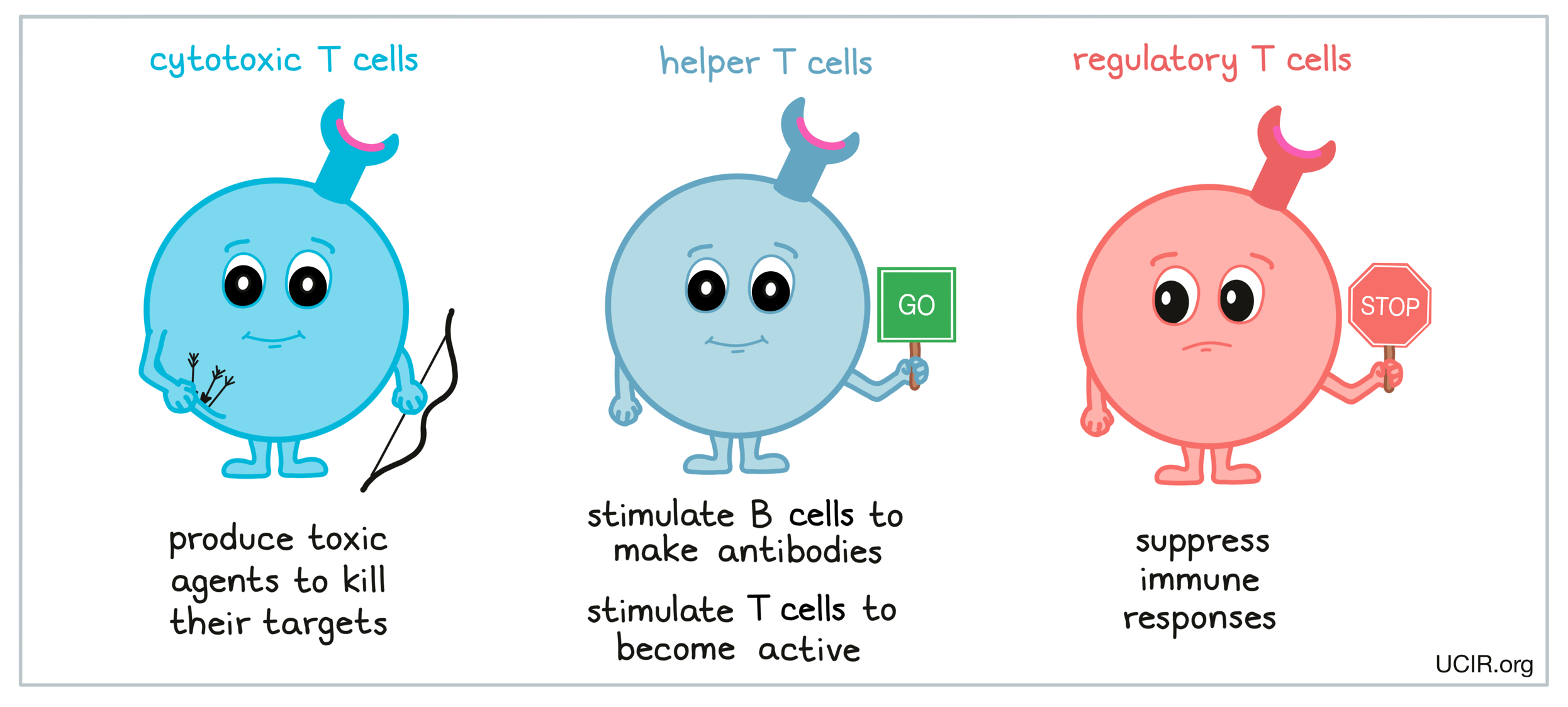
Describe CD4+ T cells:
These cells act as managers of the immune system. Upon recognizing antigens, they secrete chemical signals (cytokines) that activate other immune cells, including B cells (to produce antibodies) and cytotoxic T cells
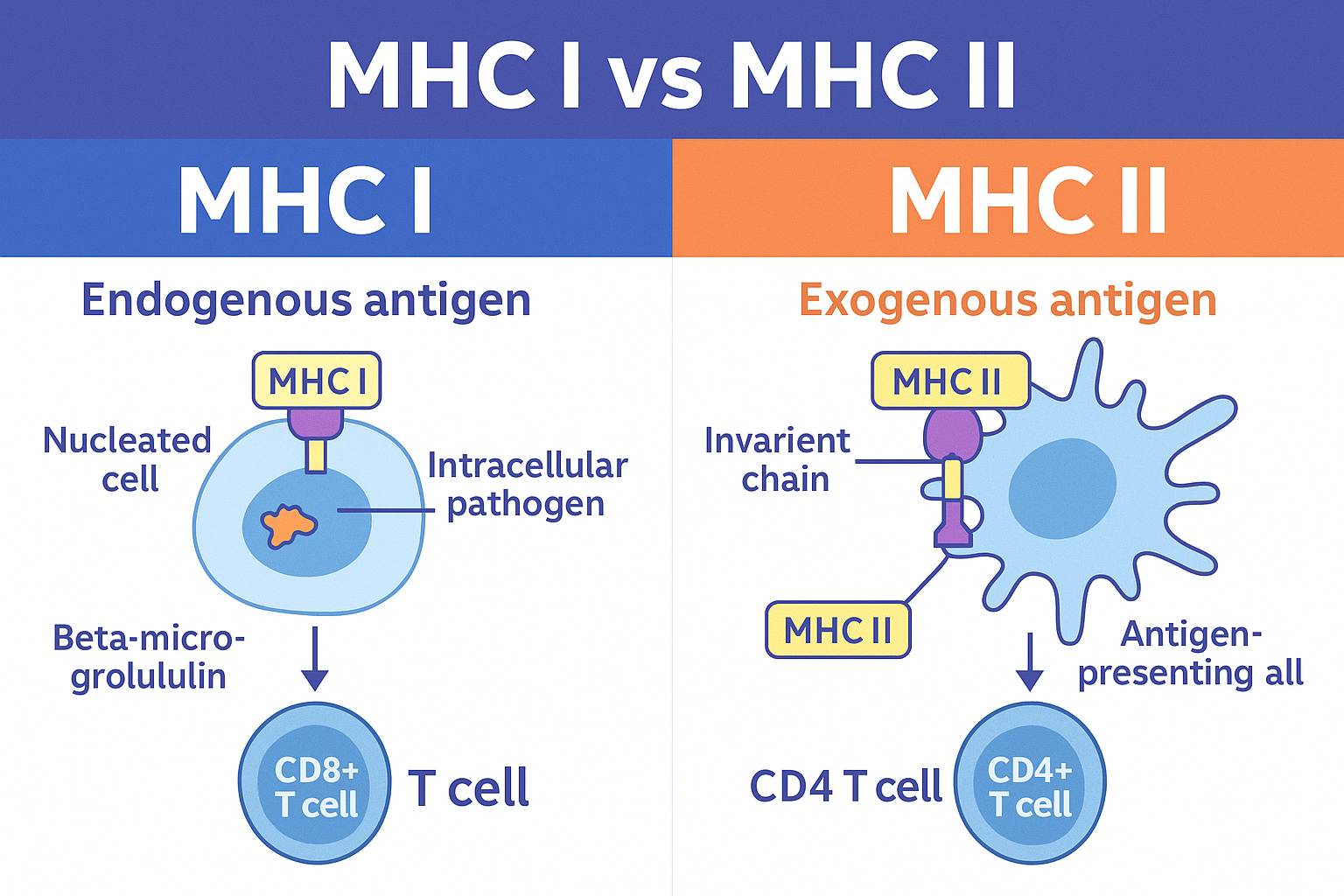
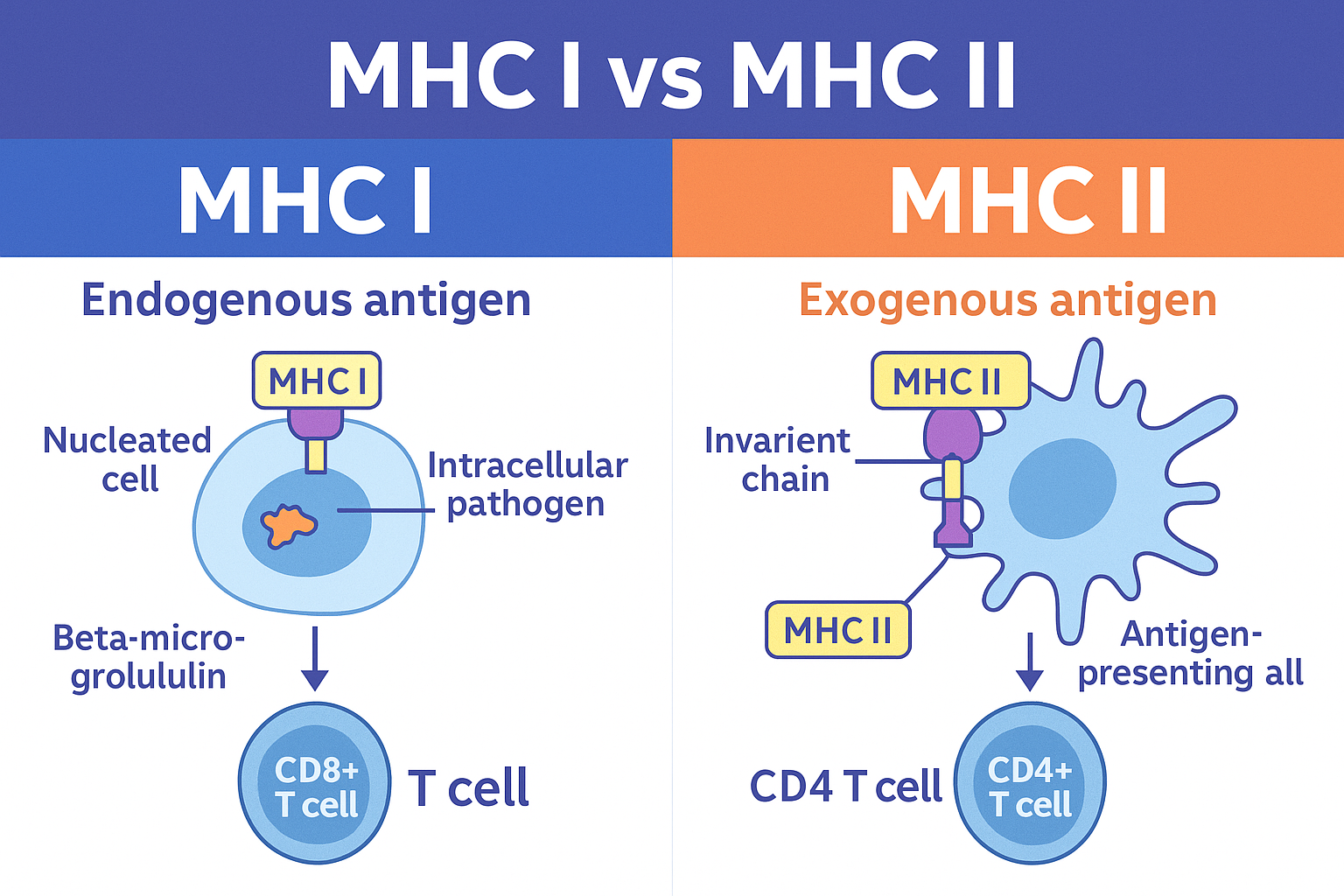
CD4+ T-cells recognize antigens on which MHC class?
CD4+ recognize antigens on MHC Class II
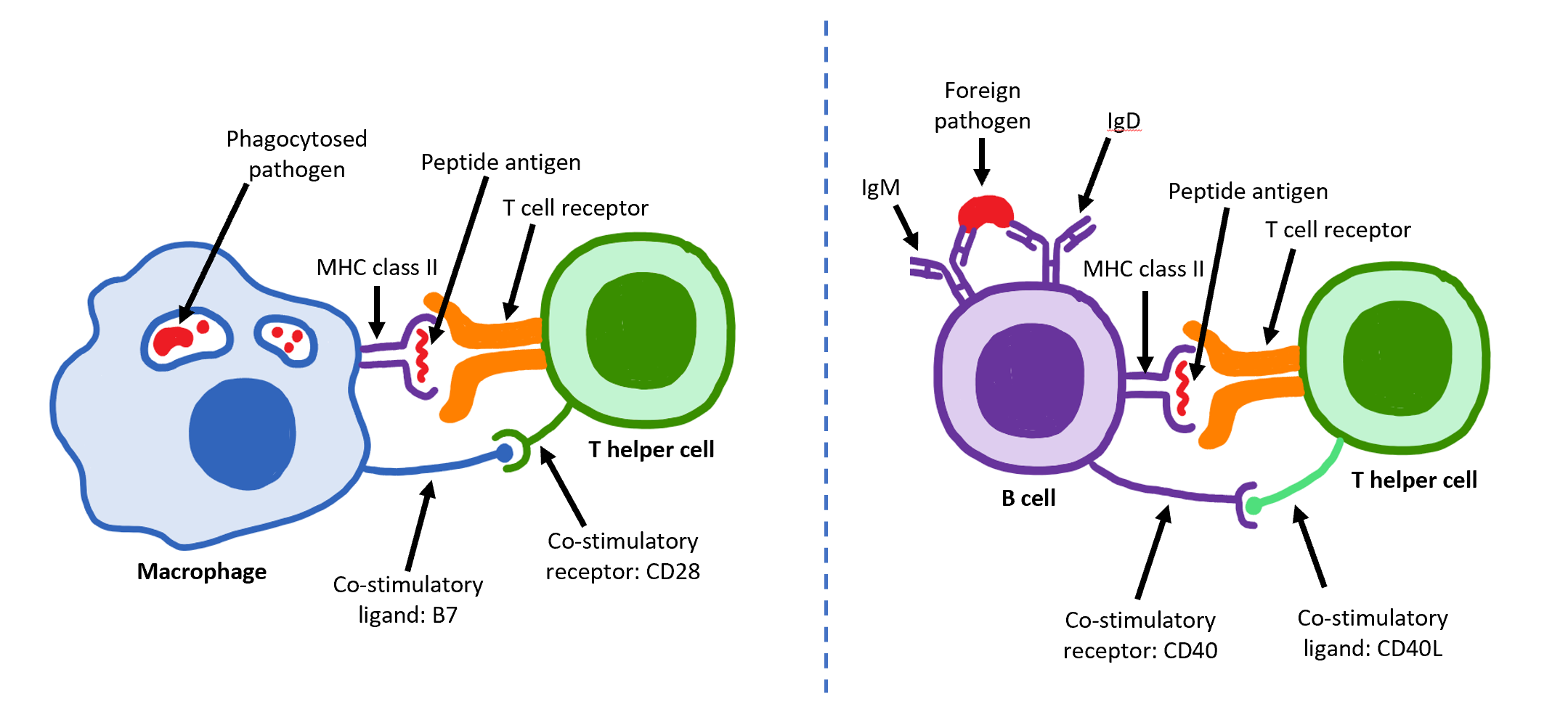
What is Major Histocompatibility Complex molecules?
Cell surface proteins that present peptide fragments to T cells, crucial for adaptive immune recognition
Describe CD8+ T cells:
Cytotoxic T cells known as “killer T cells”, these cells directly kill infected cells, cancer cells, abnormal, and damaged cells by releasing toxins.
CD8+ T-cells recognize antigens presented on which MHC?
Cytotoxic T cells recognize antigens on MHC class I
TYPES OF ANTIGENS
IMMUNE DISORDERSE