WEAKNESSES - use of biological resources
 Call Kai
 Learn
Learn Practice Test
 Spaced Repetition
 Match
Match Flashcards
 Knowt Play
1/25

There's no tags or description
Looks like no tags are added yet.
Name | Mastery | Learn | Test | Matching | Spaced | Call with Kai |
|---|
No analytics yet
Send a link to your students to track their progress
26 Terms
anaerobic respiration in yeast
glucose → ethanol + co2
anaerobic respiration in bacteria
glucose → lactic acid
features of fermenter (6)
nutrients - in medium for growth
water cooled jacket - keeps water at optimum temperature for enzymes so they don’t denature = high rate of reaction = high yield
pH probe - pH at optimum level for enzymes = high rate of reaction = high yield
stirrers - constant access to nutrients = growth, even temperature throughout = no hot spots
sterile air pump - oxygen = respiration = energy = growth
sterilised container - kills microorganisms = less competition with lactobacillus = growth
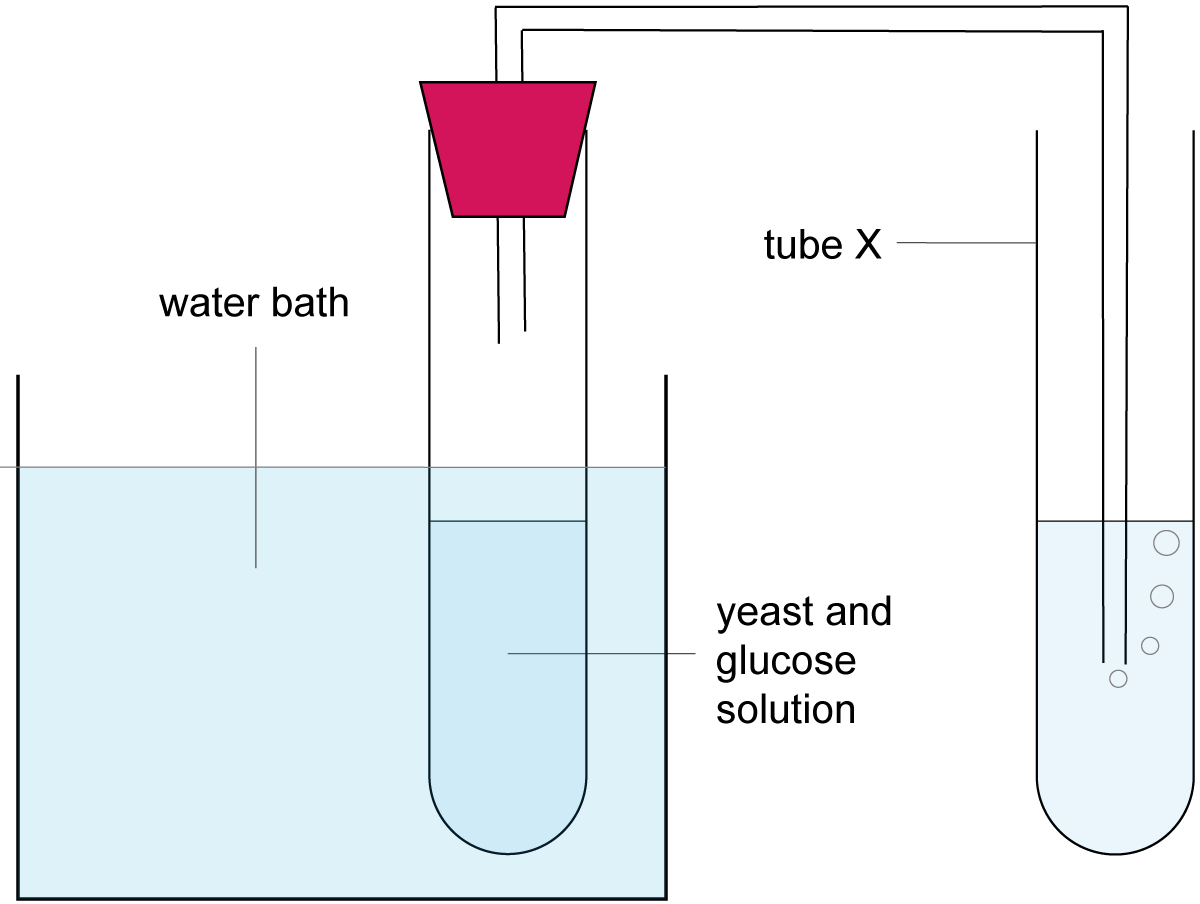
practical for measuring respiration rate of yeast depending on conditions
add yeast mixture to test tube (yeast, distilled water, sugar)
layer of oil for anaerobic conditions
connect bung and delivery tube to another test tube with water
water bath at certain temperature
count number of bubbles per minute
rate of co2 = bubbles / time in seconds
repeat with different water bath temperatures
characteristics you may want to selectively breed (3)
yield of products
disease resistance
fertility
process of selective breeding (5)
from stock choose male and female with best characteristic
breed them
select male and female offspring who have best characteristics
breed them
repeat over many generations until whole population have characteristic
advantages of artificial insemination (4)
safer for cow
quicker and cheaper to transport semen instead of bulls
semen can be used on multiple cows
semen can be stored after the bull has died
what is controlled in a fish farm? (7)
maintaining water quality - monitor temperature, pH, oxygen, remove faeces and bacteria, pesticides
intraspecific predation - separated by size, fed regularly
interspecific predation - cages and nets, separated by species
controlling disease - pesticides, antibiotics, remove dead fish
removing waste products - removal of faeces - supplies nitrates - algal blooms - eutrophication
controlling the quality and frequency of feeding - quality pellets with amino acids for growth, regularly in small amounts to prevent obesity.
selective breeding - breed disease resistance, larger fish, more meat
why do we do fish farming? (2)
fish is a good source of protein
we are overfishing the seas
define restriction enzyme
recognises specific sequences of DNA and cut the DNA at these points
define ligase enzyme
join two pieces of DNA together
define recombinant DNA
DNA from two organisms joined together
define vector
take up pieces of DNA and insert this recombinant DNA into other cells
two types of vectors
plasmid - small DNA molecules transferred between bacteria
virus - inserts the DNA into the organism they infect
describe the process of genetic engineering
restriction enzyme - cut out the DNA to replicate from the gene
cut a section of the plasmid with the same restriction enzyme
ligase - join the DNA to the plasmid
plasmid inserted back into bacterium
replicate in a fermenter
define transgenic
transfer of genetic material from one species to a different species
advantages of genetically modified plants (3)
increase food production = yield
pesticide resistance = unaffected = kill weeds = yield
insect resistant = less herbicides = less bioaccumulation = yield
disadvantages of genetically modified plants (3)
superweeds - pesticide resistant gene becomes adopted
affect food chains/humans
unnatural and unethical
process to grow a plant from cuttings (4)
cut below a node
dip in auxins
put in watered soil
cover with bag and mist
methods for artificial plant reproduction
micropropagation
cuttings
examples of natural plant reproduction
strawberry runners
method of micropropagation (5)
remove explant with scalpel
sterilise
sterile agar with nutrients (glucose and auxin)
divides by mitosis
split the callus to make many clones
process of SCNT (6)
extract nucleus of body cell to clone
insert into enucleated egg cell
electric shock
divides by mitosis
forms embryo
insert into surrogate uterus for gestation period
what can be used instead of a vector to insert a gene
gene gun
how can cloned transgenic animals be used to produce human proteins? (3)
animals make protein naturally in their milk
insert human genes into their cells
produce human proteins in milk
examples of human proteins made from cloned transgenic animals
human antibodies for arthritis, cancer
spider silk goats