Human Anatomy & Physiology Quiz #5 Skeletal Muscle Physiology
 Call Kai
 Learn
Learn Practice Test
 Spaced Repetition
 Match
Match Flashcards
 Knowt Play
1/42

There's no tags or description
Looks like no tags are added yet.
Name | Mastery | Learn | Test | Matching | Spaced | Call with Kai |
|---|
No analytics yet
Send a link to your students to track their progress
43 Terms
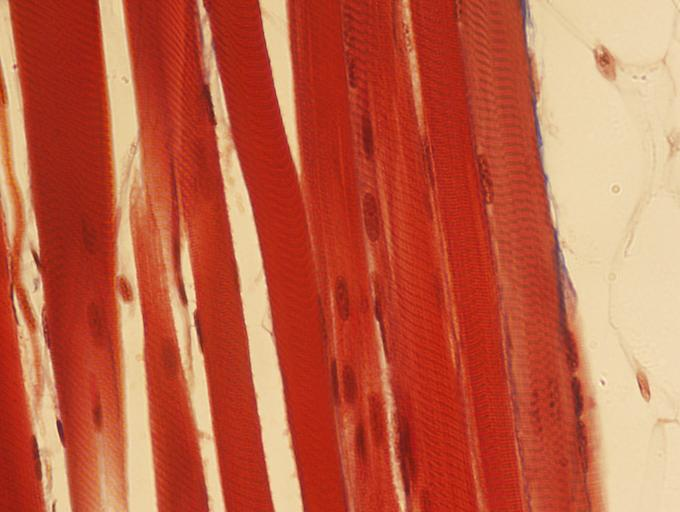
Identify the type of muscle tissue shown?
Skeletal
What are the individual contractile units of a muscle cell called?
Sarcomeres
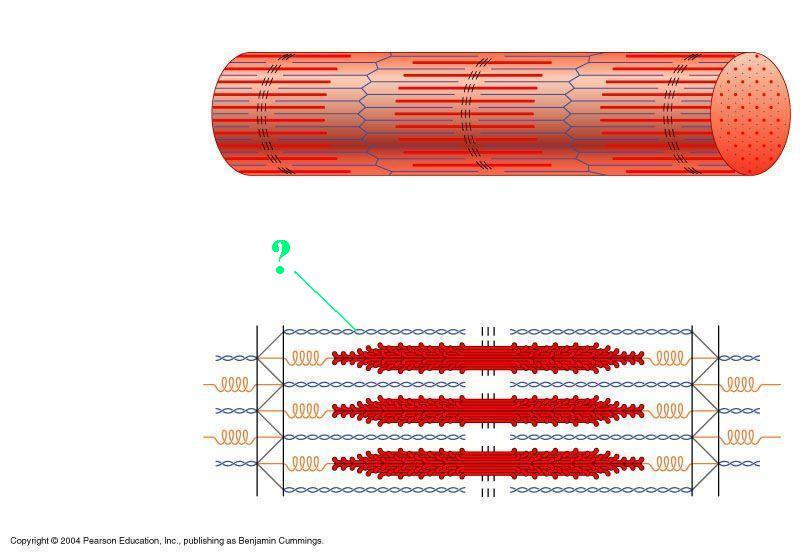
The indicated region of the sarcomere is composed of what protein?
Actin
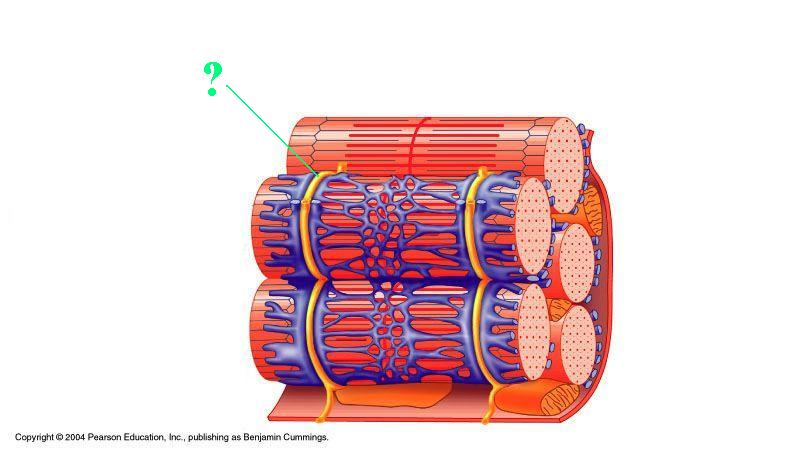
Identify the indicated structure
t-tubule
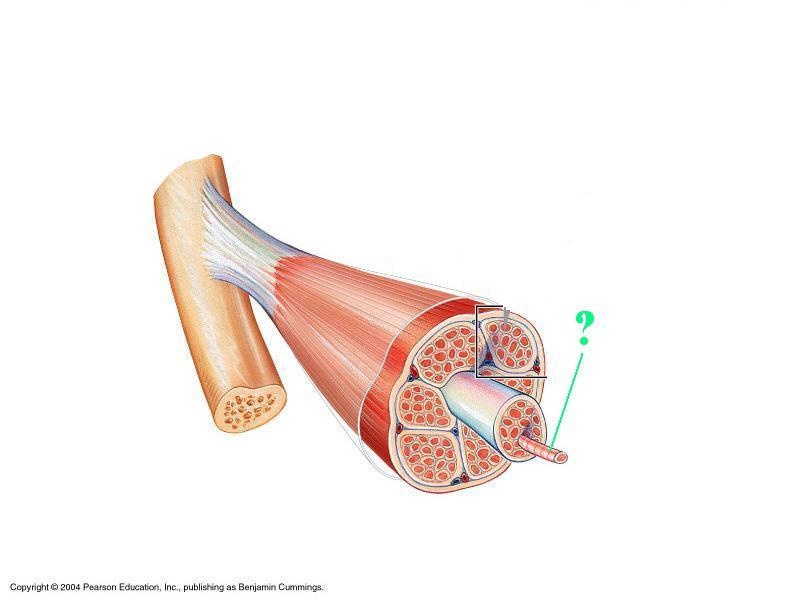
Identify the indicated structure
Muscle fiber
If we require a muscle to contract until it starts to run out of ATP, what do we call the state of the muscle at that point?
Fatigue
The absence of what molecule is involved in the phenomenon of rigor mortis?
ATP
A single contraction of a muscle is called a?
twitch
What do we call the period of time between the application of a stimulus to a muscle and the first observable response or movement of the muscle?
Latent period
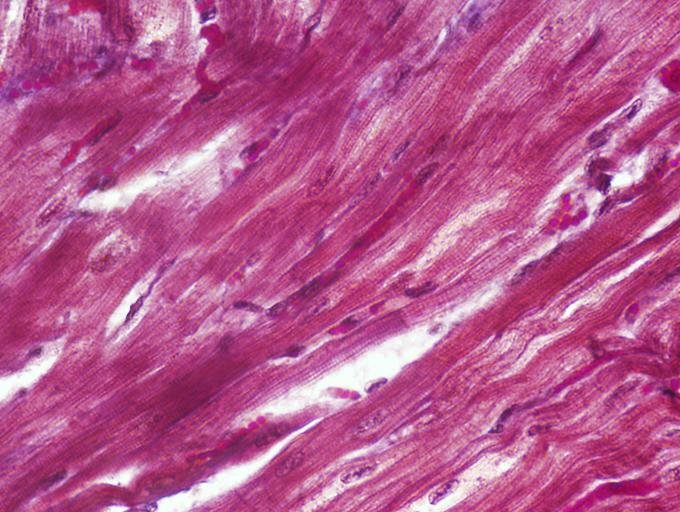
Identify the type of muscle tissue shown?
Cardiac
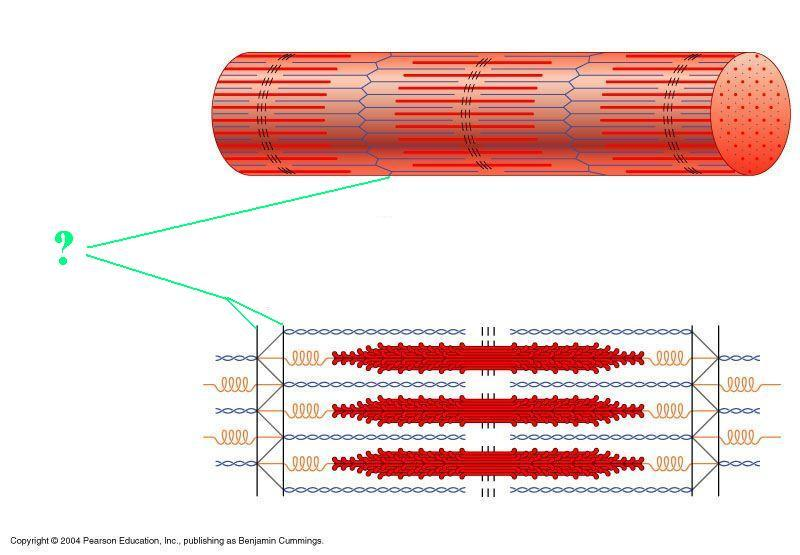
Identify the indicated region of the sarcomere
Z-disc
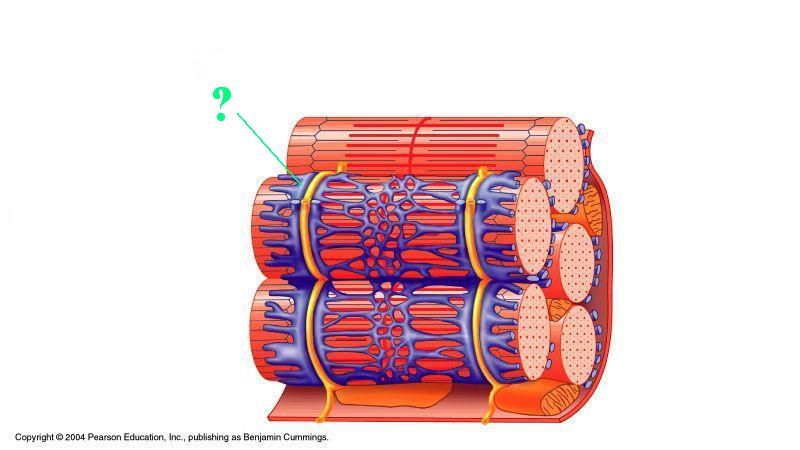
Identify the indicated structure
Terminal cistern of sarcoplasmic reticulum
If we place a muscle under more load than it can lift and stimulate it, what type of contraction will we produce?
Isometric
By steadily increasing the number of motor units that are activated, we produce a steady increase in the force produced by a muscle. This process is called?
Recruitment
If we place a muscle under a load that it can lift and stimulate it, what type of contraction will we produce?
Isotonic
What phenomenon is considered an extreme form of wave summation in which a steady, sustained contraction is acheived?
Tetanus
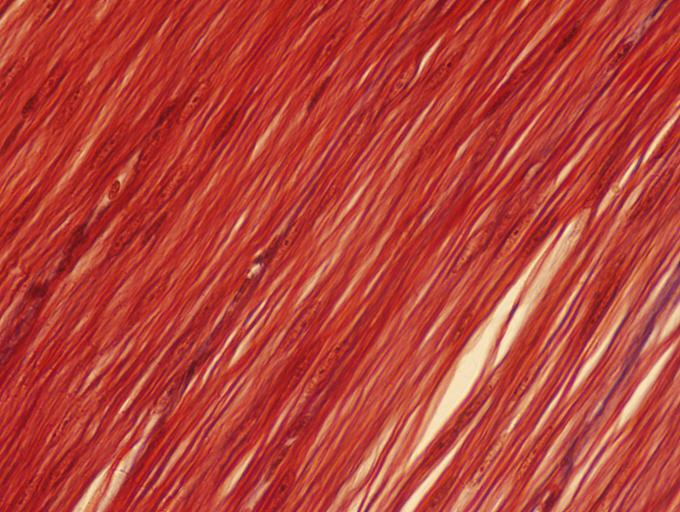
Identify the type of muscle tissue shown?
Smooth
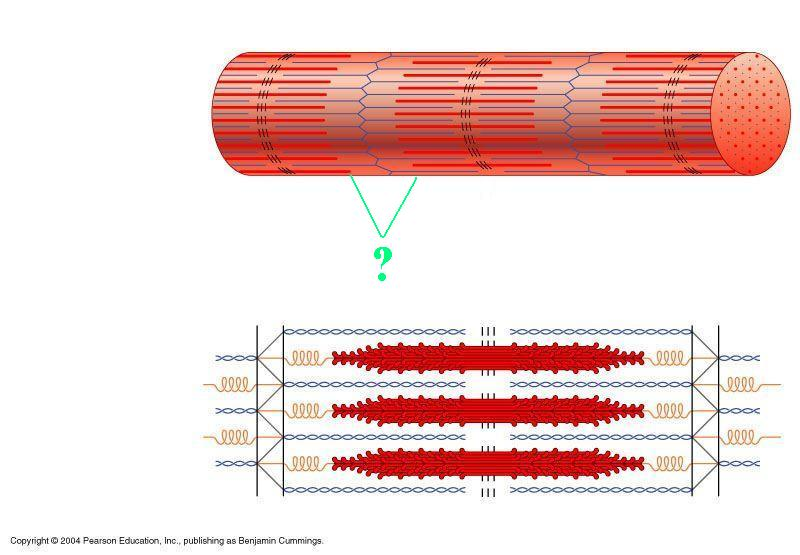
Identify the indicated region of the sarcomere
I-band
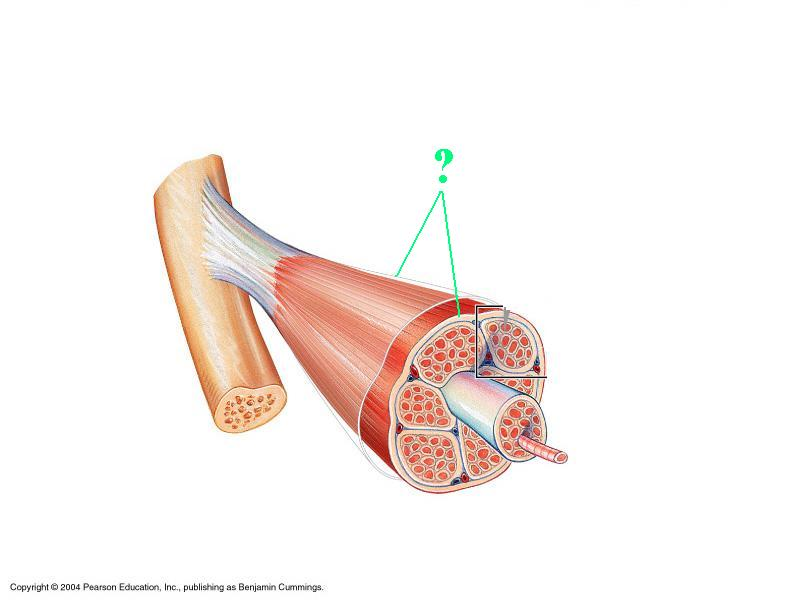
Identify the indicated layer of connective tissue
Epimysium
The three phases of a muscle twitch are the contraction period, the latent period, and the:
relaxation period
Although no force is generated by a muscle fiber during the latent period, chemical changes, such as the release of ions from the sarcoplasmic reticulum do occur. Which ion is released
Calcium
What type of force is produced by the elastic recoil of a stretched muscle?
Passive
What neurotransmitter do motor neurons use to stimulate muscle cells?
Acetylcholine
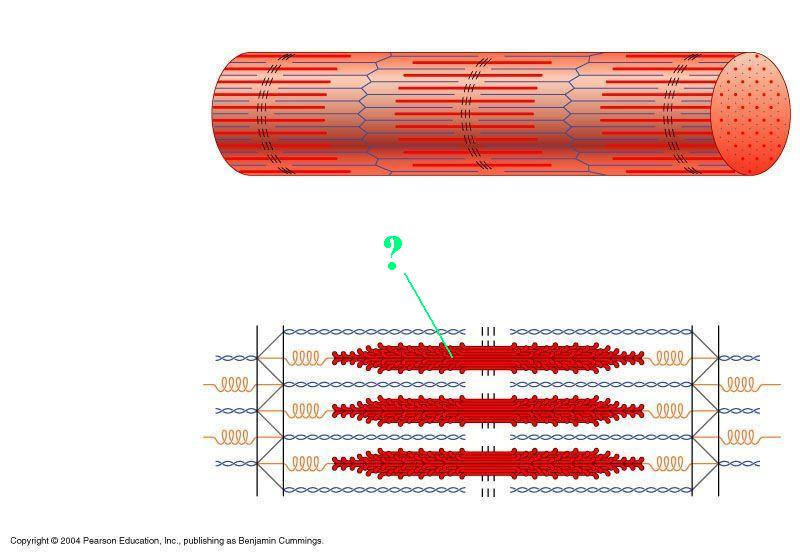
Identify the indicated region of the sarcomere
Thick filaments
A neuron and all of the muscle cells that it stimulates are together called a _________________?
motor unit
If a muscle contracts against a load that it is able to lift, what type of contraction is the muscle demonstrating?
Isotonic
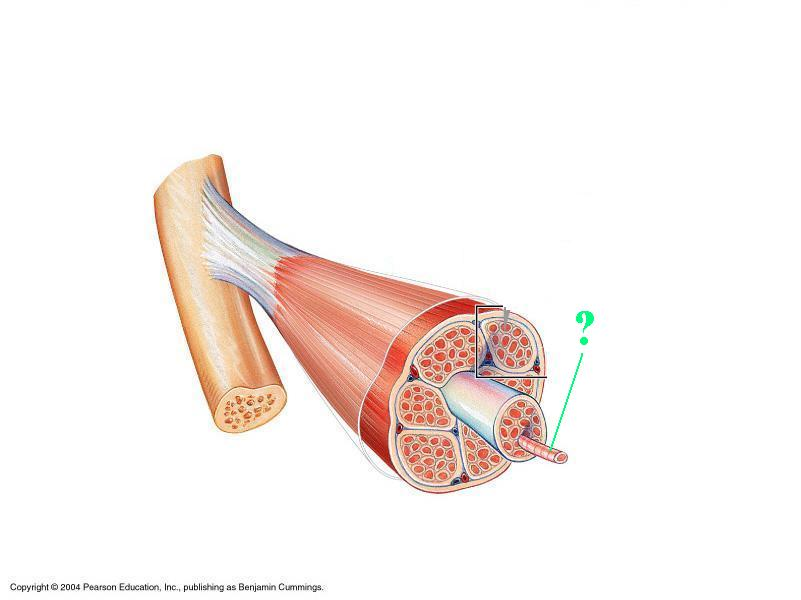
Identify the indicated layer of connective tissue
Endomysium
From what cellular organelle is calcium released during the latent period of a muscle twitch?
Sarcoplasmic reticulum
The three phases of a muscle twitch are the contraction period, the relaxation period, and the:
latent period
List the seven criteria listed in your lab manual that are used to name muscles
Action, direction of muscle fibers, location, location of origin and insertion, number of origins, relative size, shape
If a muscle contracts against a load that is too heavy for the muscle to lift, what type of contraction is the muscle demonstrating?
Isometric
What type of force is produced by the physiological contraction of a muscle rather than by elastic recoil?
Active
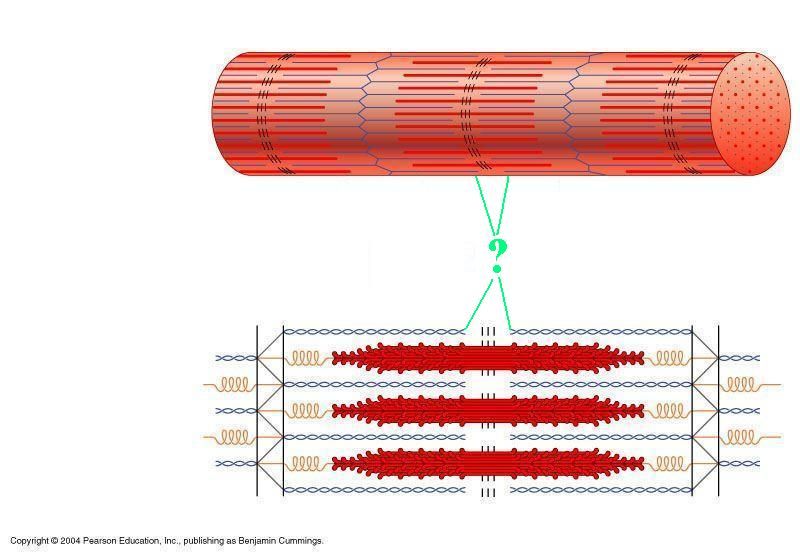
Identify the indicated region of the sarcomere
H-zone
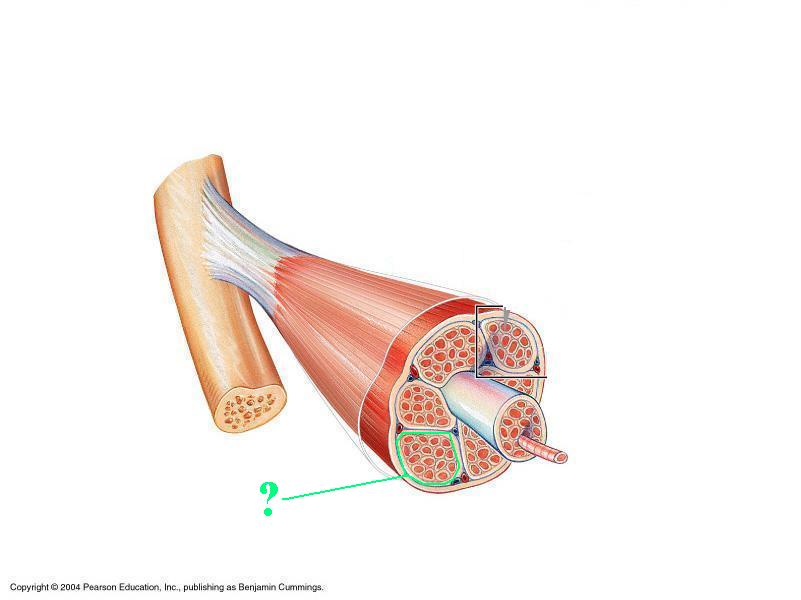
Identify the indicated structure
Fascicle
If we increase the frequence of stimulation of a muscle until we achieve a steady sustained contraction, we will have caused what phenomenon?
Tetanus
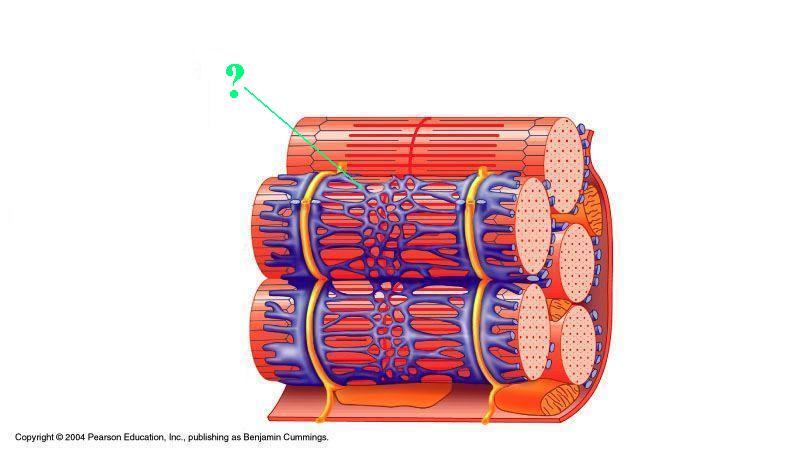
Identify the indicated structure
Sarcoplasmic reticulum
The three phases of a muscle twitch are the latent period, the relaxation period, and the:
Contraction period
If we stimulate a muscle, and then stimulate it again immediately after it has been allowed to relax, we observe that the second contraction of the muscle is slightly greater than the first. What do we call this phenomenon?
Treppe
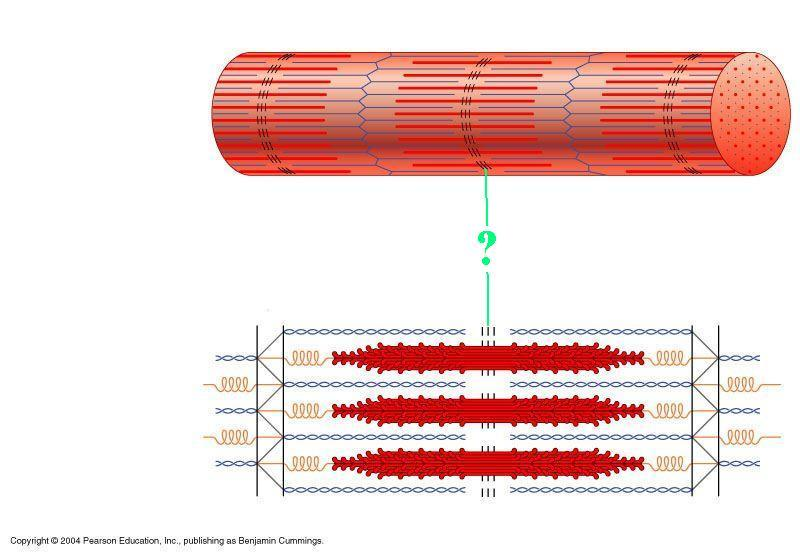
Identify the indicated region of the sarcomere
M-line
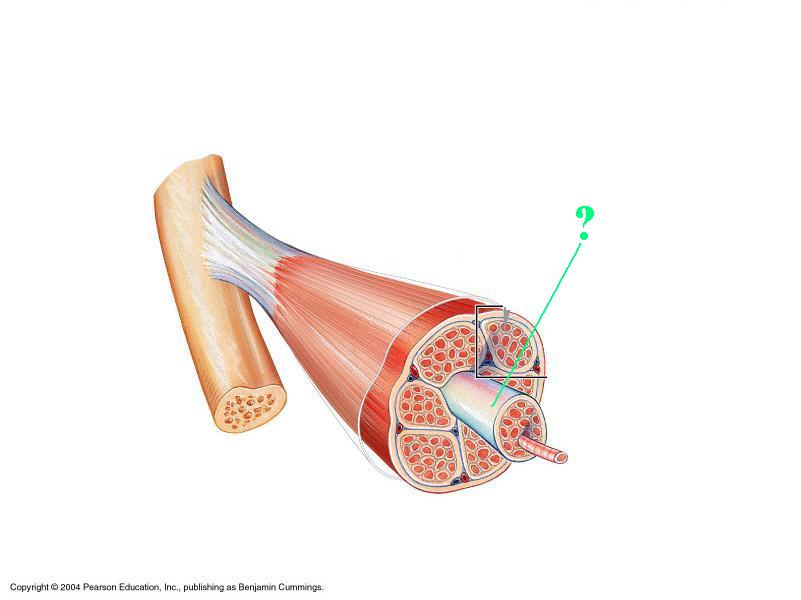
Identify the indicated layer of connective tissue
Perimysium
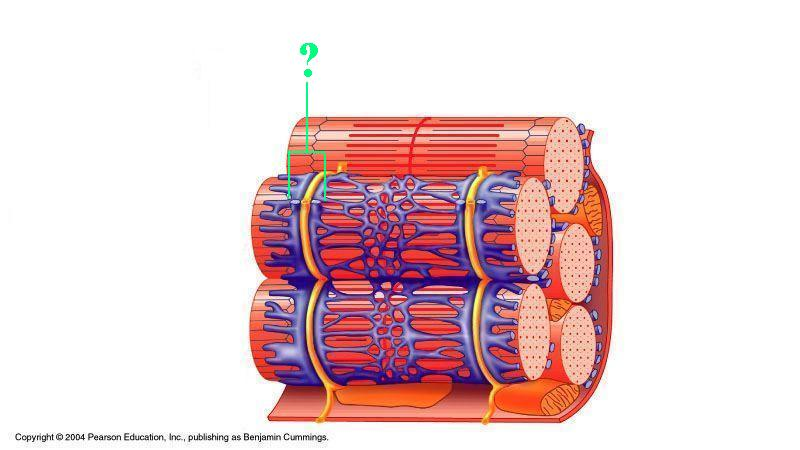
Identify the indicated structure
Triad
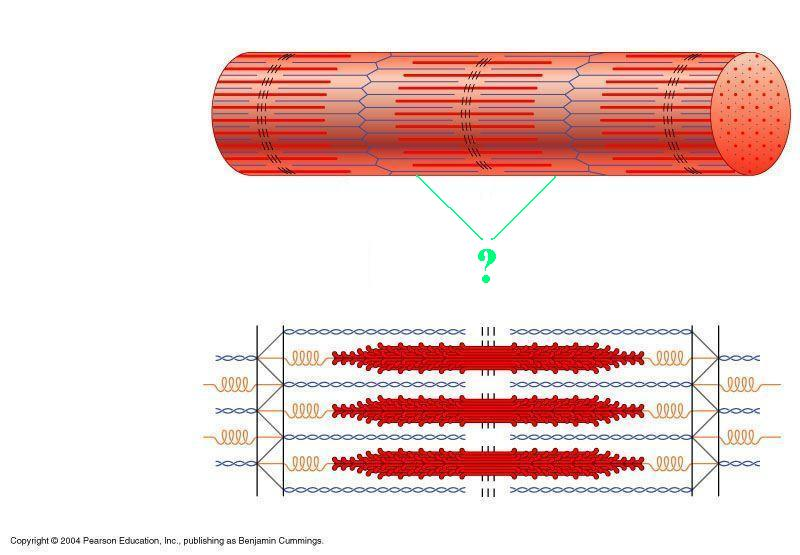
Identify the indicated region of the sarcomere
A-band
What experimental factor do we increase to produce tetany rather than simple wave summation?
Frequency of stimulation