Edexcel B Geography - Topic 4: The UK's Evolving Physical Landscape - GEOLOGY
 Call Kai
 Learn
Learn Practice Test
 Spaced Repetition
 Match
Match Flashcards
 Knowt Play
1/46

There's no tags or description
Looks like no tags are added yet.
Name | Mastery | Learn | Test | Matching | Spaced | Call with Kai |
|---|
No analytics yet
Send a link to your students to track their progress
47 Terms
Uplands
an area of high or hilly land
(in the UK consisting of igneous, metamorphic and sedimentary rock)
Lowlands
an area of flat land near or below sea level
(in the UK consists of younger and less resistant sedimentary rocks)
Sedimentary rock
formed when layers of sediment are compacted together until they become solid rock
- eg. chalk, limestone, clay
Igneous rock
formed when magma cools and solidifies
- forms crystals as it cools
- eg. granite
Metamorphic rock
formed when other rocks are changed by heat and pressure; become harder and more compact
- eg. shale becomes slate
Three main tectonic processes
- Active volcanoes (forced magma through the earths crust which cooled to form igneous rocks)
- Plate collisions (caused rocks to be folded and uplifted forming mountain ranges/ uplands. Intense heat and pressure caused metamorphic rock)
- Plate Movements (Britain used to be underwater and limestone & chalk formed)
What type of rock is mainly found in the north and west?
Igneous and metamorphic rock
upland landscapes
What type of rock is mainly found in the south and east?
Sedimentary rock
lowland landscapes
Glaciation
a process by which glaciers form and spread
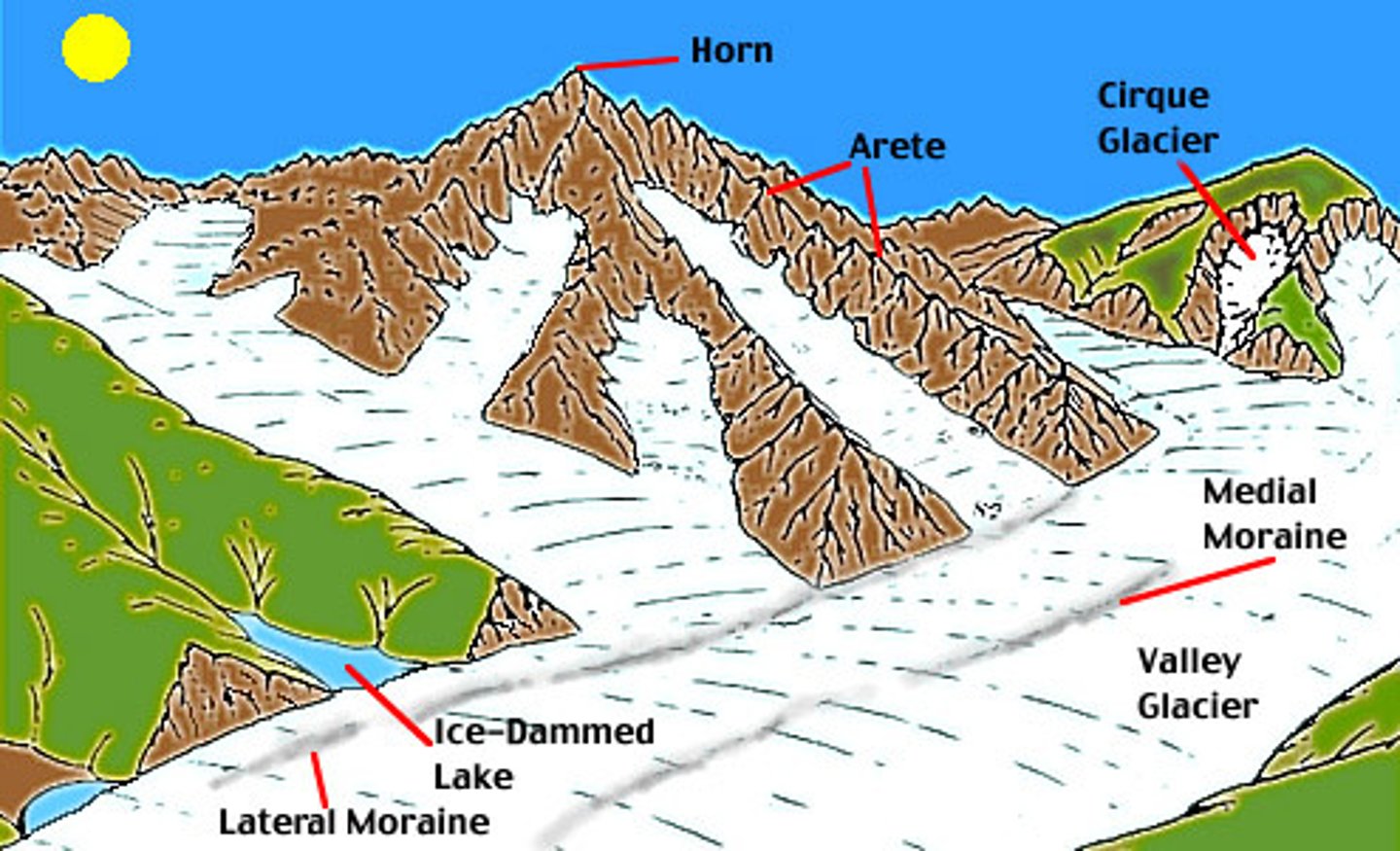
Glacier
Any large mass of ice that moves slowly over land
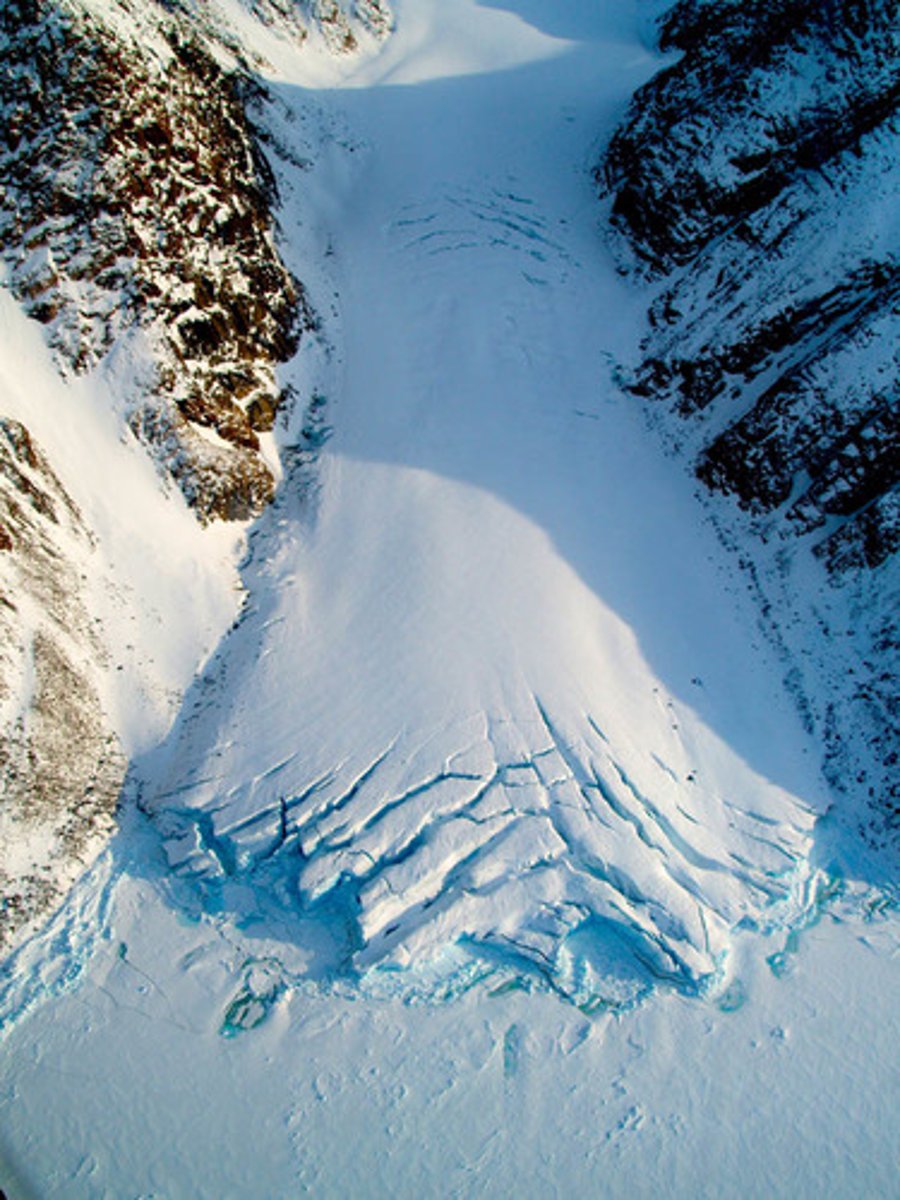
3 methods of weathering by glaciers
- freeze thaw weathering
- plucking
- abrasion
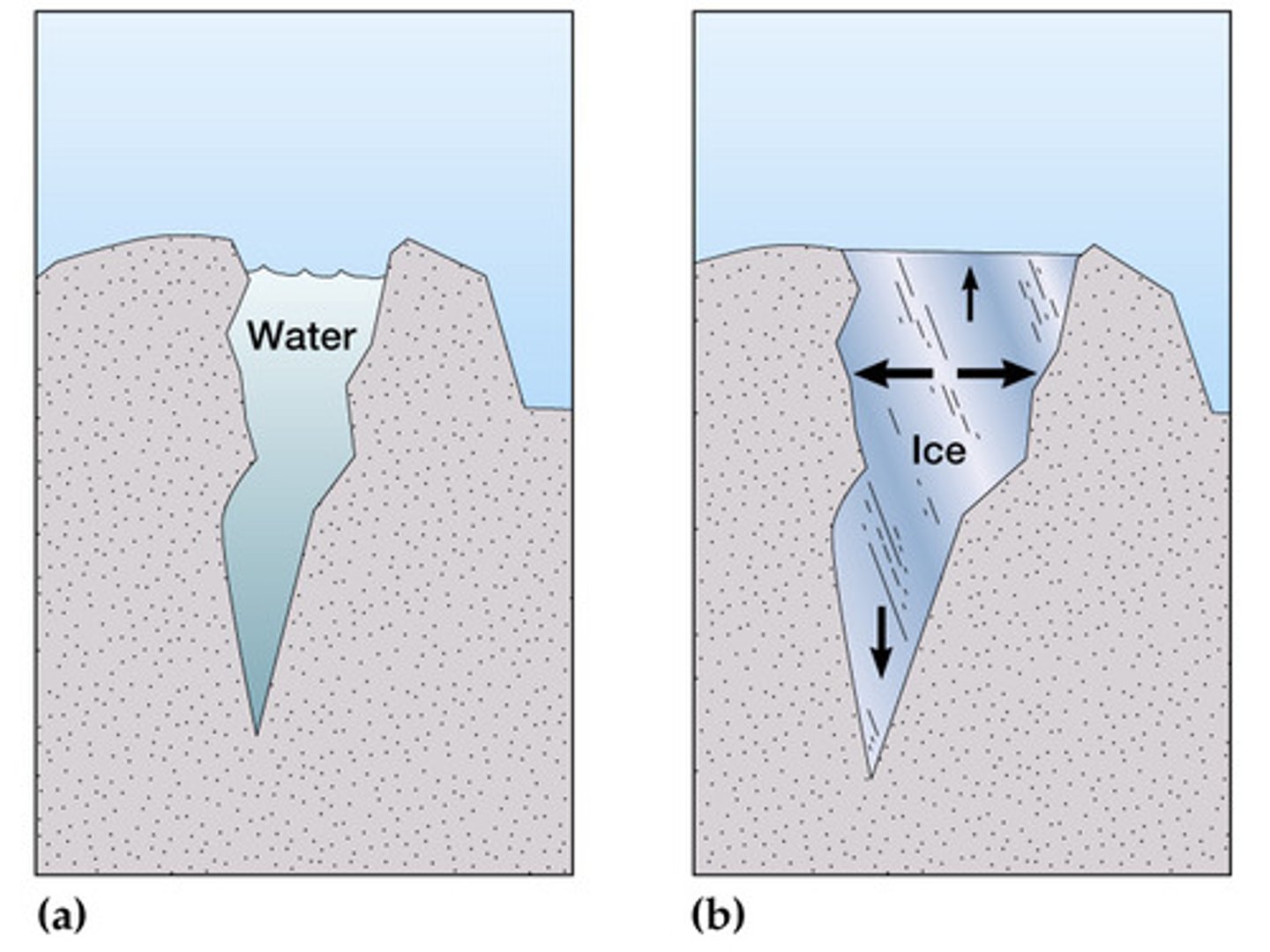
Freeze-thaw weathering
the water from a glacier seeps into cracks in the rock below, freezes and expands, pushing the rock out and then thawing
Plucking
loose rocks are frozen into the glacier and pulled along
Abrasion
loose rocks stuck in the glacier are pulled along the ground and scrape the land, destroying rocks and materials
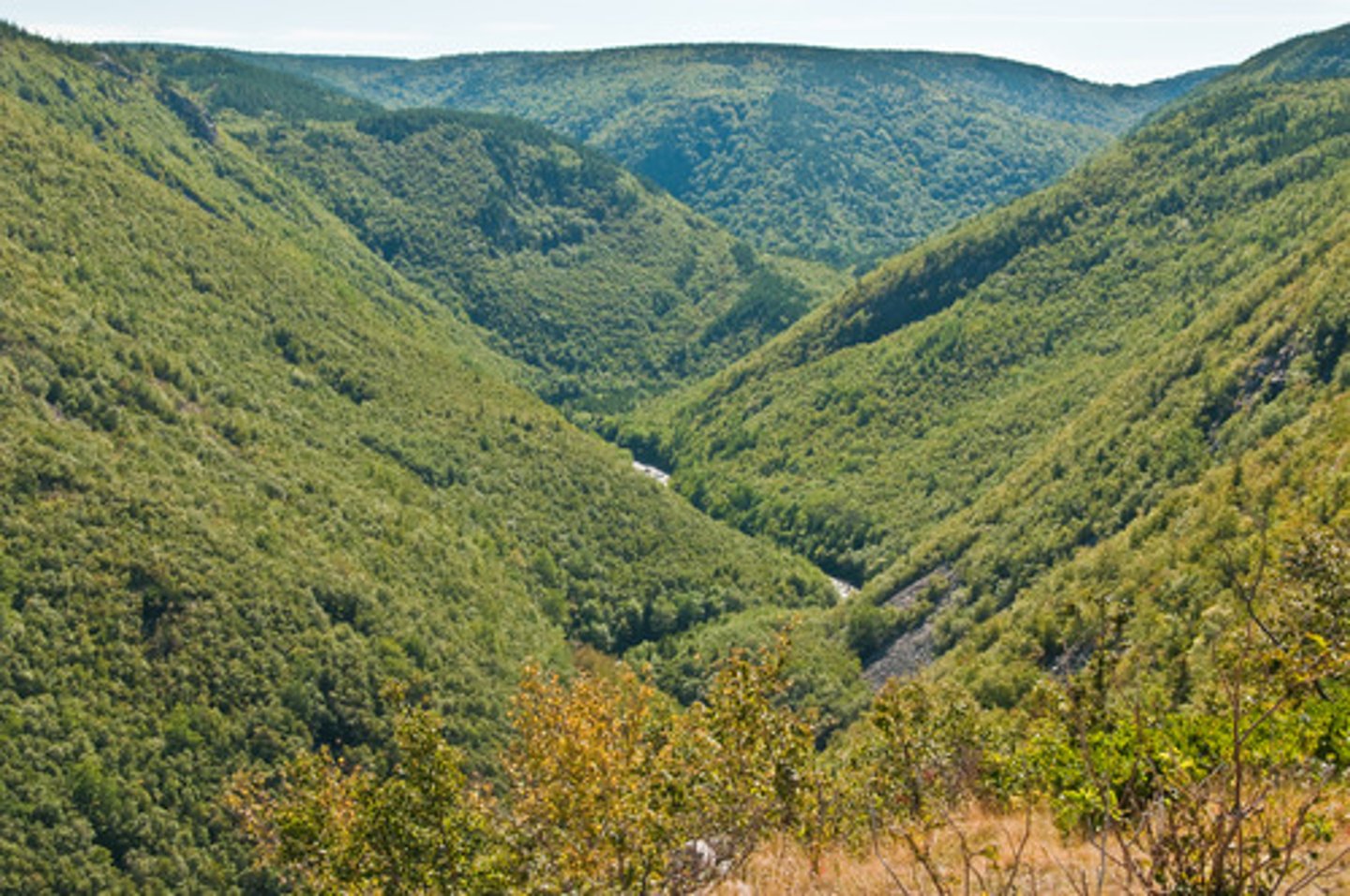
V-shaped valley
Valleys eroded due to fast flowing water often found in upland areas
U-shaped valley
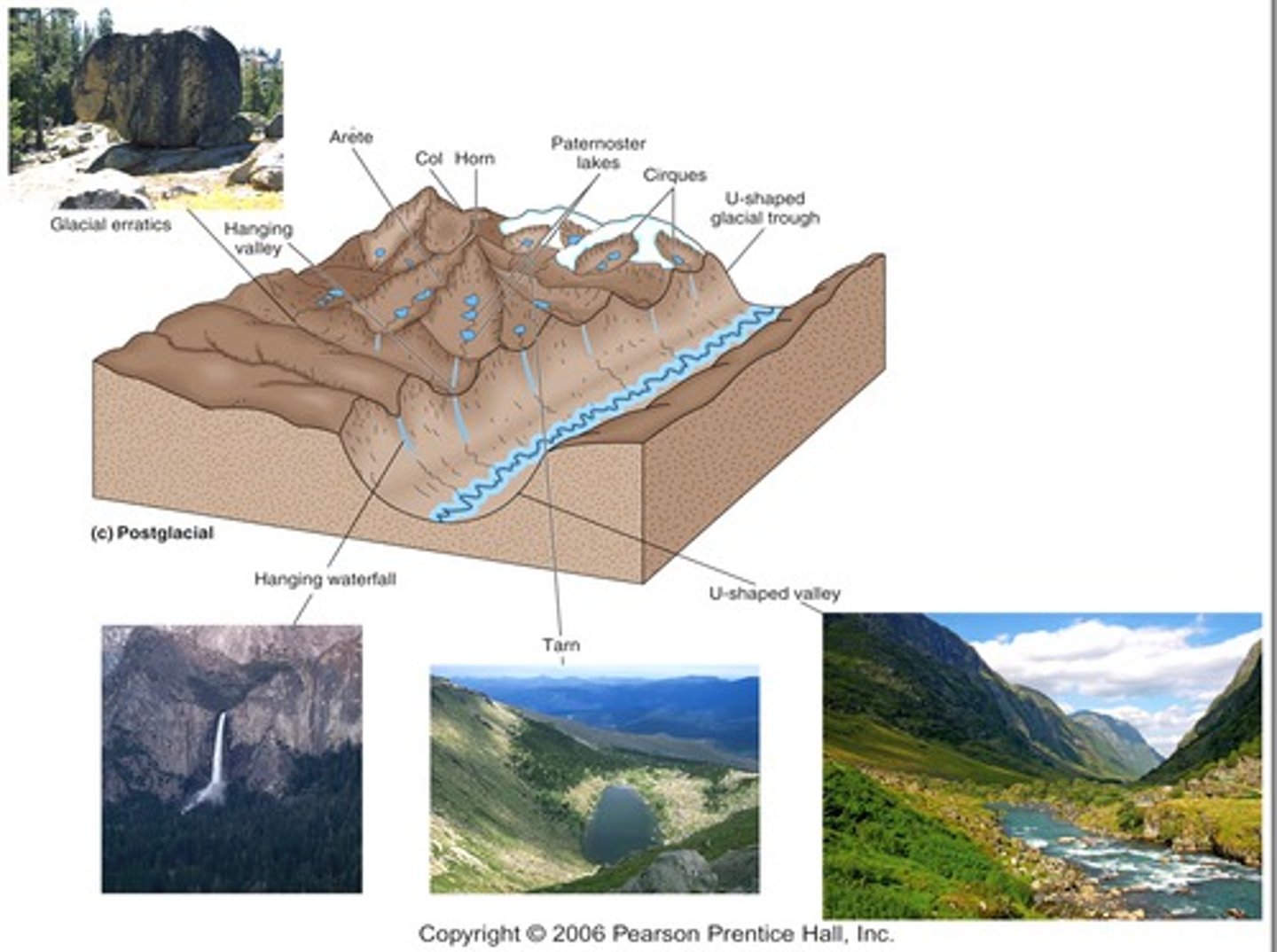
The shape of a valley formed by the erosion of a glacier
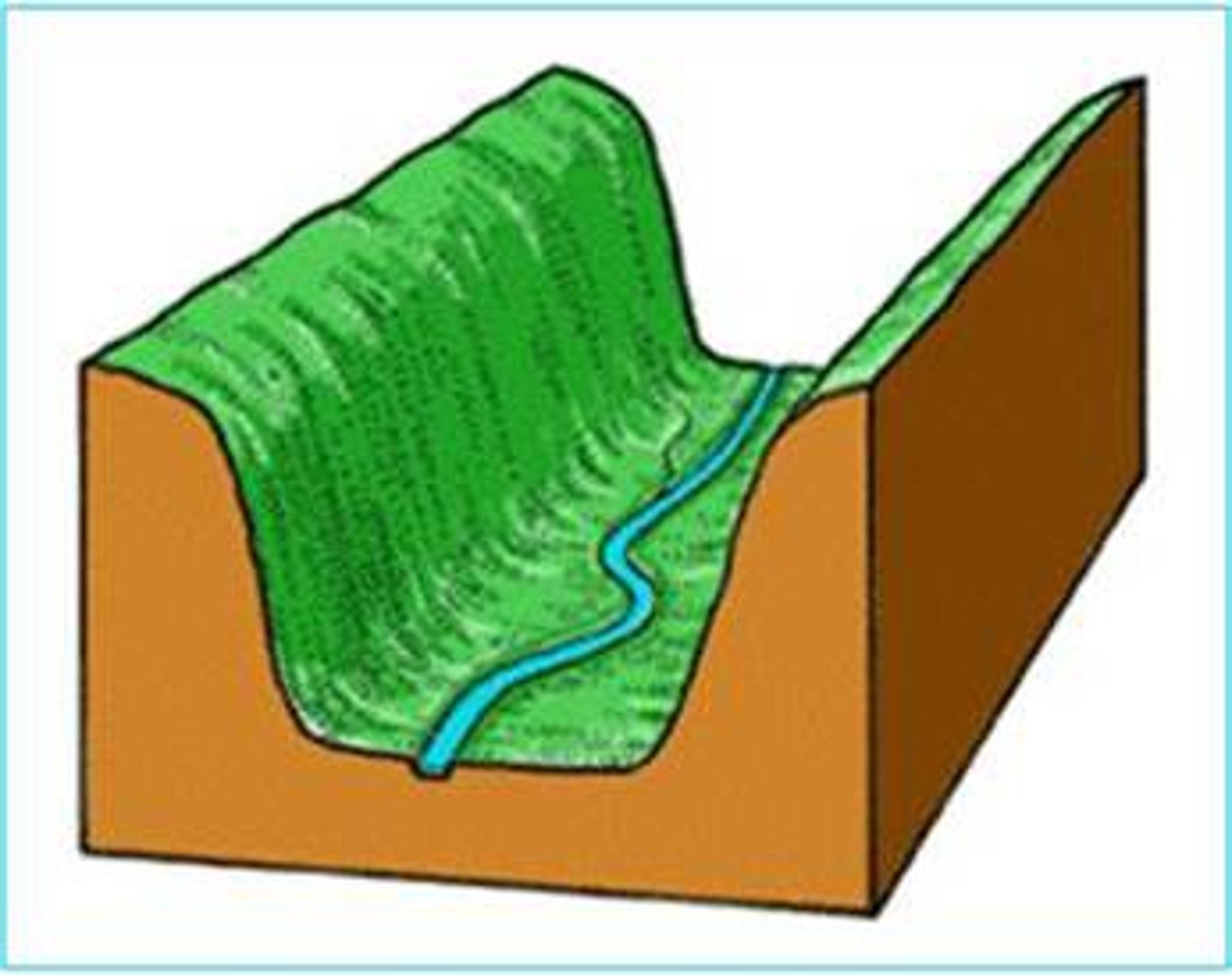
How do glaciers erode a valley?
Before glaciation, rivers erode V-shaped valleys with interlocking spurs. When glaciers form in the river valleys they start to slowly erode the valley with plucking, freeze-thaw weathering and abrasion. The glaciers erode away the interlocking spurs to leave truncated spurs. This also leaves hanging valleys.
4 physical processes that alter the landscape
- weathering
- erosion
- Post-glacial river processes
- slope processes
Weathering
the breakdown of rock into smaller pieces
- can be chemical, mechanical or biological
Erosion
Processes by which rock, sand, and soil are broken down and carried away (i.e. weathering, glaciation)
Post-glacial river processes
melting ice at the end of glacial periods made rivers much bigger than normal with more power to erode the landscape
- also left distinctive landforms
Slope processes
mass movements (eg. rockfalls, slides, slumps and soil creep)
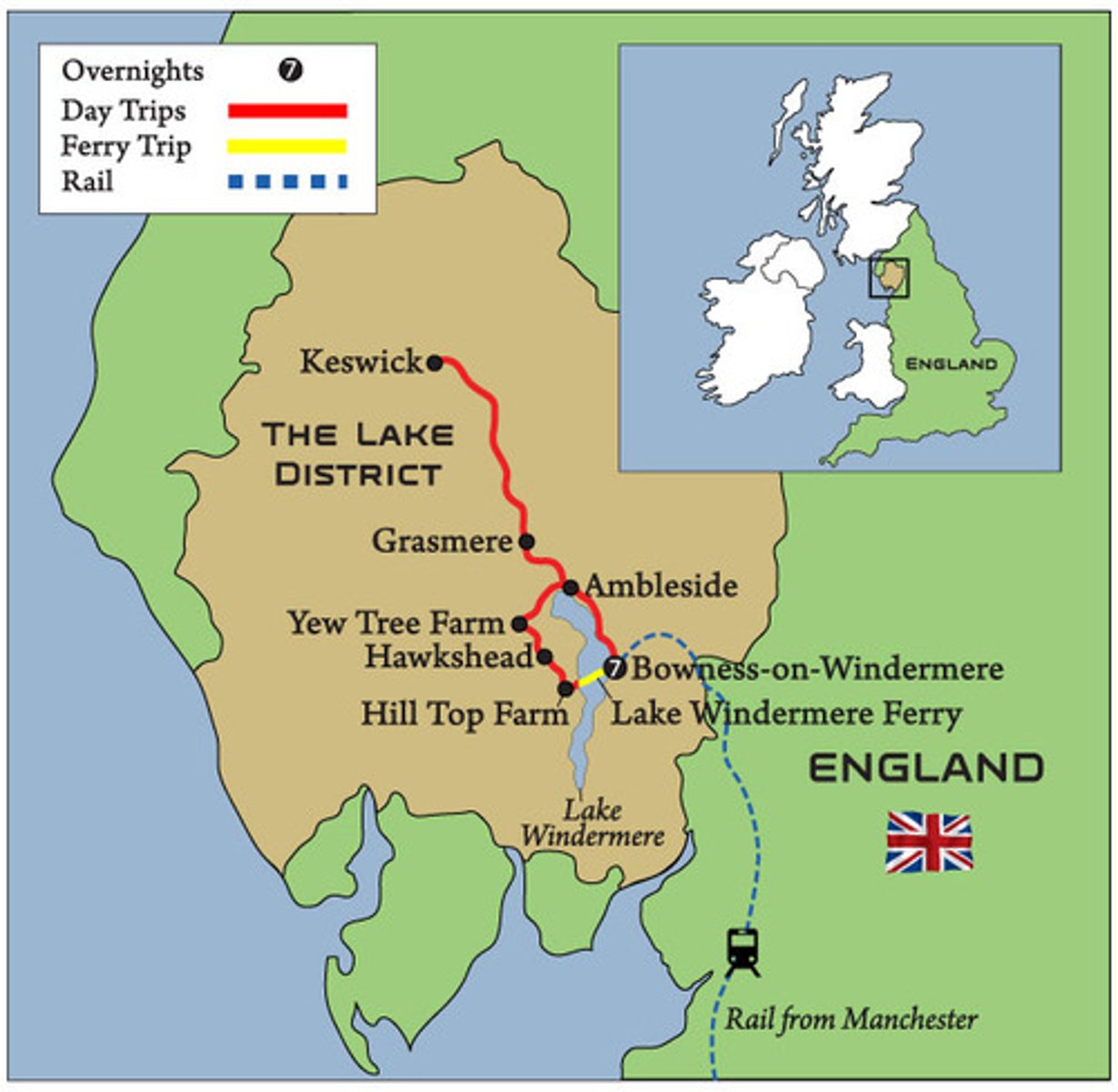
Where is the Lake District?
Northwest of England, Cumbria.
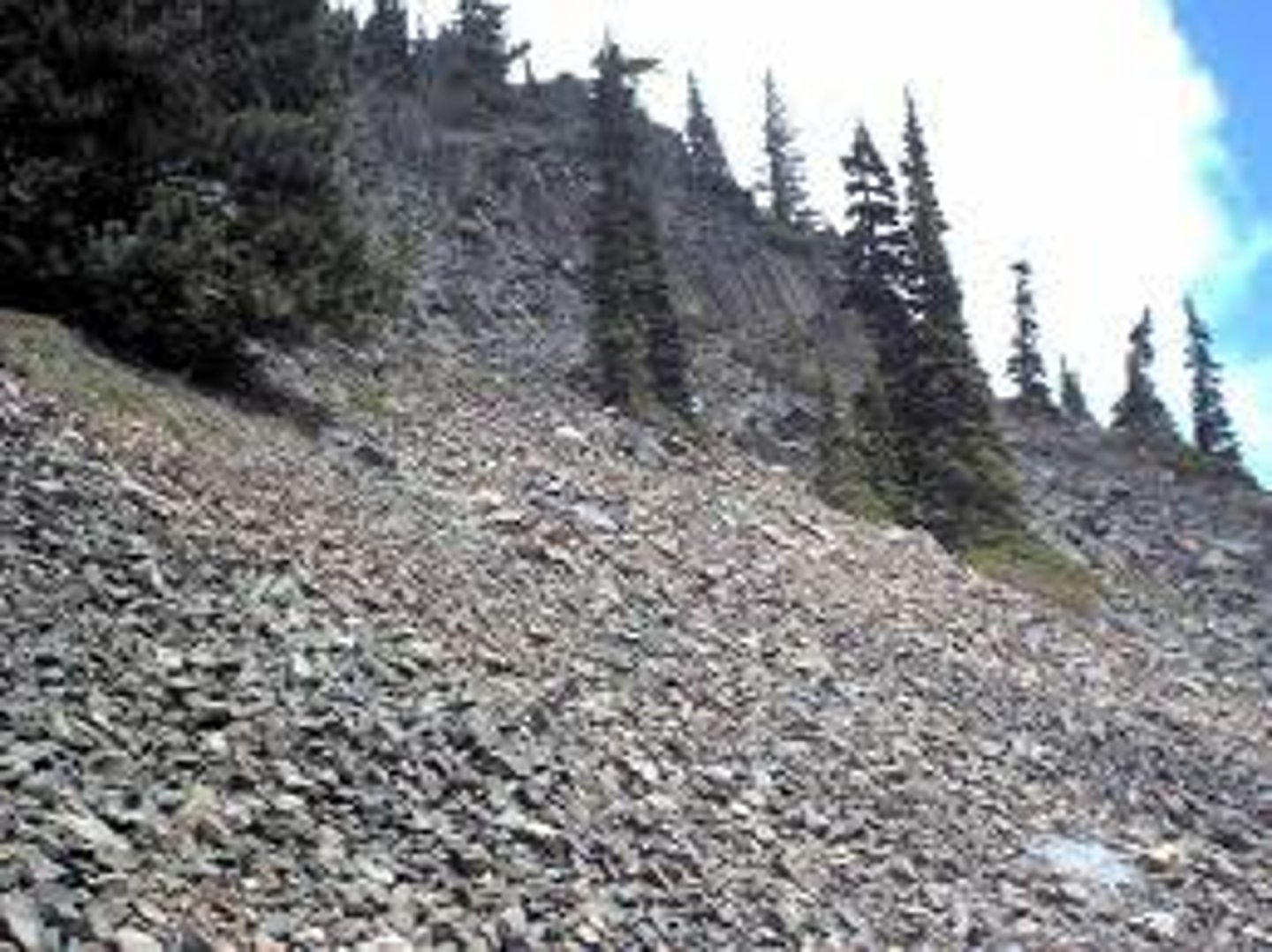
Scree
An accumulation of weathered rock fragments on the side of a mountain or hill
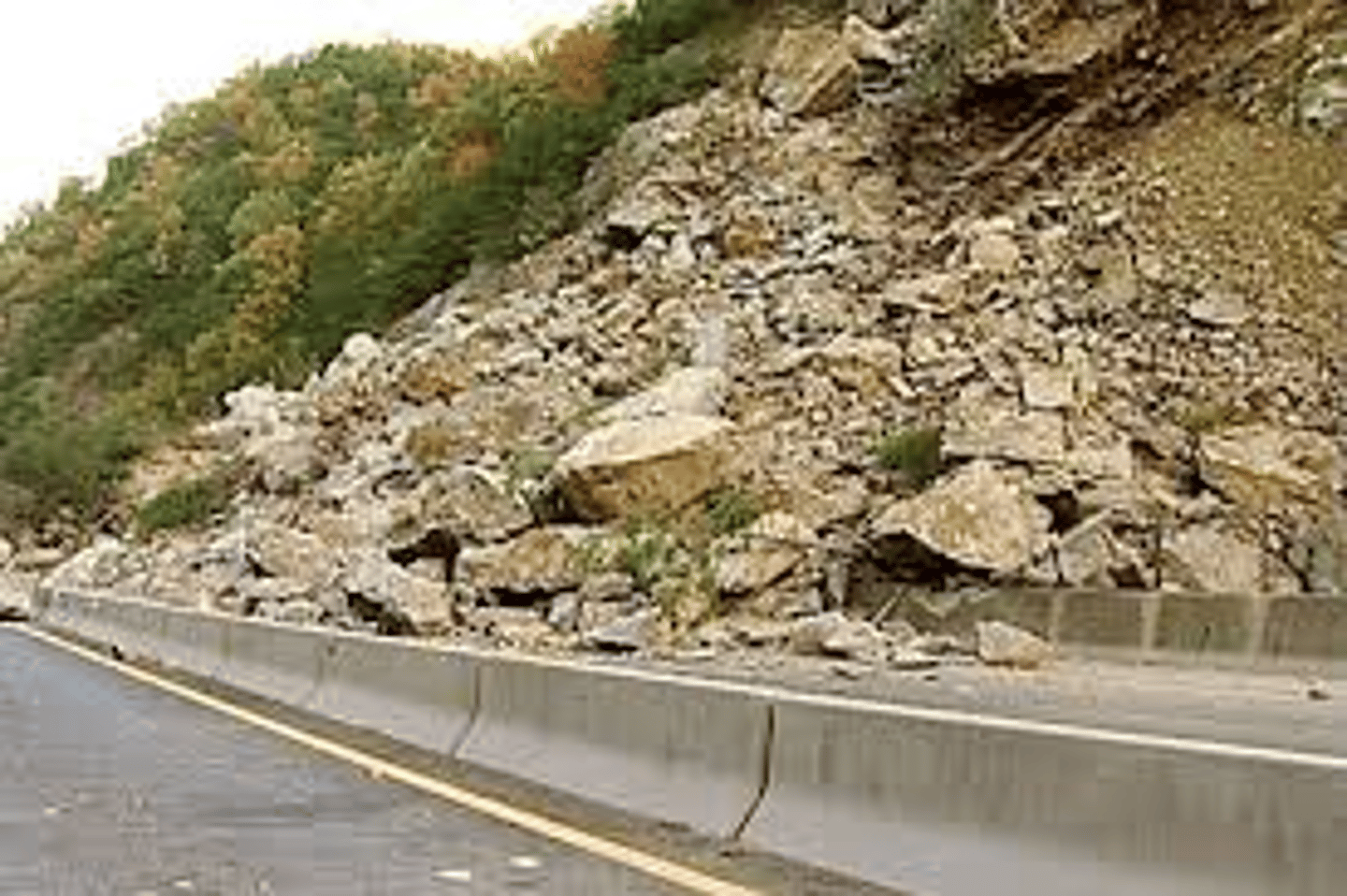
Rock falls
Loose rocks fall down a steep slope
Why are there rock falls in the lake district?
Temperatures drop below freezing during the winter, and freeze-thaw weathering occurs, creating rock falls and scree
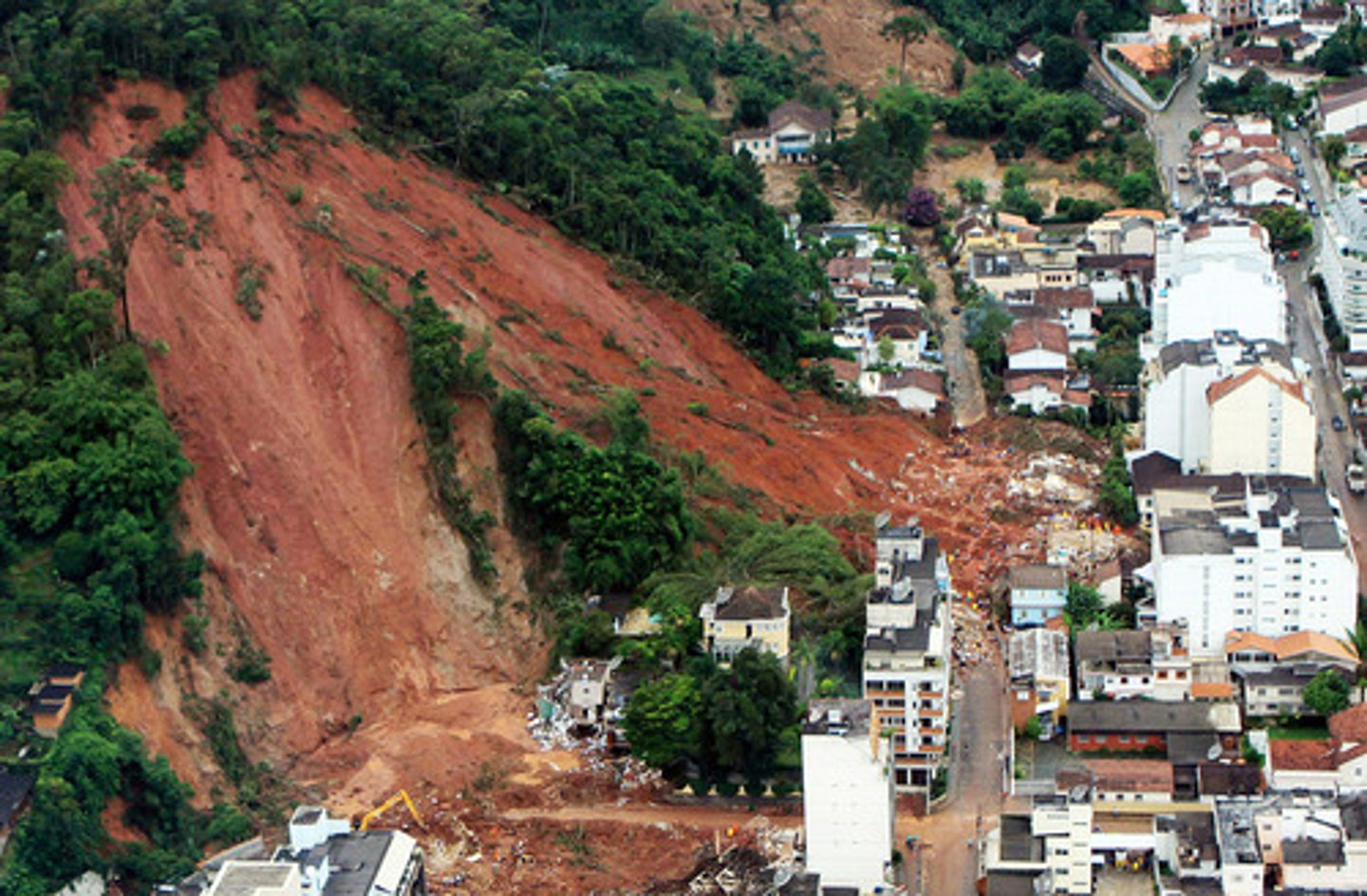
Why are there landslides in the lake district?
It's the wettest region in the UK. Rain adds to the weight of weathered rocks so they slide easily
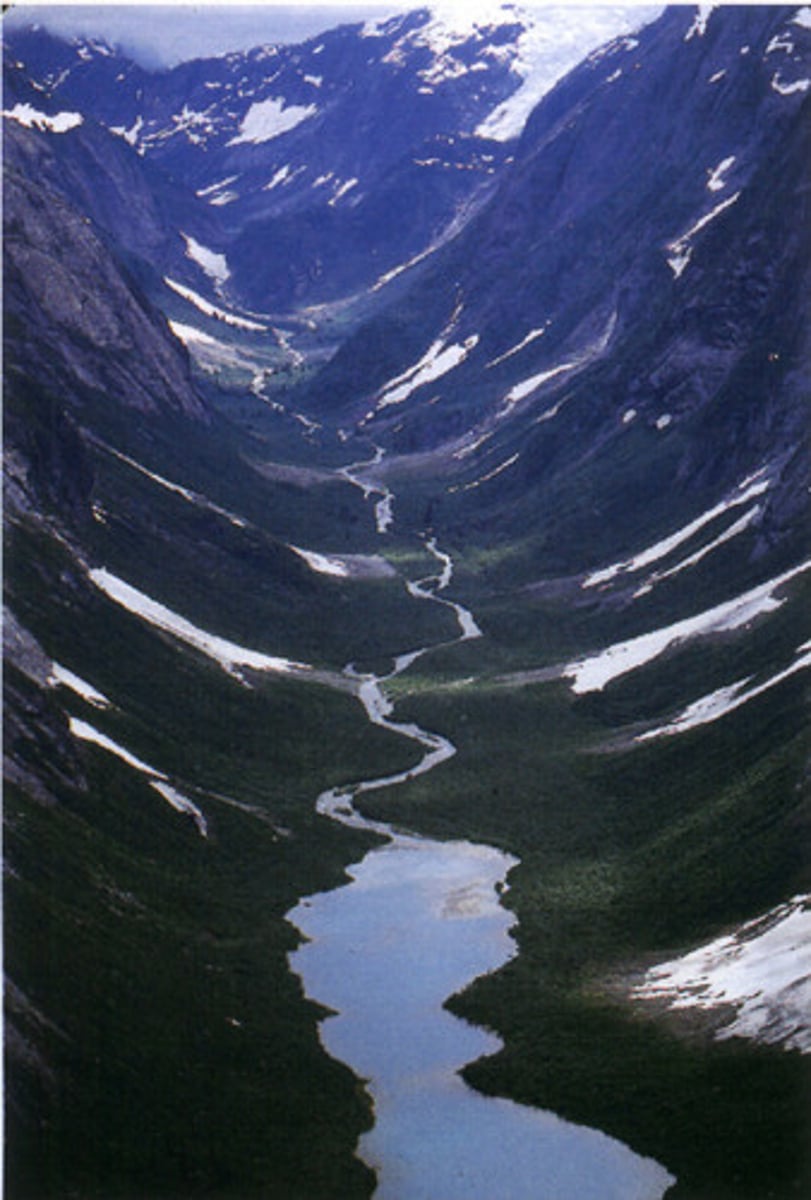
How is a U-shaped valley formed?
When a glacier moves plucking and scarping soil and rock from the sides of a valley to destroy interlocking spurs
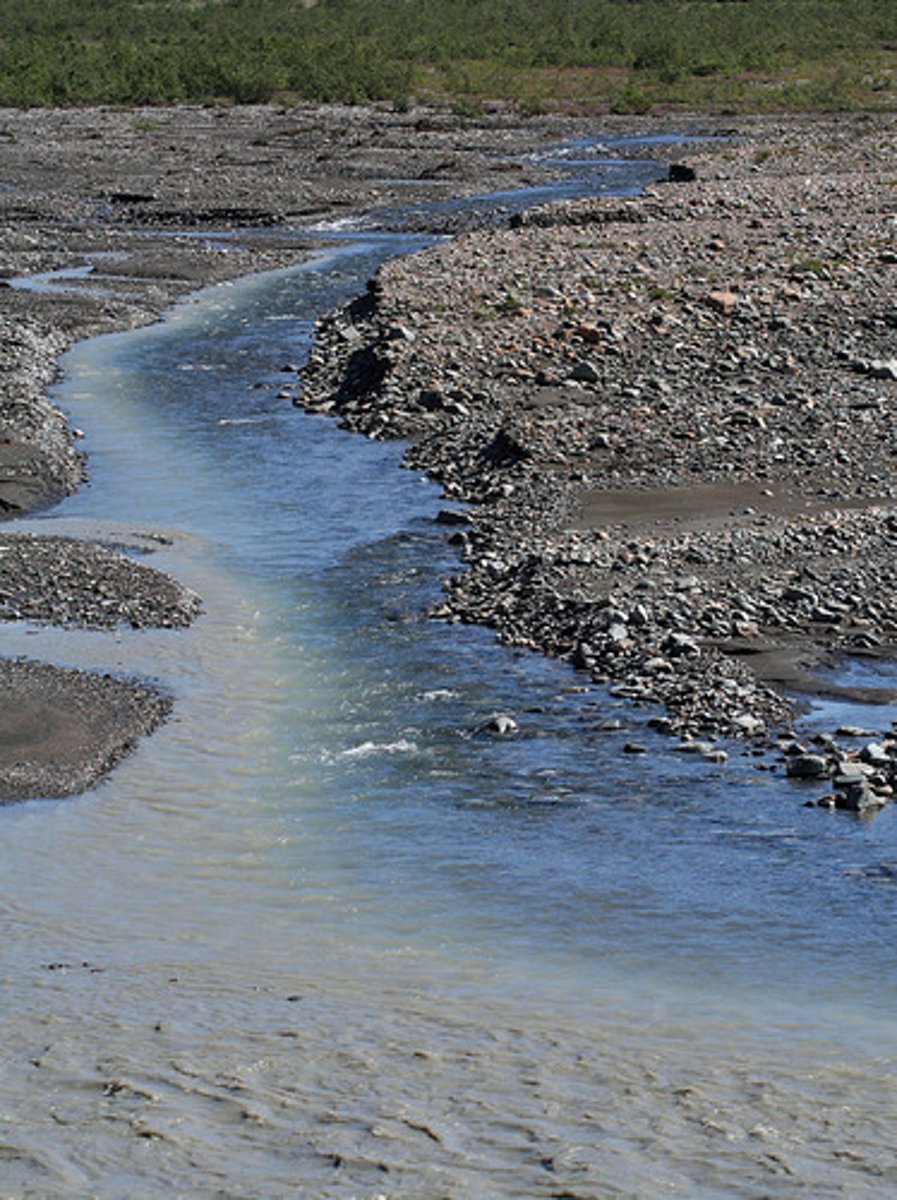
What is a misfit river?
Rivers created by glaciers that are too small to have eroded the valleys they flow through
Why are valleys with misfit rivers good for farming?
They deposit silt and mud in the valley bottom
Where is the Wield?
Southeast of England, between the north and south downs
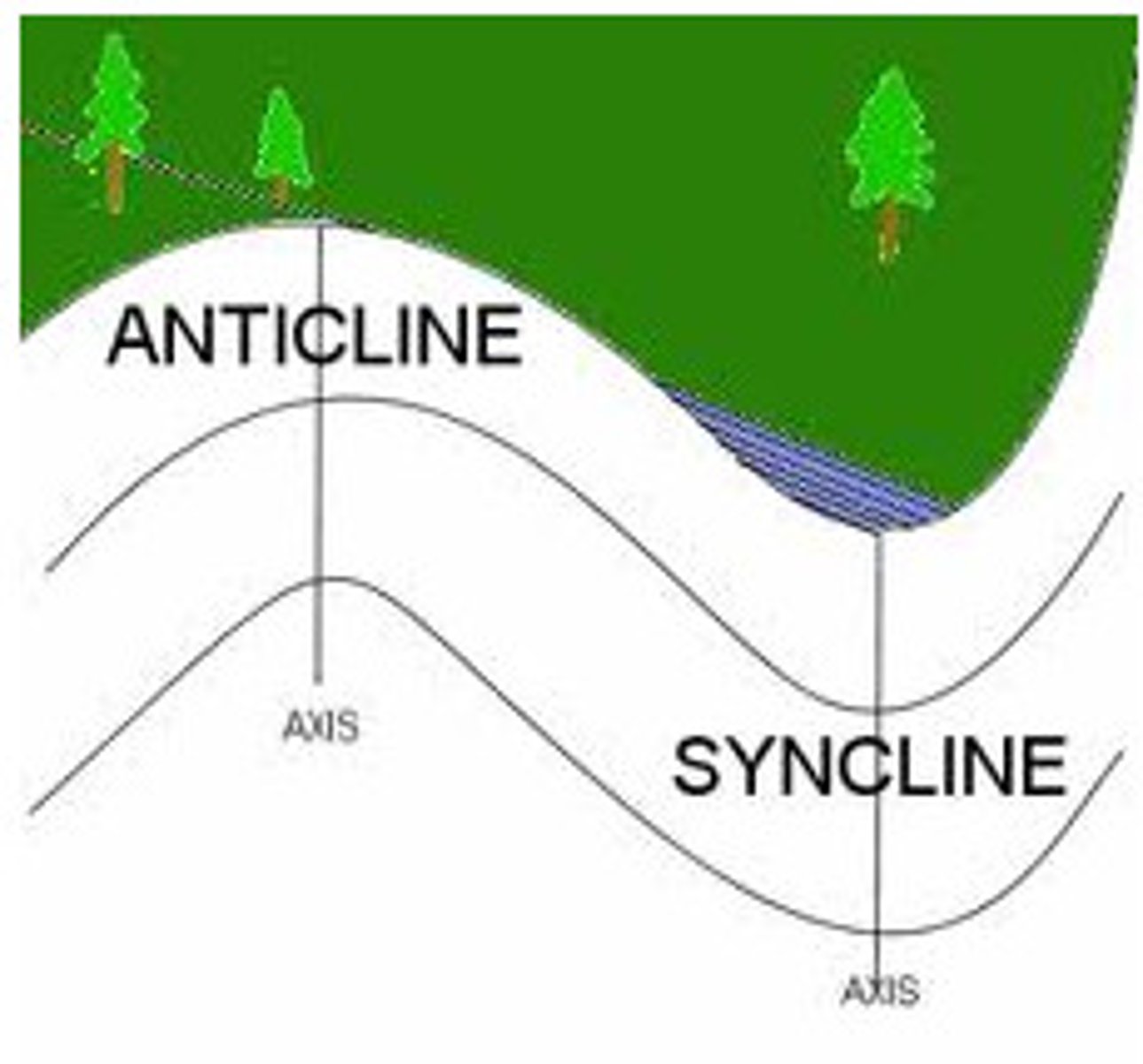
Anticline
an upward fold in rock formed by compression of Earth's crust
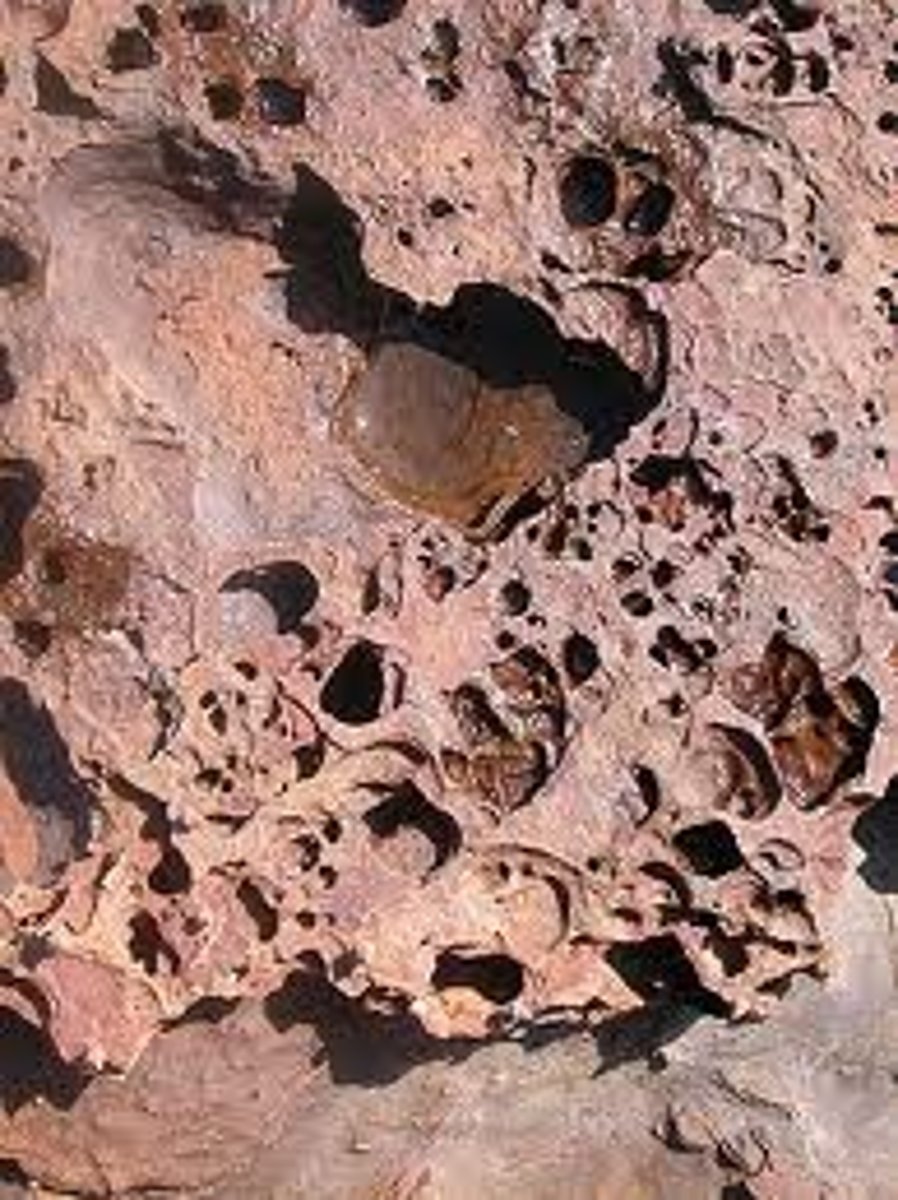
Chemical weathering
the acid in rainwater dissolves rock (carbonic acid breaks up chalk & limestone)
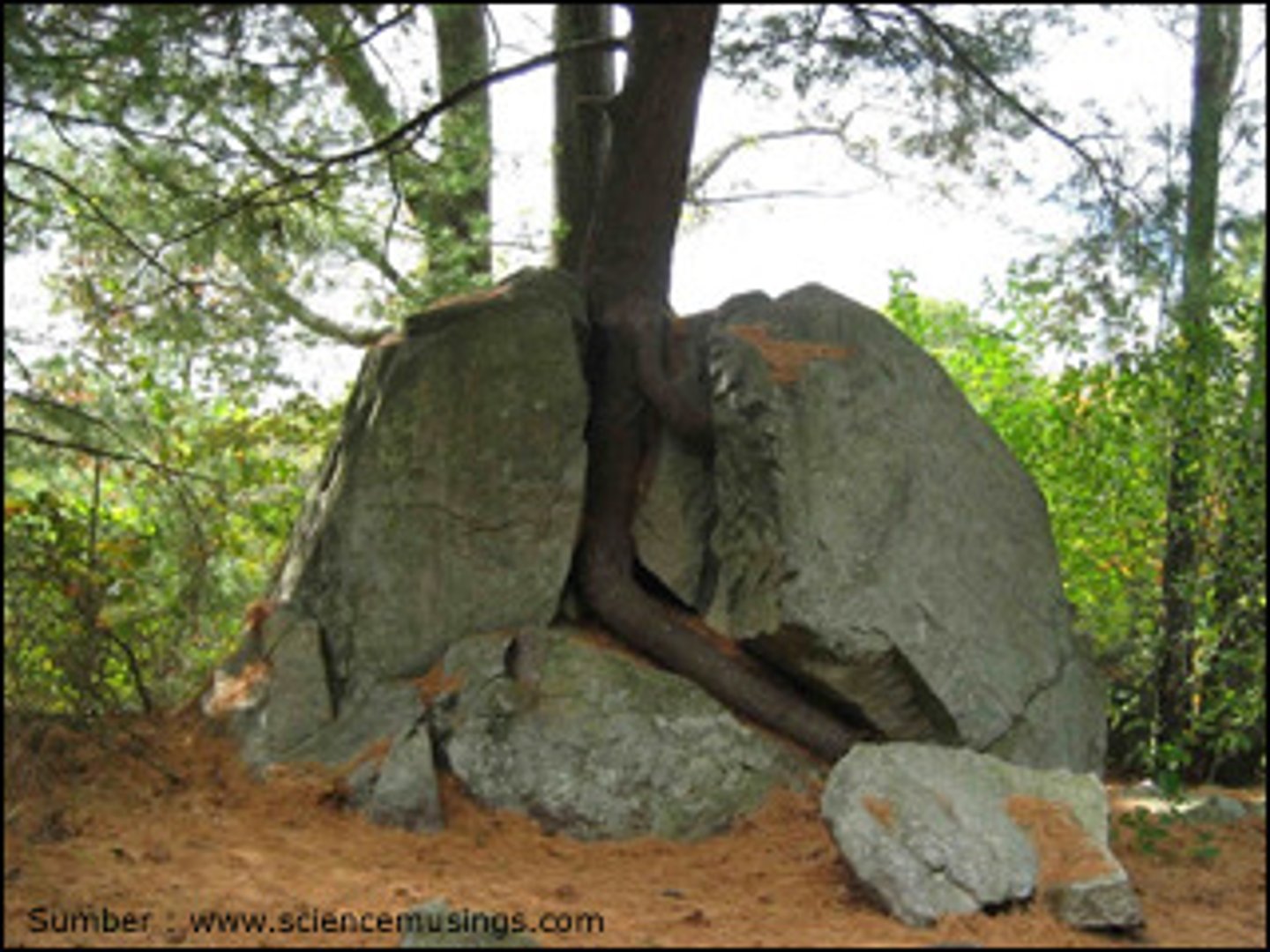
Biological weathering
breakdown of rocks by living things
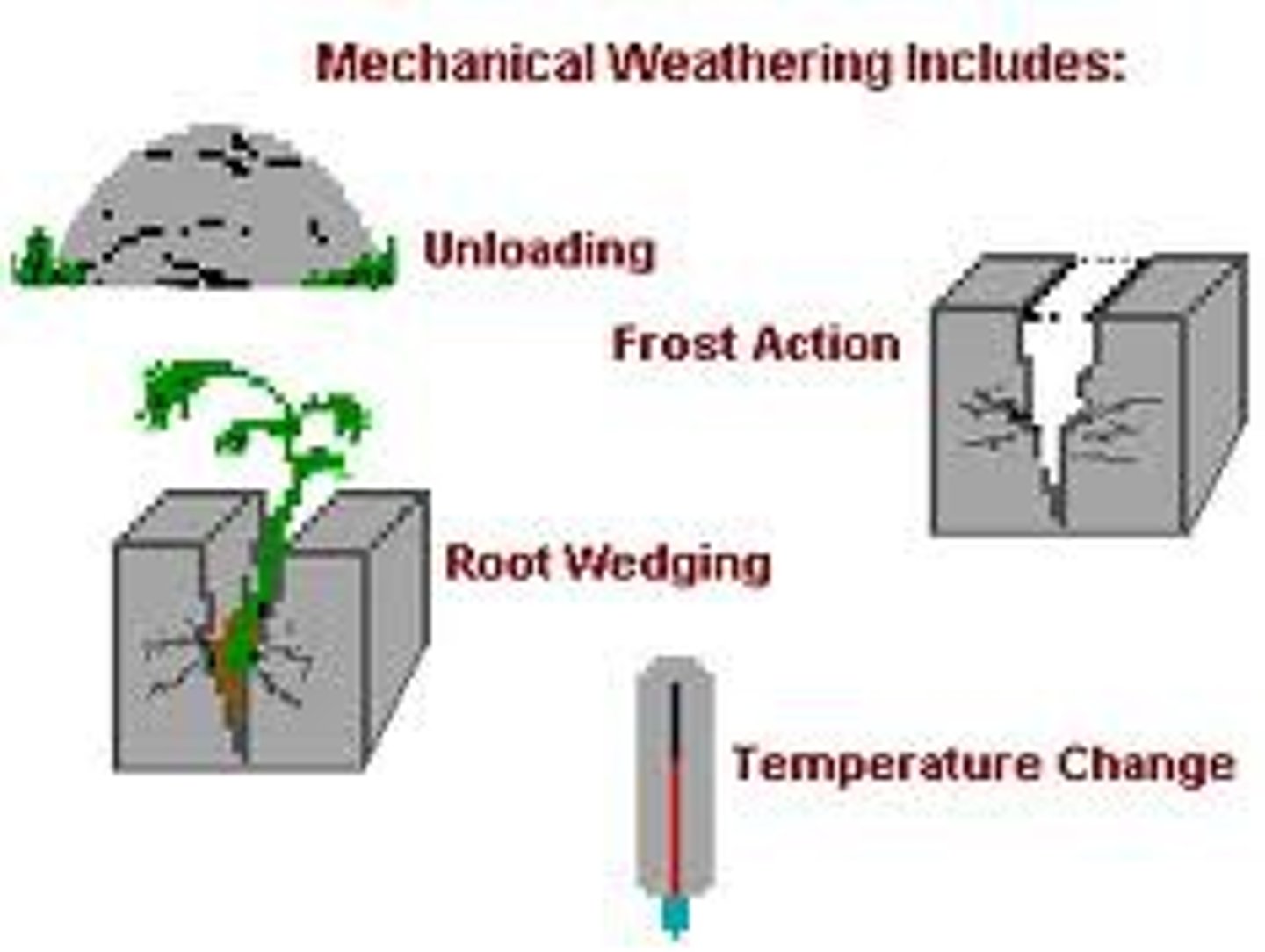
Mechanical weathering
The type of weathering in which rock is physically broken into smaller pieces
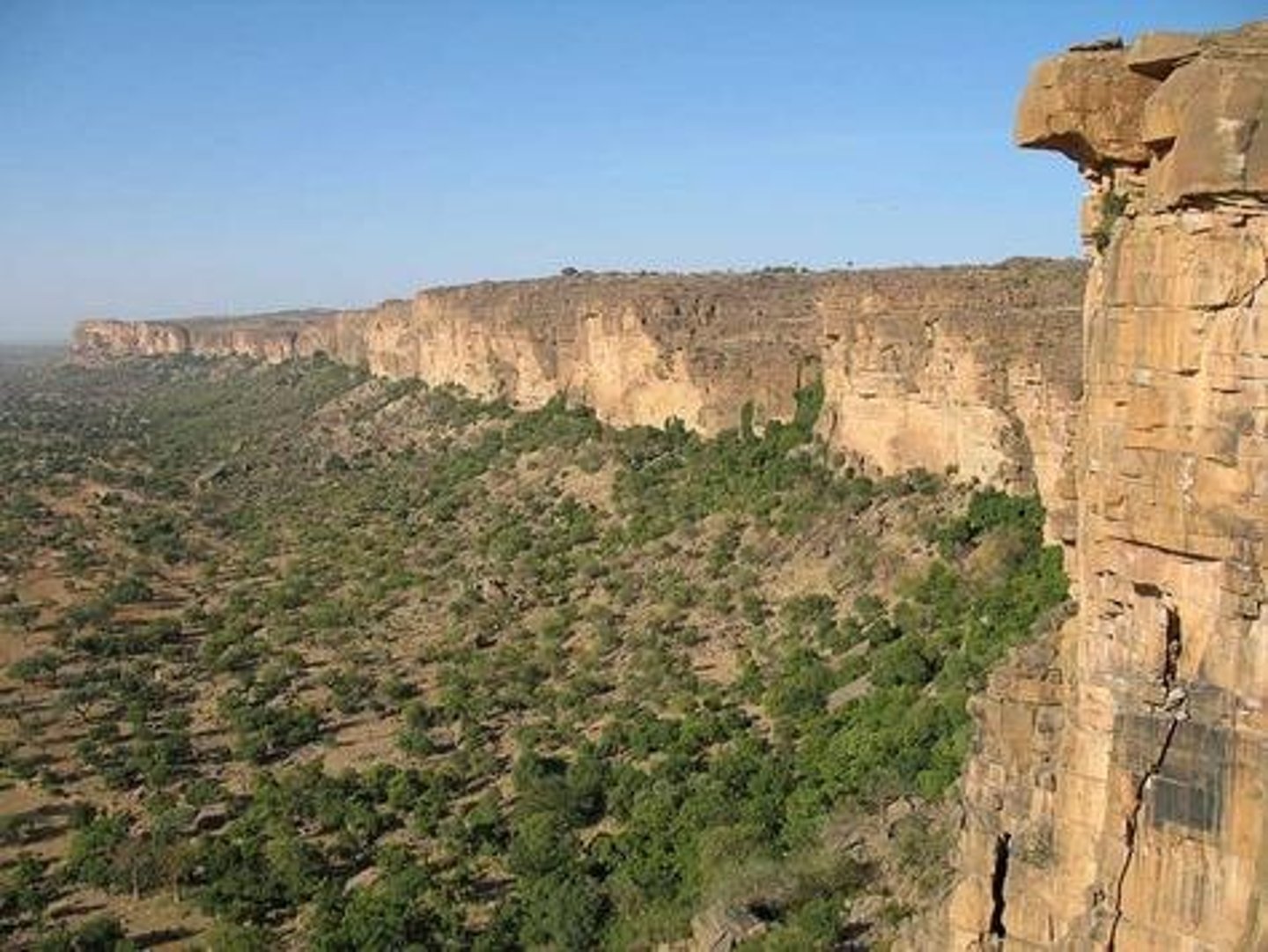
Escarpments
steep slope
Vales
valleys; depressed stretches of ground
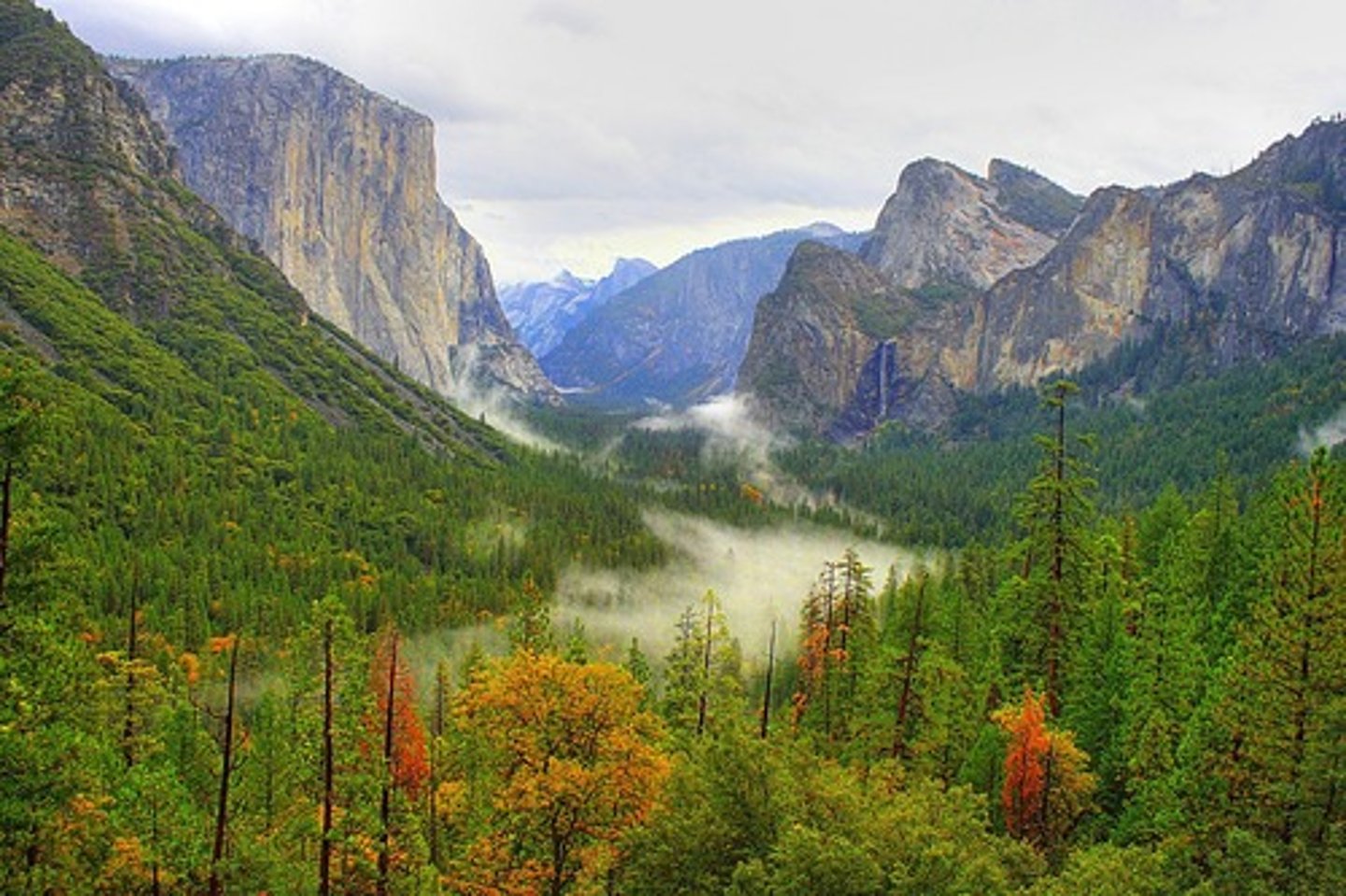
How are vales, escarpments and dip slopes formed?
The rock of escarpment erodes more slowly which leaves a vale and a dip slope
How have humans changed the landscape?
- agriculture
- forestry
- settlement
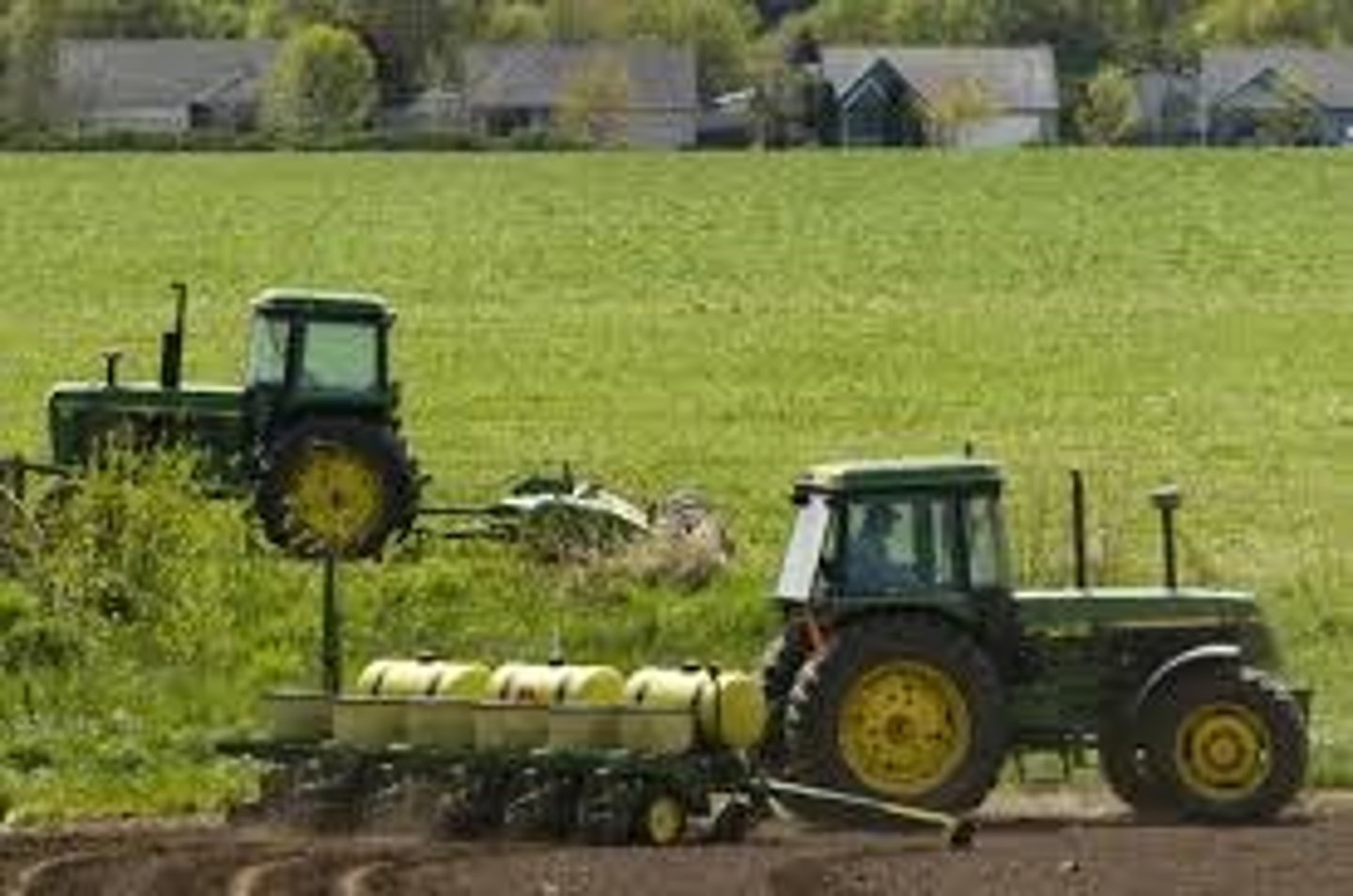
How has agriculture affected the UK landscape
land of forest has been cleared to make space for farming
- hedgerows and walls have been put in to mark out fields
Forestry
management of areas of woodland
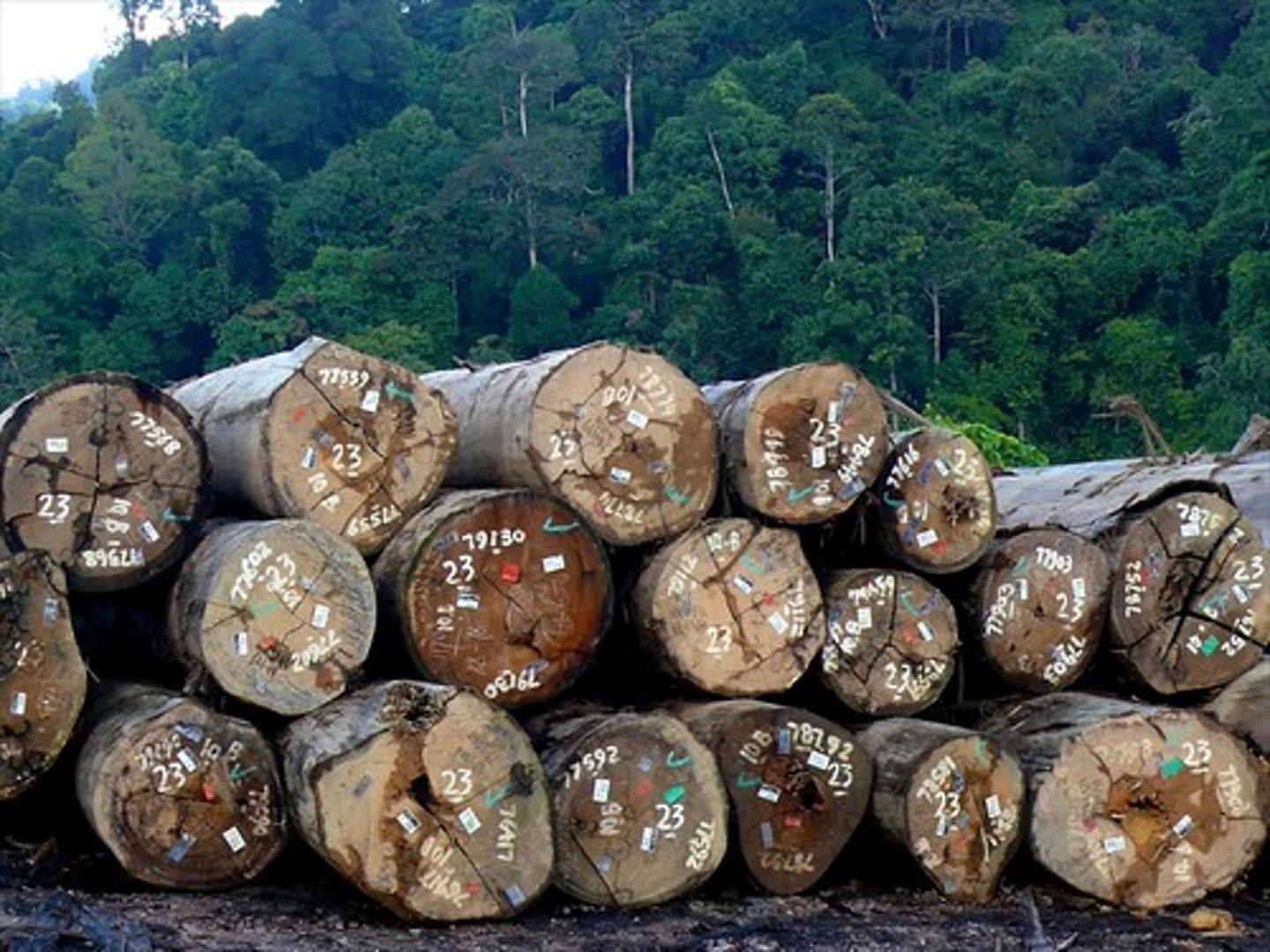
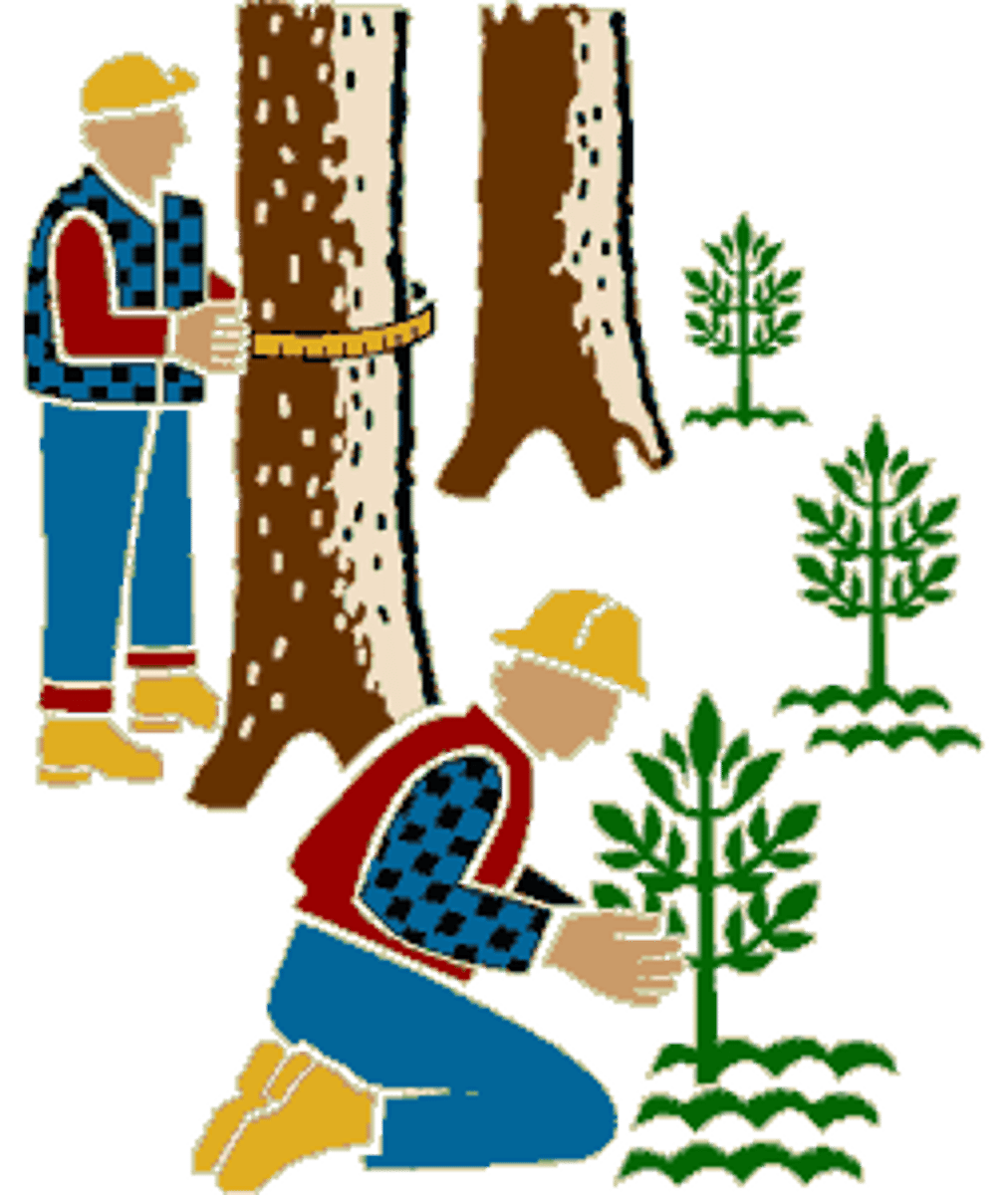
How has forestry affected the UK landscape
- timber, recreation, conservation
- coniferous forests have been planted to harvest for timber but do not look natural
- when trees are felled, areas look bare
How has settlement affected the UK landscape
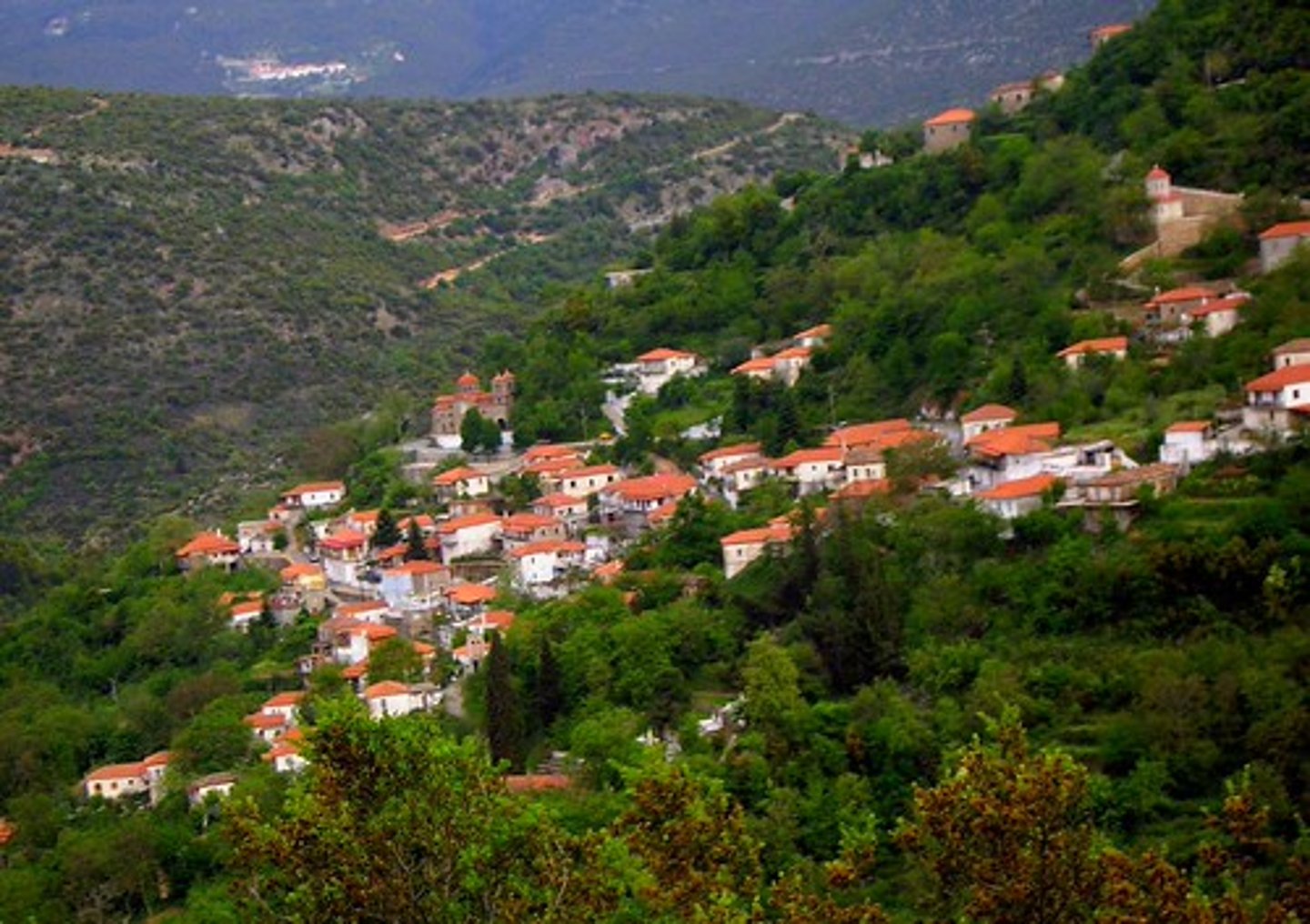
settlers look for:
- a water supply
- easily defended area
- sheltered area
- bridging points over rivers and the availability of resources
- land was concreted over
- rivers were diverted through tunnels
- embankments built to prevent flooding
State two ways in which glacial processes have shaped upland areas in the UK (2 marks)
- ice eroded the landscape, carving out u-shaped valleys
- as glaciers melted, they deposited thick layers of till and materials on the landscape
Identify 2 ways that human settlements have altered the landscape (2 marks)
eg:
- roads have been built
- embankments have been built
Explain how farming in upland areas is different to farming in lowland areas (2 marks)
Conditions in upland areas are harsher than in lowland areas. Farming there tends to be sheep farming because they can cope with the steep slopes and colder weather.
Explain how the interaction of physical processes may lead to the formation of lowland landscapes (3 marks)
- A river may have eroded the valley, widening the valley floor
- The wet climate in the UK may lead to flooding
- An overflowing river may have deposited silt on the valley floor, forming a flood plain