Finals For Environmental Science
 Call Kai
 Learn
Learn Practice Test
 Spaced Repetition
 Match
Match Flashcards
 Knowt Play
1/28

There's no tags or description
Looks like no tags are added yet.
Name | Mastery | Learn | Test | Matching | Spaced | Call with Kai |
|---|
No analytics yet
Send a link to your students to track their progress
29 Terms
Humans increase carbon dioxide (CO2) in the atmosphere by (select all that apply):
cutting down trees, combustion driving cars, and burning fossil fuels in industrial plants
What's the formula for Photosynthesis?
6CO2 + 6H2O --light--> C6H12O6 + 6O2
Explain how human activities disrupt the carbon cycle and suggest potential mitigation strategies to minimize these impacts
Human activities enumerate the amount of carbon present, disrupting the carbon cycle further with a dilemma of an excessive amount of carbon that affects ecosystems and causes global warming, where the earth is growing warmer due to the toxins/pollutants in the atmosphere over accumulating. Some suggestions are to plant more trees, use non-renewable alternatives, and to have use energy-efficient transportation methods to reduce the amount of carbon present.
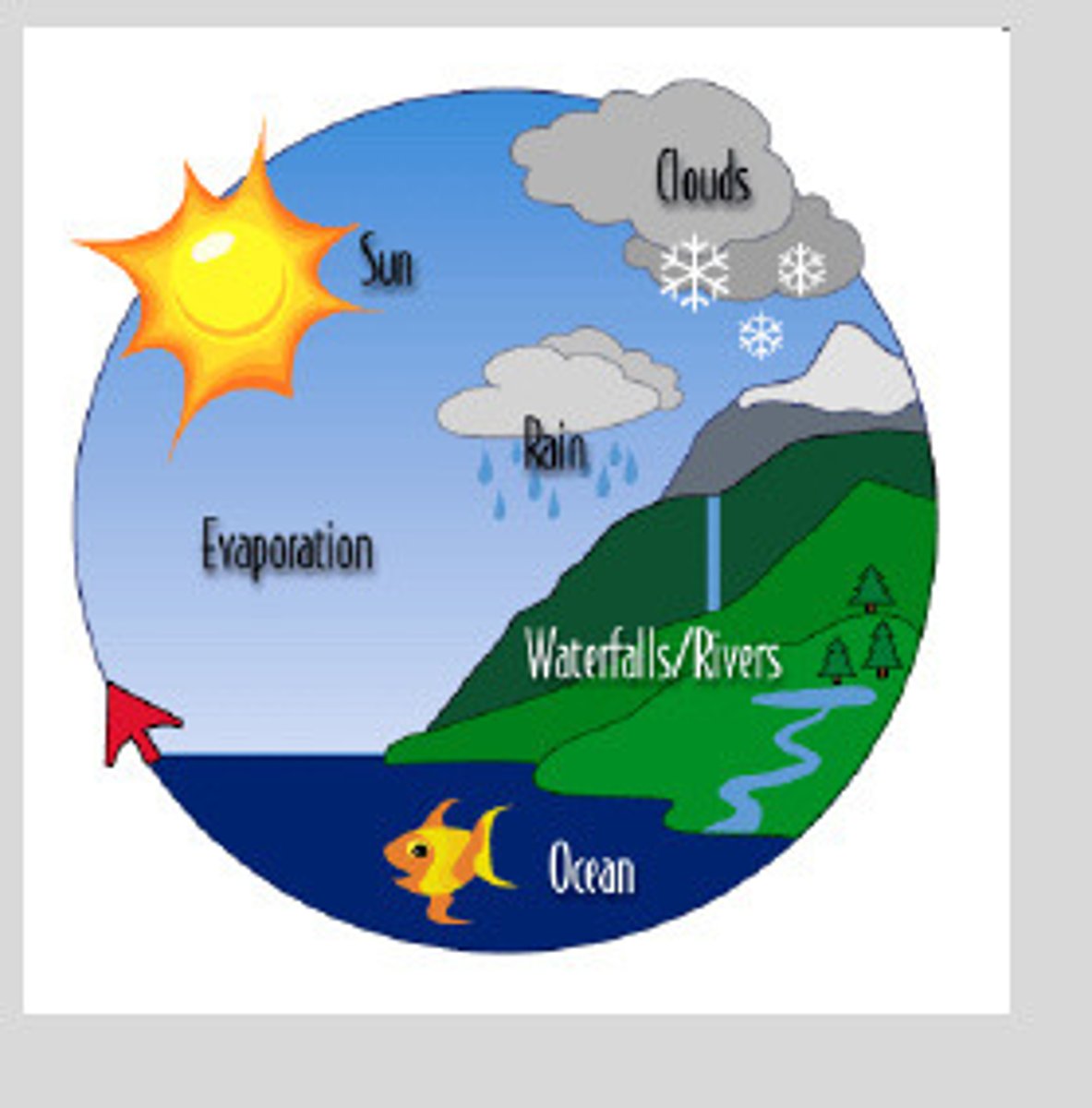
What is a cycle that involves the transformation/movement of water
hydrologic cycle
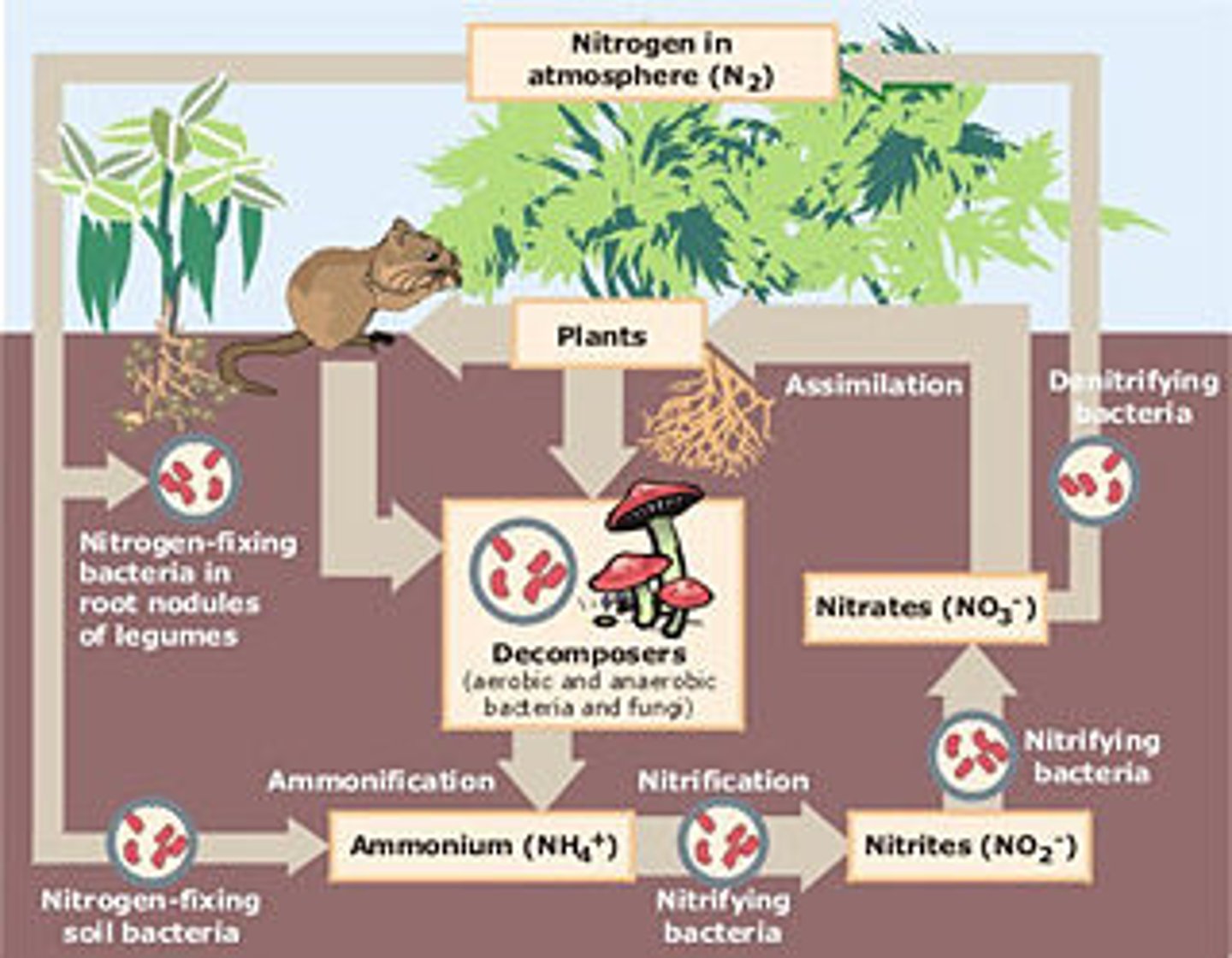
What's a cycle that involves the transformation/movement of nitrogen
nitrogen cycle
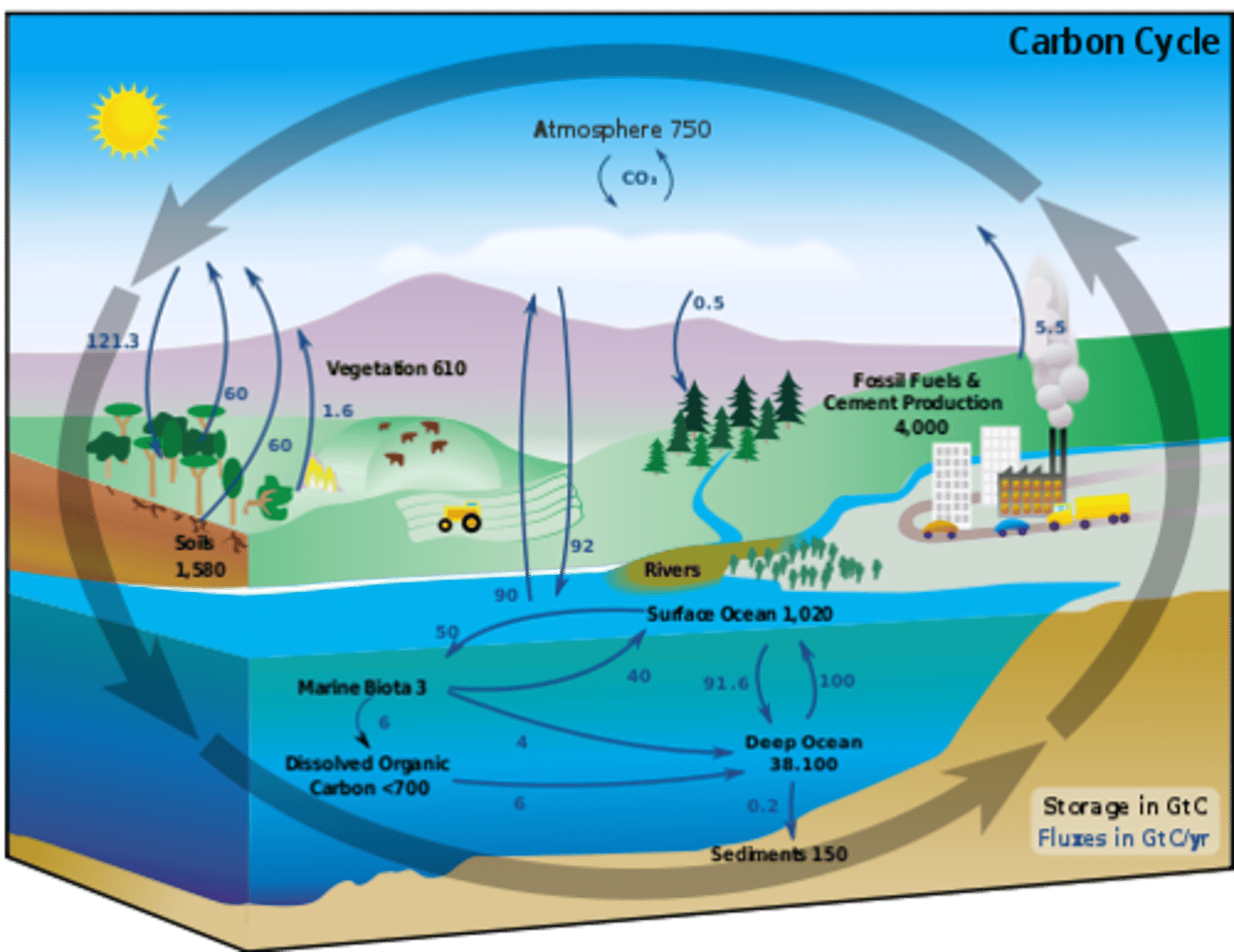
What's a cycle that involves the transformation/movement of carbon
carbon cycle
Which of the following is NOT a characteristic of all living things?
Can move over time
In order from smallest to largest, the ecological levels of organization are:
individual, populations, community, ecosystem, biome
Recall that carrying capacity is affected by limiting factors. LIST 1 potential limiting factors that scientists could investigate to understand the carrying capacity of African wild dogs.
A potential limiting factor that scientists could investigate to understand the carrying capacity of African wild dogs is that the reproductivity rate is not as favorable as to keep their population stable because each year the female African wild dogs only give birth to one litter every year. With this in mind, the low reproductive amount of litter from the female African wild dog could affect the carrying capacity to be lower. Moreover, habitat loss and human activities would pose as a potential limiting factor that minimizes the maximum amount of African wild dogs that can live in their specific region/habitat.
The cape buffalo eats during the wet season diet is mainly:
Themada triandra
What is the difference in the cape buffalo's diet in the wet season and dry season?
The difference in the cape buffalo's diet in the wet season and dry season is that there is a higher percentage that the cape buffalo eats during the wet season due to a potential factor that there is a higher abundance of the specific plant species, while during the dry season there is a less percentage possibly because the plant species isn't as abundant and due to a possibility that the animal could have a preference for certain plant species during the dry or wet seasons.
Why during the wet season, the competition between zebras, gazelles, wildebeests and cape buffalo is lessen?
During the wet season, the competition between zebras, gazelles, wildebeests and cape buffalo is lessened because there is a higher abundance of the various plant species, specifically because when there is more water available for the plant to use, the plants would be able to grow more efficiently, while during the dry season there is a lack of rain for more plants to grow in which causes competition because there is less plants available as a food source.
Plant cells use photosynthesis to make food. Plant cells also use cellular respiration to get energy from the food they make. How is cellular respiration different from photosynthesis?
Photosynthesis produces oxygen, and cellular respiration produces carbon dioxide and Photosynthesis requires water, and cellular respiration produces water
What is environmental science?
The study of how the natural world works, how the environment affects us, and how we affect it
Match the following lab safety tool with its job
1
-eyewash
2
-safety shower
3
-goggles
4
-fume hood
5
-fire blanket
6
-apron
1
place to rinse out eyes in case of contamination
safety shower
2
cleans hazardous materials off body and clothes
goggles
3
prevents items from getting in the eyes
fume hood
4
eliminates exposure to hazardous fumes
fire blanket
5
puts out the beginning of the fire
apron
6
protects clothing during a lab
Sort the Positive and Negative Impacts of Human Impact
1
Positive:
2
Negative:
1
Recycling
Conservation programs for endangered animals
Water Conservation
Habitat Restoration Programs
2
Poaching/Hunting
Urbanization
Deforestation/Loss of Habitat
Pollution
Individuals and communities must work together to conserve Earth's natural resources.
Which two statements describe how Earth's natural resources can be conserved?
Carpool with friends to school activities and convert food waste into garden soil with a compost bin
Which of the following is the most important reason for people to carefully manage natural resources?
The growing human population is putting increasing demands on natural resources
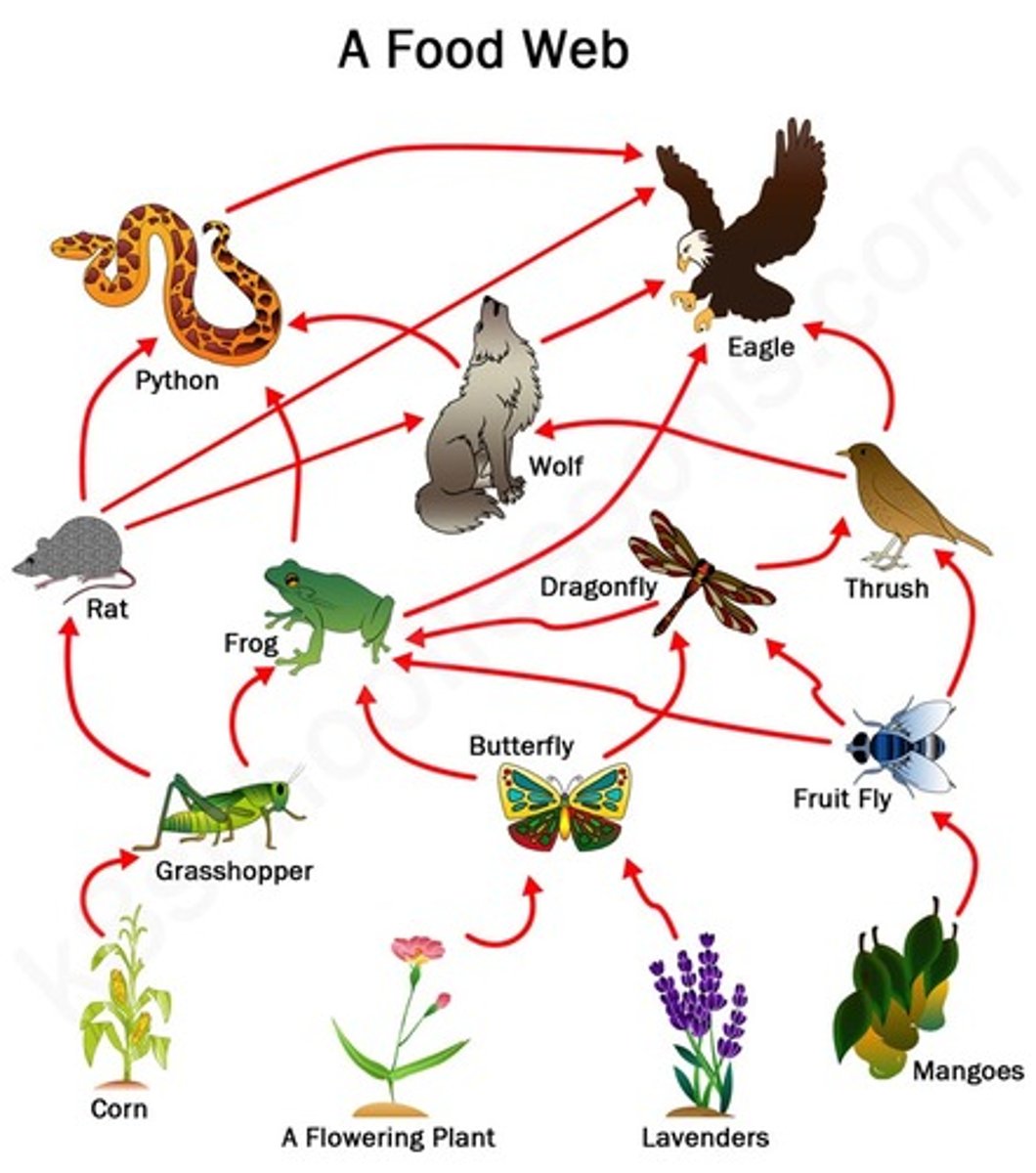
A food web is shown below. Which of the following is an example of consumers receiving energy directly from a producer?
grasshoppers and butterflies
Big Bend National Park is located in the part of the Chihuahuan Desert that is in southwestern Texas. The table below lists some of the types of animals that live in Big Bend and what they eat.
Based on the information in the table, which of the following food chains shows one way energy flows in the Big Bend ecosystem?
Juniper berries →→ rock squirrel → western rattlesnake or Cacti → ornate box turtles → turkey vultures
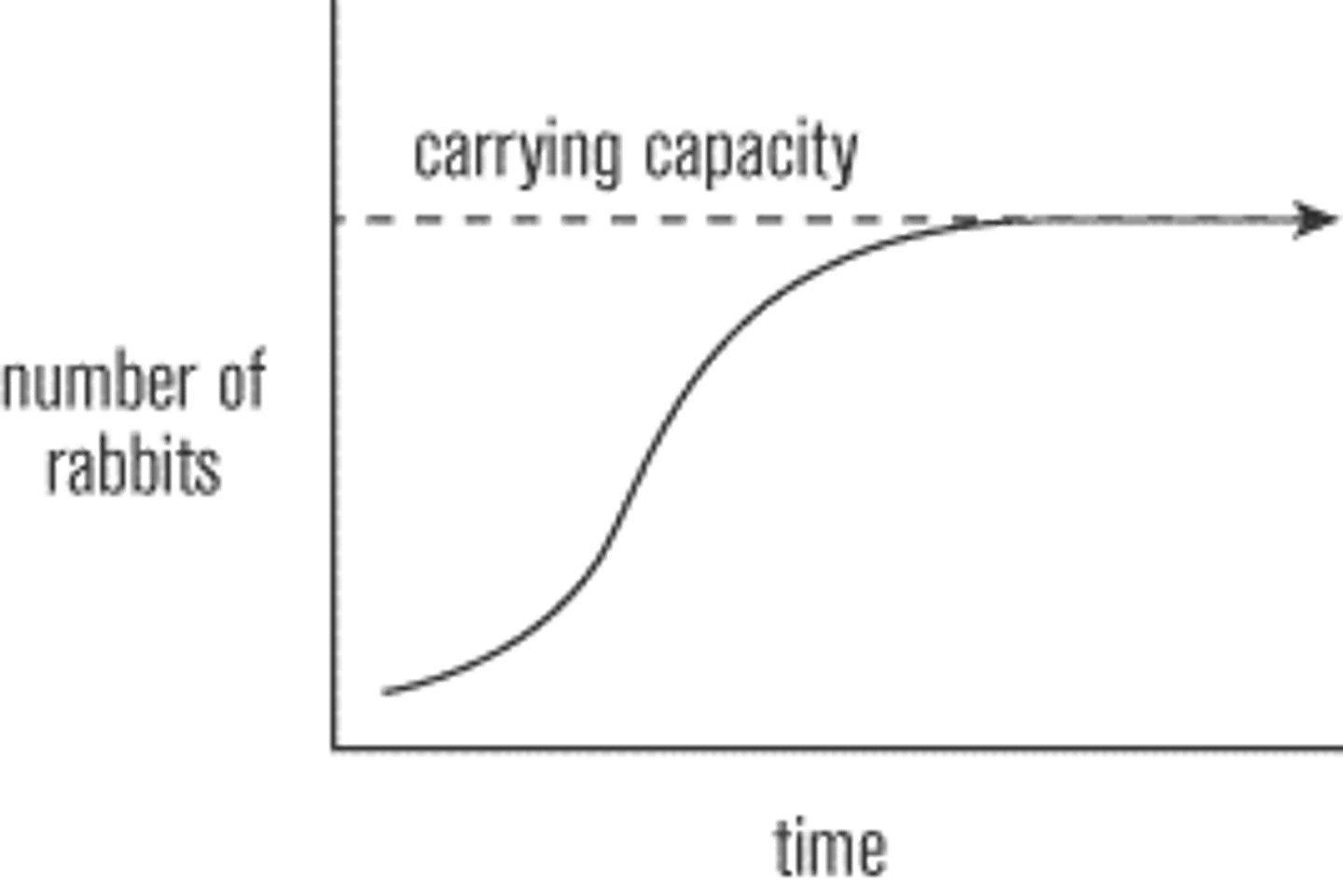
Which of the following best describes what carrying capacity is?
The maximum number of a population that an ecosystem can sustain
Many ancient cultures relied on Agriculture. Agriculture is :
the production of crops, livestock, or poultry
Which of the following describes a fundamental characteristic of the green revolution in food resources?
The development of new strains of crops with higher yields
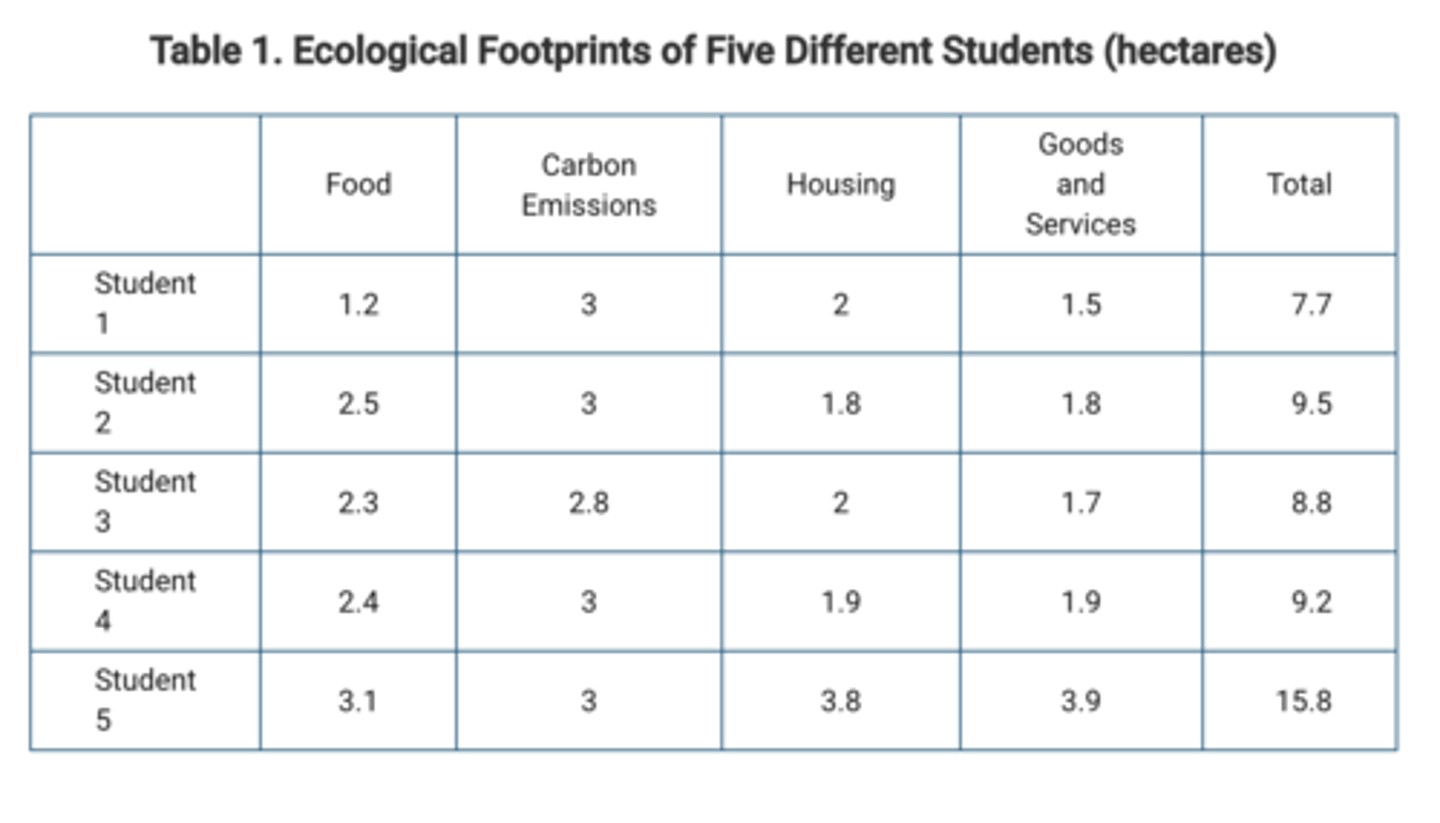
A person's ecological footprint is the total amount of land required to offset a person's carbon emissions. The table below shows ecological footprint data for five different students. Each value is a measure of the number of hectares per land required.
After reviewing personal footprint data, Student 5 decides to take action to lower his or her overall footprint by reducing money spent on shoes and clothing. Land use in which of the following categories will be most affected by this change?
Goods and services
Animals that live in estuaries:
must be adapted to varying levels of salinity
What is the relationship between levels of greenhouse gases in the atmosphere and temperature on Earth?
An increase in the atmospheric concentrations of greenhouse gases produces a positive climate forcing, or warming effect
What are the 4 major greenhouse gases?
Carbon Dioxide, Methane, Nitrous Oxide, and Fluorinated Gases
Which of the following is a benefit of biodiversity?
-Species are connected to ecosystems
-Species and population survival
-Medical, industrial, and agricultural uses
Correct Answer:
-All of these are correct
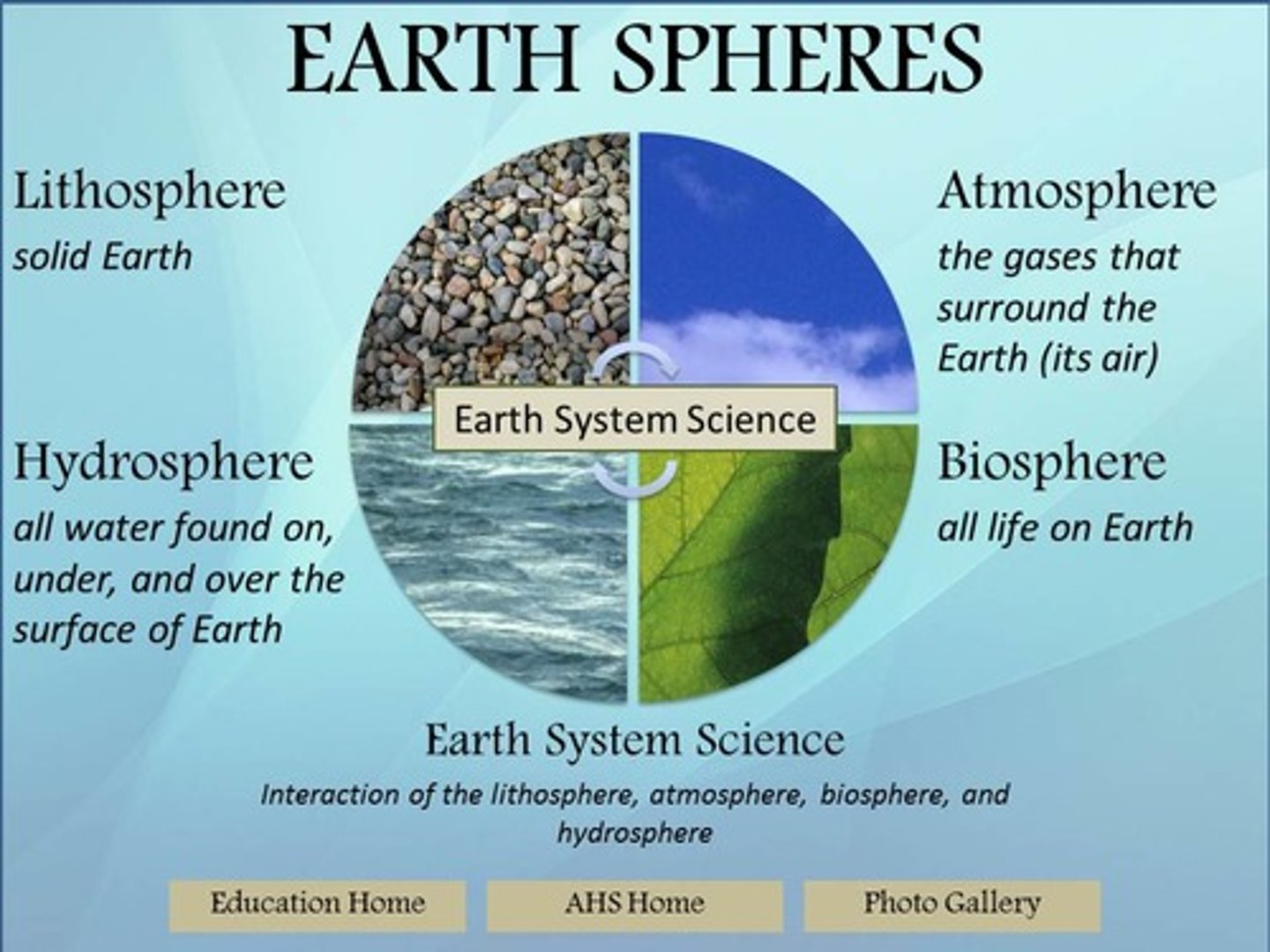
Identify the Earth's spheres on the image below.
Palm Trees-Biosphere
Air-Atmosphere
Ocean/beach-Hydrosphere
Sand/land-Lithosphere