PHAR 642_ BEERS CRITERIA: TABLE 2
 Call Kai
 Learn
Learn Practice Test
 Spaced Repetition
 Match
Match Flashcards
 Knowt Play
1/35

There's no tags or description
Looks like no tags are added yet.
Name | Mastery | Learn | Test | Matching | Spaced | Call with Kai |
|---|
No analytics yet
Send a link to your students to track their progress
36 Terms
First-generation antihistamines
(-amine, -zine, -dine)
brompheniramine, chlorpheniramine, cyproheptadine, dimenhydrinate, diphenhydramine, doxylamine, hydroxyzine, meclizine, promethazine, triprolidine
Avoid
Rationale: Anticholinergic effects
Confusion, Constipation, Dry mouth
Inc. risk: Falls, Delirium, Dementia (w/ cumulative use)
Dec. Clearance with age → toxicity
Tolerance build up when used for hypnotic (sleep)
Use of Diphenhydramine for Acute Severe Allergic reaction may be appropriate
Nitrofurantoin
Avoid if CrCl <30 mL/min or for long-term suppression.
Rationale: pulmonary toxicity, hepatotoxicity, and peripheral neuropathy risk, especially with long-term use; safer alternatives available.

Aspirin for primary prevention of cardiovascular disease
Avoid initiating for primary prevention of cardiovascular disease; consider deprescribing if already taking for primary prevention.
Rationale: major bleeding risk increases with age and net benefit is lacking.
Note: Aspirin may still be appropriate for secondary prevention in older adults with established cardiovascular disease
Warfarin
Avoid starting as initial therapy for nonvalvular atrial fibrillation or VTE unless DOACs are contraindicated or inaccessible.
Rationale: higher major bleeding (intracranial bleeding) risk compared with DOACs
For older adults on long-term warfarin, it may be reasonable to continue if INR control is good and no adverse effects.
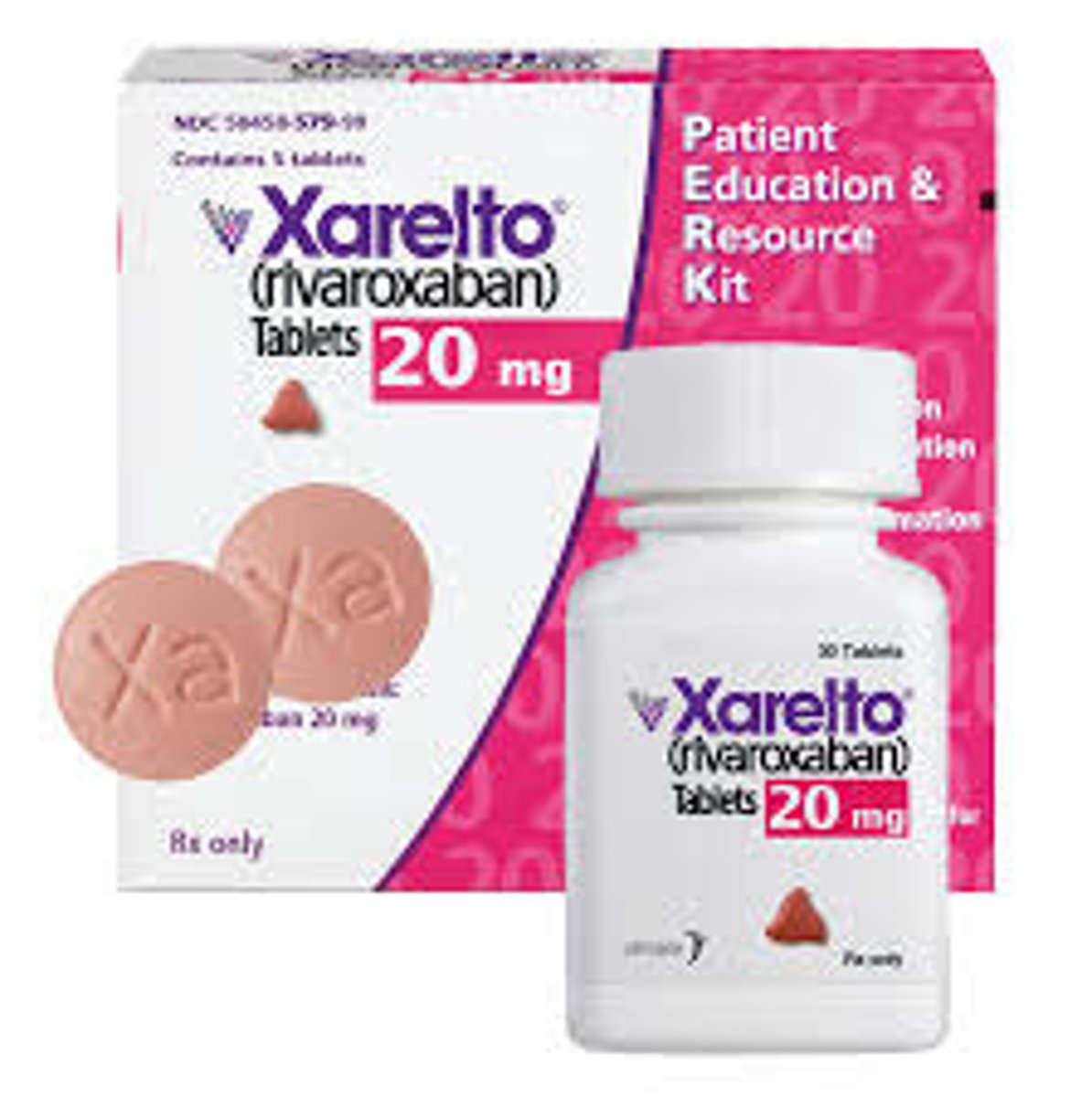
Rivaroxaban
Avoid for long-term AFib or VTE when safer anticoagulants are available.
Rationale: higher major bleeding and GI bleeding risk in older adults compared with other DOACs, especially apixaban.
May be reasonable if once-daily dosing is needed for adherence.
dipyridamole
Avoid oral, short-acting drug (Does not apply to aspirin/extended-release dipyridamole combination.)
Rationale: May cause orthostatic hypotension and better alternatives exist.
IV form acceptable for use in cardiac stress testing
Nonselective peripheral alpha-1 blockers (doxazosin, prazosin, terazosin)
Avoid as antihypertensives.
Rationale: high risk of orthostatic hypotension and related harms; not recommended as routine hypertension treatment.
Central alpha-agonists for hypertension: (clonidine, guanfacine)
Avoid clonidine as first-line hypertension treatment; avoid other central alpha-agonists for hypertension.
Rationale: high risk of CNS adverse effects, bradycardia, and orthostatic hypotension.
Immediate-release nifedipine
Avoid. Rationale: may cause hypotension and precipitate myocardial ischemia.
Amiodarone for atrial fibrillation
Avoid as first-line therapy for AFib unless patient has heart failure or substantial left ventricular hypertrophy.
Rationale: Causes greater toxicities than other antiarrhythmics used for atrial fibrillation
Effective for maintaining sinus rhythm
Better for rhythm control > rate control
Dronedarone
Avoid in permanent AFib or severe/recently decompensated heart failure; use caution in patients with HFrEF with less severe symptoms (NYHA class I-II symptoms)
Rationale: associated with worse outcomes in these patients.
Digoxin
Avoid as first-line therapy for AF or HF. If used, avoid doses >0.125 mg/day.
Rationale: safer/effective alternatives exist; renal clearance decreases with age, increasing toxicity risk.
antidepressants with STRONG anticholinergic activity; alone or in combination (8)
(amitriptyline, nortriptyline, clomipramine, desipramine, imipramine, amoxapine, doxepin >6 mg/day, paroxetine)
Avoid.
Rationale: highly anticholinergic: sedating and can cause orthostatic hypotension.
Low-dose doxepin ≤6 mg/day has safety similar to placebo.
Antiparkinsonian agents with STRONG anticholinergic activity (alone or in combination):
Benztropine (oral), Trihexyphenidyl
Avoid.
Rationale: Not recommended for PREVENTION/TREATMENT of extrapyramidal symptoms due to antipsychotics
Better alternative agents available for treatment of Parkinson disease
Antipsychotics: first-generation (typical) and second-generation (atypical) agents
(aripiprazole, haloperidol, olanzapine, quetiapine, risperidone, and others)
Avoid except in FDA-approved indications such as schizophrenia, bipolar disorder, Parkinson’s disease, psychosis, adjunctive treatment of major depressive disorder, or short-term antiemetic use.
Rationale: increased risk of stroke, cognitive decline, and mortality in persons with dementia. (Increased mortality is also associated independent of dementia)
Avoid for behavioral problems of dementia/delirium:
Unless documented non-pharmacological options have failed OR patient is threatening harm on self/others
If used, periodic DEPRESCRIBING attempts should be considered to assess ongoing need and/or lowest effective dose
Barbiturates: butalbital, phenobarbital, primidone
Avoid.
Rationale: high rate of physical dependence, tolerance to sleep benefit, and greater risk of overdose at low dosages
Benzodiazepines (12): (alprazolam, chlordiazepoxide, clobazam, clonazepam, clorazepate, diazepam, estazolam, lorazepam, midazolam, oxazepam, temazepam, triazolam)
Avoid
Rationale: exposes risk of abuse, misuse, and addiction
Concomitant use with opioids can lead to sedation, respiratory depression, coma, and death
Older adults have increased sensitivity to benzodiazepines and decreased metabolism of long-acting agents
Continued use could lead to physical dependence
Increased risk of: cognitive impairment, delirium, falls, fractures, and motor vehicle crashes in adults
May be appropriate to treat:
seizure disorders
rapid eye movement sleep behavior disorder
benzodiazepine withdrawal + alcohol withdrawal
severe generalized anxiety disorder
periprocedural anesthesia.
Nonbenzodiazepine benzodiazepine receptor agonists (“Z-drugs”)
Eszopiclone
Zaleplon
Zolpidem
Avoid. Rationale: benzodiazepine-like adverse effects including delirium, falls, fractures, ER visits/hospitalizations, and motor vehicle crashes; minimal improvement sleep benefit.
Meprobamate
Avoid. Rationale: highly sedating and high risk of physical dependence.
Ergoloid mesylates
Avoid. Rationale: lack of efficacy.
Androgens: methyltestosterone, testosterone
Avoid unless confirmed hypogonadism with clinical symptoms.
Rationale: potential cardiac problems and possible risks in men with prostate cancer.
Estrogens with or without progestins
Do not initiate systemic estrogen (ie. Oral tablets or transdermal patches)
Consider deprescribing among older women taking this medication
Vaginal cream or vaginal tablets
Acceptable to use low-dose intravaginal estrogen to treat:
Dyspareunia (genital pain)
Recurrent lower UTI
Other vaginal symptoms
Rationale:
Evidence of carcinogenic potential (breast and endometrium)
Lack of cardioprotective effect and cognitive protection in older women
Women who start HRT (hormone replacement therapy) at age 60 and older: the risks of HRT are greater than benefit
HRT linked to higher risk of heart disease, stroke, blood clots, and dementia
Safe and effective for treatment of vaginal dryness using vaginal estrogens
Women with a history of breast cancer who do not respond to non-hormonal therapies → advised to discuss with their healthcare provider to discuss risk and benefits of low-dose vaginal estrogen
Sliding-scale insulin alone
Higher risk of hypoglycemia without improvement in hyperglycemia management. Avoid insulin regimens that include only short- or rapid-acting insulin dosed according to current blood glucose without concurrent use of basal or long-acting insulin
Recommendation does not apply to regimens that contain basal or long-acting insulins
Sulfonylureas: (all, including short and longer-acting) gliclazide, glimepiride, glipizide, glyburide (glibenclamide)
Avoid as first- or second-line monotherapy or add-on therapy unless safer/effective agents cannot be used. If used → choose short-acting agents (glipizide) over long acting (glyburide, glimepiride)
Rationale: higher risk of cardiovascular events, mortality, and hypoglycemia.
Long-acting agents (glyburide, glimepiride) have a higher risk of prolonged hypoglycemia than short-acting agents (glipizide)
Desiccated thyroid
Avoid. Rationale: cardiac effects concern; safer alternatives available.
Megestrol
Avoid. Rationale: minimal weight benefit and increased risk of thrombotic events and possibly death.
Growth hormone
Avoid except for rigorously diagnosed growth hormone deficiency due to established etiology. Rationale: low body composition benefits; associated with edema, arthralgia, carpal tunnel syndrome, gynecomastia, and impaired fasting glucose.
Proton-pump inhibitors: dexlansoprazole, esomeprazole, lansoprazole, omeprazole, pantoprazole, rabeprazole
Risk of:
C. Diff infection
Pneumonia
GI malignancies
Bone loss
Fracture
AVOID scheduled use for >8 weeks unless…
high-risk patients (e.g. oral corticosteroids or chronic NSAID use)
Erosive esophagitis
Barrett’s esophagitis
Pathologic hypersecretory conditions
Demonstrated need for maintenance treatment (due to failure of drug discontinuation trial or H2 receptor antagonist)
Metoclopramide
Avoid unless treating gastroparesis (delayed gastric emptying) for less than 12 weeks except rare cases
Rationale: extrapyramidal effects and tardive dyskinesia risk, especially in frail older adults and prolonged use.
GI antispasmodics with strong anticholinergic activity: (atropine (except ophthalmic), clidinium-chlordiazepoxide, dicyclomine, hyoscyamine, scopolamine)
Avoid. Rationale: highly anticholinergic and uncertain effectiveness.
Oral mineral oil
Avoid. Rationale: aspiration risk (something enters airway/lungs accidentally) and adverse effects; safer alternatives available.
Desmopressin
Avoid for the treatment of nocturia or nocturnal polyuria.
Rationale: high risk of hyponatremia; safer alternatives are available.
Oral non-COX-2 selective NSAIDs:
aspirin >325 mg/day, diclofenac, diflunisal, etodolac, flurbiprofen, ibuprofen, indomethacin, ketorolac, meloxicam, nabumetone, naproxen, oxaprozin, piroxicam, sulindac
Avoid chronic use unless alternatives fail and patient can take gastroprotective agent. Avoid scheduled short-term use with corticosteroids, anticoagulants, or antiplatelets unless alternatives fail and a gastroprotective agent is used.
Rationale: GI bleeding/ulcer, kidney injury, and increased BP risk.
Indomethacin
Ketorolac (oral and parenteral)
Increased risk of GI bleeding/peptic ulcer disease, and Acute kidney injury
Of all the NSAIDs, Indomethacin has the most adverse effects including increased risk of adverse CNS effects
Meperidine
Avoid. Rationale: poor oral analgesic efficacy at usual doses and higher risk of neurotoxicity/delirium than other opioids.
Skeletal muscle relaxants: carisoprodol, chlorzoxazone, cyclobenzaprine, metaxalone, methocarbamol, orphenadrine
Avoid. Rationale: poorly tolerated due to anticholinergic effects, sedation, and fracture risk; questionable effectiveness at tolerated doses.
Does not apply to baclofen or tizanidine for spasticity, though they still have adverse effects.