Art History Exam
 Call Kai
 Learn
Learn Practice Test
 Spaced Repetition
 Match
Match Flashcards
 Knowt Play
1/20

There's no tags or description
Looks like no tags are added yet.
Name | Mastery | Learn | Test | Matching | Spaced | Call with Kai |
|---|
No analytics yet
Send a link to your students to track their progress
21 Terms
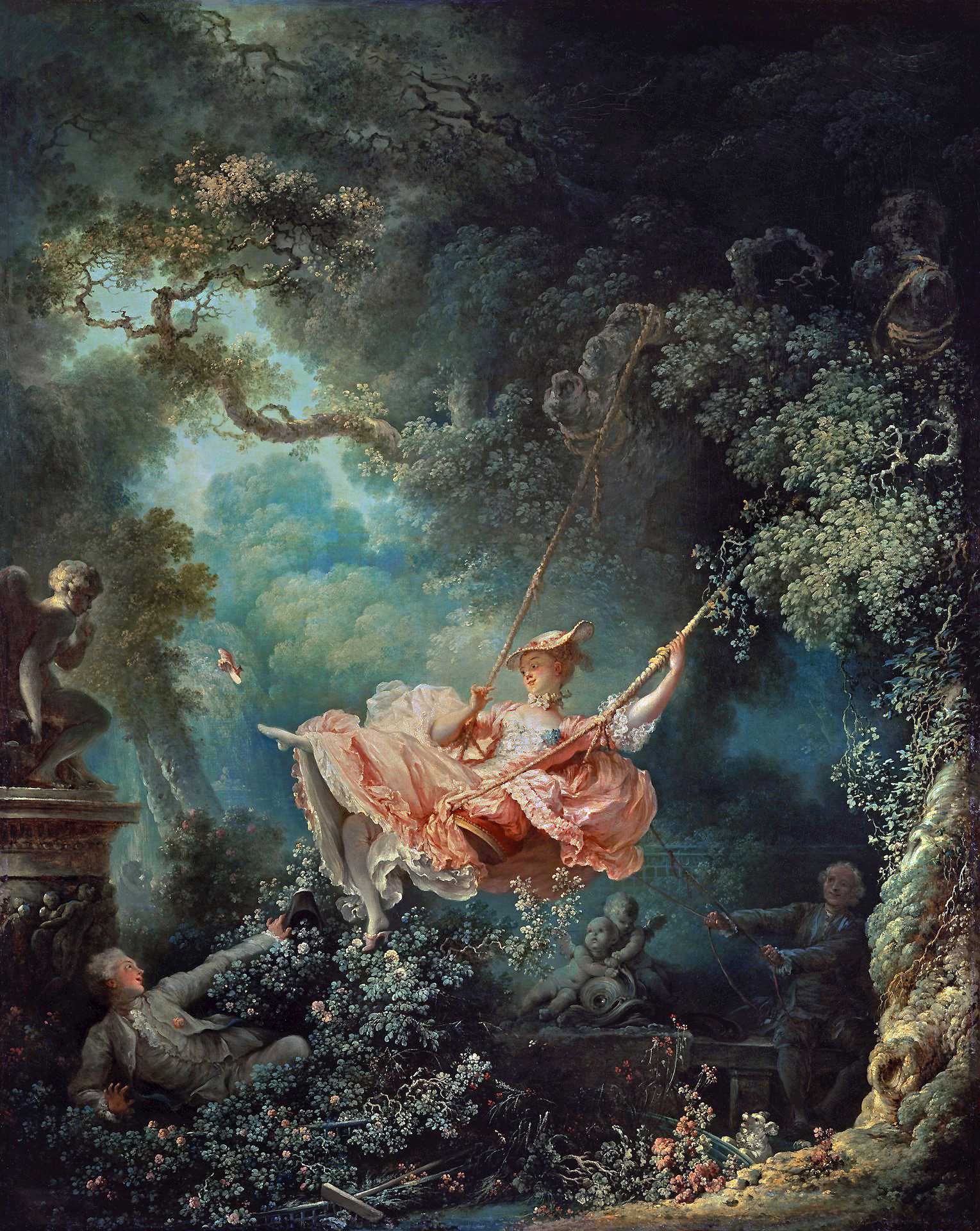
jean-honoré fragonard the swing 1767 rococo
a quintessential Rococo painting featuring a young woman in a pink dress being pushed on a swing by an older man while her lover is hidden in the bushes and watches from below
the painting exemplifies the rococo style’s focus on frivolity, luxury, and leisure; it depicts a love triangle in a private, garden setting, highlighting themes of infidelity and forbidden desire
as the lady kicks her shoe towards a statue of Cupid (symbolizing secret love) she loses her slipper while the lover watches from the lower left
the swing represents infidelity; the flying shoe represents the loss of virginity or a shameless act; the hidden lover represents the illicit secret romance typical of the scandalous stories depicted in rococo art; the husband is believed to be a bishop or husband symbolizing societal deception as he is unaware of the lovers’ interaction behind his back; the cupid statue is a nod to the theme of secrecy, silence, and forbidden eroticism
rococo: emerged in early 18th century paris as a lighter, playful alternative to Baroque; characterized y soft pastels, ivory white, gold, and intricate, asymmetrical, scroll-like designs
focuses on themes of love, nature, youth, and aristocratic leisure, flourishing in painting, interior design, and architecture until the 1770s
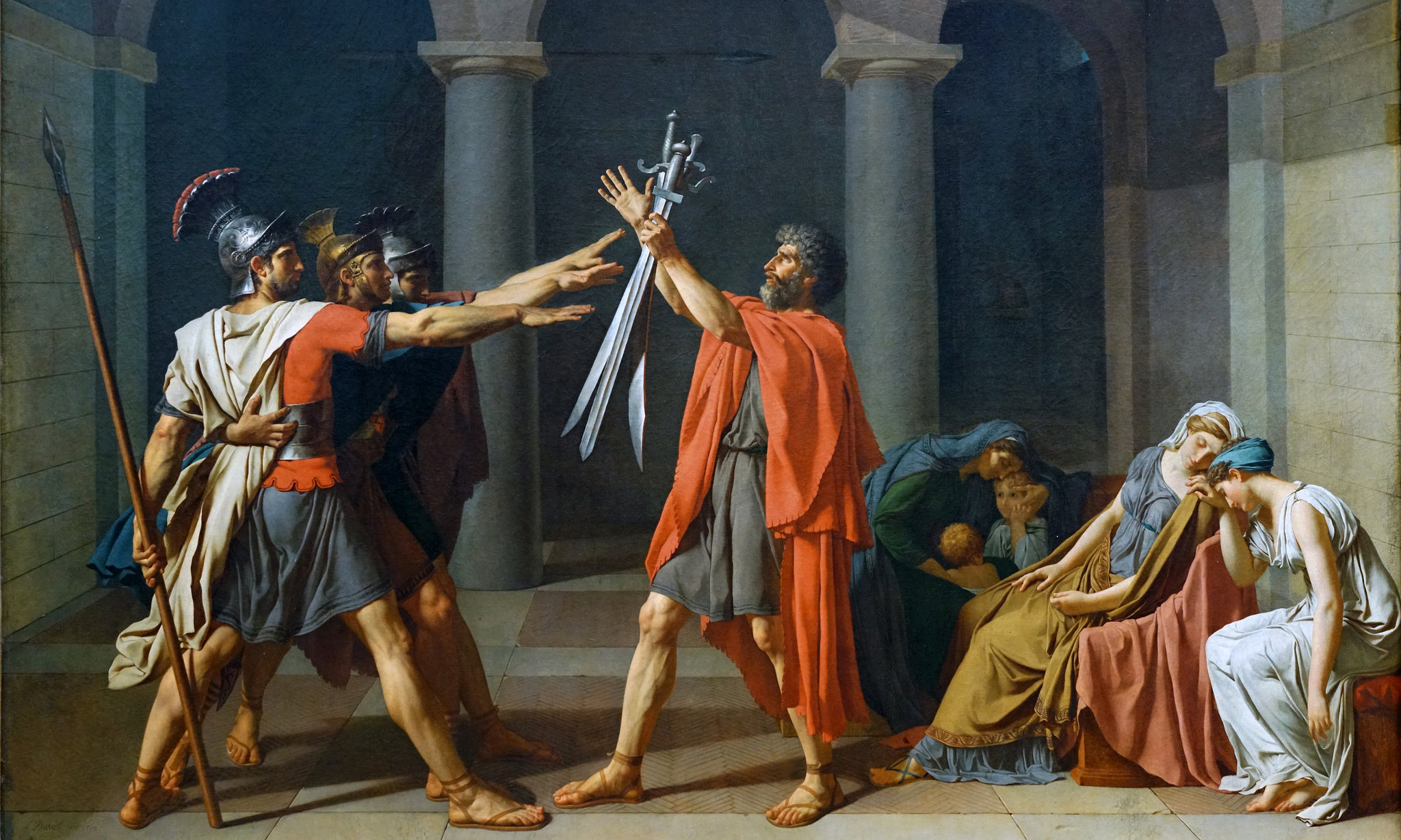
Jacques-Louis David,
Oath of the Horatii, 1784, Neoclassicism
an oil on canvas housed in the Louvre; a foundational neoclassical masterpiece
commissioned by louis XVI, depicts a roman legend, showing three brothers swearing to fight for rome, emphasizing duty and sacrifice over personal emotion; its stark, dramatic style defined the era’s revolutionary, patriotic ideals
the painting illustrates a tale from roman history where the horatii brothers are tasked by their father to fight against the curatii of alba longa to settle a conflict, placing civic duty above family ties
neoclassical style: the painting serves as a rebuke to the frivolous rococo style, utilizing a strict, ordered, and clear composition, it features a strong, linear style with intense, focused lighting and muted colors
it was commissioned by the monarchy but the painting became a symbol of french revolutionary ideals, highlighting the need for personal sacrifice for the state
it solidified david’s reputation and was an instant success at the 1785 salon, and is regarded as a defining image of the enlightenment, promoting reason and civic duty
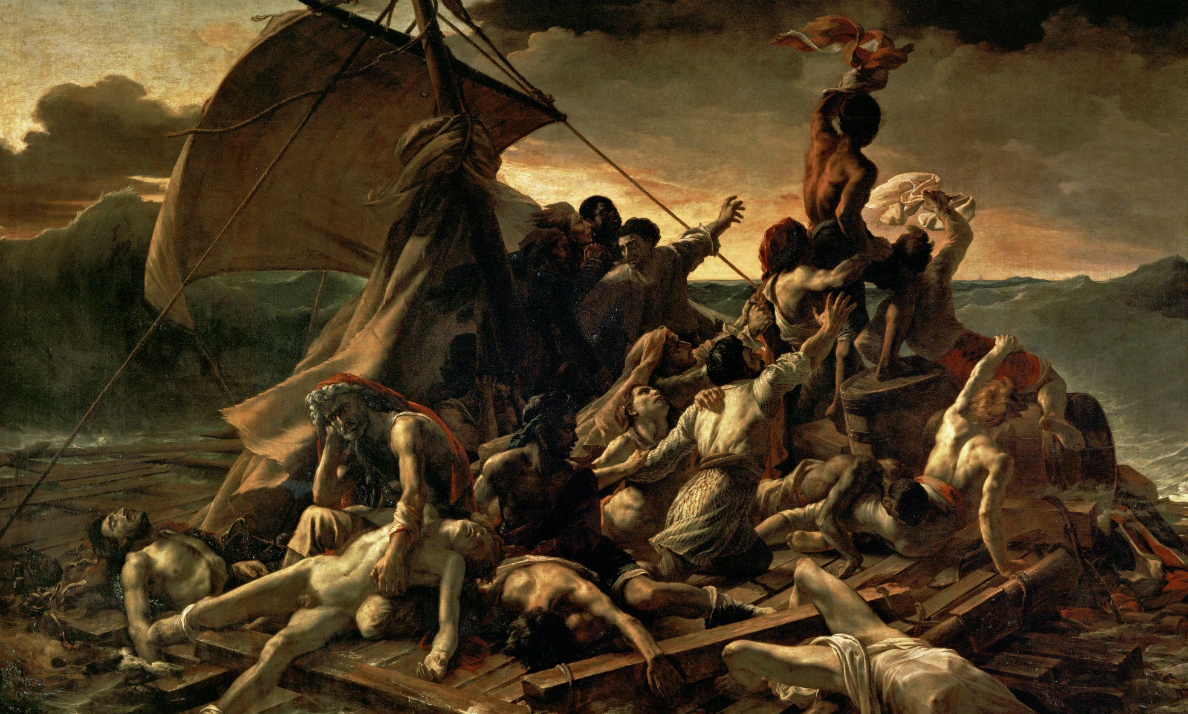
Théodore Géricault,
Raft of the Medusa, 1818-1819, Romanticism
a monumental, oil painting and a masterpiece of French romanticism that depicts the aftermath of the 1816 meduse shipwreck
it portrays in gruesome detail, the desperate survivors signaling a distant ship after being abandoned, highlighting themes of government corruption and human suffering
depicts a real contemporary scandal where a french ship’s captain, appointed by the restored monarchy, abandoned passengers on a makeshift raft, leading to death, madness, and cannibalism
unlike neoclassical works, this piece featurs intense emotional turmoil, dramatic lighting, and chaotic movement
exhibited at a 1819 salon, it polarized critics, who called it a “pile of corpses” while others praised its raw power
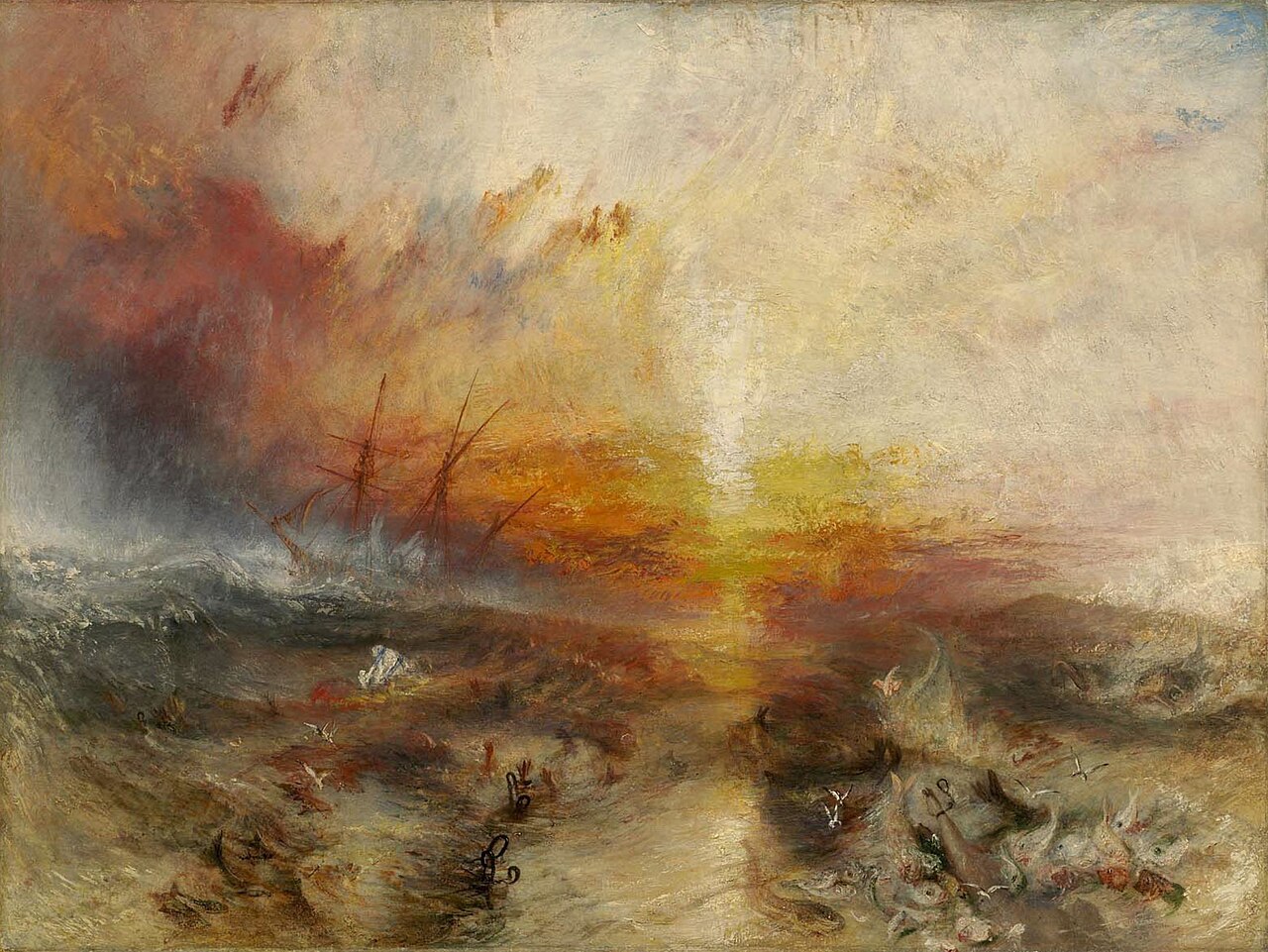
Joseph Mallard William Turner,
The Slave Ship, 1840, Romanticism
illustrates a horrific 1781 incident where a captain threw chained slaves overboard during a typhoon to claim insurance
it is a powerful anti-slavery statement depicting natures sublime, turbulent power over human cruelty
turner emphasizes the terrifying power of nature over humanity, featuring a chaotic, churning ocean that consumes the ship and drowning victims, highlighting the insignificance of man against elemental forces
the vivid red, blood orange and yellow sunset symbolizes both the brutal murder of the slaves an a hellish divine judgement upon the ship’s captain
based on the true1781 event where the captain of the slave ship Zong ordered 132 slaves thrown overboard to claim insurance money for “lost cargo” which was only payable if they died at sea rather than of sickness
turner created this painting to coincide with the 1840 world anti-slavery convention in london to keep the issue in the public eye
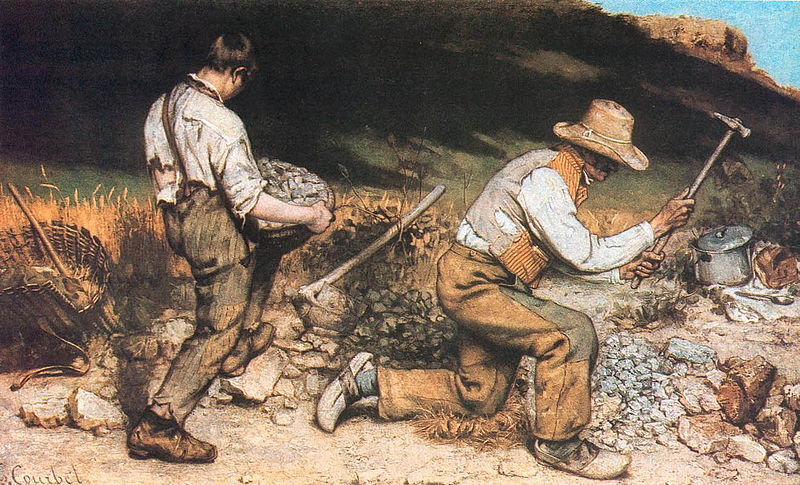
Gustave Courbet,
The Stone Breakers, 1849, Realism
a seminal masterpiece of realism portraying two peasant laborers, one too old, one too young, engaged in backbreaking work the highlight rural poverty
rejecter romanticism for a gritty, unidealized depiction of menial labor, portraying a hopeless cycle of poverty; it was destroyed during allied bombing in 1945
painted shortly after the 1848 revolutions and the publication of the communist manifesto, it reflects a socialist concern for the working class
features a young boy and an old man breaking stones on the side of the road, suggesting a life-long cycle with no escape from poverty, their torn clothes and rough, dull colors represent a direct, non idealized view of rural life
it was considered scandalous at the paris salon for treating a mundane, lower-class subject with the monumental scale previously reserved for historical. heroic, or religious subjects
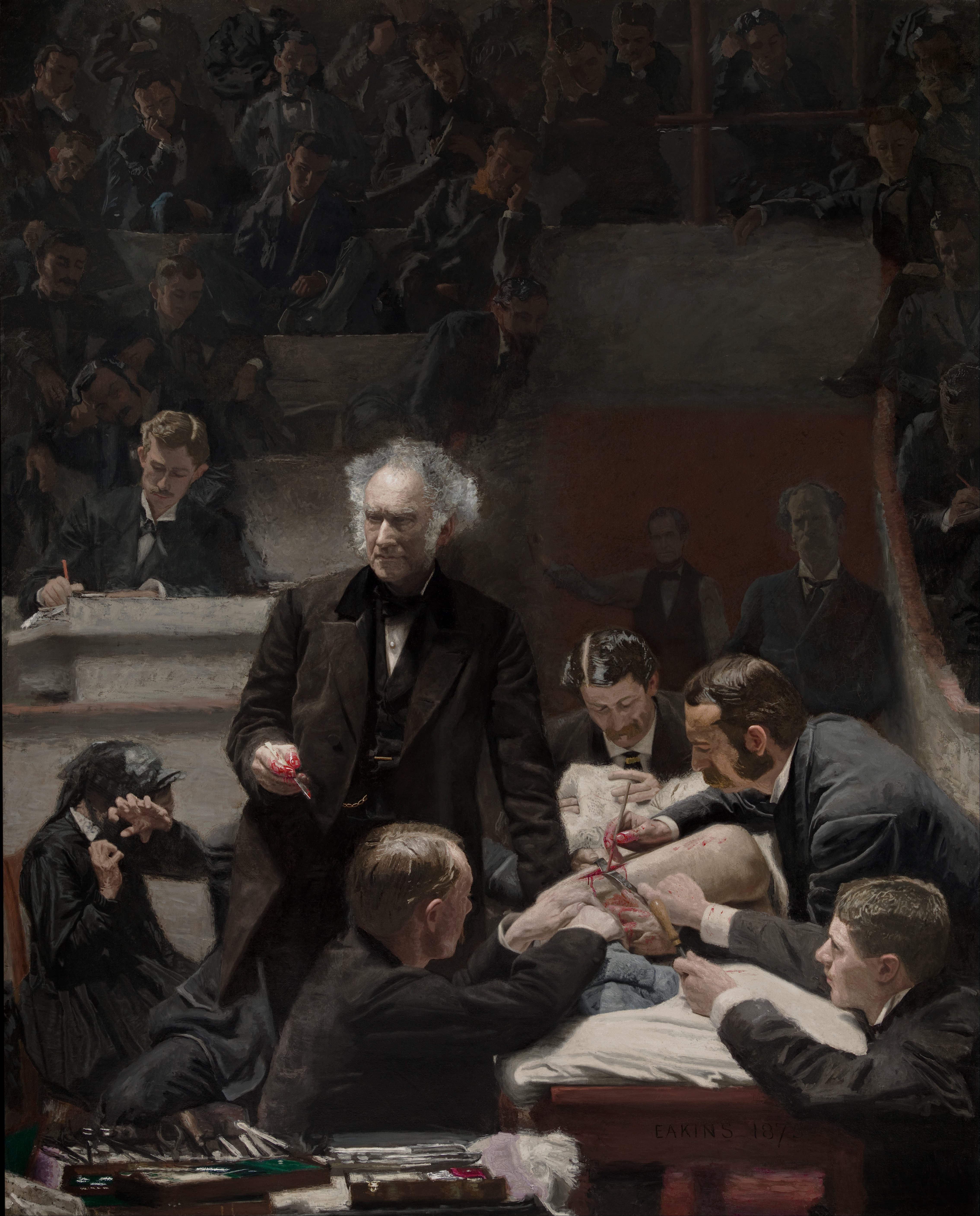
Thomas Eakins,
The Gross Clinic, 1875, Realism
symbolizing the rise of modern surgical science, the glorification of rational intellect, and the transition from 19th century superstition to scientific enlightenment
it portrays dr Samuel gross as a heroic, godlike figure, using dramatic, Rembrandt style light to emphasize knowledge over emotion and to assert that art and medicine are both analytical, skilled disciplines
dr samuel gross is depicted as a calm, intellectual modern hero illuminated and centralized, representing the triumph of knowledge and rational thought over disease
eakins used a chiaroscuro effect (high contrast between light and dark) to focus light on gross’s forehead and the patients wound, symbolizing that science shines light into dark places
the scene documents the shift from brutal, pre-anesthetic surgery to a modern, scientific procedure, capturing an operation to remove dead tissue which showcases bone regeneration
the patients mother, recoiling in horror, symbolizes instinctive emotional reaction, providing a direct contrast to the calm, controlled, and intellectual focus of the male surgeons
by utilizing european portrait techniques to depict a contemporary, gory scientific scene, eakins validates 19th century american science as a noble, worthy subject of high art
the bloodied instrument in dr gross’s hand represents the immediate and necessary violence of surgical intervention; it underscores the realism of the scene highlighting the tangible, messy reality of medical care
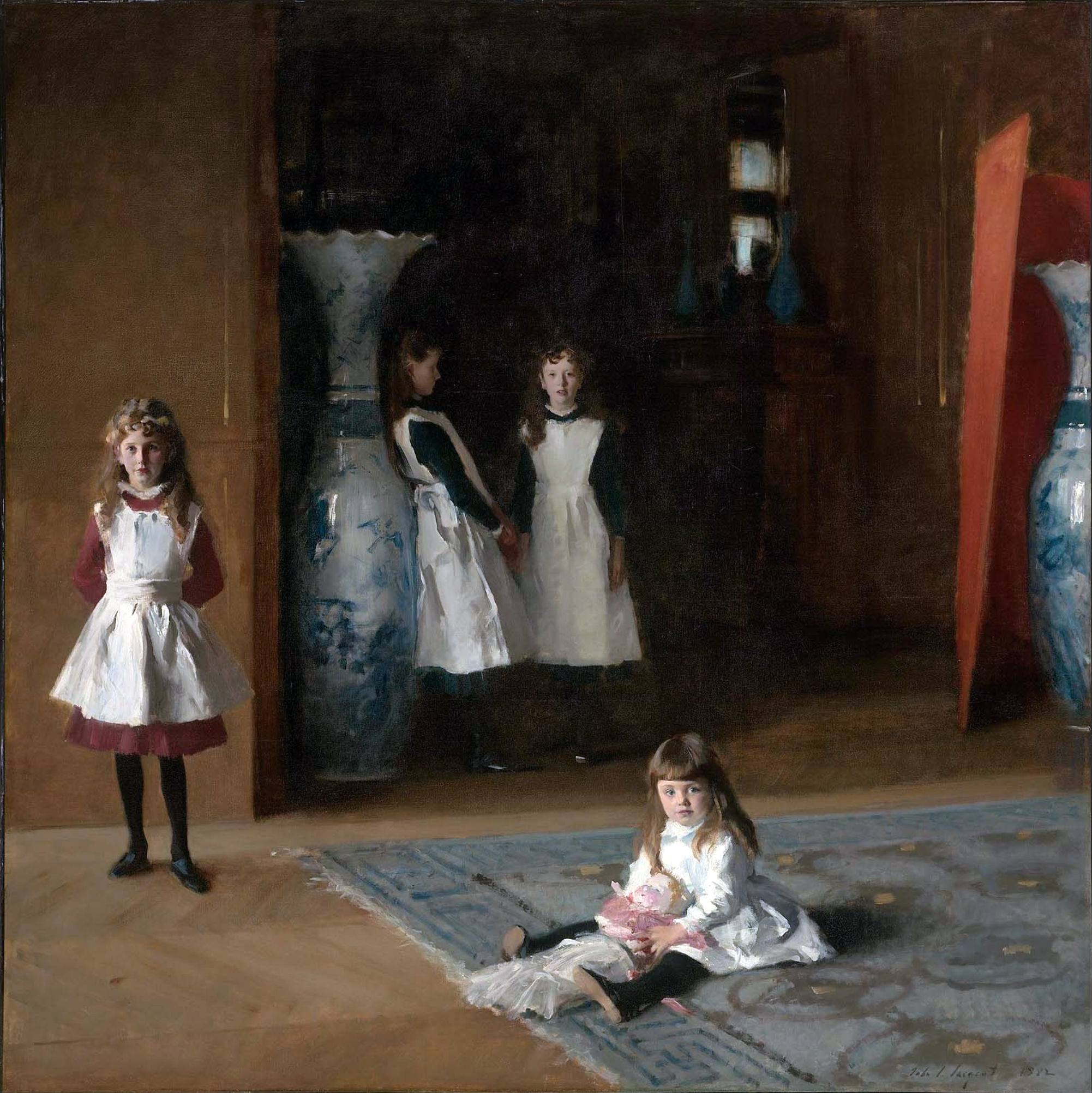
John Singer Sargent,
Daughters of Edward Darley Boit, 1882, Realism
a celebrated, unconcetional oil painting of four sisters in their paris home
painting is noted for its psychological depth and unusual composition, featuring giant Japanese vases, shadowy spaces, and varying levels of prominence for each child, departing from traditional portraiture.
Depicts the daughters of Edward Darley Boit and Mary Louisa Cushing: Florence, Jane, Mary Louisa, and little Julia, who was on the floor.
Rather than a formal portrait, the painting captures a sense of alienation, isolation, and a progression of childhood stages, with the eldest daughters emerging from the shadows.
The two massive Arita Japanese vases in the foreground were painted from life and are often displayed in front of the painting at the Museum of Fine Arts, Boston.
Although painted in 1882, the work bridges Gilded Age realism with modern sensibility, noted for its "eerie stillness" and emotional nuance
The Daughters of Edward Darley Boit is widely regarded as one of Sargent's most brilliant and daring works, breaking away from portrait conventions to explore intimate, almost haunting, psychological truths,
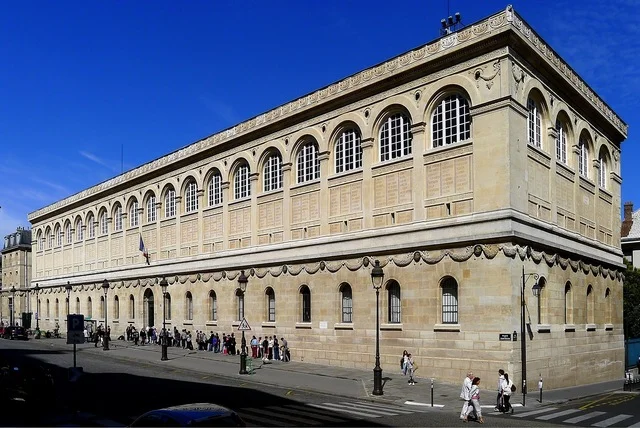
Henri Labrouste, Bibliothèque Sainte-Geneviève, Paris, 1843-1850, 19th century architecture
Labrouste has been long admired by both modernists and postmodernists for his innovative embrace of then-new technologies, like cast iron and gas lighting.
It occupies a building in the heart of the Latin Quarter, erected between 1843 and 1850 by the architect Henri Labrouste on the site of the former Collège de Montaigu , which has since been expanded.
It is the successor to what was, in its time, the third largest library in Europe, housed in the neighboring former Sainte-Geneviève Abbey of Paris , which was transformed into a central school during the Revolution , on the top floor of what is now the Lycée Henri-IV
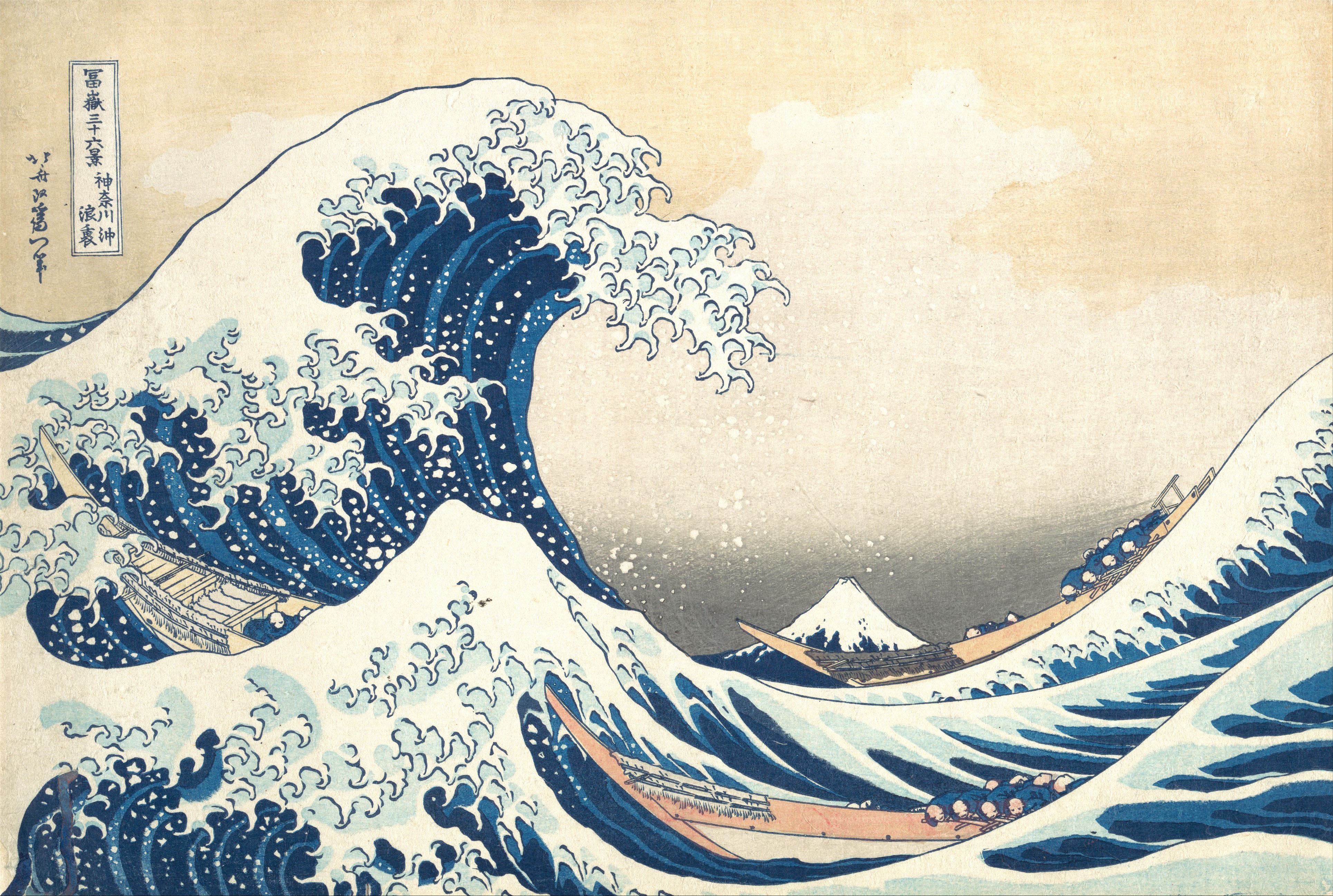
Katsushika Hokusai,
The Great Wave, c. 1831, Japanese Edo period
an iconic Japanese ukiyo-e woodblock print from the Edo period, famously featuring a massive, claw-like cresting wave threatening three fishing boats, with Mount Fuji in the background.
As part of his Thirty-Six Views of Mount Fuji series, it utilizes imported Prussian blue, blending European perspective with Japanese artistic traditions.
Thirty-Six Views of Mount Fuji (Fugaku sanjūrokkei), which solidified Hokusai's reputation and focused on landscape rather than traditional portraiture.
Renowned for the use of imported Prussian blue (Berlin blue), a vibrant, then-new synthetic pigment that allowed for subtle tonal gradations, often paired with indigo.
The work is viewed as a juxtaposition of the transient, chaotic power of nature (the wave) with the eternal, stable majesty of Mount Fuji.
The boats are oshiokuri-bune—fast transport vessels carrying live fish from the Izu peninsula to Edo (modern Tokyo) markets.
The low horizon line and linear perspective reflect influence from Dutch landscapes, which were permitted in Japan through the port of Nagasaki
It is perhaps the most famous Japanese artwork in the world, influencing Western artists and composers, including Van Gogh and Debussy
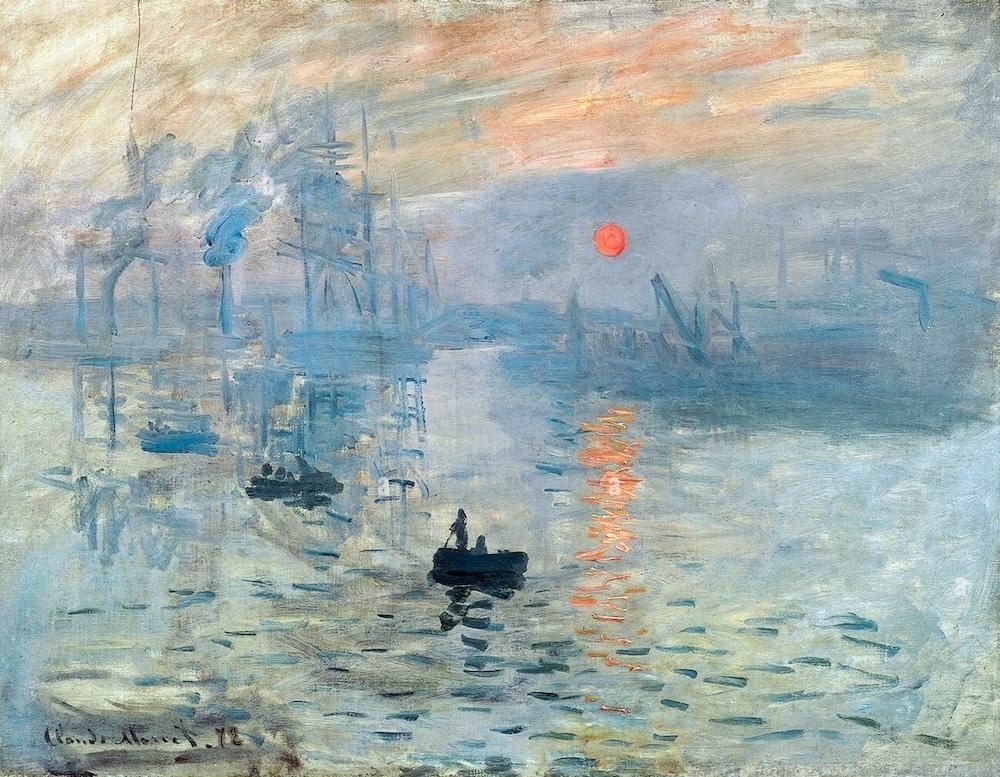
Claude Monet,
Impression: Sunrise, 1872, Impressionism
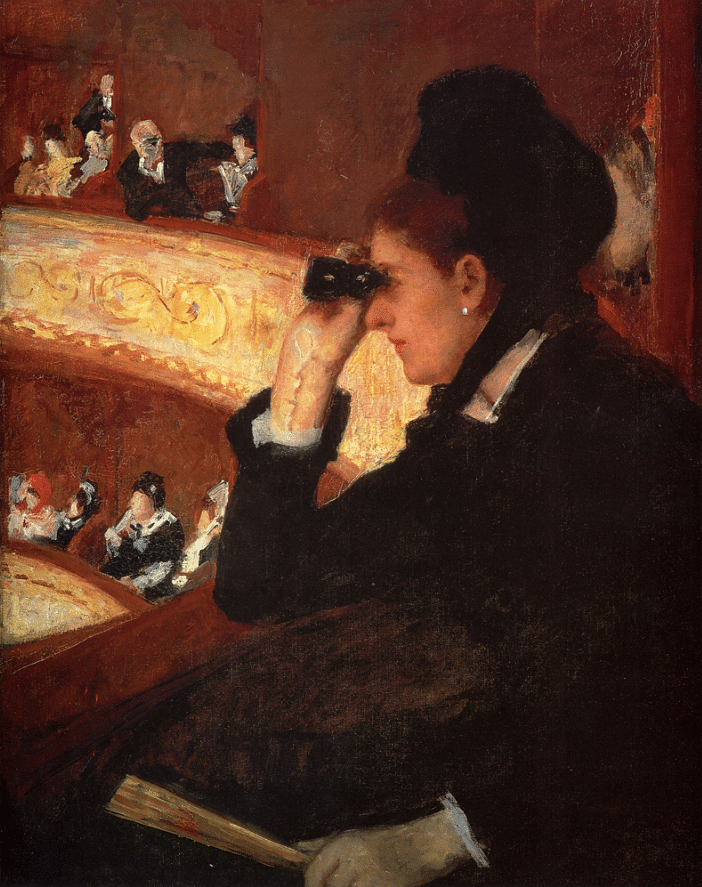
Mary Cassatt,
Woman in Black at the Opera, 1879, Impressionism
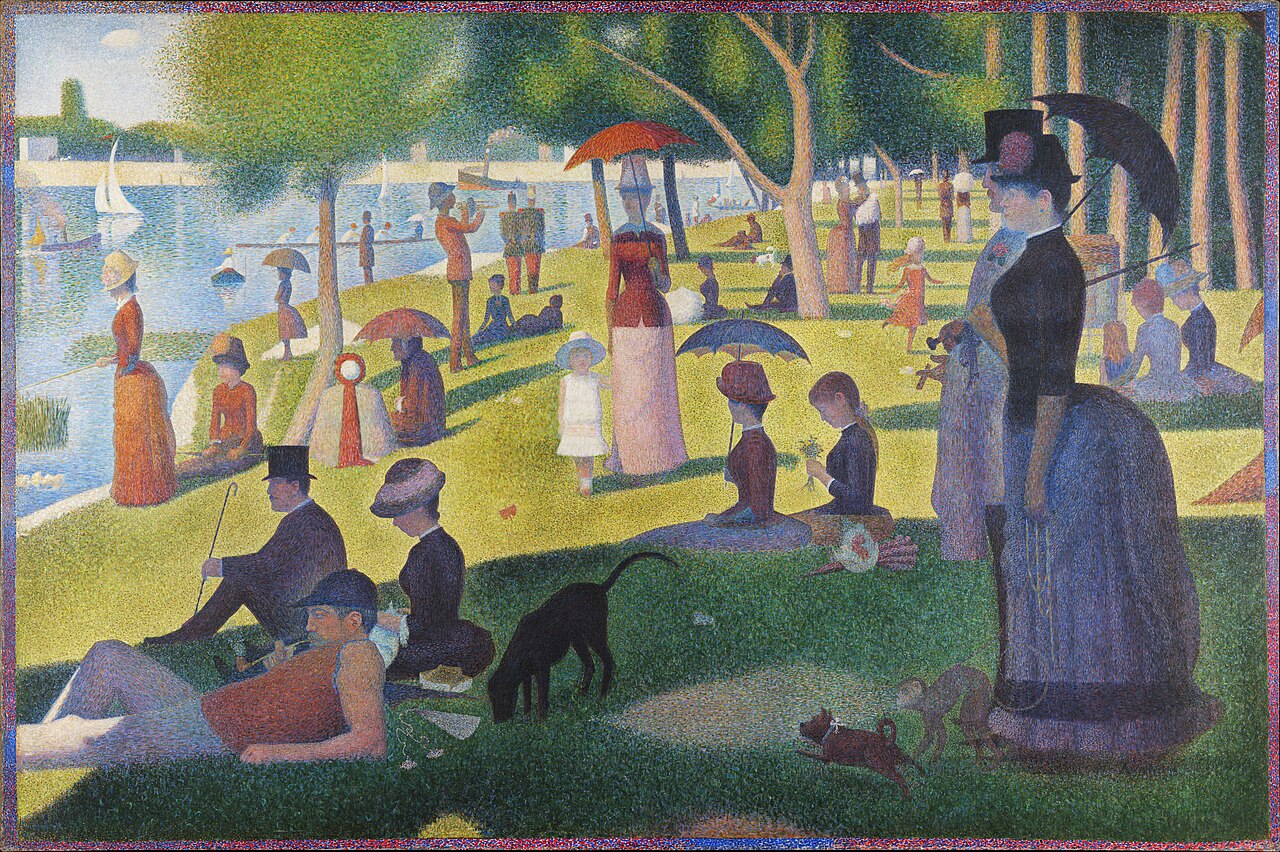
Georges Seurat, Sunday Afternoon on La Grande Jatte, 1884-1886,
Pointillism/Post-Impressionism
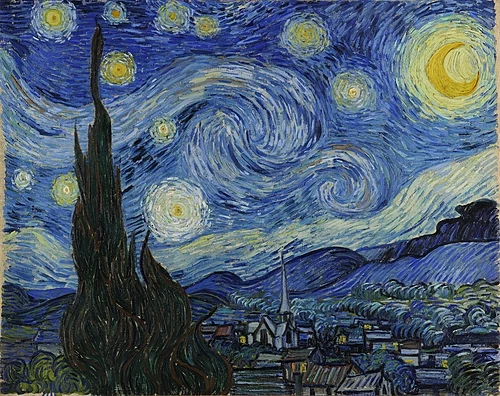
Vincent van Gogh,
Starry Night, 1889, Post-Impressionism
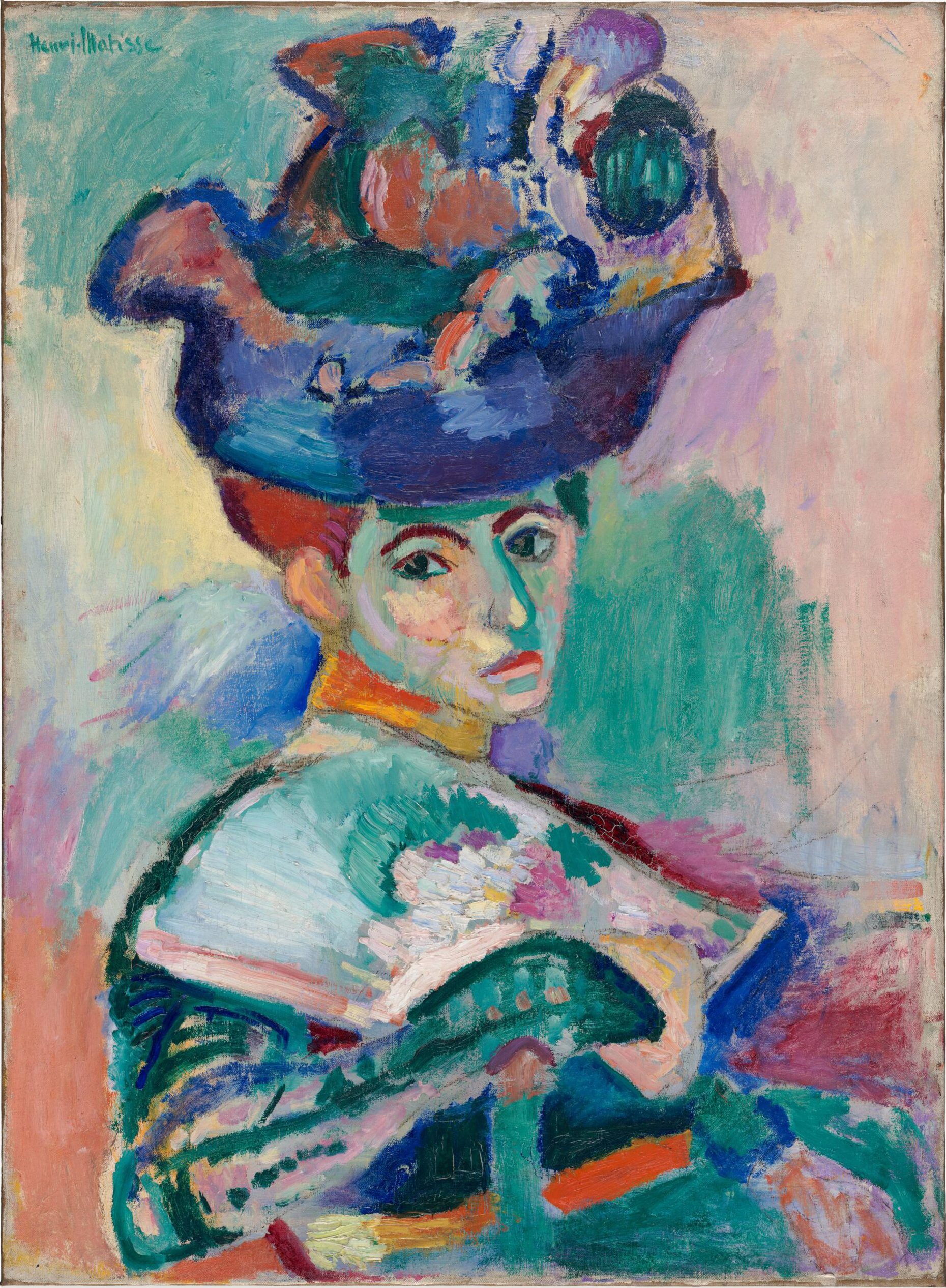
Henry Matisse,
Woman with the Hat, 1905, Fauvism / Expressionism
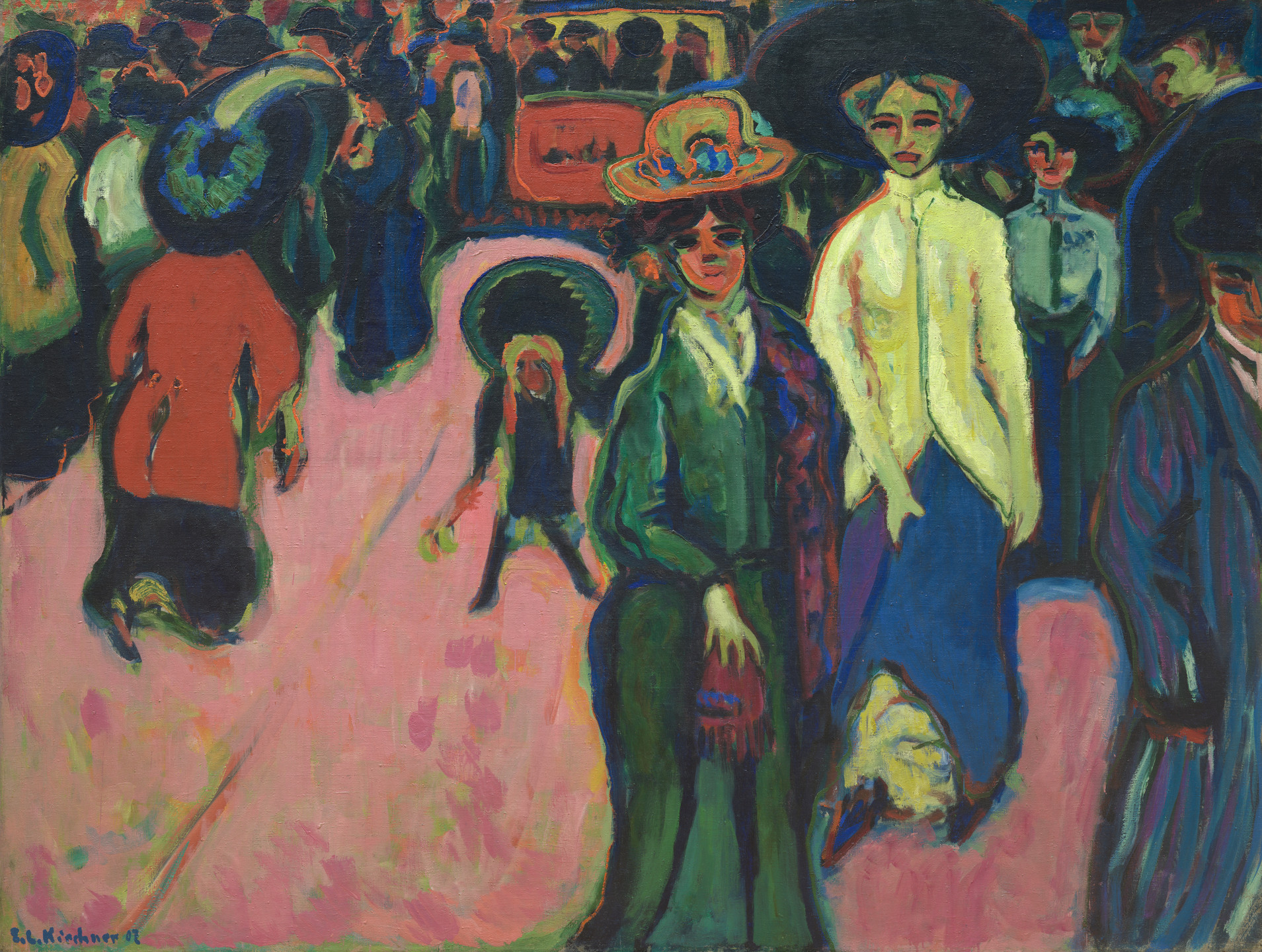
Ernst Ludwig Kirchner,
The Street, Dresden, 1908, Die Brücke / Expressionism
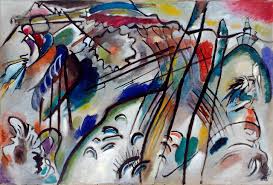
Wassily Kandinsky, Improvisation 28 (2nd version), 1912, Der Blaue Reiter/Expressionism
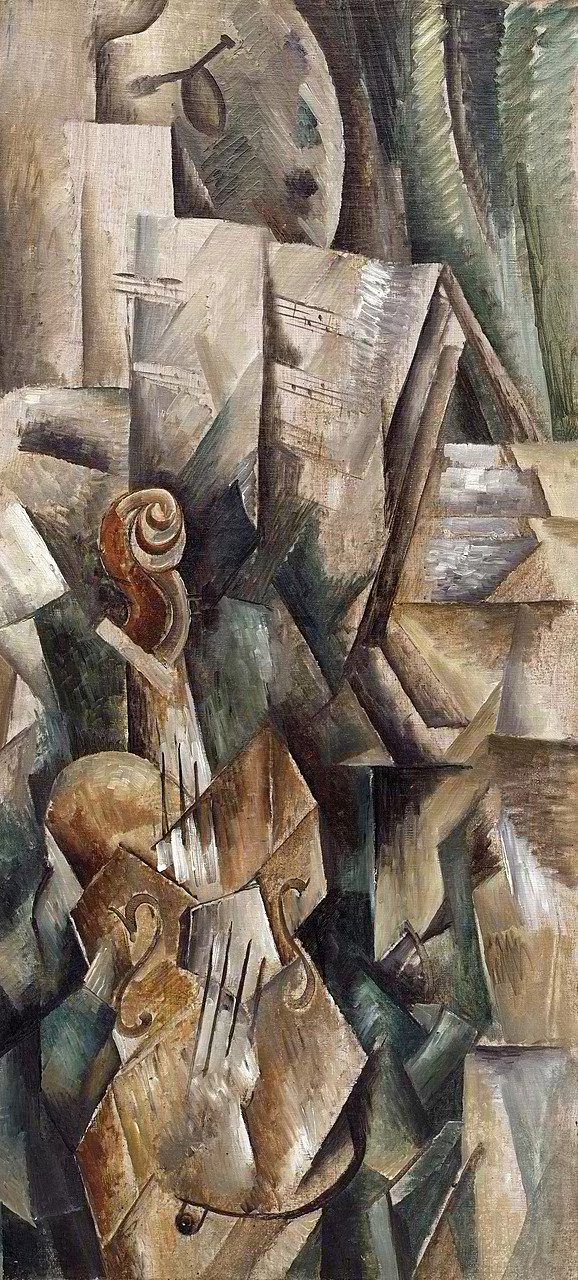
Georges Braque, Violin and Palette, 1909-1910, Cubism
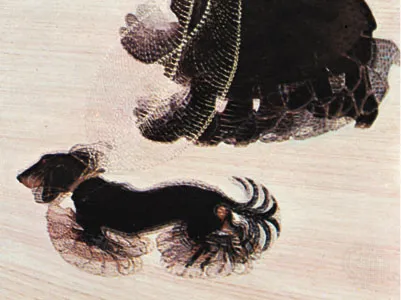
Giacomo Balla, Dynamism of a Dog on a Leash, 1912, Futurism
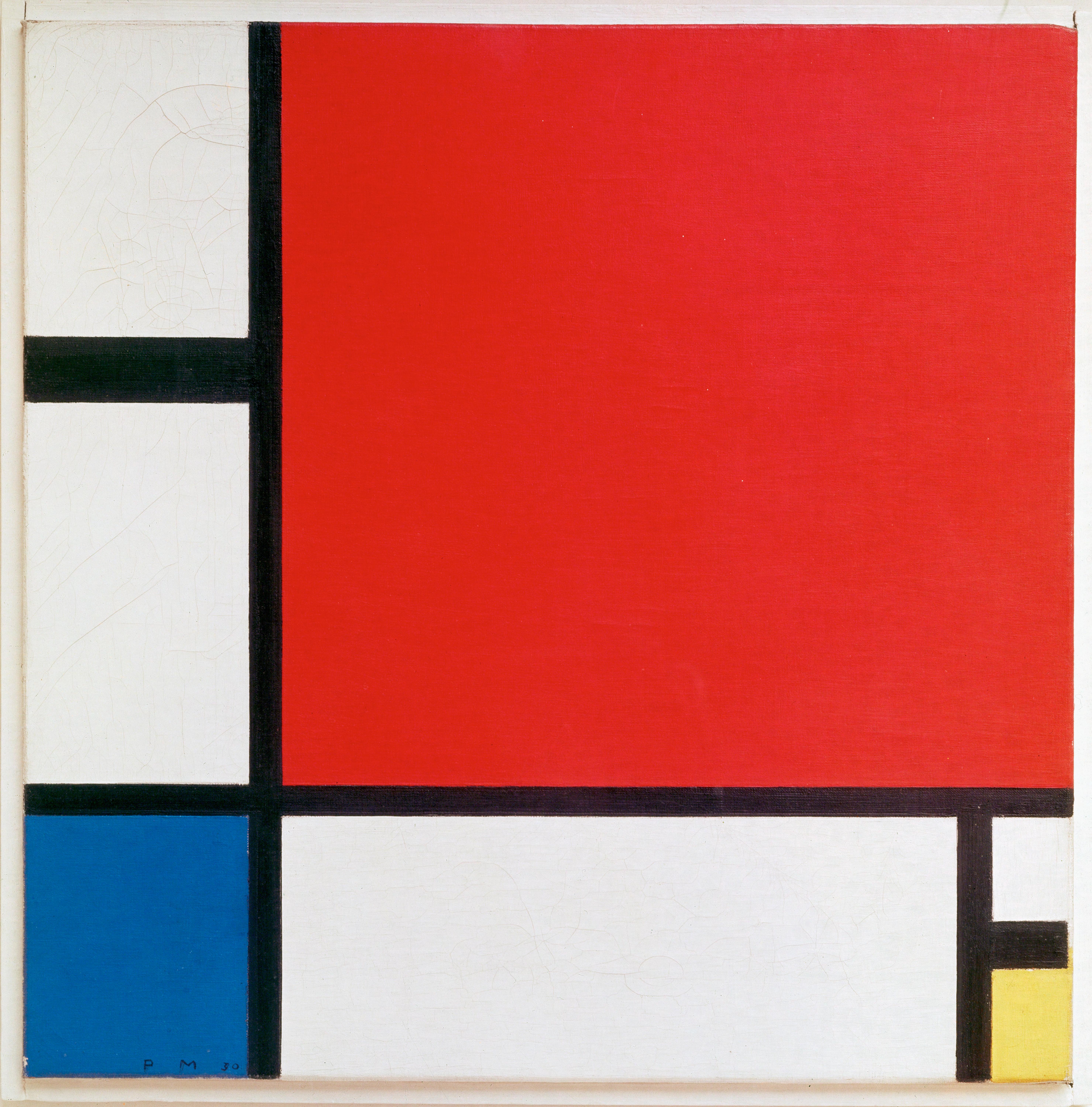
Piet Mondrian, Composition with Red, Blue and Yellow, 1930, De Stijl
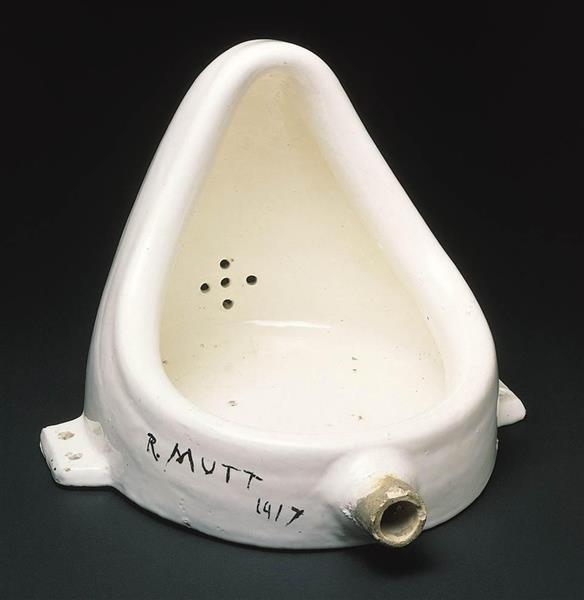
Marcel Duchamp, Fountain, 1917, Dada
Meret Oppenheim, Object (Luncheon in Fur), 1936, Surrealism