Macroeconomics Exam 3: Chapters 11 & 13
 Call Kai
 Learn
Learn Practice Test
 Spaced Repetition
 Match
Match Flashcards
 Knowt Play
1/35

Earn XP
Description and Tags
Chapter 11: Classical Keynesian Macro Analyses --- Chapter 13: Fiscal Policy
Name | Mastery | Learn | Test | Matching | Spaced | Call with Kai |
|---|
No analytics yet
Send a link to your students to track their progress
36 Terms
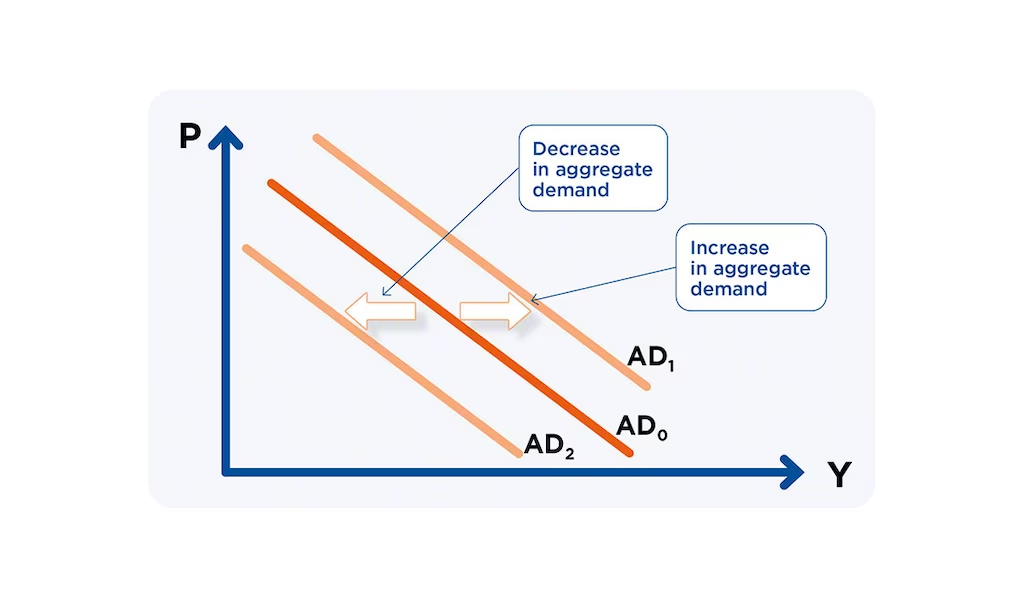
aggregate demand (AD)
total demand for goods and services in an economy: C + I + G + (X - M)
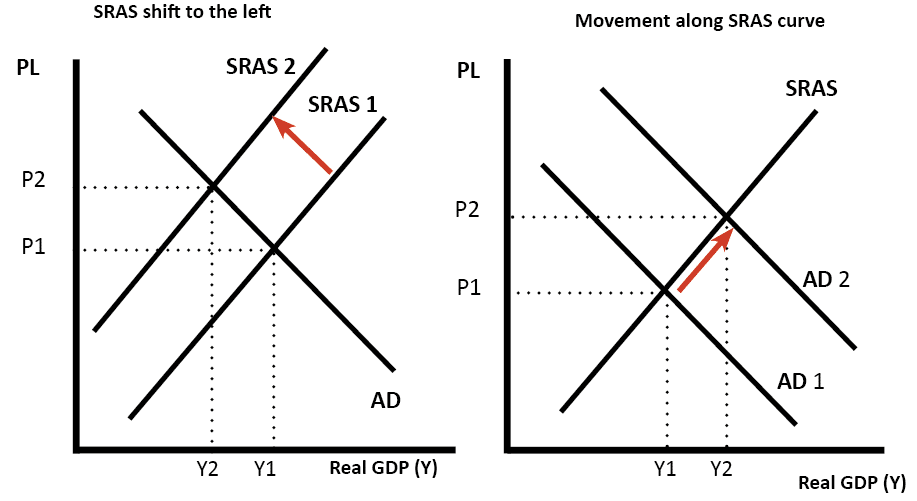
short-run aggregate supply (SRAS)
upward-sloping curve showing output when input prices are sticky
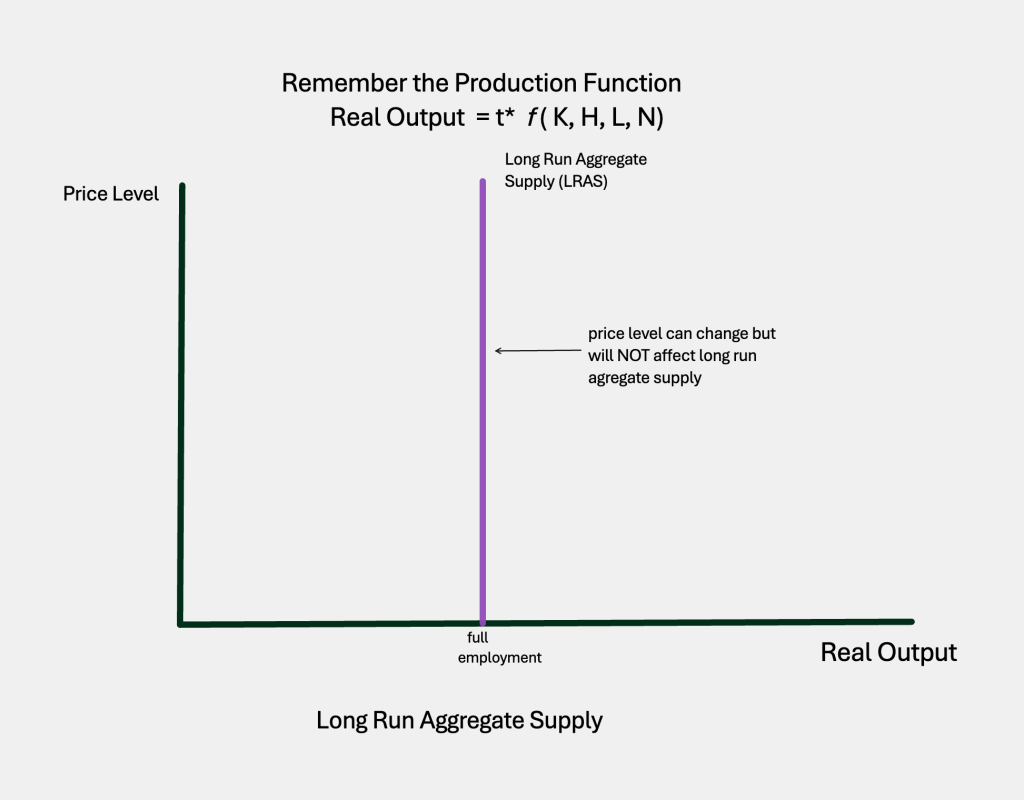
long-run aggregate supply (LRAS)
vertical curve showing full-employment output determined by resources and technology
equilibrium (short run)
intersection point of AD and SRAS → determines the price level and real GDP
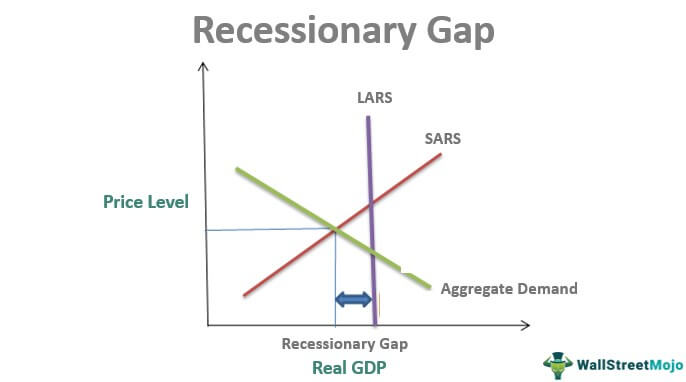
recessionary gap
when real GDP is less than full-employment GDP (or potential GDP at full employment)
signifies inefficient resource use, higher unemployment, reduced consumer spending, and downward pressure on the price level
usually addressed using expansionary fiscal policy
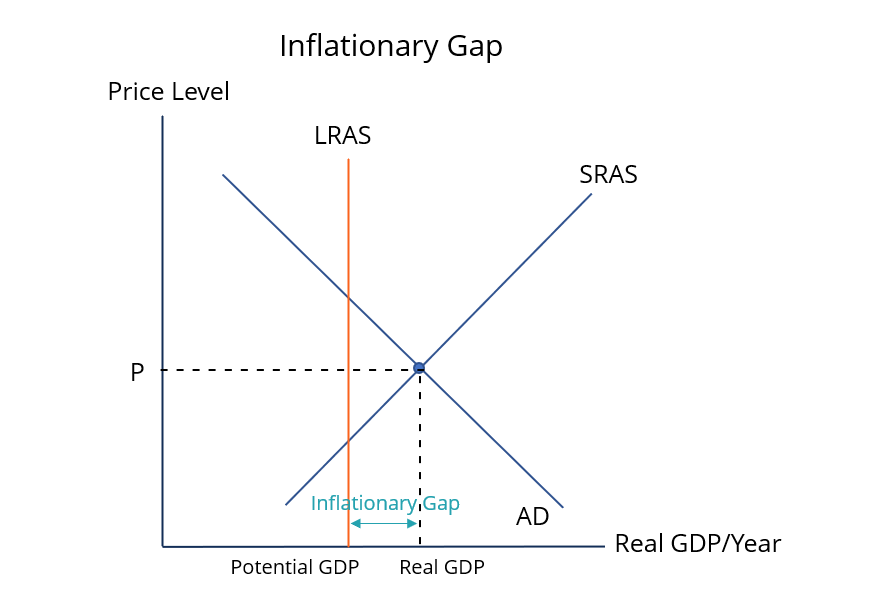
inflationary gap
when real GDP is greater than full-employment GDP (or potential GDP at full employment)
signifies an overheating economy during expansion, leading to upward pressure on prices (inflation)
usually combated through contractionary policies
demand shock
an event that shifts aggregate demand
taxes
government spending
exports
investment
supply shock
an event that shifts aggregate supply
input prices
natural disasters
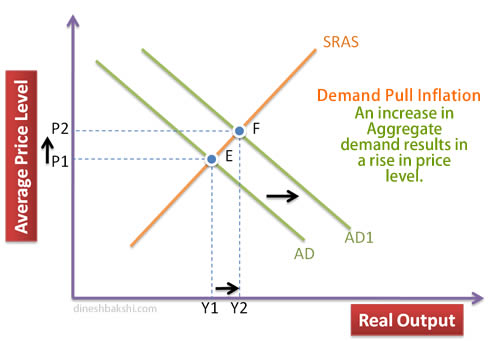
demand-pull inflation
inflation caused by an increase in aggregate demand (AD > SRAS)
“too much money chasing too few goods”
cost-push inflation
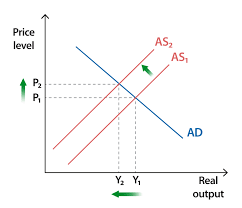
inflation caused by a decrease in aggregate supply (higher costs)
stagflation
the combination of rising prices and falling output (SRAS shifts left)
stagnant growth
high unemployment
high inflation (rising prices)
results from supply-side shocks (i.e., energy shortages) and poor policy, leading to higher production costs and slower growth
classical economics
theory that the economy is self-correcting with fully flexible prices, wages, and interest rates
LRAS is vertical
real GDP = full-employment output
dependent on labor, capital, and technology
Say’s Law
the idea that supply creates its own demand
money illusion
when people confuse nominal changes with real changes in purchasing power
keynesian economics
theory that prices are “sticky” and government intervention may be needed (markets are not always self-correcting)
inflationary + recessionary gaps
sticky prices
prices that adjust slowly to changes in supply and demand
discretionary fiscal policy
government use of spending and taxes to influence the economy
expansionary fiscal policy
policy used to fight recessions
government spending ↑
taxes ↓
AD shifts right
contractionary fiscal policy
policy used to fight inflation
government spending ↓
taxes ↑
AD shifts left
government spending (G)
spending by the government on goods and services
taxes (T)
government charges that affect disposable income and consumption
multiplier effect
initial spending leads to additional rounds of spending, amplifying impact on AD
crowding-out effect
government borrowing raises interest rates and reduces private investment
ricardian equivalence
theory that tax cuts may not increase AD because people save for future taxes
interest rate (r)
the cost of borrowing money
interest rate effect
higher interest rates reduce investment and consumption, lowering AD
investment (I)
spending by firms on capital goods
consumption (C)
household spending on goods and services
exports (X)
goods and services sold to other countries
imports (M)
goods and services bought from other countries
aggregate demand shift right
caused by:
↑ government spending
↓ taxes
↑ investments
↑ exports
→ increases GDP and price level
aggregate demand shift left
caused by:
↓ government spending
↑ taxes
↓ investments
↓ exports
→ decreases GDP and price level
short-run aggregate supply shift left
caused by higher input costs → increased prices, decreases GDP
short-run aggregate supply shift right
caused by lower input costs → decreased prices, increases GDP
long-run aggregate supply shift right
caused by increases in labor, capital, or technology
time lags (fiscal policy)
delays in recognizing, implementing, and seeing effects of policy