Modern History
 Call Kai
 Learn
Learn Practice Test
 Spaced Repetition
 Match
Match Flashcards
 Knowt Play
1/39

There's no tags or description
Looks like no tags are added yet.
Name | Mastery | Learn | Test | Matching | Spaced | Call with Kai |
|---|
No analytics yet
Send a link to your students to track their progress
40 Terms
Causes of Māori urban migration
Dramatic population decline due to introduced diseases (tuberculosis, whooping cough, measles, typhoid fever), widespread land loss/alienation, poverty and economic instability, WW2
How did land loss push Māori urban migration
Land ownership was the strongest determinant of wealth, since so much Māori land was lost there was acute overpopulation in relation to the limited resources of rural areas, lack of employment opportunities and geographical isolation,
What was the most significant driver of Maori urban migration
World War 2
Why was WWII a significant driver of mass Maori urban migration
In 1942 the Māori war effort was established with aimed to actively recruit Māori soldiers who then had to engage with urban society. The Manpower Act of 1944 created pathways for Maori men and women to contribute to the war effort through factory and industrial work (shearing, meat freezing, saw milling, construction, etc.)
What areas saw especially high increases in Urban Māori
Auckland, Wellington, Hamilton, Gisborne, Central North Island
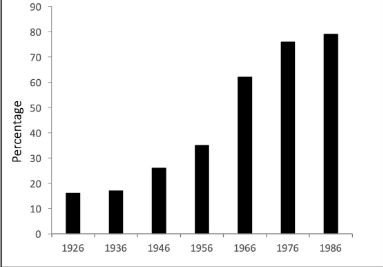
Challenges of urban life for Māori
Racism, discrimination, segregation, separation from ancestral lands, loss of connection with cultural ties and history
What avenues did urban Māori use to revive aspects of their culture
Cultural groups, sports teams, social and political groups, tribal associations, Māori committees and wardens, Māori women’s welfare league, urban marae
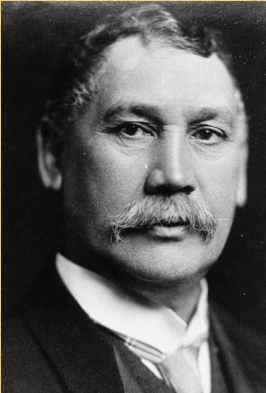
Who was James Carroll and what did he do
He was the MP (member of parliament) for Eastern Māori, Waiapu, and Gisborne. He belonged to the Liberal Party, tried to slow the loss of Māori land but to no avail (served from 1887 to 1919)
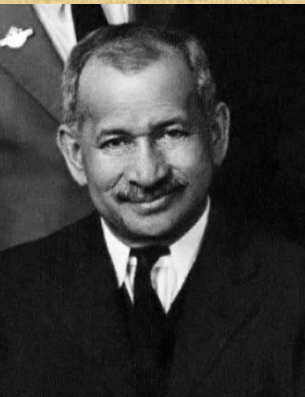
Who was Apirana Ngata and what did he do
He belonged to the Liberal Party (1905-1943) and was the MP (member of parliament) for Eastern Māori. He supported James Carroll’s attempts to slow the loss of Māori land but didn’t succeed
What was the South Island Landless Natives Act and when was it established
Established in 1906. Allocated every Māori man woman and child land (40 acres for men and women and 20 acres for children). However, these lands were in remote areas that could not be used and were far away from their homes (Fiordland, steep hills, gullies, no access)
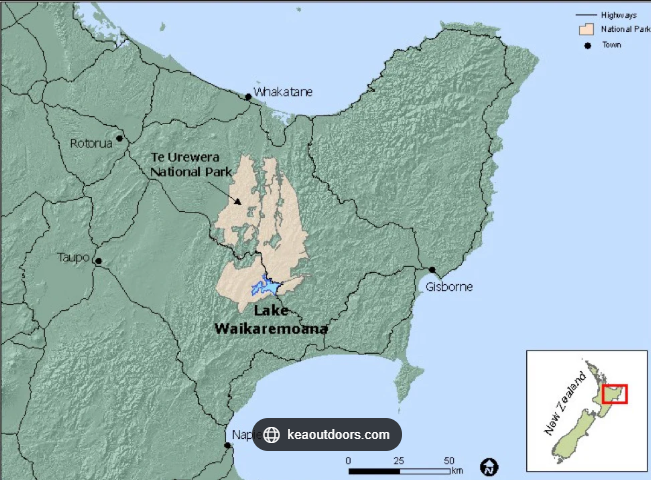
Significance of Urewera lands
This land was supposed to be set aside for Māori but between the 1890s and the 1920s the Liberal government begins to systematically take this land by forcing sales
Who was Māui Pomare and what did he do
He was the MP (member of parliament) for Western Māori (also a medical doctor). Initially was an independent but was convinced to join the Reform party so there would be a Māori voice in the party (all Māori MPs were in Liberal Party). However, he held assimilationist views and did not believe that Māori culture should be preserved.
How did WWI impact Māori
Māori had mixed feelings about the war (North Auckland iwi are generally supportive), Māori in confiscation areas are particularly anti-war, A number of Māori refuse to join a colonial war
Who was someone who spoke out against Māori joining WW1 and what happened as a result
Te Puea Herangi (granddaughter of Tawhaio who was the second Māori king), in response the government targets Waikato for conscription of men
What was the Ratana Movement in the 20th century
Tahupotiki Wiremu Ratana emerges as a faith healer in 1918 in the Wanganui district. One of his aims was to have the Treaty of Waitangi enshrined into law. Takes a 26,000 petition to present to King George V to have the Treaty enshrined in law. He is denied an audience with the king. Then decides to campaign and capture the four Māori seats of parliament to put political pressure.
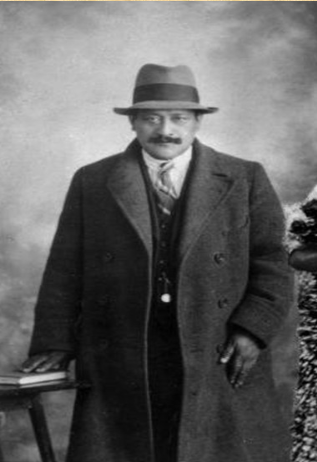
What was the reaction to the Ratana movement
Māori MPs (members of parliament) view Ratana as charlatan. enshrining the Treaty is thought of as a pipe dream. Māori MPs form and alliance with Te Puea (granddaughter of second Maori King) to oppose Ratana
What is the result of the 1935 general election
As a result of the Great Depression, the Labour party wins office for the first time. Michael Joseph Savage is the Prime Minister (labour party has 53 out of 76 seats)
What was the New Zealand Settlement Act and when was it established
Gave governor the power to confiscate land. Was established in 1863
How did WWII impact Māori
Labour party and the Māori MPs begin a massive war effort amongst Māori. All Māori regions support the effort. There is significant mobilisation of Māori into War industry. The Māori battalion is created
What was the Māori land march and when did it happen
Occurred in 1975. It was a march to protest the Crown taking Māori land. Was organized by Te Rōpu o te Matakite. Started in Te Hapua (Northland) and ended in Wellington. Forced the Labour Government to pass legislation that set up the Waitangi Tribunal
What important event occurred at Bastion Point
It was announced that a housing development would be built on the area which belonged to Ngāti Whātua (iwi). In 1977 protestors occupied Bastion Point and after 506 days, the police and army arrived to remove them
What did the Treaty of Waitangi Act establish and when was it created
It established the Waitangi tribunal. was created in 1975
What did the Treaty of Waitangi Amendment Act do and when was it established
It allowed the Tribunal to consider claims prior to 1975. It was established in 1985
What is the Waitangi Tribunal
It is a permanent commission of inquiry in New Zealand that investigates and makes recommendations on claims brough by Māori regarding breaches of the Treaty of Waitangi by the Crown
How did the Waitangi Tribunal handle the Bastion Point case
The Tribunal stated that the actions were in breach of the treaty. in 1995 the Crown settles with Waiato-Tainui for $150m. Queen Elizabeth II delivers the apology to Tainui
In 1900 how many Māori were fluent in te reo compared to 1060
95% in 1900 and 25% in 1960
When was the first mission school in New Zealand established, who created it, and what were its characteristics
Was created in 1816 by Thomas Kendal in the Bay of Islands (Rangihoua). All lessions were conducted in te reo Maori. The bible was translated to te reo and used as a literacy teaching tool
When was the Education Ordinance Act created and what did it do
Was created in 1847 (by Governor Grey) and stated that Mission schools must teach in English, students must undergo religious education and be taught skills for industrial work
When was the Native Schools Act created and what did it to
Was created in 1867 and replaced mission schools with a national system of secular Māori village schools. English was the only language of instruction and the use of te reo Maori would lead to physical punishment
When was the native schools code created and what did it do
Was created in 1880 and standardized how Native Schools would operate across the country. Enforced the idea that the role of the teacher went beyond the classroom and that they must be an example of ideal European life. The schools were to be run by a Husband (who was the master) and his wife (who was the sewing mistress). Boys and girls were to be taught different things (girls taught sewing and boys taught skills for physical labour)
When was the first Maori Language Week held
1975
What was the Maori Language Petition, when did it occur, and what did it call for
It was a petition delivered to parliament on September 14 1972 that called for recognition and revitalization of te reo Maori (included inclusion of te reo in schools). Gathered over 30,000 signatures.
When were the first Maori language classes for adults created and offered
1979
When was Māori language immersion in pre-schools enacted
1981
What are Kura Kaupapa Māori and when were they created
They are Māori language immersion schools that operate under Māori cultural values. Established in 1985