Marketing Quiz 3
 Call Kai
 Learn
Learn Practice Test
 Spaced Repetition
 Match
Match Flashcards
 Knowt Play
1/29

There's no tags or description
Looks like no tags are added yet.
Name | Mastery | Learn | Test | Matching | Spaced | Call with Kai |
|---|
No analytics yet
Send a link to your students to track their progress
30 Terms
Product Line
group of closely related products sold to same customer group with similar pricing
Product Item
stock keeping the unit/item
Product Mix
all product lines offered by organization
Product Class
specific, narrow grouping of items sharing similar physical characteristics, functions, and target demographics, serving as a subset within a broader product category. ex: Running shoes in footwear
Product
good, service or idea with attributes that satisfy cusomer needs and is recieved in exchange for money or something of value
Tangible Product
physical, touchable item that can be seen, felt, and held, with a measurable existence ex: electronics
Intangible Product
non-physical asset or service that cannot be touched, seen, or stored, yet provides value, utility, or experience to the consumer. ex: insurance
Durable Product
used repeatedly over time ex: car
Nondurable Product
consumed over short period of time ex: battery
Consumer Product Classifications and Marketing Strategies
Convenience - frequent purchase - widespread many outlets
Shopping - compares criteria - differentiation from competitors stressed.
Specialty products - special effort to search/buy - uniqueness of brands
Unsought products - items consumer does not know about - awareness is essential
4 stages of product life style + characteristics + objectives
Intro - sales grow slow, build awarness, create selective deamnd for specific brand
Growth - rapid sales growth, more competition, profit peak
maturity - industry and product sales slow, lots of repeat customers
Decline - price decreases, retain product but reduce marketing costs (harvesting)
Product Line extension
introduce new, similar items (flavors, sizes) under an existing brand within the same product category to increase depth ex: coke, Diet coke
Brand Extension
using a current brand name to enter a copellet different product class, ex: soap to beauty products
4 reasons consumers resist new product
usage barriers - product not compatible with habits
value barriers - no incentive to change
Risk barriers - phsyica, economic, social
psychological barriers - cultiure difference or image
Types of Demand during Product Lifestyle
primary demand (market education) in the introduction stage, growing/fast-rising demand in the growth phase, stable/saturated demand in maturity, and declining demand in the final phase
3 competitive advantages/ disadvantages of packaging and labeling
communicates benefits
functional benefits - storage, convience, or protection
perceptual benefits - distinguishes brand in customers eyes
Four i’s of Service
Intangibility - can’t be touched or seen before purchase
Inseparability - delivered and consumed simultaneously
Inconsistency - quality can vary based on the person delivering service
Inventory - can’t be stored for future use
3 unique P’s of service w/ examples
People
Internal marketing
Customer experience management
Physical Environment
Process
Capacity Managment
Idle production capacity
Occurs when service provider is available but there is no demand for the service\
Supplementary Services
add value and provide competitive differentiation or a better customer experience.
Roles People play in Managing services and concept of customer expereince managment
Unskilled labor - lawn care
Skilled Labor - appliance repair
Professional - lawyers
Price Equation (Final Price)
Final Price = List price - (Incentives + allowances) + extra frees
Profits
Total revenue - total cost
Profit = (unit price x quantity sold) - (Fixed cost + variable cost)
Total Cost
Total Cost = Fixed Cost + Variable Cost
TC = total expense incurred
FC = satbale and do change
VC vary directly with quantity of product
Fixed Cost
stable and do not change
Varibale Cost
vary directly with quantity of product
break even quanity
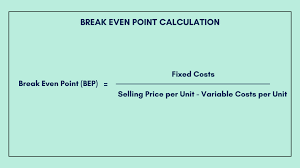
Elastic
small price change caused a big change in demand. airefare
Inelastic
if big price change causes little or no change in demand
Necessities are price inelastic gasoline
pricing approaches and policies
demand oriented approaches
cost oriented approaches
profit oriented approaches
competition oriented approaches