Social Benefits
 Call Kai
 Learn
Learn Practice Test
 Spaced Repetition
 Match
Match Flashcards
 Knowt Play
1/14

Earn XP
Description and Tags
Name | Mastery | Learn | Test | Matching | Spaced | Call with Kai |
|---|
No analytics yet
Send a link to your students to track their progress
15 Terms
Lenin
What benefits did workers receive under War Communism? (4)
Rations were allocated according to occupation
In Moscow and Petrograd a work card entitled workers to travel on public transport
Communal dining halls to feed workers- In 1920 the government claimed to feed 93% of people in Moscow
Laundries and crèches in urban centres
Lenin
Why were the War Communism benefits unsuccessful?
They never provided more than 50% of the food and fuel that people needed to live on so people turned to the black market.
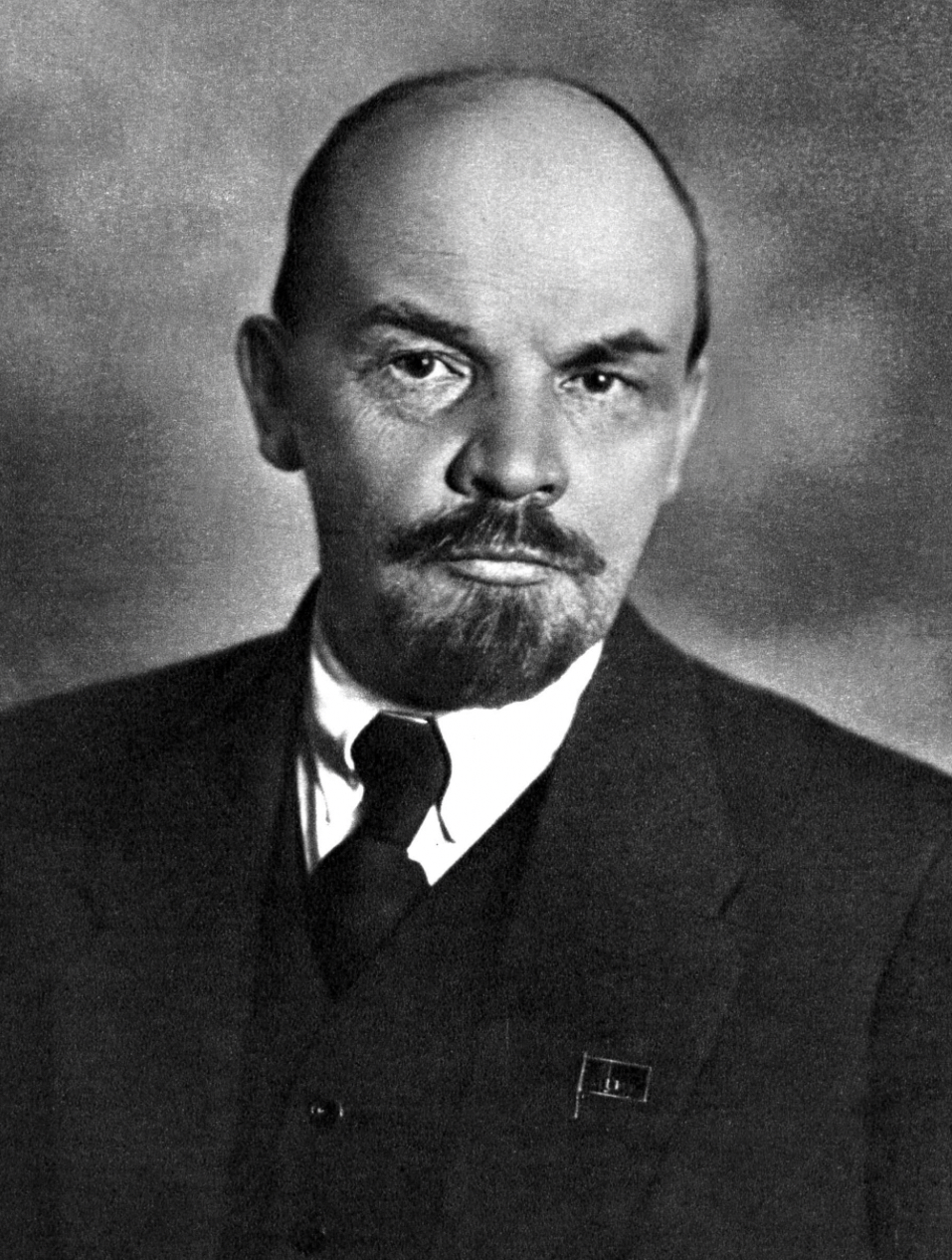
Lenin
What benefits did Lenin introduce in the 1920s?
Social insurance paid disability benefits, maternity benefits, unemployment benefits and medical benefits which covered 9 million workers.
Lenin, 1920s
What group were excluded from social benefits under social insurance?
Peasants because the government were focused on the proletariat.
Lenin
What funding ended under the NEP?
Funding for crèches
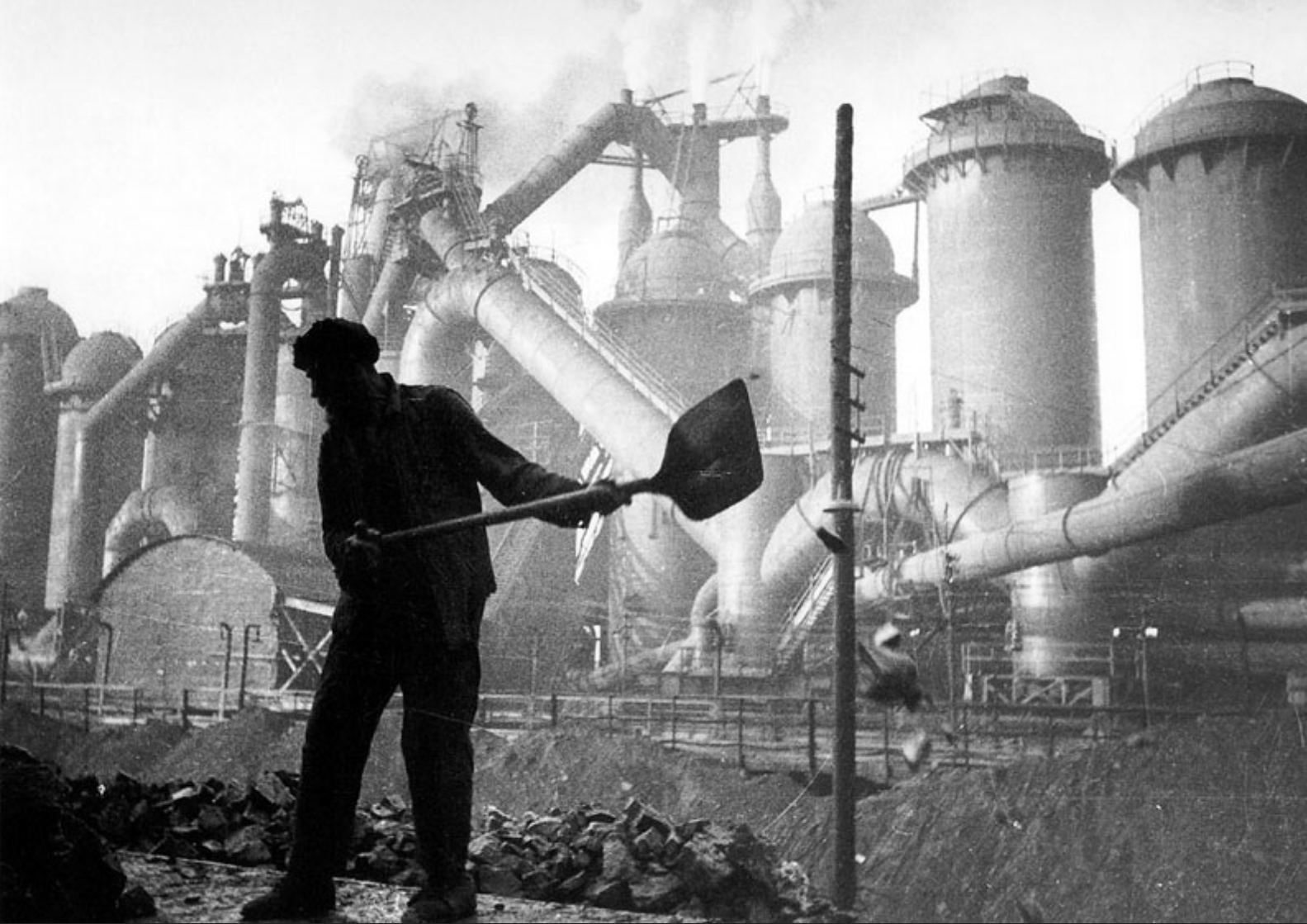
Stalin
What improved social benefits were introduced under Stalin’s Five-Year Plans? (4)
Workers were entitled to food rations
Moscow Metro opened in the 1930s
Increase in healthcare provision- Mass vaccination campaigns dealing with smallpox, malaria and typhoid
Factory and farm canteens provided meals for workers
Stalin, 1930s
How did scarce resources affect the allocation of benefits? GIVE EXAMPLE
Soviet healthcare operated on a ‘Party first’ policy, where Party members were guaranteed vaccines and other workers could queue for what remained. This system led to radical inequalities.
Example: In Dnepropetrovsk, a city in Ukraine, all Party officials were vaccinated against typhus and yet there were 10,000 cases of malaria among the working population in 1932
Stalin
How did food shortages caused by the war impact benefits?
Eating in communal canteens cost workers between 250 and 300 roubles a month in 1947, about half of a workers wages. This resulted in a decline in communal eating.
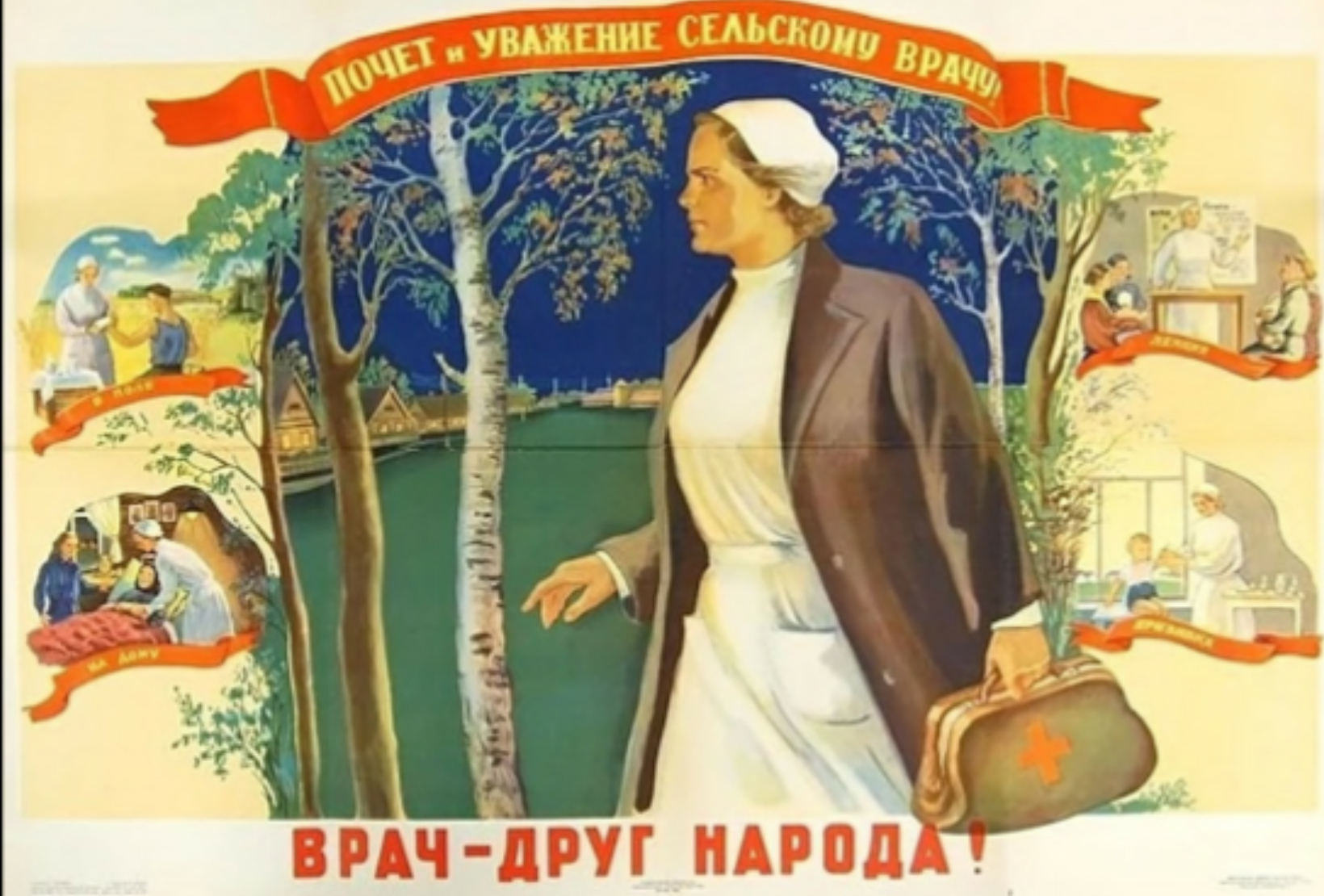
Stalin
How did healthcare improve from 1940?
Infant mortality declined by 50% between 1940 and 1950
The number of medical doctors increased by 2/3 between 1947 and 1952
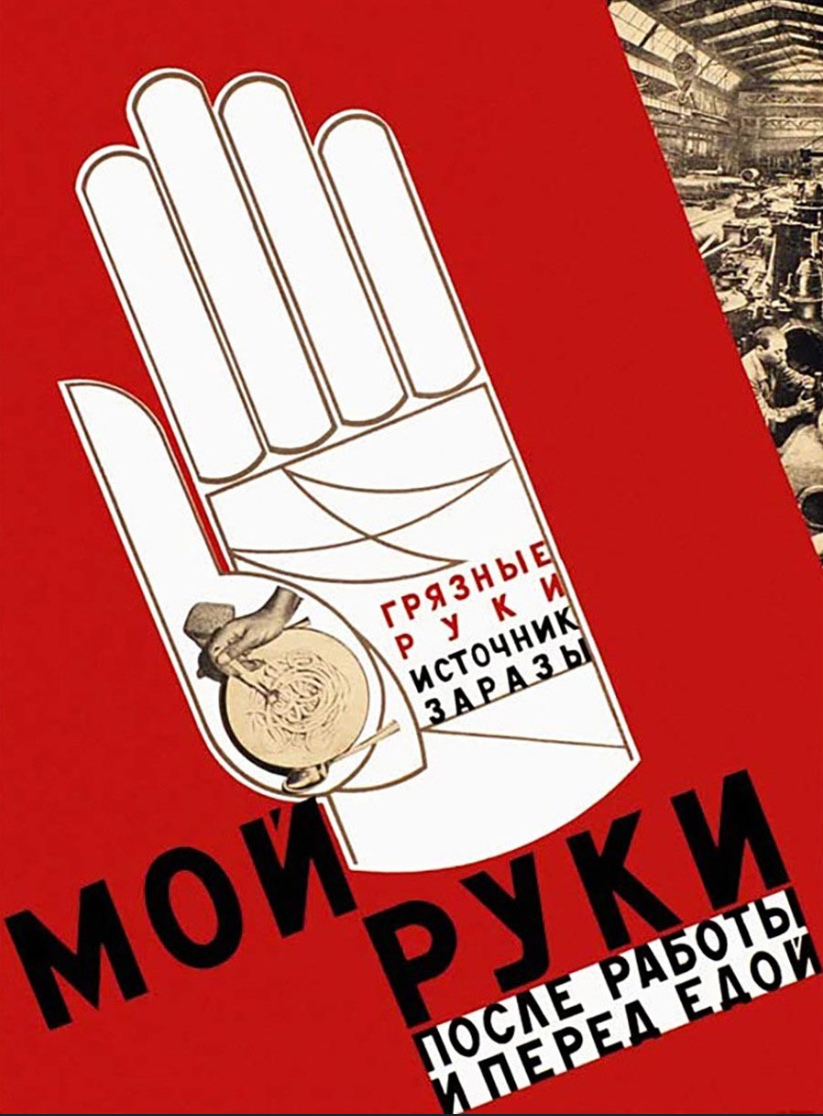
Stalin, 1940s
What continued despite improved healthcare? (3)
Food shortages led to canteens using rotten food and animal feed which led to illness
Sanitation in factories and farms was inadequate
Hygiene education was poor- It was not until 1947 that there was a publicity campaign encouraging workers to wash their hands after using the toilets
Khrushchev
What quote did Khrushchev use to summarise his approach to socialism?
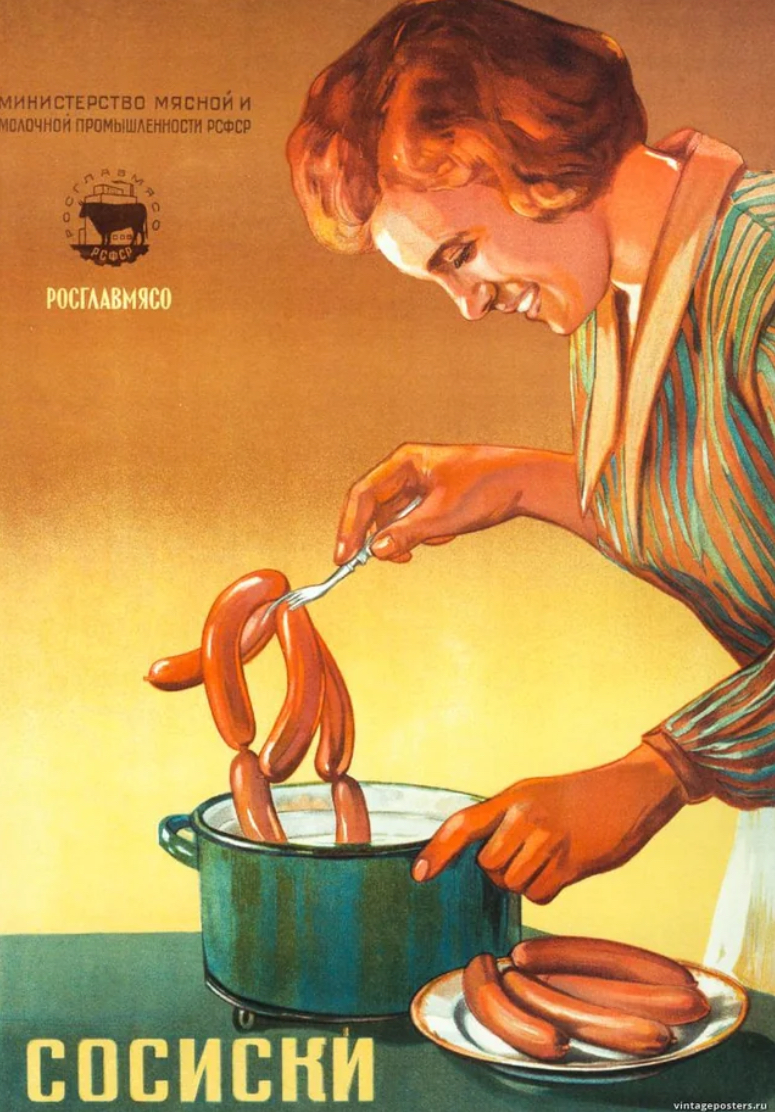
‘What sort of Communism is it that cannot produce sausage?’
Communism implied a better standard of living for the working people which required more consumer goods.
Khrushchev
How did Khrushchev improve healthcare?
He increased investment in healthcare e.g. the soviet healthcare budget more than doubled in Khrushchev’s first years from 21.4 billion roubles in 1950 to 44 billion roubles in 1959.
Soviet healthcare budget improved particularly in the countryside with death rates dropping
Khrushchev
What reforms did Khrushchev introduce in 1961 to improve social benefits? (3)
Free lunches in schools offices and factories
Free public transport
Full pensions and healthcare rights for farmers
Brezhnev
How did Soviet health decline under Brezhnev despite rising spending?
Infant mortality rates increased from 3 to 7% in the 1970s while life expectancy declined from 68 to 64 years for men in the same period.
Brezhnev
Why was there such a decline in health under Brezhnev?
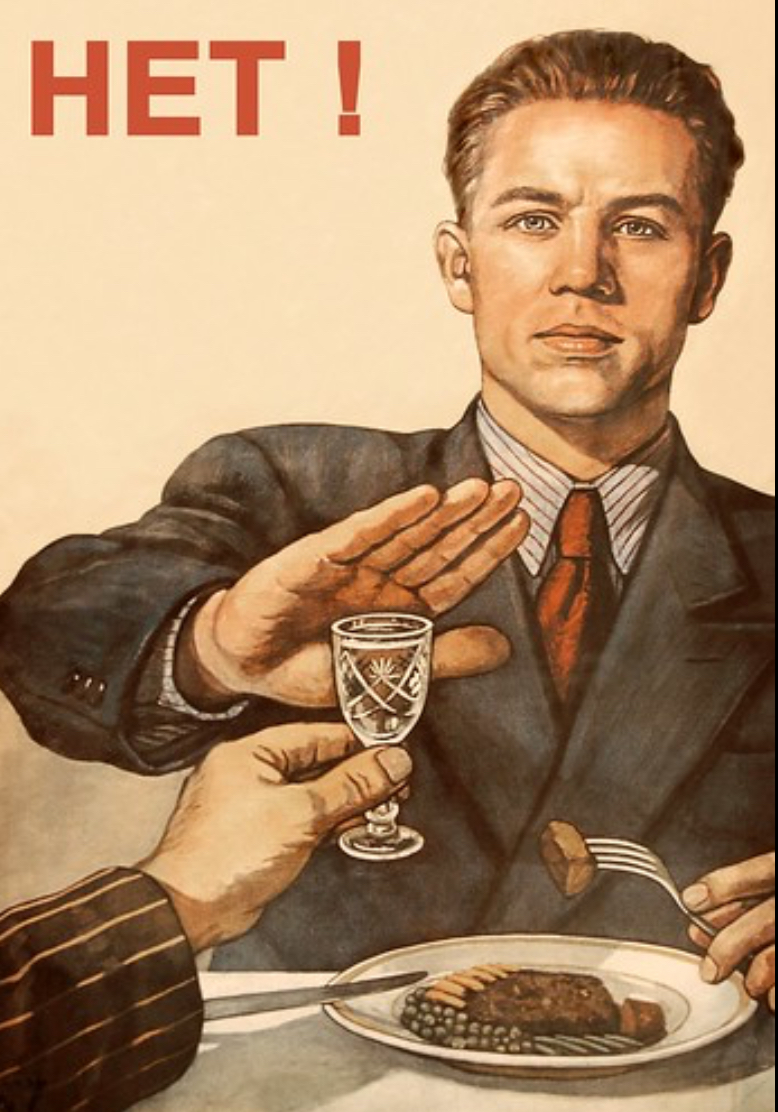
Alcoholism was a major problem. Between 1949 and 1980 the soviet population grew by 25% but alcoholism increased by 600%.