cell division
 Call Kai
 Learn
Learn Practice Test
 Spaced Repetition
 Match
Match Flashcards
 Knowt Play
1/49

Earn XP
Description and Tags
Name | Mastery | Learn | Test | Matching | Spaced | Call with Kai |
|---|
No analytics yet
Send a link to your students to track their progress
50 Terms
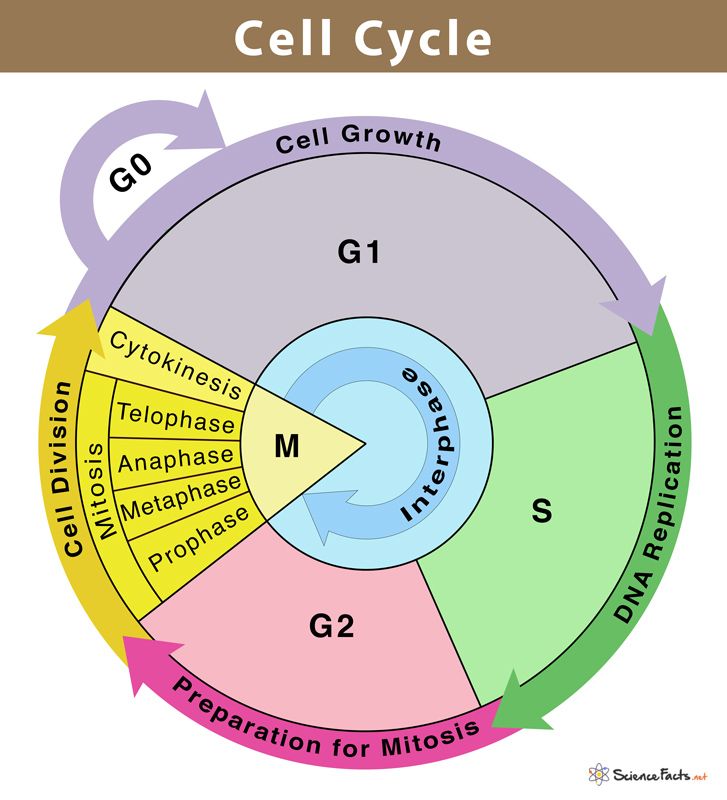
what is the cell cycle ?
series of events in a cell leading to the duplication of its DNA and division of cytoplasm and organelles to produce two daughter cells
what type of cells go through the cell cycle ?
only stem cells as specialised cells dont divide
mitosis
division of the nucleus (prophase metaphase anaphase telophase )
cytokinesis
division of the cell (cytoplasm)
interphase
G1
S
G2
G1
growth phase 1 (growth of cell / synthesis of proteins / inc in mass / vol)
S
DNA synthesis (chromosome replication)
G2
growth phase 2 - replication of organelles e.g. mitochondria
what happens to cells that enter G0
they differentiate into specialised cells or die by apoptosis
what happens to cells w/ DNA damage that fail to pass checkpoints ?
apoptosis - controlled cell death
whats the purpose of the G1 checkpoint ?
check for DNA damage - stops proliferation of cells w/ damaged DNA
restriction point where cell becomes commited to entering the cell cycle
whats the purpose of the G2 checkpoint ?
checks for DNA damage
enables some repair of DNA
stops proliferation of damaged cells
whats the purpose of the M (metaphase) checkpoint ?
checks all centrioles are attached to spindle fibres before separation of chromatids
describe the process of DNA replication ?
the 2 strands unzip and unwind as H bonds are broken by DNA helicase
free DNA nucleotides form H bonds w/ the exposed complementary bases on both DNA strands
DNA polymerase forms phosphodiester bonds between DNA nucleotides by condensation reactions synthesising new DNA strands
each strand of the DNA is a template for the synthesis of a new complementary strand
why is DNA replication described as semi conservative
after replication the new DNA molecule formed contains :
one strand of the OG parent DNA
one newly synthesised DNA strand
DNA helicase
breaks hydrogen bonds between complementary bases to help unzip and unwind DNA
DNA polymerase
catalyses the formation of phosphodiester bonds between DNA nucleotides
what direction do all enzymes work in ?
5 to 3 direction
what needs to happen before mitosis ?
DNA must be copied so each cell gets 2 copies of each chromosomes
organelles must be replicated so each cell gets equal amnts
state 3 roles of mitosis
growth - allows organisms to get larger
repair - allows damaged / destroyed cells to be replaced
renewal of stem cells
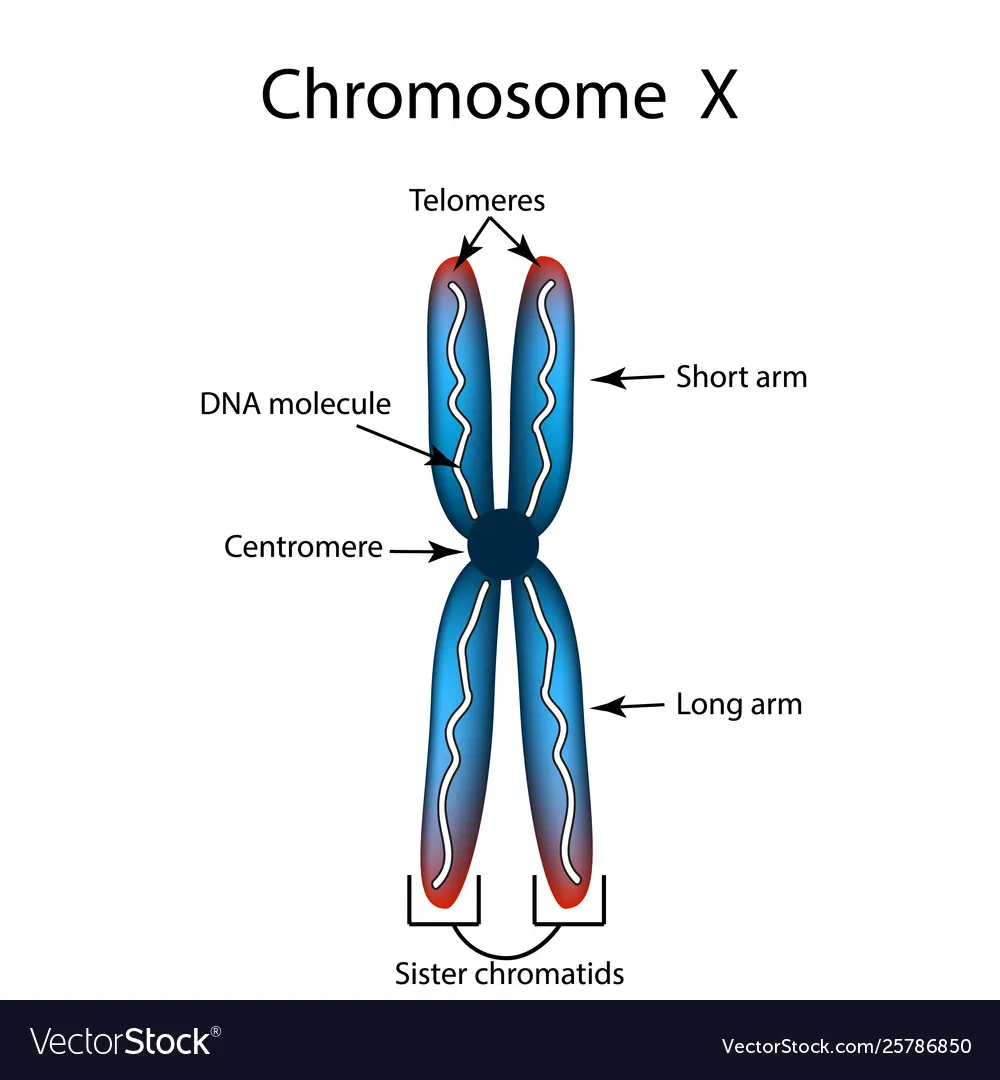
what happens after DNA replication to chromosomes ?
the 2 sister chromatids remain attached at the centromere
prophase
2 pairs of replicated centrioles move to opposite poles of the cell
the spindle forms between them
chromosomes condense
nuclear envelope breaks down
nucleoli disappear
identifiable features of the prophase
condensed chromosomes
inside circular shape - nuclear envelope still present
metaphase
chromosomes become attached to spindle fibres at the centromeres and are lined up across the equator of the spindle
anaphase
centromeres divide and sister chromatids are pulled apart towards opposite poles of the cell as the spindle fibres shorten
telophase
the 2 sets of chromosomes have reached the poles of the cell
chromosomes lengthen and uncoil
nuclear envelopes reform around the chromosomes
nucleoli reform
cytokinesis in animal cells
a cleavage furrow develops in the cell membrane and deepens unti the 2 cells separate
cytokinesis in plant cells
remnants of spindle are used as a scaffold to form a new cell plate which eventually forms a new cell wall
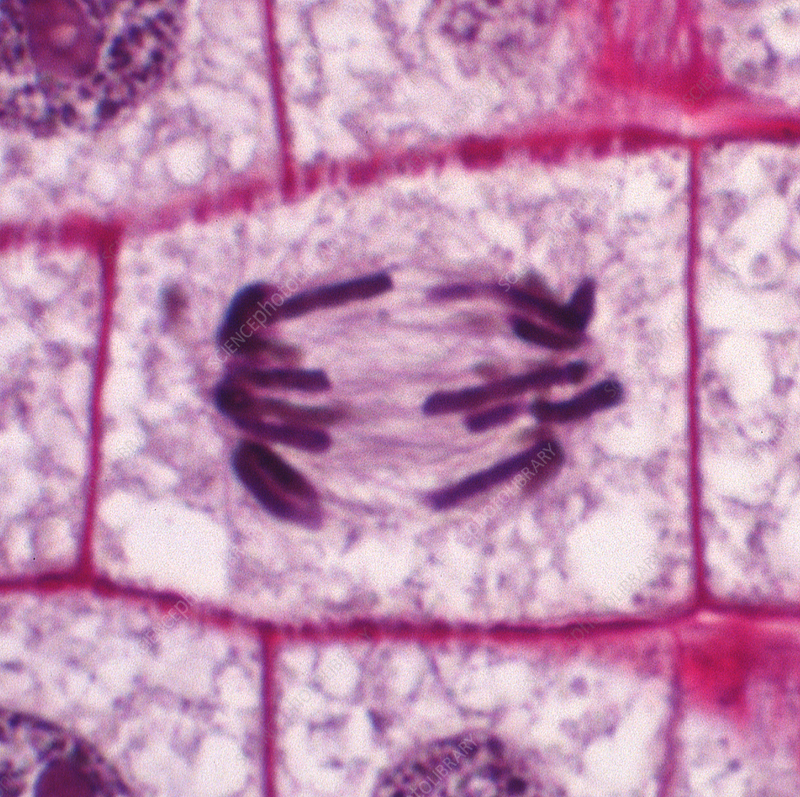
what stage of the cell cycle is being showed here ?
anaphase
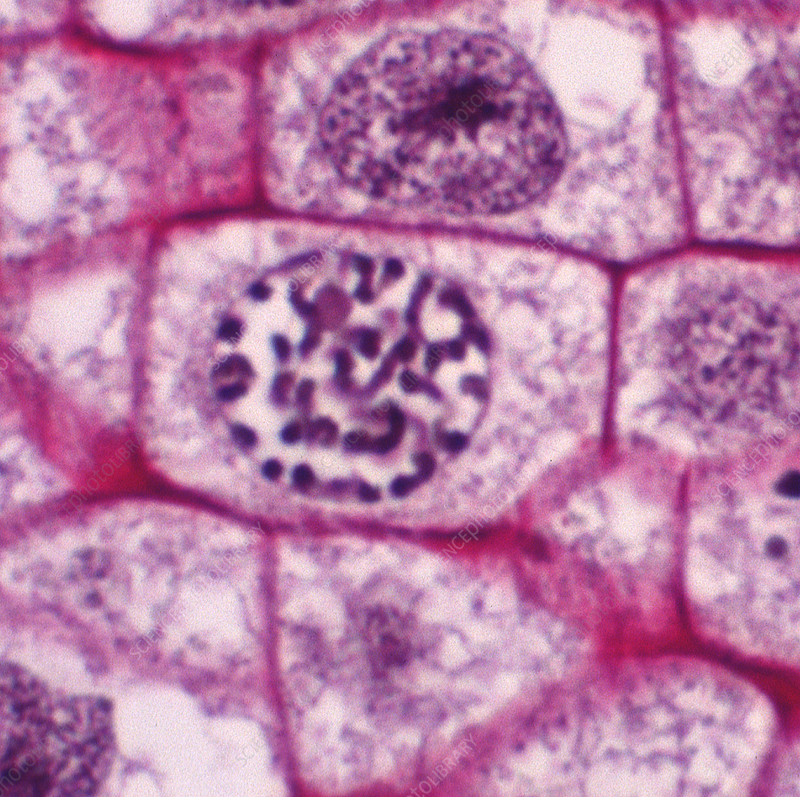
what stage of the cell cycle is being showed here ?
prophase
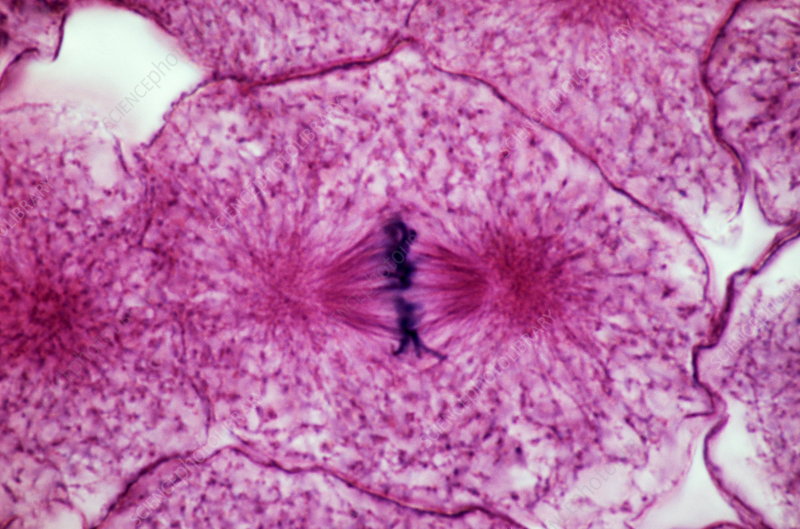
what stage of the cell cycle is being showed here ?
metaphase
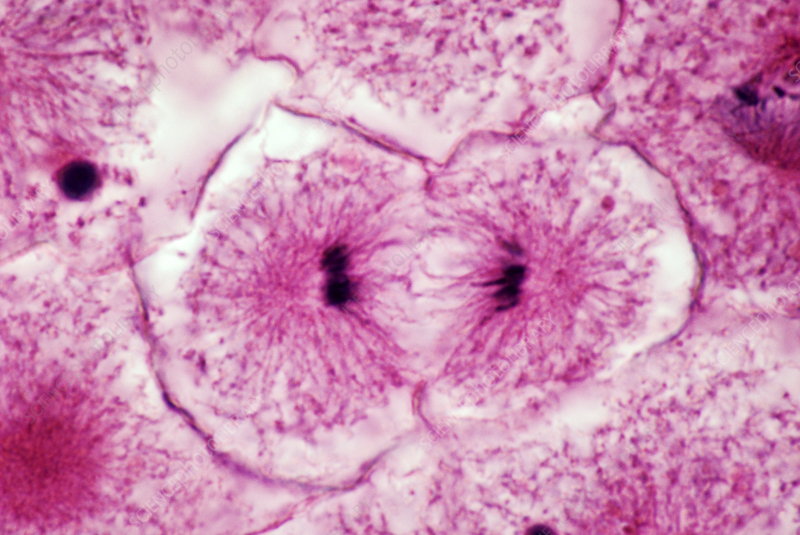
what stage of the cell cycle is being showed here ?
telophase
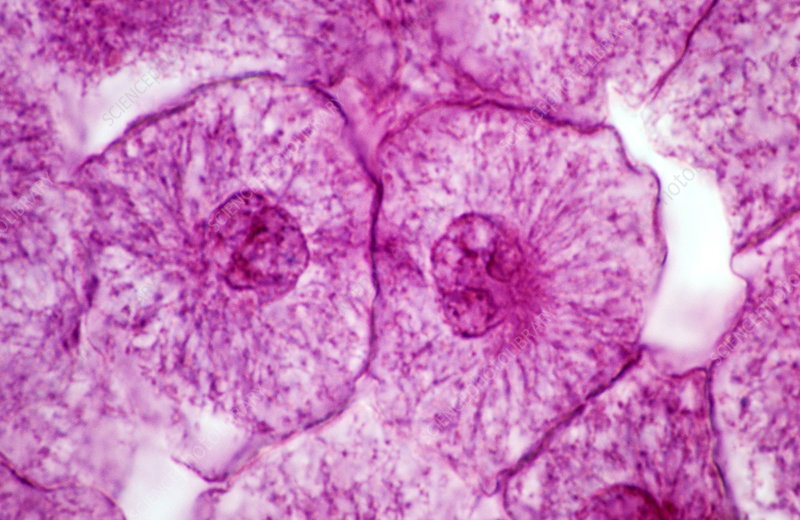
what stage of the cell cycle is being showed here ?
interphase
what happens to cells that leave the cell cycle ?
they enter G0 and differentiate into specialised cells or die via apoptosis
chromosome
double stranded DNA molecule containing thousands of genes
centromere
part of chromosome which attaches to spindle fibres
sister chromatid
replicated chromosome - remains attached at centromere until anaphase
centriole role
forms spindles but not in plants
spindle fibre
microtubule fibre that attaches to centriole and shortens to separate sister chromatids
define the role of meiosis
to produce haploid gametes and introduce genetic variation
how is genetic variation introduced in meiosis ?
in prophase 1
where homologous chromosomes condense to form bivalents attached at the chiasma where crossing over occurs as the chromatids break and the detached parts swap over and recombine
at metaphase 1
through the independent assortment of chromosomes where the bivalents line up on the spindle in a random orientation
what does independent assortment do ?
introduces genetic variation because it produces 4 gametes that each carry a different combo of maternal & paternal chromosomes
Prophase 1
centriole pairs move to opposite poles of the cell
nucleoli & nuclear envelope disappear
spindle forms
Metaphase 1
bivalents line up along the equator of the spindle
centromeres attach to spindle fibres
Anaphase 1
homologous chromosomes separated (spindle fibres shorten pulling centromeres to opposite poles of the cell)
Telophase 1
does not always occur
chromosomes begin to decondense
nuclear envelopes form
Prophase 2
chromosomes condense
nucleoli & nuclear envelope disappear
new spindle forms at 90o to the first
Metaphase 2
chromosomes line up along equator of the spindle
centromeres attach to spindle fibres
Anaphase 2
centromeres divide
sister chromatids separated (spindle fibres shorten & pull each chromatid towards the opposite pole of the cell)
Telophase 2
does not always occur
chromosomes decondense
nucleoli & nuclear envelopes form
cytoplasm divides (cytokinesis)