Symbiosis, Mutualism, and Parasitism in Zoology: Key Concepts and Examples
 Call Kai
 Learn
Learn Practice Test
 Spaced Repetition
 Match
Match Flashcards
 Knowt Play
1/21

There's no tags or description
Looks like no tags are added yet.
Name | Mastery | Learn | Test | Matching | Spaced | Call with Kai |
|---|
No analytics yet
Send a link to your students to track their progress
22 Terms
What is the definition of symbiosis?
An intimate association between two species involving a host and a symbiont.
What is the difference between facultative and obligate symbionts?
Facultative symbionts can live independently, while obligate symbionts require the host for survival.
How are mutualism and parasitism defined in terms of fitness?
In mutualism, both species benefit; in parasitism, the symbiont benefits while the host is harmed.
What are the environmental challenges faced by coral reefs?
Nutrient-poor water, food limitation, intense sunlight, and temperatures near the host's upper thermal tolerance.
What role do zooxanthellae play in coral mutualism?
They are microalgae (protists) living inside the coral that perform photoautotrophy to provide nutrients.
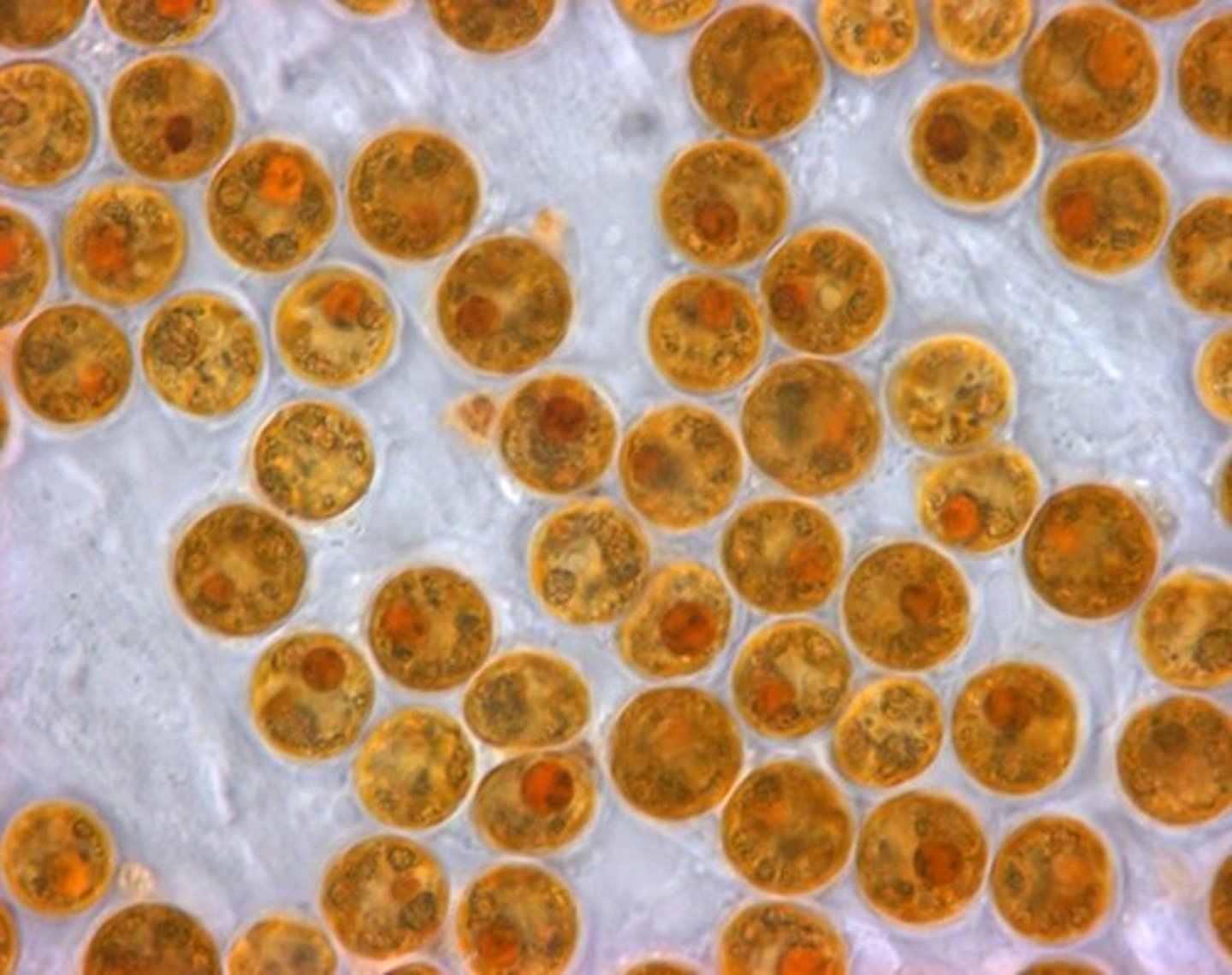
What is coral bleaching?
A process where coral expels its zooxanthellae, often in response to oxidative stress.
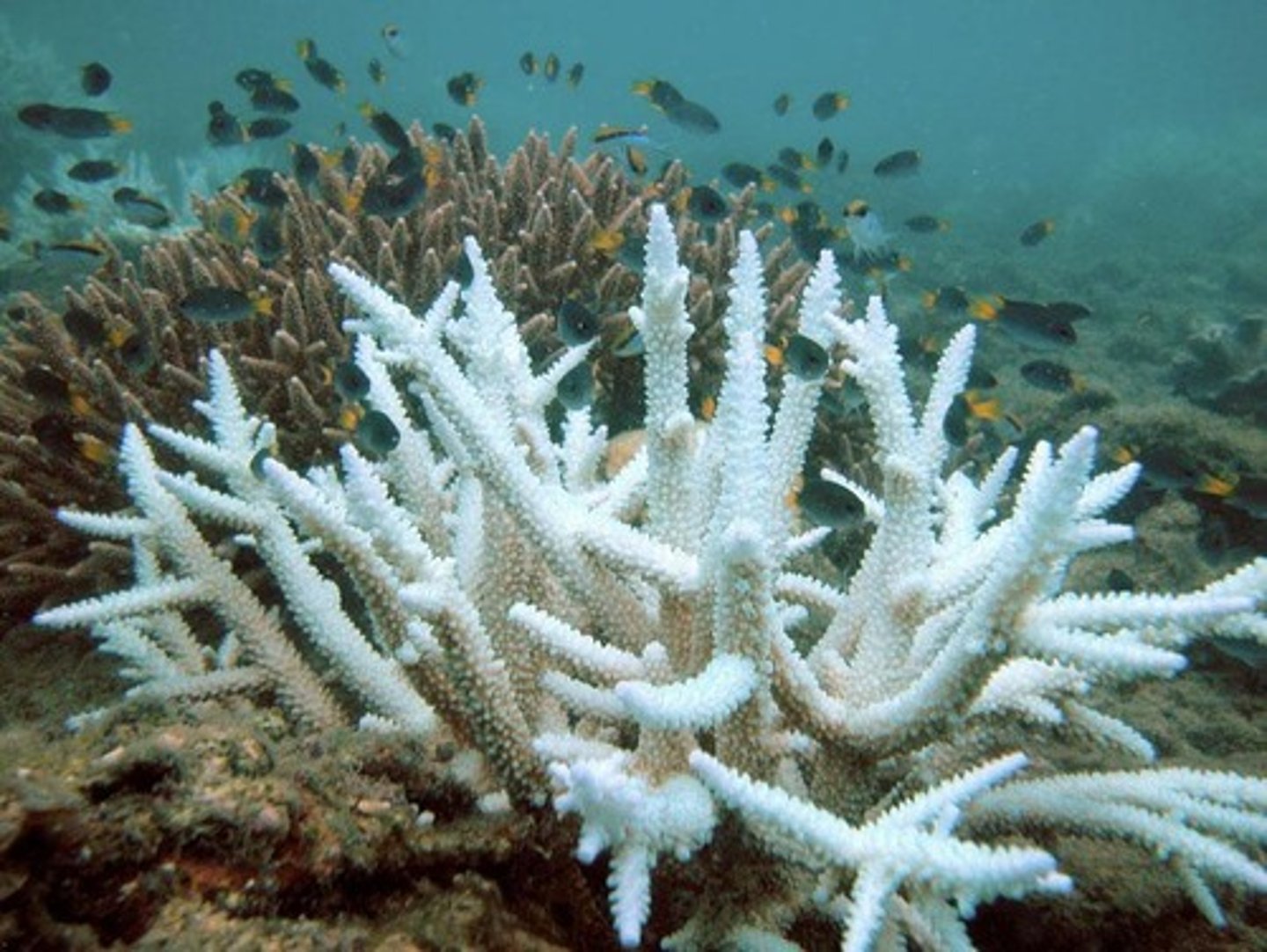
Why is coral bleaching a conservation concern?
It results in a loss of nutrition and makes it harder for the coral to maintain its calcium carbonate structure.
What is the primary energy source for deep-sea tubeworm mutualism?
Chemoautotrophy performed by bacteria living in the tubeworm's trophosome.
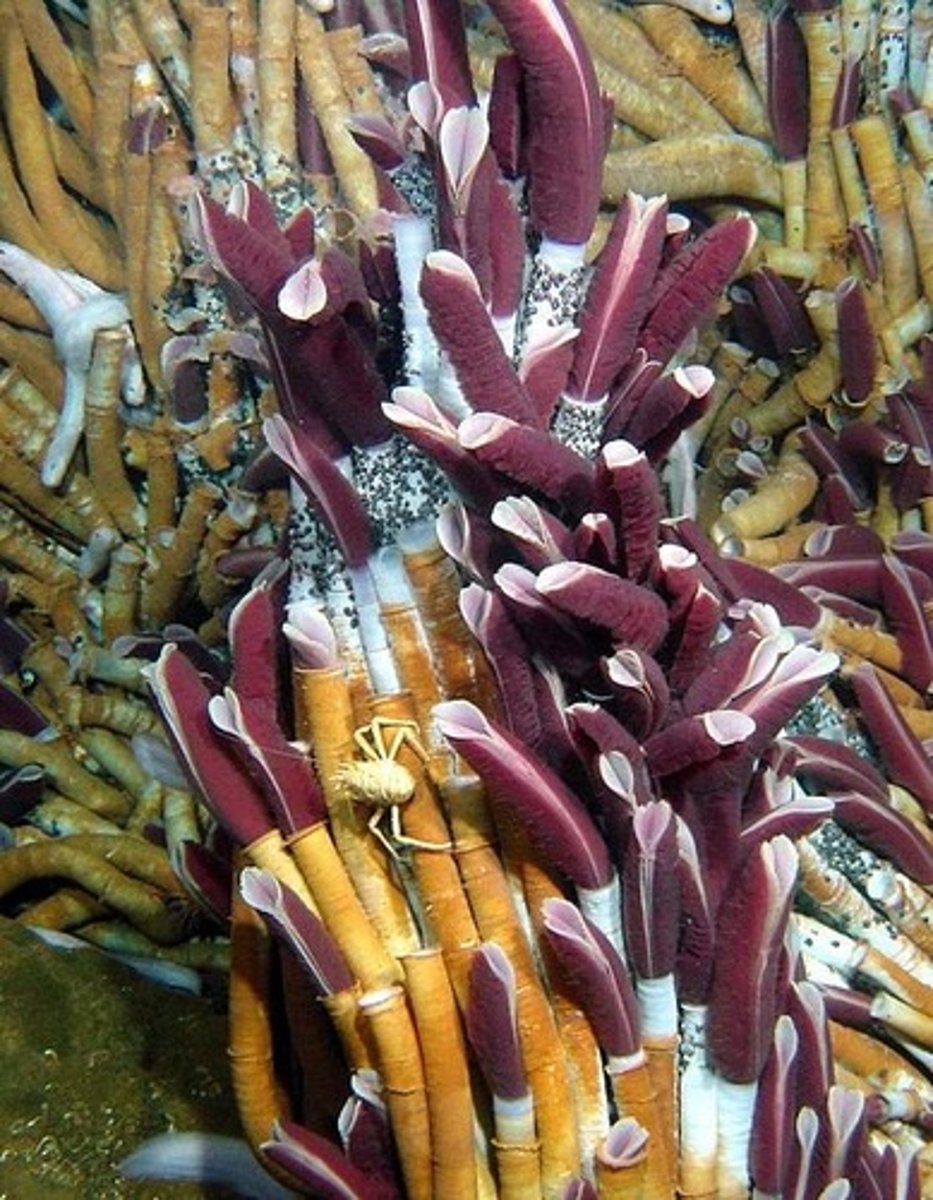
How do deep-sea tubeworms handle toxic compounds at hydrothermal vents?
They use specialized carrying molecules to transport and manage the toxins.
What is the difference between endoparasites and ectoparasites?
Endoparasites live inside the host, while ectoparasites live on the outside of the host.
What is a definitive host in a parasite's life cycle?
The host in which the parasite reaches reproductive maturity.
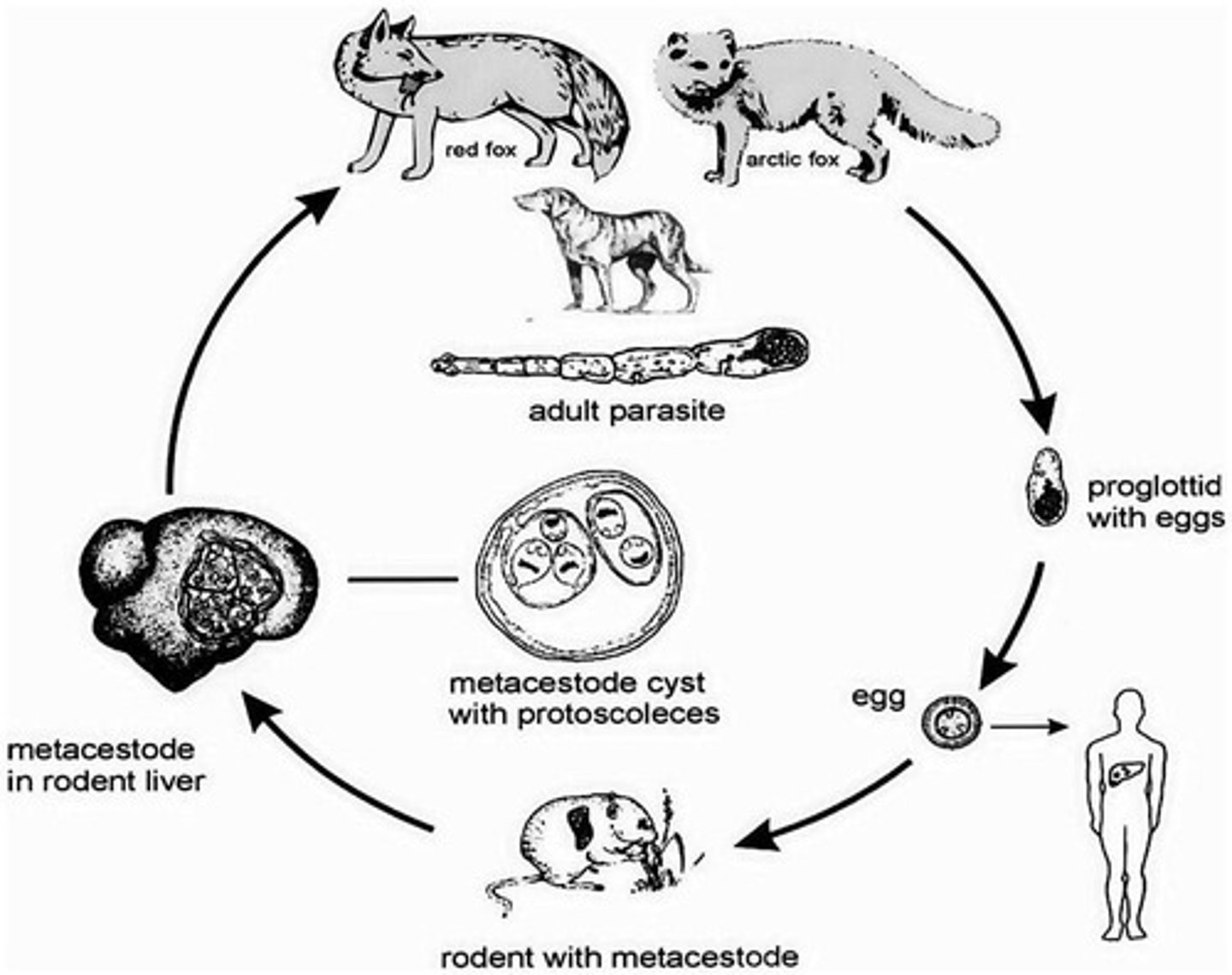
What is an intermediate host in a parasite's life cycle?
A host needed for the parasite's development, but not where it reaches reproductive maturity.
Why is parasitism considered a risky life history strategy?
Parasites face high mortality risks while searching for hosts and must overcome host immune defenses.
How do parasites maximize their fecundity?
They have huge birth rates and internal anatomy often dominated by gonads.
What is one way parasites can support their population growth beyond sexual reproduction?
Through asexual cloning.
What physical structures do many parasites use to attach to hosts?
Suckers or hooks.
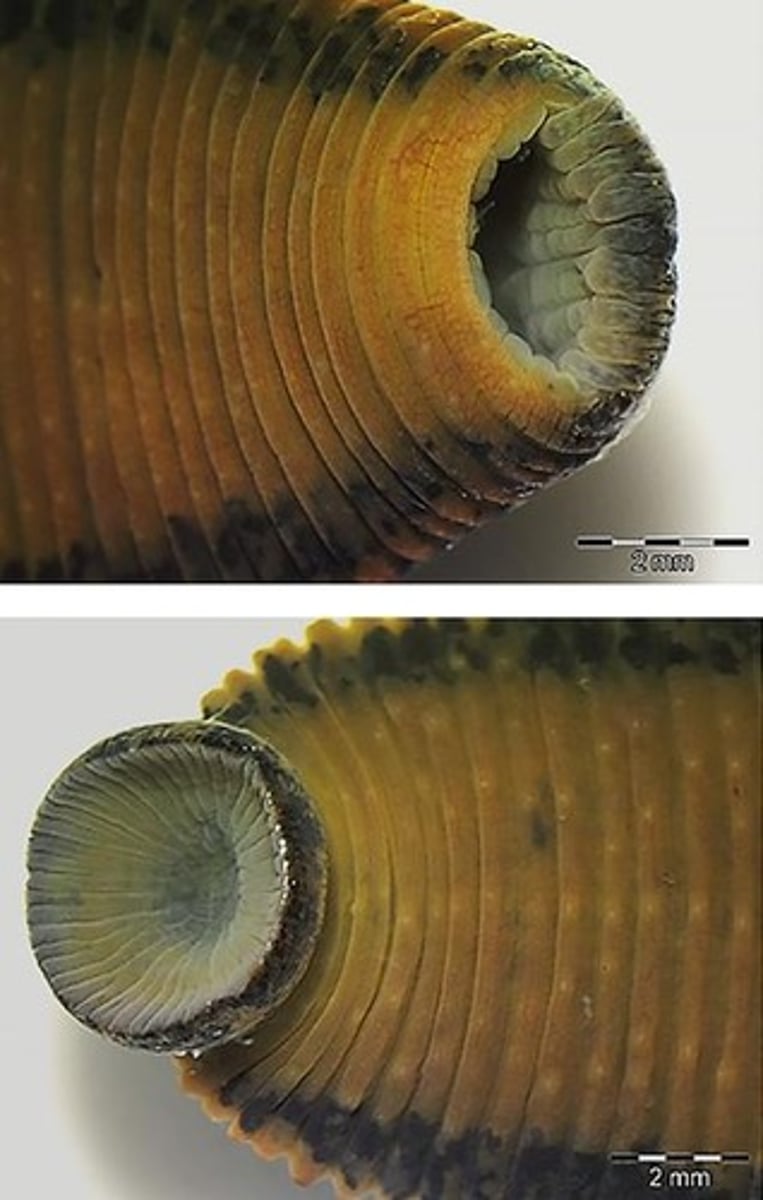
What is a common anatomical feature of many endoparasites related to digestion?
The absence of a gut, as they often absorb nutrients directly.
What are three types of resistive processes parasites use to survive?
Structural, chemical, and regenerative processes.
What are the three main types of animal interactions discussed in the course?
Predation, competition, and symbiosis.
What is the benefit to the coral during the bleaching process?
It allows the coral to potentially collect new, better-matched algae for its current environment.
What does 'specific' vs 'non-specific' mean in the context of parasitism?
It refers to the range of hosts a parasite can infect, with specific parasites infecting only one or few species.
Why is it difficult to eradicate parasites?
They often have complex life cycles involving multiple hosts and highly specialized survival mechanisms.