BIO 150 Lecture Notes 04 and 05 (Week 1) ABIOTIC FACTORS: Energy Relations (Light and Temperature) and ABIOTIC FACTORS Water and Nutrients
 Call Kai
 Learn
Learn Practice Test
 Spaced Repetition
 Match
Match Flashcards
 Knowt Play
1/50

There's no tags or description
Looks like no tags are added yet.
Name | Mastery | Learn | Test | Matching | Spaced | Call with Kai |
|---|
No analytics yet
Send a link to your students to track their progress
51 Terms
Light
visible electromagnetic radiation (400-700 nm); primary energy source for the biosphere
Intensity
____________ of Light (how much?) – strength of light; measured in lux or footcandles; depends on distance from source, other factors (e.g. season, weather, cloud cover, time of day, plant cover, air particles)
Intensity
____________ of Light - depends on the angle of incoming light (low angle-low intensity; high angle-high intensity), variations in Earth’s orbit such as eccentricity (how elliptical the orbit is), obliquity (degree of tilt) and precession (direction of tilt), and variations in solar energy output (solar cycle)
Quality
Periodicity
Directionality
______________ (what wavelengths?)
______________ (for how long?) – duration of day length; function of latitude and season
______________ (from what angle?
Transmitted, reflected, absorbed
reflected, absorbed, transmitted
Fate of incoming solar radiation
______________, __________________, refracted, _________________, scattered
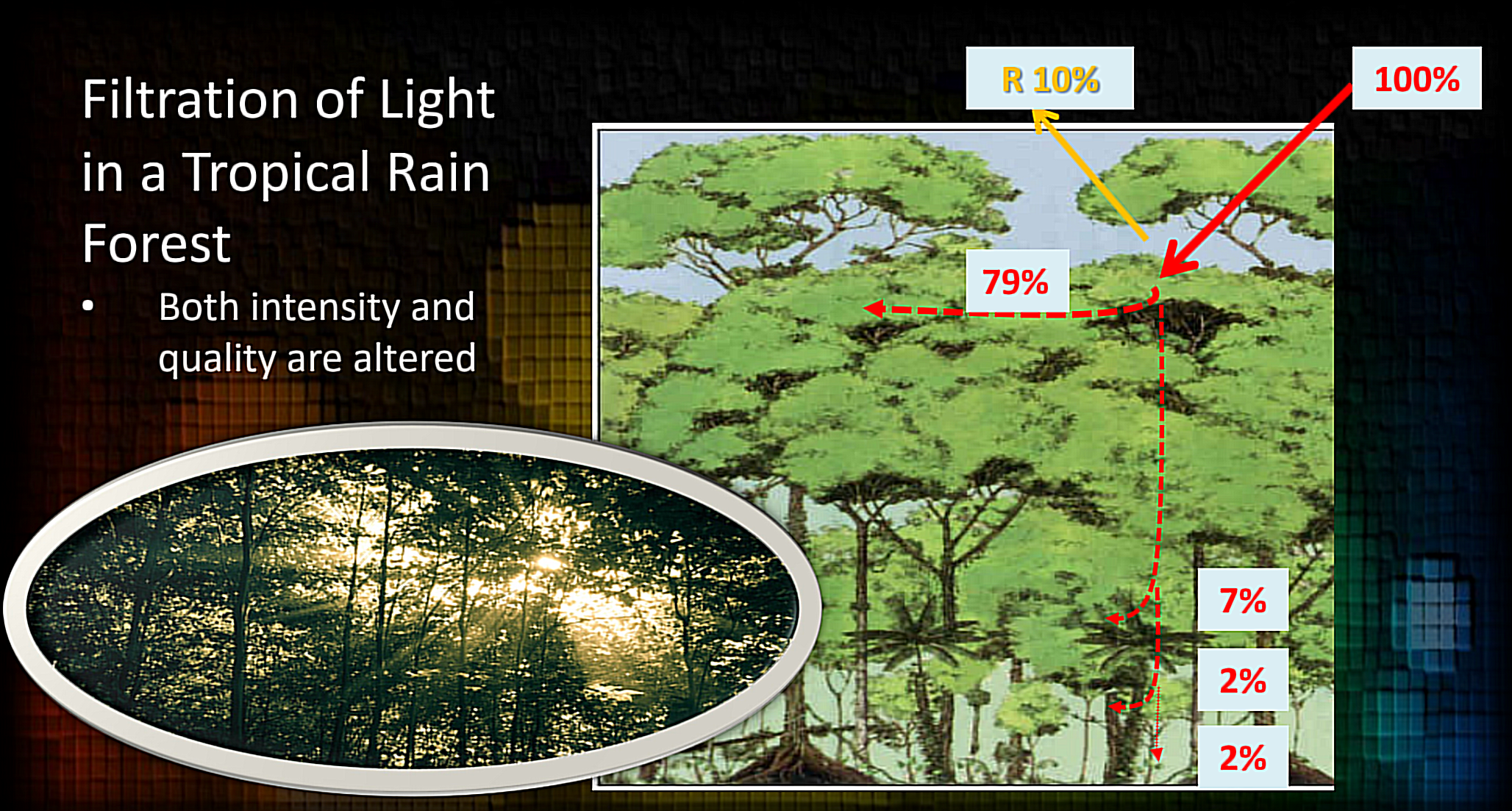
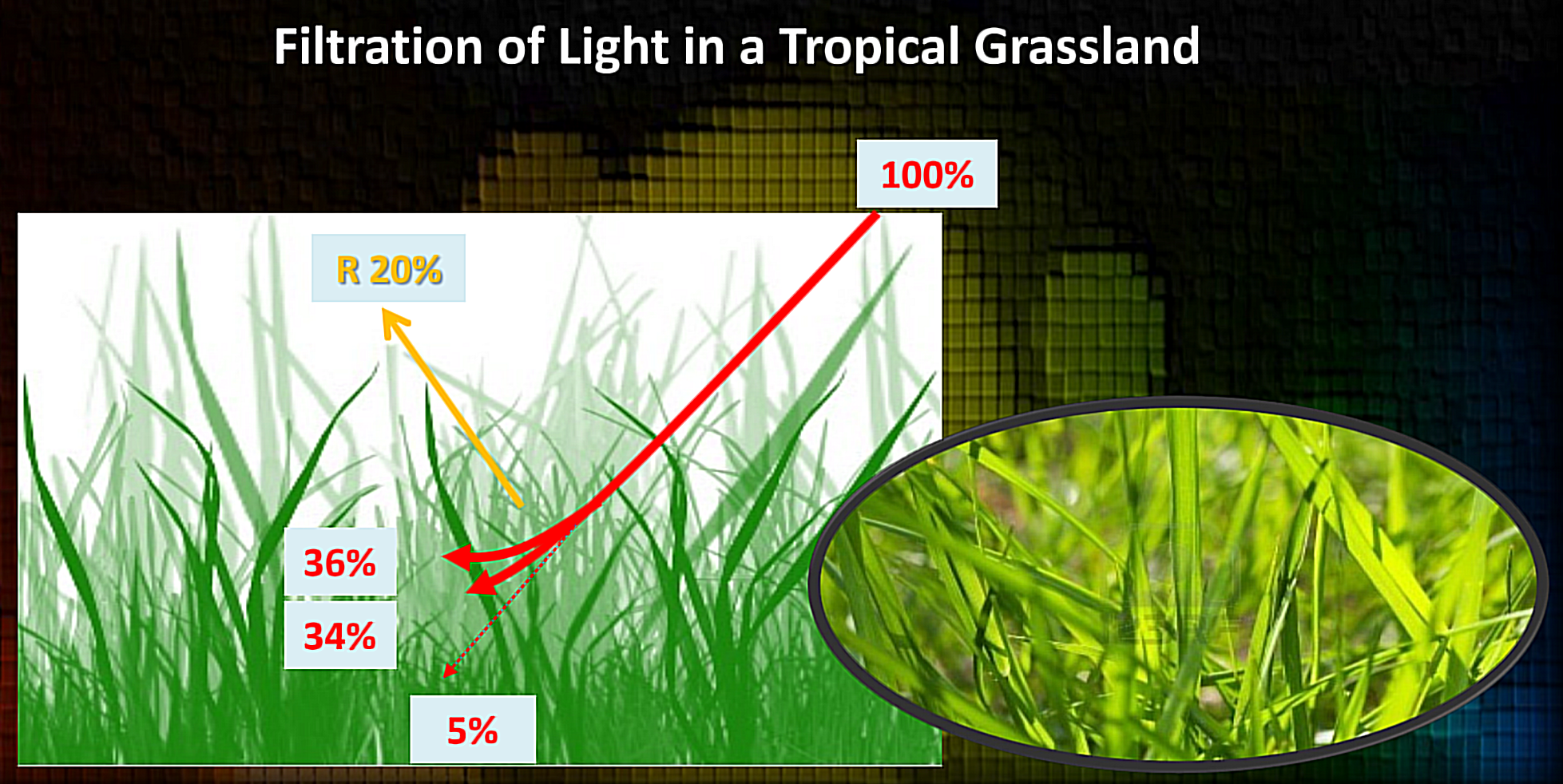
In plants – _________________ (without change in wavelength), _________________ (raise plant temp., contribute to transpiration, drive photosynthesis), _________________ (after some wavelengths have been filtered out; change in both quality and intensity of light)
Condition
Light as an environmental factor
As a ______________ – involved in circadian rhythms, photoperiodism, phototropism, phototaxis
Resource
Light as an environmental factor
As a _______________ – involved in phototrophy, photosynthesis (utilizing Photosynthetically Active Radiation, PAR wavelengths which depend on the primary pigment used for photosynthesis)
resource depletion zone (RDZ)
Shade is a ___________________ because shading reduces the intensity of light and changes which particular wavelengths are transmitted across
Heliophytes (a.k.a. Sun Plants)
Sciophytes (a.k.a. Shade Plants)
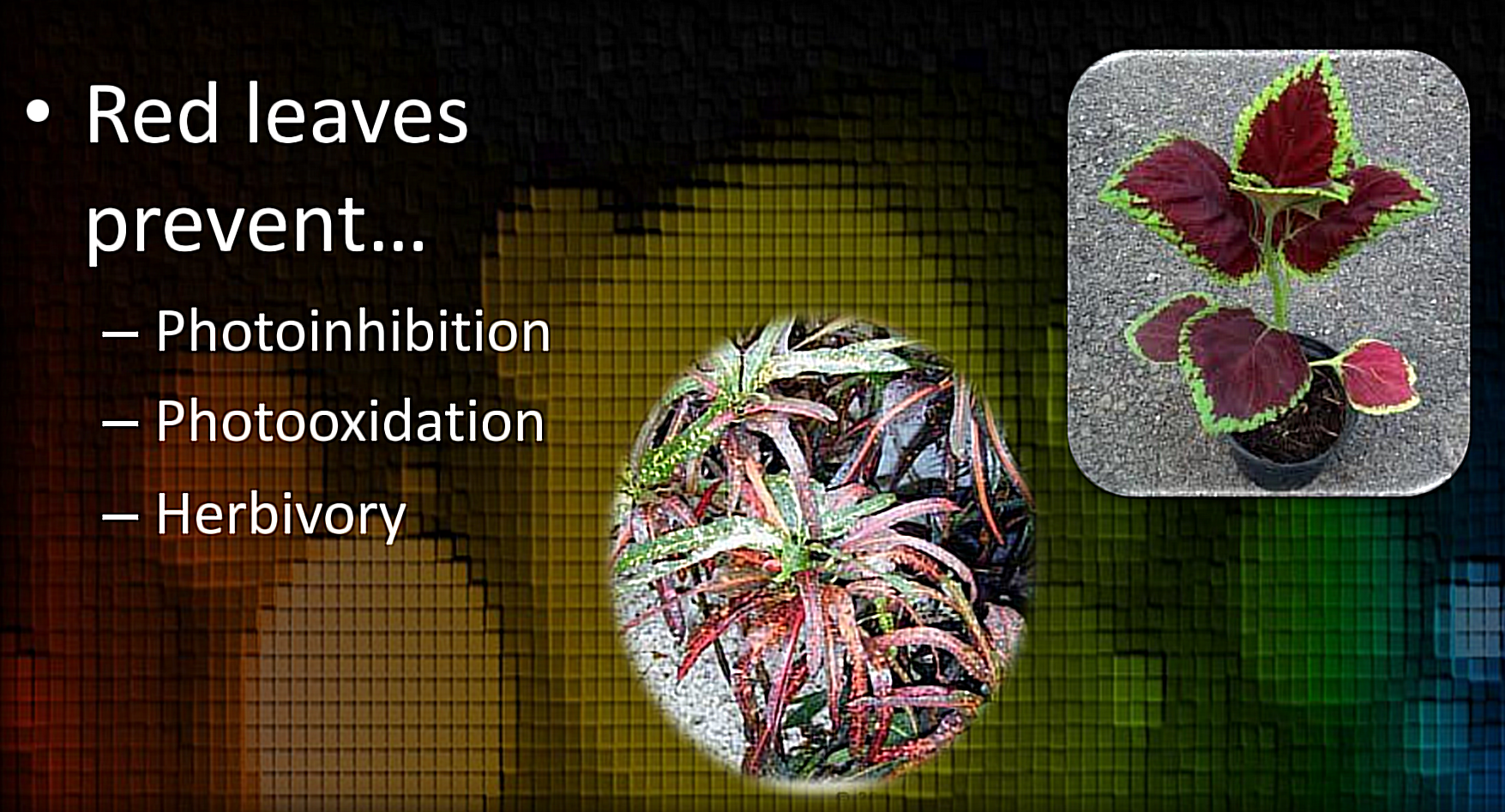
The two types of plants based on light utilization?
Heliophytes (a.k.a. Sun Plants)
Types of plants based on light utilization
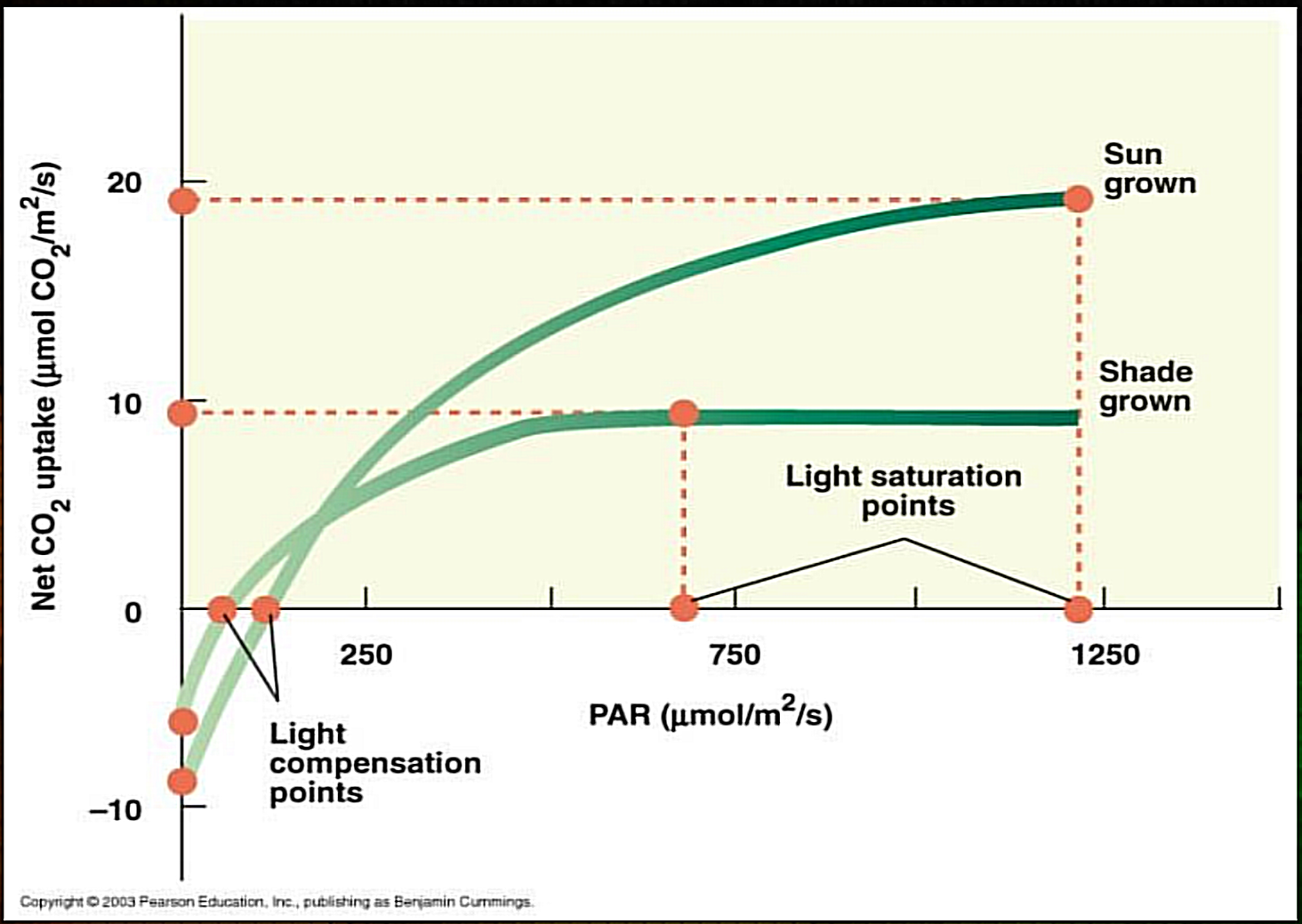
needs full sun for growth
efficient use of high light intensity
Heliophytes (a.k.a. Sun Plants)
Types of plants based on light utilization
never reach photosynthetic saturation
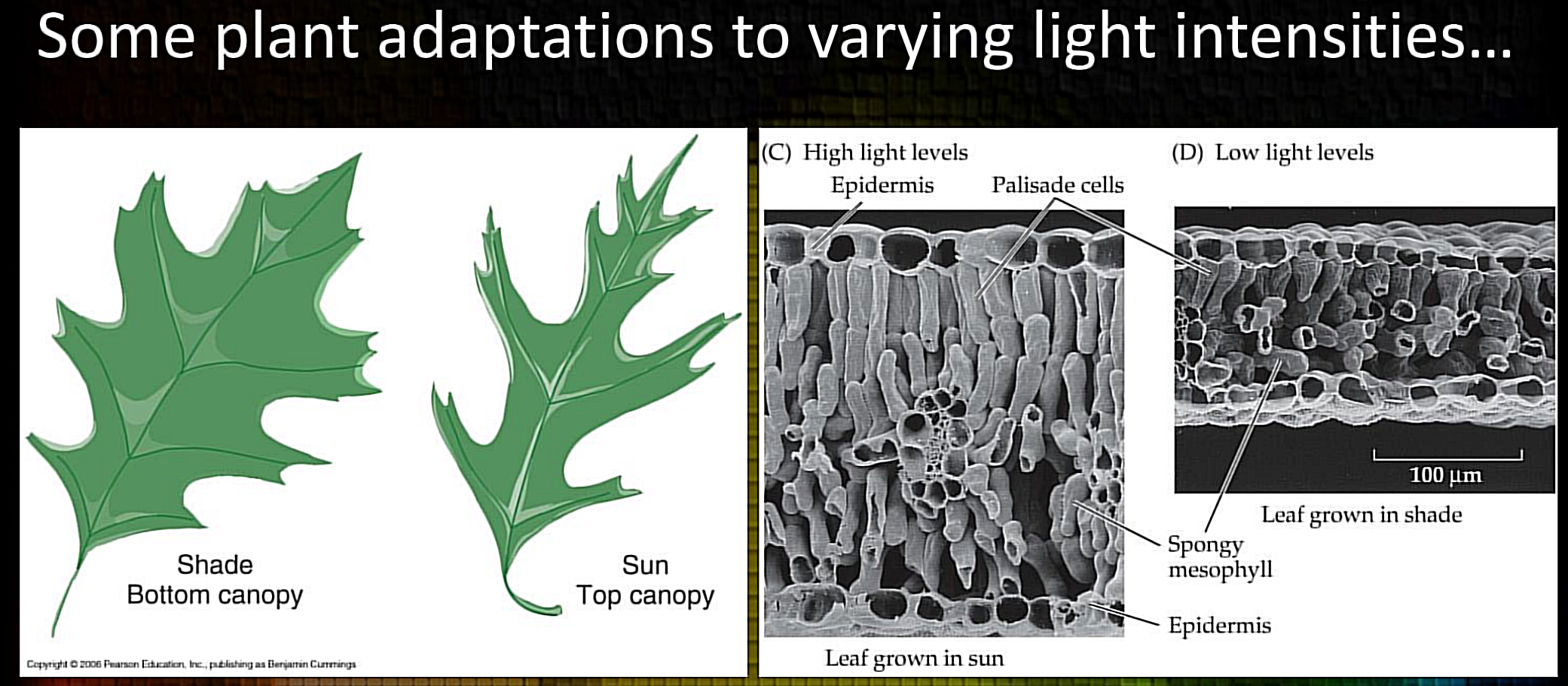
small, angled leaves
Sciophytes (a.k.a. Shade Plants)
Types of plants based on light utilization
Inhibited under full sun
More efficient Ps at low light intensities
Sciophytes (a.k.a. Shade Plants)
Types of plants based on light utilization
often reach saturation levels at 20% full sunlight
Sciophytes (a.k.a. Shade Plants)
Types of plants based on light utilization
Large, horizontally oriented leaves w/ lots of chlorophyll and accessory pigments
Temperature
Heat
______________ - a measure of the average kinetic energy of the atoms or molecules in the system
______________ - thermal energy transferred from a hotter system to a cooler system; 0 heat flow if in thermal equilibrium
macroclimate; microclimate
Part of the descriptions for _________________ (what weather stations and what we represent with climate diagrams) and _______________ (climatic variation on a scale of a few km, m, cm; measured over short periods of time)
altitude; latitude; continental/maritime; surface
Temperature & Heat
Affected by _____________, ____________, _________________ location, ____________ features (Vegetation, ground color, water
features, boulders, burrows, etc.)
hyperthermophiles
thermophiles
mesophiles
psychrophiles
In microorganisms –
_______________ (thrive at very high temp),
_______________ (live at high temp),
_______________ (moderate temp),
_______________ (low temp)
Poikilotherm (‘pokilo’ = varying)
Types of organisms based on - Stability of body temperature
_____________ (varying)
Homeotherm (‘homeo’ = same)
Types of organisms based on - Stability of body temperature
_____________ (same)
Ectotherm
Types of organisms based on - Source of energy for regulating body temperature
________________ – heat from outside (environment)
Endotherm
Types of organisms based on - Source of energy for regulating body temperature
______________ – heat from inside (organism’s own metabolism)
ectotherms; endothermic; pokilothermic
Many poikilotherms are _______________ and many homeotherms are _____________, BUT some animals that exhibit facultative endothermy are _______________
endotherms; ectotherms
Endotherms and ectotherms co-exist – High cost-high benefit strategy of _______________; Low cost-low benefit strategy of ________________
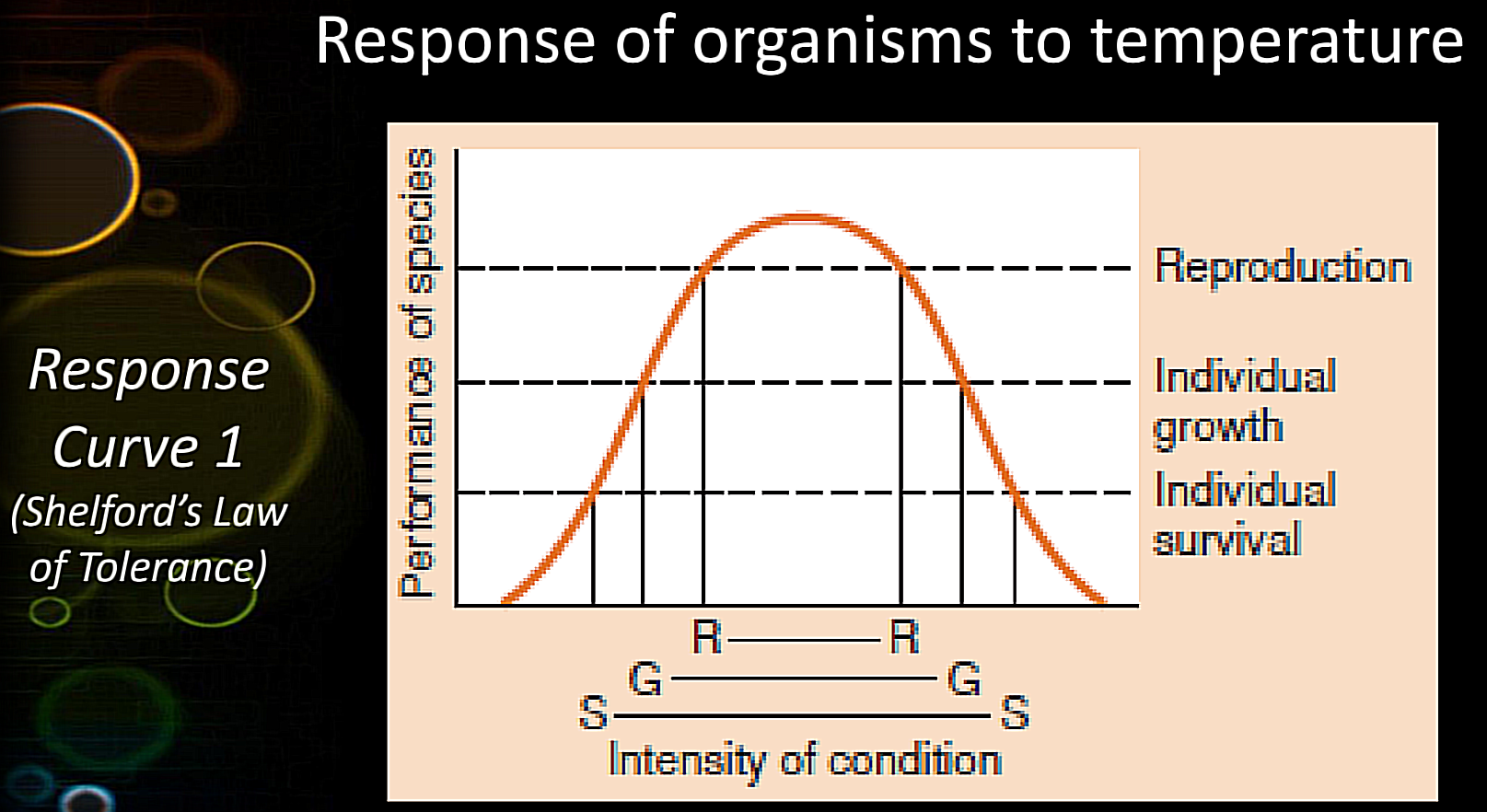
Chilling injury
Freezing
Effects of extreme temperatures on organisms
Low temperature
________________
________________
Denaturation of proteins
Dehydration
Effects of extreme temperatures on organisms
High temperature
_____________________
_____________________
Insulation
Evaporative cooling
Countercurrent hea
Some adaptations to extreme temperatures
_______________ (e.g. blubbers)
_________________ (e.g. panting, sweating)
Adjustment of supercooling points
__________________t exchangers (e.g. blood vessels in bird’s feet)
Freeze-avoidance
Freeze-tolerance
Some adaptations to extreme temperatures
__________________ (ice crystals are prevented from forming)
__________________ (encourage formation of extracellular ice to minimize intracellular damage)
Other morphological, anatomical, and behavioral features
Some adaptations to extreme temperatures
To high temp.
Modified membranes and proteins
Protective layers (waxes)
Reflective surfaces
Other anatomical features
Some adaptations to extreme temperatures
To high temp.
Modified membranes and proteins
Protective layers (waxes)
Reflective surfaces
Other anatomical features
Estivation
Hibernation
Torpor
Resting stages under extreme temperatures:
_______________ – prolonged ‘stasis’ during summer
_______________ – prolonged ‘stasis’ (months) during winter
_______________ – state of low metabolic rate (hrs)
Temperature
______________ as a stimulus
Whether or not an organism starts development (e.g. germination)
May interact with other stimuli (e.g. photoperiod)
Temperature
______________ as a stimulus
Growth, flowering, germination, ripening of fruits
Disease
Competition
Humidity
Interaction of temperature with other factors
________________ – conditions may favor growth and/or spread of disease agent, or weakening of host defenses
________________ – modifies the response to temp because of the presence of a competitor
________________ – RH closely tied to Temp
metabolic
Water and dissolved substances are both conditions and resources.
Water is a critical resource.
Organisms – composed of ~80% water
Hydration – necessary for _____________ reactions
Water content needs continual replenishment
less
arid
food
Water is a critical resource.
Water incorporated in plant body is _________ than vol. of water that flows through the transpiration stream (importance of root systems)
Most terrestrial animals drink free water and generate some from the metabolism of food;
Animals of _________ zones may obtain all their water from their ________.
humidity
Water in the air – ____________
Moisture content of air relative to an equal volume of saturated air at a given temperature
Water in the air – humidity
Important source of water
Affected by temp, LI, and vegetation
Affects life processes (transpiration, sweating, hydration, etc.)
Rainfall/Precipitation
__________________
Water condensed from atmospheric vapor and falling in drops
Allows re-distribution of water; brings water from the oceans to areas over land
Rainfall/Precipitation
__________________
Water scarcity and abundance determine vegetation type
Replenishes ground water
A medium of life in aquatic habitats
condition
washed away
pounding; suction
Water as a _____________
In streams and rivers there is the constant hazard of being _____________
Repeated ___________ and ___________ of wave action on sea shores
Holdfasts, flexible bodies, and behavioral strategies of avoidance
toxicity; osmoregulation; enzyme
pH of water and soil
Direct effect: __________ – upsetting ____________, ________ activities, gas exchange
nutrients; toxins
pH of water and soil
Indirect effect: influence on availability of ____________ and/or concentration of ____________
more
acidophiles; alkaliphiles
Envt with neutral to slightly alkaline pH are _________ hospitable than acidic ones.
Some prok can thrive under very acidic (_______________) or very alkaline conditions (______________)
3
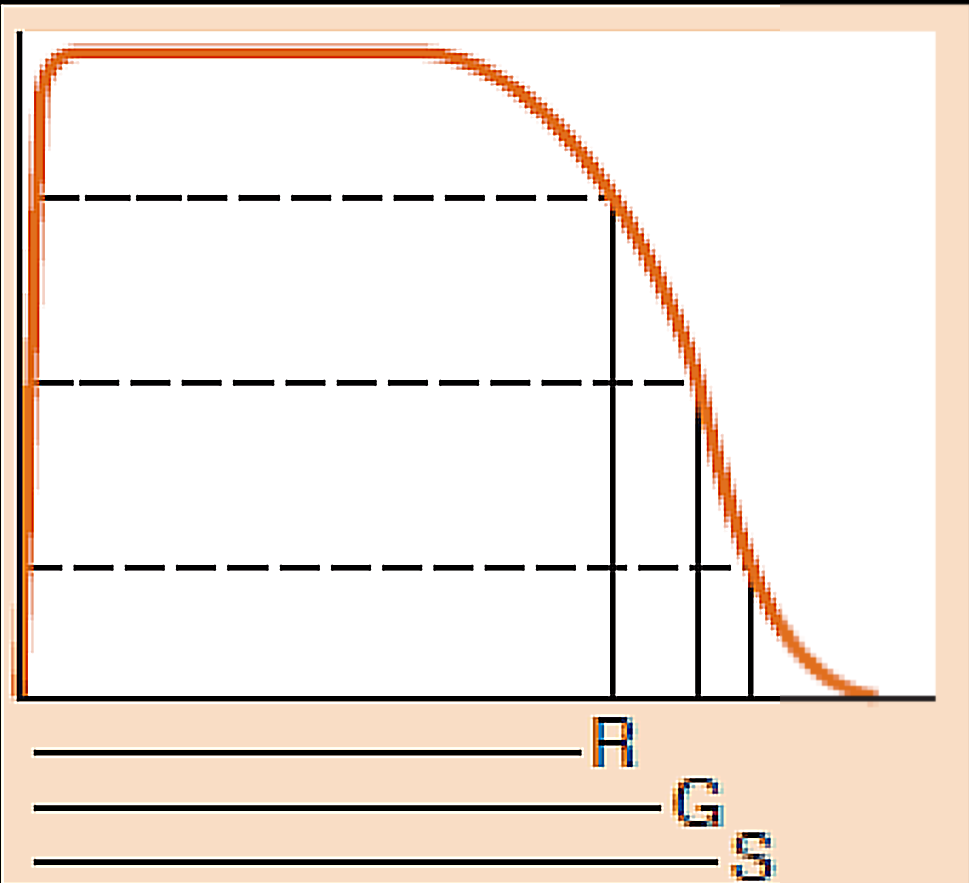
Salinity of Water
Organisms respond to salt like the Response Curve _
Salinity of Water
Creates osmoregulatory problems (same as drought and freezing); Osmotic resistance to water uptake
Halophytes
_______________ – have metabolites for osmoregulation
Others have a way of pumping out excess salt from their tissues to avoid damage
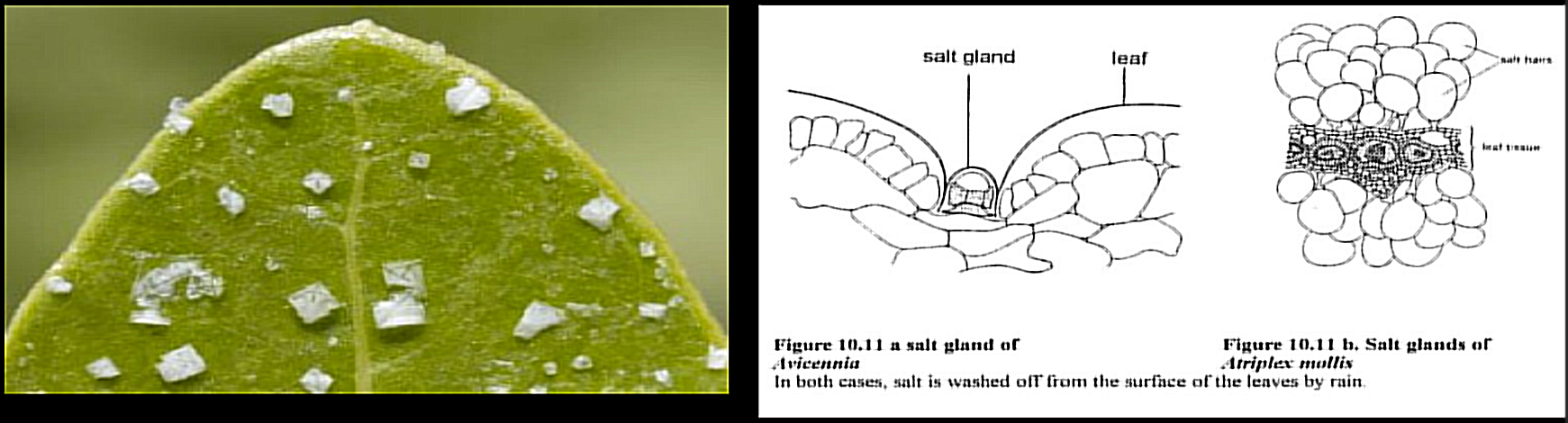
3
soil; water
food
Mineral Nutrients
Organisms respond to mineral nutrients like the Response Curve _
Interactions between foraging for water and nutrients (for plants)
Plants – from __________ or surrounding _________
Animals – in organic form, from ________
Morphological
Physiological
Poikilohydry
Adaptations to drought stress
Xeromorphic traits in plants:
Traits conserve water
______________ features (e.g. waxes, sunken stomates, multiple epidermal layers, leaf-folding/rolling, trichomes, etc.)
______________ adaptations (e.g. water storage, protective molecules, stomatal closure, CAM, etc.)
Dormancy
_____________ (ressurrection plants)
Adaptations to drought stress
Drought tolerance/resistance in animals:
Structural, physiological, and behavioral adaptations
Impermeable integuments, reduction in urine flow rate, seasonal migration, estivation, hoarding of food, space choices
Adaptations to drought stress
Drought tolerance/resistance in animals:
Structural, physiological, and behavioral adaptations
Impermeable integuments, reduction in urine flow rate, seasonal migration, estivation, hoarding of food, space choices
Adaptations to flooding
Animals → move out of the flooded area
Plants (structural and physiological adaptations):
Aerenchymatous roots
Pneumatophores
Capacity to elongate shoot parts upon submergence (hormonal response, ET)
Increased porosity (longitudinal transport of O2)
Change in timing of reproduction
Adaptations to flooding
Animals → move out of the flooded area
Plants (structural and physiological adaptations):
Aerenchymatous roots
Pneumatophores
Capacity to elongate shoot parts upon submergence (hormonal response, ET)
Increased porosity (longitudinal transport of O2)
Change in timing of reproduction
Solar maximum
Solar minimum
SCHWABE cycle
________________ - the time the sun is active and releases greater amounts of solar energy
________________ - the time the sun is inactive
________________ - Its a cycle, with particular years that sun activity is active and
inactive (11 years - half minimum, half maximum)