Obstructive Lung Diseases
 Call Kai
 Learn
Learn Practice Test
 Spaced Repetition
 Match
Match Flashcards
 Knowt Play
1/55

There's no tags or description
Looks like no tags are added yet.
Name | Mastery | Learn | Test | Matching | Spaced | Call with Kai |
|---|
No analytics yet
Send a link to your students to track their progress
56 Terms
What are the primary obstructive lung diseases discussed?
Asthma, COPD (Emphysema & Chronic Bronchitis), and Cystic Fibrosis
What is the obstructive triad in asthma?
Bronchospasm, mucosal inflammation & edema, and mucus hypersecretion
What triggers extrinsic asthma?
Type I hypersensitivity (IgE-mediated) often linked to family history of allergies
What are common triggers for intrinsic asthma?
Respiratory infections, stress, cold air, inhaled irritants, exercise, and certain drugs
What is the consequence of partial obstruction in asthma?
Air trapping leading to hyperinflation
What is atelectasis?
Complete obstruction leading to lung collapse
What is the first stage of ABG progression in acute asthma?
Respiratory Alkalosis due to hyperventilation
What characterizes Stage 2 of ABG progression in asthma?
Respiratory Acidosis due to air trapping and CO₂ retention
What occurs in Stage 3 of ABG progression in asthma?
Metabolic Acidosis due to tissue hypoxia and anaerobic metabolism
What is a critical sign of respiratory failure in asthma?
Silent chest indicating no air movement
What is the cornerstone medication for long-term asthma control?
Inhaled corticosteroids (ICS)
What is the role of SABA in asthma management?
Short-acting beta agonists (e.g., albuterol) are first-line rescue medications
What does a peak flow reading in the green zone indicate?
Good control of asthma (80-100%)
What does a peak flow reading in the yellow zone indicate?
Caution; use rescue inhaler (50-79%)
What does a peak flow reading in the red zone indicate?
Medical alert; seek help immediately (<50%)
What is the primary cause of COPD?
Cigarette smoking
What are the two primary conditions of COPD?
Emphysema and Chronic Bronchitis
What is the FEV₁ value indicative of an obstructive pattern?
FEV₁/FVC ratio < 70% (0.70)
What is the significance of a normal FEV₁/FVC ratio?
Indicates a restrictive pattern of lung disease
What are early symptoms of COPD?
Dyspnea on exertion, chronic cough, exercise intolerance
What are late symptoms of COPD?
Dyspnea at rest, hypoxemia, hypercapnia, and respiratory failure
What is the role of magnesium sulfate in asthma management?
Used for refractory status asthmaticus to induce bronchodilation
What does a 'normal' CO₂ level in a distressed asthmatic indicate?
The patient is tiring and losing the ability to compensate
What is the pediatric consideration for asthma management?
Use of MDI with spacer and nebulizers for young children
What is a common teaching point for patients using inhaled corticosteroids?
Rinse mouth after use to prevent oral thrush
What is the significance of pulsus paradoxus in asthma?
A drop in systolic BP during inspiration indicating severe airway obstruction
What is the atopic triad associated with asthma?
Eczema, allergic rhinitis, and asthma
What does PEFR stand for?
Peak Expiratory Flow Rate
What is the purpose of PEFR monitoring?
It is a home monitoring tool for asthma, indicating green/yellow/red zones.
What are the two main categories of lung diseases affecting airflow?
Obstructive and restrictive lung diseases.
Name two obstructive lung diseases.
Asthma and COPD.
What is the primary mechanism of destruction in emphysema?
Smoking increases neutrophils which produce elastase, destroying elastic fibers in alveolar walls.
What is alpha-1-antitrypsin deficiency?
A genetic condition that leads to accelerated destruction of lung tissue due to unregulated elastase.
What are the structural consequences of emphysema?
Increased residual volume (RV) and total lung capacity (TLC), decreased FEV₁ and vital capacity (VC).
What is the appearance of a patient with emphysema?
Thin, cachectic, with a barrel chest.
What is the primary difference between emphysema and chronic bronchitis?
Emphysema involves alveolar wall destruction, while chronic bronchitis involves mucous gland hypertrophy and hyperplasia.
What is the typical cough associated with chronic bronchitis?
A chronic productive cough that is worse in the morning.
What is the appearance of a patient with chronic bronchitis?
Stocky and cyanotic, often referred to as a 'blue bloater.'
What is the target SpO₂ for COPD patients receiving oxygen therapy?
88-92%.
What breathing technique helps COPD patients prolong exhalation?
Pursed-lip breathing.
What is the gold standard test for diagnosing cystic fibrosis?
Sweat chloride test showing ≥ 60 mEq/L.
What are common gastrointestinal symptoms of cystic fibrosis?
Steatorrhea and failure to thrive due to malabsorption.
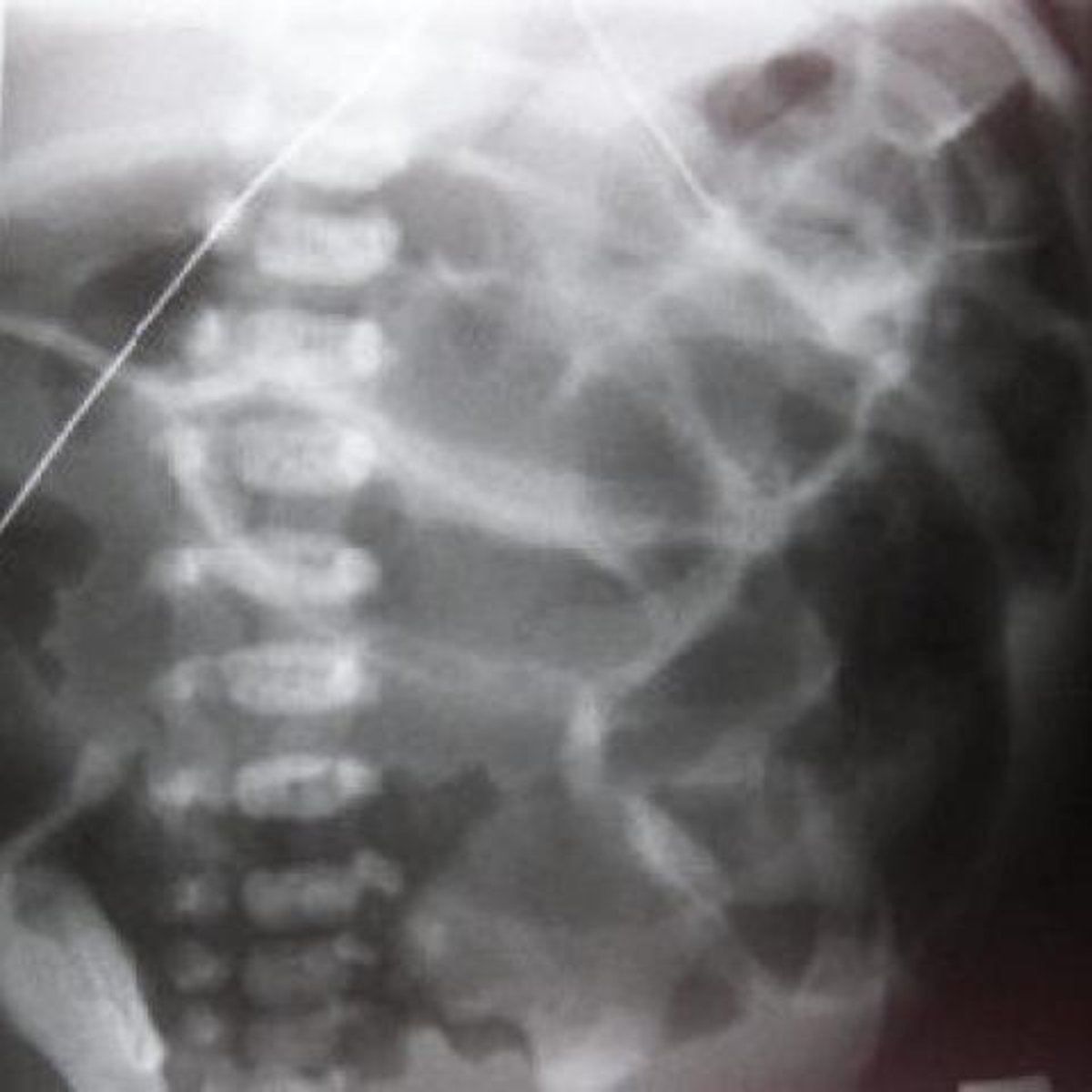
What is the genetic basis of cystic fibrosis?
It is an autosomal recessive disorder caused by mutations in the CFTR gene.
What is the primary organ affected by cystic fibrosis?
The lungs, leading to chronic cough and infections.
What dietary recommendations are made for cystic fibrosis patients?
A high-calorie, high-fat, and high-protein diet.
What is the role of pancreatic enzymes in cystic fibrosis management?
Pancrelipase must be taken with every meal to aid digestion and prevent malabsorption.
What is a common respiratory complication in cystic fibrosis?
Recurrent lung infections due to thick mucus.
What is the significance of clubbed fingers in respiratory diseases?
It indicates chronic hypoxia, often seen in conditions like cystic fibrosis.
What is the impact of chronic bronchitis on blood gases?
It leads to earlier hypoxemia and CO₂ retention compared to emphysema.
What are the signs of cor pulmonale in COPD patients?
Peripheral edema and jugular venous distension (JVD).
What is the risk associated with high-flow oxygen in COPD patients?
It may suppress the hypoxic drive, leading to respiratory depression.
What is the typical respiratory drive in normal individuals?
CO₂ levels are the primary stimulus for breathing.
What happens to the respiratory drive in chronic COPD?
CO₂ is always elevated, leading to a shift to hypoxic drive.
What is the importance of monitoring respiratory rate after starting oxygen in COPD patients?
A drop in respiratory rate may indicate loss of hypoxic drive.
What is the typical presentation of a patient with cystic fibrosis?
Chronic cough, thick sputum, recurrent lung infections, and salty skin.
What is the risk of cross-infection in cystic fibrosis patients?
CF patients should not room together due to the risk of cross-infection with Pseudomonas strains.