Chapter 7: Cell Structure and Function
 Call Kai
 Learn
Learn Practice Test
 Spaced Repetition
 Match
Match Flashcards
 Knowt Play
1/29

There's no tags or description
Looks like no tags are added yet.
Name | Mastery | Learn | Test | Matching | Spaced | Call with Kai |
|---|
No analytics yet
Send a link to your students to track their progress
30 Terms
cell
basic unit of all forms of life
cell theory
fundamental concept of biology that states that all living things are composed of cells; that cells are the basic units of structure and function in living things; and that new cells are produced from existing cells
cell membrane
thin, flexible barrier around a cell; regulates what enters and leaves the cell
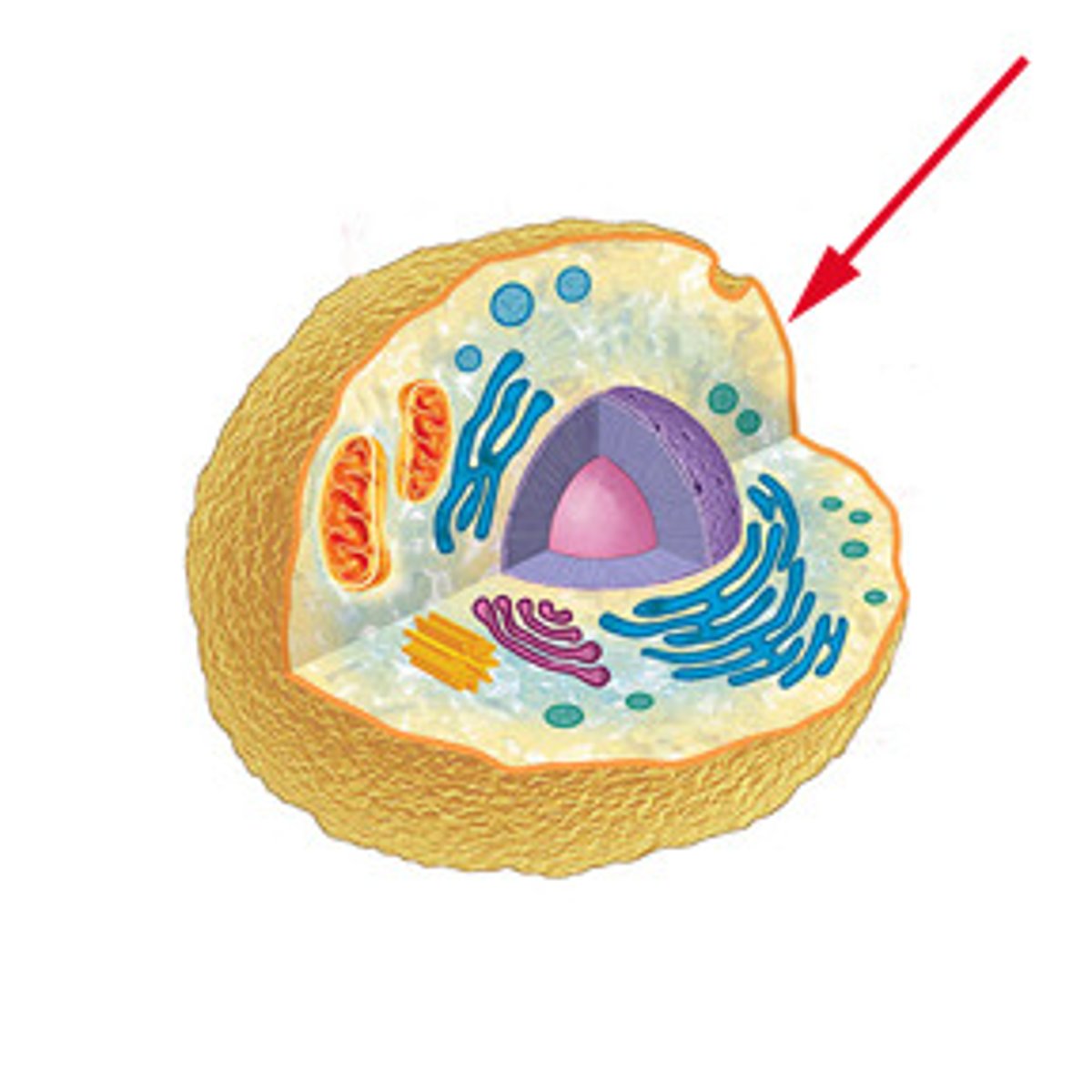
nucleus
structure that contains the cell's genetic material in the form of DNA
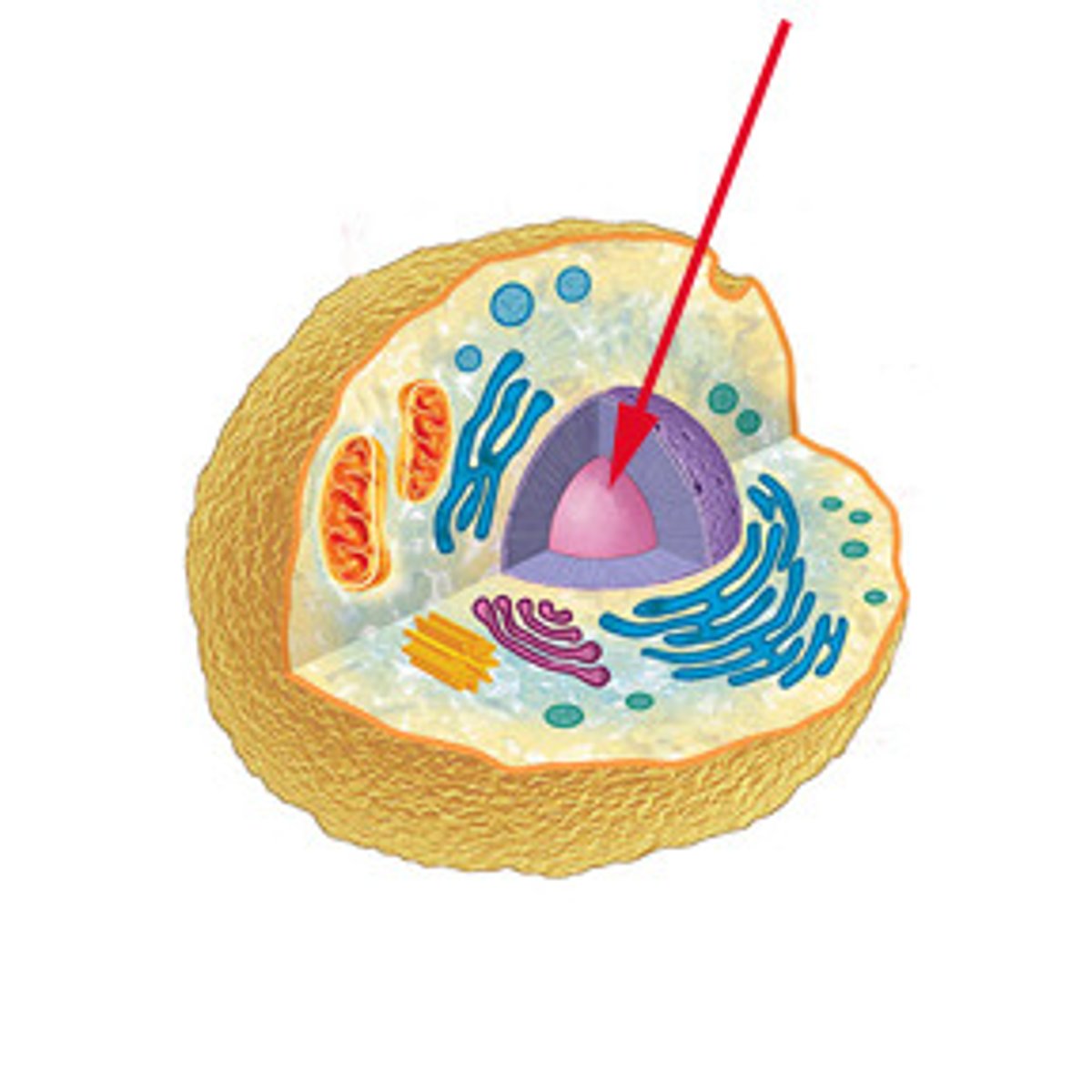
eukaryote
organism whose cells contain a nucleus
prokaryote
unicellular organism that lacks a nucleus
cytoplasm
all cellular contents outside of the nucleus
organelle
specialized structure that performs important cellular functions within a eukaryotic cell
vacuole
Cell organelle that stores materials such as water, salts, proteins, and carbohydrates
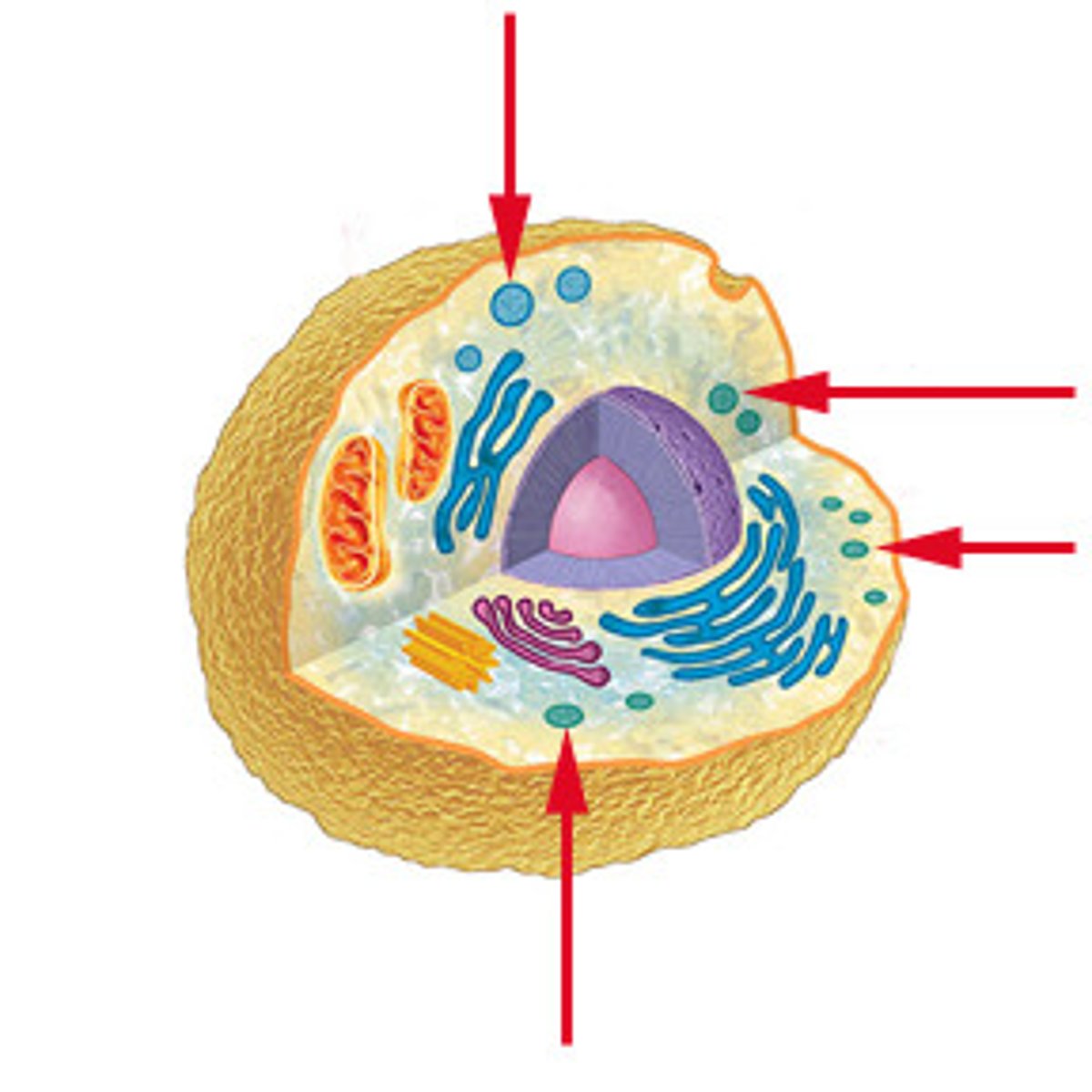
lysosome
cell organelle that breaks down lipids, carbohydrates, and proteins into small molecules that can be used by the rest of the cell
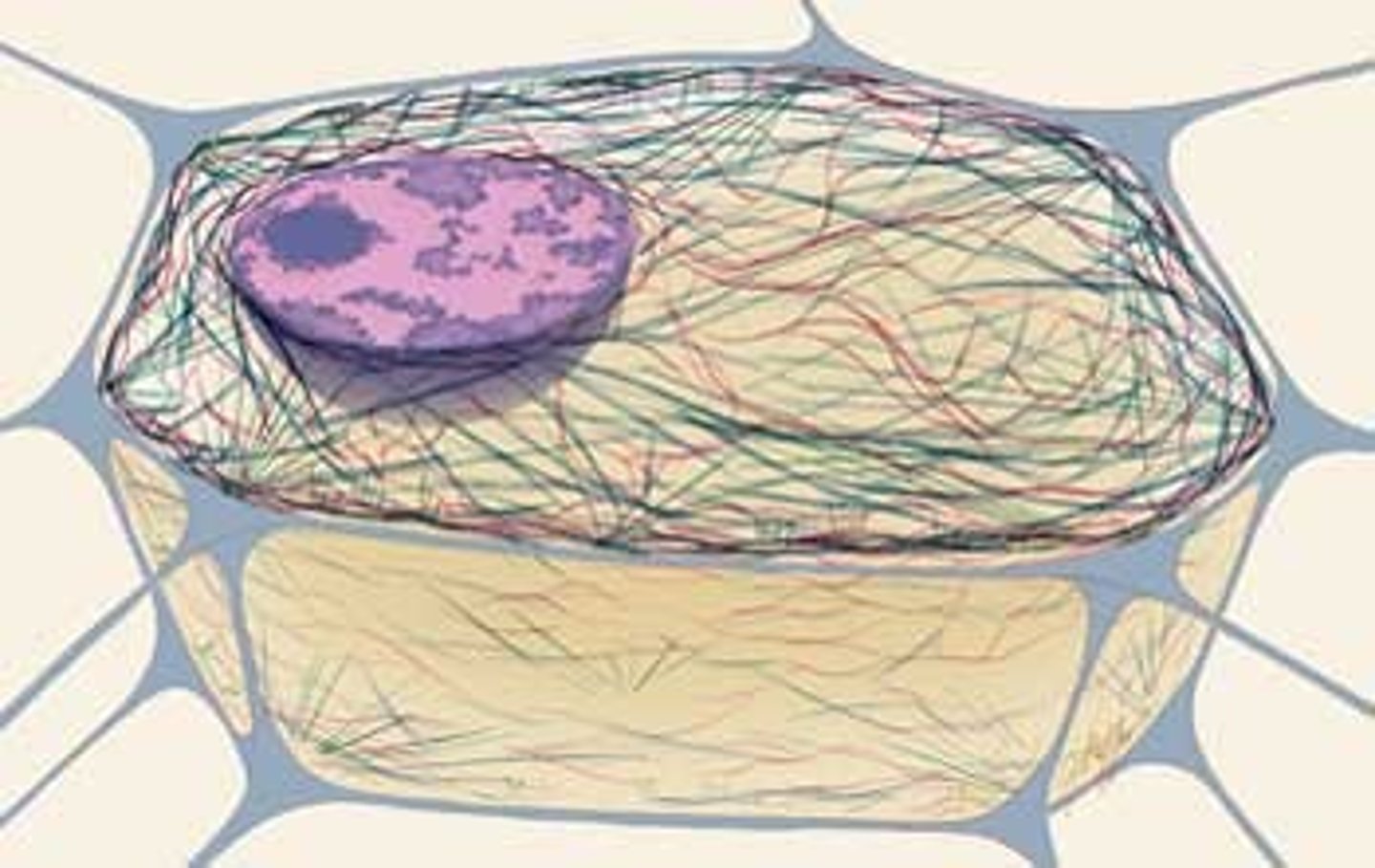
cytoskeleton
network of protein filaments in a eukaryotic cell that gives the cell its shape and internal organization and is involved in movement
centriole
structure in an animal cell that helps to organize cell division
ribosome
cell organelle consisting of RNA and protein found throughout the cytoplasm in a cell; the site of protein synthesis
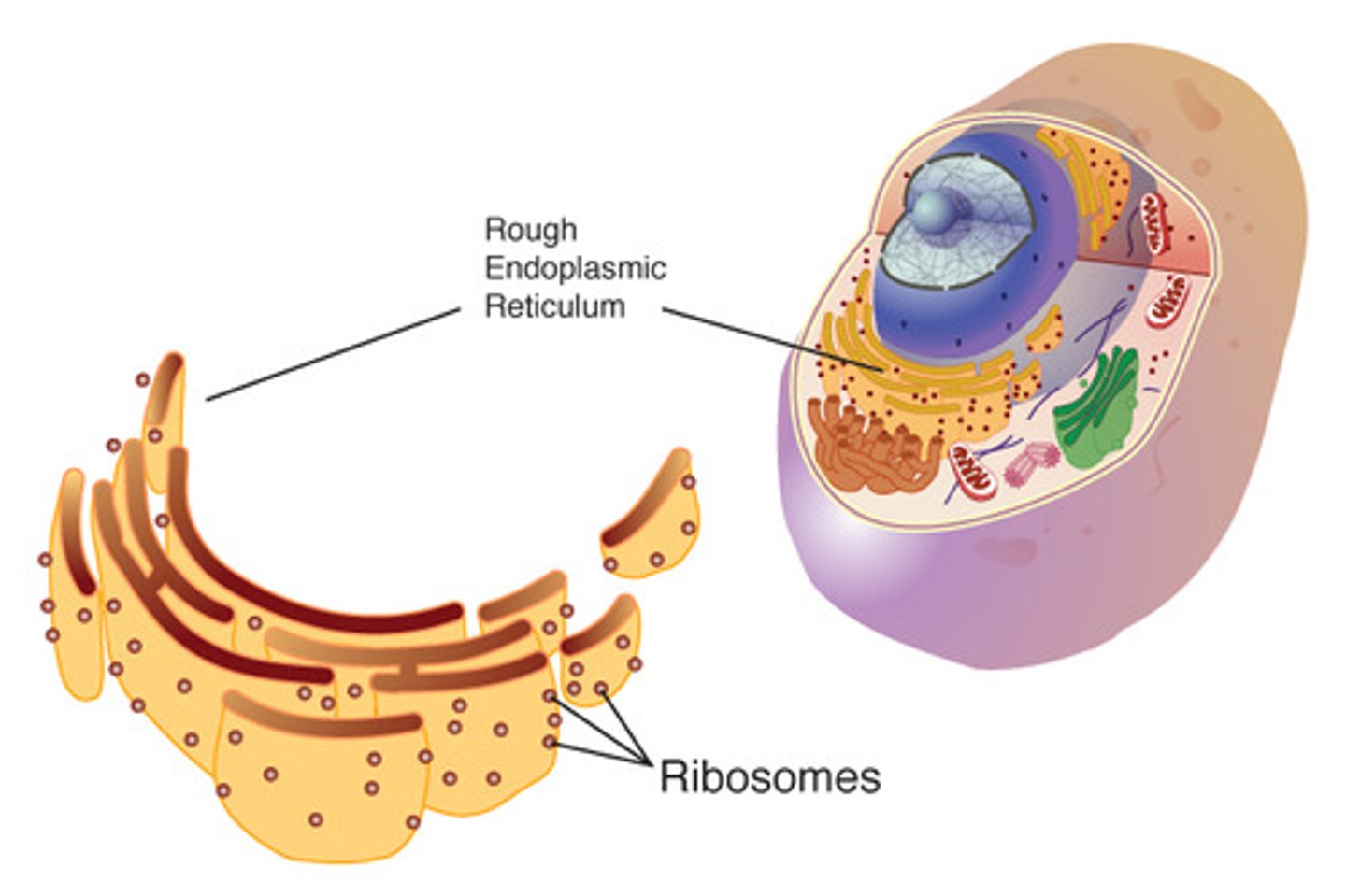
endoplasmic reticulum
internal membrane system found in eukaryotic cells; place where lipid components of the cell membrane are assembled
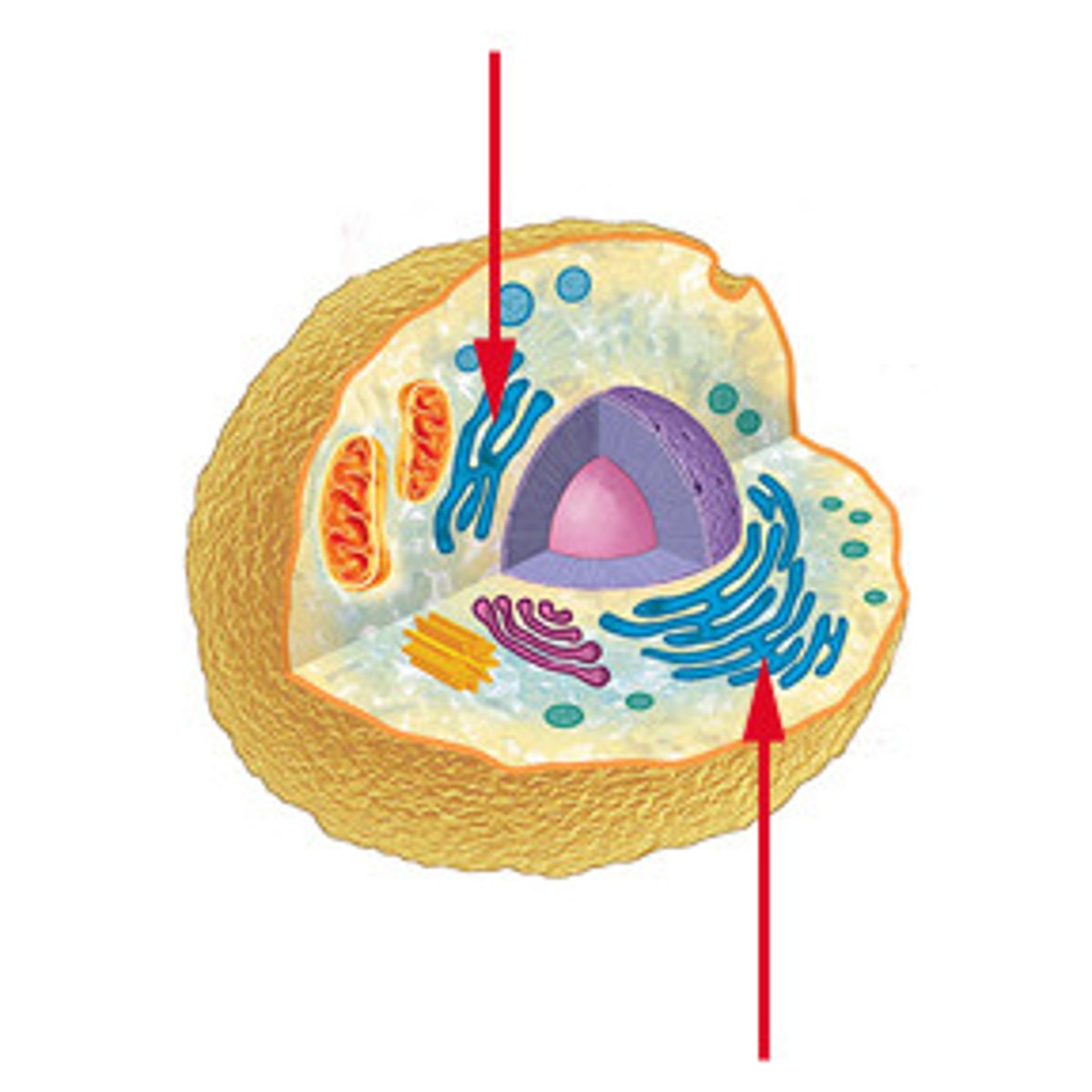
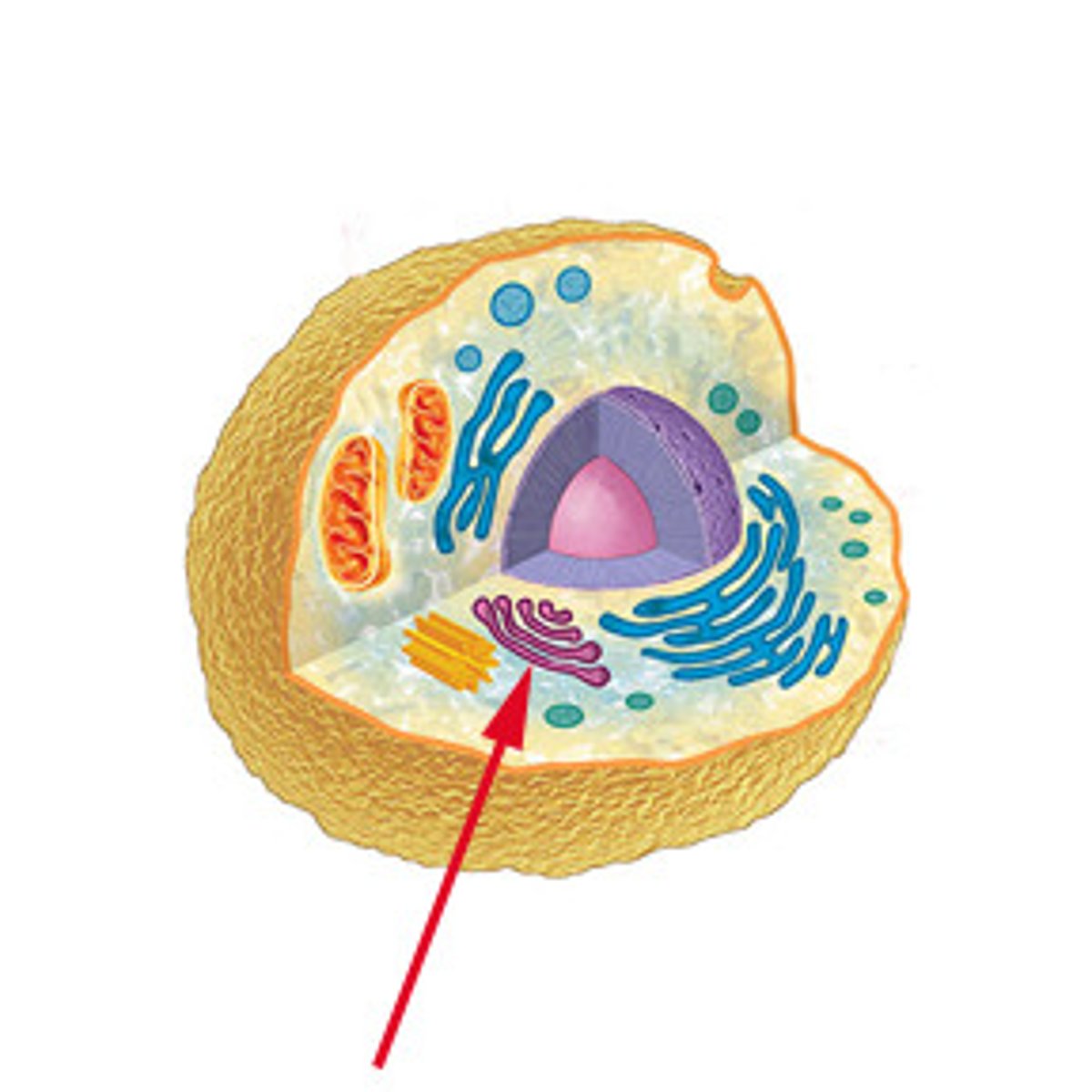
golgi apparatus
organelle in cells that modifies, sorts, and packages proteins and other materials from the endoplasmic reticulum for storage in the cell or release outside the cell
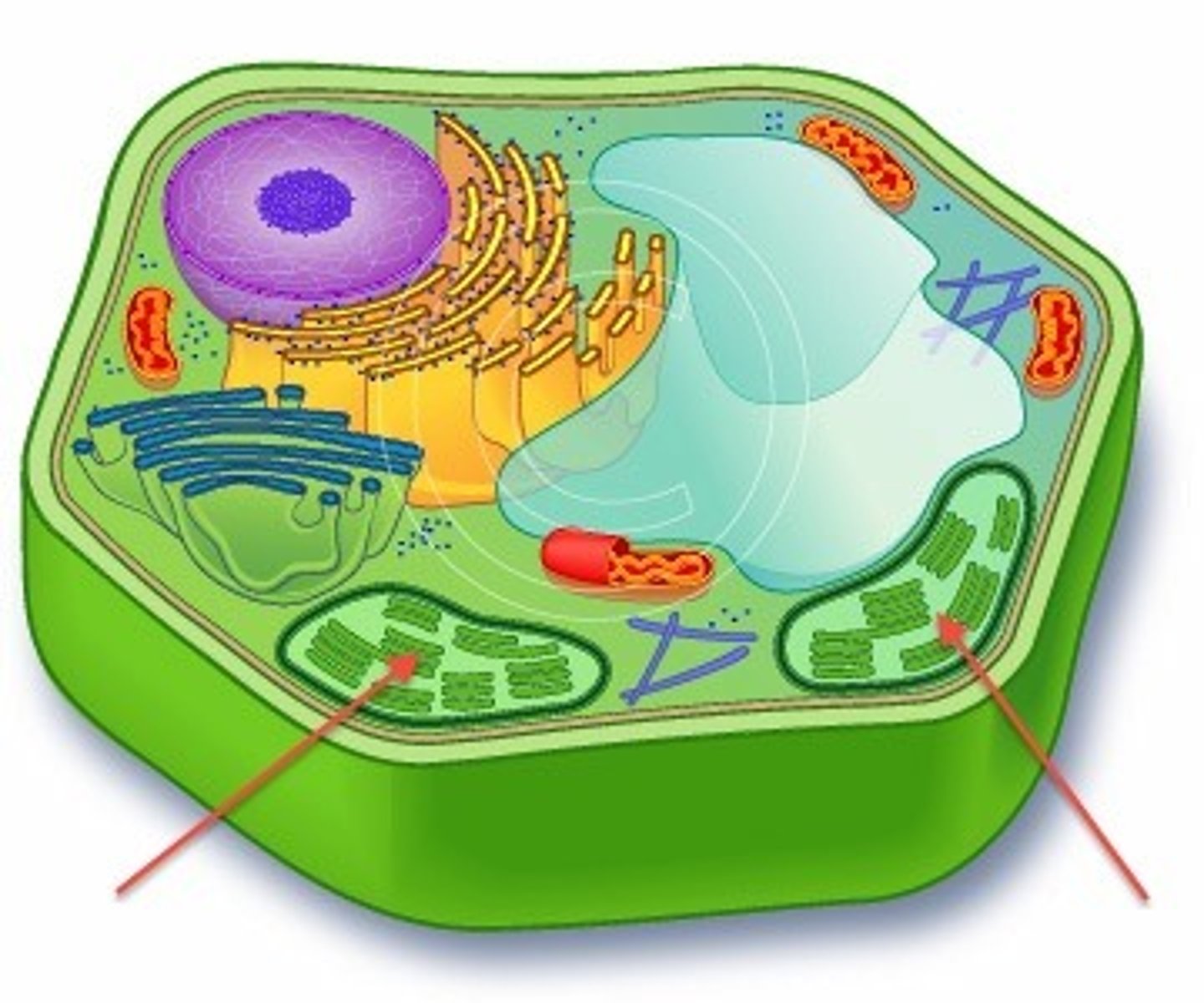
chloroplast
organelle found in cells of plants and some other organisms that captures the energy from sunlight and converts it into chemical energy
mitochondrion
cell organelle that converts the chemical energy stored in food into compounds that are more convenient for the cell to use
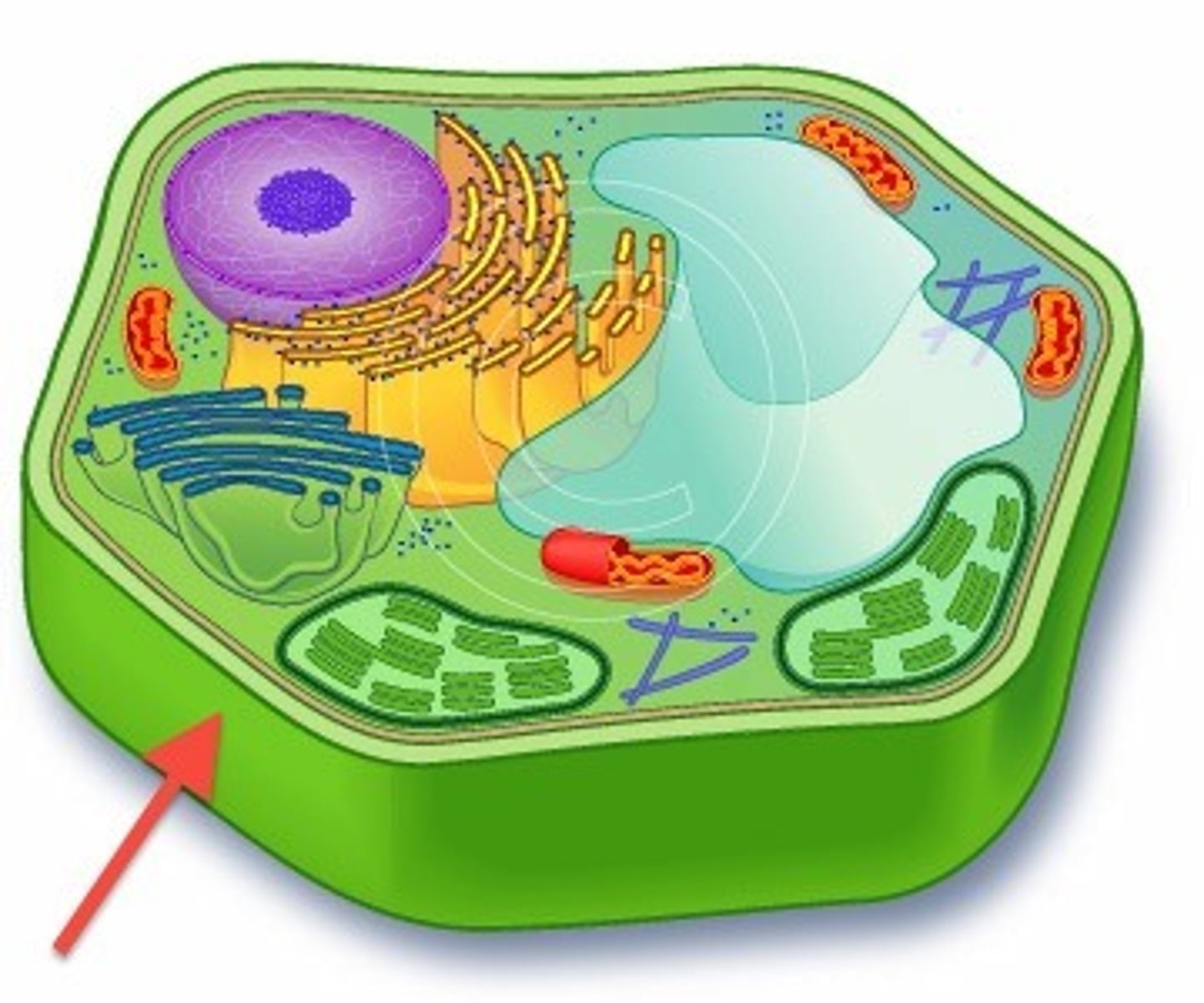
cell wall
strong, supporting layer around the cell membrane in some cells
lipid bilayer
flexible double-layered sheet that makes up the cell membrane and forms a barrier between the cell and its surroundings
selectively permeable
property of biological membranes that allows some substances to pass across it while others cannot; also called semipermeable membrane
diffusion
process by which molecules tend to move from an area where they are more concentrated to an area where they are less concentrated
facilitated diffusion
process of diffusion in which molecules pass across the membrane through cell membrane channels
aquaporin
water channel protein in a cell
osmosis
Diffusion of water through a selectively permeable membrane
isotonic
when the concentration of two solutions is the same
hypertonic
when comparing two solutions, the solution with the greater concentration of solutes
hypotonic
when comparing two solutions, the solution with the lesser concentration of solutes
homeostasis
relatively constant internal physical and chemical conditions that organisms maintain
tissue
group of similar cells that perform a particular function
organ
group of tissues that work together to perform closely related functions