10- CARBOXYLIC ACIDS & DERIVATIVES
 Call Kai
 Learn
Learn Practice Test
 Spaced Repetition
 Match
Match Flashcards
 Knowt Play
1/46

There's no tags or description
Looks like no tags are added yet.
Name | Mastery | Learn | Test | Matching | Spaced | Call with Kai |
|---|
No analytics yet
Send a link to your students to track their progress
47 Terms
d. Electron-poor carbonyl carbon = welcomes nucleophiles
Reactivity property of carboxylic acids and derivatives describing their carbonyl carbon
a. Electron-rich carbonyl carbon = welcomes electrophiles
b. Electron-poor carbonyl carbon = welcomes electrophiles
c. Electron-rich carbonyl carbon = welcomes nucleophiles
d. Electron-poor carbonyl carbon = welcomes nucleophiles
c. Nucleophilic Acyl Substitution
Common mechanism for reactions of carboxylic acids and derivatives
a. Electrophilic Aromatic Substitution
b. Nucleophilic Addition
c. Nucleophilic Acyl Substitution
d. Free Radical Substitution
d. Formic
Monocarboxylic acid with 1 carbon
a. Acetic
b. Propionic
c. Butyric
d. Formic
c. Acetic
Monocarboxylic acid with 2 carbons
a. Formic
b. Propionic
c. Acetic
d. Butyric
d. Propionic
Monocarboxylic acid with 3 carbons
a. Butyric
b. Acetic
c. Valeric
d. Propionic
b. Butyric
Monocarboxylic acid with 4 carbons
a. Valeric
b. Butyric
c. Caproic
d. Propionic
d. Valeric
Monocarboxylic acid with 5 carbons
a. Caproic
b. Butyric
c. Enanthic
d. Valeric
c. Caproic
“Capr6ic”
Monocarboxylic acid with 6 carbons
a. Enanthic
b. Capric
c. Caproic
d. Caprylic
d. Enanthic
Monocarboxylic acid with 7 carbons
a. Caprylic
b. Caproic
c. Pelargonic
d. Enanthic
d. Caprylic
“eyt=8” → “Caprylic”
Monocarboxylic acid with 8 carbons
a. Pelargonic
b. Caproic
c. Capric
d. Caprylic
c. Pelargonic
Monocarboxylic acid with 9 carbons
a. Capric
b. Caprylic
c. Pelargonic
d. Caproic
a. Capric
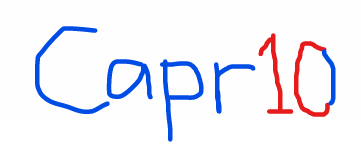
Monocarboxylic acid with 10 carbons
a. Capric
b. Caproic
c. Caprylic
d. Enanthic
b. Oxalic
“2C-10C → Oh My Such Good Apple Pie Sweet As Sugar”
Dicarboxylic acid with 2 carbons
a. Malonic
b. Oxalic
c. Succinic
d. Glutaric
c. Malonic
“2C-10C → Oh My Such Good Apple Pie Sweet As Sugar”
Dicarboxylic acid with 3 carbons
a. Oxalic
b. Succinic
c. Malonic
d. Glutaric
d. Succinic
“2C-10C → Oh My Such Good Apple Pie Sweet As Sugar”
Dicarboxylic acid with 4 carbons
a. Malonic
b. Glutaric
c. Oxalic
d. Succinic
d. Glutaric
“2C-10C → Oh My Such Good Apple Pie Sweet As Sugar”
Dicarboxylic acid with 5 carbons
a. Adipic
b. Succinic
c. Pimelic
d. Glutaric
a. Adipic
“2C-10C → Oh My Such Good Apple Pie Sweet As Sugar”
Dicarboxylic acid with 6 carbons
a. Adipic
b. Pimelic
c. Glutaric
d. Suberic
c. Pimelic
“2C-10C → Oh My Such Good Apple Pie Sweet As Sugar”
Dicarboxylic acid with 7 carbons
a. Adipic
b. Suberic
c. Pimelic
d. Azelaic
d. Suberic
“2C-10C → Oh My Such Good Apple Pie Sweet As Sugar”
Dicarboxylic acid with 8 carbons
a. Pimelic
b. Azelaic
c. Sebacic
d. Suberic
c. Azelaic
“2C-10C → Oh My Such Good Apple Pie Sweet As Sugar”
Dicarboxylic acid with 9 carbons
a. Suberic
b. Sebacic
c. Azelaic
d. Pimelic
d. Sebacic
“2C-10C → Oh My Such Good Apple Pie Sweet As Sugar”
Dicarboxylic acid with 10 carbons
a. Azelaic
b. Suberic
c. Pimelic
d. Sebacic
c. Conversion to Acyl Halides
Reaction of carboxylic acids involving conversion to acyl halides using SOCl₂
a. Esterification
b. Aminolysis
c. Conversion to Acyl Halides
d. Hydration
d. SOCl₂

Reagent used to convert R-COOH to an acyl halide (R-C=O-Cl)
a. PBr₃
b. KOH
c. NH₃
d. SOCl₂
c. Acyl halide
Product formed when R-COOH reacts with SOCl₂
a. Ester
b. Amide
c. Acyl halide
d. Alcohol
c. Esterification/Alcoholysis
Reaction of carboxylic acids with R'OH to produce an ester
a. Aminolysis
b. Hydration
c. Esterification/Alcoholysis
d. Conversion to Acyl Halides
c. Alcoholysis
Another name for Esterification
a. Aminolysis
b. Hydrolysis
c. Alcoholysis
d. Acylation
d. Ester

Product formed when R-COOH reacts with R'OH during Esterification
a. Amide
b. Acyl halide
c. Alcohol
d. Ester
d. Conversion to Amides/Aminolysis
Reaction of carboxylic acids with NH₃ to produce an amide
a. Esterification
b. Conversion to Acyl Halides
c. Hydrolysis
d. Conversion to Amides/Aminolysis
c. Ammonium salt (R-COO⁻NH₄⁺)
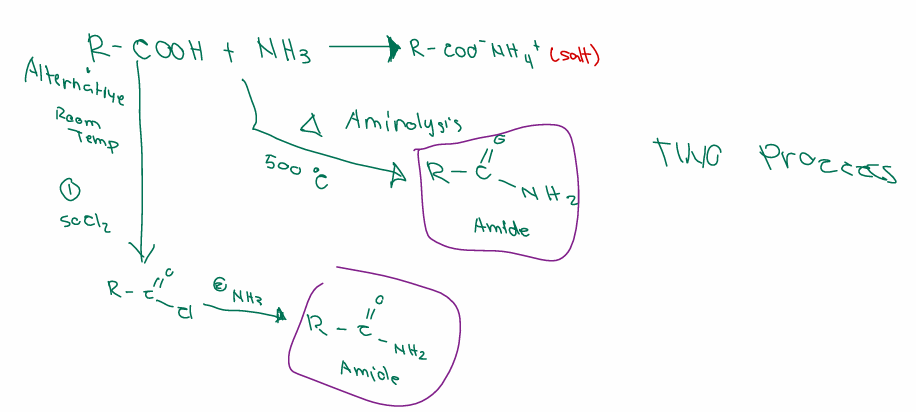
Initial product formed at room temperature when R-COOH reacts with NH₃
a. Amide
b. Acyl halide
c. Ammonium salt (R-COO⁻NH₄⁺)
d. Ester
d. 500°C
Temperature required for Aminolysis (direct method) to convert the ammonium salt to an amide
a. 100°C
b. 200°C
c. 300°C
d. 500°C
c. Two
Number of processes available for Conversion to Amides/Aminolysis
a. Four
b. Three
c. Two
d. One
b. R-COOH → Acyl halide (R-C=O-Cl) via SOCl₂
First step of the alternative process for Conversion to Amides using SOCl₂
a. R-COOH + NH₃ → Amide directly
b. R-COOH → Acyl halide (R-C=O-Cl) via SOCl₂
c. R-COOH + R'OH → Ester
d. R-COOH → Ammonium salt via NH₃
c. Acyl halide + NH₃ → Amide
Second step of the alternative process for Conversion to Amides after forming the acyl halide
a. Acyl halide + R'OH → Ester
b. Acyl halide + H₂O → Carboxylic acid
c. Acyl halide + NH₃ → Amide
d. Acyl halide + KOH → Alcohol
c. R-COOH + NH₃ → Ammonium salt → (500°C) → Amide
Correct sequence of the direct method for Conversion to Amides
a. R-COOH + NH₃ → Amide (room temp, no heat needed)
b. R-COOH + SOCl₂ → Acyl halide + NH₃ → Amide
c. R-COOH + NH₃ → Ammonium salt → (500°C) → Amide
d. R-COOH + R'OH → Ester + NH₃ → Amide
b. R-COOH + SOCl₂ → Acyl halide + NH₃ → Amide
Correct sequence of the alternative method for Conversion to Amides
a. R-COOH + NH₃ → Ammonium salt → (500°C) → Amide
b. R-COOH + SOCl₂ → Acyl halide + NH₃ → Amide
c. R-COOH + R'OH → Ester + NH₃ → Amide
d. R-COOH + H₂O → Hydrate + NH₃ → Amide
d. Hydrolysis
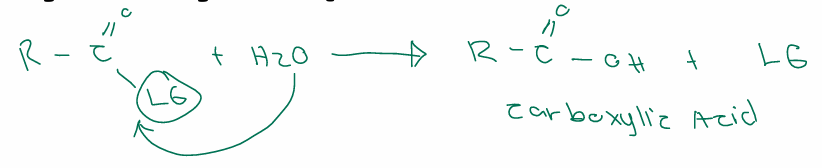
Reaction of all carboxylic acid derivatives involving addition of H₂O to produce a carboxylic acid and a leaving group
a. Saponification
b. Esterification
c. Aminolysis
d. Hydrolysis
b. Carboxylic acid and leaving group
Product formed when any carboxylic acid derivative undergoes Hydrolysis
a. Ester and alcohol
b. Carboxylic acid and leaving group
c. Amide and water
d. Acyl halide and amine
c. Saponification
Base-mediated hydrolysis of carboxylic acid derivatives
a. Aminolysis
b. Alcoholysis
c. Saponification
d. Esterification
d. NaOH and H₂O

Reagents used in Saponification of carboxylic acid derivatives
a. H₂O and HCl
b. SOCl₂ and H₂O
c. NH₃ and H₂O
d. NaOH and H₂O
c. Na⁺ (soap)
Product formed when a carboxylic acid derivative undergoes Saponification using NaOH and H₂O
a. Amide
b. Ester
c. Na⁺ (soap)
d. Acyl halide
d. LiAlH₄
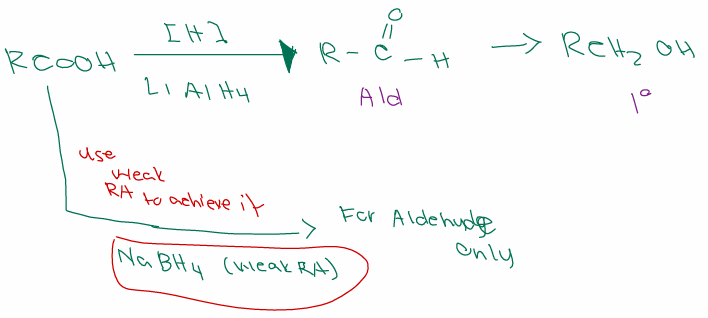
Strong reducing agent used to reduce a carboxylic acid (RCOOH) to an aldehyde then to a primary alcohol
a. NaBH₄
b. K₂Cr₂O₇
c. PCC
d. LiAlH₄
a. RCOOH → Aldehyde → Primary alcohol
Correct sequence of products in the Redox (reduction) of carboxylic acids using LiAlH₄
a. RCOOH → Aldehyde → Primary alcohol
b. RCOOH → Primary alcohol → Aldehyde
c. RCOOH → Ketone → Secondary alcohol
d. RCOOH → Aldehyde → Secondary alcohol
d. Primary alcohol
Final product formed when a carboxylic acid undergoes complete reduction using LiAlH₄
a. Secondary alcohol
b. Aldehyde
c. Ketone
d. Primary alcohol
c. NaBH₄
Weak reducing agent used to achieve reduction to aldehyde only from carboxylic acids
a. LiAlH₄
b. K₂Cr₂O₇
c. NaBH₄
d. KMnO₄
d. Aldehyde only
Product formed when a carboxylic acid is reduced using NaBH₄
a. Primary alcohol
b. Ketone
c. Secondary alcohol
d. Aldehyde only
c. LiAlH₄ produces primary alcohol; NaBH₄ produces aldehyde only
Key distinction between LiAlH₄ and NaBH₄ as reducing agents for carboxylic acids
a. LiAlH₄ produces aldehyde only; NaBH₄ produces primary alcohol
b. Both produce primary alcohol as final product
c. LiAlH₄ produces primary alcohol; NaBH₄ produces aldehyde only
d. Both produce aldehyde as final product
d. Saponification
Among Hydrolysis and Saponification, the one that is base-mediated is
a. Both Hydrolysis and Saponification
b. Hydrolysis
c. Neither; both are acid-mediated
d. Saponification