Developmental and Physical Assessment in Special Populations: Infants to Older Adults
 Call Kai
 Learn
Learn Practice Test
 Spaced Repetition
 Match
Match Flashcards
 Knowt Play
1/106

There's no tags or description
Looks like no tags are added yet.
Name | Mastery | Learn | Test | Matching | Spaced | Call with Kai |
|---|
No analytics yet
Send a link to your students to track their progress
107 Terms
What is developmental assessment?
It evaluates whether an individual is achieving expected milestones in physical, cognitive, emotional, and social domains.
How is growth defined in developmental terms?
Growth refers to measurable changes, such as physical growth in height and weight.
What does development encompass?
Development includes psychosocial, cognitive, and language development, which can be both quantitative and qualitative.
What are developmental tasks?
Learning processes associated with a particular stage of development that contribute to psychological well-being when accomplished.
Who proposed the psychosocial development theory?
Erik Erikson.

What is the first stage of Erikson's psychosocial development?
Trust vs. Mistrust, where infants develop a sense of trust when caregivers provide reliability and affection.
What virtue is associated with the Trust vs. Mistrust stage?
Hope.
What is the focus of the Autonomy vs. Shame & Doubt stage?
Toddlers learn independence through tasks such as feeding and toilet training.
What virtue is developed during the Autonomy vs. Shame & Doubt stage?
Free will.
What is the main task during the Initiative vs. Guilt stage?
Children assert control over their environment through play and social interactions.
What virtue is associated with the Initiative vs. Guilt stage?
Purpose.
What do children develop during the Industry vs. Inferiority stage?
A sense of pride in their accomplishments and abilities through social interactions.
What virtue is developed during the Industry vs. Inferiority stage?
Competence.
What is the primary concern during the Identity vs. Confusion stage?
Adolescents explore their self-identity and belonging.
What virtue is associated with the Identity vs. Confusion stage?
Fidelity.
What is the focus of the Intimacy vs. Isolation stage?
Young adults seek to form intimate relationships and commitments.
What virtue is developed during the Intimacy vs. Isolation stage?
Love.
What does Generativity vs. Stagnation refer to?
Middle adults focus on contributing to the next generation and feeling needed.
What virtue is associated with Generativity vs. Stagnation?
Care.
What is the main task during the Ego Integrity vs. Despair stage?
Older adults reflect on their lives and seek a sense of fulfillment and wisdom.
What virtue is developed during the Ego Integrity vs. Despair stage?
Wisdom.
Who developed the theory of cognitive development?
Jean Piaget.
What is the first stage in Piaget's cognitive development theory?
Sensorimotor Stage (Birth - 2 years), where infants learn through their senses and motor actions.
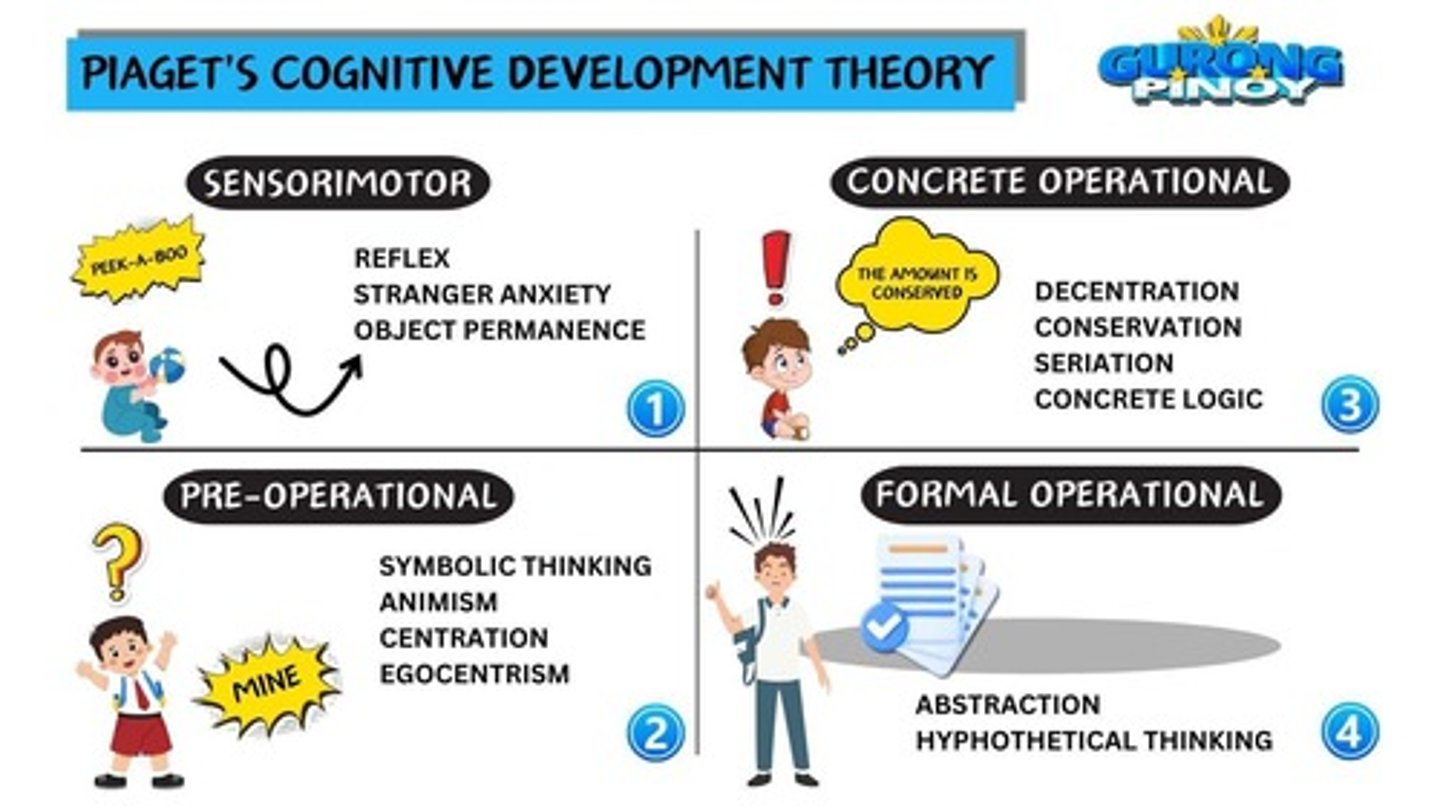
What is object permanence?
The understanding that objects continue to exist even when they cannot be seen, heard, or touched.
What is the focus of cognitive development according to Piaget?
The gradual development of cognitive abilities as a child interacts with their environment.
What is the significance of Erikson's psychosocial stages?
They emphasize how social relationships shape our sense of self throughout the lifespan.
What happens if a developmental conflict remains unresolved, according to Erikson?
It can negatively affect future stages and overall well-being.
What is the role of caregivers during the Autonomy vs. Shame & Doubt stage?
To help toddlers learn how to choose appropriately and support them without doing tasks for them.
What can result from failure in the Initiative vs. Guilt stage?
Feelings of guilt, self-doubt, and lack of initiative.
What is the Sensorimotor Stage in Piaget's theory?
The stage from birth to 2 years where infants learn through sensory experiences and motor actions.
What is the Preoperational Stage in Piaget's theory?
The stage from 2 to 7 years where children form stable concepts and begin mental reasoning.
What cognitive abilities develop during the Preoperational Stage?
Children develop language, symbolic gestures, egocentrism, and animism.
Define egocentrism in the context of child development.
The difficulty children have in understanding that others have different perspectives, knowledge, or feelings.
What is animism in child development?
The belief that inanimate objects have human feelings, thoughts, and intentions.
What is the Concrete Operations Stage in Piaget's theory?
The stage from 7 to 11 years where children master concepts like conservation, classification, and reversibility.
What is conservation in Piaget's theory?
The ability to recognize that quantity remains the same despite changes in shape or appearance.
What does reversibility mean in cognitive development?
The ability to mentally reverse actions, understanding that reshaping does not change the amount.
What is seriation?
The cognitive process of arranging items in a specific logical order based on characteristics like size or color.
What is classification in Piaget's Concrete Operations Stage?
The ability to group items logically by multiple features.
What is the Formal Operations Stage in Piaget's theory?
The stage from 11 years and older where individuals use abstract reasoning and hypothetical-deductive reasoning.
What is metacognition?
The ability to think about one's own thinking processes.
What are the two types of intellectual skills described by Santrock?
Crystallized intelligence and fluid intelligence.
Define crystallized intelligence.
Accumulated knowledge and skills based on education and life experiences.
Define fluid intelligence.
Abilities involved in acquiring new knowledge and skills.
What is expertise according to Santrock?
Extensive, highly organized knowledge and understanding of a particular domain gained through experience.
What characterizes wisdom in older adults?
Expert knowledge system that includes knowledge, judgment, and the ability to address important life matters.
What is the APGAR score used for?
To evaluate a newborn's transition from intrauterine to extrauterine life.
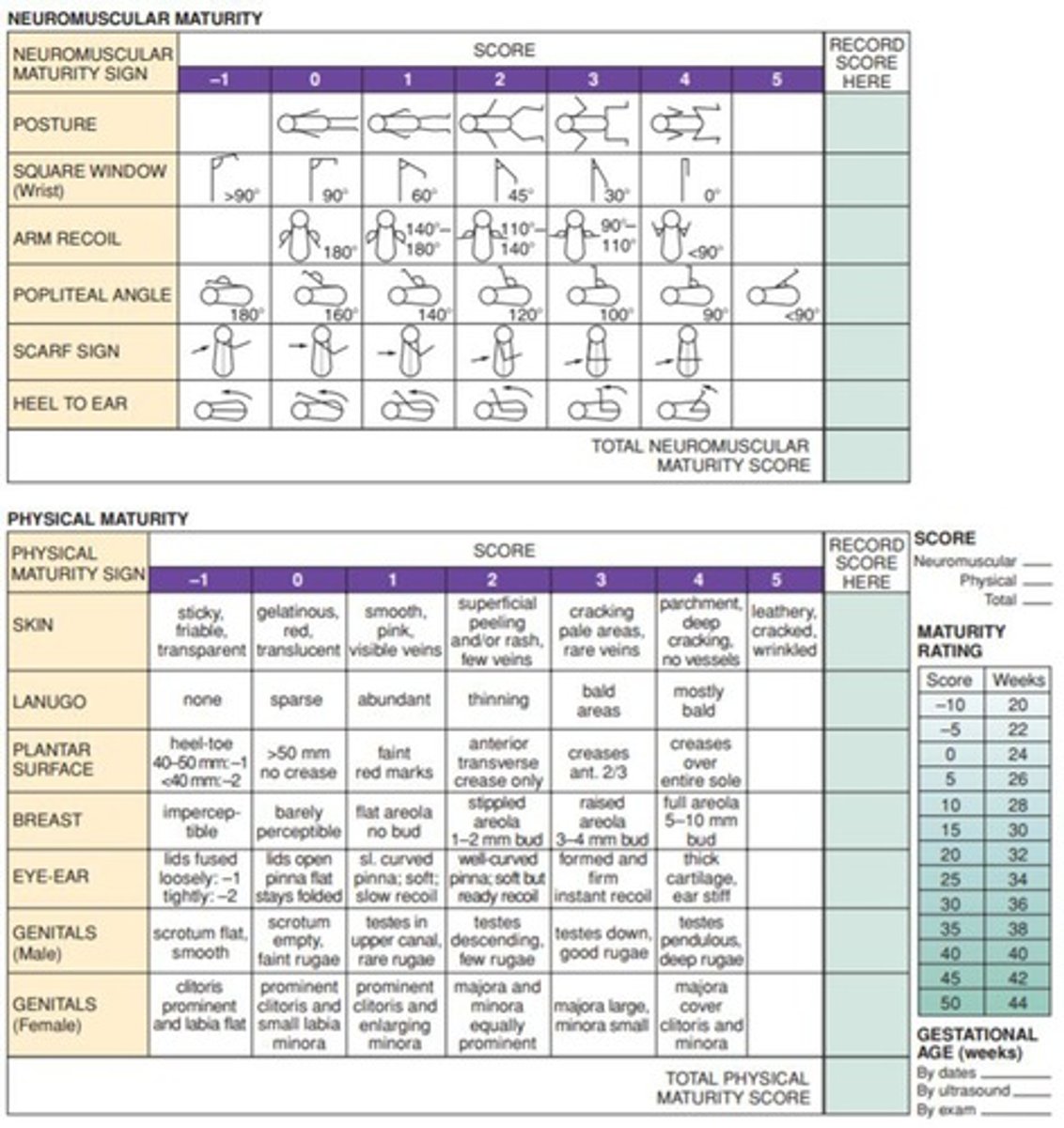
What does the New Ballard Score assess?
Gestational age by evaluating the newborn's degree of maturity.
What are the two types of maturity assessed by the New Ballard Score?
Neuromuscular maturity and physical maturity.
What does neuromuscular maturity reflect?
CNS development and muscle tone.
What age range does the Middle Adult stage cover?
40 to 50 years.
What is a common cognitive change in older adults?
Decline in processing speed and memory, often compensated by new strategies.
What does an increase in flexion indicate in newborn posture?
Increased maturity.
What does the square window test assess?
Wrist flexibility as an indicator of maturity.
What does quick arm recoil indicate in infants?
Maturity.
What does the popliteal angle measure?
Resistance to leg extension.
What does the scarf sign assess?
How far the elbow crosses the chest.
What does the heel-to-ear test measure?
Resistance when moving the foot towards the ear.
What is the posture of preterm infants?
Hypotonia, characterized by more extended posture.
What is the posture of term infants?
Flexed posture with arms and legs towards the head.
What is the purpose of the APGAR score?
To quickly evaluate a newborn's cardiopulmonary adaptation after birth.
When is the APGAR score assessed?
At 1 minute and 5 minutes after birth, and reassessed if the score is <7.
What does the 'A' in APGAR stand for?
Appearance.
What does the 'P' in APGAR represent?
Pulse.
What does the 'G' in APGAR measure?
Grimace response.
What does the 'A' in APGAR indicate?
Activity level.
What does the 'R' in APGAR assess?
Respiration.
What is a normal heart rate for newborns?
120-160 bpm, which may rise to 180 bpm when crying.
What is the normal respiratory rate for newborns?
30-60 breaths per minute.
What is the normal blood pressure range for newborns?
Systolic: 50-70 mmHg.
What is the normal birth weight range for newborns?
2.5-3.5 kg.
How much should a newborn's weight increase by 6 months?
Double the birth weight.
What is the average length of a newborn?
45-55 cm.
What is the average head circumference at birth?
33-35 cm.
When does the anterior fontanelle close?
12-18 months.
What is the significance of chest circumference in newborns?
Normal range is 30 to 33 cm; less than 30 cm indicates prematurity.
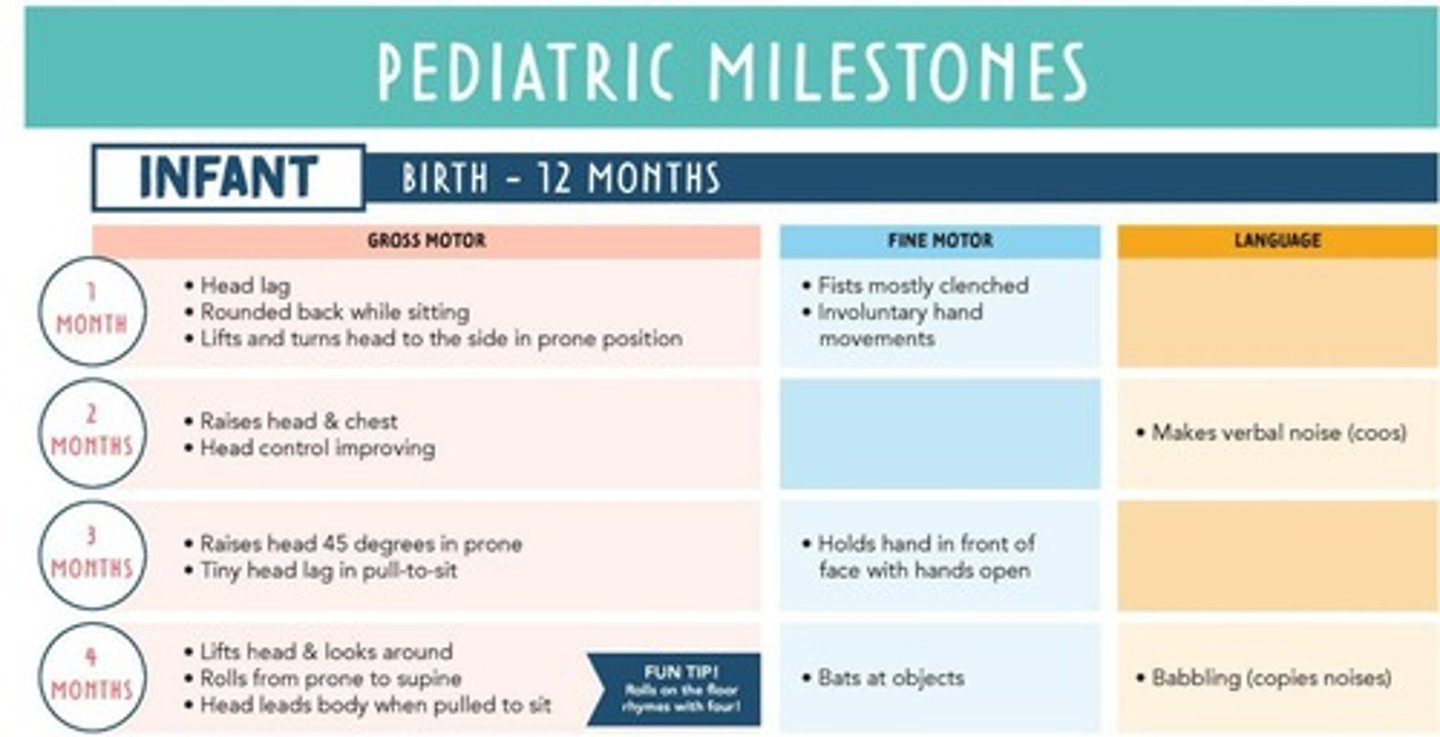
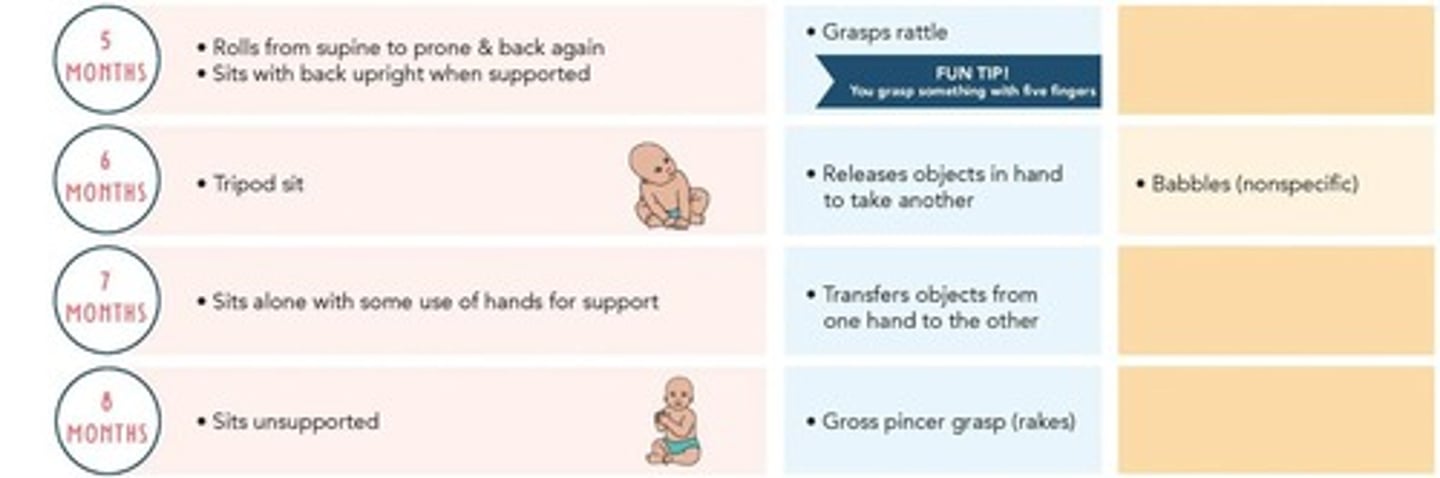
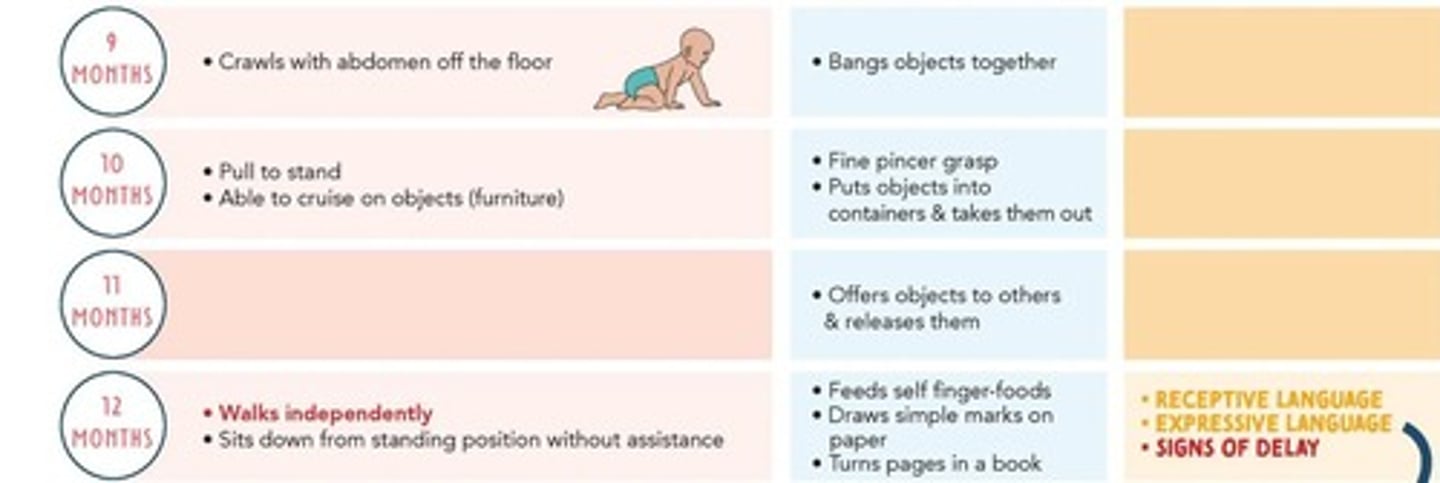
What are the patterns of motor development in infants?
Cephalocaudal, proximodistal, and gross to fine motor skills.
When does rapid vocabulary development occur in infants?
Between 0-3 years.

When does separation anxiety typically begin in infants?
6-7 months.
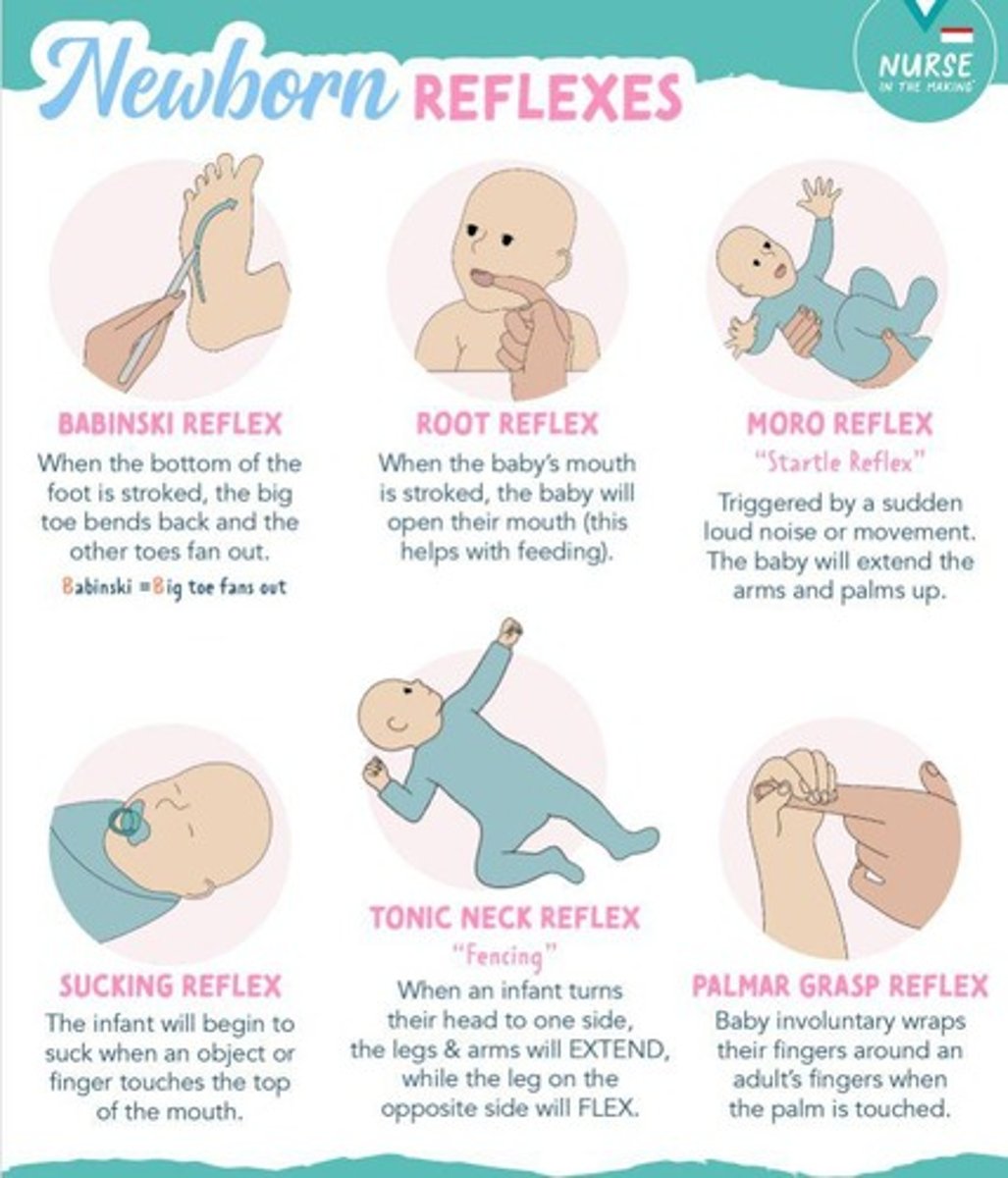
What represents normal attachment development in infants?
Separation anxiety, which peaks at 10-18 months.
How should height be measured for children under 2 years?
While lying flat.
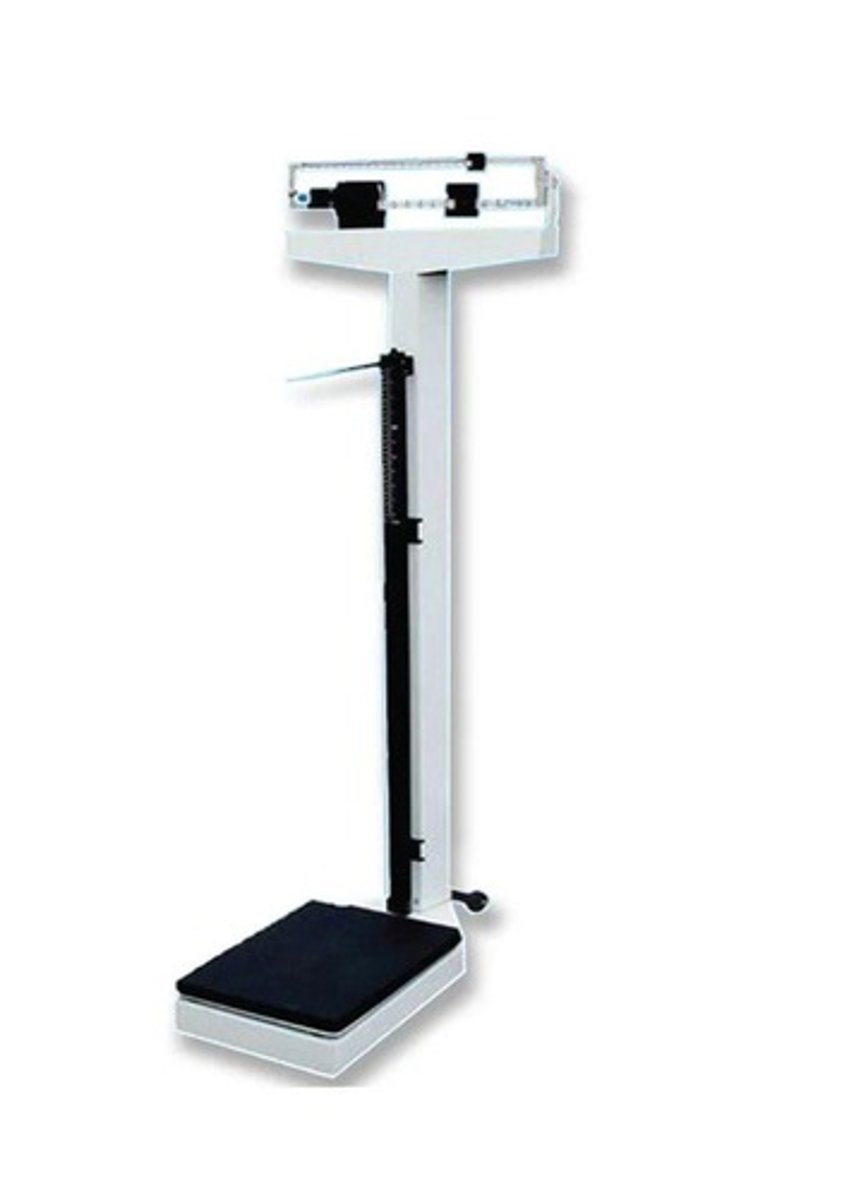
What is the method for measuring height in children 2 years and older?
Standing upright against a wall using a stadiometer.
What is the recommended scale measurement for weighing small children?
A scale that measures to the nearest 0.5 oz or 10 g.
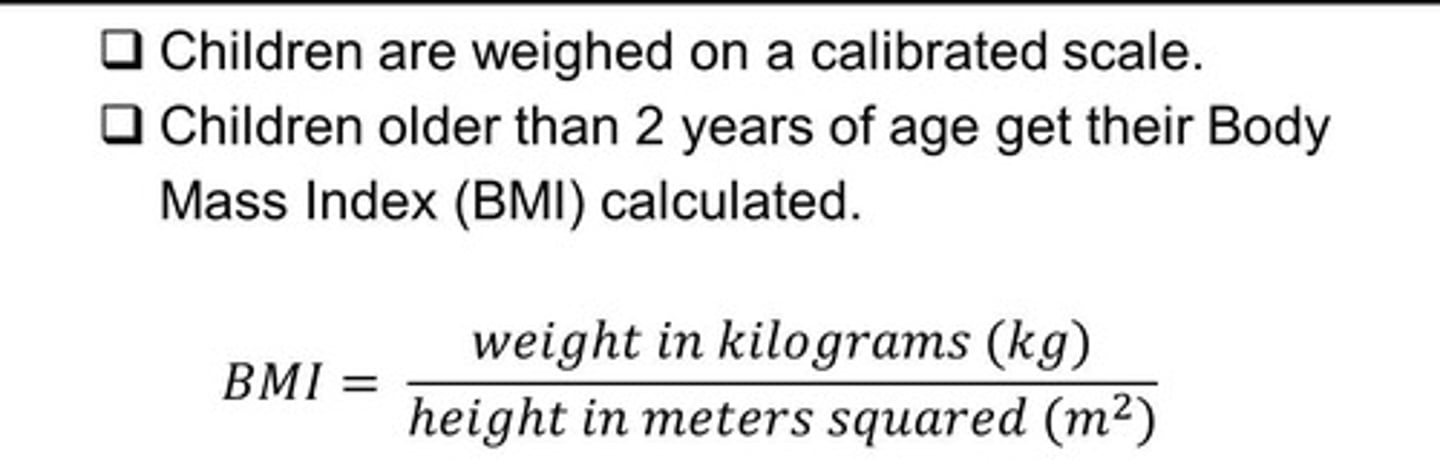
What is the appropriate scale measurement for older children?
A scale that measures to the nearest 0.25 lb or 100 g.
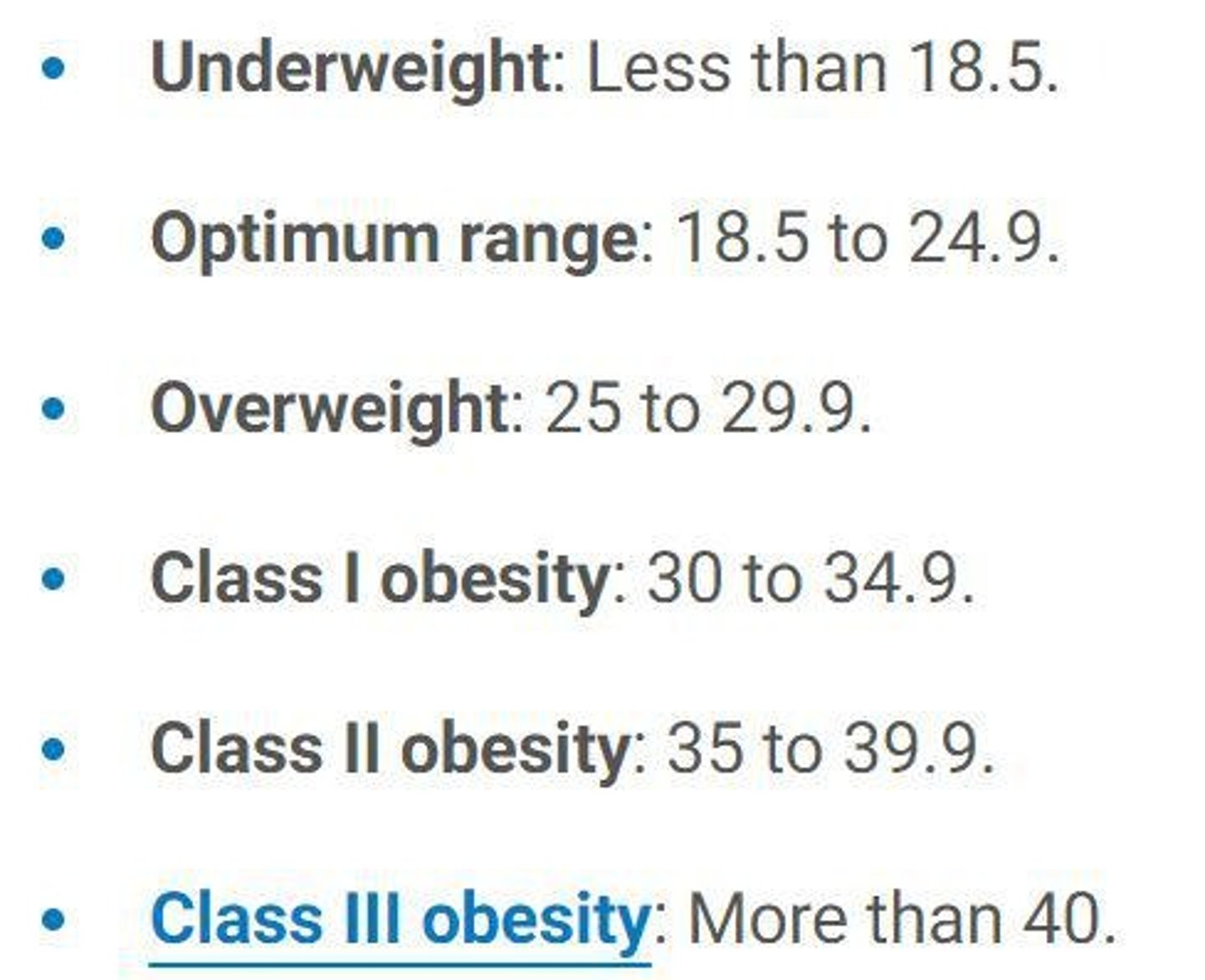
What is the purpose of measuring head circumference in children?
To assess brain growth and conditions like microcephaly, macrocephaly, and hydrocephalus.
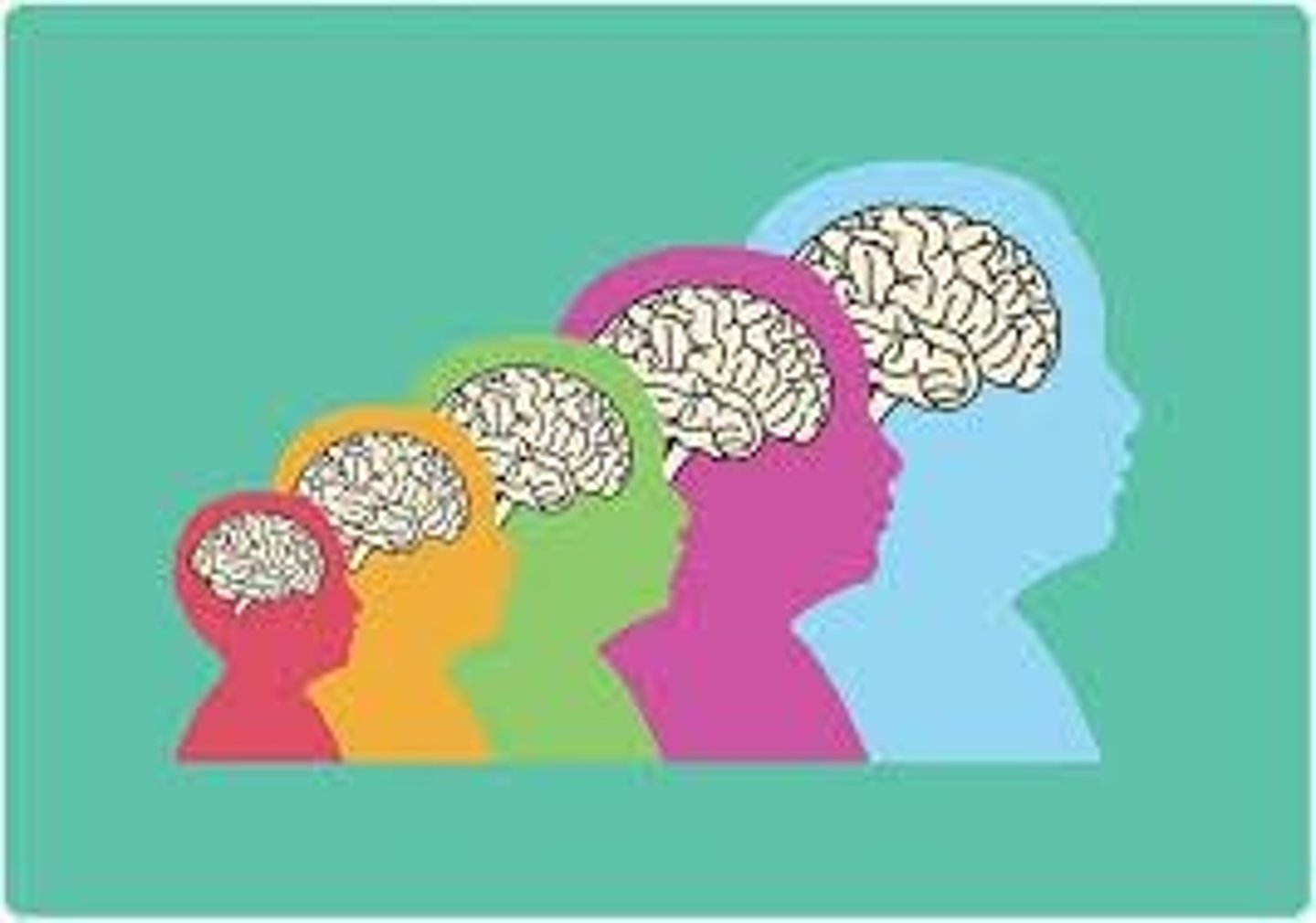
At what ages does the American Academy of Pediatrics recommend developmental surveillance?
At 9, 18, and 30 months, or whenever a concern is expressed.

What speech development milestones are expected by age 2?
Use of 2-word sentences.
What developmental screening tool can be used for children?
Denver Developmental Screening Test (DDST) or Metro Manila Developmental Screening Test (MDST).
What are temper tantrums and when do they typically begin?
Unpleasant emotional outbursts that usually begin at 12 to 18 months.
What is the significance of monitoring vital signs in children?
To assess health status and detect potential issues.
What temperature measurement methods are appropriate for children?
Rectal, axillary, skin, tympanic, and oral for children 4 years and older.
What is the preferred method for measuring pulse in children under 2 years?
Apical pulse.
What is the recommended blood pressure measurement method for children younger than 3 years?
Using a Doppler stethoscope.
What changes occur in the musculoskeletal system during aging?
Decrease in muscle tone and strength, degeneration of joints and bones.
What cardiovascular changes occur in older adults?
Decrease in cardiac output, stroke volume, and venous return.
What is the Katz Index of ADL used for?
To measure independence in basic self-care tasks.
What does the Braden Scale for Skin assess?
Risk of developing pressure ulcers based on various factors.
What is the purpose of the Malnutrition Universal Screening Tool (MUST)?
To identify adults who are malnourished or at risk of malnutrition.
What does the Geriatric Depression Scale (GDS) help identify?
Symptoms of depression in older adults.
What is the Wong-Baker FACES Pain Rating Scale used for?
To help individuals communicate pain intensity through facial expressions.