Bio 1108K Practical 2
 Call Kai
 Learn
Learn Practice Test
 Spaced Repetition
 Match
Match Flashcards
 Knowt Play
1/64

There's no tags or description
Looks like no tags are added yet.
Name | Mastery | Learn | Test | Matching | Spaced | Call with Kai |
|---|
No analytics yet
Send a link to your students to track their progress
65 Terms
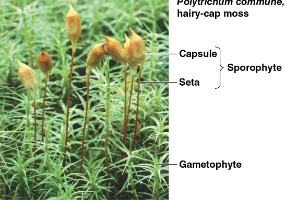
Bryophyta (mosses)
sporophytes are usually visible to the naked eye
haploid gametophyte is dominant life form
green and photosynthetic
no vascular tissue
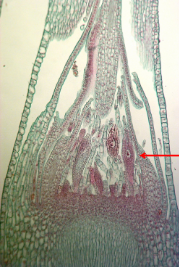
Archegonia
protects haploid egg
protection of developing gametes and provision of food to zygotes
characteristic of plants
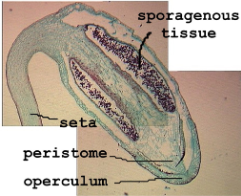
capsule
is at the end of the seta
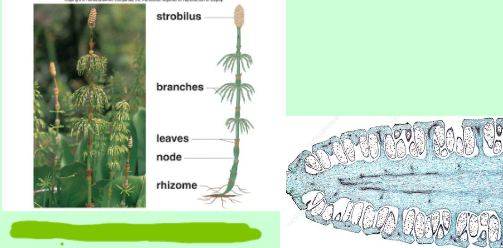
Horsetail (monilophyta)
strobili have spores in them
vascular tissue
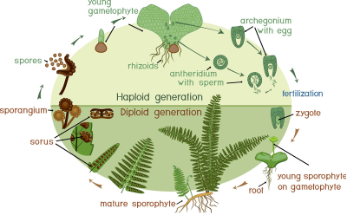
Fern life cycle
sporophyte (2n- dominant stage)
sporangia → meiosis → haploid spores (n)
spore (n)
spores released → germinates by mitosis → grows into gametophyte
gametophyte (n)
small, photosynthetic, anchored by rhizoids
contains:
antheridia → produce sperm
archegonia → produce eggs
fertilization (needs water
sperm swim to egg in archegonium → diploid zygote (2n)
young sporophyte (2n)
zygote grows by mitosis
young sporophyte initially attached to gametophyte → becomes independent mature fern
gymnosperms
seeds not enclosed in ovaries
pollen and seeds
Angiosperms
flowers and fruit
types of gymnosperms
cycads
ginkgos
conifers
Pollen
male gametophyte
formed in male cones
reduces water used for reproduction
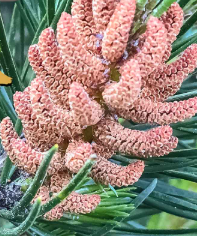
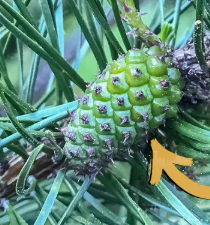
female cones
gymnosperms develop seeds here
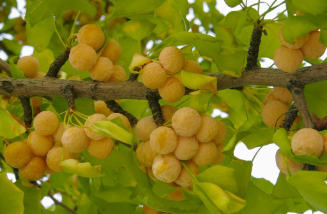
gingko cones
looks like yellow cherries
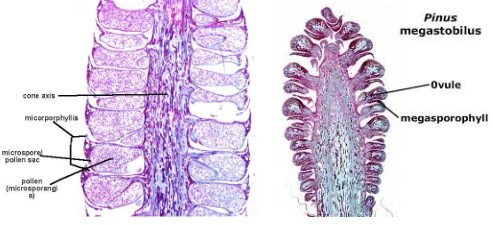
male vs female cone
male cones (left) make pollen; female cones (right) have larger openings so pollen get in
Angiosperms
major groups:
basal
magnoliids
eudicots
monocots
all have flowers and fruit
most successful and diverse of all plants, 290k+ spp
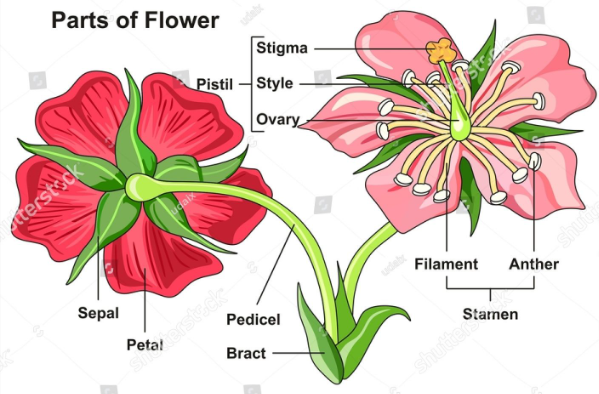
male flower parts
stamen (microsporophylls):
anther
filament
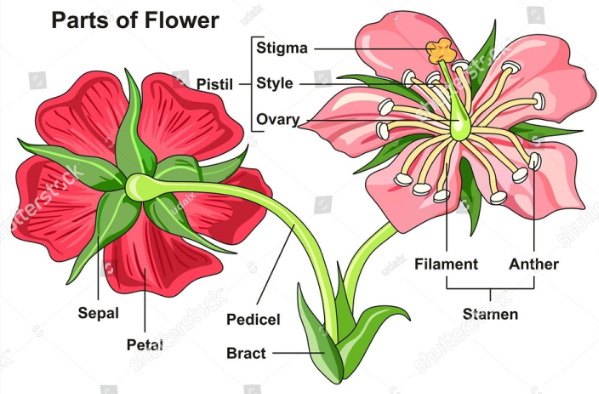
female flower parts
pistil (megasporophylls):
stigma
style
ovary
ovule
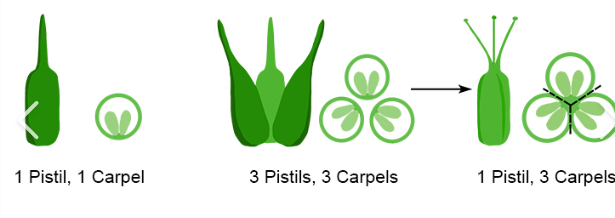
pistil vs carpel
1 unit; multiple fused units
monocot
Roots:
fibrous
Leaves:
parallel veins
long/slender blades
Vascular (stems):
scattered
Seeds (embryos):
1 cotyledon
flowers:
petals in multiples of 3
growth:
primary (height)
(eu)dicots
roots:
taproots
leaves:
branched veins
broad shape
vascular (stems):
in a ring
seeds (embryos):
2 cotyledons
flowers:
petals in multiples of 4/5
growth:
primary and secondary (width)
fungus
heterotrophic by absorption
main body is made of hyphae
hyphae
individual threadlike filaments
tubular, one cell thick,
mycelia
mats of hyphae
types of symmetry
bilateral
radial
none
types of guts
incomplete
complete
types of skeletons
endoskeleton
exoskeleton
hydrostatic
porifera
no symmetry
intracellular digestion
cnidaria
radial symmetry
gastrovascular cavity
ctenophora
complete digestive system
radial symmetry
platyhelminthes
bilateral symmetry
gastrovascular cavity
rotifers
bilateral symmetry
complete gut
mollusca
marine/fw/terrestrial
bilateral
complete gut
gastropoda
1 or no shell
aquatic, terrestrial
herbivores, predators
bivalvia (clams)
2 valves
filter feeders
aquatic
cephalopod
marine
predators
bilateral symmetry
complete gut
reduced shell
annelida
segmented worms
bilateral symmetry
complete gut
turbellaria
free living
cestoda
tape worms
internal parasites
trematodes
flukes
internal parasites
ecdysozoans
nematodes
arthopods
deuterostomes
echinoderms
chordates
nematodes
detritovores & parasitic
complete digestive tract
only have longitudinal muscles
arthropoda (phylum)
chelicerata
myriapoda
crustacea
hexapoda
arthopoda body
3 sections:
head
thorax
abdomen
segmented; lots of modifications and fusing
crustacea
most decapods (10 legs)
cephalothorax
hexapoda
3 body parts
6 (or 4) legs
true flight
mouthparts define order
myriapoda
millipedes are detritovores
centipedes are predators
how they move is different
chelicerata
8 legs
predators, detritovores, parasites
head, thorax, and abdomen might be fused
echinoderms
deuterostome
5 part radial symmetry
all marine
subphylums of chordata
cephalochordata
urochordata
vertebrata
4 characteristics of chordata
notochord
dorsal hollow nerve chord
post-anal tail
pharyngeal gill slits
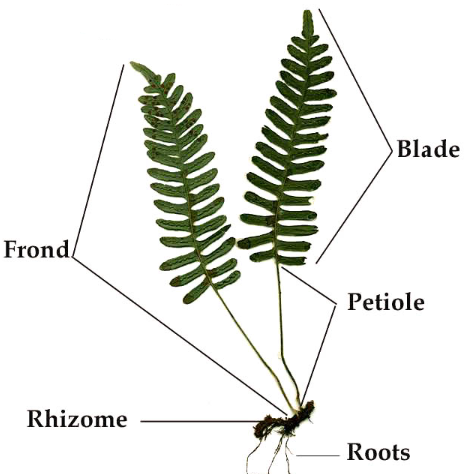
ferns (p. monilophyta)
fronds, stalk (petiole/stipe), rhizome
spores held in sori
found in moist habitats
seed plants
are heterosporous
sporophyte (2n) is dominant/ visible
gametophytes usually microscopic
located in separate locations in sporophyte
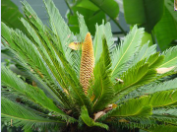
P. Cycadophyta
130 spp
flagellated sperm
corn-like looking cones
palm-like leaves
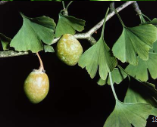
p. ginkgophyta
1 spp
flagellated sperm
dioecious
p. coniferophyta
600 spp
able to grow in harsh conditions
oldest and largest trees
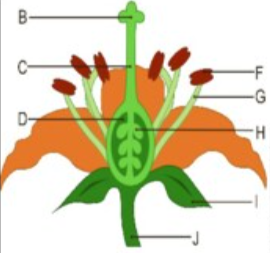
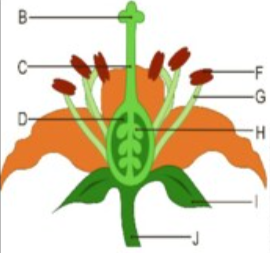
what is b?
stigma
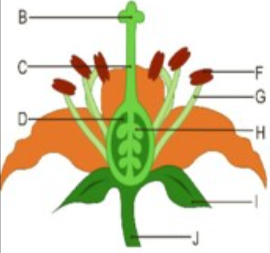
what is c?
style
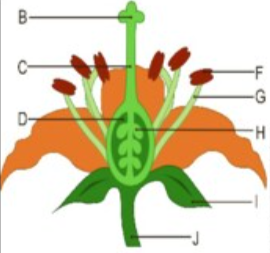
what is d?
ovary
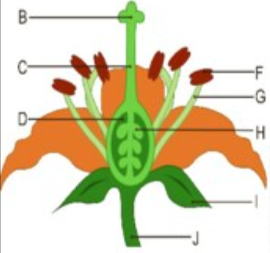
what is f?
anther
what is g?
filament
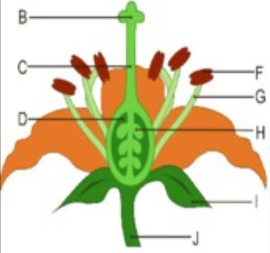
what is h?
ovule
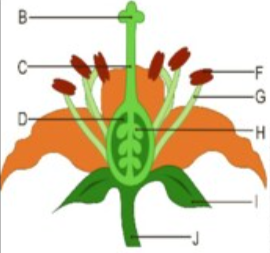
what is i?
sepal?
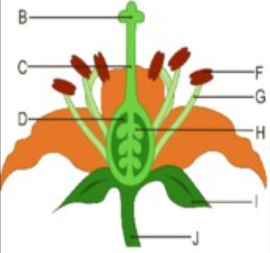
what is j?
stem
fruits
diploid sporophyte (2n)
develops from the ovary
portion of the plant that surrounds and protects seeds
aid in seed dispersal