Cell Membrane and Transport
 Call Kai
 Learn
 Practice Test
 Spaced Repetition
 Match
 Flashcards
 Knowt Play
1/20

Earn XP
Description and Tags
21 Terms

Phospholipid
major component of cell membrane with a hydrophilic head and two hydrophobic tails, one with saturated fatty acids and one with unsaturated fatty acid
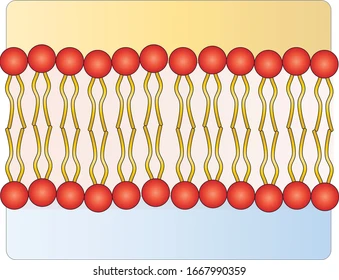
Lipid Bilayers
phospholipids that arrange themselves into 2 layers that surround the cell and provide a barrier structure
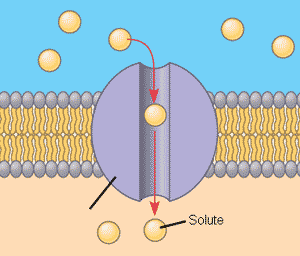
Channel Proteins
allow larger, polar particles to pass through with passive transport
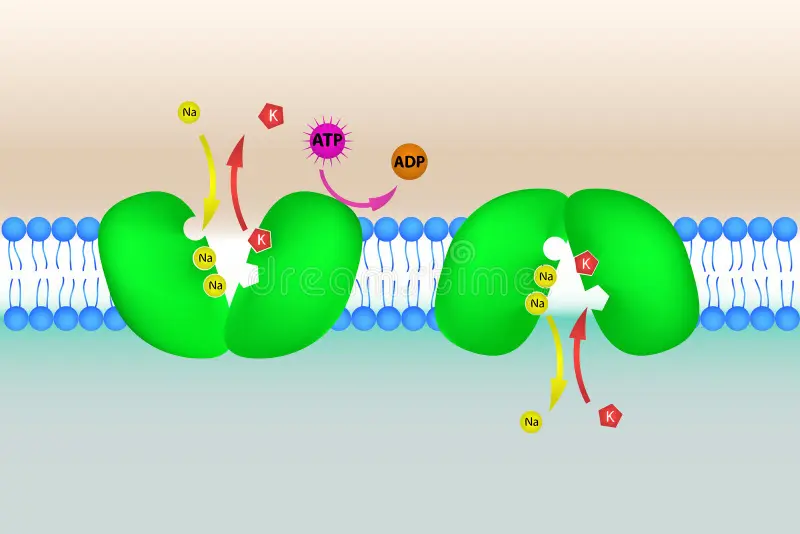
Protein Pumps/Carriers
use energy to push molecules across the barrier with active transport
Receptor Proteins
receive signals from the outside of the cell
Marker/Signal Proteins (Glycoproteins)
give information about the cell to other cells and have a carbohydrate attached to them
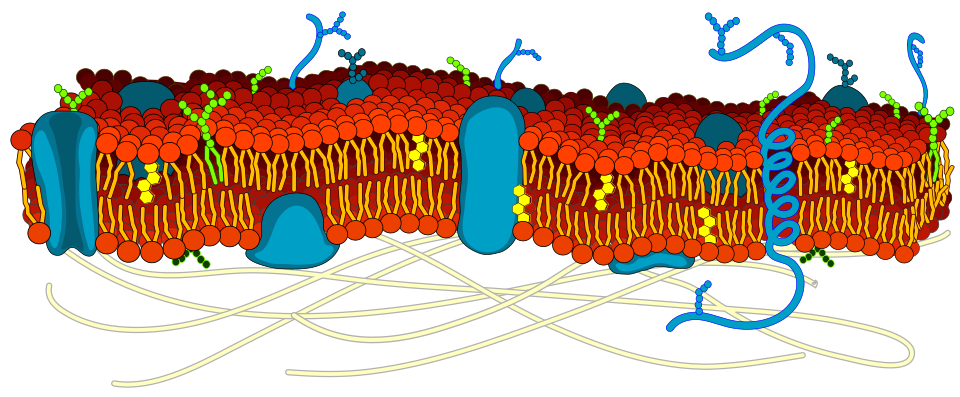
Cholesterol
helps control rigidity and fluidity of the cell membrane
Passive Transport
molecules pass through the cell membrane requiring no energy input from the cell. For small, nonpolar, uncharged molecules like Carbon Dioxide and Oxygen
Diffusion
movement of particles from higher concentration to lower concentration
Osmosis
the diffusion of water through a selectively permeable membrane
Isotonic
when the concentration of the solution is equal to the concentration of the cell, water moves in both directions, this leaves a plant cell flaccid
Hypertonic
when the concentration of the solution is greater than the concentration of the cell, water moves outside the cell
Plasmolysis
when a membrane and cytoplasm shrink away from cell wall and plant wilts in a plant cell from a hypertonic solution leaving it plasmolyzed
Hypotonic
when the concentration of the solution is lesser than the concentration of the cell, water moves into the cell
Cytolysis
in animal cells, the pressure inside cell increases causing the cells to swell and sometimes burst
Turgor Pressure
in plant cells, the rigid cell wall prevents bursting, but the cells become more firm leaving it turgid
Facilitated Diffusion
the passive transport of specific molecules across cell membranes through protein channels for large, polar molecules
Active Transport
the transport where energy is needed to move molecules from a low to high concentration
Protein Pumps
use energy to move particles, like charged molecules, from a low to high concentration
Endocytosis
cells surround and takes in material from environment by engulfing the material, using vesicles to transport large masses of materials
Exocytosis
cell expel materials from cell, such as waste or indigestible particles, using vesicles to transport large masses of materials