MOST OF THE YEAR!! MULTIPLE UNITS!!! AP European History "-Isms", AP European History : People, Study Guides for the AP Test - Art Styles AP European History, AP European History Flashcards, AP European History Dates, AP Euro: Timeline
 Call Kai
 Learn
Learn Practice Test
 Spaced Repetition
 Match
Match Flashcards
 Knowt Play
1/517

There's no tags or description
Looks like no tags are added yet.
Name | Mastery | Learn | Test | Matching | Spaced | Call with Kai |
|---|
No analytics yet
Send a link to your students to track their progress
518 Terms
Absolutism
a form of government in which the ruler is an absolute dictator (not restricted by a constitution or laws or opposition etc.)
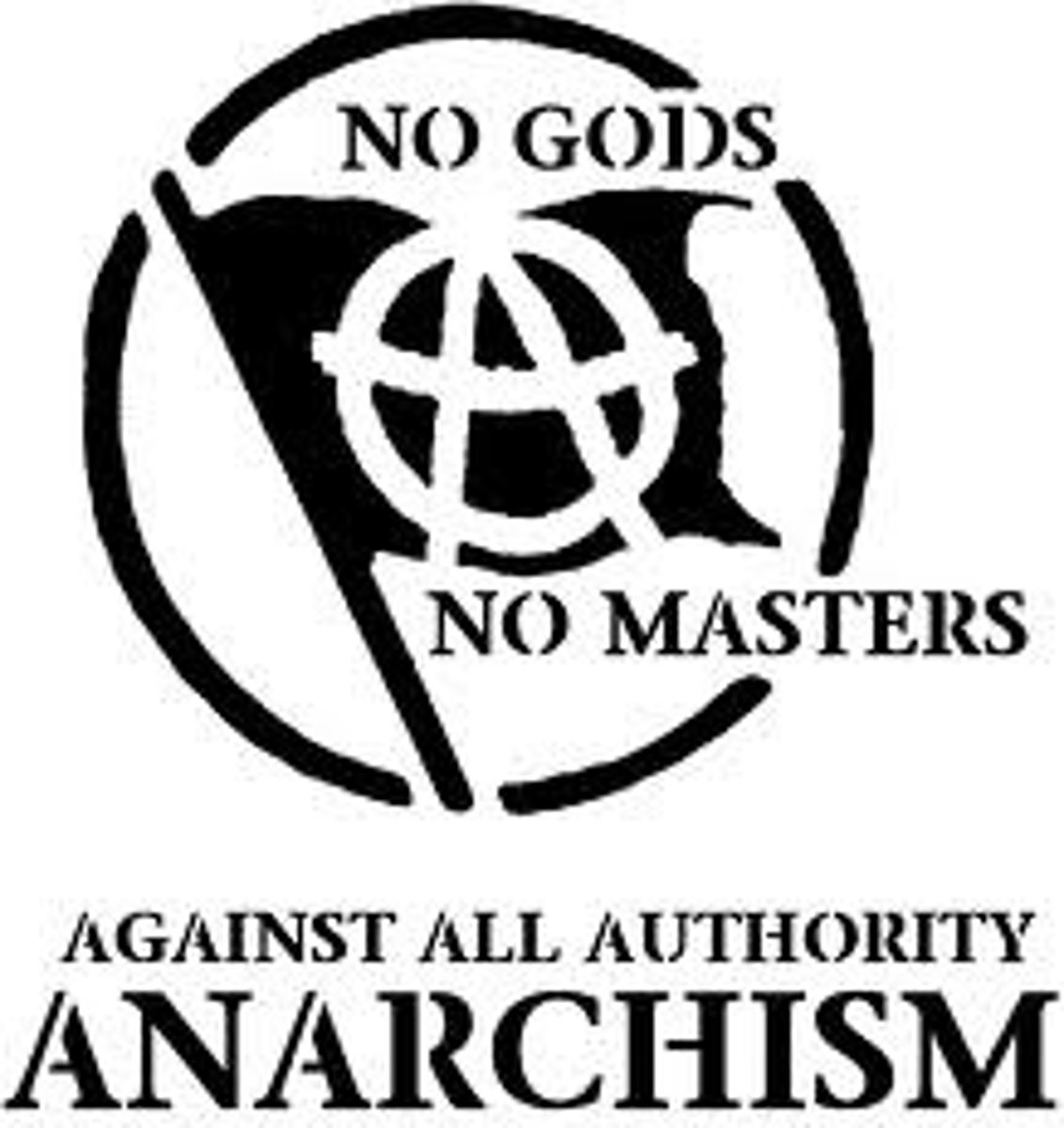
Anarchism
a political theory favoring the abolition of governments
Anti-Semitism
policies, views, or actions that harm or discriminate against Jews

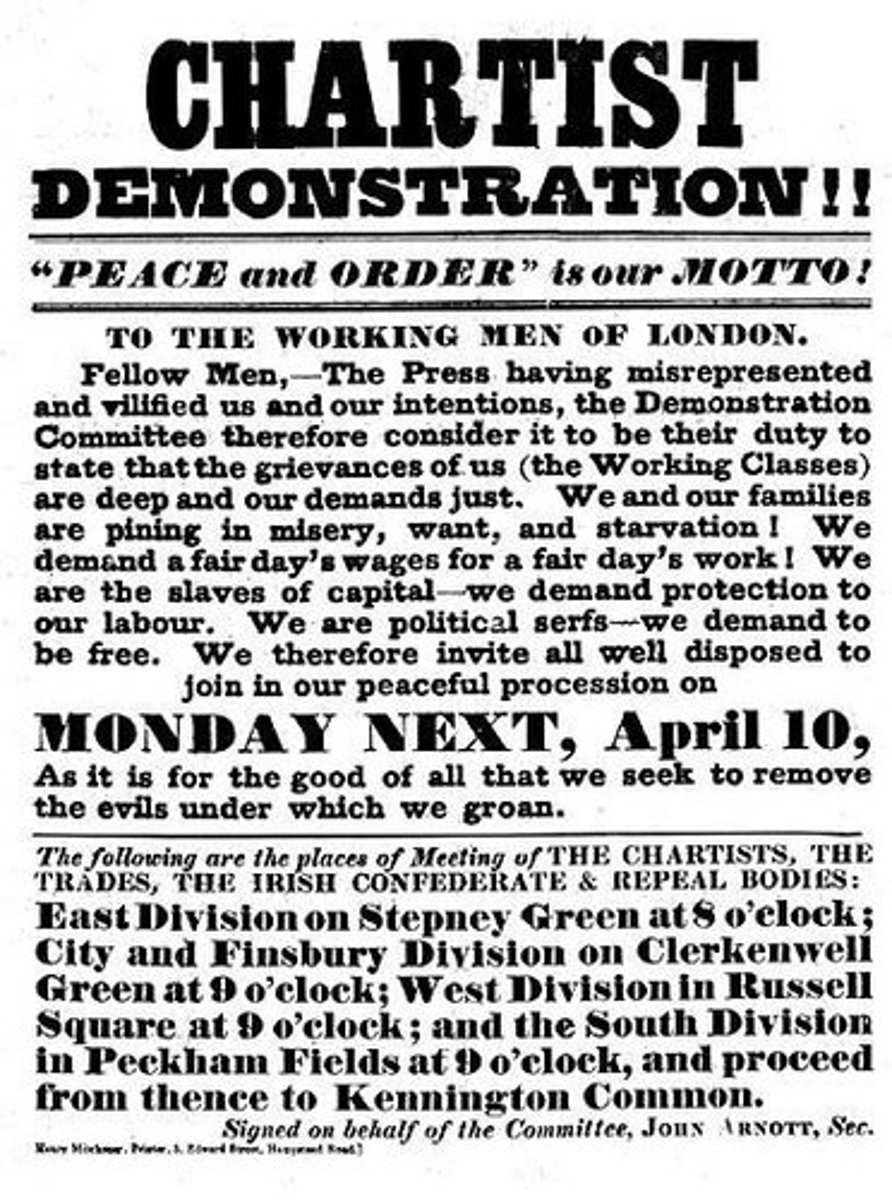
Chartism
the principles of a body of 19th century English reformers who advocated better social and economic conditions for working people
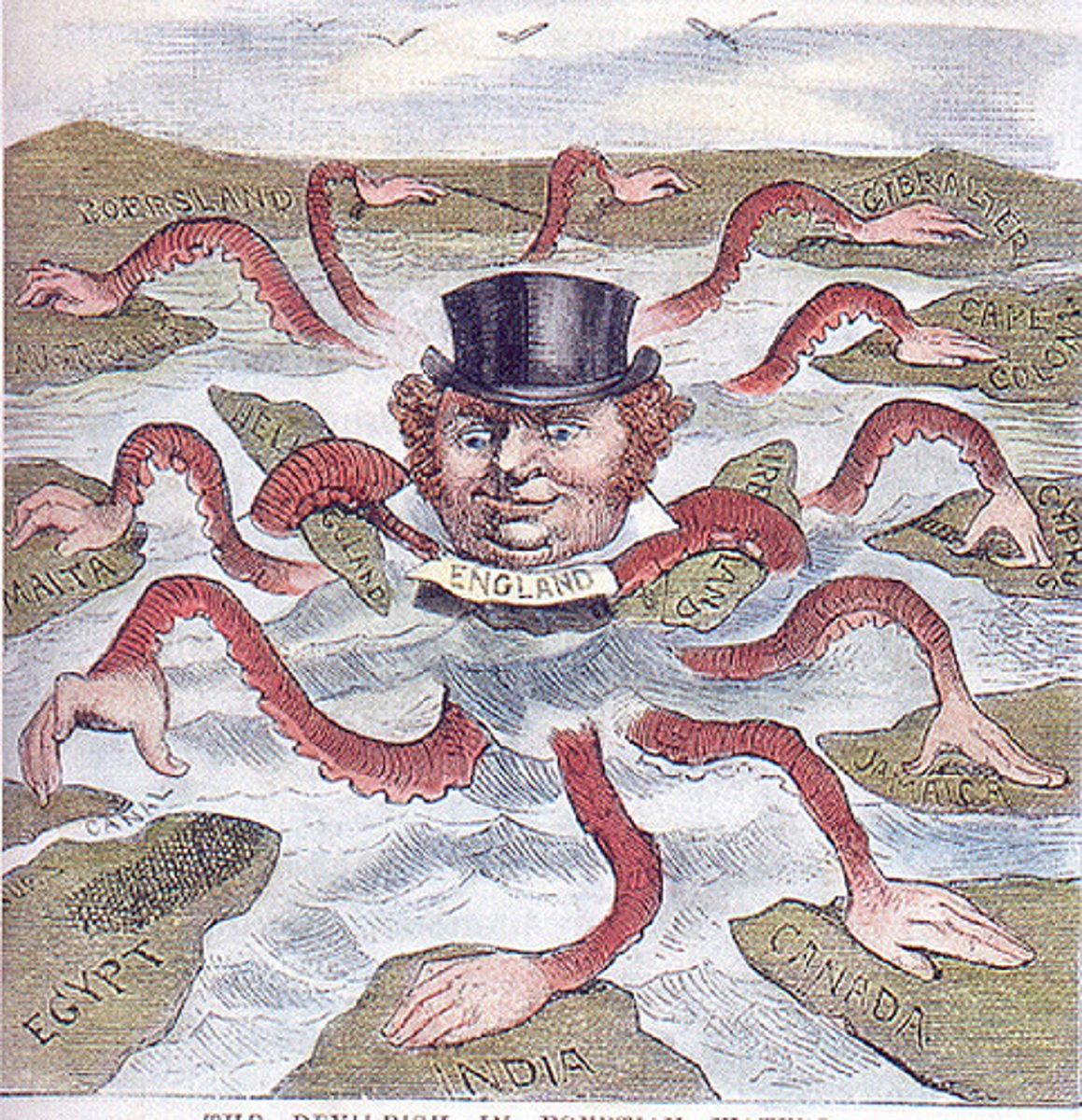
New Imperialism
Historians' term for the late-nineteenth- and early-twentieth-century wave of conquests by European powers and the United States, which were followed by the development and exploitation of the newly conquered territories.
Owensim
Utopian socialist philosophy of 19th century social reformer ______ ________ and his followers and successors. Aimed for radical reform of society and is considered a forerunner of the cooperative movement.
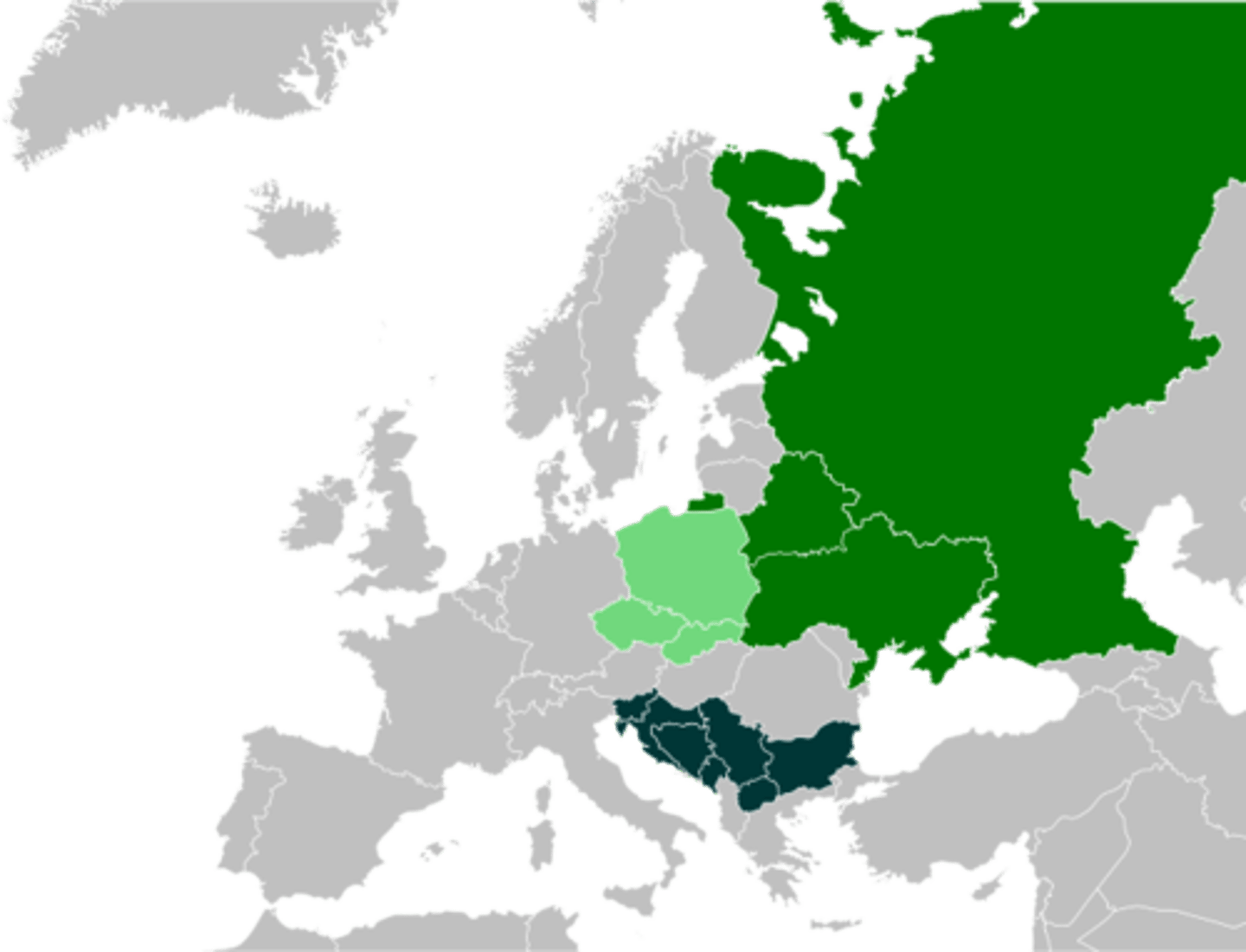
Pan-Slavism
A movement to promote the independence of Slav people. Roughly started with the Congress in Prague; supported by Russia. Led to the Russo-Turkish War of 1877.
Positivism
the form of empiricism that bases all knowledge on perceptual experience (not on intuition or revelation)

Communism
a theory or system of social organization based on the holding of all property in common, actual ownership being ascribed to the community as a whole or to the state.
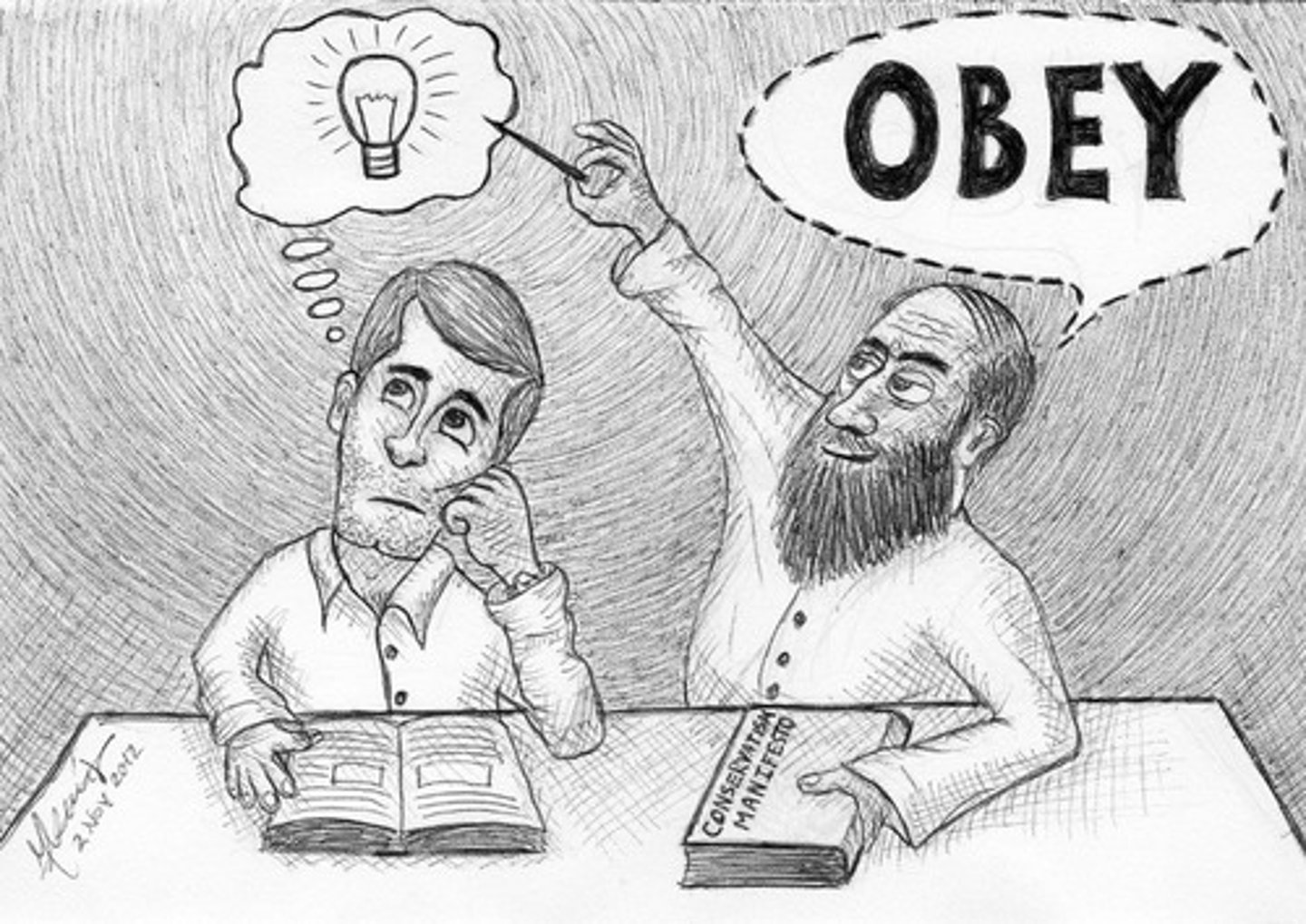
Conservatism
a political or theological orientation advocating the preservation of the best in society and opposing radical changes
Racism
discriminatory or abusive behavior towards members of another race

Corporatism
a political system in which interest groups become an institutionalized part of the state or dominant political party;public policy is typically the result of negotiations among representatives of the state and key interest groups
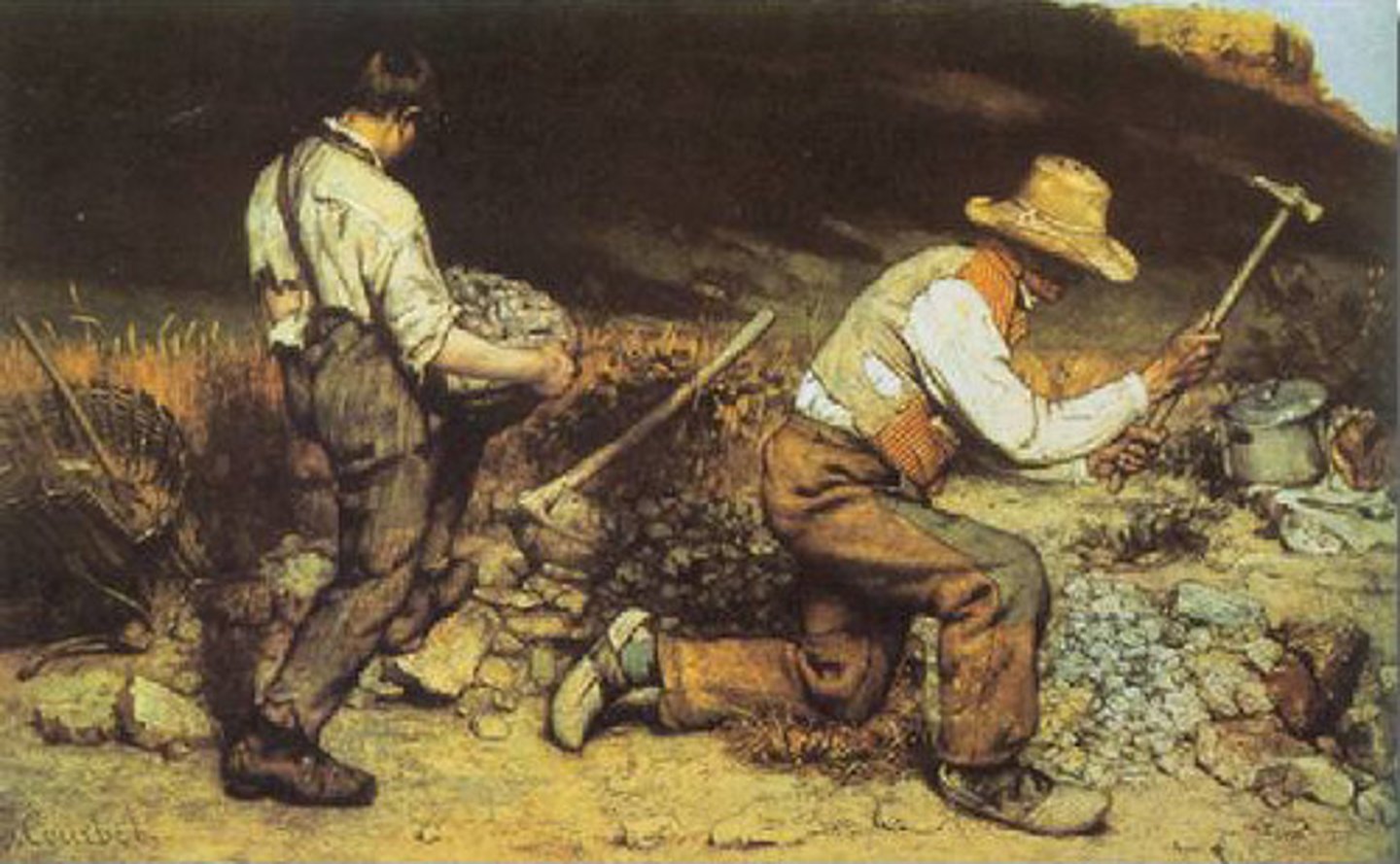
Realism
This was the new style of literature that focused on the daily lives and adventures of a common person. This style was a response to Romanticism's supernaturalism and over-emphasis on emotion
Revisionism
Socialist thought that disagreed with Marx's formulation; believed that social and economic progress could be achieved through existing political institutions.
Deism
The religion of the Enlightenment (1700s). Followers believed that God existed and had created the world, but that afterwards He left it to run by its own natural laws. Denied that God communicated to man or in any way influenced his life.
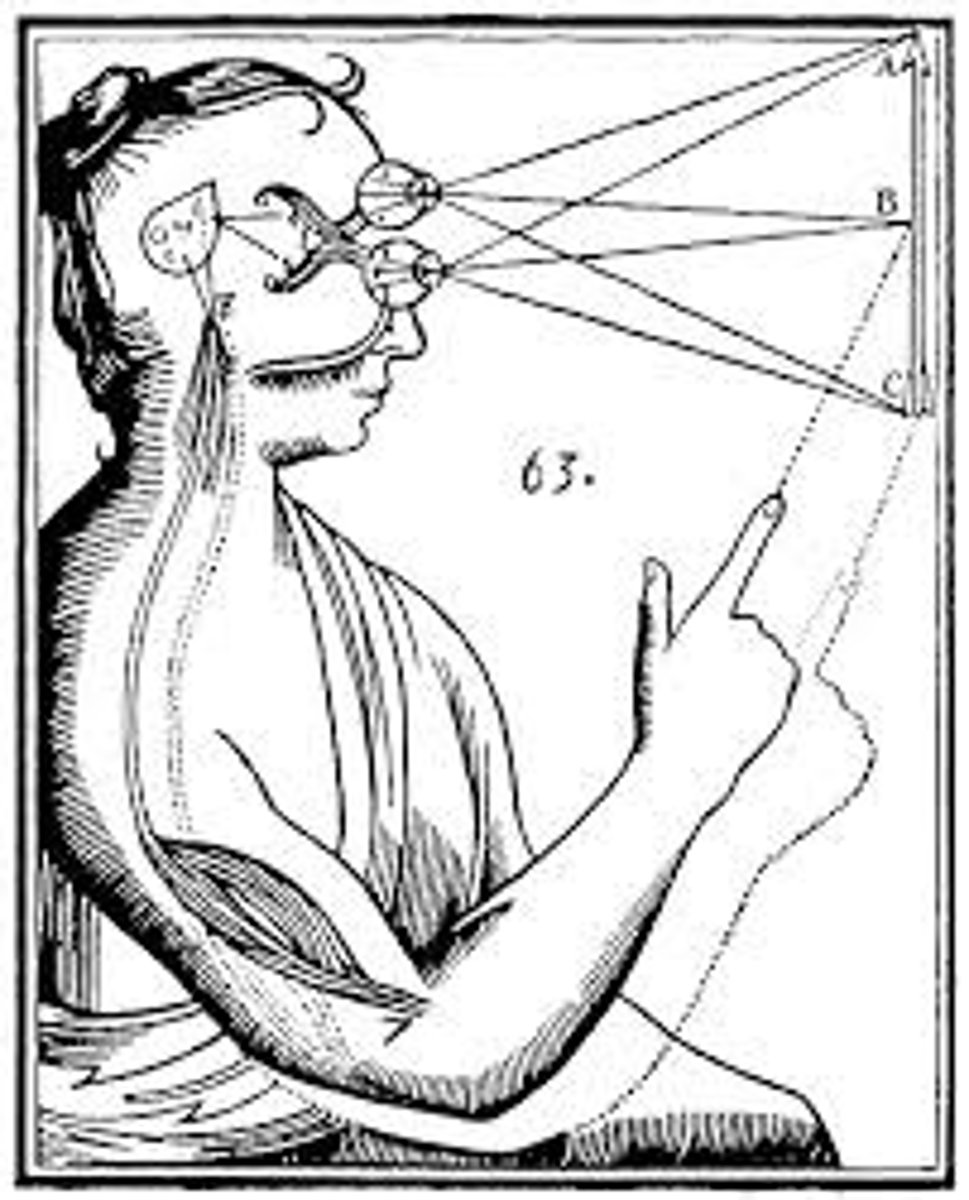
Empiricism
the view that (a) knowledge comes from experience via the senses, and (b) science flourishes through observation and experiment.
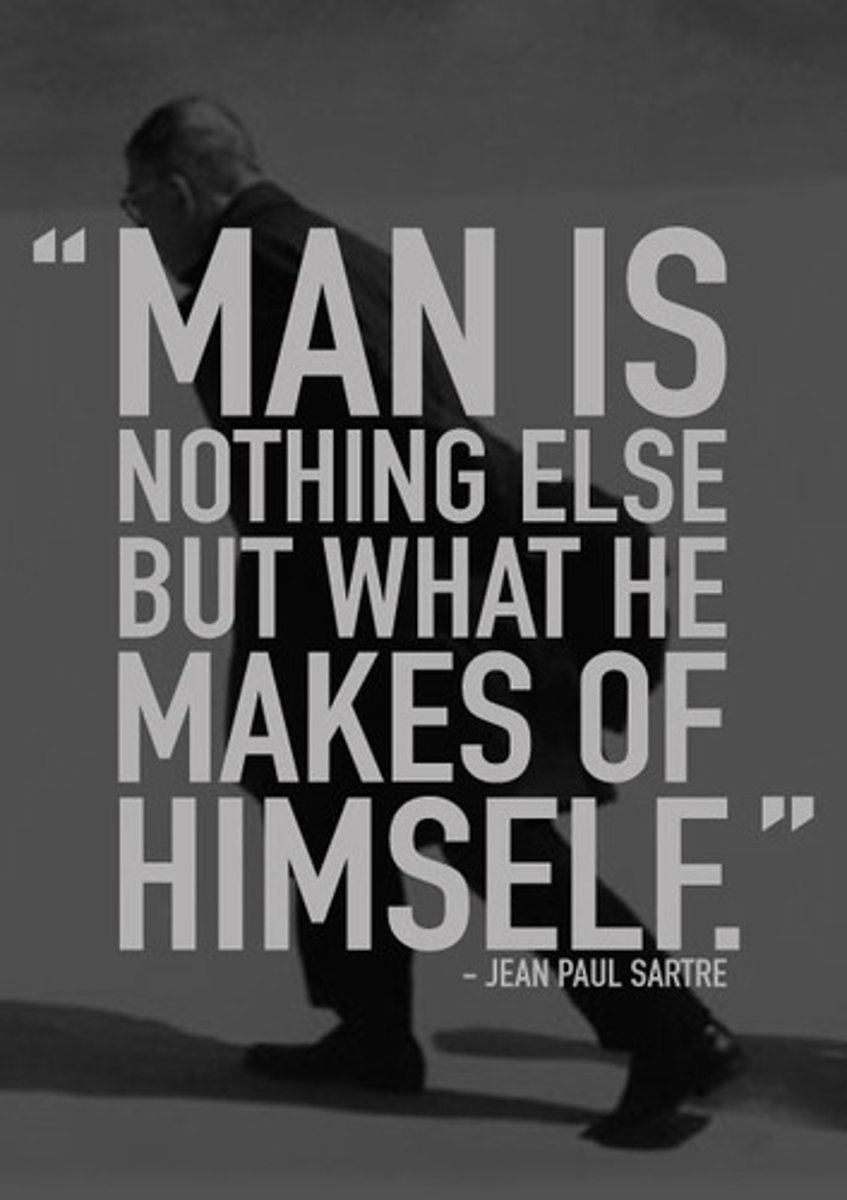
Existentialism
A philosophy that values human freedom and personal responsibility. A few well known _______ writers are Jean-Paul Satre, Soren Kierkegaard ("the father of _______"), Albert Camus, Freidrich Nietzche, Franz Kafka, and Simone de Beauvoir.
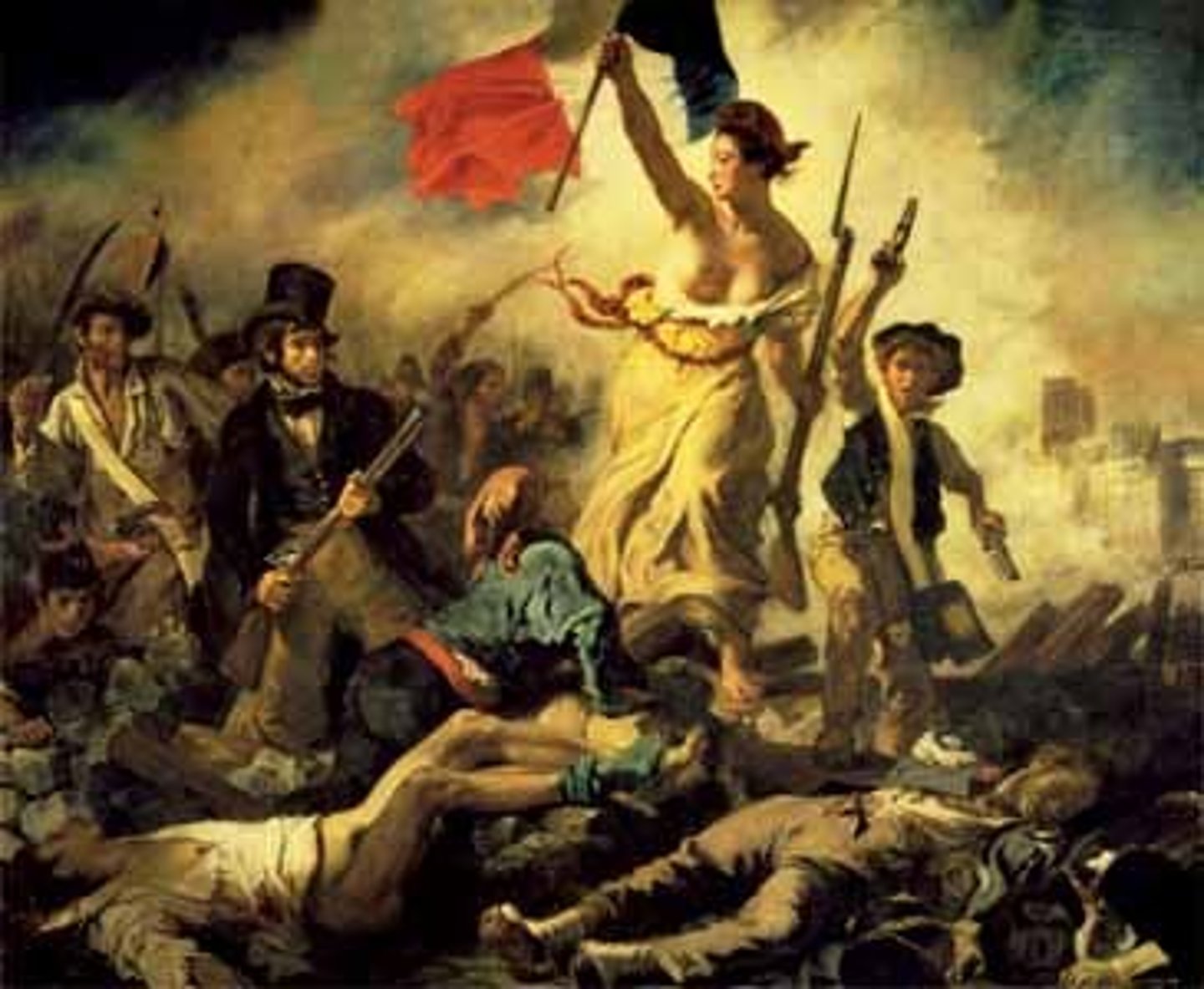
Romanticism
An artistic and intellectual movement originating in Europe in the late 18th Century and characterized by a heightened interest in nature, emphasis on the individual's expression of emotion and imagination, departure from the attitudes and forms of classicism, and rebellion against established social rules and conventions.
Social Darwinism
The application of ideas about evolution and "survival of the fittest" to human societies - particularly as a justification for their imperialist expansion.
Socialism
a theory or system of social organization that advocates the vesting of the ownership and control of the means of production and distribution, of capital, land, etc., in the community as a whole.

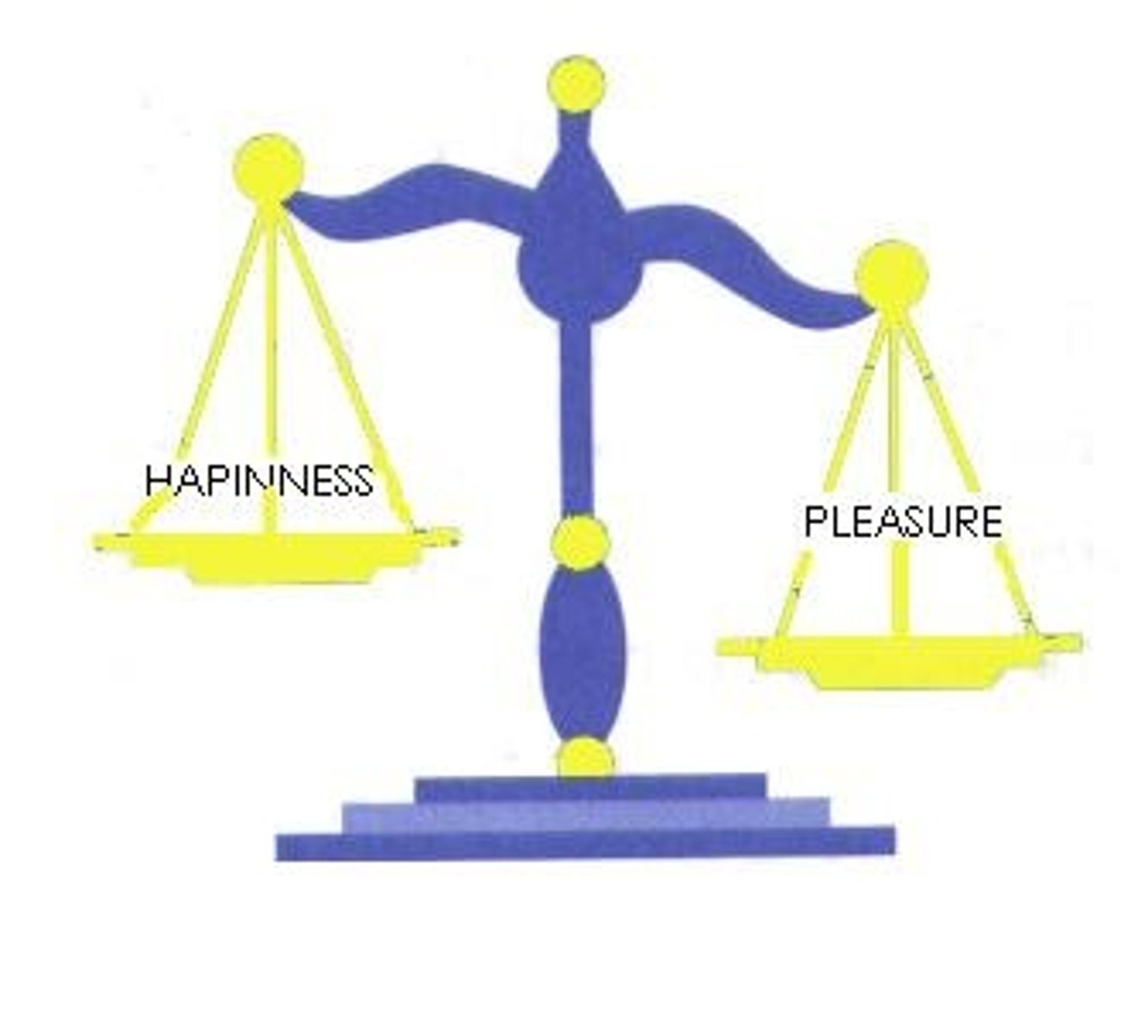
Utilitarianism
The theory, proposed by Jeremy Bentham in the late 1700s, that government actions are useful only if they promote the greatest good for the greatest number of people.
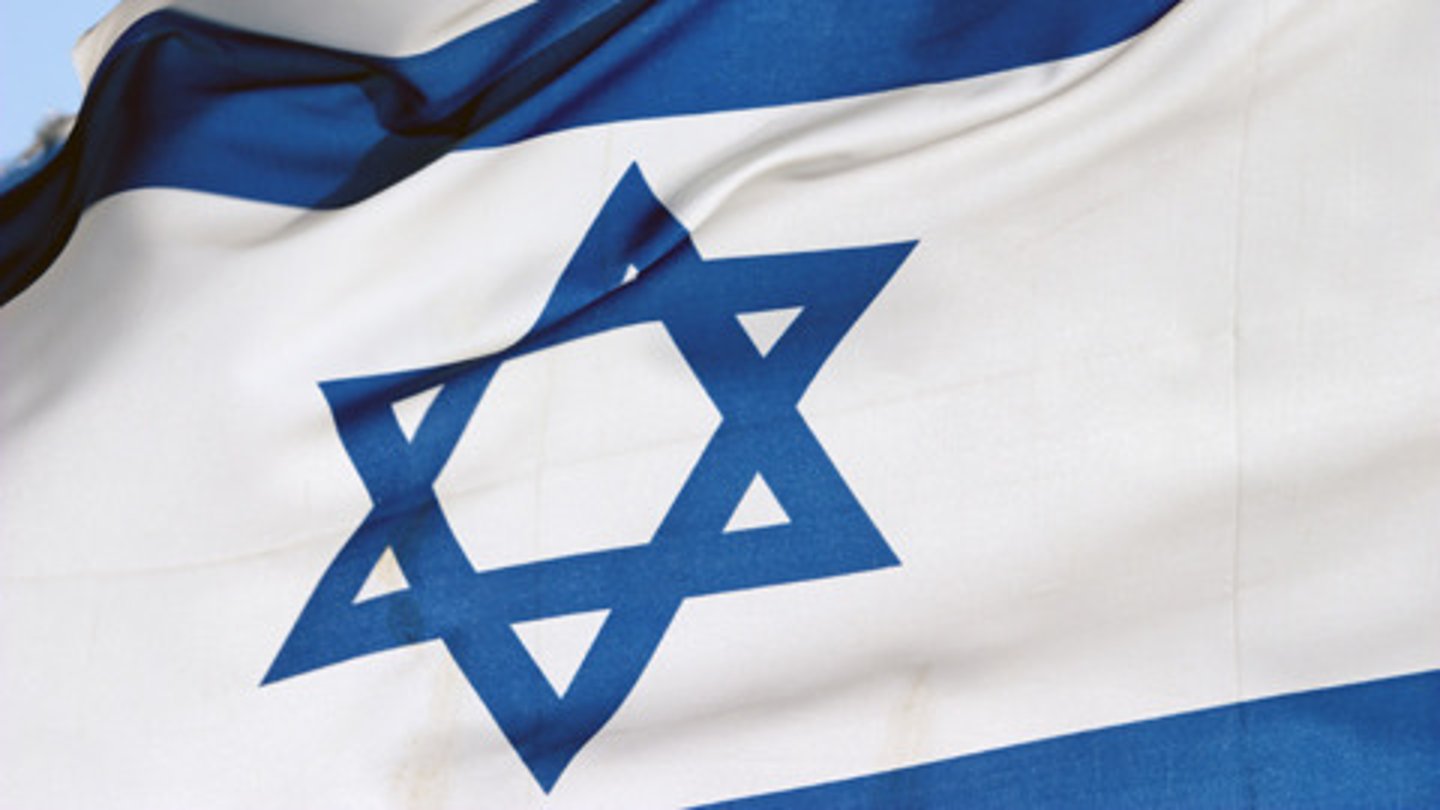
Zionism
A worldwide movement, originating in the 19th century that sought to establish and develop a Jewish nation in Palestine. Since 1948, its function has been to support the state of Israel.
Fabianism
a British intellectual socialist movement, whose purpose is to advance the principles of Social democracy via gradualist and reformist, rather than revolutionary means. It is best known for its initial ground-breaking work beginning late in the 19th century and continuing up to World War I. The society laid many of the foundations of the Labour Party and subsequently affected the policies of states emerging from the decolonisation of the British Empire, especially India.
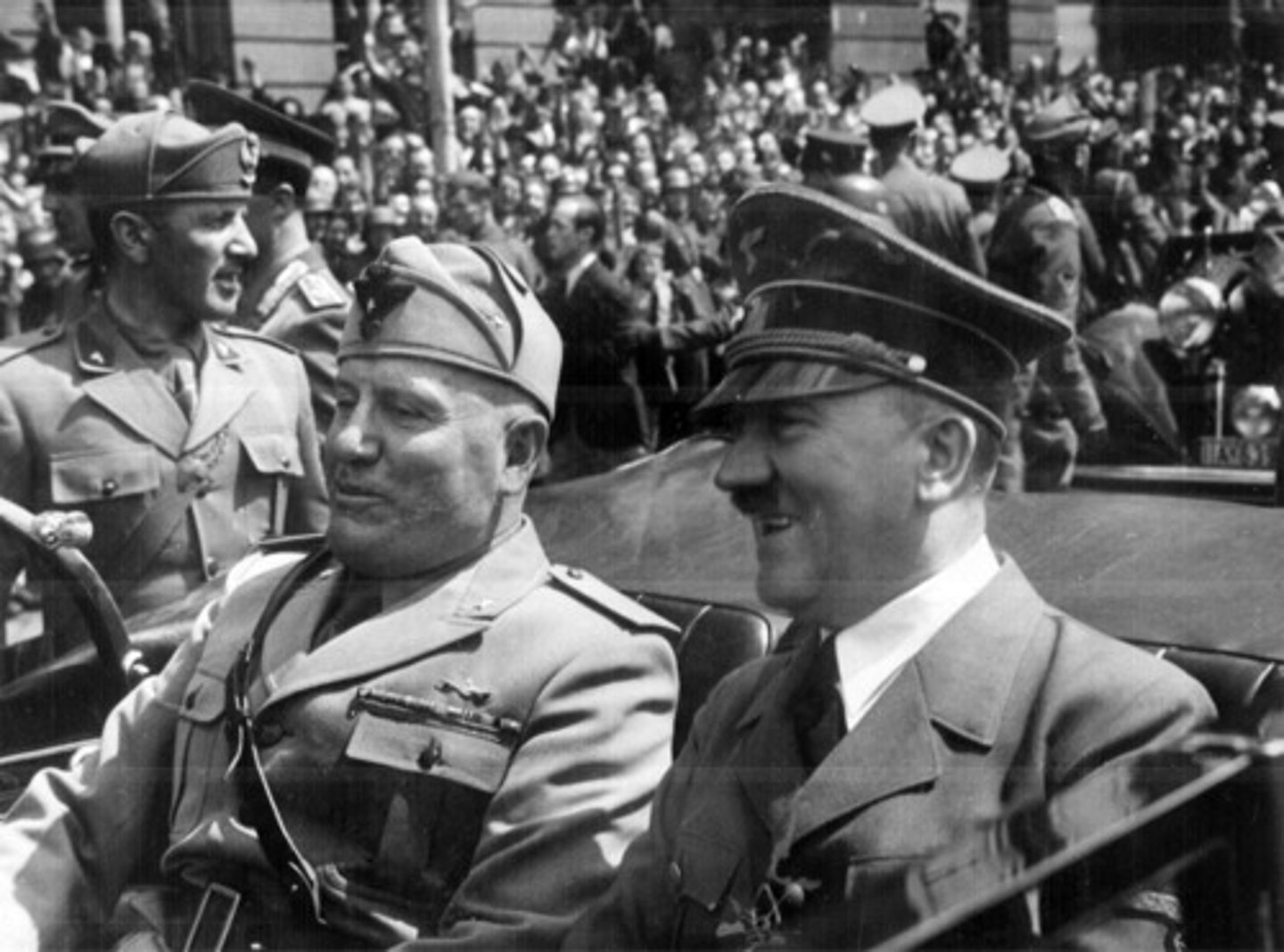
Fascism
A system of government characterized by strict social and economic control and a strong, centralized government usually headed by a dictator. First found in Italy by Mussolini.
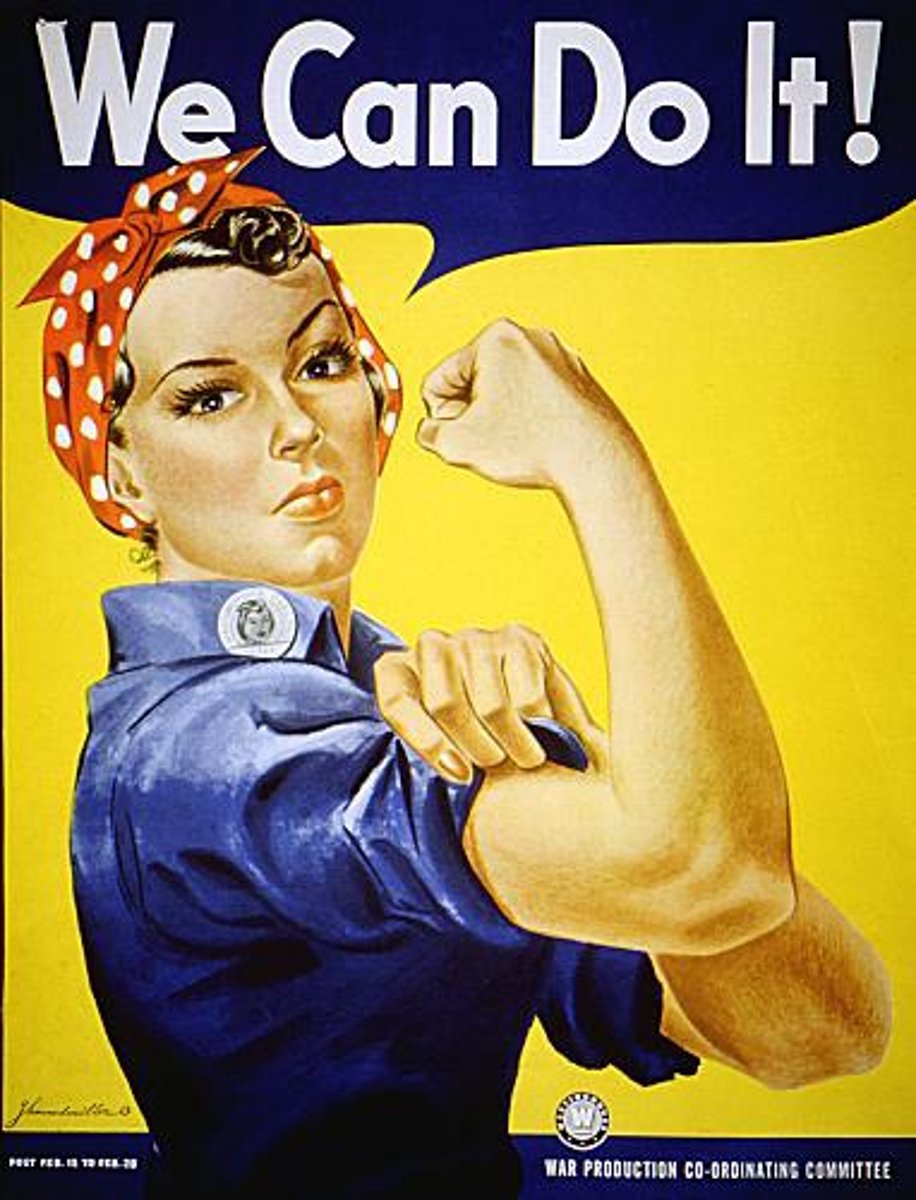
Feminism
the belief that women should possess the same political and economic rights as men
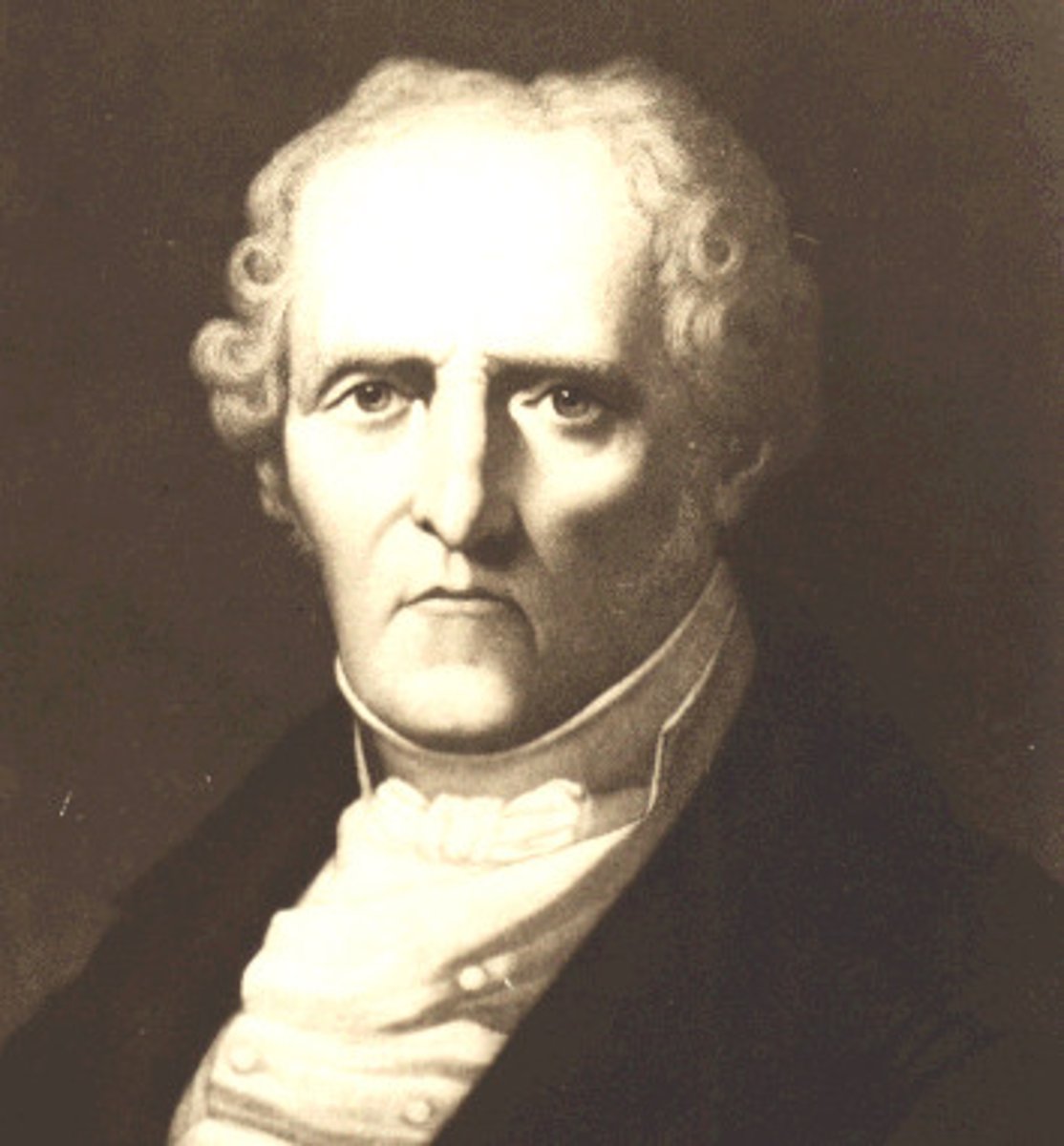
Fourierism
founded by Charles Fourier. he believed that the industrial order ignored the passionate side of human nature. Social discipline ignored all the pleasures of human being naturally seek. He advocated phalanxes in which agrarian labor dominated and people could rotate tasks throughout the day
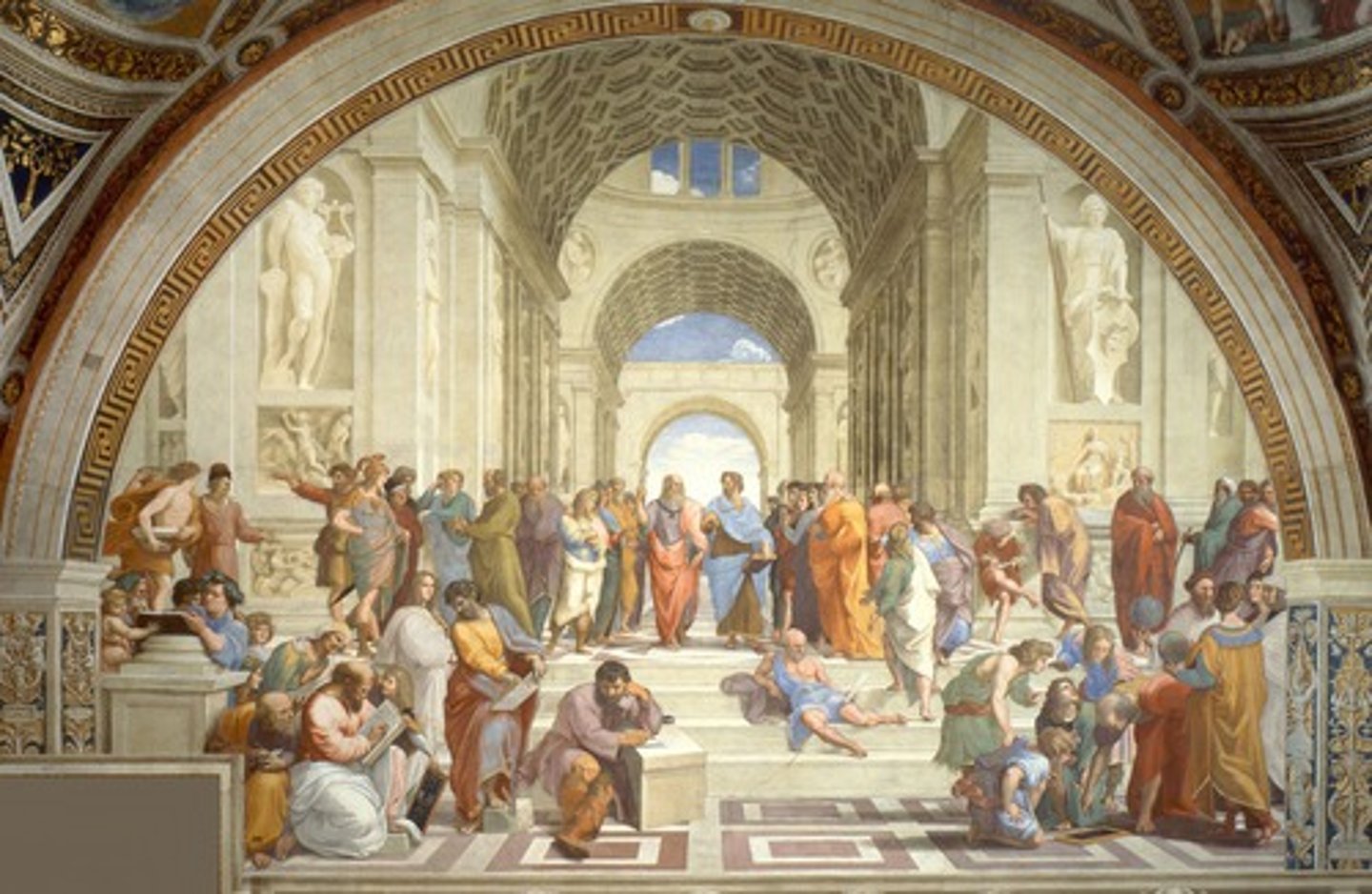
Humanism
an intellectual movement at the heart of the Renaissance that focused on education and the classics
Imperialism
A policy in which a strong nation seeks to dominate other countries poitically, socially, and economically.
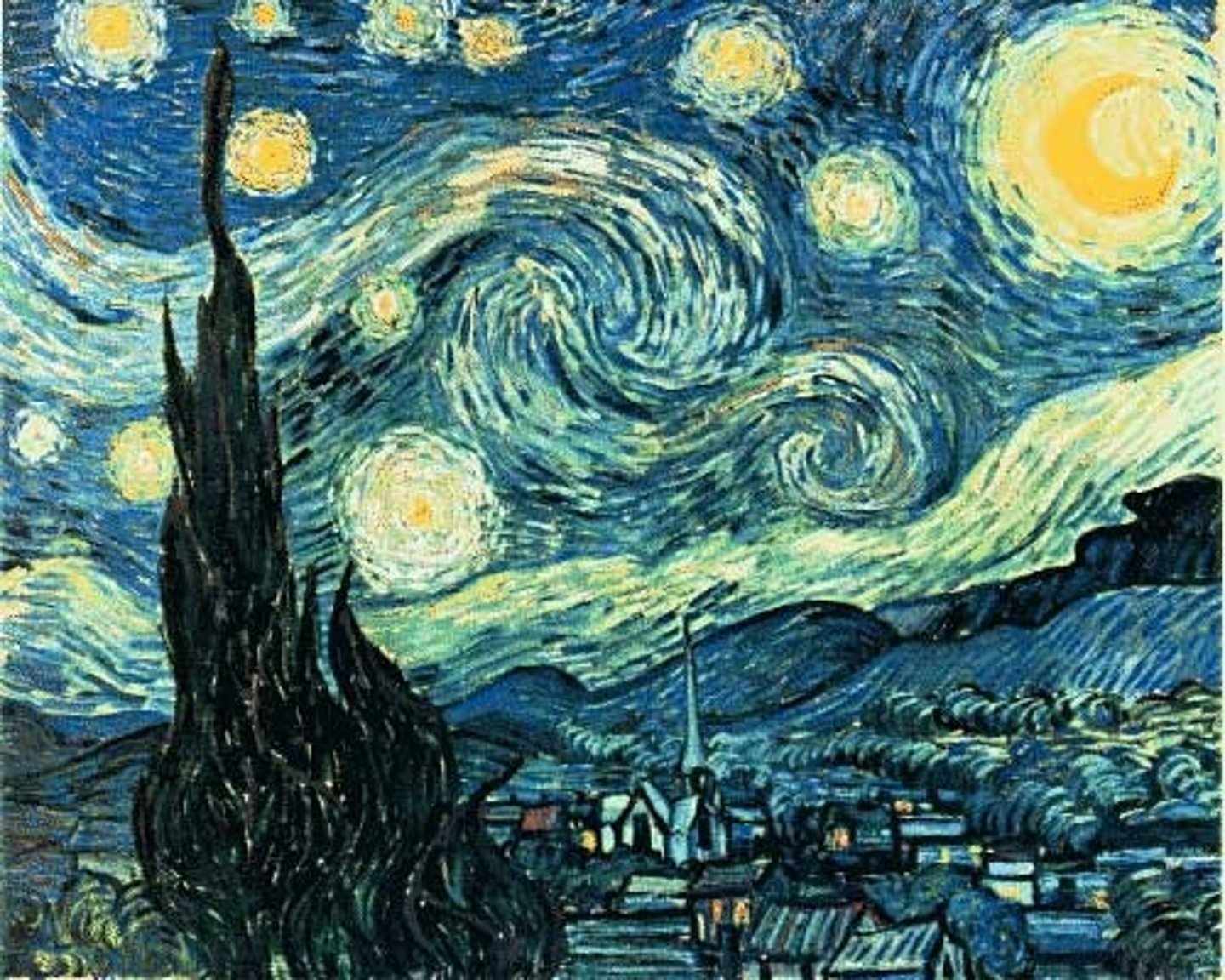
Impressionism
Major Western artistic style that gained prominence in the second half of the 1800s and into the 1900s.Against Realism, visual impression of a moment, style that seeks to capture a feeling or experience, often very colorful.
Liberalism
A political ideology that emphasizes the civil rights of citizens, representative government, and the protection of private property. This ideology, derived from the Enlightenment, was especially popular among the property-owning middle classes.
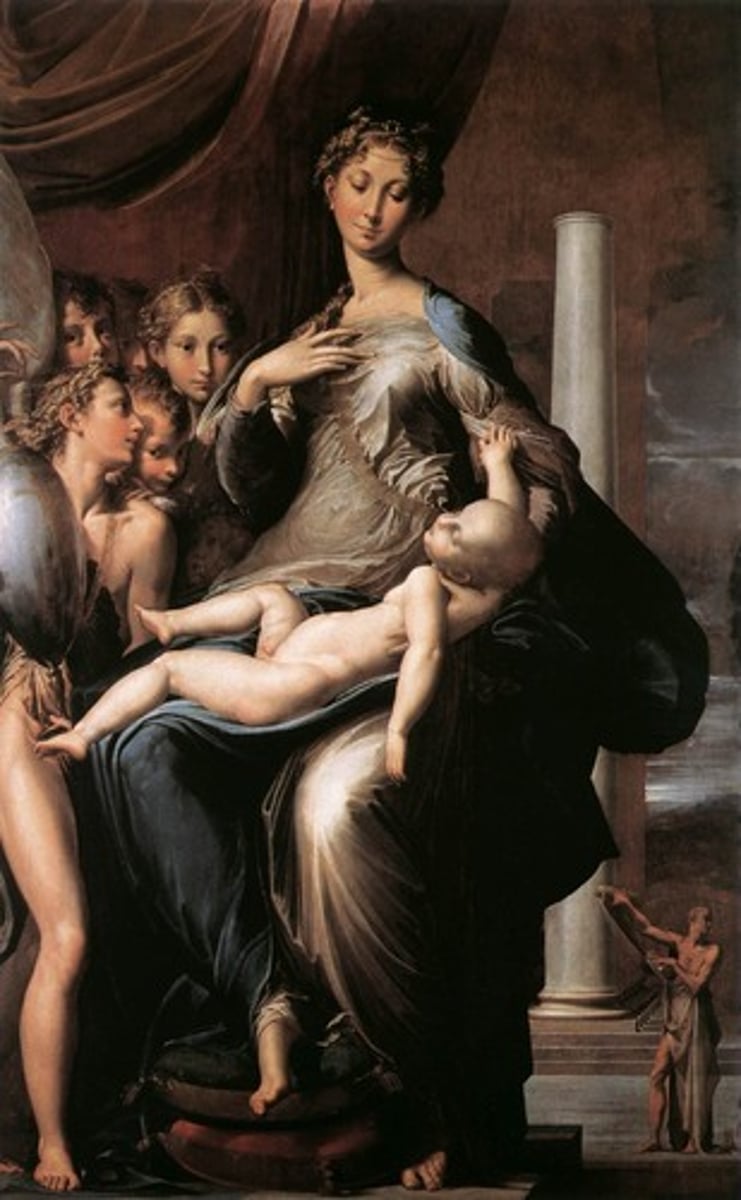
Mannerism
Artistic movement against the Renaissance ideals of symetry, balance, and simplicity; went against the perfection the High Renaissance created in art. Used elongated proportions, twisted poese and compression of space.
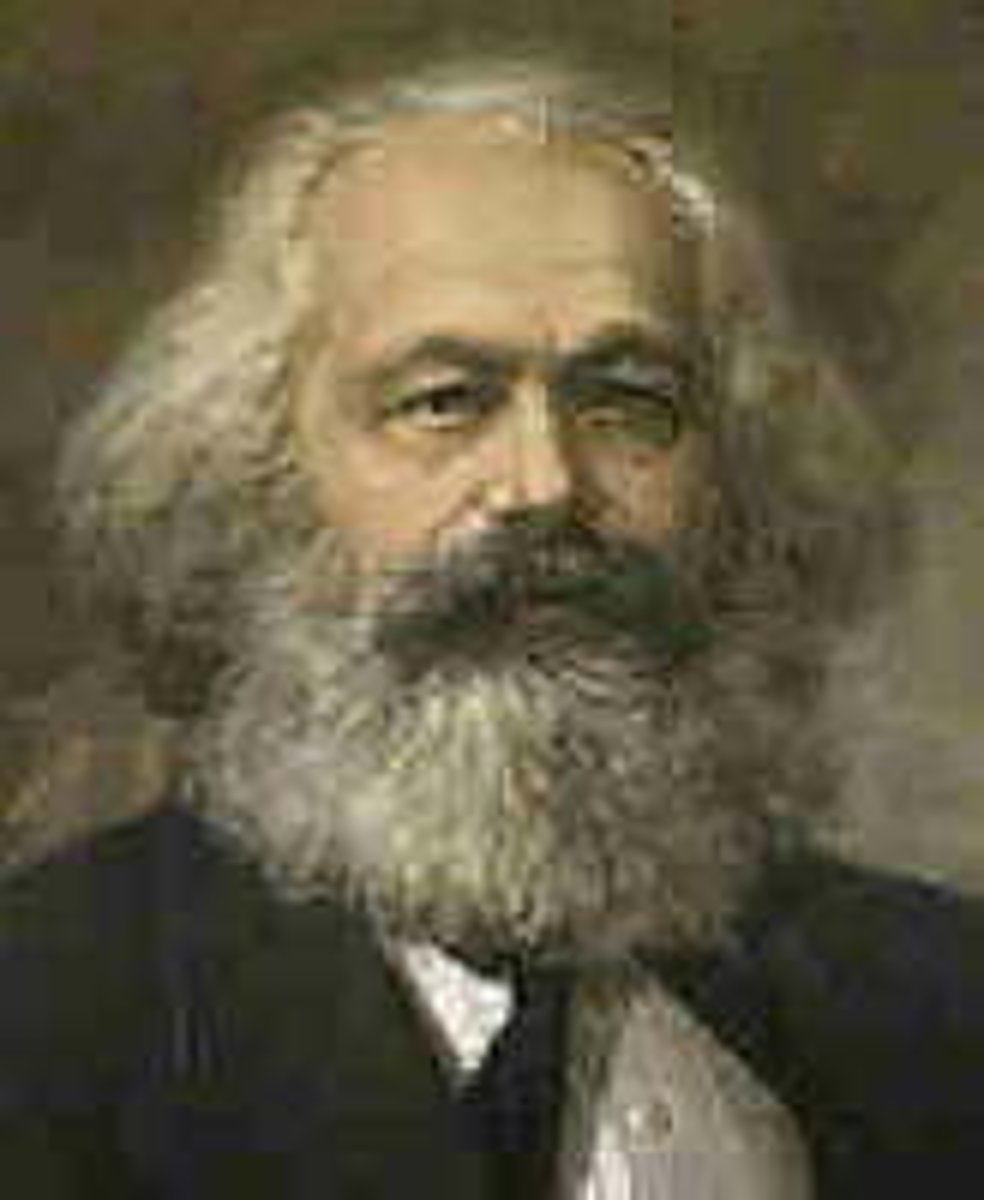
Marxism
the economic and political theories of ______ __________and Friedrich Engels that hold that human actions and institutions are economically determined and that class struggle is needed to create historical change and that capitalism will untimately be superseded
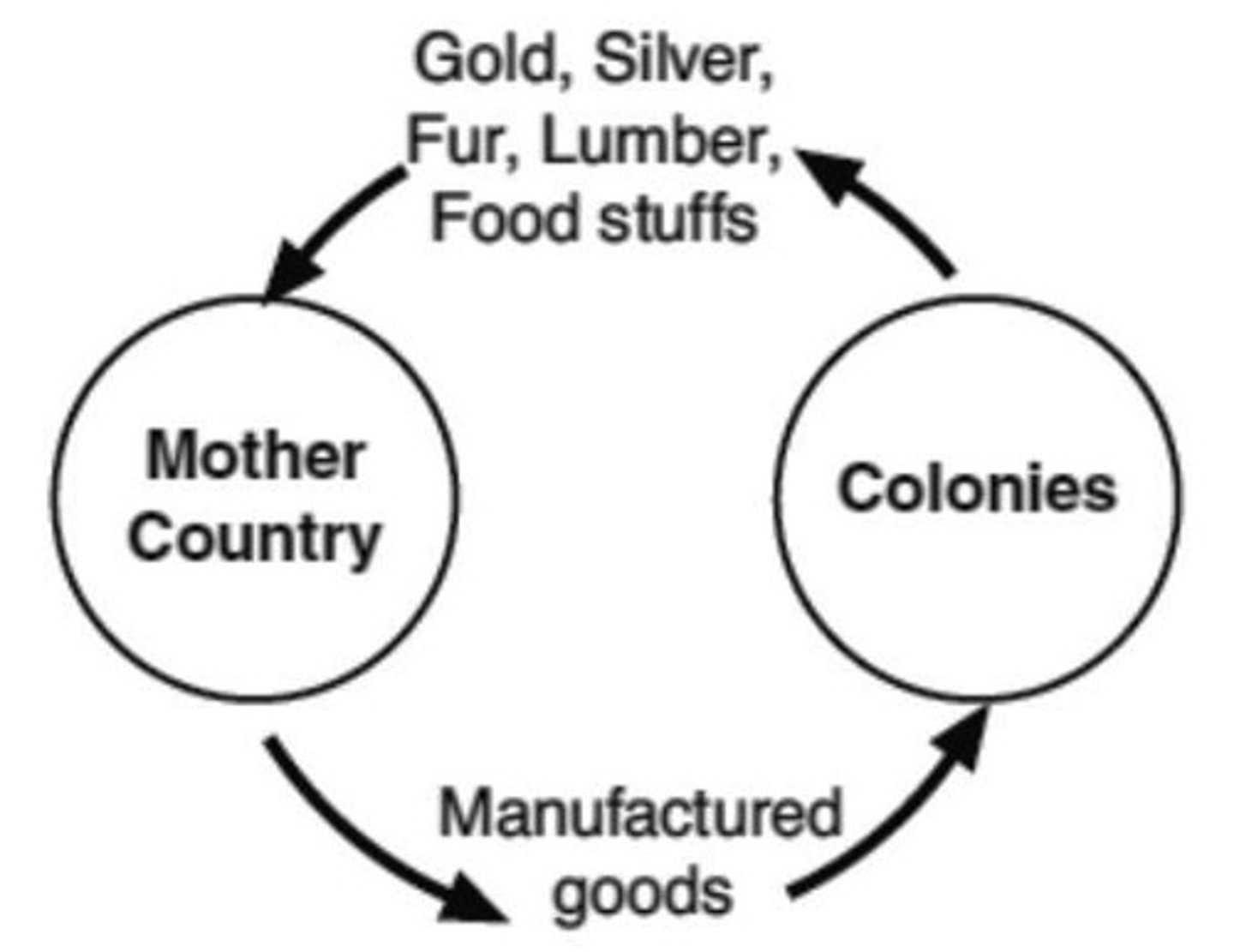
Mercantilism
an economic system (Europe in 18th C) to increase a nation's wealth by government regulation of all of the nation's commercial interests
Militarism
a political orientation of a people or a government to maintain a strong military force and to be prepared to use it aggresively to defend or promote national interests
Modernism
practices typical of contemporary life or thought

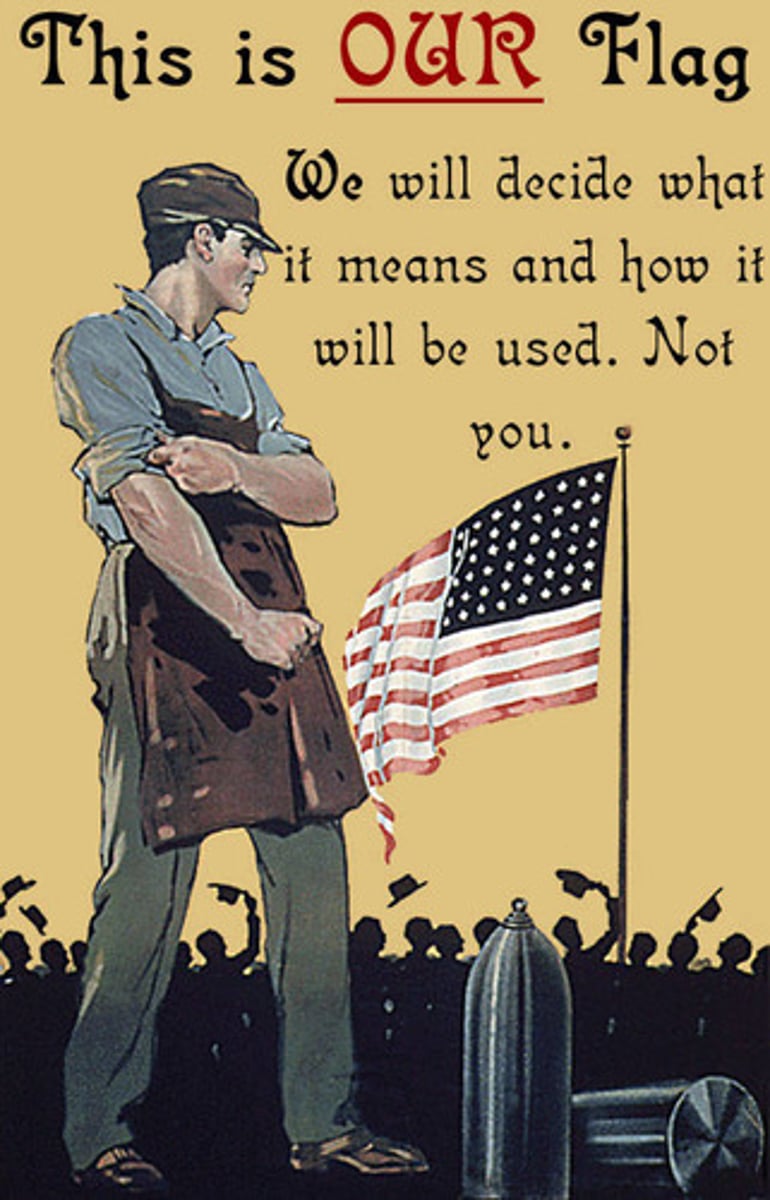
Nationalism
love of country and willingness to sacrifice for it
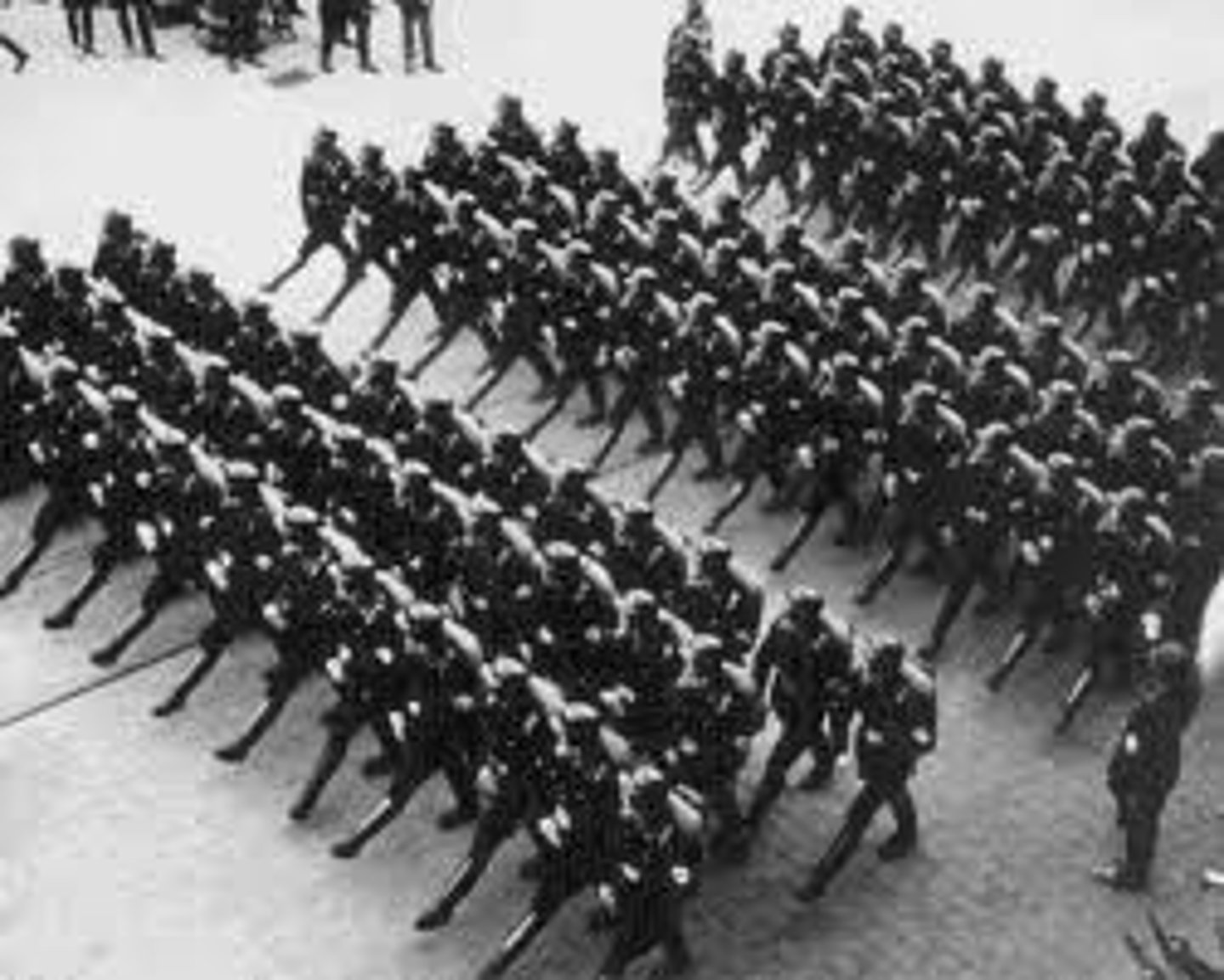
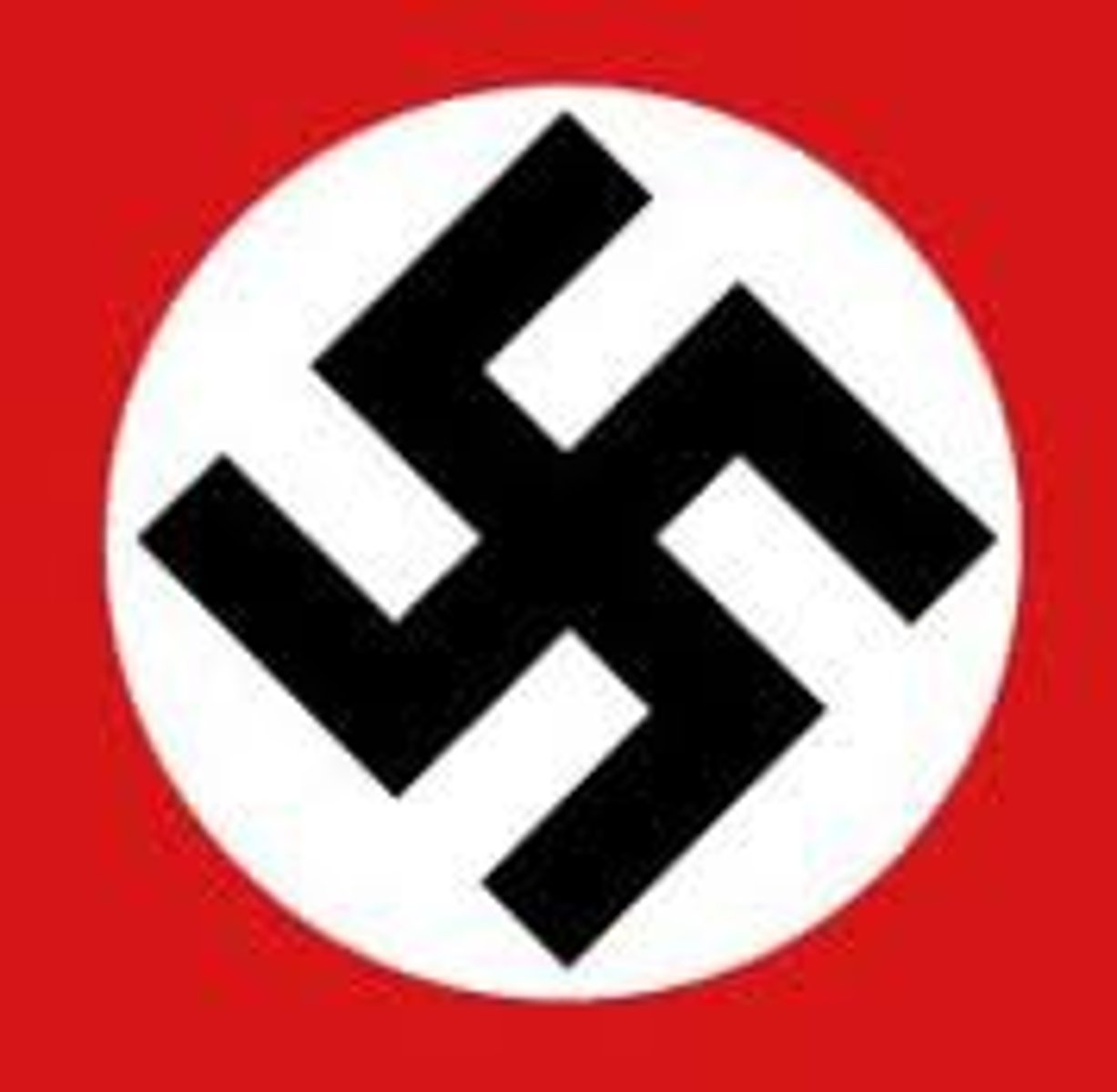
Nazism
a form of socialism featuring racism and expansionism, The doctrines of nationalism, racial purity, anti-Communism, and the all-powerful role of the State. The National Socialist German Workers Party encouraged this and it was advocated by Adolf Hitler in Germany.
Federalism
A system of government in which a written constitution divides power between a central, or national, government and several regional governments

Centralism
denotes the concentration of a government's power into a centralized government. This takes away some of the powers of the states and puts more power into the hands of the executive leader
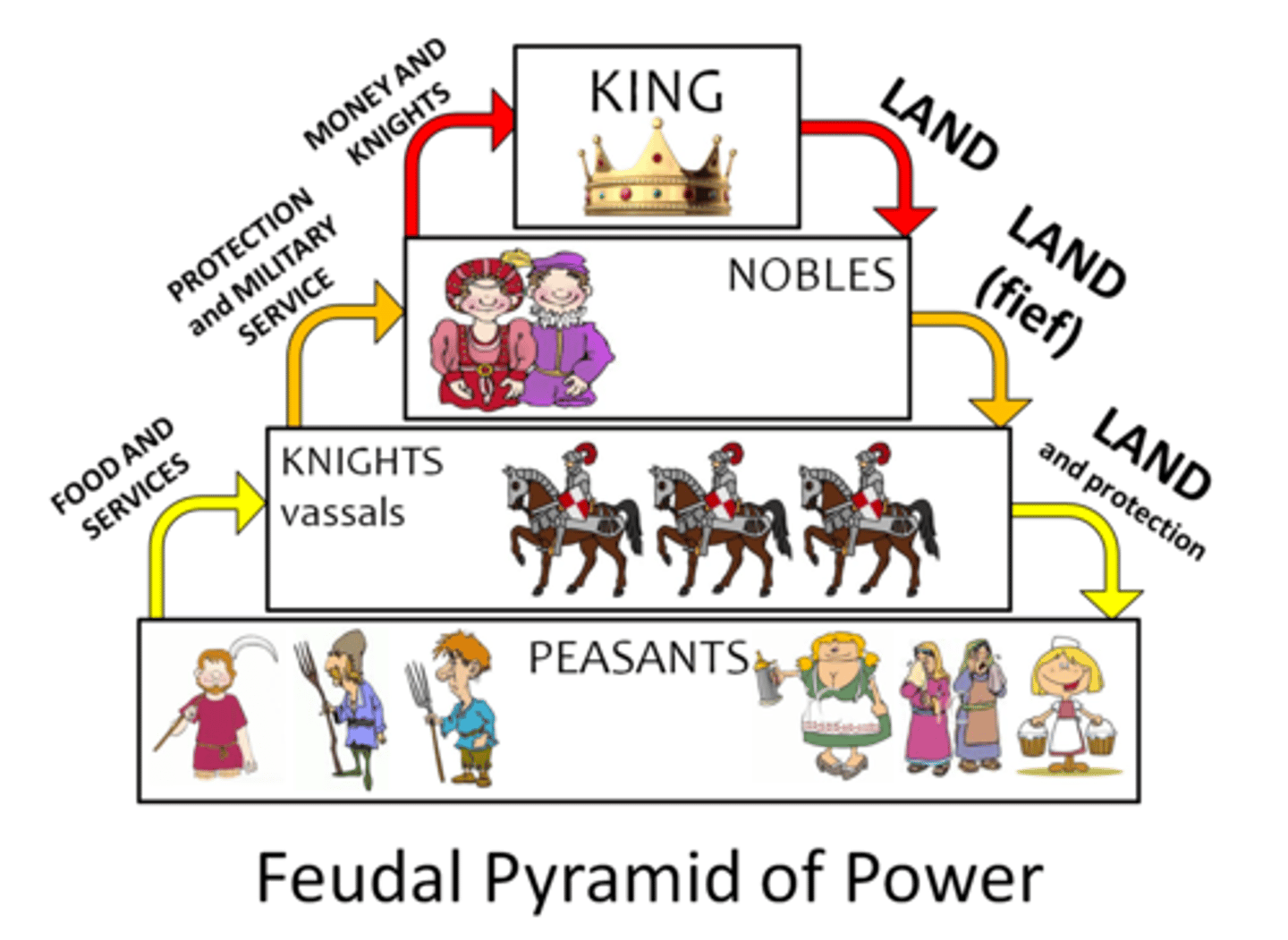
Feudalism
A political system in which nobles are granted the use of lands that legally belong to their king, in exchange for their loyalty, military service, and protection of the people who live on the land
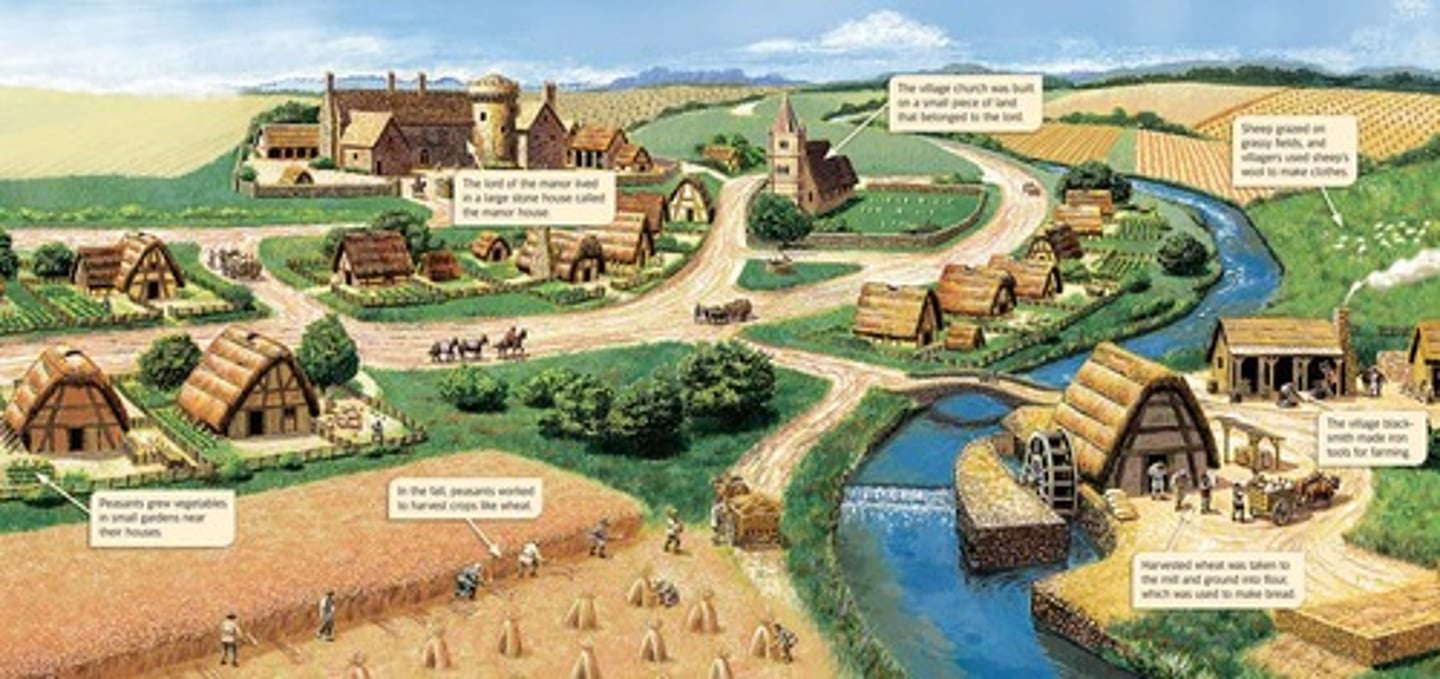
Manorialism
An economic system based on the manor and lands including a village and surrounding acreage which were administered by a lord. It developed during the Middle Ages to increase agricultural production.
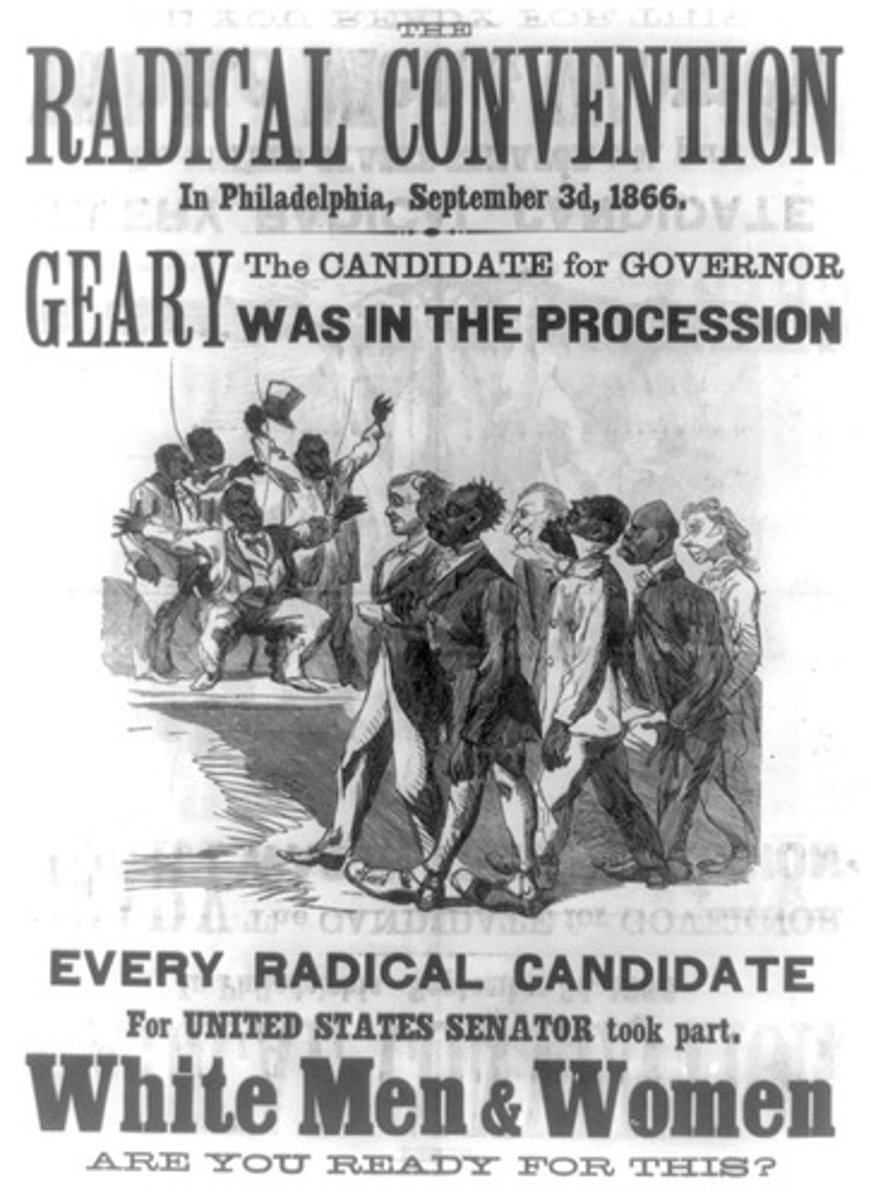
Radicalism
a political philosophy that emphasizes the need to find and eliminate the basic injustices of society; seek what they consider the roots of the economic, political, and social wrongs of society and demand immediate and sweeping changes to wipe them out; a belief that rapid, dramatic changes need to be made to existing society, usually think current system cannot be saved and must be overturned
Martin Luther(1483-1546)
German Reformation
Justification by faith alone
Attack indulgences (paying for mortal sins).
1517, posting of 95 thesis.
Diet of Worms(1521) - met with HRE Charles V, didnt go that well
Did not support peasant social revolution.
Henry VIII (r. 1509-1547)
English
"Defender of the Faith"
Pope Leo X allowed his divorce
Made himself head of the Church of England Reformation.
Had many wives
Act of Supremacy
created Church of England.
John Calvin (1509-1564)
French
Book: The Institutes of Christian Religion
Reformation
Calvinism
John Locke (1632-1704)
English philosopher
Tabula Rasa: the idea that people are born with no prior knowledge
Thought people had the right to Life, Liberty, and Property
Government's purpose was to protect these rights
If the govt. wasn't working for the people then the people could overthrow it and make a new government
Isaac Newton (1642-1727)
English
Mathematician and physicist
Book: Principia (1687)
Laws of Motion
Laws of Gravity
Napoleon (1769-1821)
French general and emperor
Rose through the ranks of army after the French Revolution
Crowned himself emperor (1804)
Lost two-thirds of his army in a disastrous invasion of Russia
His final loss to Britain and Prussia:Battle of Waterloo
He was exiled to the island of St. Helena
Louis XIV (r.1643-1715)
Sun King
Divine Right
Versailles used to manipulate nobles. Mercantilism
Politique
Revoked Edict of Nantes
War of Spanish Succession.
Absolutism.
Copernicus (and Galileo)
Scientific Revolution. 1473-1543 Heliocentric Universe. On the Revolution of Heavenly Spheres. (1564-1642, Telescope, Math)
Elizabeth I
(1558-1603) Politique. 39 articles made moderate protestentism official religion of england. Executed Mary queen of scots. Failed Spainish Armada.
Peter the Great
(1682-1725) Romanov Dynasty. Westernization. Beginning in 1689 Peter gives Russia a crash course in Western ways. He sent Russians to the West to study, brought foreigners into Russia. Taming Streltsy and Boyars. Developed a navy. Founded St. Petersburg. Politique.
Adam Smith
(1723-1790) Enlightenment. Economist. Capitaism. The Wealth of Nations (1776). Selfish Economic Interests. Laissez- Faire - limited role of government in economic life. Invisible Hand.
Metternich
..., Austrian foreign minister who basically controlled the Congress of Vienna. Wanted to promote peace, conservatism, and the repression of liberal nationalism throughout Europe.
Marx
..., developed "scientific socialism", said that productive forces and economic relationships together made up the foundation of society. therefore, classes would conflict until the 'golden age' of communism took over
Darwin
English natural scientist who formulated a theory of evolution by natural selection (1809-1882)
Bismark
The Prussian minister-president who came from a Junker family. He was the architect of the unification of Germany. He wanted to loosen Hapsburg grip on German affairs and establish Prussia as a respectable and dominant power.
Lenin
founded the Communist Party in Russia and set up the world's first Communist Party dictatorship. He led the October Revolution of 1917, in which the Communists seized power in Russia. He then ruled the country until his death in 1924.
Freud
Psychologist who developed psychoanalysis, a method of probing the unconscious mind, frequently by analyzing dreams. He believed that humans were driven by unconscious pleasure-seeking forces.
Medici Family
Wealthiest Florentine Family. Financed much of the Renaissance. Powerful Italinan family. Most famous member: Catherine de Medici
Pertrach
one of the earliest and most influential humanists. "father of Renaissance humanism" great poet
Machiavelli
Wrote "The Prince", a book that recommended harsh and arbitrary rule for princes
Donatello
Florentine sculptor famous for his lifelike sculptures (1386-1466)
Leonardo da Vinci
Italian painter and sculptor and engineer and scientist and architect
Michelangelo
famous painter and sculptor who painted the ceiling of the Sistene Chapel in the Vatican and statue of David
Raphael
Italian painter whose many paintings exemplify the ideals of the High Renaissance (1483-1520)
Botticelli
Italian painter of mythological and religious paintings (1444-1510)
Erasmus
Renaissance. Most famous of Northern Humanists. Religious reformer. Prince of Humanists
Thomas More
Renaissance. Most famouus English Humanists. Wrote Utopia critizing contemporary society.
Cervantes
Renaissance. Spanish writer best remembered for 'Don Quixote' (1547-1616)
Rembrandt
Religious Wars. Influential Dutch artist (1606-1669)
Van Eyck
Northern Renaissance. Artist. Arnolfini Wedding
Mary I
Religious wars. Undid alot of her brothers pro-protestent acts. Was extremly violent against protestents
Ignatius Loyola
Founded the Society of Jesus (jesuits), resisted the spread of Protestantism, Counter Reformation
Prince Henry the Navigator
Age of Discovery. Portugese prince who sponsered portuguese exploration of African coast
Vasco de Gama
Age of Discovery. Portuguese explorer and the first person to navigate a route to the East and India
Cortez and Pizarro
Age of Discovery. Spanish Conquistadors who conquered the Aztec and Incans
Philip II
King of Spain and Portugal and husband of Mary I
James I
Paths to Constitutionalism succeeded Elizabeth I; he alienated the British Parliament by claiming the divine right of kings and by raising taxes without permission. Problems with puritans (1566-1625)
Charles I
(1625-1649) Continued to raise taxes and alienate parliment and have Catholic sympathies. Didnt call parliment for a while, short parliement then long parliment then english civl war.
Oliver Cromwell
English general and statesman who led the parliamentary army in the English Civil War. established Puratin Republic
Charles II
Reset status quo. Had catholic sympathies. Tried to work with parliement
James II
..., English king from 1685-1688. He made enemies with Parliment when he displayrd his Catholic faith, appointed Catholics to offices within the government, and had a Catholic son who would be heir to the throne. He was depsoed in 1688
William and Mary
..., These people were the king and queen of England after the Glorious Revolution that recognized the supremacy of the English Parliament
Catherine de Medici
wife of Henry II, influenced her sons after the end of there father's rein. She placed an alliance with the ultra-Catholics (the militant Catholics), which was led by the second most powerful family in France, The Guise Family. She permitted the Guise Family their own independent army,which they would use to take out the other religions residing within the French Borders. This led to the civil wars in France and also the St. Bartholome's Day Massacre.
Henry IV (of Navarre)
French Bourbon king. A POLITIQUE. Converted from Calvinism to Catholicism to support his country. ("Paris is worth a Mass"). Proclaimed the EDICT OF NANTES. LAID FOUNDATION FOR FRANCE TO BECOME THE STRONGEST EUROPEAN POWER IN THE 17TH CENTURY
Cardinal Richelieu
This was the man who influenced the power of King Louis XIII the most and tried to make France an absolute monarchy
Jean-Baptiste Colbert
An economic advisor to Louis XIV; he supported mercantilism and tried to make France economically self-sufficient. Brought prosperity to France.
Fredrick II (the Great)
King of Prussia, fought the War of Austrian Succession and the Seven Years War against Maria Theresa
Benito Mussolini
Fascist dictator of Italy (1922-1943). He led Italy to conquer Ethiopia (1935), joined Germany in the Axis pact (1936), and allied Italy with Germany in World War II. He was overthrown in 1943 when the Allies invaded Italy. (p. 786)
Adolf Hitler
This dictator was the leader of the Nazi Party. He believed that strong leadership was required to save Germanic society, which was at risk due to Jewish, socialist, democratic, and liberal forces.
Leon Trotsky
Russian revolutionary intellectual and close adviser to Lenin. A leader of the Bolshevik Revolution (1917), he was later expelled from the Communist Party (1927) and banished (1929) for his opposition to the authoritarianism of Stalin
Stalin
Russian leader who succeeded Lenin as head of the Communist Party and created a totalitarian state by purging all opposition
Winston Churchhill
(1874-1965) Prime Minister of Great Britain during World War II.
Catherine the Great
An enlightened despot who ruled over Russia. She is responsible for many positive changes in Russia, as well as securing the country a warm water port.
William of Orange
Age of Religious wars. Led calvinist movement in the Netherlands. Helped unite Netherlands against the Spanish in hope for independence (Pacification of Ghent).
Brahe
He believed that other planets revolved around the Sun, but that the Sun and Moon revolved around the Earth.
Kepler
German astronomer who first stated laws of planetary motion (1571-1630)
Harvey
Circulation of blood
Pascal
French mathematician and philosopher and Jansenist