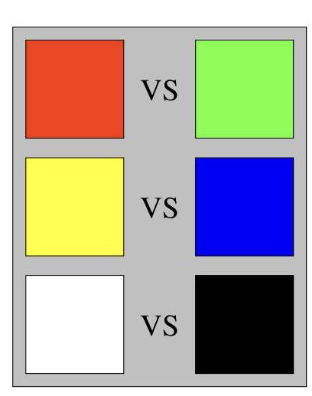
Colour sensation - Chapter 5
 Call Kai
 Learn
Learn Practice Test
 Spaced Repetition
 Match
Match Flashcards
 Knowt Play
1/30

There's no tags or description
Looks like no tags are added yet.
Name | Mastery | Learn | Test | Matching | Spaced | Call with Kai |
|---|
No analytics yet
Send a link to your students to track their progress
31 Terms
What is colour
colour is a psychological representation of a mixture of lights in different wavelengths
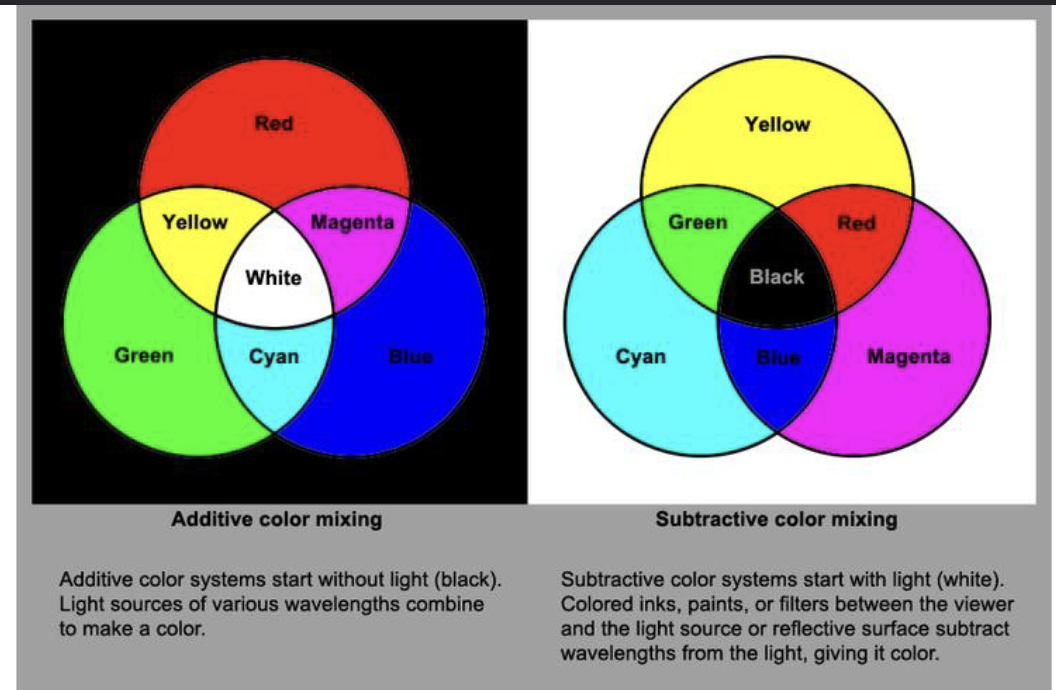
What are the two models of colour mixing
WHAT
WHAT
What are the two models of colour mixing
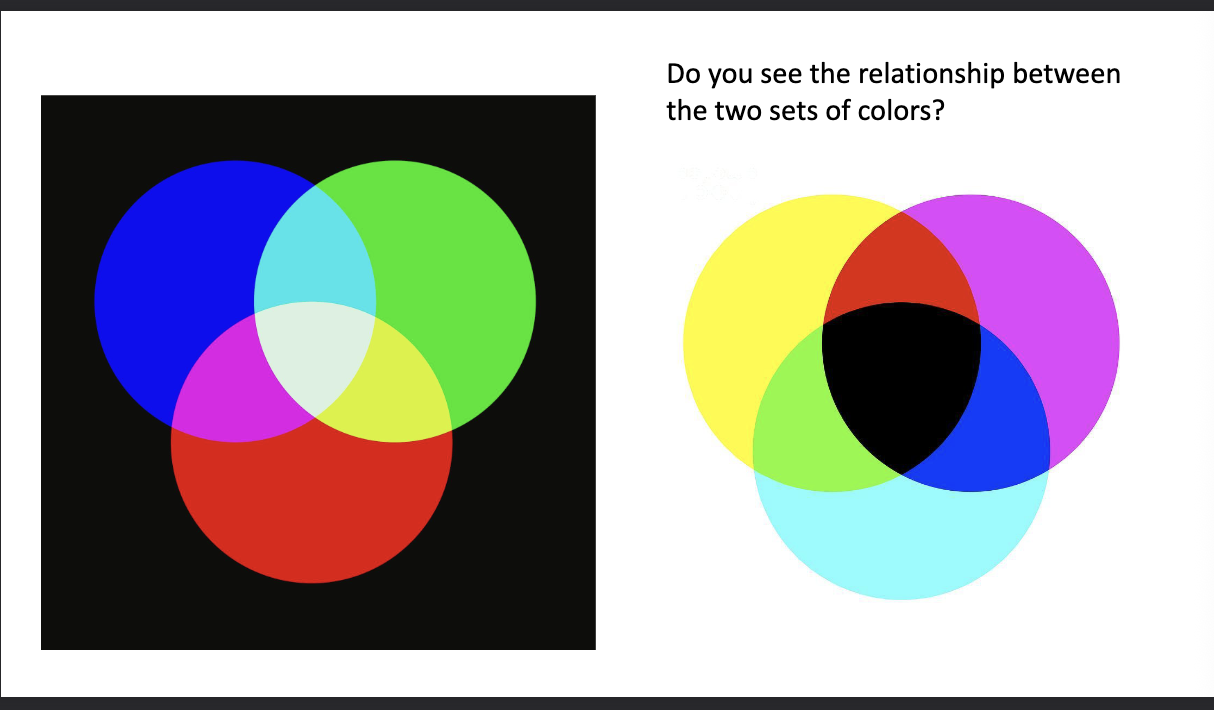
Additive colour mixing
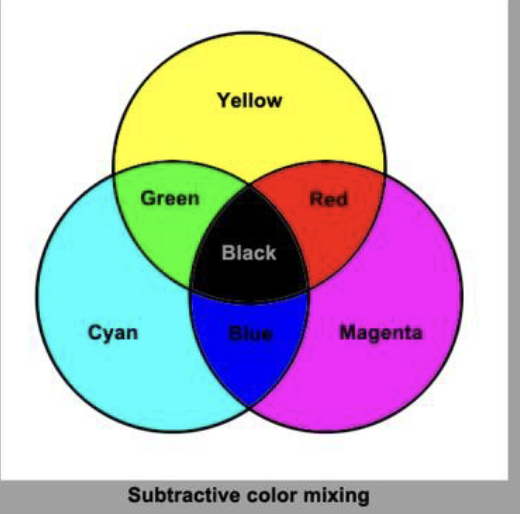
Subtractive colour mixing
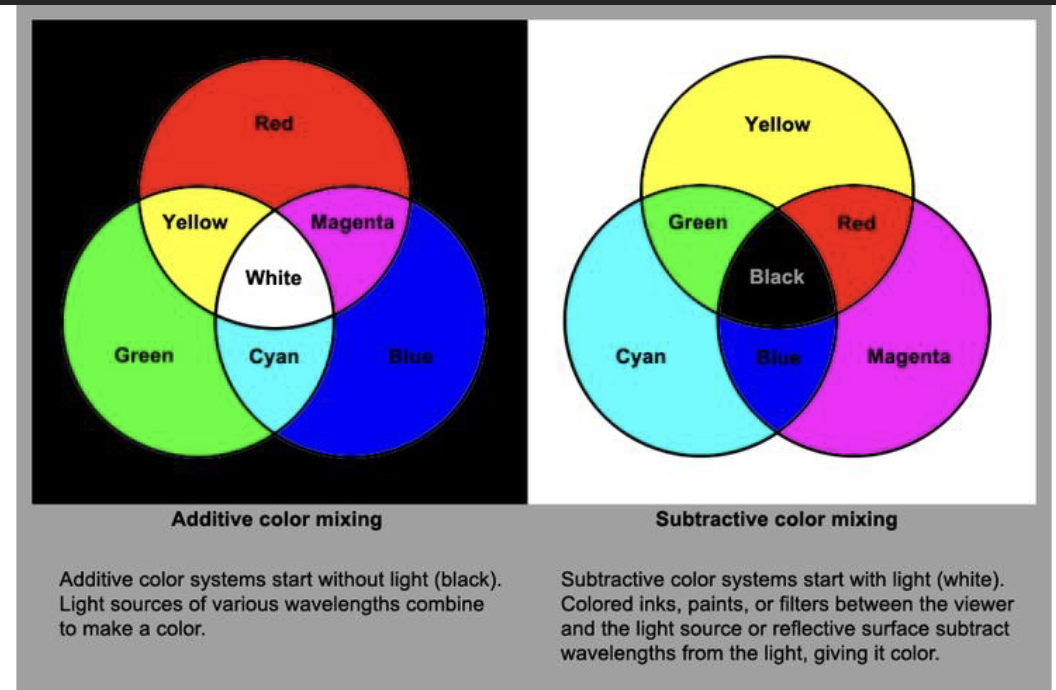
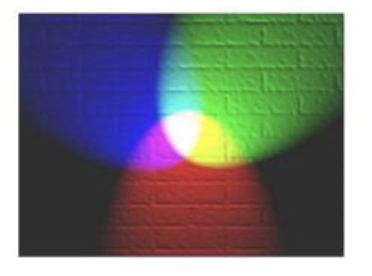
Additive colour mixing
Additive colour system starts without light (black)
Light sources of various wavelengths combine to make colour
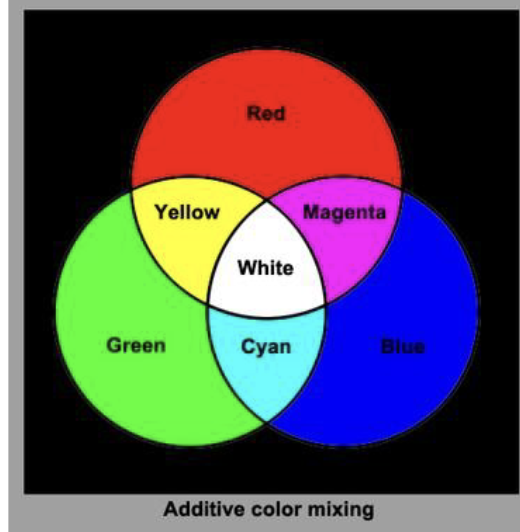
Subtractive colour mixing
Subtractive colour system starts with light (white)
Coloured inks, paints or filters between the viewer and the light source or reflective surface subtract wavelengths from the light giving it colour
Additive = WHAT
Adding light so light gets WHAT
Additive = MXING LIGHT
Adding light so light gets LIGHTER
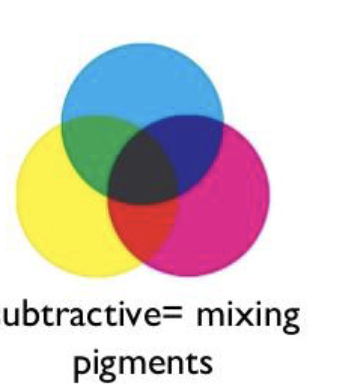
Subtractive = WHAT
Subtracting light so light gets WHAT
Subtractive = MIXING PIGMNETS
Subtracting light so light gets DARKER
Blue light gets absorbed by a filter that is WHAT in colour
Blue light gets absorbed by a filter that is YELLOW in colour
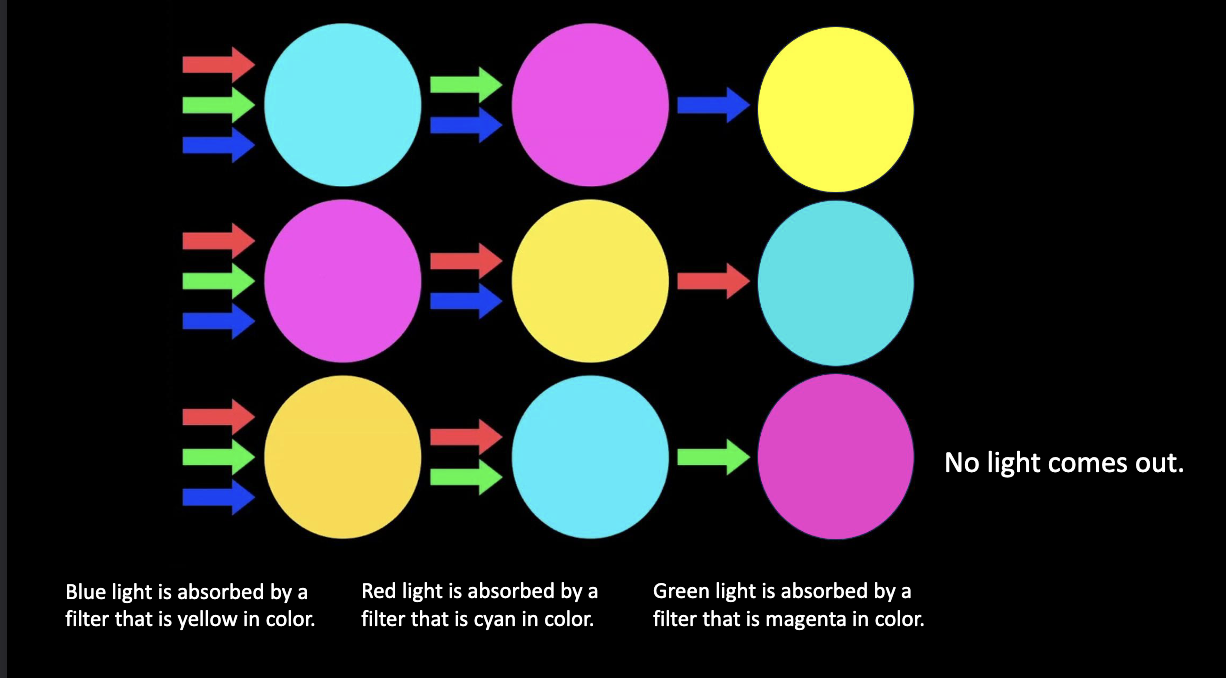
Red light gets absorbed by a filter that is WHAT in colour
Red light gets absorbed by a filter that is CYAN in colour
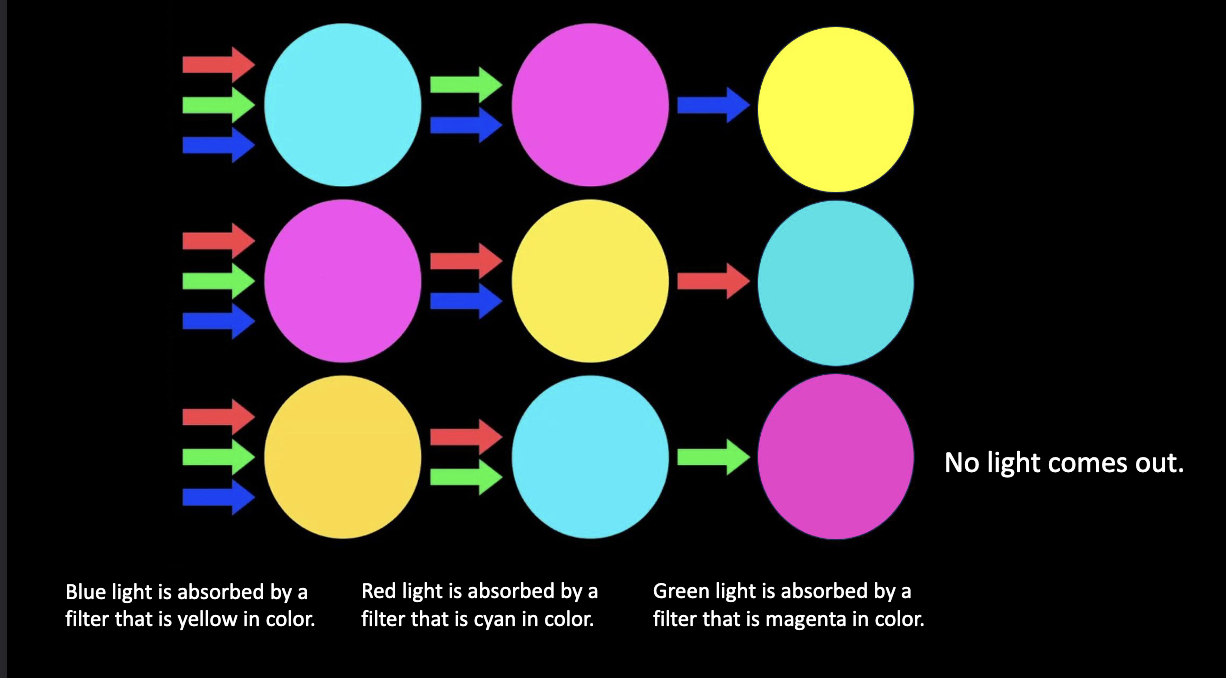
Green light gets absorbed by a filter that is WHAT in colour
Green light gets absorbed by a filter that is MAGENTA in colour
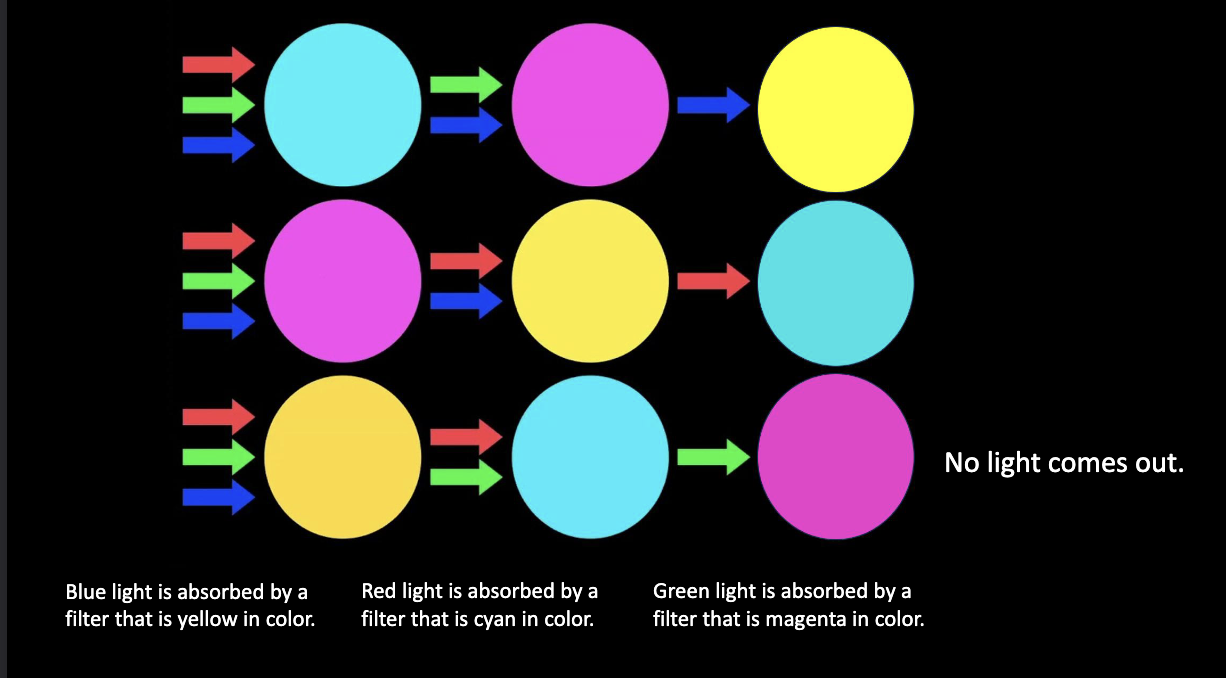
Mixing green and red will produce HWTA. WHAT light comes out of a filter that is WHAT in colour
Mixing green and red will produce YELLOW. YELLOW light comes out of a filter that is YELLOW in colour
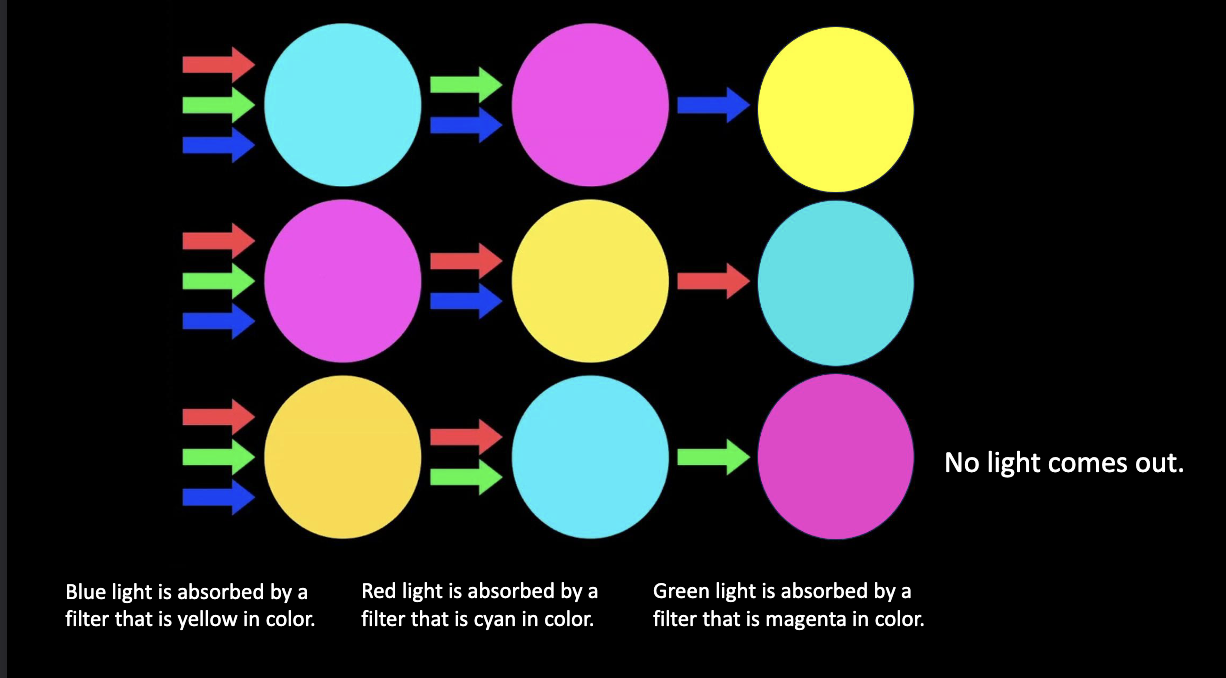
A colour absorbs its WHAT colour:
Yellow absorbs HWTA
Magenta absorbs WHAT
Cyan absorbs WHAT
A colour absorbs its COMPLEMENTARY colour:
Yellow absorbs BLUE
Magenta absorbs GREEN
Cyan absorbs RED
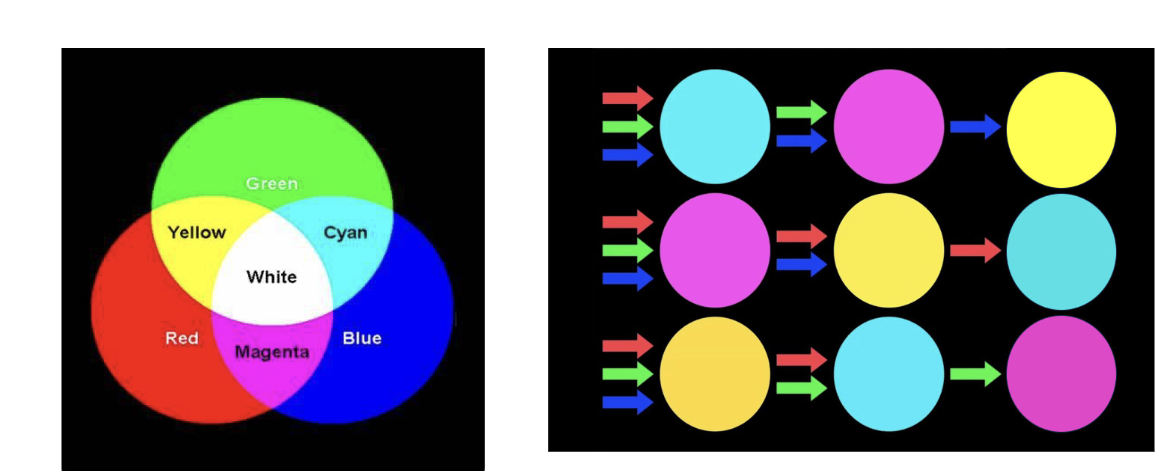
Additive and subtractive colour mixing work in WHAT directions
Additive and subtractive colour mixing work in OPPOSITE directions
Desaturating a hue (mixing one hue with another)
In additive color mixing, when a hue is desaturated (e.g., mixing blue light with yellow light), the resulting hue is closer to WHAT.
The opposite is true for subtractive color mixing, desaturating a hue (e.g., mixing a blue pigment with a yellow pigment) will make the resulting hue closer to WHAT
Desaturating a hue (mixing one hue with another)
In additive color mixing, when a hue is desaturated (e.g., mixing blue light with yellow light), the resulting hue is closer to WHITE.
The opposite is true for subtractive color mixing, desaturating a hue (e.g., mixing a blue pigment with a yellow pigment) will make the resulting hue closer to BLACK
Decreasing the value of a hue (making a hue less concentrated)
Decreasing the value of WHAT (i.e., making it dimmer) will make the hue darker.
Decreasing the value of a WHAT (i.e., diluting it with water or adding white to it) will make the hue brighter.
Decreasing the value of a hue (making a hue less concentrated)
Decreasing the value of LIGHT (i.e., making it dimmer) will make the hue darker.
Decreasing the value of a PIGMENT (i.e., diluting it with water or adding white to it) will make the hue brighter.
What are the two theories of colour vision
WHAT
WHAT
What are the two theories of colour vision
Trichromatic theory
Opponent process theory
Trichromatic theory
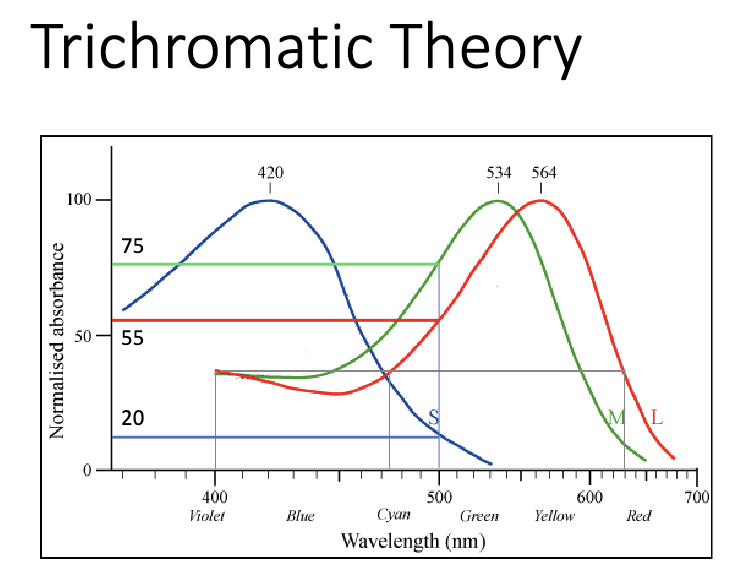
Human eye has three types of WHAT with differing WHAT to different light wavelengths.
Light of different wavelengths stimulates the three different types of WHAT in different ways.
The WHAT of the activity of these three receptor types creates our impression of different WHAT
Trichromatic theory
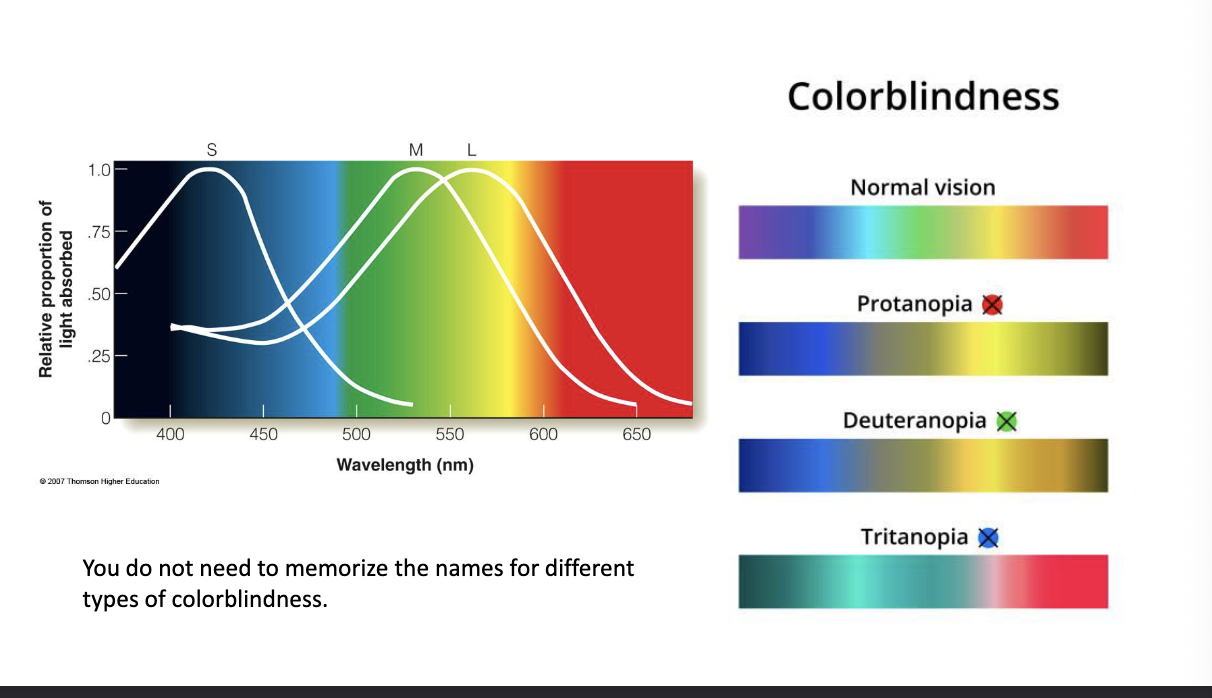
Human eye has three types of RECEPTORS with differing SENSITIVITIES to different light wavelengths.
Light of different wavelengths stimulates the three different types of CONE RECEPTORS in different ways.
The RATIO of the activity of these three receptor types creates our impression of different COLOURS
Opponent process theory
Color perception depends on receptors that make WHAT responses to three pairs of colors.
Opponent process theory
Color perception depends on receptors that make ANTAGONISTIC responses to three pairs of colors.
Trichromatic theory example:
Light at 500 nm excites blue receptors to about 20% of their maximum, red receptor to about 55%, green receptor to about 75%. The overall color that a human sees would be like adding 20 units of pure blue light, 55 units of pure red light, and 75 units of pure green light.
A colour-blind individual is one who is born with only one or two WHAT
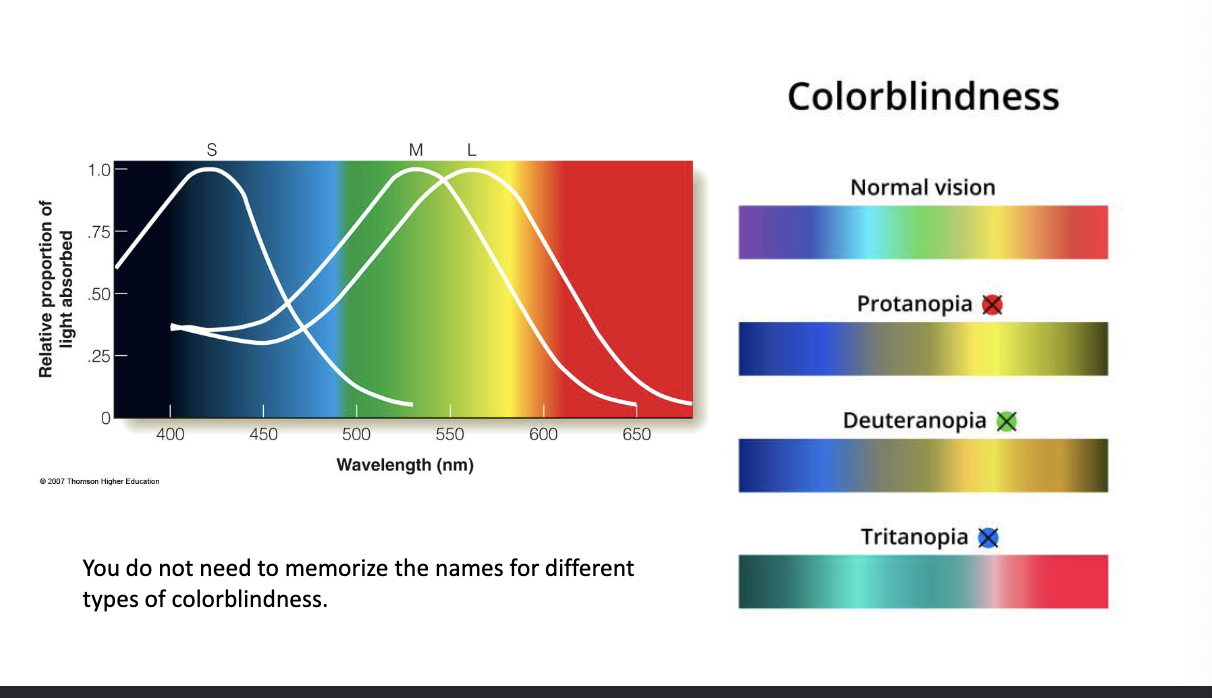
A colour-blind individual is one who is born with only one or two CONE RECEPTORS
The colour that the person is unable to create depend in which WHAT is missing
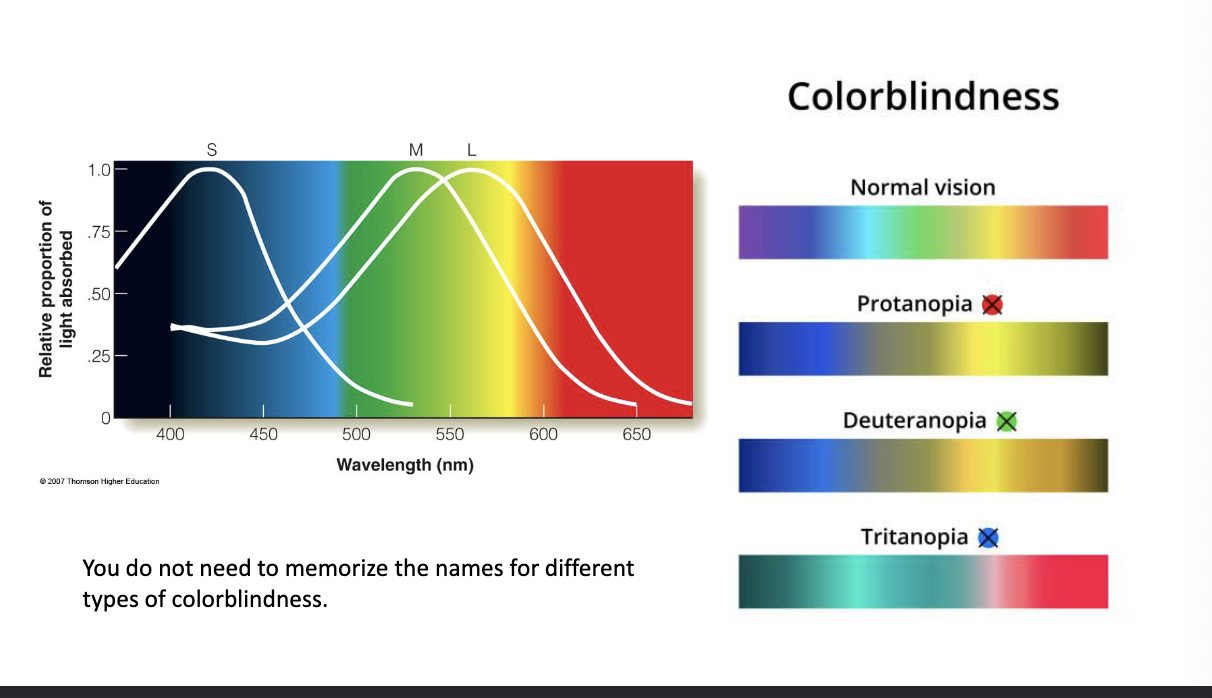
The colour that the person is unable to create depend in which RECEPTOR TYPE is missing
The most common deficiency is WHAT or WHAT receptor
The most common deficiency is RED or GREEN receptor
If a person is missing two types of receptors the person cannot create WHAT
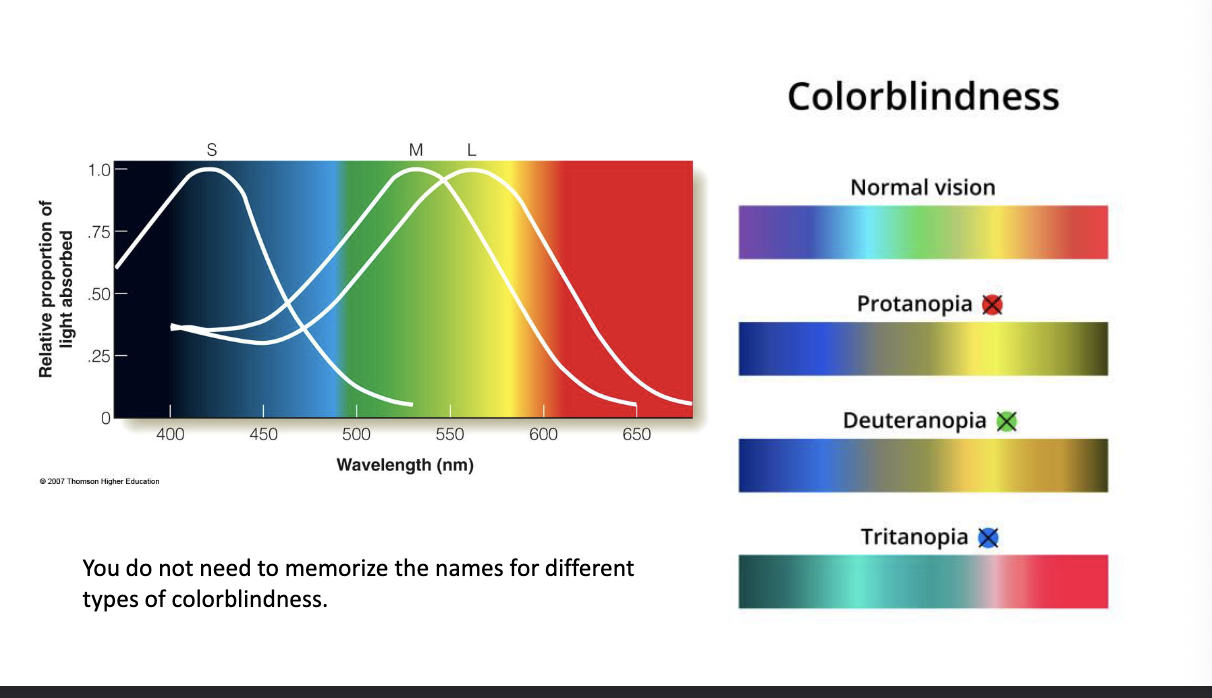
If a person is missing two types of receptors the person cannot create ANY COLOURS
One weakness of the trichromatic theory is that it fails to explain
WHAT
One weakness of the trichromatic theory is that it fails to explain
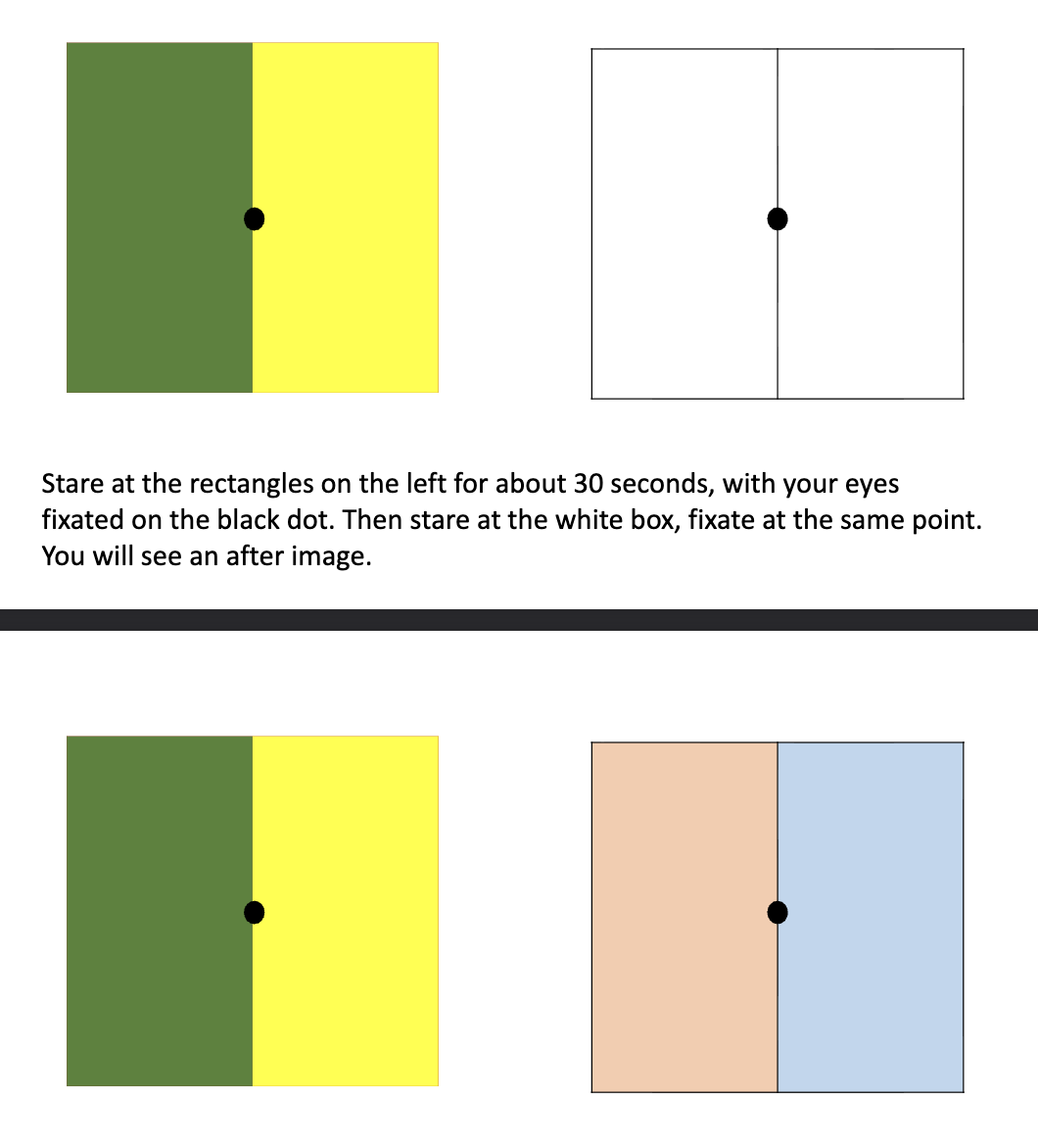
COMPLEMENTARY AFTERIMAGE
Complementary colours
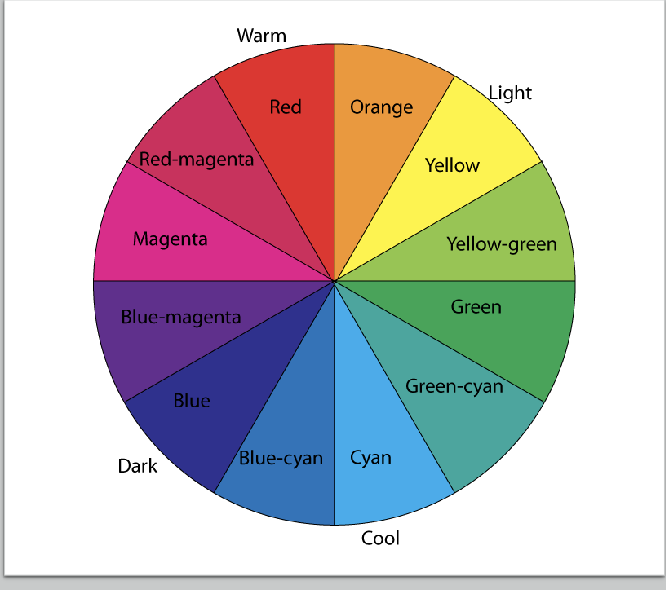
Colours on the opposite sides of a colour wheel.
When staring at certain colours, when you look away you will see there WHAT colour. This is called WHAT
When staring at certain colours, when you look away you will see there COMPLEMENTARY colour. This is called NEGATIVE AFTERIMAGE
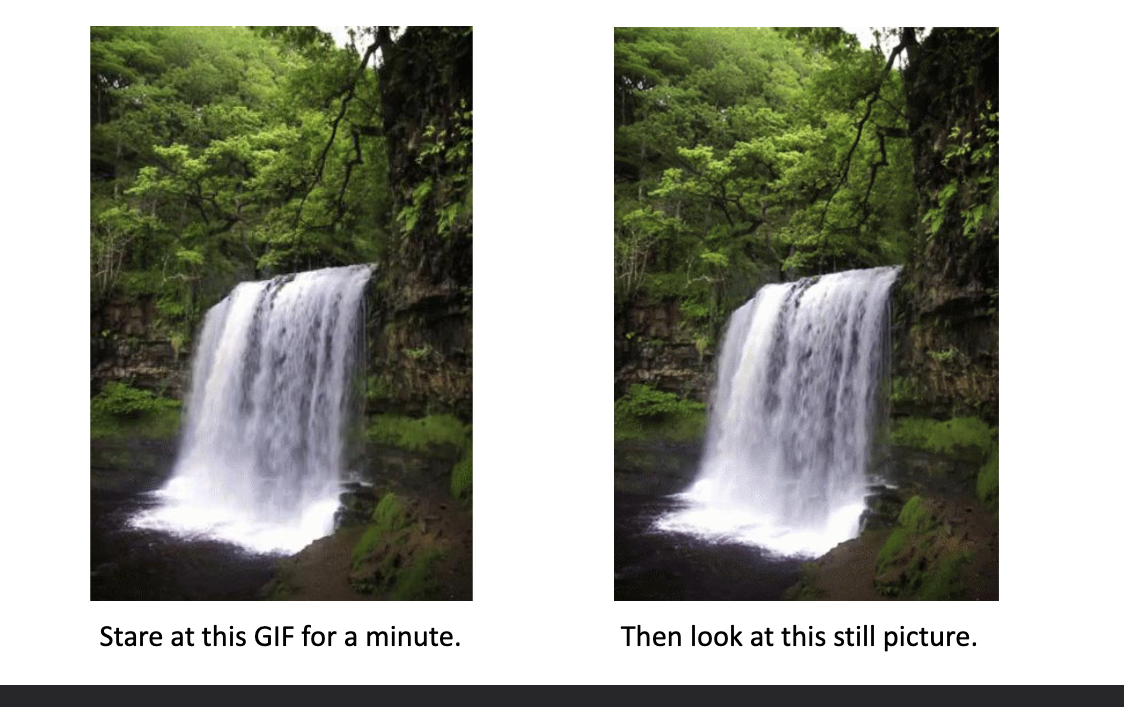
The waterfall illusion, also known as the WHAT (MAE), occurs when you observe a moving stimulus for some time—like flowing water—and then look at a stationary object. The stationary object appears to drift in the WHAT direction of the original motion.
The waterfall illusion, also known as the MOTION AFTEREFFECT (MAE), occurs when you observe a moving stimulus for some time—like flowing water—and then look at a stationary object. The stationary object appears to drift in the OPPOSITE direction of the original motion.
Opponent process theory
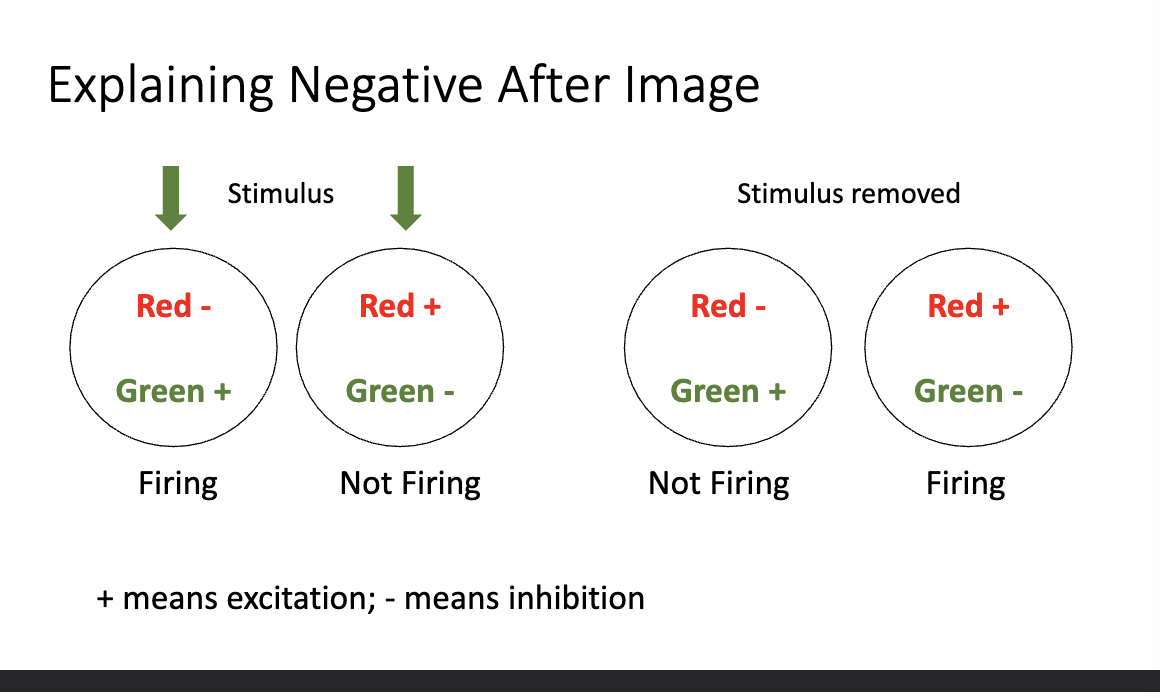
A stimulus triggers an WHAT reaction in one neuron but an WHAT reaction in another neuron. This process is called the WHAT process
Opponent process theory
A stimulus triggers an EXCITATORY reaction in one neuron but an INHIBITORY reaction in another neuron. This process is called the OPPONENT process
Opponent process theory
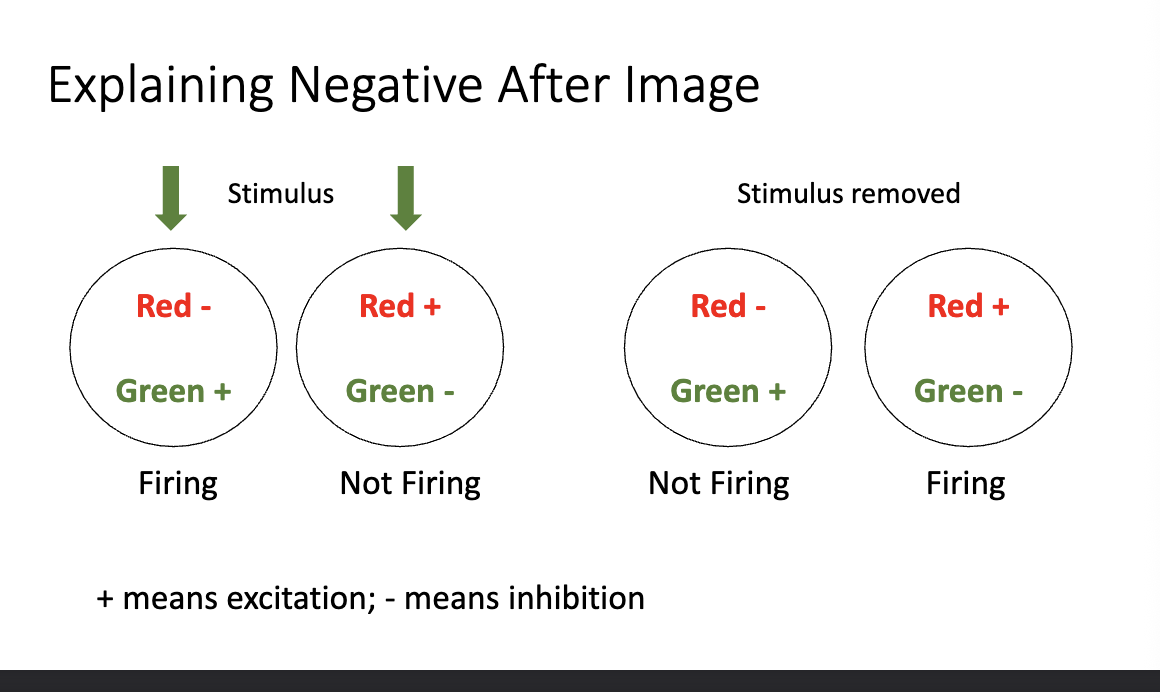
After repeated exposure to the same stimulus, both the WHAT and WHAT reactions WHAT
Opponent process theory
After repeated exposure to the same stimulus, both the EXCITATORY and INHIBITORY reactions WEAKEN
Opponent process theory
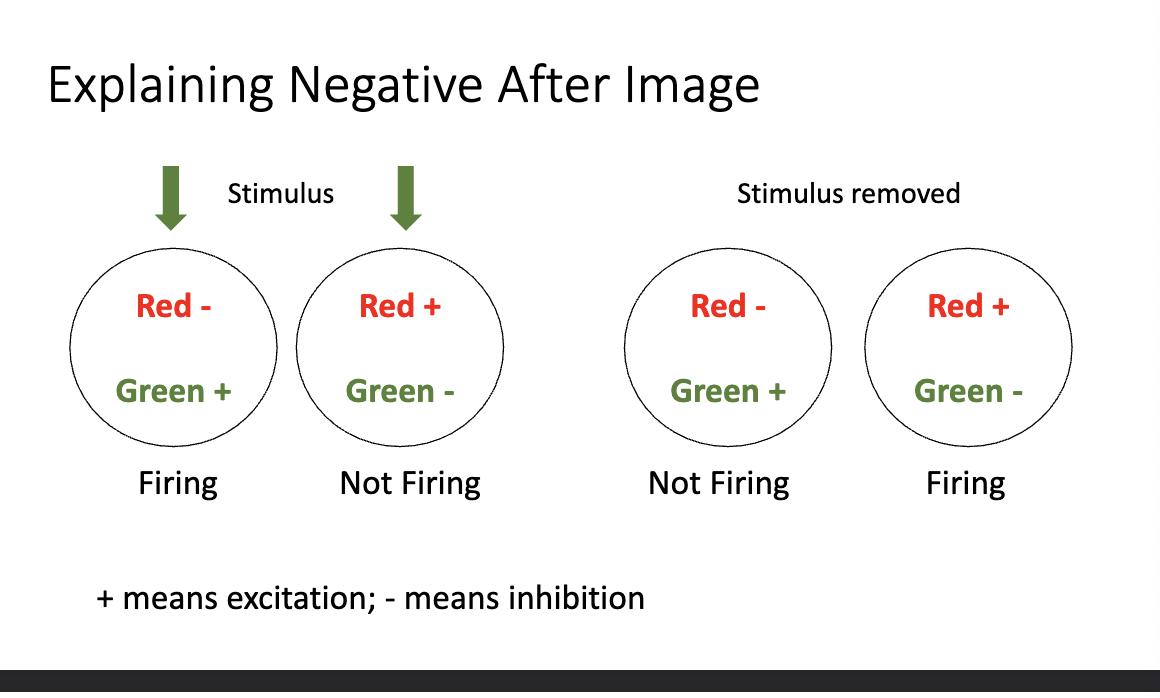
When the stimulus is removed, the WHAT neuron is released from the WHAT and becomes more WHAT than its baseline.
Opponent process theory
When the stimulus is removed, the INHIBITED neuron is released from the INHIBITION and becomes more ACTIVE than its baseline.
Opponent process theory
A competing theory of colour vision which assumes that the WHAT system treats pairs of colours as WHAT or WHAT
Opponent process theory
A competing theory of colour vision which assumes that the VISUAL system treats pairs of colours as OPPOSING or ANTAGONIST
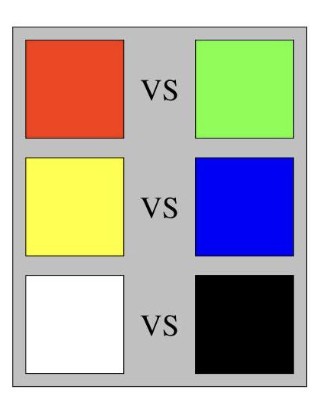
Opponent process cells are inhabited by a colour and have a burst of WHAT when its removed
Opponent process cells are inhabited by a colour and have a burst of ACTIVITY when its removed