ArtH 151 Exam 1
 Call Kai
 Learn
Learn Practice Test
 Spaced Repetition
 Match
Match Flashcards
 Knowt Play
1/43

Earn XP
Description and Tags
Sumerian Empire, Akkadian Empire, Neo-Sumerian Empire, Assyrian Empire, Egyptian Empire
Name | Mastery | Learn | Test | Matching | Spaced | Call with Kai | Chat |
|---|
No analytics yet
Send a link to your students to track their progress
44 Terms
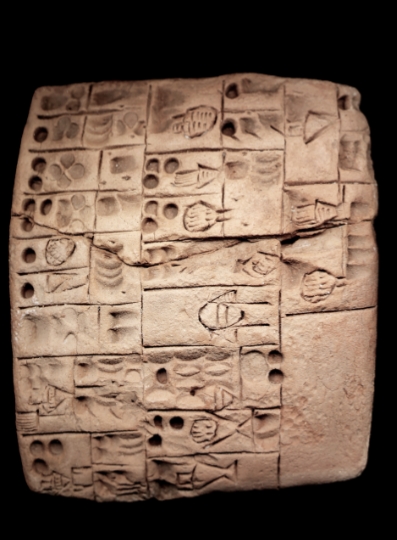
Tablet with Inventories of Grain and Beer, Sumerian, from Uruk, Late Uruk Period
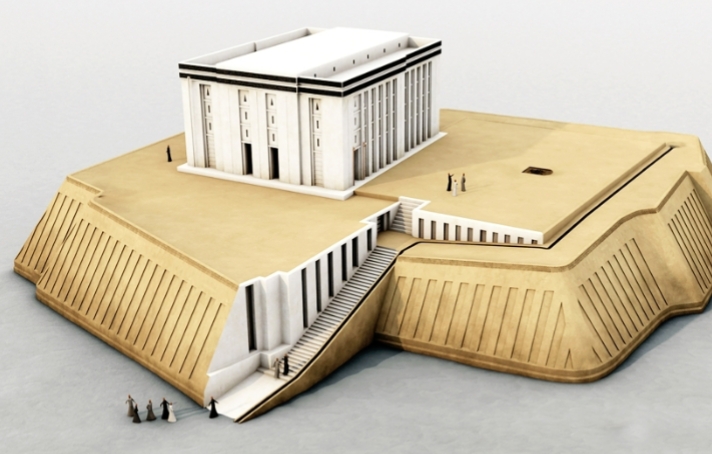
Anu Ziggurat and White Temple, Sumerian, Uruk, Late Uruk Period
ziggurat= artificial mountain w/temple on top
honors sky God Anu
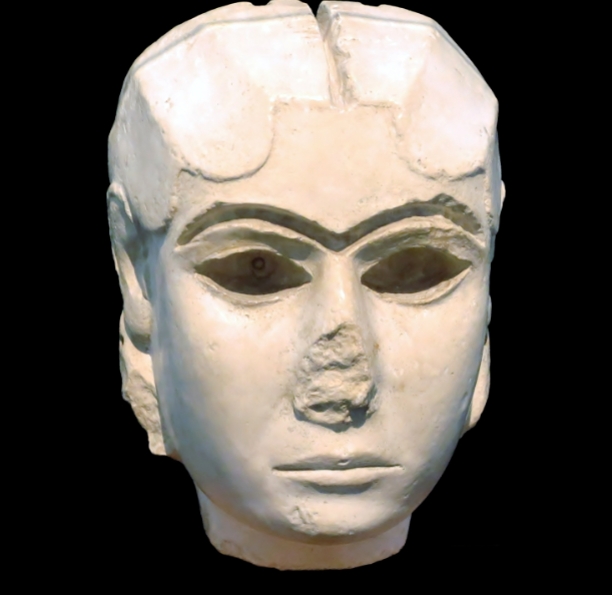
Female Head (Inanna?), Sumerian, Uruk, Late Uruk Period
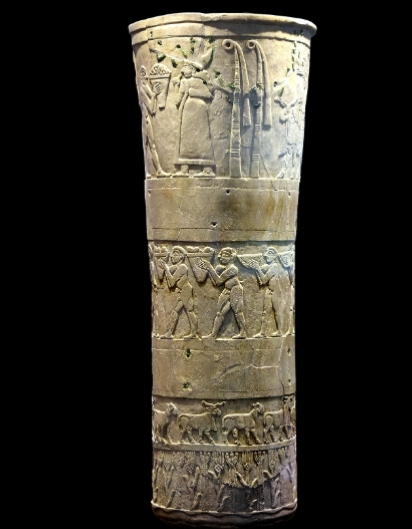
Warka Vase, Sumerian, Uruk, Late Uruk Period
organized registers following hierarchical scale
ruler is tallest figure bringing offerings to a priestess of Inanna
bottom register = nature/source of gifts
map of society/social hierarchy
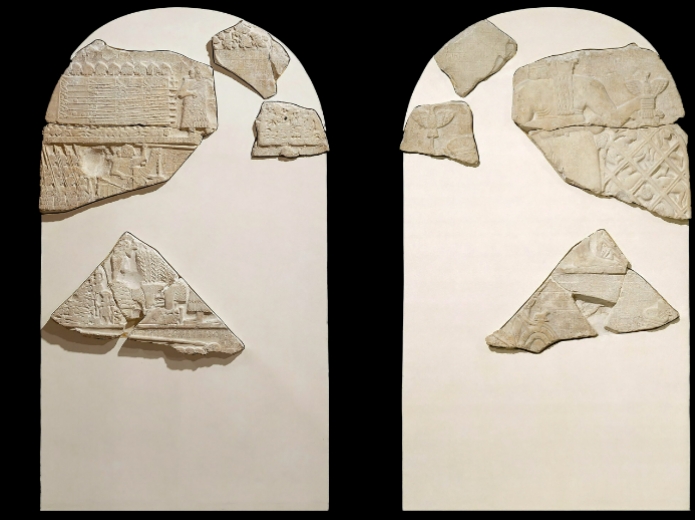
Victory Stele of Eannatum, Sumerian, Girsu, Early Dynastic Period
King Eannatum records an important battle with another city state over land
Eannatum wears a robe, headdress, and has a bun (signifies royalty)
King gives offerings to Ningirsu (symbolized by lion-headed eagle)
vultures swarm around dead enemies
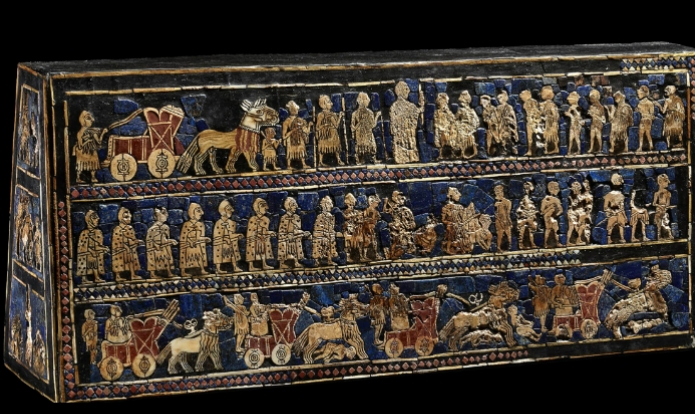
The Standard of Ur, Sumerian, found in Ur, Early Dynastic Period
lapis lazuli → only from Afghanistan → cross cultural connections
war side: ruler with warriors
peace side: ruler enjoying feast with courtiers while war spoils are brought to palace
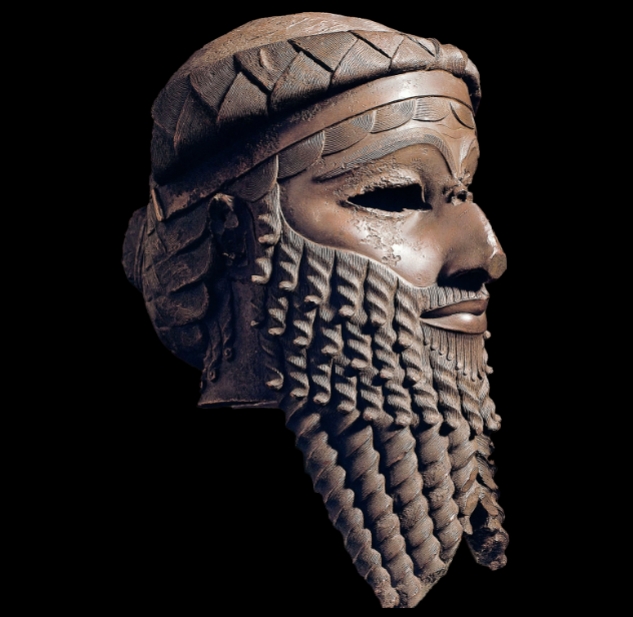
Head of a Man (known as Akkadian Ruler), Akkadian Period
more realistic/naturalistic than Sumerian art
has elements of Sumerian art (bun, headdress, beard = royalty)
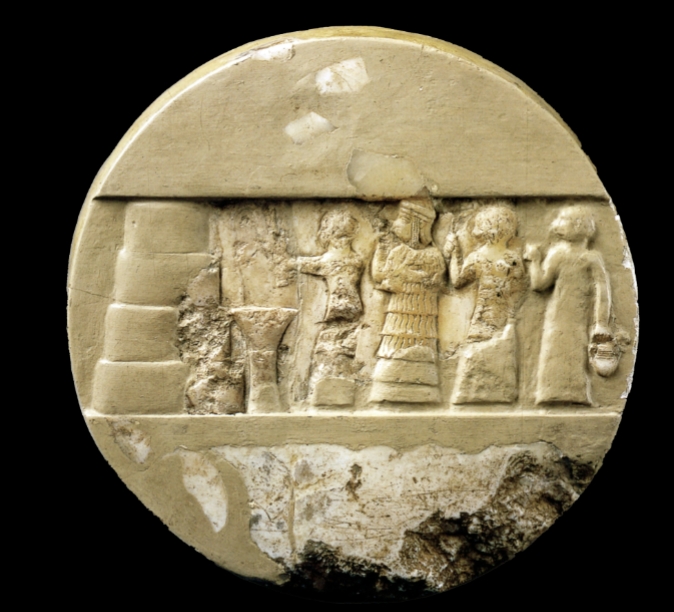
Enheduanna Disk, Akkadian Period
shoes Enheduanna, daughter of Sargon and high priestess, giving gifts to Gods
first recorded author/poet in history
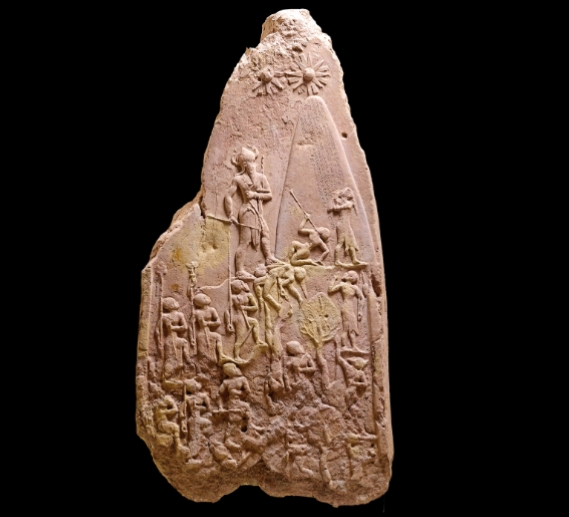
Victory Stele of Naram-Sim, Akkadian Period
differs from Sumerian art b/c landscape
shows Naram-Sim and his army in victory
wears headdress with horns → first time that anyone ever represented themselves as a God
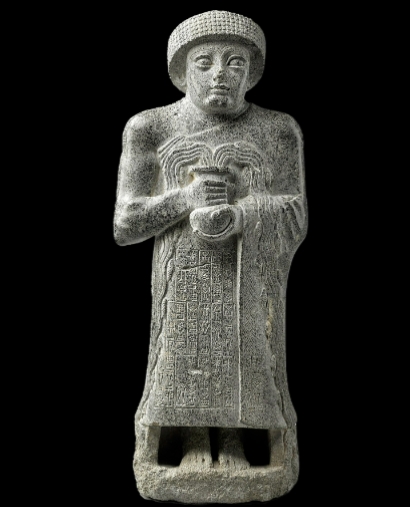
Votive Statue of Gudea, Neo-Sumerian Period
Gudea was a Neo-Sumerian ruler and a patron of the arts; there are more statues of him than of anyone else of this time period
Shows him offering gifts to the gods, which emphasizes his piety (differs from the Akkadians b/c he’s NOT a God)
however, also shows more Akkadian naturalism
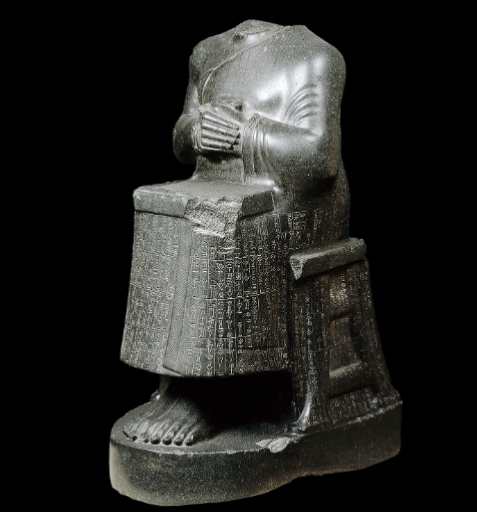
Gudea the architect with Plans, Neo-Sumerian Period
Gudea has architectural plans for a new temple
once again emphasizes his piety
sculpture AND writing convey its meaning, so for the literate and illiterate
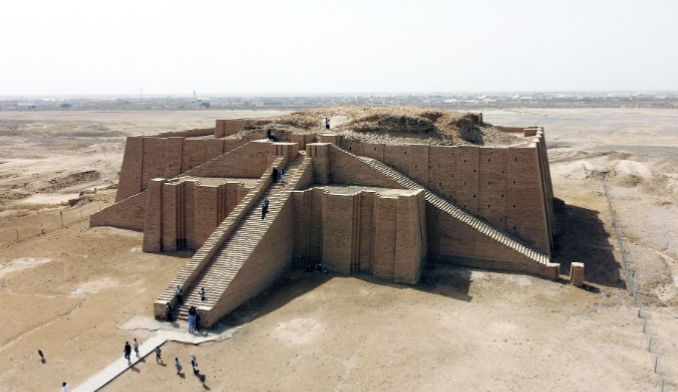
Nanna Ziggurat, Neo-Sumerian period
revival of Sumerian culture and traditions
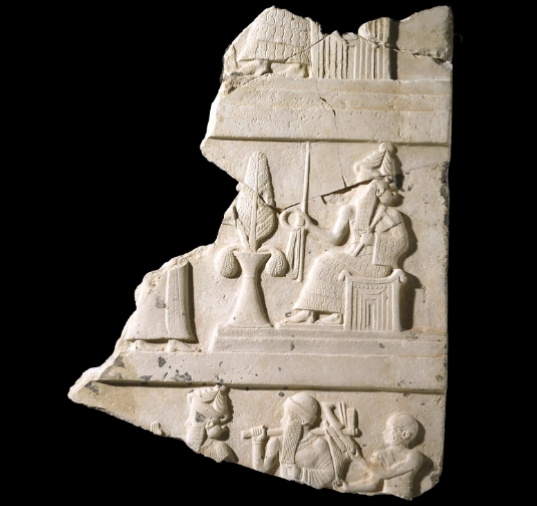
Fragment of Ur-Namma Stele, Neo-Sumerian Period
God sits on throne and gives building materials to king
king does not equal god
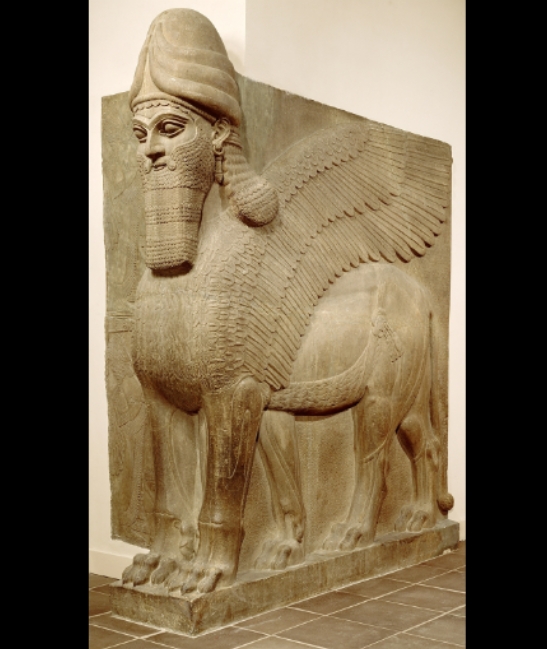
Human-Headed Winged Lion, Late Assyrian Period
lamassu: composite of human and animal body parts (usually the head of a man and the body of a lion); seen at entrances to palaces in the Assyrian period; spirit that works with and helps the gods
five legs so that it can be viewed from the front and from the side
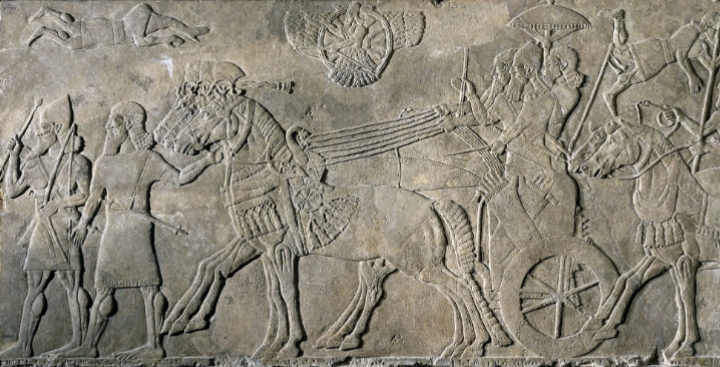
Asurbanipal II Returning from War in Triumph, Late Assyrian Period
God is shown in the sun with wings and horns
very naturalistic
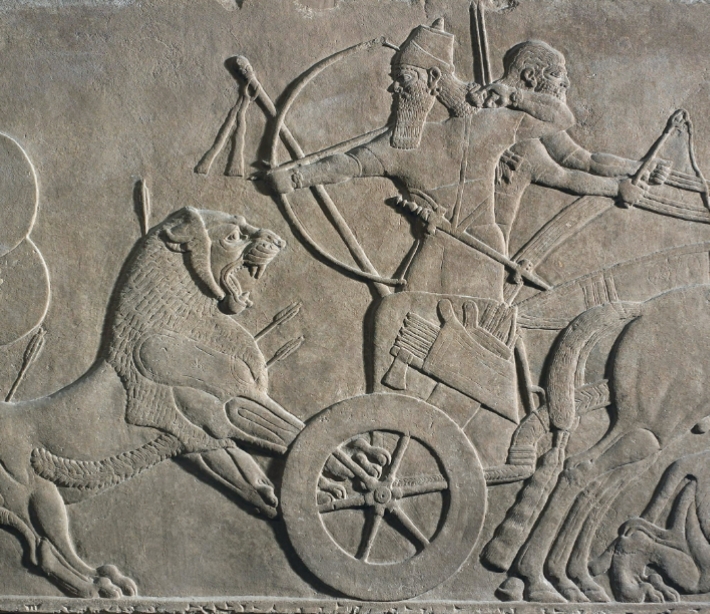
Assurbanipal II Hunting Lions, Late Assyrian Period
emphasizes the super-human strength of an emperor
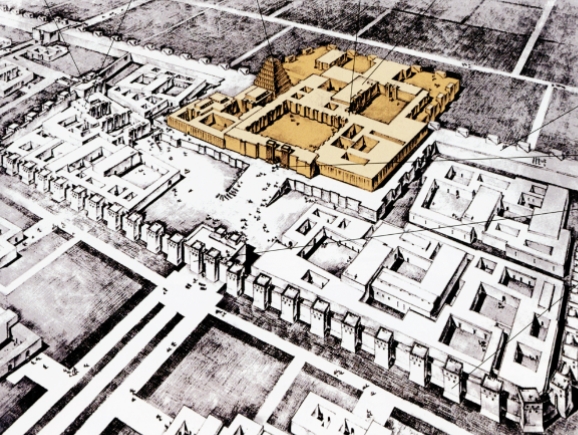
Citadel and Palace of Sargon II, Late Assyrian Period
religious structures are incorporated into the palace
ziggurat is on a much taller platform; only King and priest can enter
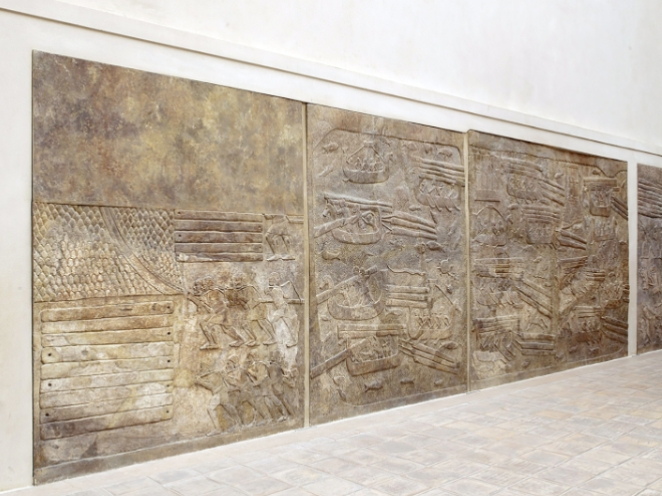
Sculptures from the Palace of Sargon II, Late Assyrian Period
soldiers bringing lumber from conquered territories
lumber for temples = piety
loading ships on Tigris = cross-cultural connections
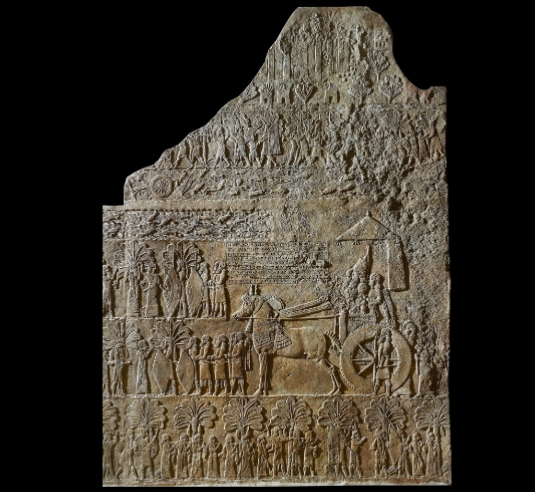
Sack of an Elamite City and Assurbanipal II receiving booty from Babylonia, Late Assyrian Period
Assurbanipal is larger in scale
Elamite kings kneel in submission, prisoners are led away
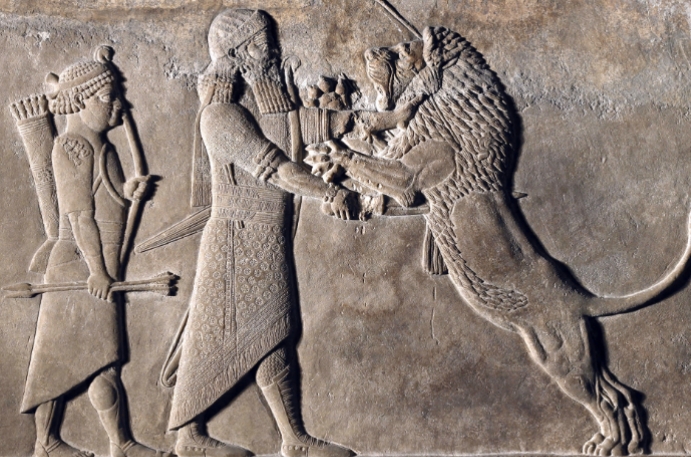
The Royal Lion Hunt, Late Assyrian Period
shows the otherworldly strength of the ruler
very detailed, especially in terms of muscles
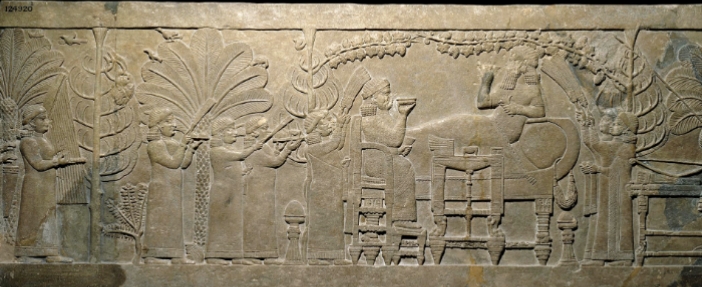
Assurbanipal and His Queen in the Garden, Late Assyrian Period
shows peace, tranquility, and wealth of empire
also shows head of Elamite king, showcasing strength
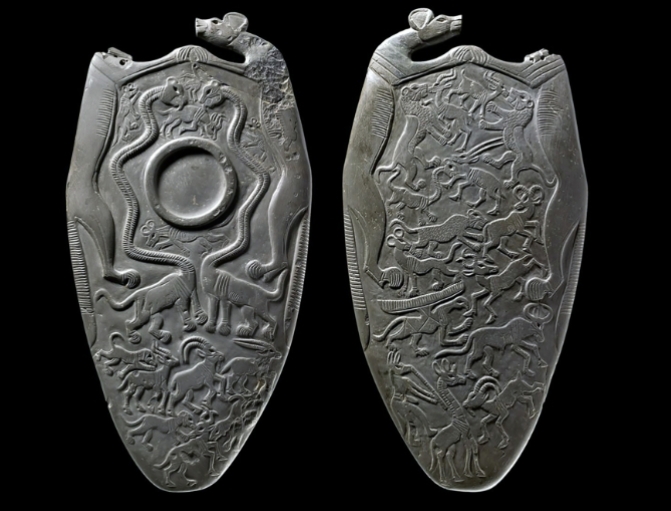
Two Dog Palette, Late Predynastic Period
used to prepare makeup
no humans, only animals fighting and playing musical instruments
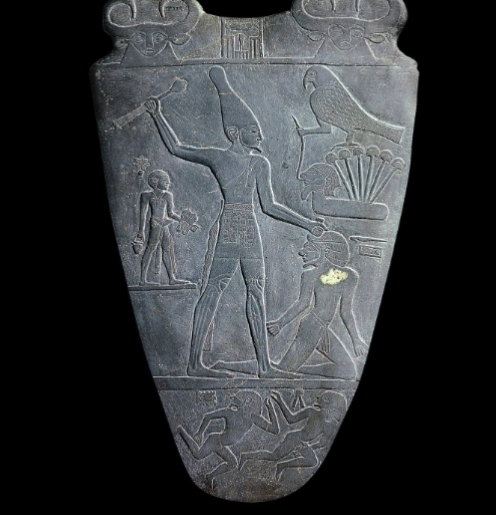
Palette of Narmer, Early Dynastic
wears white crown on front (rules upper Egypt) but on back has red crown (lower Egypt)
falcon= Horus (God)
Horus and pharaoh conquer lower Egypt → falcon/Horus hold papyrus
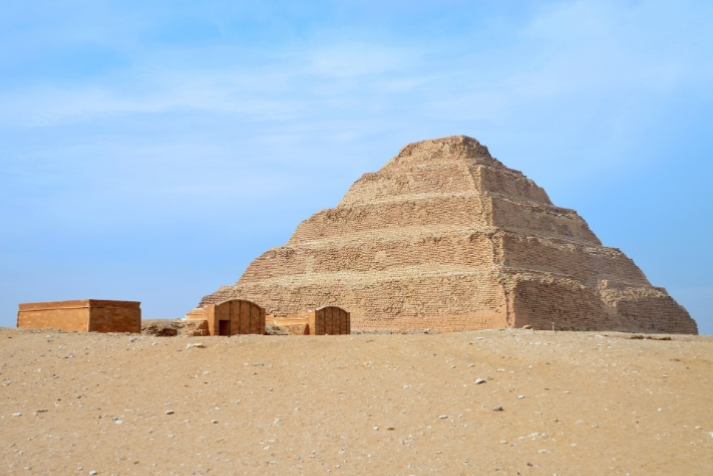
Stepped Pyramid and Mortuary Precinct of Djoser, Old Kingdom, Third Dynasty, Imhotep (architect)
first stone structure at this point in history → more laborious → state has more control over citizens/laborers
mastaba inside stepped pyramid
mastaba includes an above ground chamber with a chapel and ka statue, and an underground burial chamber
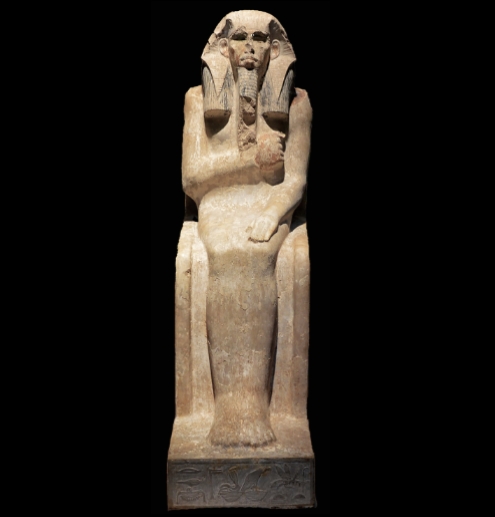
Ka Statue of Djoser, Old Kingdom, Third Dynasty
closed figure, holding something in fist
traditional elements of royalty shown: fake beard, headdress, short kilt
less detailed and made out of less expensive materials as future ka statues
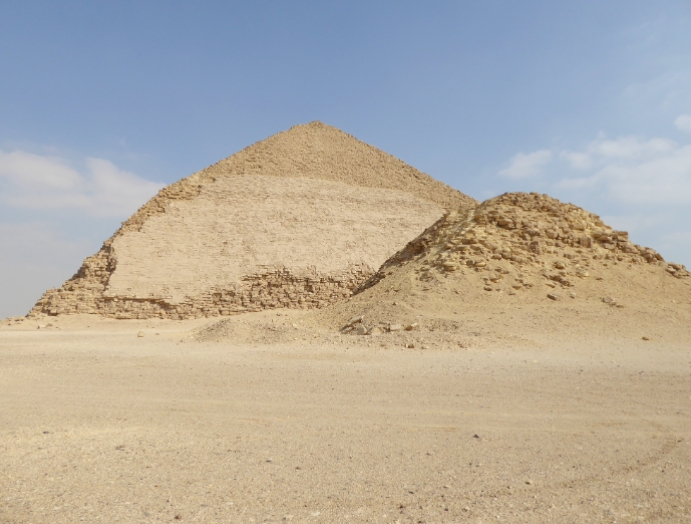
Bent Pyramid of Sneferu, Old Kingdom, Fourth Dynasty
bent because of miscalculations
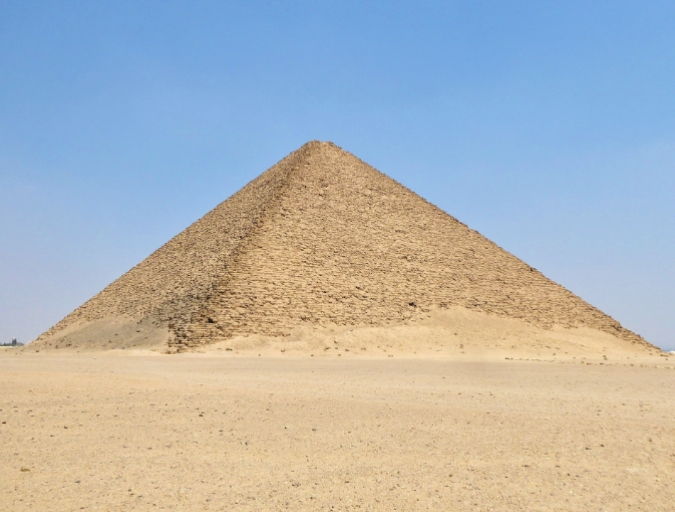
Red Pyramid of Sneferu, Old Kingdom, Fourth Dynasty
first successful pyramid
mirror light cascading down the sides of the pyramid
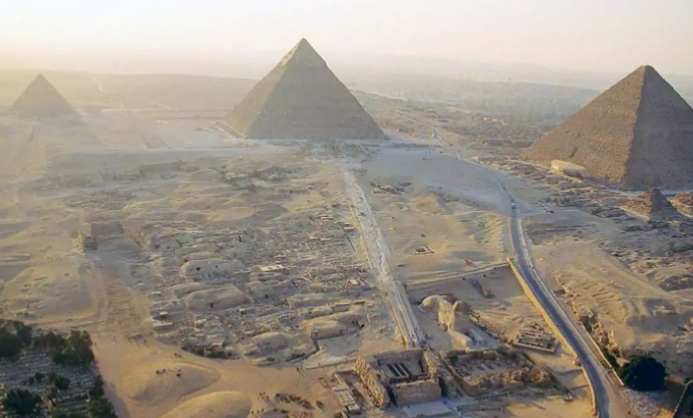
Great Pyramids of Giza, Old Kingdon, Fourth Dynasty
Khufu, Khafre, Menkaure
oriented east-west to mimic the sun→ pharaohs were associated with the suns/ are resurrected like the sun after going through the underworld
each part of the pyramid is maintained by a priest, and each has a causeway that connects the valley temple with the mortuary temple
smaller pyramids for queens and rows of mastabas for courtiers
benbenets: gold pieces on top that reflect light
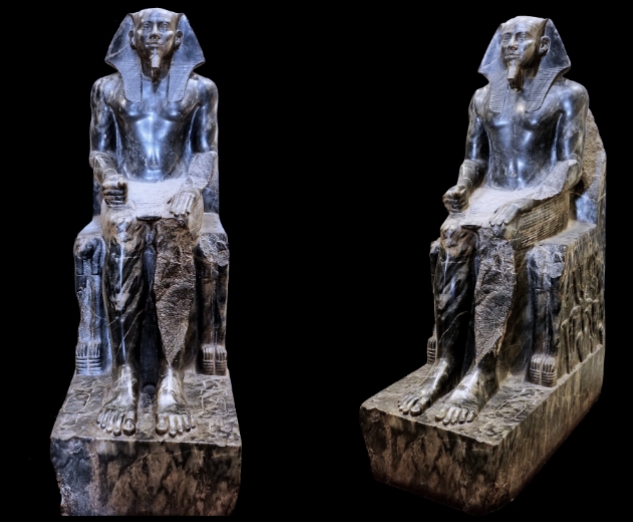
Khafre (Ka Statue), Old Kingdom, Fourth Dynasty
much more realistic than previous Ka statues (like Djoser), but still shows royal themes from traditional art (like bear, headdress and kilt)
falcon/Horus on the back of his head
not carved free
lotus and papyrus are conjoined
sits on lion
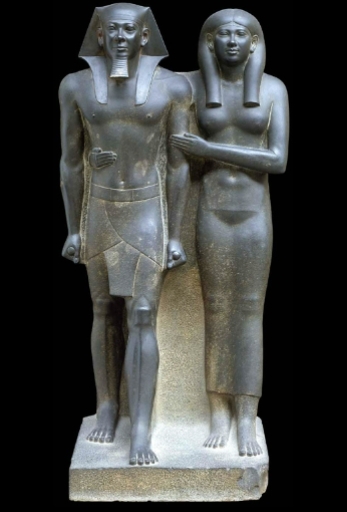
Menkaure and His Queen, Old Kingdom, Fourth Dynasty
both are in traditional stance (one foot forward) → balance and power
still not carved free
depicted as all pharaohs are depicted to showcase their power and royalty
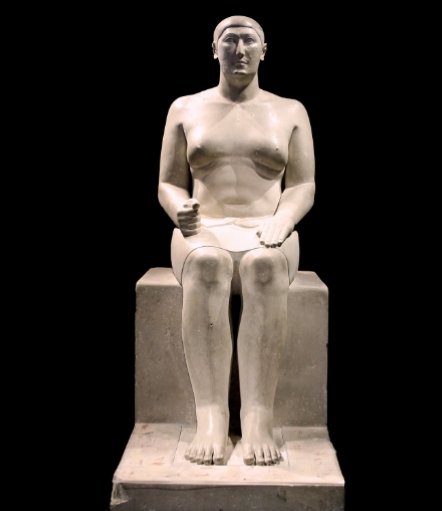
Heminu Seated, Old Kingdom, Fourth Dynasty
not royal (member of the court) so allowed to be less perfect
much truer to life and realistic (saggy skin, jowls, etc)
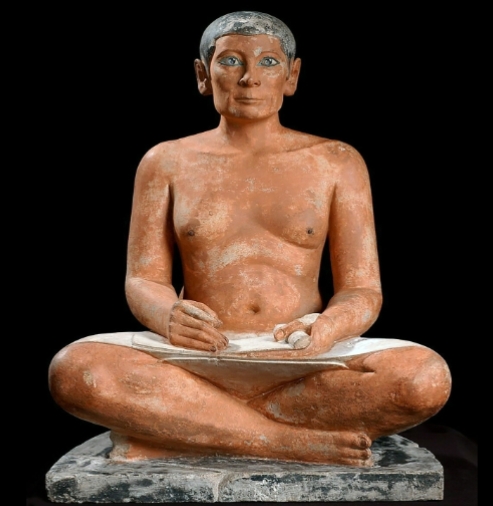
Seated Scribe, Old Kingdom, Fifth Dynasty
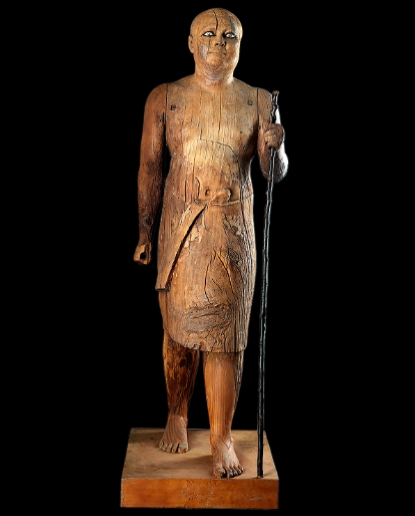
Ka-aper, Old Kingdom, Fifth Dynasty
fully free
wood (rarely preserved)
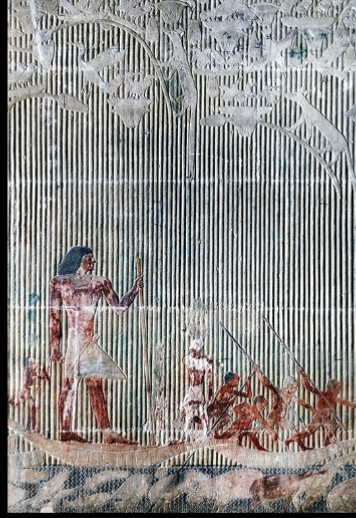
Ti Watching a Hippopotamus Hunt, Old Kingdom, 5th Dynasty
not royal (hairdresser), but distinguished from the lower class by size
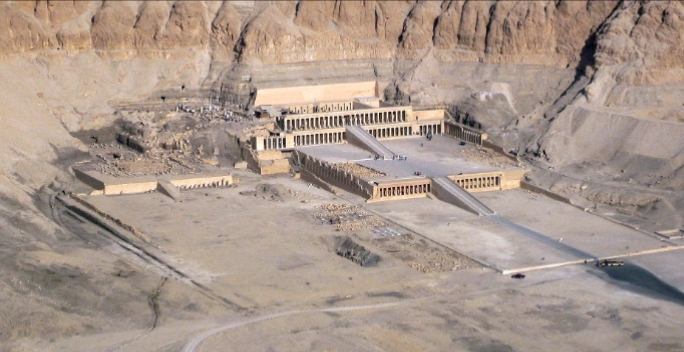
Mortuary Temple of Hatshepsut, New Kingdom, 18th Dynasty
built into rocks/cliffs → radical change from pyramids
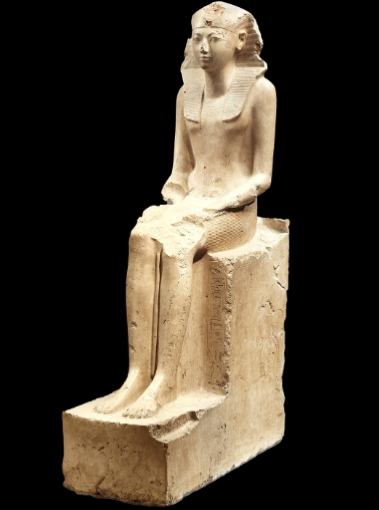
Hatshepsut Enthroned, New Kingdom, 18th dynasty
even though she was a woman, she’s represented as a male king
her appearance was molded to fit convention, which shows how important tradition was to Egyptian art
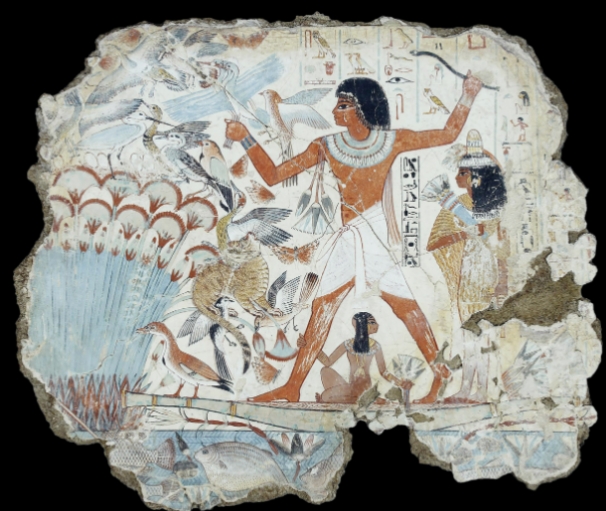
Fowling Scene, New Kingdom, 18th dynasty
shows a lower-class individual (overseer of grain), so less detailed
very flat/2D
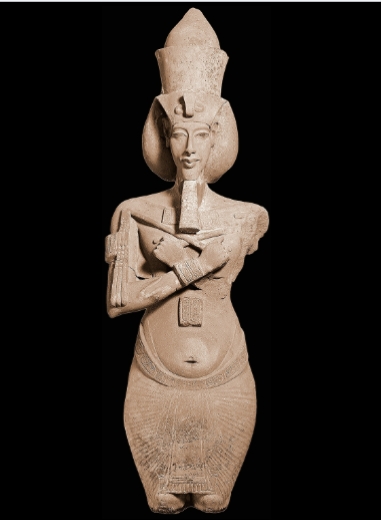
Colossal Figure of Akhenaten, New Kingdom, 18th dynasty
completely alters Egyptian culture (by pushing monotheism) and therefore completely alters the state of Egyptian art
throws out canon of proportions
looks like a caricature of Egyptian art
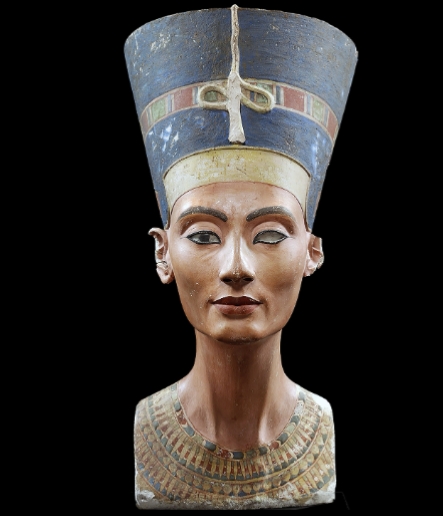
Nefertiti, New Kingdom, 18th dynasty, Thutmose (sculptor)
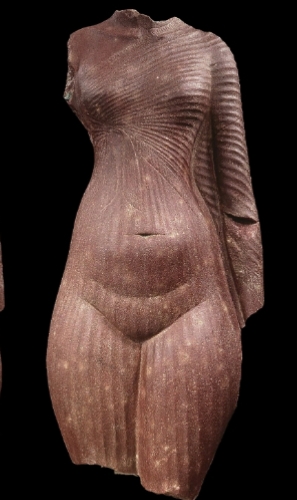
Royal Torso (Nefertiti?), New Kingdom, 18th dynasty
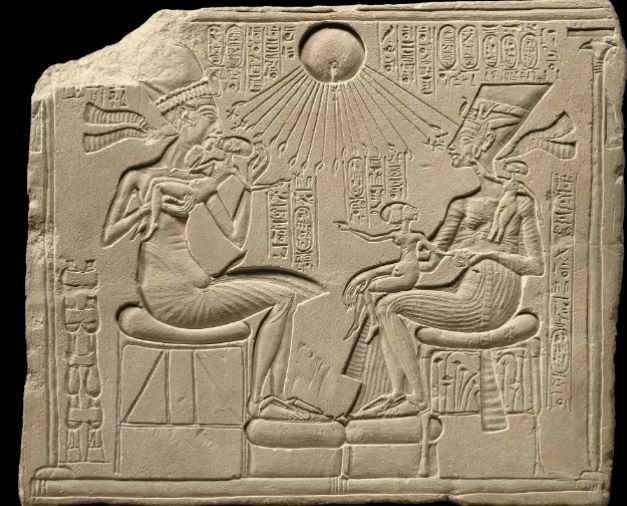
Akhenaten and His Family, New Kingdom, 18th Dynasty
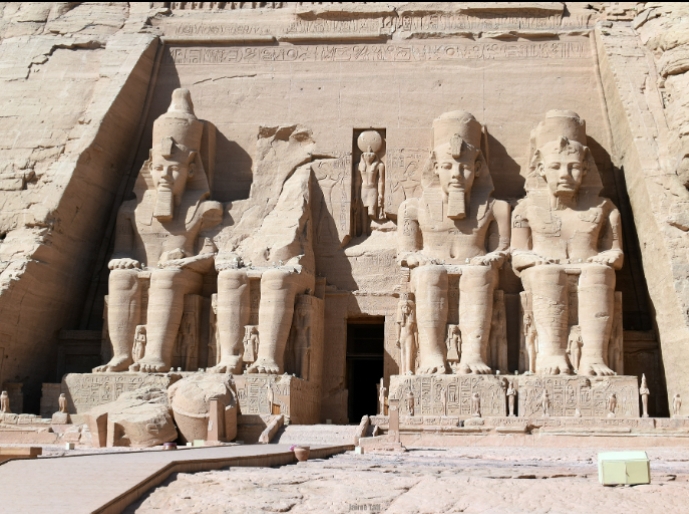
Temple of Ramses II, New Kingdom, 19th Dynasty
cut into rocks
facade has 4 seated T Ramses wearing the double crown
smaller temples to the sides for his queens
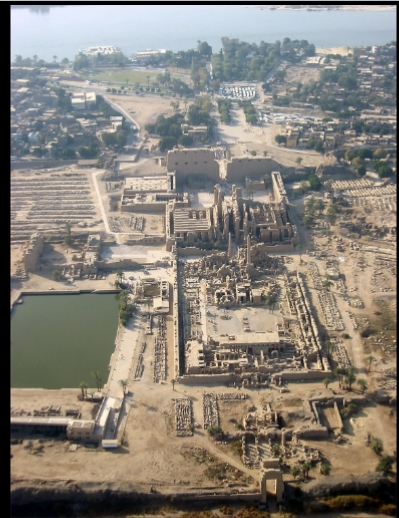
Temple of Amun, New Kingdom, 19th dynasty
oriented west to east so that the Ka statue could move from east to west
meant to recreate the experience of creation
Hypostyle Hall: carved, painted columns