Resin Bonded Fixed Dental Prostheses
 Call Kai
 Learn
Learn Practice Test
 Spaced Repetition
 Match
Match Flashcards
 Knowt Play
1/35

There's no tags or description
Looks like no tags are added yet.
Name | Mastery | Learn | Test | Matching | Spaced | Call with Kai |
|---|
No analytics yet
Send a link to your students to track their progress
36 Terms
Which ceramic restoration requires bonding?
lithium disilicate
How are zirconia restorations retained?
Cohesively / adhesively
What are some cohesive luting cements?
Zinc phosphate
Polycarboxylate
Resin-reinforced GI
Resin
How do cohesive luting cements work?
They rely exclusively on retentive form. There is no adhesive interaction between the surfaces
What is the true adhesion between the two joining materials?
Resin
What is the order of the compressive strength of definitive cements from strongest to weakest?
Resin > resin-reinforced GI > zinc phosphate > polycarboxylate
What are some advantages of zinc phosphate?
History of use
Adequate strength
Minimal film thickness
Easily remove excessive material
What are some disadvantages of zinc phosphate?
Not translucent
Solubility
Mixing technique sensitivity
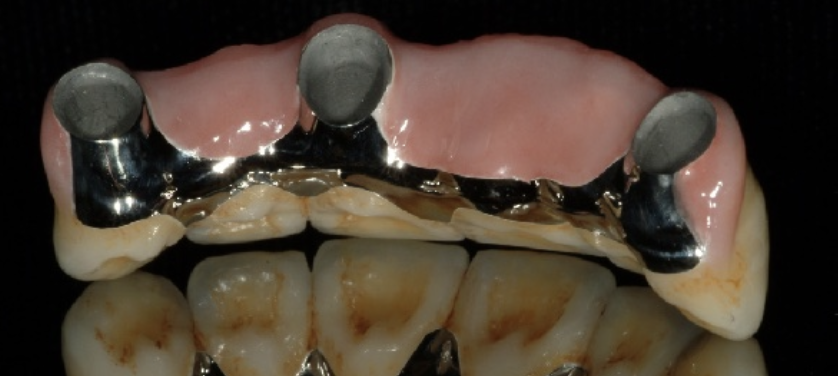
What is an indication for zinc phosphate?
Full coverage cast restoration
What are some advantages of polycarboxylate?
Relative biocompatibility
Adhesion to dentin
What are some disadvantages of polycarboxylate?
Not translucent
Solubility
Low strength
High viscosity
What is an indication for polycarboxylate?
Provisional restorations
What are some examples of resin-reinforced GI?
RelyX Luting (3M)
Fuji Plus (GC)
ProTec CEM (Vivadent)
What are some advantages of resin-reinforced GI?
Higher strength
Clean-up easily
Less early moisture susceptible
Translucency
What is a disadvantage of resin-reinforced GI?
Expands during setting
It is CONTRAINDICATED to use what kind of cement in all ceramic restorations & post and core?
Resin-reinforced GI
What are some indications for resin-reinforced GI?
Casting metal restorations
Metal ceramic restorations
Zirconia-based all ceramic restorations
What kind of resin does not require bonding protocol?
Self-adhesive resin
For which types of resin must you follow bonding protocol?
Dual-cured resin and light cured resin
What are two types of light cured resin?
RelyX Veneer (3M ESPE)
Variolink Esthetics LC (ivoclar vivadent)
What are some advantages of light-cured cement?
Superior bonding strength
Working time
Color stability
What are some disadvantages of light-cured cement?
Strict bonding protocol
Clean up after setting
Critical need for light to insure proper cure
What is an indication for light-cured resin?
All ceramic veneers