General Microbio 01
 Call Kai
 Learn
Learn Practice Test
 Spaced Repetition
 Match
Match Flashcards
 Knowt Play
1/107

There's no tags or description
Looks like no tags are added yet.
Name | Mastery | Learn | Test | Matching | Spaced | Call with Kai |
|---|
No analytics yet
Send a link to your students to track their progress
108 Terms
monococcus
single, discrete cells, Neisseria
diplococcus
Neisseria meningitidis
micrococcus
pairs, tetrads or clusters, Micrococcus luteus
Lactococcus
chains, Lactococcus lactis
Streptococcus
Chains, Streptococcus agalactiae
Staphylococcus
grape-like cluster, Staphylococcus aureu
sarcina
cubical packet of eight cells, Sarcina ventriculi
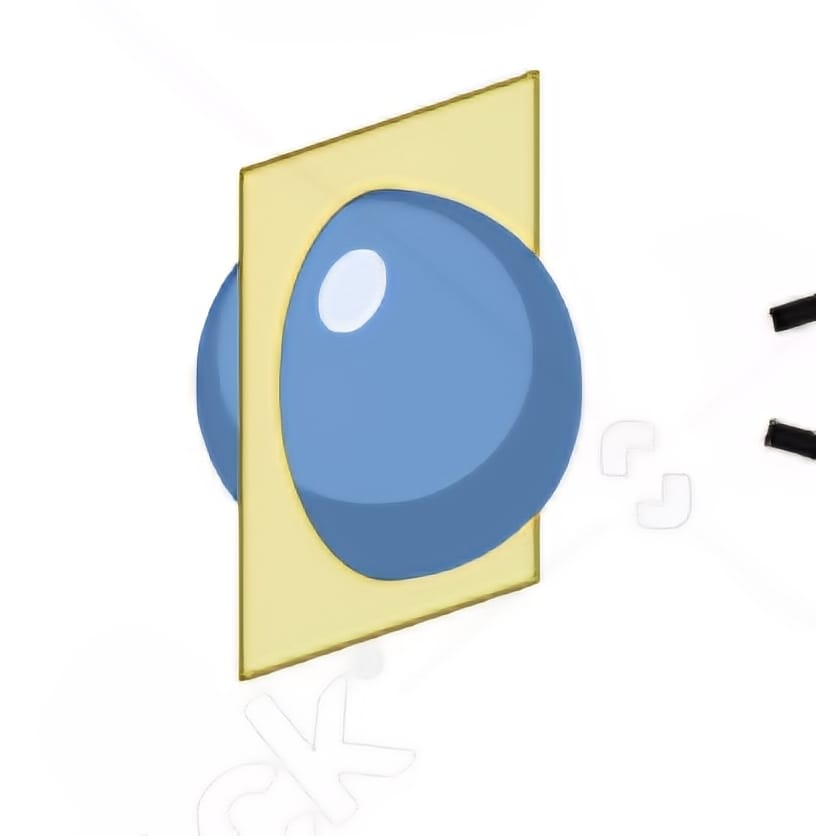
creates
diplococci, streptococci
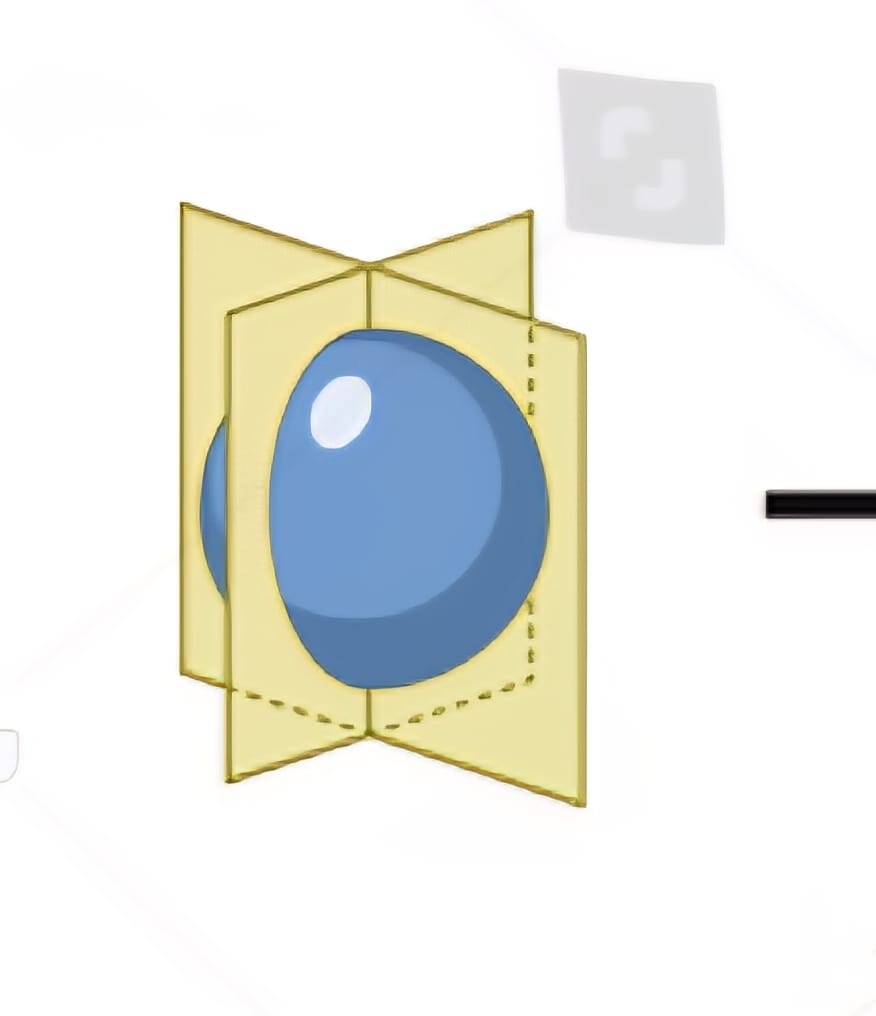
creates
tetrad
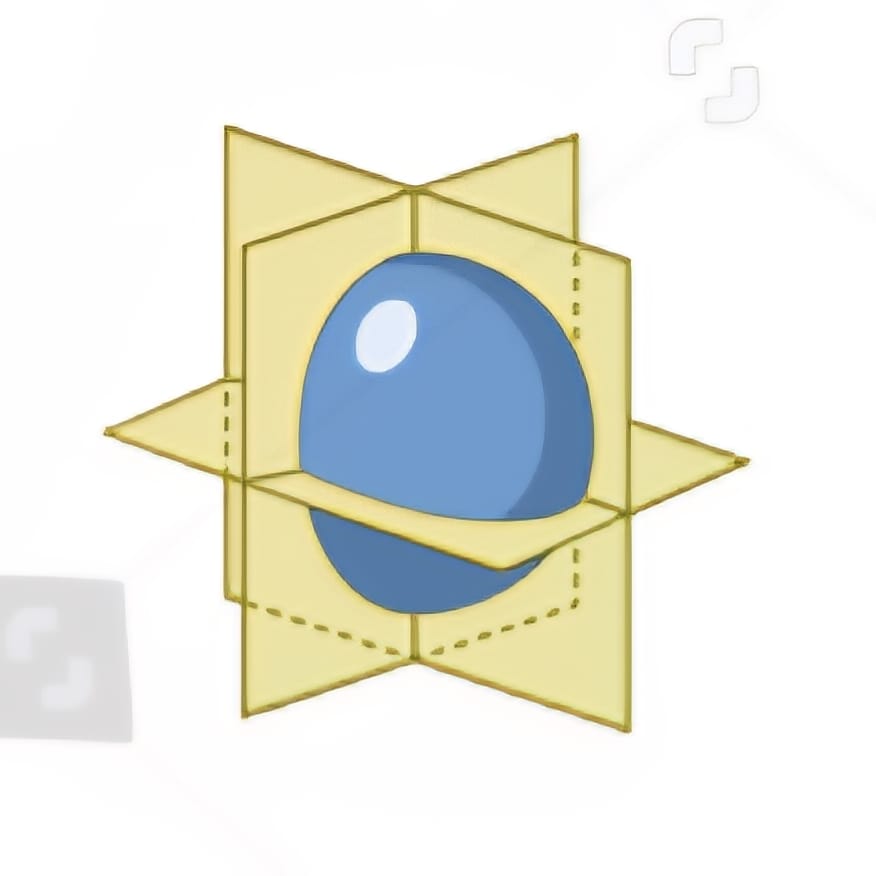
creates
staphylococci, sarcina
shape of bacilli
rod-shaped
Klebsiella pneumoniae
diplobacilli
Streptobacillus moniliformis
chains
Bacillus anthracis, Bacillus cereus, Bacillus subtilis
chains
Haemophilus influenzae
Coccobacill
shape of cocci
spherical
shape of spiral
comma, S/spiral shaped
Vibrio cholera
comma shaped, bent rod
Campylobacter jejuni
spirillum – rigid and spiral-shaped
Leptospira interrogans
spirochete – shape is flexible and changed during movement
what prevents cell wall growth at the site of their location?
Crescentin
How does Caulobacter crescentus attain its crescent shape?
asymmetric growth of cell wall
What wraps around the cell wall and run inside the cell body in the periplasmic space?
Endoflagella
What is the space between the outer membrane and the plasma membrane called?
periplasmic space
function of endoflagella
axial filament, external force on the cell wall
What causes the cell to deform into a flat-wave shape?
The stiffness of the helical endoflagella relative to that of the cell cylinder
What produces long filaments containing many rod-shaped cells and filaments branch out to form network?
mycelium
example of mycelium
actinomycetes
What forms a chain adjoining cells have a much closer spatial and physiological connection than streptobacilli?
trichome
example of trichome
cyanobacteria
pleomorphic
bacteria exhibiting different shapes
example of pleomorphic bacteria
Borrelia
What does Borrelia burgdorferi cause?
Lyme disease via blacklegged ticks
Bacterial cell envelope consists of
outer membrane, capsule, cell wall, cytoplasmic membrane
What is the first boundary isolating cytoplasm from external environment?
cytoplasmic membrane
cytoplasmic membrane consists of
phospholipids & membrane proteins
quality of protein in cytoplasmic membrane
Peripheral proteins are loosely connected to membrane and integral proteins are amphipathic
What is cytoplasmic membrane selectively permeable to?
sugar & proteins
What can pass frely through cytoplasmic membrane?
water & gas
Function of cytoplasmic membrane
Separating newly synthesized DNA from parental DNA, followed by cell division
What provides membrane fluidity?
Cholesterol
Function of cholesterol at high temperature
to increase the adhesion between phospholipids
Function of cholesterol at low temperature
to make rigid membrane fluid and allow small molecules to pass through
What does cyanobacteria produce that resembles steriod chemically?
hopanoids
What percentage of bacteria produce hopanoids?
4-5%
What condition increases hopanoid 10 times?
desication/cold
function of hopanoid
be similar to cholesterol, maintain cell membrane fluidity, increase van der waals forces between lipids to limit penetration of small molecules
What cannot synthesize steroid but incorporate it from the host?
Mycoplasma
what does unsaturated fatty acids do to maintain cell membrane fluidity?
increases fluidity
what does saturated fatty acids do to maintain cell membrane fluidity?
increases rigidity
what does branched chain fatty acids do to maintain cell membrane fluidity?
prevent tight packing and increase fluidity
what does cyclopropane fatty acids do to maintain cell membrane fluidity?
stabilize membranes under stress
Attributes of passive diffusion
concentration gradient, H2O, ethanol and gases (O2, N2 & CO2) freely diffuse
Attributes of facilitated diffusion
protein carrier, lipid bilayer stops big molecules, high—>low concentration, transport of glucose, amino acids, Na+, Cl-
Attributes of active transport
protein carrier, ATP used against concentration gradient
what is cell wall made of?
peptidoglycan/murein
What does peptidoglycan contain?
Two amino sugars: N-acetylglucosamine (NAG) and N-acetylmuramic acid (NAM)
Peptide crosslink
Pentaglycine (only in gram positive bacteria)
What bonds with NAG & NAM to form a linear polymer in cell wall?
β-1,4-glycosidic
What is crosslinked by peptides in the cell wall?
Linear polymer of amino sugar
Difference between gram positive & gram negative bacteria
gram positive bacteria has peptidoglycan in cell wall and gram negative bacteria doesn’t
result of gram staining on gram positive & gram negative bacteria
gram positive - purple
gram negative - pink
Teichoic acid is present in which bacteria?
gram positive
How is teichoic acid charge?
negatively
What is teichoic acid comprised of?
linear, glycerol (or ribitol) phosphate repeating units
function of teichoic acid
maintains cell shape, regulates cell division, binds to host cell (ie. antigenic properties)
What are teichoic acid anchored to the cytoplasmic membrane called?
lipoteichoic acids (LTAs)
What are teichoic acid covalently bound to peptidoglycan called?
wall teichoic acids (WTA)
Where is the periplasmic space for gram negative bacteria?
between cytoplasmic membrane and outer membrane
Where is the periplasmic space for gram positive bacteria?
between cytoplasmic membrane and cell wall
function of periplasmic space
controls molecular traffic entering and leaving the cel
Function of periplasmic protein
transfers sugars, ions, amino acids, stores toxins
Which periplasmic proteins are enzymes for nutrient digestion?
phosphatase, protease
Which periplasmic protein is an enzyme for detoxification?
β-lactamase digesting penicillin
Which periplasmic protein is used for chemoreceptors?
Rcs System
What does the outer membrane contain?
lipopolysaccharide (LPS), lipoprotein and porin.
Which bacteria has outer membrane?
Escherichia coli, Pseudomonas
aeruginosa, Haemophilus influenzae,
Helicobacter pylori, Klebsiella
pneumoniae, Salmonella enterica.
What are the 3 parts of Lipopolysaccharide (LPS)?
O-antigen, core, lipid A
What is O-antigen?
A repetitive glycan polymer comprising 2-6 sugars
In which bacteria does the oss of the O antigen results in partial loss of virulence?
E. coli and Salmonella
What does LPS with O-antigen produce?
smooth colony
What does LPS without O-antigen produce?
rough colony (caused by mutation)
What is a site of immunologic specificity of o-antigen?
its antigenic to host
what do long o-antigens do?
restrict access of molecules to the bacterial surface
What tissues does o-antigen make bacteria adhere to?
epithelial tissue
What is core?
polysaccharide and exposed to
extracellular environment
What is core consist of?
heptose, 3-deoxy-D-manno-octulosonic acid/keto-deoxyoctulosonate, phosphate and ethanolamine
what is linked to keto-deoxyoctulosonate via ketosidic linkage?
lipid A
What is keto-deoxyoctulosonate an indicator of?
assays for LPS
what is lipid A?
A phosphoglycolipid and a membrane-anchoring region of LPS
what is lipid A consist of?
phosphorylated N-acetylglucosamine (NAG) dimer with 6 or 7 fatty acids (FA) attached
what is the most conserved structure in all gram-negative bacteria?
lipid A
What is LPS that contains lipid A called?
endotoxin
which bacterias contain endotoxin and are pathogens?
E. coli, Salmonella
What recognizes LPS?
TLR4
What does TLR4 do after recognizing LPS?
Triggers proinflammatory response (release cytokins) facilitating eradication of the invading bacteria