GRE math
 Call Kai
 Learn
Learn Practice Test
 Spaced Repetition
 Match
Match Flashcards
 Knowt Play
1/31

There's no tags or description
Looks like no tags are added yet.
Name | Mastery | Learn | Test | Matching | Spaced | Call with Kai |
|---|
No analytics yet
Send a link to your students to track their progress
32 Terms
even +/- even
even
even +/- odd
odd
odd +/- odd
even
even * even
even
even * odd
even
odd * odd
odd
range
the difference between the highest and lowest number in a data set
max - min
mean
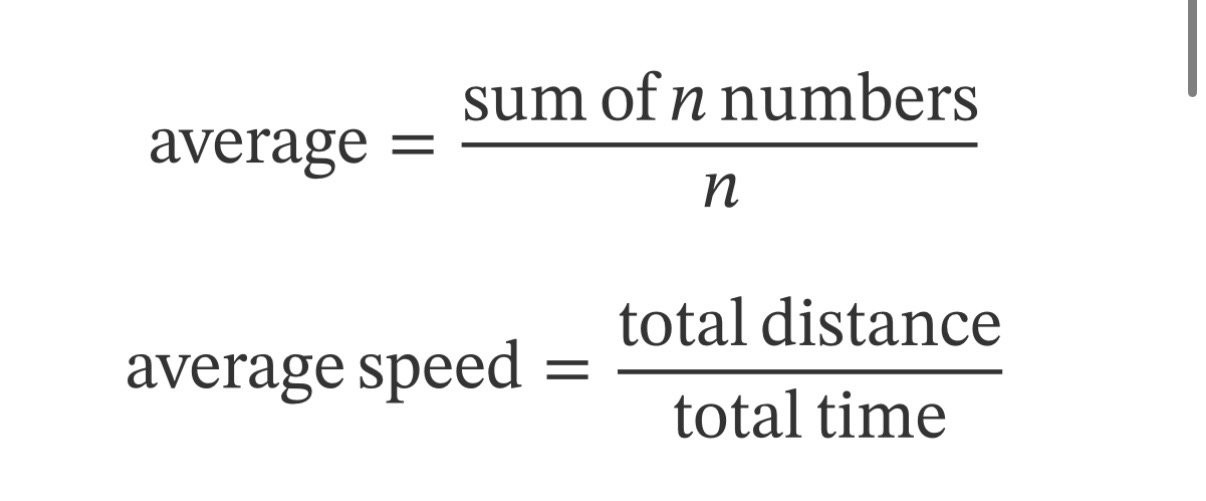
average = add all of the numbers and divide by total numbers
average = sum of all terms in the set/ number of terms in the set
median
the middle number of the data set
put all of the numbers in order from least to greatest and find the exact center
if there are 2 middle numbers, find their average
mode
the most frequent/ common number of the data set
distance formula
D=rt
multiply the rate (r ) by the time (t) to find the distance (D)
you can also solve for the time or rate by rearranging this formula to equal r or t:
r=D/t
t=D/r
prime number definition
a whole number greater than 1 that can only be divided evenly by 1 and itself
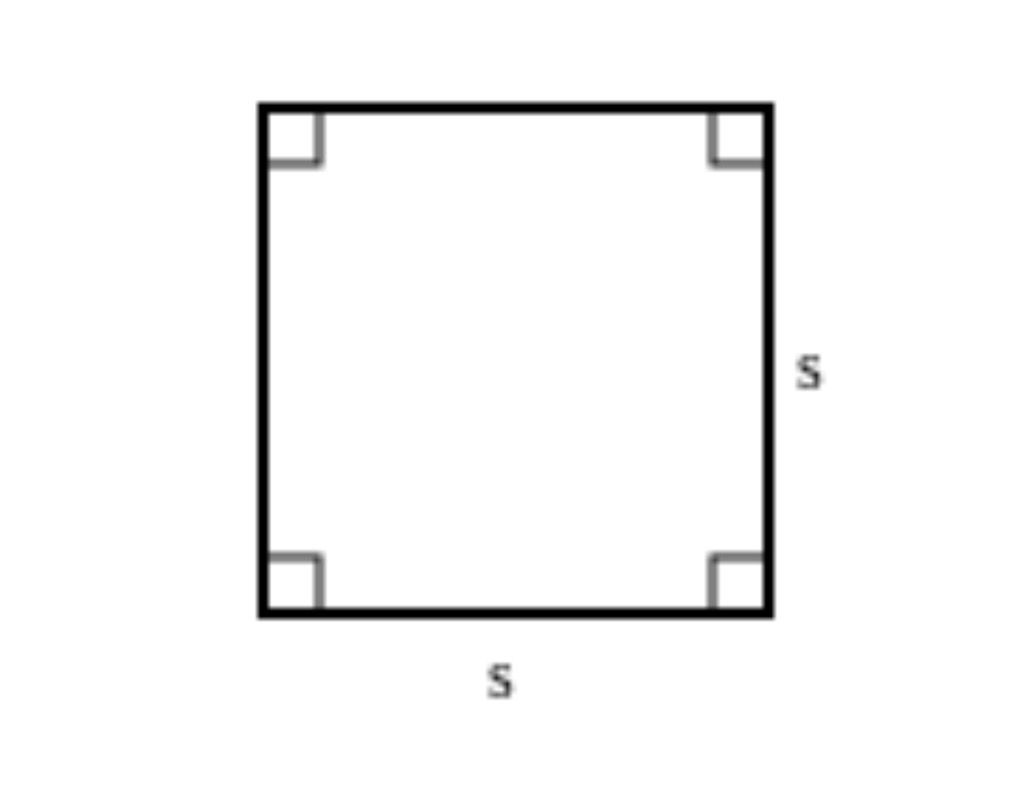
square perimeter
P=4s
Multiply any one side (s) by four
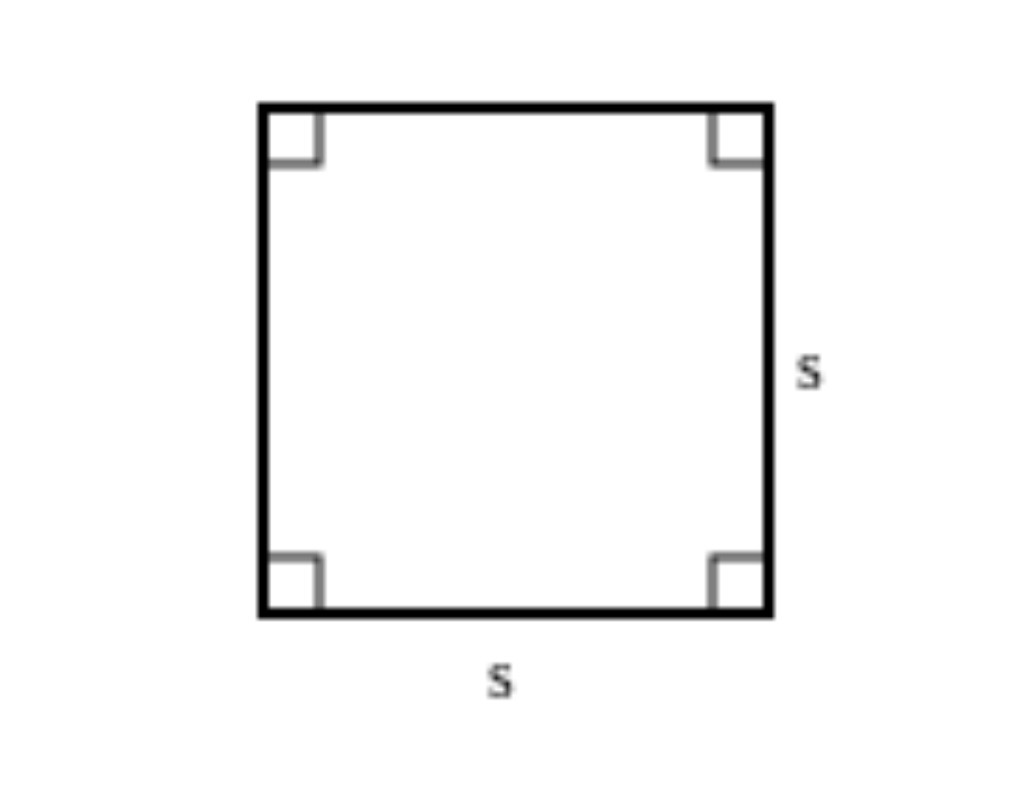
square area
A=s2
Multiply any two sides together (i.e., square one side)
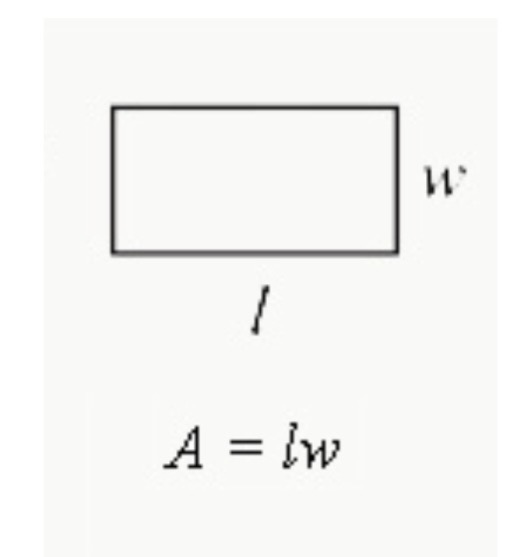
rectangle perimeter
P=2l+2w
multiply the length (l) by 2 and the width (w) by 2, and then add the products together
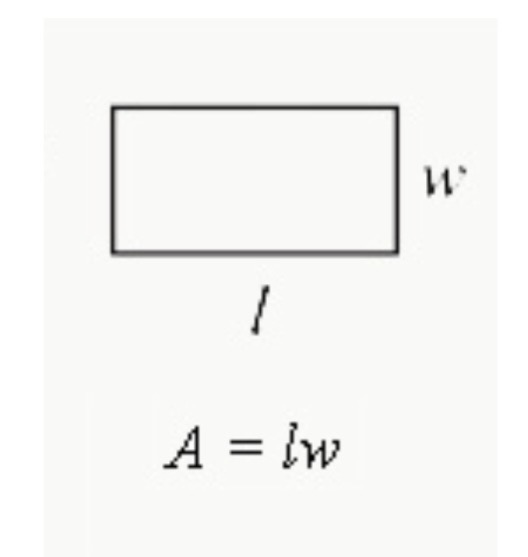
rectangle area
A=lw
multiply the length by the width
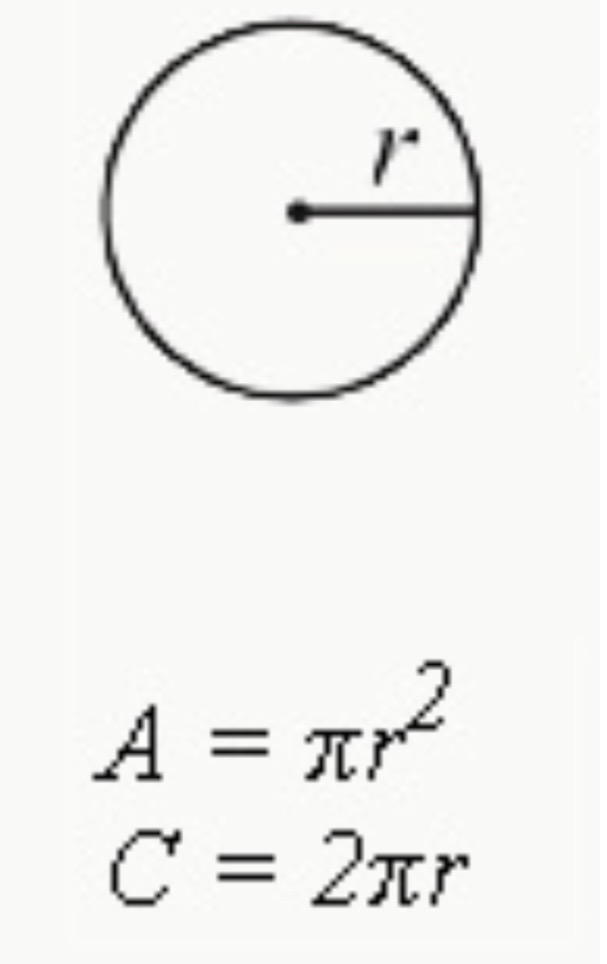
circle circumference
C= 2πr
or
C=πd
multiply 2, π (pi), and the radius ( r ) (the length of a line connecting the center of the circle to the edge)
alternatively, multiply π by the diameter (d) (the length of a line cutting the circle in half)
two radii (the plural of radius) equal the diameter, so 2r=d
π can be rounded to 3.14
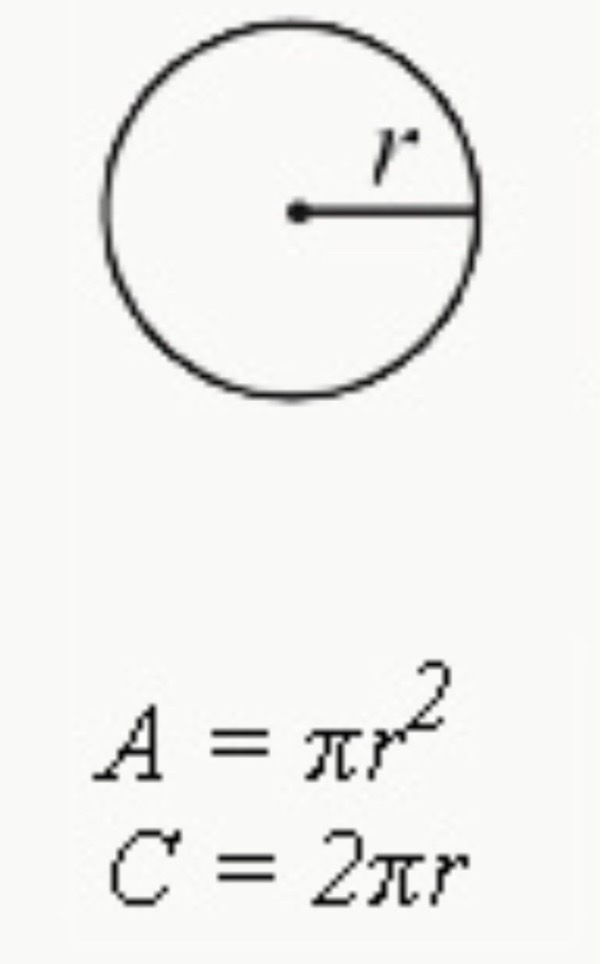
circle area
A=πr2
Square the radius and multiply it by π
Note: all circles equal 360 degrees
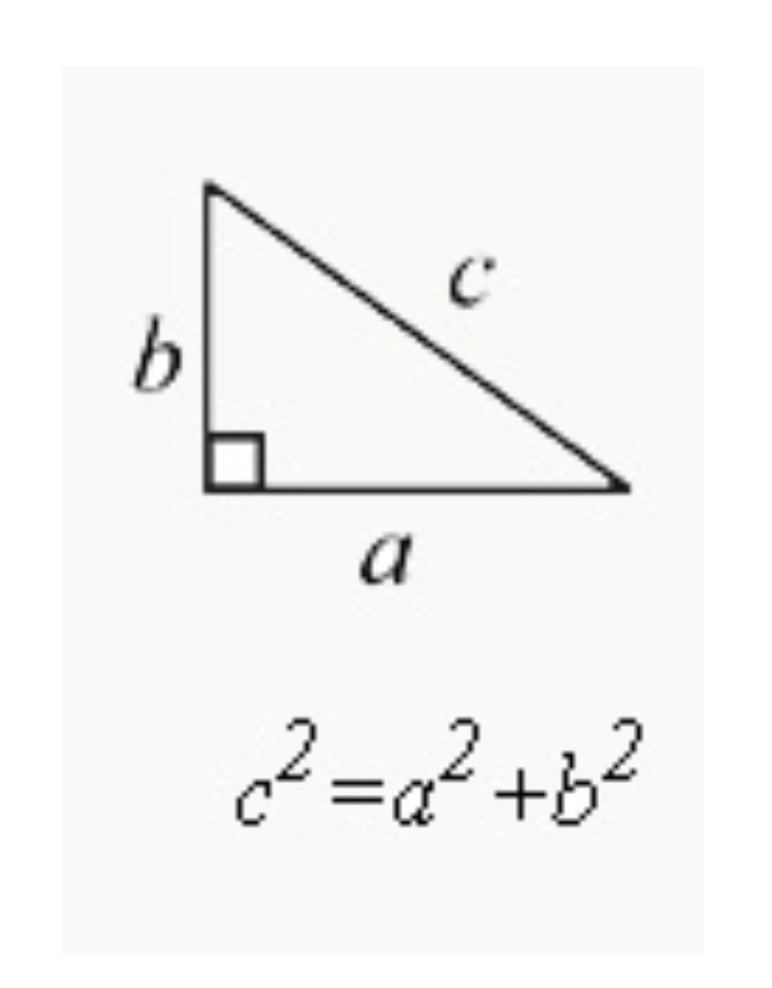
triangle pythagorean theorem
a2 + b2 = c2
this theorem can only be used for right triangles (triangles with a 90-degree angle)
a and b are the two shorter sides, or “legs”, and c is the hypotenuse (the longest side of a right triangle)
certain triangle-side combinations (a: b: c), called pythagorean triples, are easy to memorize. Common ones on the GRE are:
3:4:5
5:12:13
8:15:17
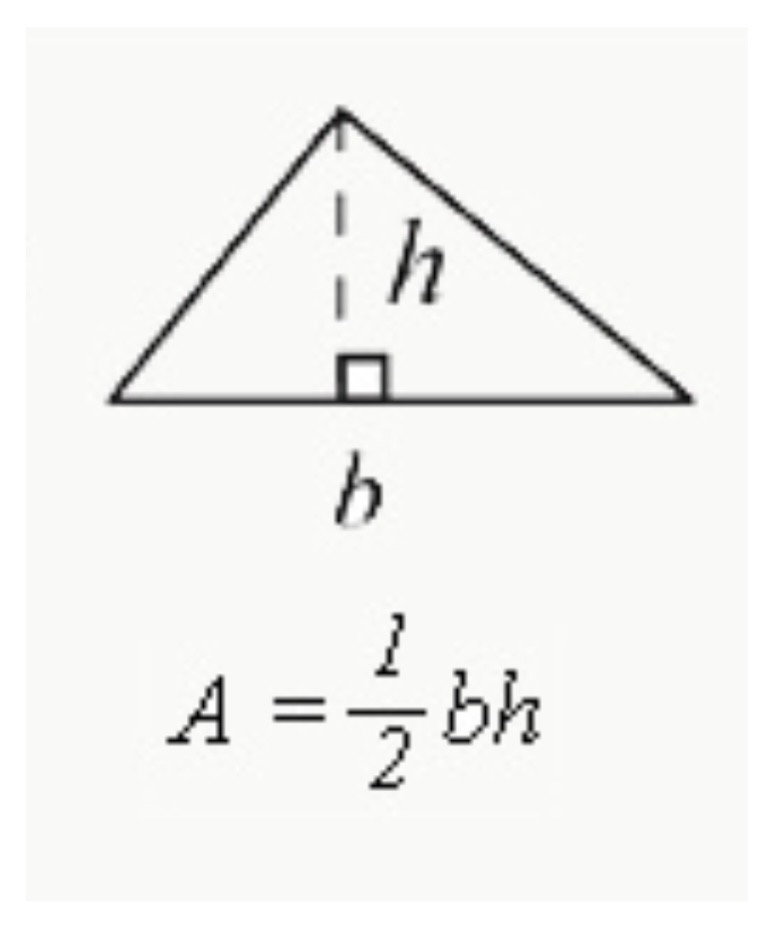
triangle area
A=1/2bh
multiply the base (b) by the height (h) and divide by 2
note: angles in triangles always add up to 180 degrees
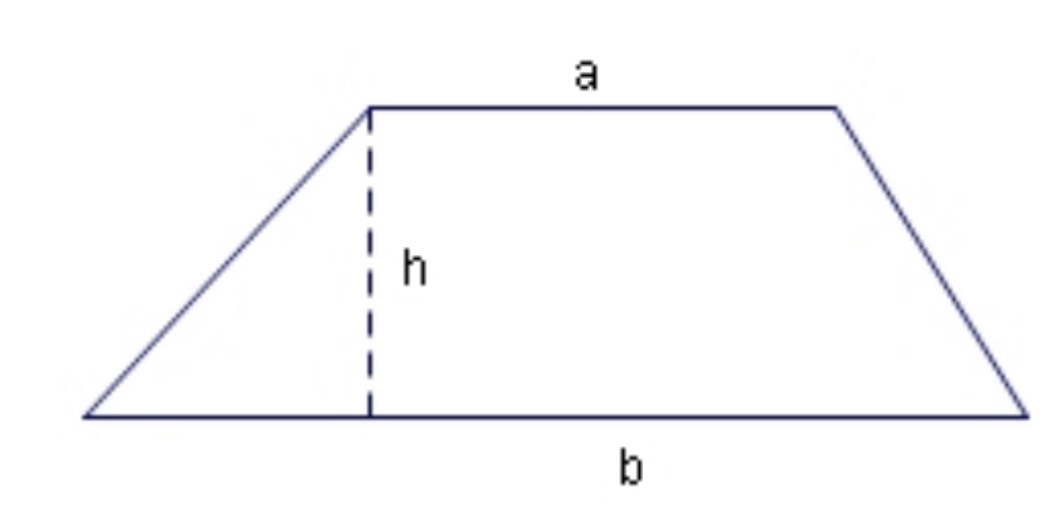
trapezoid area
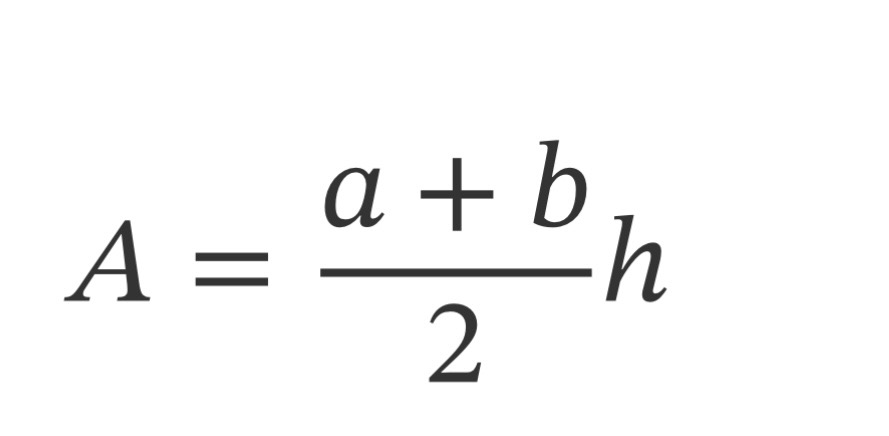
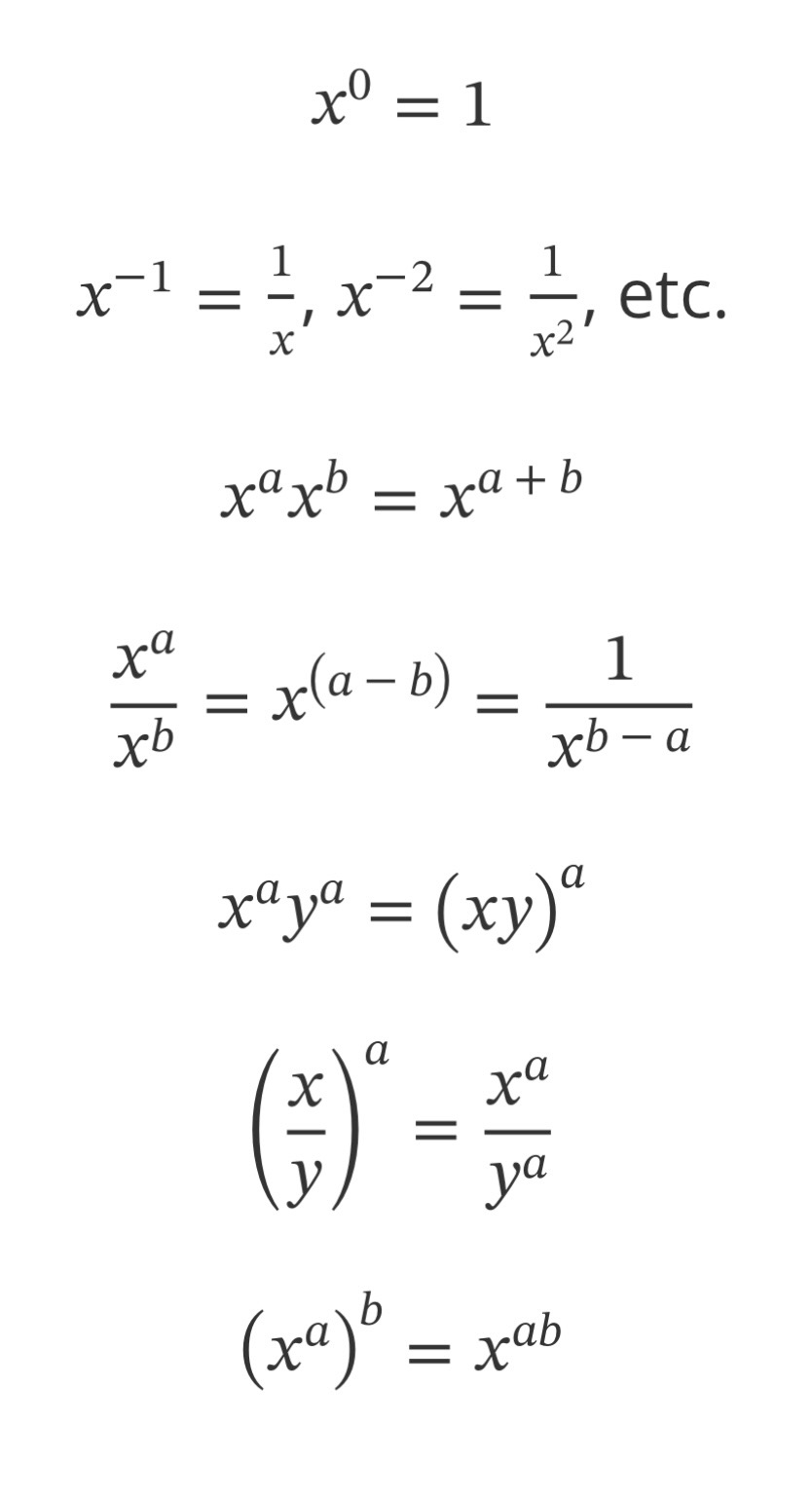
Laws of exponents
x0 = 1
x-1 = 1/x, x-2 = 1/2x, etc
xa xb = xa+b
xa/xb = xa+b = 1/xb-a
xaya = (xy)a
(x/y)a = xa/ya
(xa)b = xab
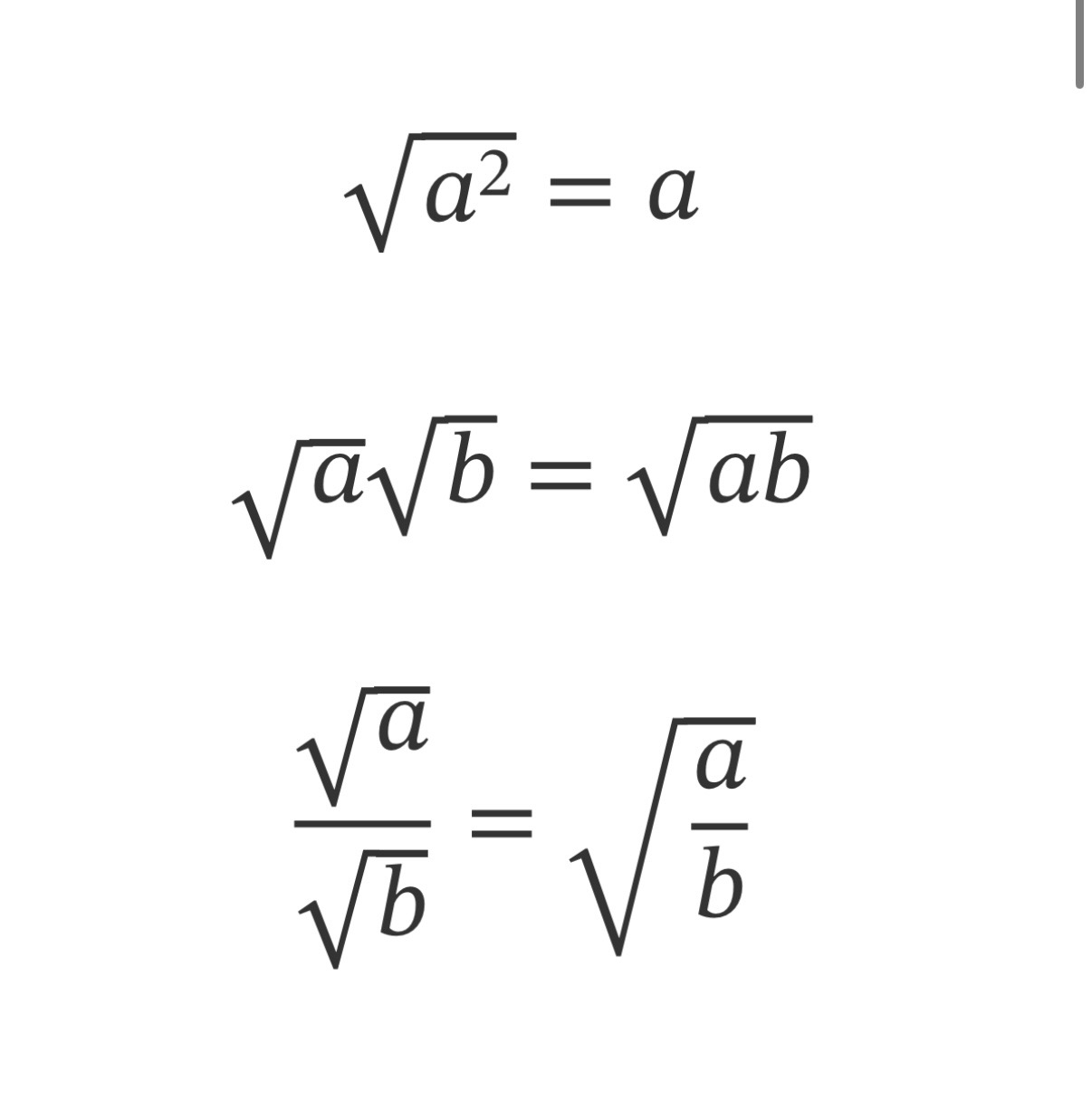
Law of square roots
slope of a line
y=mx+b
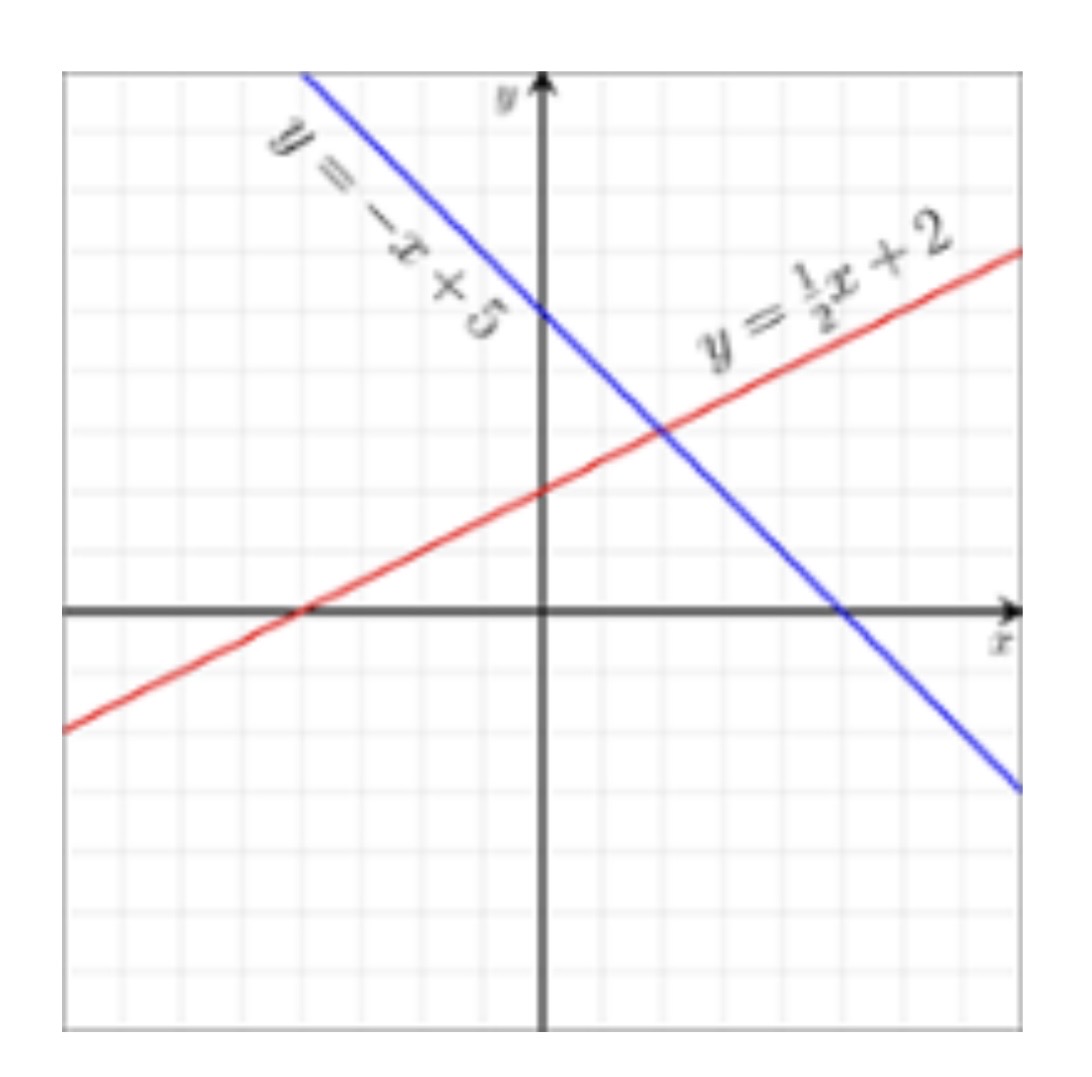
a slope is the steepness of a line in a coordinate system
m is the slope
x and y are a pair of coordinates
b is the y-intercept, or where the line passes through the y-axis
you may occasionally see this equation written in a different way (e.g., b=y-mx) Always convert it to the format above to ease calculations and avoid confusion
a line increasing as it moves left to right has a positive slope, whereas a decreasing line has a negative slope. a completely horizontal line has a slope of 0
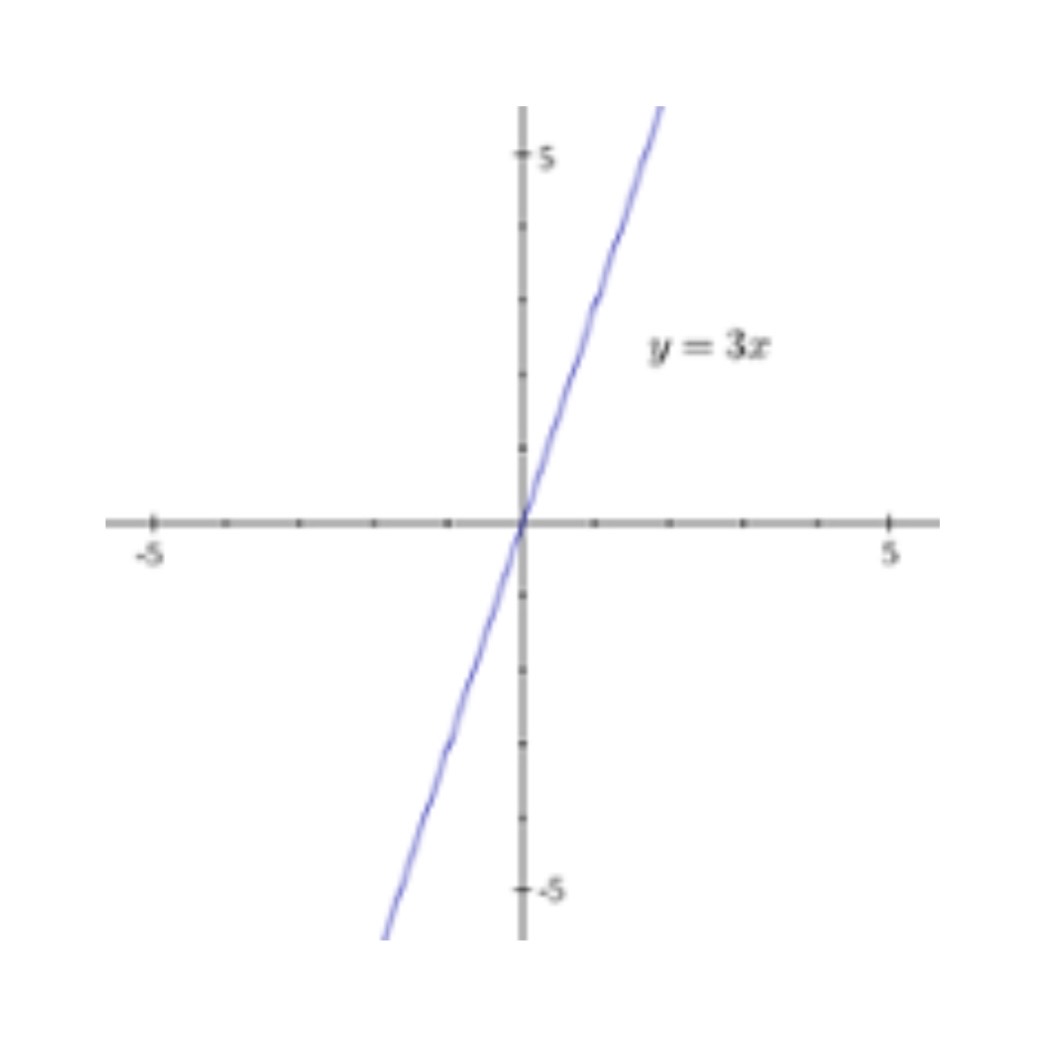
if the y-intercept of a line is 0, the formula is y=mx+0, or simply y=mx. Picture is the example.
Using two sets of coordinates
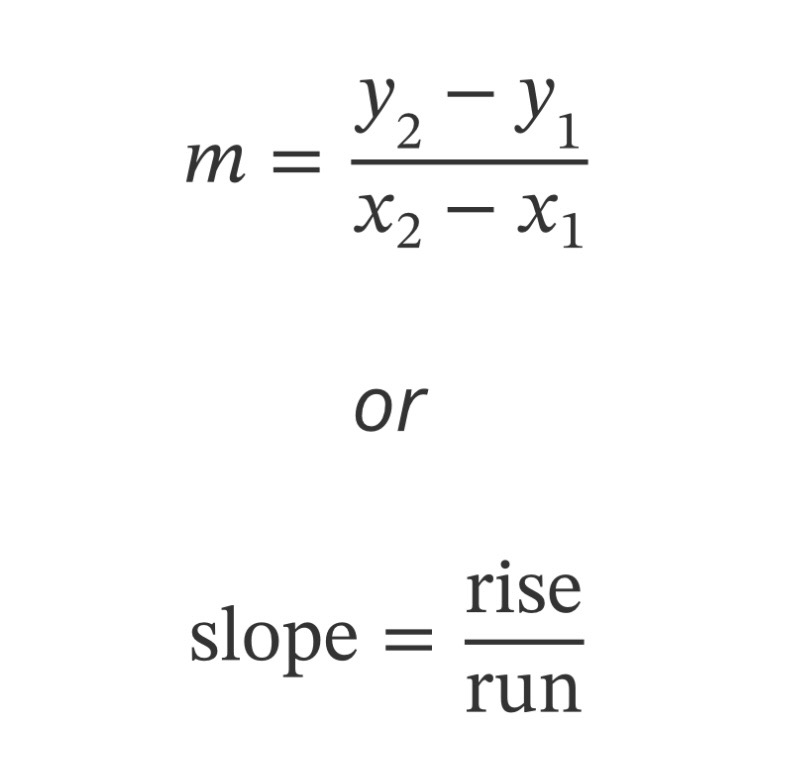
slope= rise/ run
m= y2-y1/x2-x1
x1 and y1 are a corresponding pair of coordinates on a line. (x2 and y2 are a separate pair of coordinates on the same line.)
This equation is known as rise over run (the change in vertical distance over the change in horizontal distance)
probability
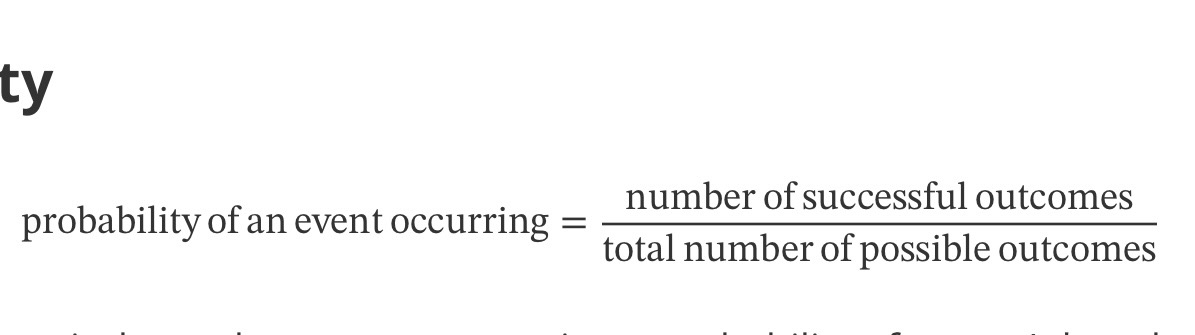
probability of an event occuring = number of successful outcomes/ total number of possible outcomes
Probability of two independent events occurring = probability of event A * probability of event B
Probabilities are usually written as fractions, though you may see them written as decimals or ratios (e.g., 3:4)
percent basics
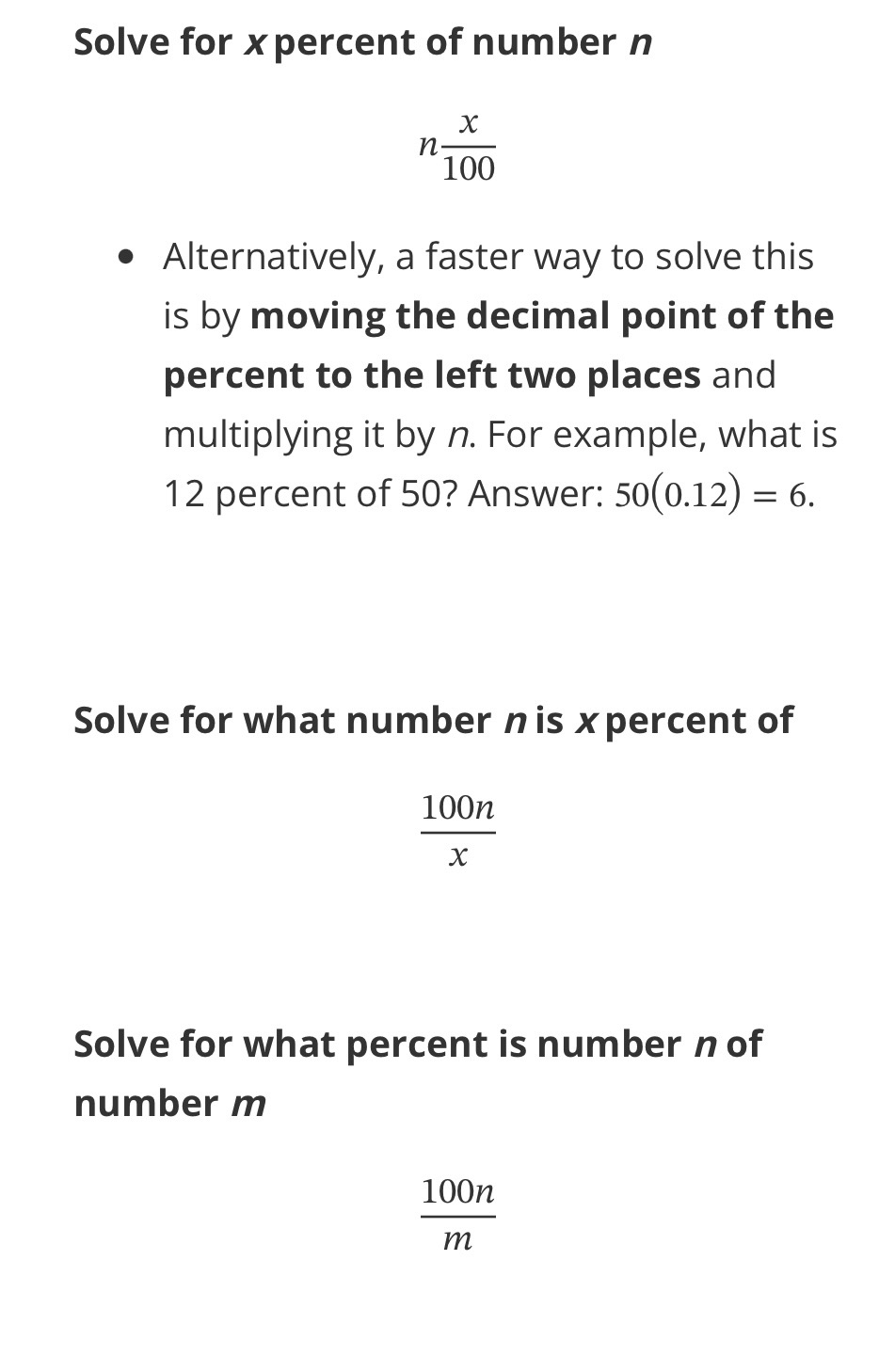
Solve for x percent of number n
(n) x/100
Alternatively, a faster way to solve this is by moving the decimal point of the percent to the left two places and multiplying it by n. For example, what is 12 percent of 50? Answer: 50(0.12)=6.
Solve for what number n is x percent of
100n/x
Solve for what percent is number n of number m
100n/m
percent change
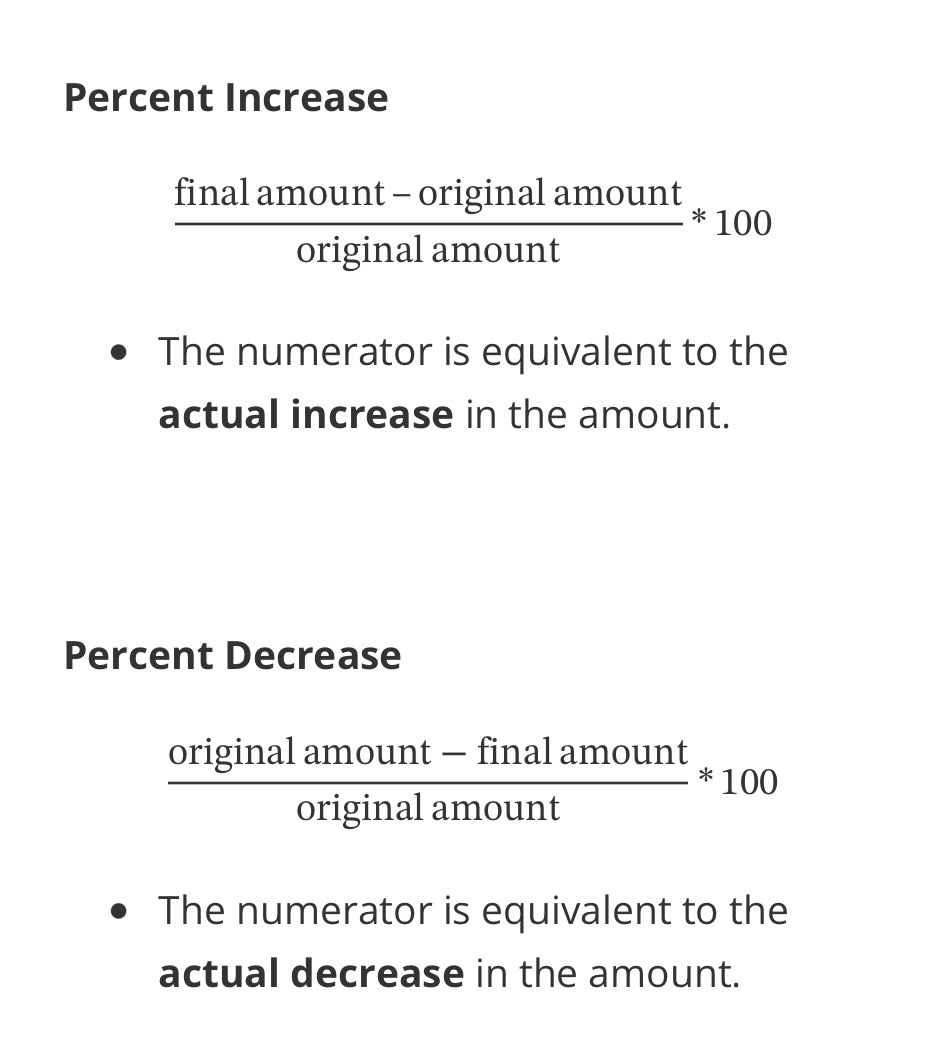
percent increase
final amount - original amount/ original amount * 100
The numerator is equivalent to the actual increase in the amount.
percent decrease
original amount - final amount/ original amount * 100
the numerator is equivalent to the actual decrease in the amount
concentration
= amount of solute / total amount of solution (* 100)
if you have 2 parallel lines and a transversal cutting through both parallel lines, the alternate interior angles are ___
congruent
the number of integers INCLUSIVE from X to Y is =
Y - X + 1
volume of a cylinder
v = πr2h