Social 10 All terms
 Call Kai
 Learn
Learn Practice Test
 Spaced Repetition
 Match
Match Flashcards
1/80

There's no tags or description
Looks like no tags are added yet.
Name | Mastery | Learn | Test | Matching | Spaced | Call with Kai |
|---|
No analytics yet
Send a link to your students to track their progress
81 Terms
Bretton Woods Agreement
An agreement forged after the Second World War in Bretton Woods, New Hampshire, by 44 countries to establish a system of rules, institutions, and procedures for the postwar global economy.
Fixed Exchange Rate
The value of a country's currency as set by its government.
Floating Exchange Rate
Currency rates that are not fixed by the government but instead find their own value on the foreign exchange market.
Gold Standard
A provision of the Bretton Woods Agreement that all printed money, such as a paper dollar, would be convertible to gold and could be cashed in at any time for that gold.
World Bank (WB)
An agency of the United Nations that in practice is independent and controlled by its 184 member countries, which provides loans to less developed countries that are in financial difficulty. Provides long term financial assistance.
International Monetary Fund (IMF)
An International agency that works with the World Bank to bring stability to international monetary affairs and to help expand world trade. Provides short time financial assistance and monitors exchange rates.
Centrally Planned Economy
A system under which government planners decide what goods to produce, and how many. Complete governmental control.
Free Market Economy
A market in which government has little to no involvement and all businesses and property would be privately owned.
General Agreement on Tariffs and Trade (GATT)
An international agreement between 1947 and 1955 that aimed to reduce trade barriers among member countries. Was eventually replaced with the WTO, which was funded in 1955.
Tariff
A tax imposed on imports to increase their price and thus reduce competition with domestic products.
World Trade Organization (WTO)
An international organization funded in 1955 that works to improve trade relations among the world's countries, especially by removing tariffs and other barriers to trade.
North American Free Trade Agreement (NAFTA)
1994 treaty among Canada, the United States and Mexico to improve trade by removing tariffs and other economic barriers.
Gross Domestic Product (GDP)
The total value of goods and services produced in a country in a calendar year.
Group of Eight (G8) - now G7
An informal group of the eight (seven) major industrial democracies that meets at annual summits to discuss economic and foreign policies.
Canadian International Development Agency (CIDA)
A government agency responsible for administering foreign aid programs in less developed countries. (money, food, resources etc.)
MERCOSUR
(Mercado Comun del Sur) - Common market of the South. Has 5 full member countries and its purpose is to promote full trade, economic development
Nationalize
The government takes an industry over from private owners.
European Union (EU)
The world's largest and most powerful common market, which works to develop common foreign and security policies and to address other issues such as citizen's rights, job creation, regional development, and environmental protection.
Trade liberalization
The process of reducing barriers to trade.
Crown corporations
Government-owned companies (in Canada).
Privatization
The sale of government-owned industries and services to private businesses.
Outsourcing
The hiring of one company by another to fulfill certain tasks in production. Effective cost-saving strategy when used properly.
Deforestation
The destruction of forests by clearing or burning as a result of economic development, such as building roads or conversion to cropland, or through changes in earth's vegetation due to global warming.
Stewardship
The obligation to maintain resources in a sustainable manner. People who believe in stewardship feel a responsibility to protect and tend the earth to keep it healthy for future generations.
Sustainability
The ability to keep in existence or maintain - to keep it going as is.
Genuine Progress Indicator (GPI)
A measure of sustainable prosperity that takes into account the value of non-economic positive factors such as volunteering and education, and negative factors such as pollution and crime.
GDP Index
A measure of a country's gross domestic product per capita,
Protectionism
The use of trade barriers to shield domestic firms from foreign competition
Transnational Corporations
companies with headquarters in one country but production units in one or more foreign counties.
Interdependence
A relationship between countries in which they rely on one another for resources, goods, or services
Sustainable Prosperity
Using resources in a manner to meet the needs of today without taking from tomorrow
Sweatshops
factories that pay poorly, have unsafe working conditions, and treat workers badly
Sustainable development goals
They are a universal call to action to end poverty, protect the planet and ensure that all people enjoy peace and prosperity
Gross National Happiness
measures quality of life; Bhutan scores very highly
Human Development Index (HDI)
combines data on life expectancy, literacy, educational attainment, gender equity, and income
ecological footprint
The amount of biologically productive land and water needed to support a person or population.
Imperialism
One country's domination over another country's economic, political, and cultural institutions. https://o.quizlet.com/cJYInJjKlIvr9M3TTtHm7g_m.png
Colonialism
When people from one country settle into another country and establish economic, social, and political control over the territory.
Historical Globalization
A period that is often identified as beginning in 1492, when Christopher Columbus made his first voyage, and ending after World War II, when the United States and the Soviet Union emerged as superpowers.
Mercantilism
In colonies, trade was strictly controlled to benefit the economy of the imperial power by taking raw resources from the colony and using them to create finished goods.
Capitalism
An economic system that advocates free trade, competition, and choice as a means of achieving prosperity.
Silk Road
The route along which ideas, goods and technology was exchanged. https://farm5.staticflickr.com/4098/5447446847_1054a549b8_m.jpg
Industrial Revolution
A time in history marked by urbanization, increased production and mechanization. https://o.quizlet.com/-7t9KZ9mueu9s5P6rdTiag_m.jpg
Slavery
The economic policy of applying property laws/status to human beings. https://farm8.staticflickr.com/7027/6466694643_0c640837b5_m.jpg
White Man's Burden
A famous poem by Rudyard Kipling who's main theme was how difficult it was for white Europeans to go and save a population of people (slaves) from themselves.
Indentured Labour
Typically a young unskilled laborer who came to America under contract to work for an employer for a fixed period of time, usually three to seven years, in exchange for their ocean transportation, food, clothing, lodging, etc...
Legacy
Something that has been passed on by those who lived in the past. Can be both positve or negative in nature.
Ethnocentrism
A word that combines "ethnic" and "centre." It refers to a way of thinking tat cnetres on one's own race and culture. Ethnocentric people believe that their worldview is the only valid one.
Eurocentrism
A form of ethnocentrism that uses European ethnic, national, religious, and linguistic criteria to judge other peoples and their cultures.
Depopulation
A reduction of population caused by natural or human-made forces. Examples: AIDS, Genocide, slave trade, etc...
Nelson Mandela
Led struggle against apartheid, became first black president of South Africa
Indian Act
An act which continues to define who is - and who is not - a status Indian. Was first pased in 1876 and was amended many times. Early versions banned some traditional native ceremonies and would not allow natives to vote unless they renounced their status.
Status Indian
A person who is registered with the Indian Act and who is eligible to recieve specific benefits such as tax exemptions.
Residential Schools
Boarding schools where First Nations children were gathered to live, work, and study. School were operated by government and churches and were designed to assimilate native children into mainstream society.
Cultural Mosaic
A society that is made up of many distinct cultural groups. https://farm1.staticflickr.com/92/225868856_a0ffef1924_m.jpg
Immigration
The process by which individuals who live in one part of the world move to another part of the world in order to make it their permanent home
Displacement
A government policy in which a group of people are forced to move from their home to another place for the security of the country.
Genocide
A term made up of two words: "Gene" meaning genetics or ethnicity and "cide" meaning death. Thus it is the mass killing of human beings from a racially targeted group of people. Example: Rwanda, Cambodia, Holacaust, Sudan, Turkish, etc..
Apartheid
An Afrikaans word that refers to a policy of segregating and discriminating against non-whites in South Africa.
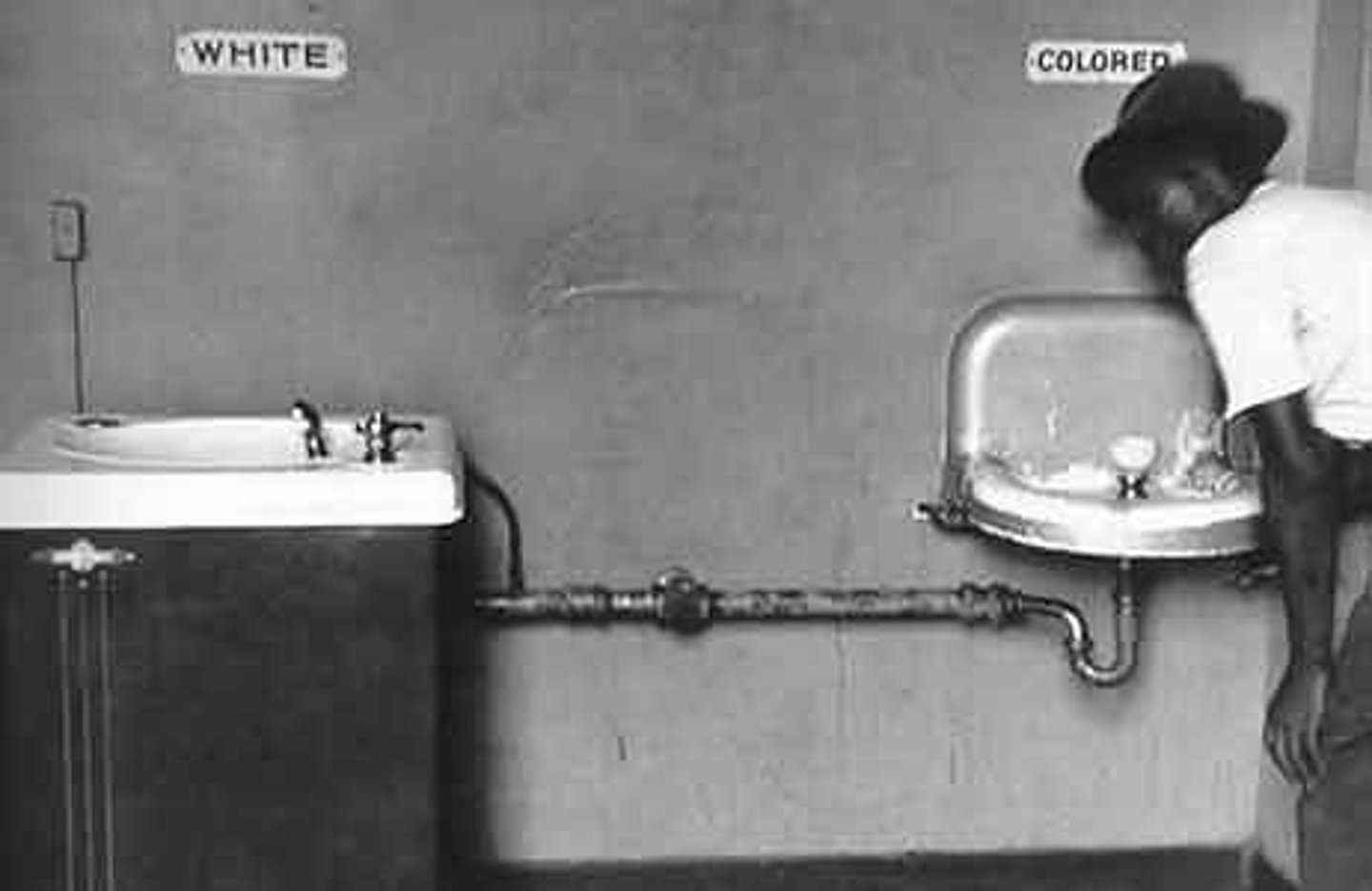
Segregation
The forced seperation of two cultures living in the same place. Examples: South Africa, and United States
Foreign Aid
Money, supplies, and other goods, as well as expertise, given by one country to another.
Berlin conference
1884-85 Meeting where the major European powers negotiated and claimed territory in Africa
Scramble for Africa
When many European countries all rushed into Africa in an attempt to gain lands for themselves.
Blood diamond
mined in a war zone and sold to finance an insurgency, an invading army's war efforts, or a warlord's activity
Motives for imperialism
Economic, Political, Military, humanitarian, religious, social darwinism (Gold, Glory, God).
Assimilate
one culture being absorbed into another
Globalization
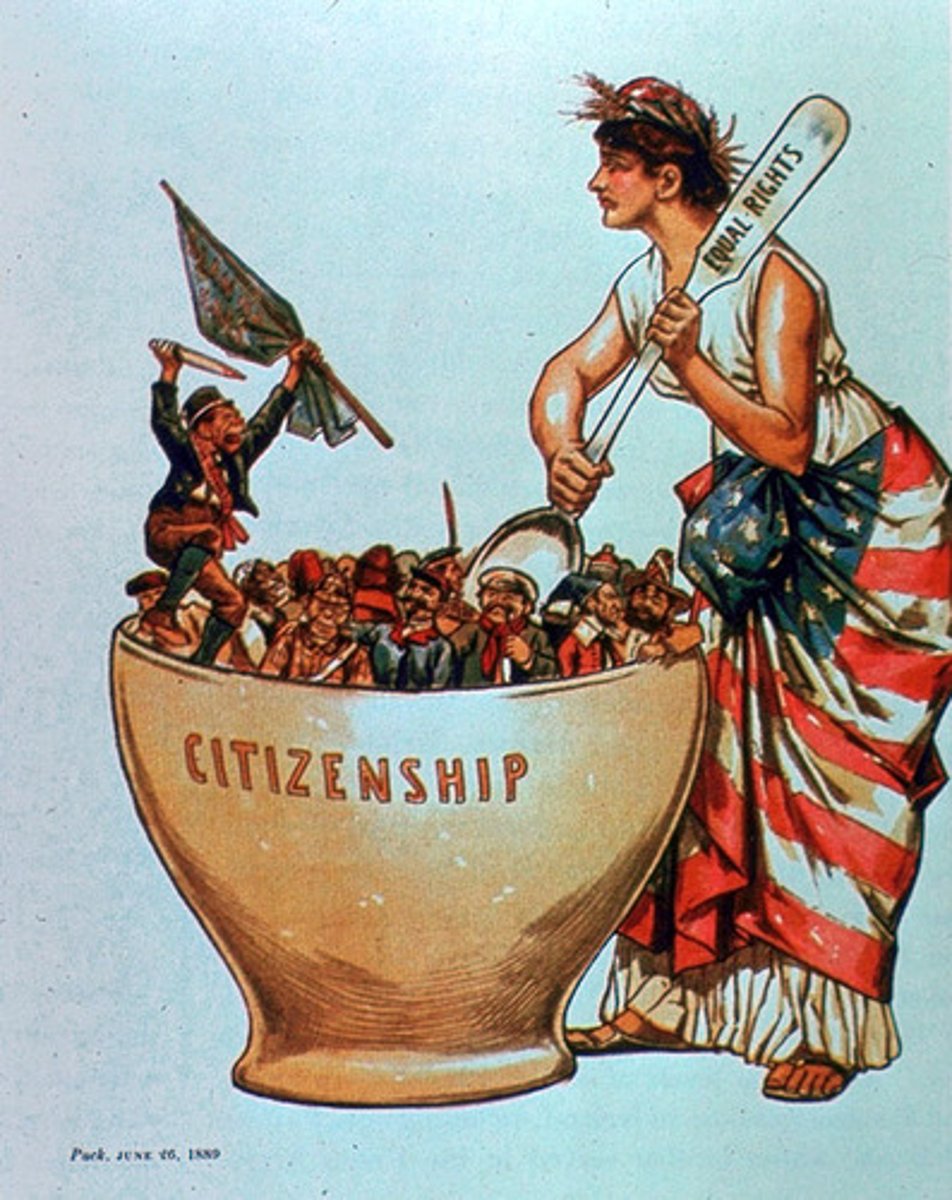
The process which the world's citizens are becoming increasingly connected and interdependent
Issue
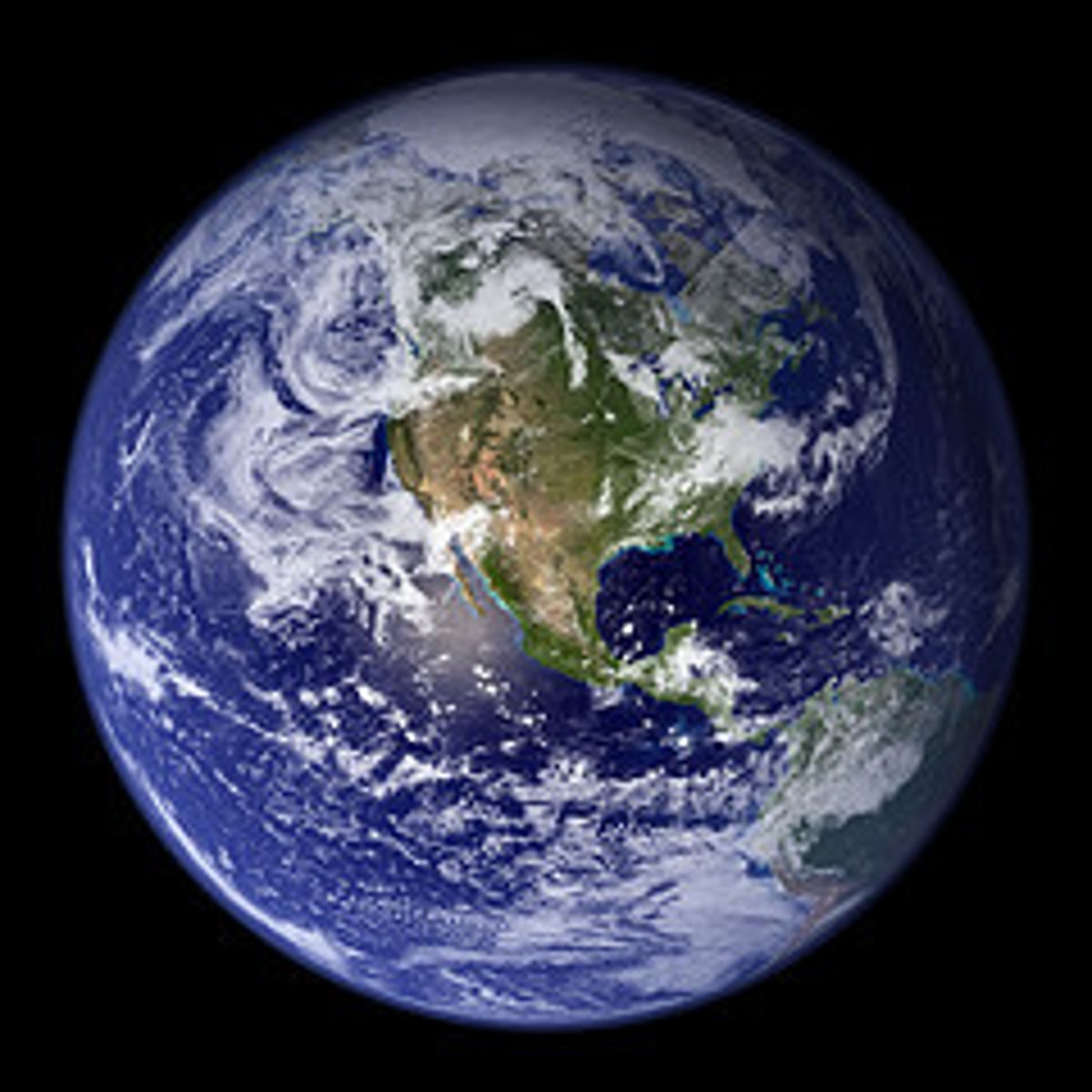
A question or situation that involves thoughtful, well-informed, and well-meaning people in honest and sincere dialogue that may lead to different conclusions about how to respond.

Avatar
A graphic representation of a real person in cyberspace; a three dimensional image that a person can choose to represent himself or herself in a virtual reality environment
meme
a unit for carrying cultural ideas symbols or practices, which can be transmitted from one mind to another through writing, speech, gestures, rituals or other imitable phenomena. Often a funny cultural reference.

Glocal
The idea that global and local forces interact and that both are changed in the process
Slang
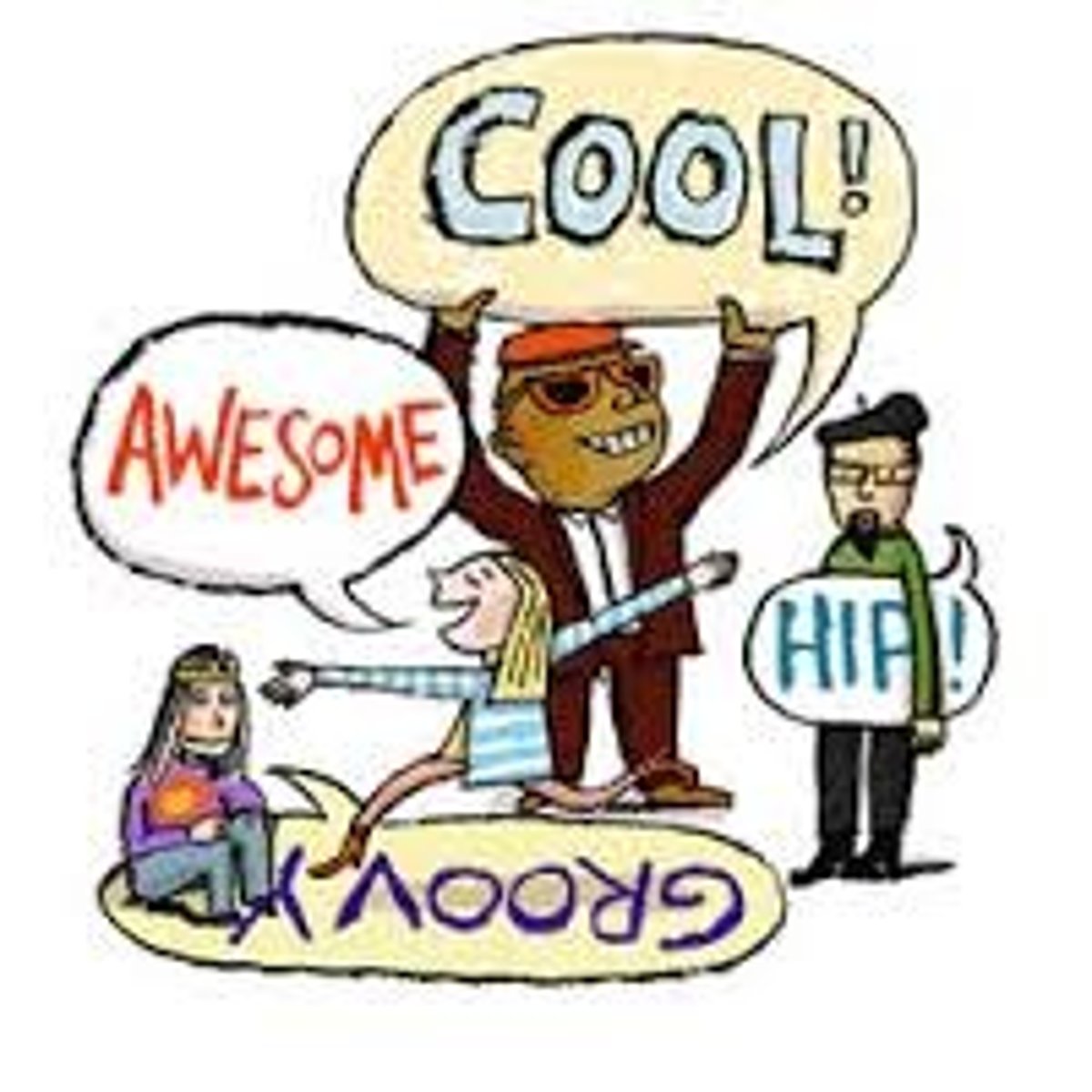
A type of language that consists of words and phrases that are regarded as very informal, are more common in speech than writing, and are typically restricted to a particular context or group of people
Media concentration
The gathering of ownership of newspapers and other media in the hands of a few large corporations.
Media convergence
The use of electronic technology to integrate media such as newspapers, books, TV, and the Internet.
Acculturation
(n.) the modification of the social patterns, traits, or structures of one group or society by contact with those of another; the resultant blend
cultural modification of an individual, group, or people by adapting to or borrowing traits from another culture
Accomodation
Making adjustments or compromises to allow for differences.
Integration
Providing equal opportunity for participation of different groups in society.

Homogenization
The erasing of differences. When this term is applied to people, it often refers to the erasing of cultural differences so that peoples become more and more similar.
Segregation
Separation of people based on racial, ethnic, or other differences
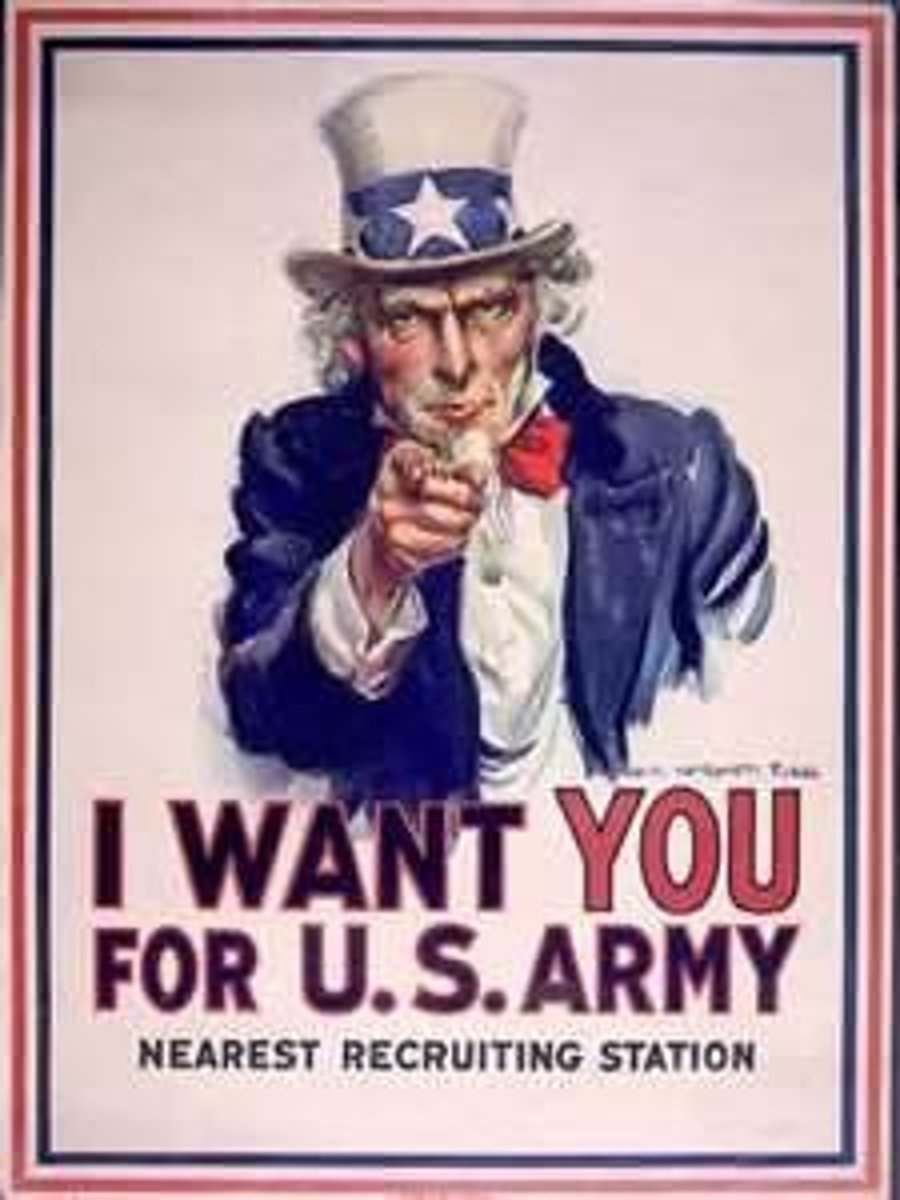
Propaganda
Information aimed at positively or negatively influencing the opinions or behaviors of large numbers of people.
Marginalization
the process or result of making somebody feel as if they are not important and cannot influence decisions or events; the fact of putting somebody in a position in which they have no power