ADMET: Elimination
 Call Kai
 Learn
Learn Practice Test
 Spaced Repetition
 Match
Match Flashcards
 Knowt Play
1/37

There's no tags or description
Looks like no tags are added yet.
Name | Mastery | Learn | Test | Matching | Spaced | Call with Kai | Chat |
|---|
No analytics yet
Send a link to your students to track their progress
38 Terms
Objective
List the Routes of Elimination / Excretion (8)
- Kidneys / Urine
- Bile / Feces
- Lungs / Exhalation
- Breast Milk
- Skin / Sweat
- Tears
- Hair
- Saliva
Kidneys / Urine:
- Kidneys are the ________________ excretory organs
- Primary route for __________________ drugs and metabolites
• Kidneys are the primary excretory organs
• Primary route for water-soluble drugs & metabolites
Bile / Feces:
- Primary route for _________________ drugs and metabolites
• Primary route for lipid-soluble (and less water-soluble) drugs & metabolites
Lungs / Exhalation:
- Primary for ____________________
• Primarily for inhaled anesthetics
Breast Milk:
- not a major route of drug / metabolite elimination, but is clinically important for........
passing drugs from mother to a nursing infant
Skin / Sweat:
- not a major route of drug / metabolite elimination, but may be used for...
• monitoring or testing
Tears:
not a major route of drug / metabolite elimination, but may be a concern for....
contact lens wearers
Hair:
not a major route of drug / metabolite elimination, but may be used for....
monitoring or testing
Saliva:
not a major route of drug / metabolite elimination, but may be used for....
monitoring or testing
Objective
Examples of water-soluble drugs released through the kidneys and urine (3)
- vancomycin
- atenolol
- ampicillin
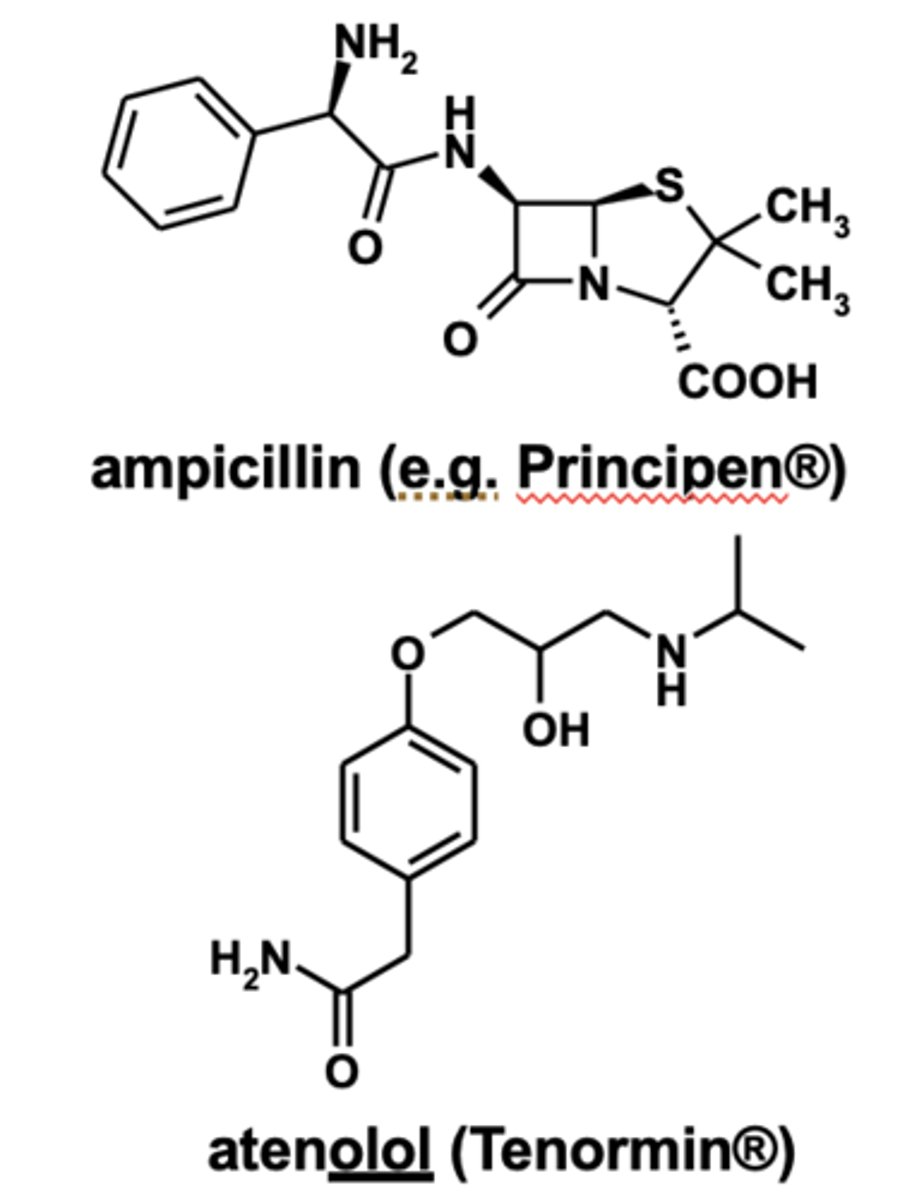
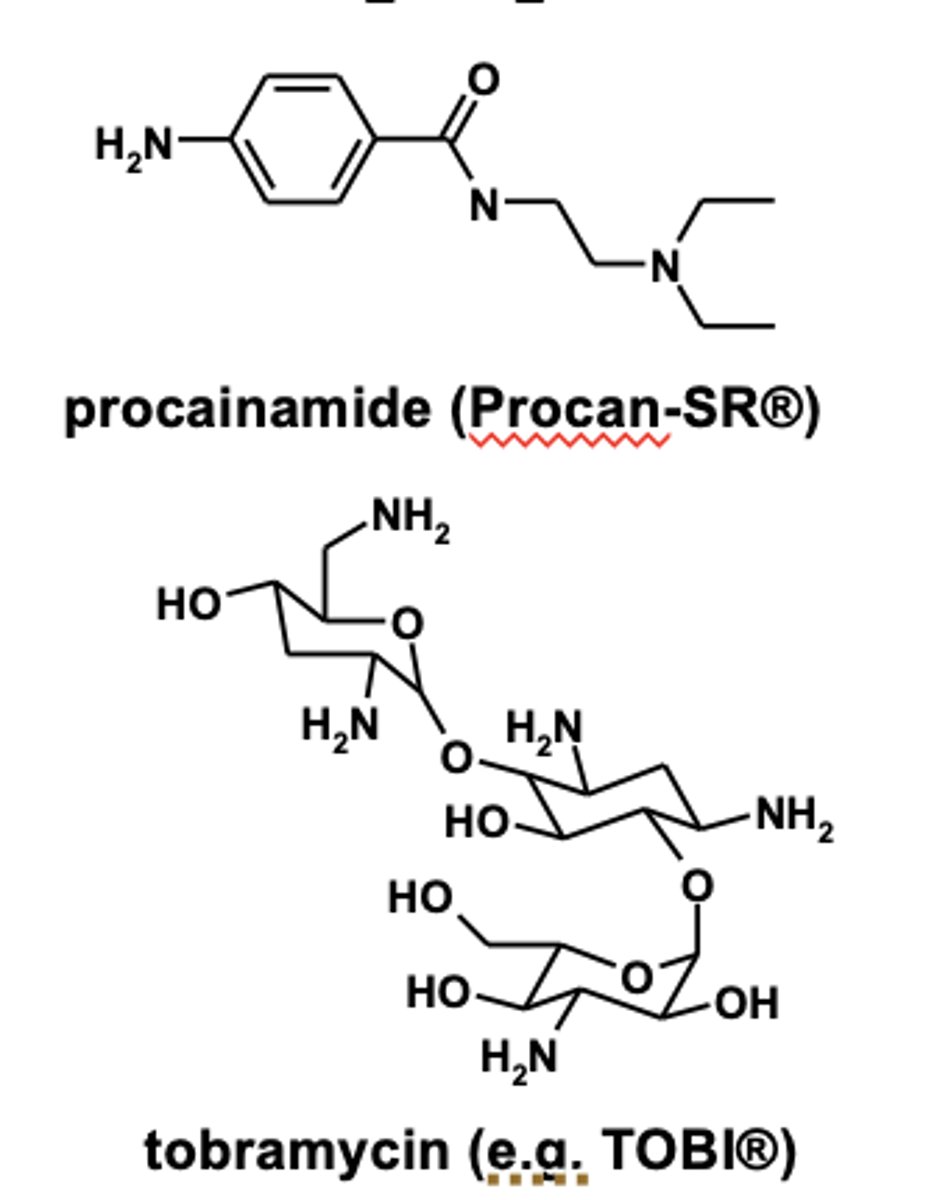
Dosage adjustments of what drugs are required in cases of kidney disease? (3)
- aminoglycoside antibiotics (amikacin, tobramycin)
- cephalosporin antibiotics (fortaz)
- procainamide
- Only _____________ drug is filtered by the kidneys.
- ______________________ fraction is not excreted
- unbound
- plasma protein-bound
The overall rate of drug elimination by the kidneys is a balance that is determined by several factors: (3)
- Drug filtration
- Drug secretion (active transport proteins invovled)
- Drug reabsorption (can be affected by pH changes)
_____________________ are involved in the secretion and reabsorption of drugs and metabolites (in both kidneys & GI tract)
Active transport proteins
(OATPs, POTs, PGPs, MRP2 transporters)
Objective
What can affect the elimination of ionizable drugs and metabolites?
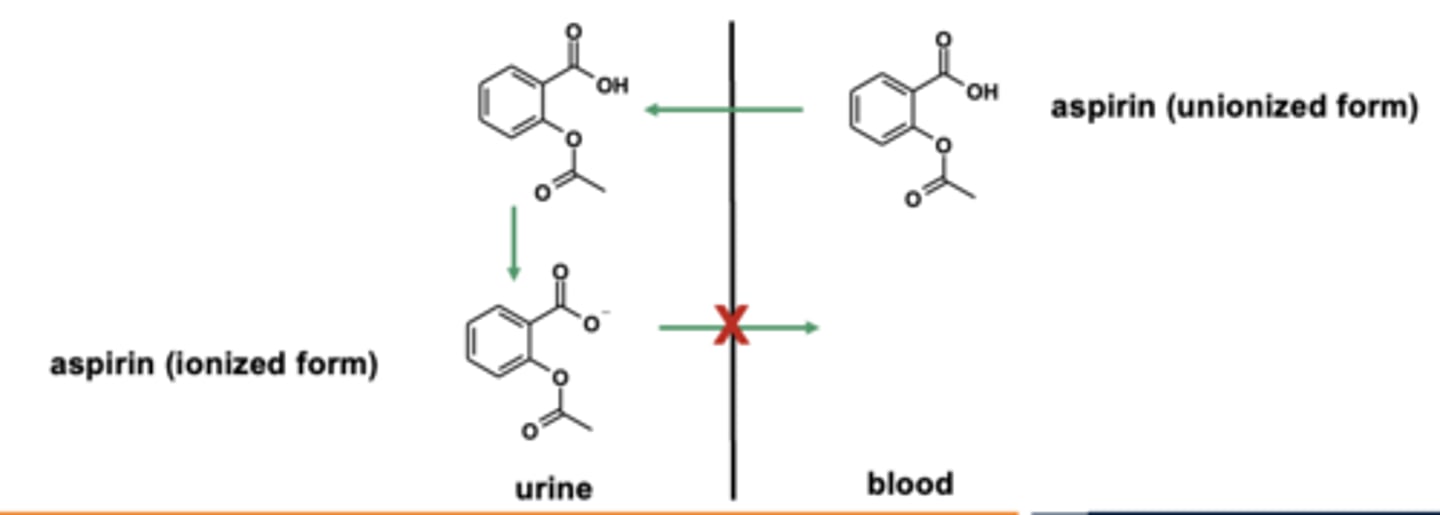
pH changes in urine ("pH trapping")
Objective
what can result due to pH trapping? (3)
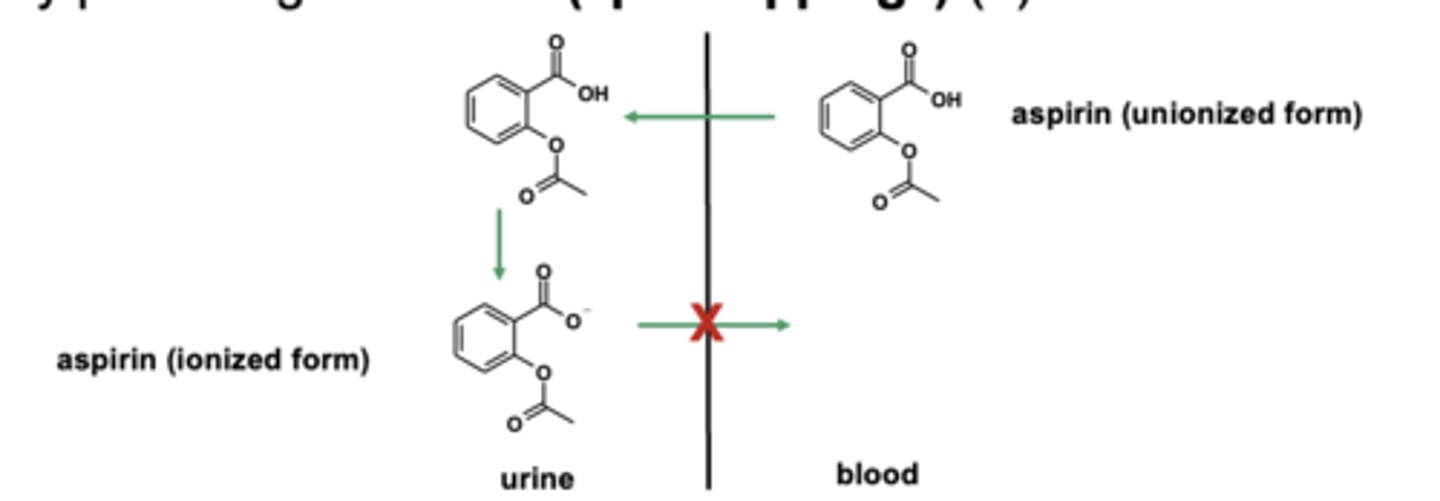
- passive elimination of unionized form of drug
- compound becomes ionized once in urine
- it is much more difficult to be passively reabsorbed in ionized form, so it is now "trapped" and eliminated
Objective
List an example of how pH trapping can be used therapeutically
treatment of aspirin overdose with sodium bicarbonate (via alkalinization of urine)
Objective
Examples of lipid-soluble drugs released through bile/feces (3)
- digoxin
- steroids (prednisone)
- hydrophobic anticancer agents
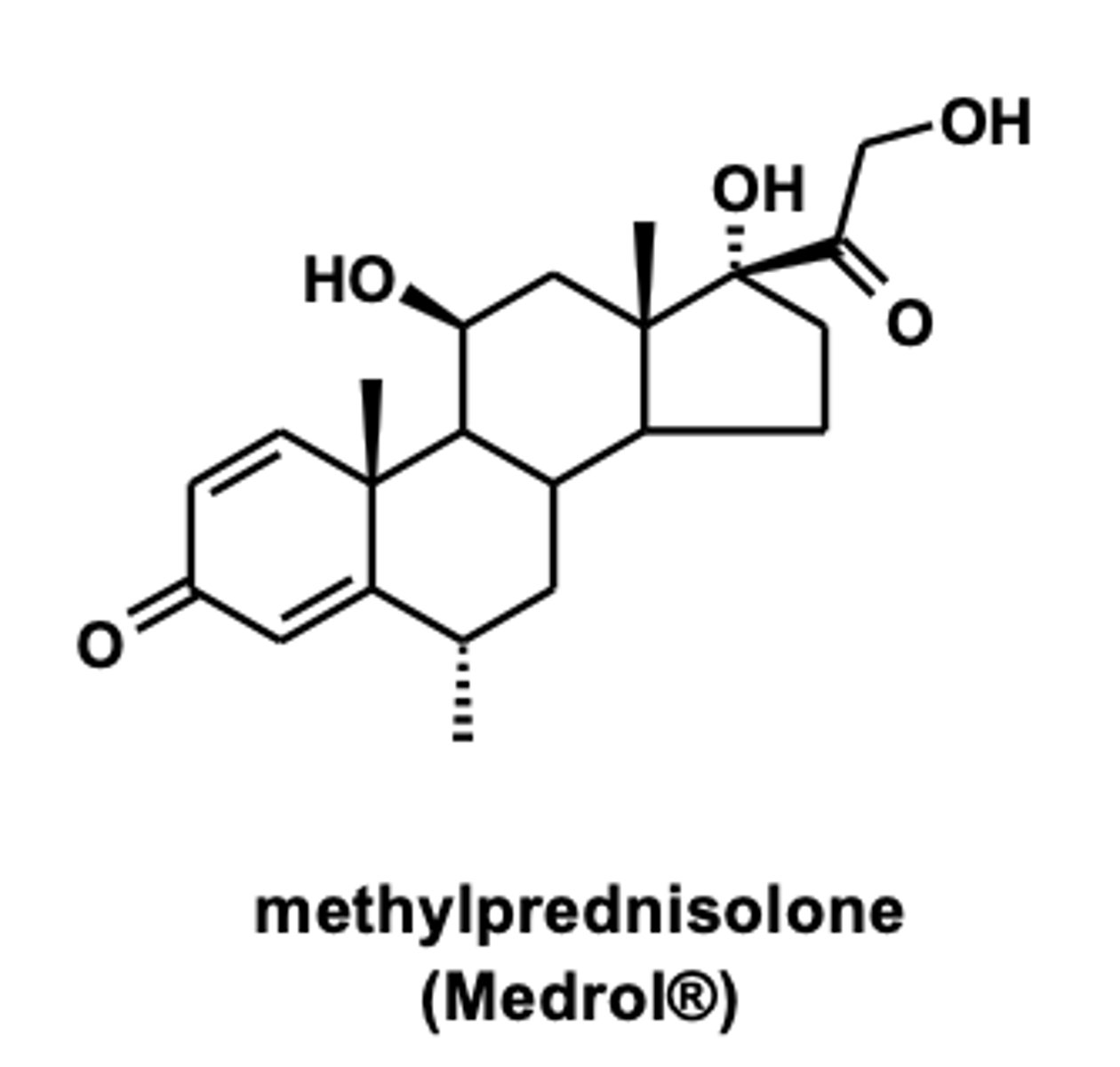
What can biliary/fecal excretion be affected by?
intestinal and biliary diseases
What is involved in the secretion of drugs and metabolites in bile/feces?
Active transport proteins
(OATPs, POTs, PGPs, MDR/MRP)
Objective
_______________________ is possible in bile/feces elimination
Enterohepatic recycling
Objective
What is enterohepatic recycling?
- drug/metabolite is excreted via bile/feces into intestines for elimination
- reabsorption occurs prior to elimination ("recycling")
Objective
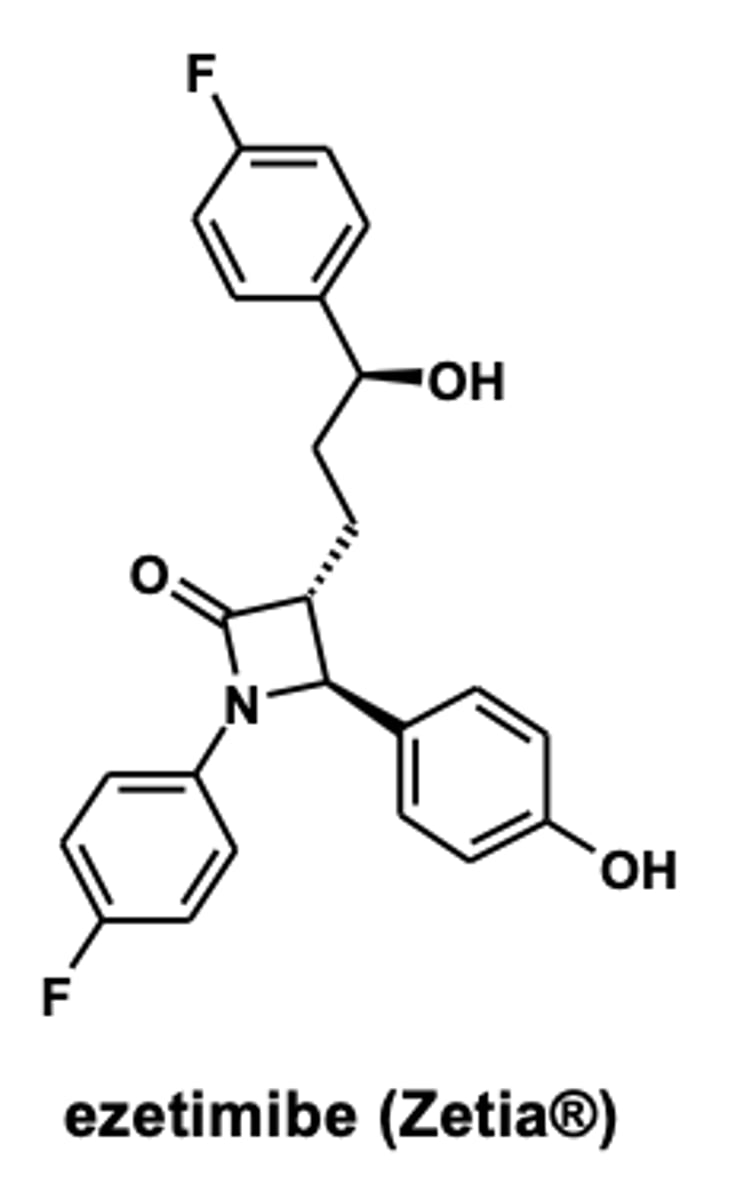
List examples of drugs known to undergo enterohepatic recycling? (3)
- atovaquone
- Ezetimibe
- Isotretinoin
Objective
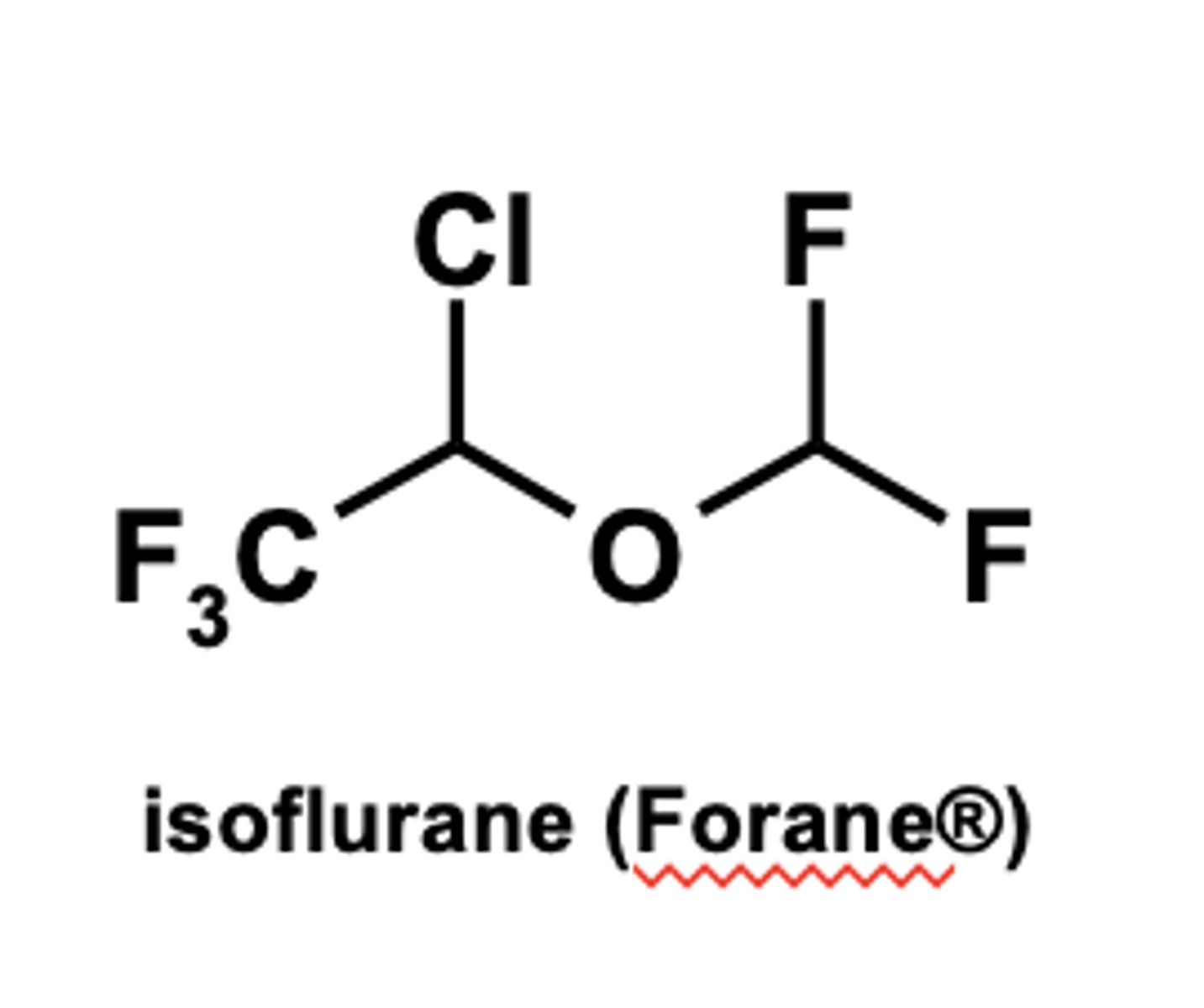
List examples of drugs eliminated through lungs/exhalation
- Isoflurane (99% unchanged via exhalation)
- Sevoflurane (95% eliminated thru exhalaiton)
At least one transport protein, _________, is known to be involved in the active transport of drugs into breast milk
BCRP
Objective
List examples of drugs that are transported into breast milk (2)
- topotecan
- cimetidine
Objective
What medications cause effects when eliminated through tears? (2)
What can this cause?
- Rifampin (causes orange-red color in fluids)
- Azo-based compounds, phenazopyridine (similar effects)
- may cause permanent staining of contact lenses
Objective
The 2 known active transporter families in humans
- Solute carrier (SLC) protein superfamily
- ATP-binding cassette (ABC) superfamily
The 2 kinds of Solute carrier (SLC) proteins
•Organic anion-transporting polypeptides (OATPs)
•Proton-dependent oligopeptide transporters (POTs)
The 3 kinds of ATP-binding cassette (ABC) proteins
•P-glycoprotein (PGP/MDR) efflux pumps
•Multidrug resistance (MRP) efflux pumps
•Breast cancer resistance protein (BCRP)
Drugs known to be PGP substrates: (5)
•Digoxin
•HIV protease inhibitors (indinavir)
•Immunosuppressive agents (tacrolimus)
•Opioids (morphine sulfate)
•Loperamide
T/F: "Normal" dosing does not take PGP-mediated effects into account
FALSE
"Normal” dosing does take PGP-mediated effects into account
Drugs known to be PGP inhibitors: (5)
•Cyclosporine A
•Quinidine
•Calcium channel blockers (verapamil) (diltiazem)
•Azole antifungals (itraconazole)
•Macrolide antibiotics (clarithromycin)
Objective
Interaction of quinidine with digoxin
- PGP inhibition
- quinidine blocks PGP-mediated elimination of digoxin
- leads to higher levels of digoxin in the body and potential toxicity (arrhythmias)
Objective
Interaction of quinidine with digoxin is a.....
PGP inhibition
Drugs known to be PGP inducers: (3)
- Rifampin
- Phenobarbital
- St. John's Wort
Objective
St. John's Wort can _____________ the rate and extent of digoxin elimination
increase
Objective
DDI between St. John's Wort and digoxin is a.....
PGP induction