ap psych unit 4
 Call Kai
 Learn
Learn Practice Test
 Spaced Repetition
 Match
Match Flashcards
 Knowt Play
1/105

There's no tags or description
Looks like no tags are added yet.
Name | Mastery | Learn | Test | Matching | Spaced | Call with Kai | Chat |
|---|
No analytics yet
Send a link to your students to track their progress
106 Terms
sensation
the process by which our sensory receptors and nervous system recieve and represent stimulus energies from our environment
sensory receptors
the nerve endings that respond to sensory stimuli
perception
the process of organizing and interpreting sensory information. enables us to recognize meaningful objects + people
usually one continuous process w/ sensation
bottom up processing
analysis beginning with sensory receptors then working up to the brain
top down processing
information processing guided by prior experience/knowledge to create perception
transduction
the conversion of one form of energy into another. in sensation, it turns stimulus energy (sights/sounds/etc) into neural impulses that our brain can interpret
psychophysics
study of the relation between the physical characteristics of stimuli and our perception of them
absolute threshold
the minimum stimulus energy needed to detect a particular stimulus ~50% of the time
signal detection theory
predicts how + when we detect the presence of a faint stimulus amid background stimulation. assumes there’s no single absolute threshold and that detection depends partly on a person’s alertness, expectations, and experience
why do we respond differently to the same stimuli?
how does this depend on circumstances?
subliminal
below one’s absolute threshold for conscious awareness (detected <50% of the time)
we can still evaluate these stimuli, just not consciously
prime/priming
phenomenon where exposure (even subliminal) to one stimulus influences how a person responds to a related stimulus later.
ex. flashes of kittens before images of people lead the people to be seen more favorably
difference threshold (JND)
minimum difference between two stimuli that can be detected 50% of the time.
diff. needed increases with size/intensity of stimulus
weber’s law
says that to be perceived as different, 2 stimuli must differ from a constant minimum PERCENTAGE (rather than amt.)
% required depends on stimulus
sensory adaptation
diminished sensitivity to a stimulus due to constant stimulation
perceptual set
mental predisposition to see one thing and not another. influenced by our experiences
wavelength
the distance from the peak of one wave to the next peak. determines the hue we see
amplitude
the height of a light wave. determines the intensity we experience
retina
light-sensitive inner corner of eye
contains rods + cones + neurons that begin the processing of visual information
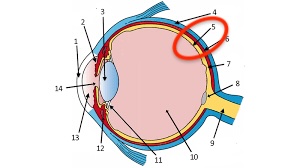
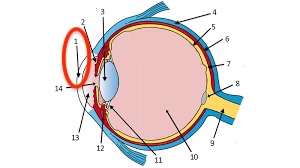
accomodation
process by which the eye’s lens changes shape to focus objects on the retina
cornea
part of eye that bends light to provide focus
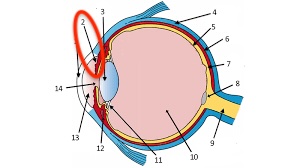
iris
part of eye
muscle that controls the size of the pupil
pupil
small, adjustable opening in eye
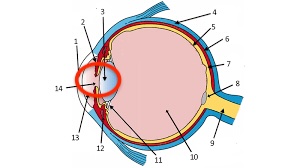
lens
focuses light rays into an image on the retina
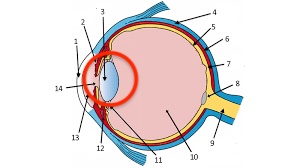
photoreceptors
light-sensitive nerve cells in the eyes (rods and cones)
rods
photoreceptors that detect black/white/gray, are sensitive to movement, and are necessary for peripheral and low-light vision
cones
photoreceptors that detect color & fine detail but require a lot of light
how does light move thru eye
cornea → iris → pupil → lens → retina (CIPLR)
light energy hitting the retina triggers chemical changes, beginning a cascade that results in our perception
optic nerve/visual nerve
carries neural impulses from eye to brain. made of ganglion cells
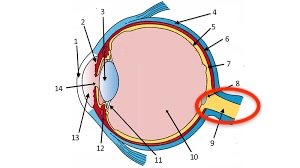
blind spot
the point where the optic nerve leaves the eye. no receptors are in here! but your brain fills it in
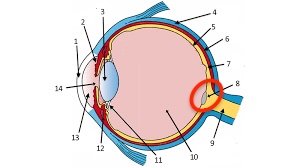
fovea
central focal point in the retina, where the cones cluster
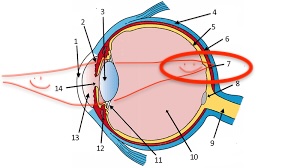
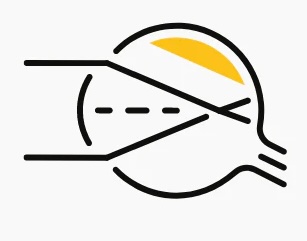
near sightedness
when near objects are easier to see than far objects b/c image is focused too close on retina
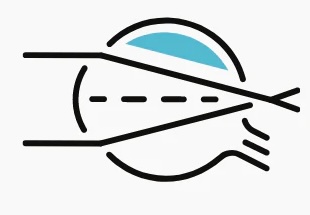
far sightedness
when far away objects are easier to see than close by objects because image is focused too far back on retina
younng-hemholtz trichromatic theory
the retina has 3 types of color receptors (RGB) which can produce any color when stimulated in combination
color blindness/color deficiency
condition where color-sensitive cones do not function correctly
afterimages
image that continues to appear after a period of exposure to an original image. will be in colors opposite of original image due to opponent processing
opponent process theory
opposing retinal processes (ex. white-black, red-green) enable color vision.
some cells are stimulated by green and inhibited by red + vice versa, meaning that we can’t see red and green together
how does color processing go
cones respond to color stimuli
cone info is processed by opponent processing cells
ganglion cells
specialized neurons in the retina that receive signals and transmit them through their axons
make up the optic nerve
how does information move through the eye
photoreceptor cells → bipolar cells (just rando mesengers) → ganglion cells → up optic nerve → brain
dichromatism
when a person only has 2 out of 3 types of cones functioning, so they can’t see certain colors. explained by opponent process theory
monochromatism
when a person can’t see any color and only sees in black and white
feature detectors
nerve cells in the visual cortex that respond to specific features of a stimulus (e.g. shape, angle, movement)
receive info from ganglion cells, then pass it onto specialized areas elsewhere in brain
parallel processing
processing many aspects of a problem simultaneously.
form, depth, color, and motion are all processed separately then put back together
gestalt
an organized whole
gestalt psychology
emphasizes our tendency to integrate pieces of info into meaningful wholes
we filter info and construct perceptions
figure ground
gestalt principle
the organization of the visual field into objects that stand out from their surroundings
when reading, the words are the figure and the white space is the ground
grouping
gestalt principle
the perceptual tendency to organize stimuli into coherent groups
can be done by proximity, continuity, closure
proximity
grouping based on which figures are near each other
continuity
grouping based on smooth patterns
closure
grouping that fills gaps to create a whole object
visual cliff
fake cliff (covered w/ glass) used to see if babies have depth perception (they do!). made fake cliff and saw if babies would walk off of it (they did not)
binocular cue
a depth cue that depends on the use of two eyes
ex. it’s harder to touch the tips of 2 pens together with one eye closed
retinal disparity
a binocular cue that compares the images from either eye and judges distance/depth by how much the images differ
bigger difference = closer image
monocular cues
depth cues available to either eye alone
ex. relative height, interposition
phi phenomenon
an illusion of movement created when 2+ adjacent lights blink on and off in succession
perceptual constancy
perceiving objects as unchanging (save color/shape/size/etc.) even as illumination and retinal images change. top-down process
color constancy
our tendency to perceive objects as having the same color in different lights, even as the wavelengths they give off change
brightness constancy
our tendency to perceive objects as having the same level of brightness in different lights, even as the wavelengths they give off change
shape and size constancy
our ability to perceive an object’s form as constant while we receive differing images of it
perceptual adaptation
the ability to adjust to changed sensory input
ex. if you had glasses that moved everything slightly to the left, you’d adjust to it in a few minutes
audition
the sense or act of hearing
frequency
the number of times a sound wave repeats per second. determines pitch
pitch
how low/high something sounds
middle ear
the chamber between the eardrum and cochlea, containing 3 tiny bones that concentrate the vibrations of the eardrum on the cochlea’s oval window
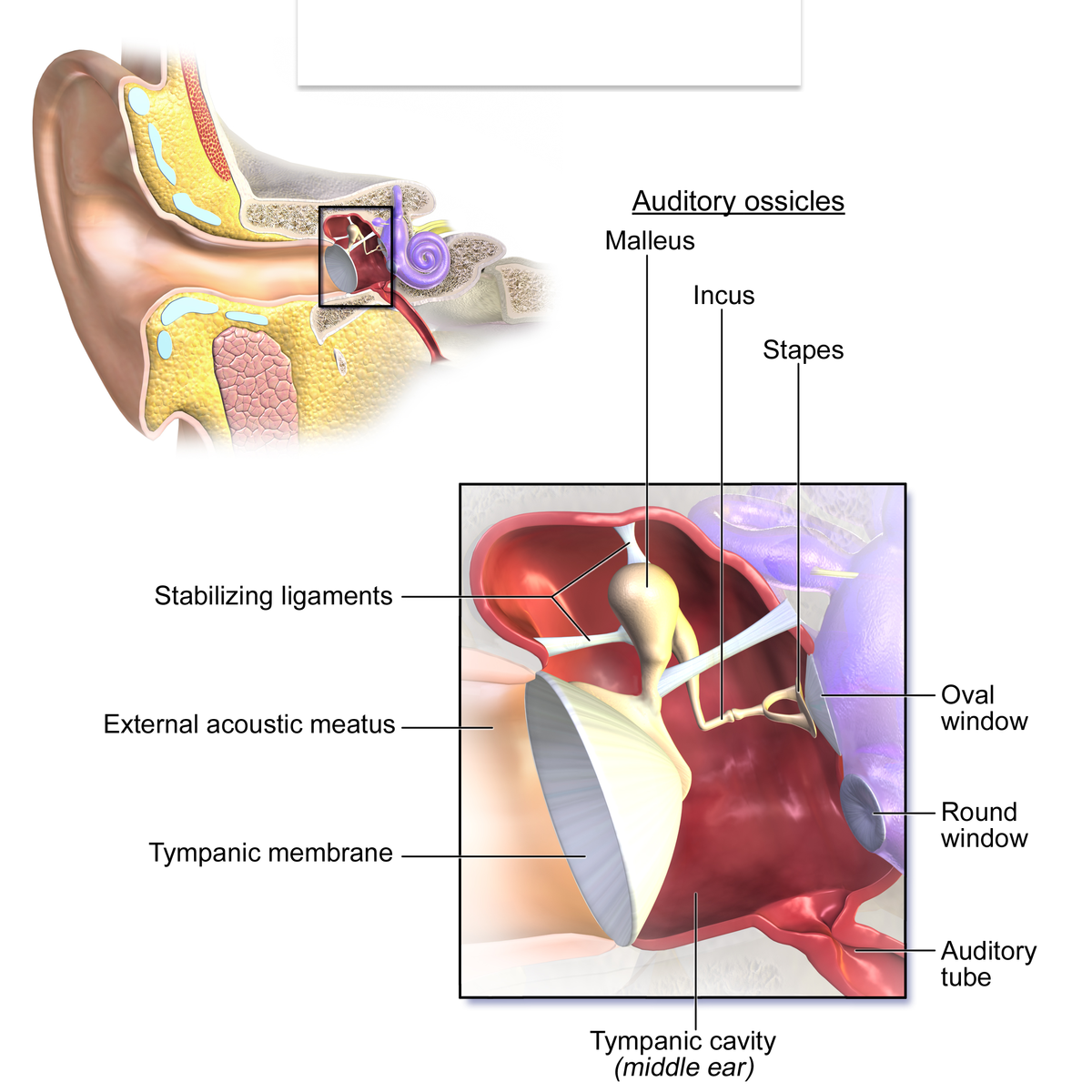
cochlea
coiled, bony, fluid-filled tube in the inner ear. waves that travel through the fluid trigger nerve impulses
there are little hairs in the fluid and when they move, they activate nerve cells
inner ear
the innermost part of the ear. has cochlea, semicircular canals, and vestibular sacs
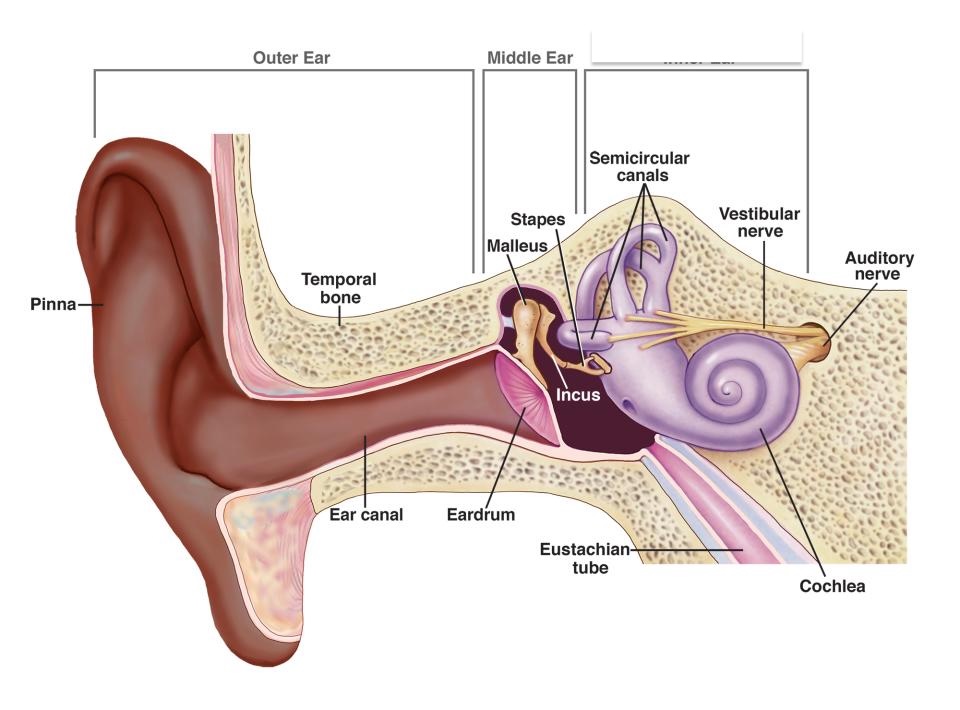
how do vibrations move through the ear
environment → piston in inner ear → cochlea
sensorineural deafness / nerve deafness
caused by damage to the cochlea’s receptor cells or the auditory nerve. most common form of hearing loss
may still be able to hear sound, just not as well
conduction deafness
caused by damage to the mechanical system that conducts sound waves to the cochlea. uncommon
sound localization
the process by which we perceive and identify where a sound came from in our environment. need to combine many cues to do this!
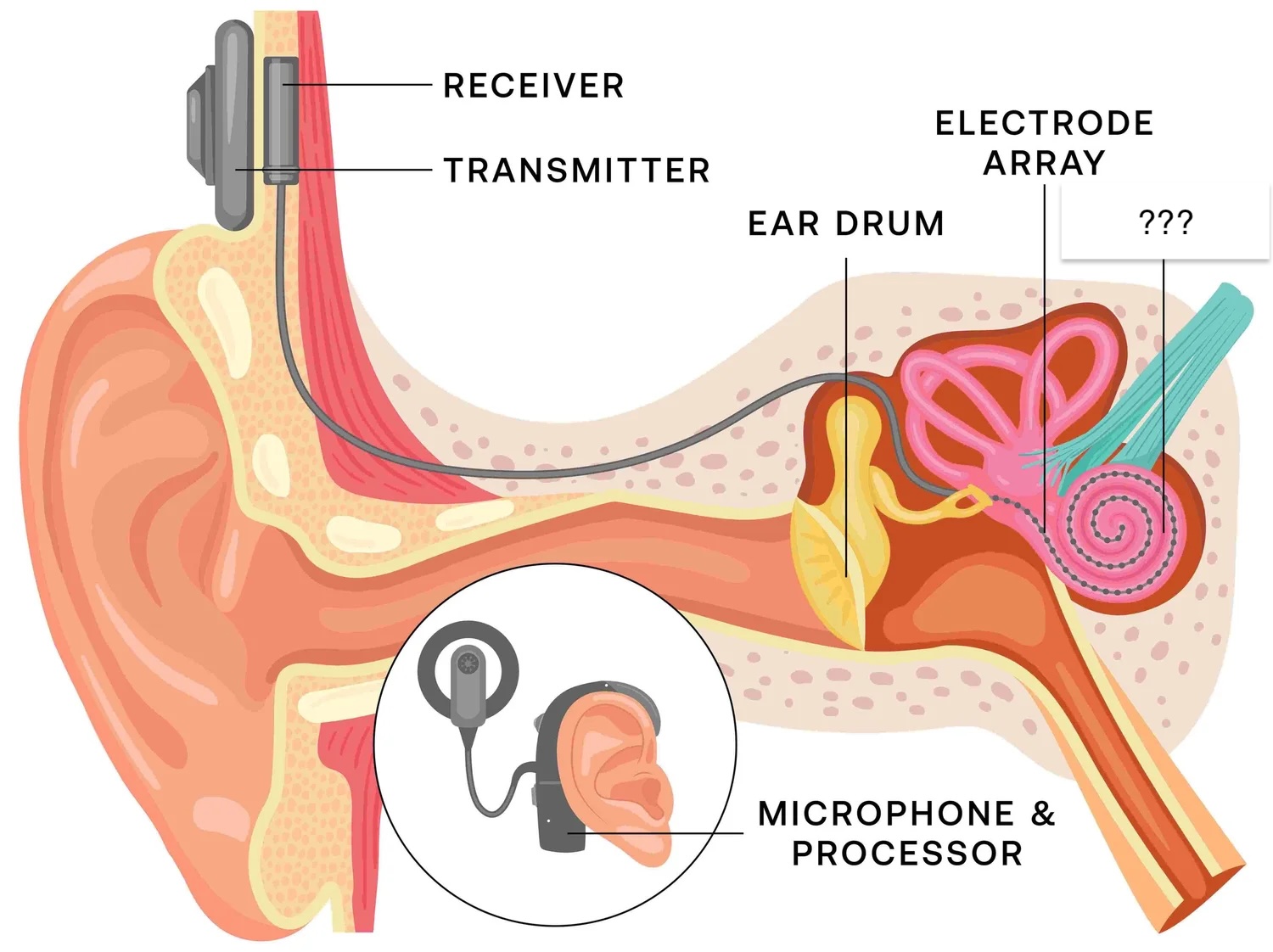
cochlear implant
device for converting sounds into electrical signals + stimulating the auditory nerve through electrodes threaded into the cochlea
for those with nerve deafness because that can’t be reversed
place theory
links the pitch we hear with the place where the cochlea’s membrane is stimulated.
therefore the brain determines pitch by recognizing where a neural signal is coming from
theory doesn’t work for low pitched sounds because they vibrate many areas of the cochlea
frequency theory
says that the rate of auditory impulses traveling up the auditory nerve matches the frequency of a tone, allowing us to sense pitch
nerves can’t fire more than 1000x/sec though so how do we hear frequencies above 1000 waves/sec?
volley theory
helps frequency theory
says that neurons can alternate firing to generate combined frequencies grater than 1000x/sec
biological influences of pain
activity in the fibers of the spinal cord
genetic differences in endorphin production
brain’s interpretation of CNS activity
gate control theory
the spinal cord contains a neurological ‘gate’ that blocks pain signals or allows them to go through to the brain
what opens the gate (gate control theory)
pain signals going up small nerve fibers in the spinal cord
what closes the gate (gate control theory)
activity in large nerve fibers in the spinal cord, signals from the brain (ex. distraction)
psychological influences of pain
expectations
attention to pain
learning based on experience
social-cultural influences on pain
cultural expectations
empathy for others’ pain
presence of others
phantom limb sensation
pain/discomfort in a limb that’s not there / has been amputated, as if it’s still present. ranges from mild to severe
placebo
false drugs that can trick the CNS into reducing pain (by reducing attention + responses to pain)
hypnosis
when a hypnotist suggests to a person that certain perceptions, thoughts, feelings, or behaviors will spontaneously occur. can make people not feel pain
might work bc it’s a dual-processing state of dissociation, or because it changes our selective attention
dissociation
split in consciousness, allowing some thoughts/behaviors to coexist with others
posthypnotic suggestions
suggestions made during hypnosis to be carried out when one is no longer hypnotized
selective attention
our ability to focus on only some things
umami
savory, meaty taste. ex. MSG
super tasters
people who have more taste buds than most and experience more intense flavors
medium tasters
people who have an average number of taste buds
non tasters
have fewer taste buds and don’t experience flavor as intensely
taste receptors
sensory cells on the taste buds of the tongue that allow us to perceive different tastes
reproduce pretty often and decrease in # + sensitivity over time
olfaction
the sense of smell
thalamus
part of brain that messages from every sense except for smell goes through
pheromones
messenger molecules secreted by animals. we needed to smell them pre-thalamus so smell info doesn’t go through the thalamus
gustation
the sense of taste
oleogustus
a fatty taste
kinesthesia
the system for sensing the position and movement of individual body parts
allows you to eat, walk, stand up, and more! interaction between vision, touch, and inner ear
vestibular sense
sense of body position and movement, including balance
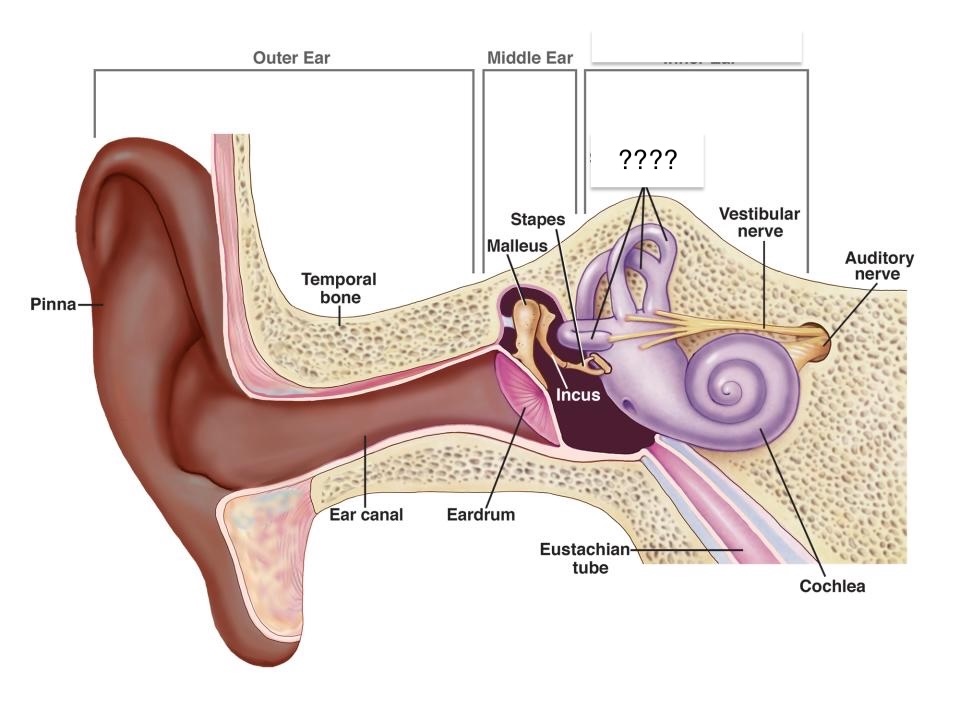
semicircular canals
in the inner ear, filled with fluid and act as gyroscopes, helping with balance
sensory interaction
principle that one sense may influence another
ex. things taste different when you can’t smell!