1406 Spotter Prep
 Call Kai
 Learn
 Practice Test
 Spaced Repetition
 Match
 Flashcards
 Knowt Play
1/27

Earn XP
28 Terms
what is plasma?
fluid component WITH clotting factors (obtained in a tube with anticoagulant, e.g. EDTA, citrate, heparin)
what is serum?
fluid component WITHOUT clotting factors (blood is allowed to clot first, then spun).
Give examples of plasma proteins
Albumin (chemistry/oncotic pressure)
Immunoglobulins (immunology)
Coagulation factors (haematology)
Complement (immunology)

Purple/Lavender
Name: EDTA
Additive: Ethylene diamine tetra acetic acid (EDTA) (anticoagulant)
Used for: CBC/FBC — preserves cell morphology

Pink
Additive: Ethylene diamine tetra acetic acid (EDTA) (Anticoagulant)
Used for: Whole blood for transfusion lab
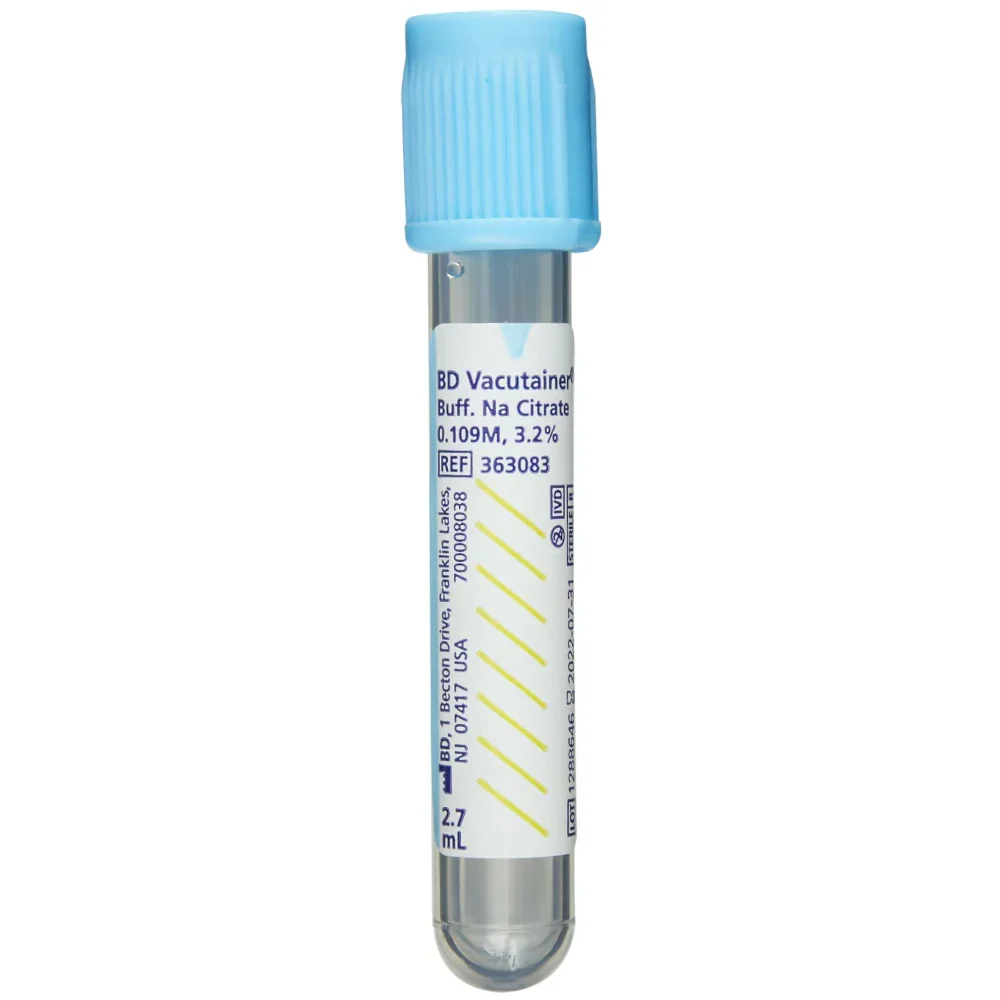
Light Blue
Name: Sodium citrate
Additive: 3.2% Sodium citrate (anticoagulant)
Test used for: Coagulation tests

Red
Additive: No additive, no anticoagulant
Test used for: Immunology, serological examination

Gold
Name: Serum separating tube
Additive: Serum Separating Gel & clot activator
Test used for: All biochemistry test
Light green
Name: Heparin Tube
Additive: Sodium heparin or lithium heparin (anticoagulant)
Test used for: chromosome testing, HLA typing, ammonia, lactate, prevent clotting


Grey
Name: Sodium fluoride
Additive: sodium fluoride (glycolysis inhibitor)
potassium oxalate (anticoagulant)
Test used for: Glucose, lactate testing

Yellow
Name: acid- citrate- dextrose (anticoagulant)
Test used for: Tissue typing, DNA studies, HIV cultures
test name abbriv: Hb
Full name: haemoglobin
Measurement: haemoglobin conc in whole blood
RCC
Red Cell Count- number of red cells
Hct
haematocrit- proportion of red cells in the whole blood volume
MCV
Mean Corpuscular Volume- the average size of the red cells
MCH
Mean Corpuscular Haemoglobin- the avg amt of haemo per red cell
WCC
White cell count
number of white blood cells
Plt
Platelets
number of platelets

State the morphology and function
Platelets (thrombocytes)
Small cytoplasmic fragments of megakaryocytes
Anucleate
Contain granules
Contains clotting factors
Primary haemostasis: Blood clotting • Wound healing
What drug affect platelets?
aspirin (given to prevent clotting) → risk of bleeding.
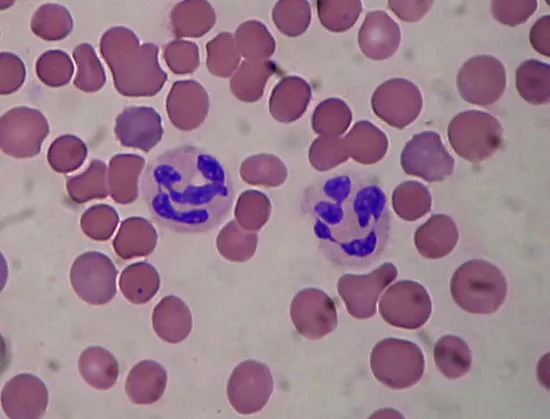
neutrophil (WBC)
Pinkish, pink-blue, Antimicrobial granules Primary azurophilic granules: acid hydrolases, myeloperoxidase, lysozymes, defensins, proteases.
Secondary (Specific granules): lactoferrin Tertiary granules : gelatinase
3-5 lobes
function: Phagocytes. Kills bacteria
Oxygen independent: granules
Oxygen dependent: free radicals
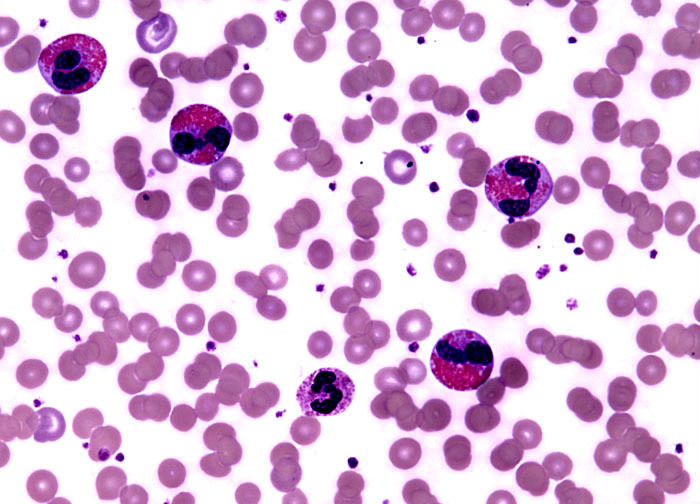
Eosinophil (WBC)
Bright orange
Contain potent granules Eg eosinophilic peroxidase
2 lobes, often no more than 3
function: Kills parasites. Modulation of Type I reactions eg allergies

BASOPHIL (WBC)
Dark purple, blackish Contain histamine, serotonin, prostaglandins, leukotrienes
usually 2 lobes
function: Involved in type 1 hypersensitivity reactions

Lymphocyte (WBC: Agranulocytes)
Nil granules
Nil lobes
function; Immunity
B cells, T cells, NK cells -B cells involved in humoral immunity -Mature to plasma cells which produce Ig -T cells: CD4+, CD8+

MONOCYTE (WBC: agranulocytes)
Granules:
Nil
Abundant cytoplasm
Sometimes contains vacuoles
Lobes:-Larger than lymphocyte
-Variable shape nucleus: eg Oval or indented
Function:
Migrate to tissues and change name to different macrophages:
-Histiocyte, Kupfer cell, osteocyte/osteoblast, astrocyte etc -Specific function depends on tissue type
removal of aged/dead/foreign cells/materials
defense and elimination of micro-organisms eg fungi, intracellular organisms eg mycobacterium
immune system: antigen processing and presentation -Inflammatory processes

RBC
Anucleate, biconcave disc
Shape : (BICONCAVE DISK)
Red blood antigens:
-Blood groups
-Gr A- A antigen, Group B – B antigen, etc
Life span 120 days

Beta globin chain
Point mutation
Chromosome 11
Valine for glutamic acid
Position 6
Abnormal Haemoglobin (quality)

Hereditary Spherocytosis
Abnormal RBC membrane proteins • Eg Deficiency in spectrin • Hereditary Spherocytosis