L7 Intertidal BIO 450
 Call Kai
 Learn
Learn Practice Test
 Spaced Repetition
 Match
Match Flashcards
 Knowt Play
1/71

There's no tags or description
Looks like no tags are added yet.
Name | Mastery | Learn | Test | Matching | Spaced | Call with Kai | Chat |
|---|
No analytics yet
Send a link to your students to track their progress
72 Terms
Tidal zones
splash zone
upper intertidal
lower intertidal
subtidal zone
Splash zone
lichen (upper)
glue green algae (cyanobacteria)
brown algal (lower)
lichen
composite organism of 2 or 3 with symbiotic relations
algae/cyanobateria and fungi
Upper intertidal zone
cyanobacteria Calothrix spp
filamentous
secretes mucus sheath around colony to protect and adhere to rocks
UV absorbing sheath pigments to prevent photoinhibitation
Fiddler Crab
major claw to impress females
submerged periodically
can breathe air
major claw lost and feeder claw morphs into new claw
microhabitat selection
when organism chose specific small scale enviornment within larger habitat that suits best need
fiddler crab retreat into deep moist burrows during hot parts
avoids lethal temp
Heat Dome
hot air trapped over an area by high pressure, causing temp to stay high and rise
sessile organisms could not move to cooler areas and suffered the most
got cooked and stayed there
Rough periwinkle
upper intertidal zone
breathe air like lungs
can switch to anaerobic (submerged in water)
feed on lichen and algae
crustose algae
a way of growing, where it forms crust by adhering to substrate
middle intertidal zone
red and brown
calcium carbonate into cell wall
Cirri
modified feet that extend in water to bring plankton to mouth
planktonic → sessile
acorn barnacle
planktonic larval stage benefits
wide dispersal
less competition
increased genetic diversity
can find better habitat
planktonic larvae risks
high mortality (predation)
random settlement
energy costly to make larvae
dependent on currents
No allele effect
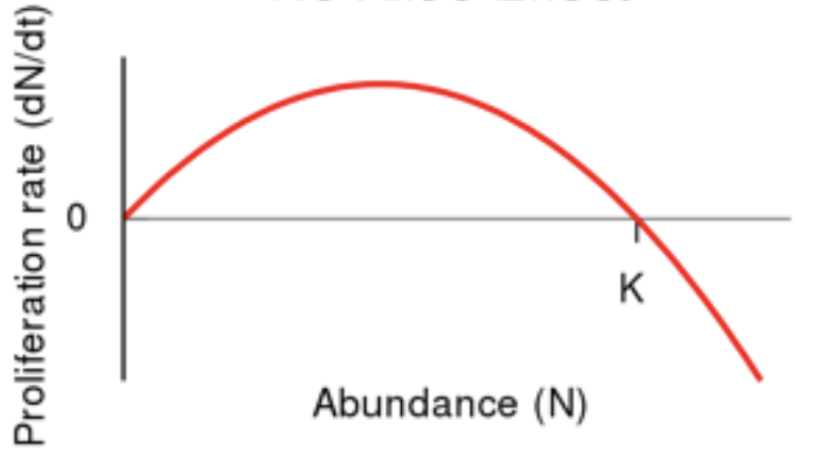
population too small, individuals hardere time surviving/reproducing
lower fitness
normal growth
weak allele effect
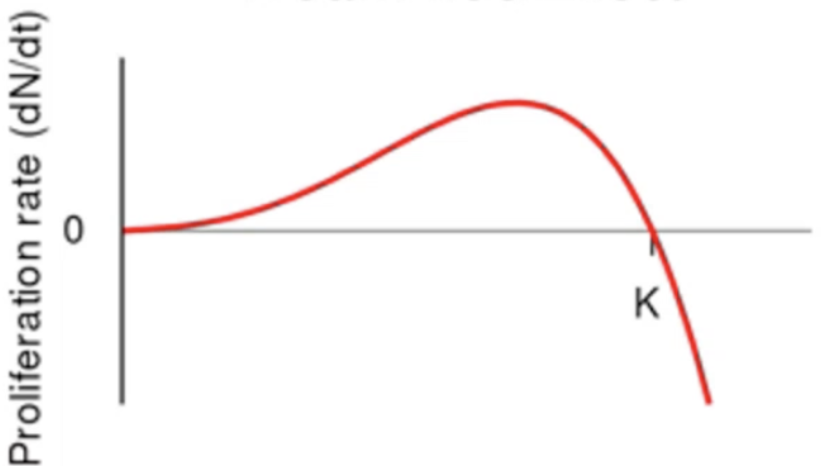
fitness decreases at low population
but still survives
strong allele effect
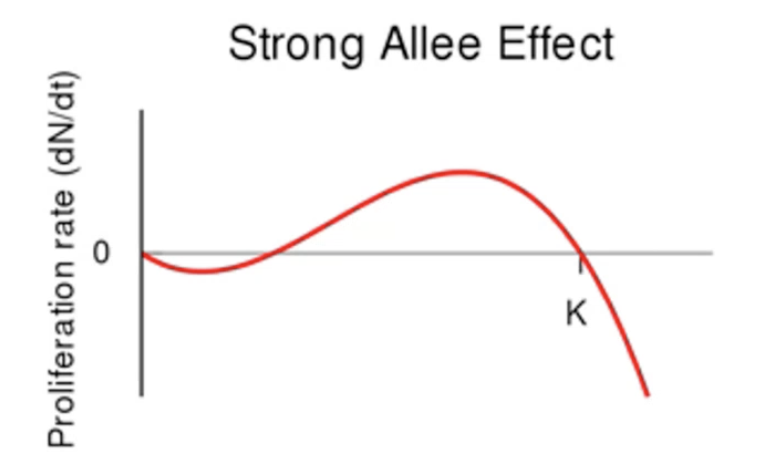
population drops below a threshold
extinction risk
if population small can be negative growth rate
allele effect
population size has extra effect
dN/dt
population growth vs density
dN / dt
population growth depends on density
measure of fitness
low density → low fitness → low growth
hard to find mates, less survival
Barnacles allele effect
strong allele effect
low population density → barnacles too far apart
cannot reproduce effectively (no neighbors)
fitness drops SHARP → negative growth
blue mussels
middle intertidal zone
filter feeders
attach to rocks using byssal threads
dog whelks
middle intertidal zone
respires through gills
feed on organisms under shells through hole
sea stars
wide range reproduction strats
simultaneous hermaphrodite (male + female) self fertilize
foundation species
species that create habitat
support other organisms
keystone predator (controls dominant species)
purple sea star and sun stars
keystone predator
eats mussels and prevents them from taking over
controls biodiversity
fragmentation
habitat broken into smaller isolated pieces
fewer species close together → harder to reproduce → allele effect
red sea stars
chlorophyta
green algae
shallow water
need light
ochrophyta
brown algae
absorbs more light than green
mid intertidal
rhodophyta
red algae
lower intertidal
red light disappears first
deep low light
macroalgae
not vascular plants
no roots stem
holdfast
holdfast
anchors algae to substrate
not used for nutrient uptake
ONLY for attachment
stipe
central stem like structure
no true vascular tissue
blade
thin flat leaf like
macroalgae photosynthetic cells on both sides of leaf (constant movement and flipping in water)
pneumatocysts
gas bladders
help float in water
sessile
bladder wrack
brown algae
lower intertidal zone
specific pneumatocysts
source of iodine to treat goiters
uses carbolic acids (phenols) to deter predators
mullocks and sea urchins
costal estuaries
transition from fresh to salt water
coastal plain
drowned river valleys
flat land adjacent to seacoast
form as glaciers receded
sea levels rose to flood low lying valleys
decrease in topography
bar built
trapped water → unstable conditions
separated from ocean by island barriers
limited water exchange
eutrophication risks
susceptible to nutrient run off
leads to algal blooms
wind driven mixing
shallow protectd from waves
mixed by winds not tides
mixes fresh water + sea
extreme saline fluctuations
inlet close → freshwater (low saline)
drought evaporation → hypersaline (very salty)
fiddler crabs can tolerate rapid changes
delta
form at the mouth of large rivers
sediments accumulate to make complex set of channels and marshes
tectonic estuaries
tectonic activity causes piece of land to sink
forms costal depression → fills w water
more rare
fjords
long narrow valleys
steep sides
created by advancing glaciers that flood when glaciers retreat
glaciers = ice scrapers
sill effect
pushing land from ice scraping glaciers (deposits)
barrier between fjord and ocean
good at blue carbon (storage)
blue carbon
carbon stored in marine ecosystem
removal of carbon bc organisms settle to bottom
flushing time
time take to turnover (replace) freshwater into estuary
tidal prism
the difference in volume of water in estuary between mean high tide and mean low tide
salt wedge
most stratified
less dense freshwater on top
salt water underneath (wedge)
isohaline
contour that joins points of equal salinity in aquatic sys
lines that show salt pattern
vertical mixing
least stratified
occurs when river flow low and tidal currents strong
range from no stratification (well mixed) to partial
partially mixed
some stratification
deep esturaries with strong turbulence
well mixed
no stratification
shallow estuaries
more turbulent
highly stratified
deep water estuaries fjords
strong layers (little mixing)
surface → freshwater runoff
deep → cold, dense seawater
halophytes
salt tolerant plant species
grow in salt contaiminated soil or water
recretion
secretion of salt ions by glands or salt hairs
15% of all halophytes
pickleweeds
succulent stores water in fleshy leaves
halophytes stores excess salt in leaves
euhalophyte
dilutes salt within leaves/stem
recretohalophye
excrete using salt glands/hair
pseudohalophyte
intercept ions in roots and minimize transport of ions
west indian manatee
order sirenia
herbivours = seagrass
heavy bones
lots of blubber
can tolerate brackish water
salt marshes
threats
algal bloom
fragmentation
pollutioin
boats
carbon sequestration
salt marshes store carbon long term
remove CO2 from atmosphere
HUGE effect
anoxic sediments preventing decomp
plant sinks down further with no oxygen
carbon sequestation steps
plant photosynthesize → take in CO2
produce OM
dead material falls into mud
gets trapped in anoxic sediments (carbon trapped)
marsh loss
sea level rise
storms
less sequestration + more CO2
thermal expansion
phragmites australis
invasive species
drys out system
release toxins to surpress growth of competitors
marsh loss
european green crab
invasive
eat clams, oysters, other crabs
genetic paradox of species invasions
founder effects and small population size result in invasive populations w lower genetic diversity
how invasive species so successful if they should have low genetic diversity
low diversity but high success = paradox
chromosomal inversion + gametic disequilibrium
genes locked together
gets flipped and no longer cross over
good combination for invasion success
inundation
flooding by water (sea level rising)
if water rises slow → marsh adapts
if water rises too fast → marsh dies
overwhelm salt tolerance, anoxic conditions
nutrient loading
threat to marshes
excess nuitrients from: runoff, agricultiure, precipiation
more nitrogen enters marsh
fast growth BUT weak structure
mudflats
tidal surface exposed to air at low tides
exposed at lowtide, covered at high tide
soft sediment, low oxygen, high nutrients
burrowing animals pacifi
pacific razor clam
lives in mud
escape adverse conditions at low tide by burying themselves
filter feeders
switch to anaerobic respiration when tide is out