art and arch
 Call Kai
 Learn
Learn Practice Test
 Spaced Repetition
 Match
Match Flashcards
 Knowt Play
1/147

There's no tags or description
Looks like no tags are added yet.
Name | Mastery | Learn | Test | Matching | Spaced | Call with Kai |
|---|
No analytics yet
Send a link to your students to track their progress
148 Terms
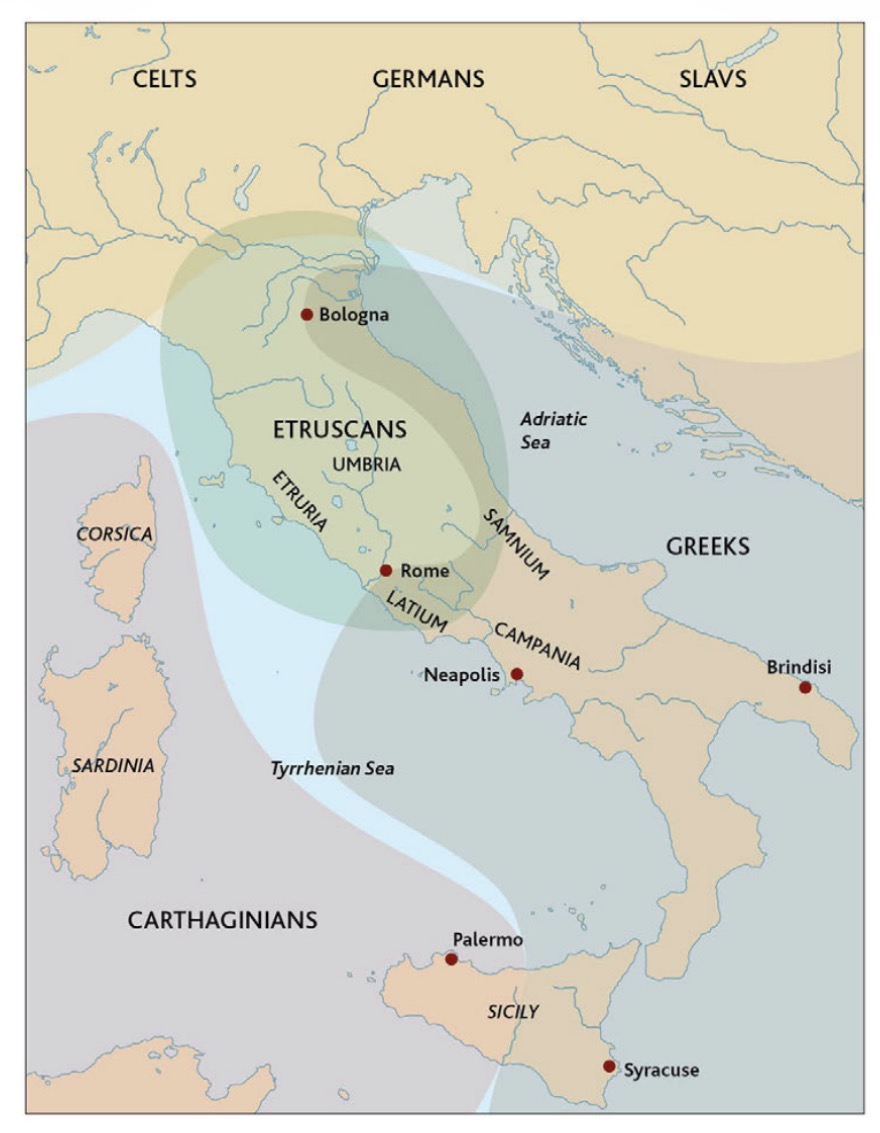
When: Etruscan period in ancient Italy before Rome around 9-6 bce
Where: central italy
About: the Etruscans were a civilization that heavily influenced Rome and this map shows how different Italy was connected through trade and how Greek influence spread by trade routes
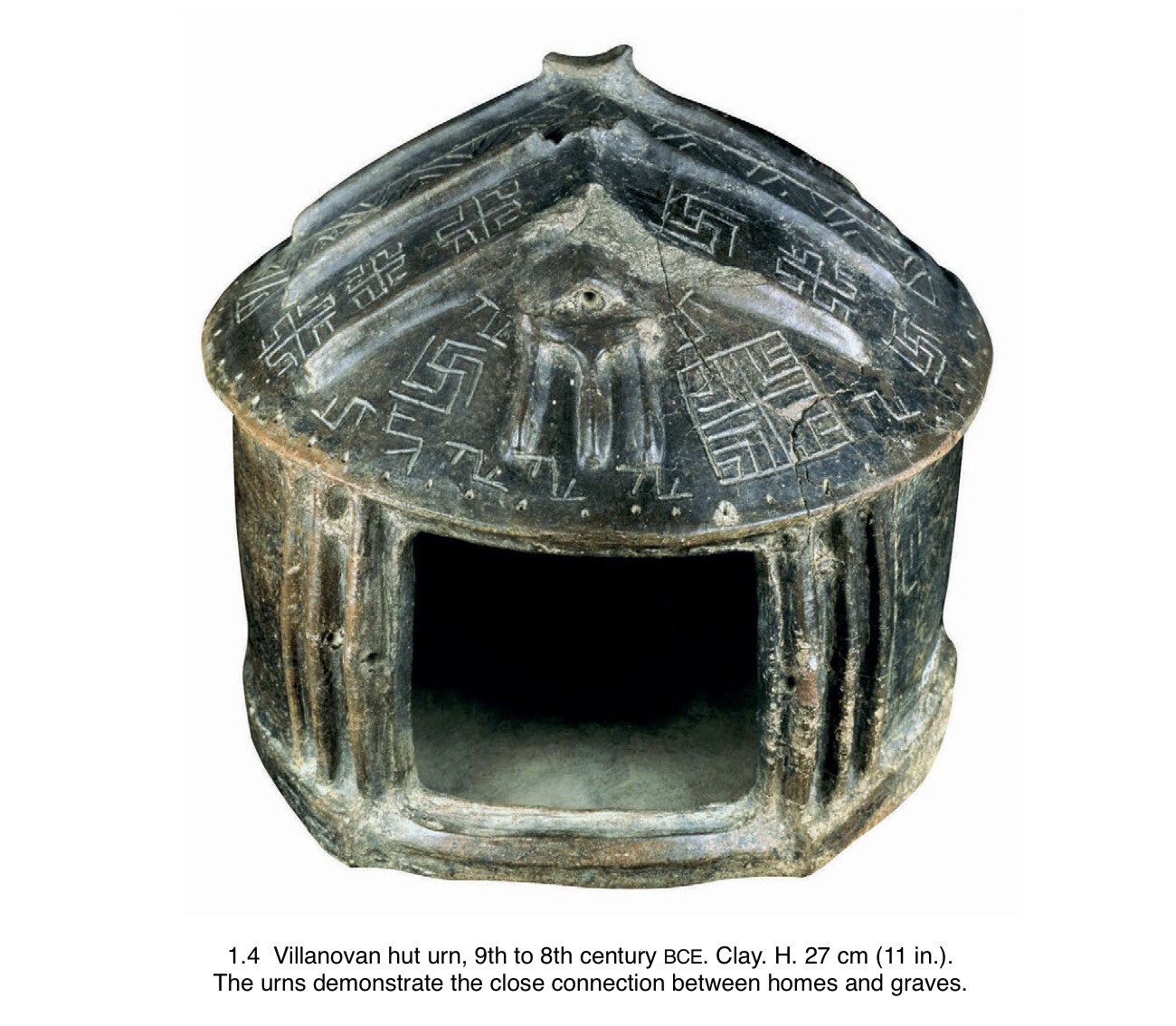
When:9-8 bce
About: it is a clay urn made to look like a villanovan house and shows how villanovan believed dead should have symbolic home
the urn shows the connection between everyday life like housing and Villanova culture
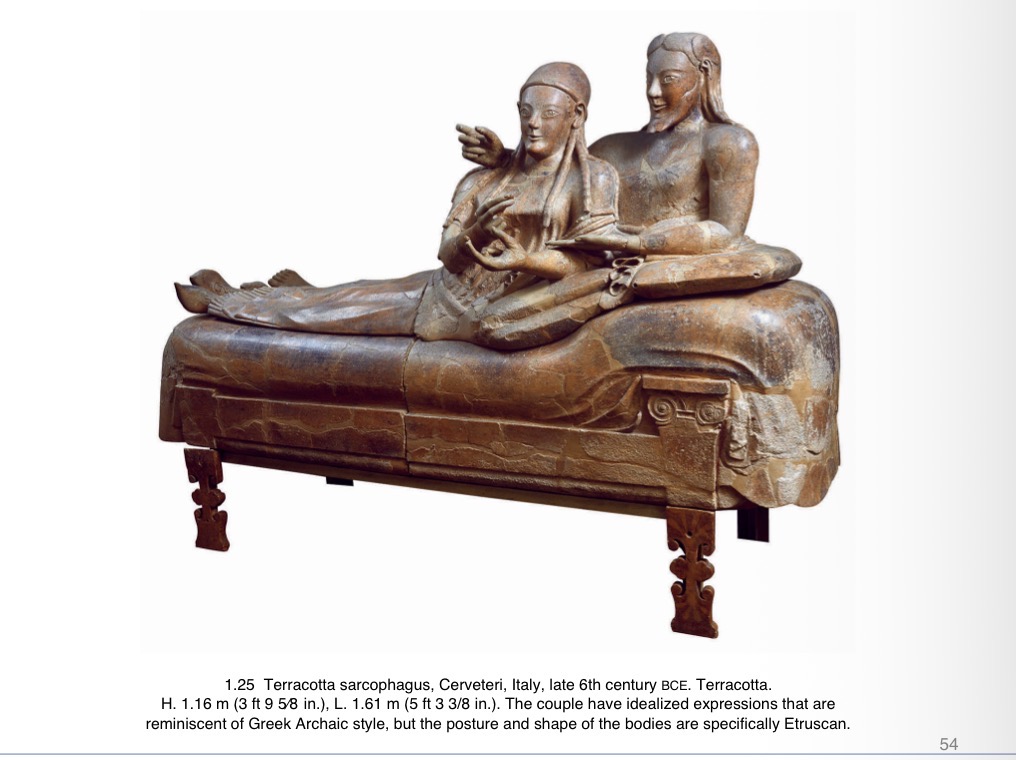
Sarcophagus
When: late 6th bce
Importance: demonstrates the high social status of Etruscan woman. T shows the Etruscan belief in afterlife
Romulus and Remus
When- legendary founders of Rome in 753 bce
Twin brothers who were son of mars were abandoned as infants and nursed by a she-wolf and raised by a Shepard. The twins decided to found a city but after a fight Romulus killed Remus and became the first king. This represents romes origin and its strength and divine favor
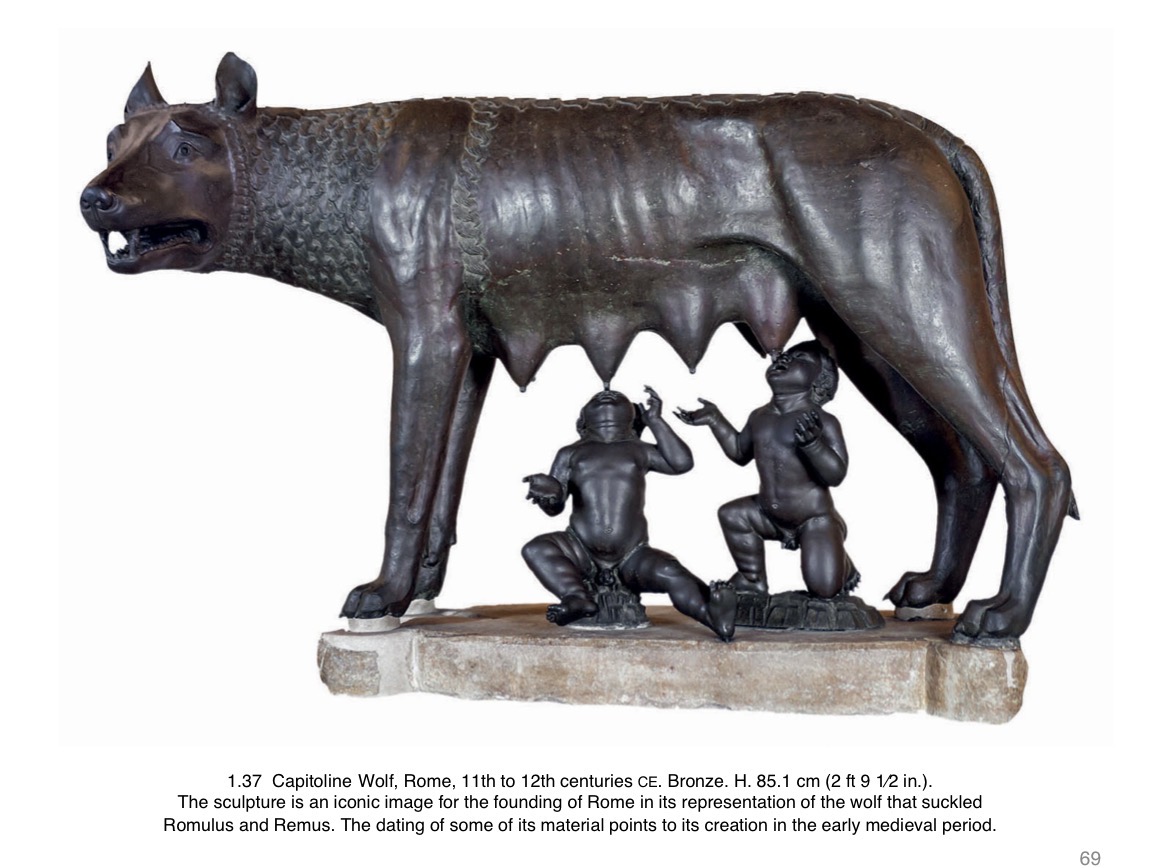
When- 11th-12th century
About- symbolized Romulus and Remus nursing the she wolf and represents romes origins
Tuscan temple
When- 6th century to 1st century bce
Layout- really forward facing with inner rooms for differnent gods
Importance- influenced early Roman temple design and emphasized front entrance. These temples were used for worship and was originally used by the etruscans than Roman’s
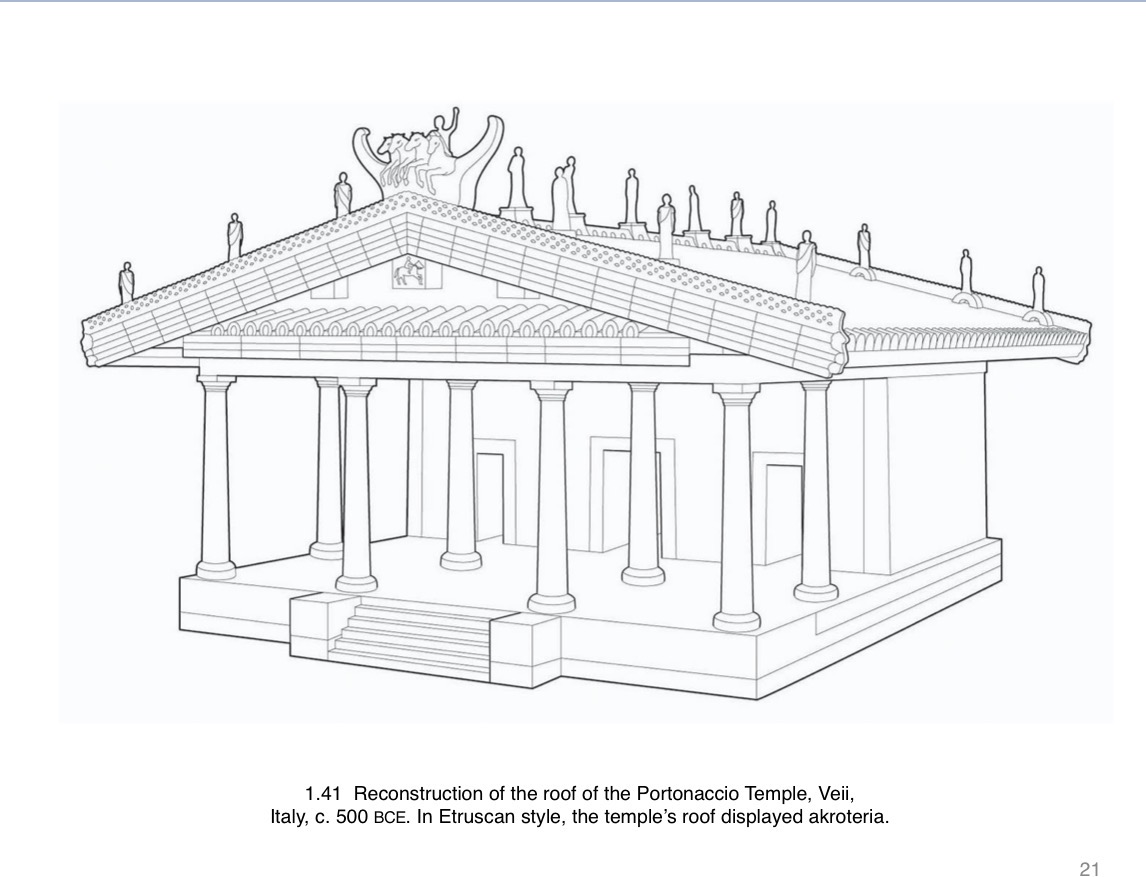
When: 500 bce
What: reconstruction of Etruscan temple Roos with akroteria(terracotta roof sculpture)
Importance: this demonstrates the Etruscan practice of decorating temples with large sculptures and shows how Greek influenced the Etruscans religious art and architecture
Temple of Jupiter Optimus Maximus
When- dedicated in 509
Where- capitoline hill in Rome
Importance- it was based on the votruvian which was Etruscan. It is considere the most important religious building in early Rome and symbolized Roman power
Roman triumphs
What: A victory parade granted to successful Roman generals.
Purpose: Celebrated military victories and increased a general’s prestige and political power.
Key Idea: Generals often used spoils of war to fund temples and public buildings that commemorated their victories.
Manubial temples
It was a temple made by victorious Roman generals when they had a triumph and it was to honor the gods and celebrate military victories which also acting as political propaganda as it showed the generals success
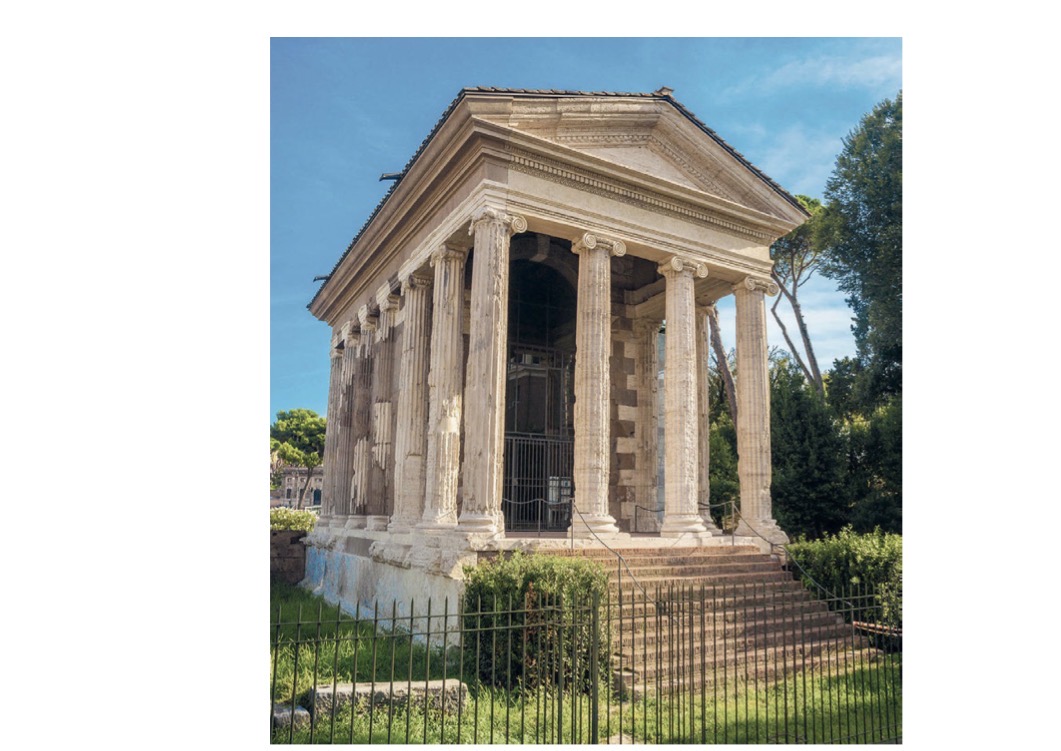
Temple of portunus
When: 80-70 bce
Where: the forum in Rome
Purpose- dedicated to portunus
Architecture- mixes Roman and Etruscan styles and creates a pseudoperipteral design (looks surrounded by columns but isn’t).
Importance- it shows how Roman and Etruscan architecture mixed and an example of a republican Roman temple
Roman timeline
Rome began as a kingdom, became a republic in 509 BCE after the last king was overthrown, and later became an empire in 27 BCE under Augustus. During the Republic, elected officials and the Senate governed Rome, but powerful generals gradually gained more control. After years of civil war, Augustus became the first emperor, marking the start of the Roman Empire.
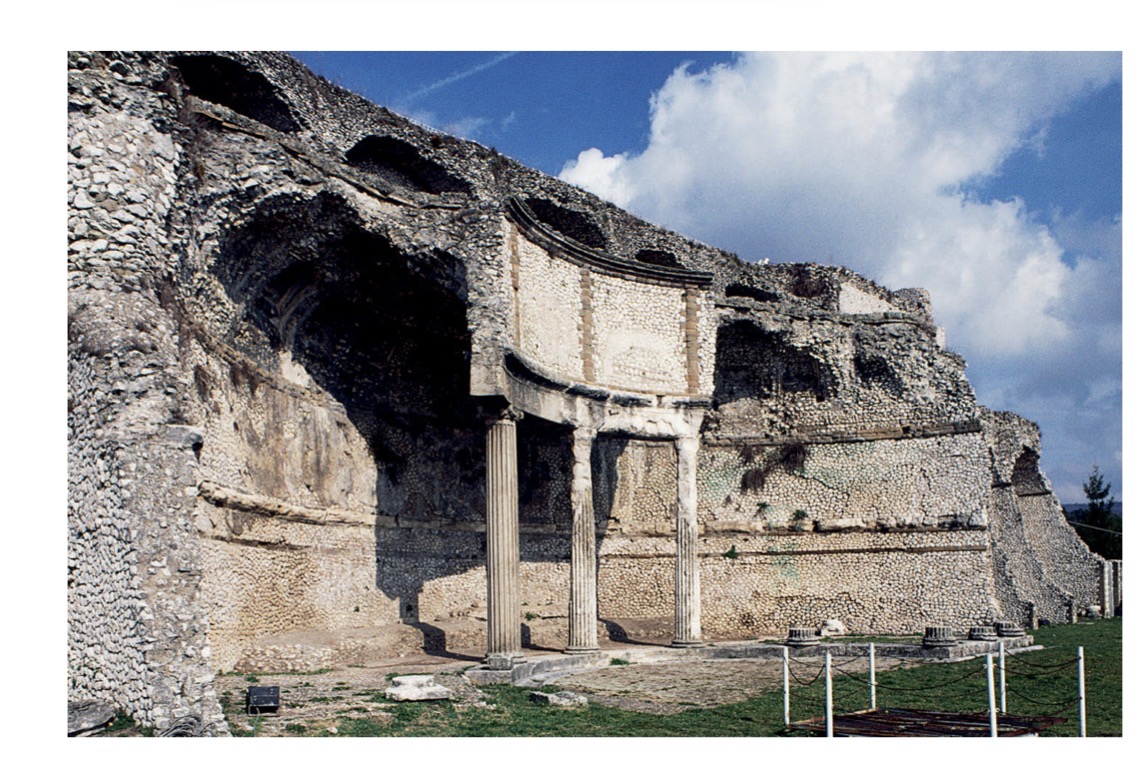
Sanctuary of fortuna-
When- 120bce
What- remains of the massive concrete vaulted terraces supporting the sanctuary of fortuna
Importance- one of the best surviving examples of Roman concrete before empire and shows Roman engineering
The vault
Vault- allows builders to cover larger space than a flat roof and made huge Roman structure posssible
Types-
Barrel vault- long tunnel shaped vault
Concrete vaulting- Roman concrete allowed for stringer larger vaults and more complex buildings
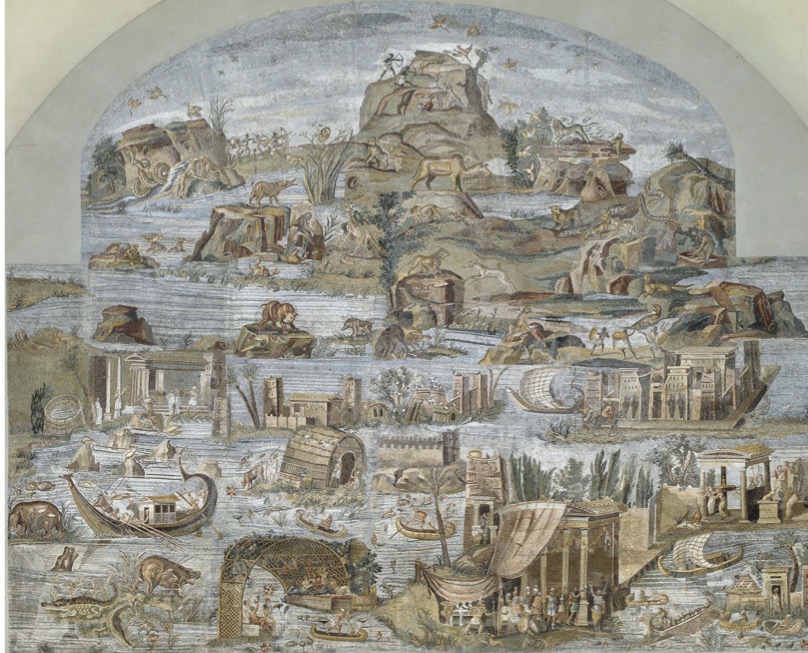
Praeneste (Nile) mosaic
When- 1st century bce
It is a large floor mosaic of the Nile river and scenes from egpyt
Importance- it shows Roman fascination with eastern Mediterranean after they increased contact through trade
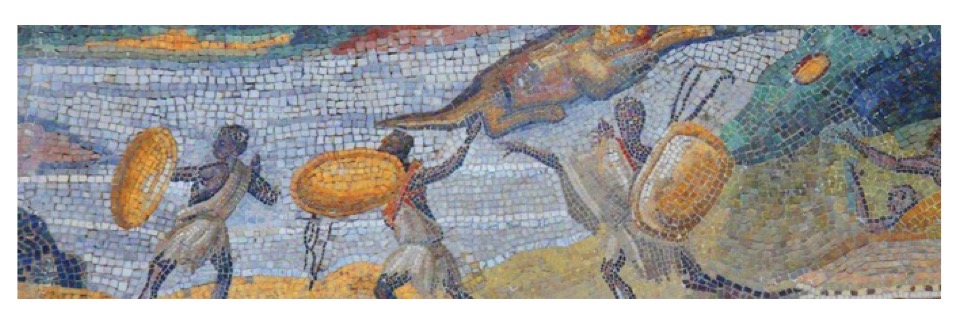
Tesserae
Small colored pieces of stone, glass, or ceramic used to make mosaics. Roman artists arranged tesserae to create detailed pictures and decorative designs.
Commemorative painting
A painting made to celebrate and record important events or achievements, especially military victories. Used by Romans to honor leaders and promote their accomplishments and promote political leaders
Suovetaurilia
Roman sacrifice of a pig, sheep, and bull to Mars for purification and protection. A major state religious ritual often associated with the census and military affairs and it is irritant as it was one of the most important public religious ceremonies in the republic of Rome. The Paris reliefs shows this
The Roman imago
What: A wax death mask made from the face of a deceased family member.
Purpose: Displayed in aristocratic homes and carried in funeral processions to honor ancestors.
Why Wax? Wax was soft and moldable, allowing Romans to create realistic likenesses directly from a person’s face.
Importance: Demonstrated a family’s ancestry, status, and political influence. Ancestors served as examples of Roman virtues for future generations.
Domus
What: A private urban house of a wealthy Roman family.
Importance: Designed around family life, social status, and receiving guests.
Fauces(ianitor and lanua)
Fauces: Narrow entrance hallway leading into the house.
Ianua: The front door.
Ianitor: The doorkeeper or porter who guarded the entrance.
Importance: Controlled access to the home.
Atrium
What: Main central hall of the house.
Purpose: Reception area where guests were welcomed and family business was conducted.
Importance: The social center of the domus
Tablinum
What: Office or reception room of the head of the household (paterfamilias).
Purpose: Used for business, records, and meeting clients.
Importance: Symbolized the authority of the homeowner.
Impluvium
What: Shallow pool in the center of the atrium.
Purpose: Collected rainwater that fell through the opening in the roof (compluvium).
Importance: Provided water and helped cool the house.
Triclinium
What: Dining room.
Purpose: Used for banquets and formal meals.
Importance: Important space for socializing and displaying wealth
Taberna
What: Shop or commercial space facing the street.
Purpose: Used for trade, business, or renting to merchants.
Importance: Connected the household to Rome’s economy.
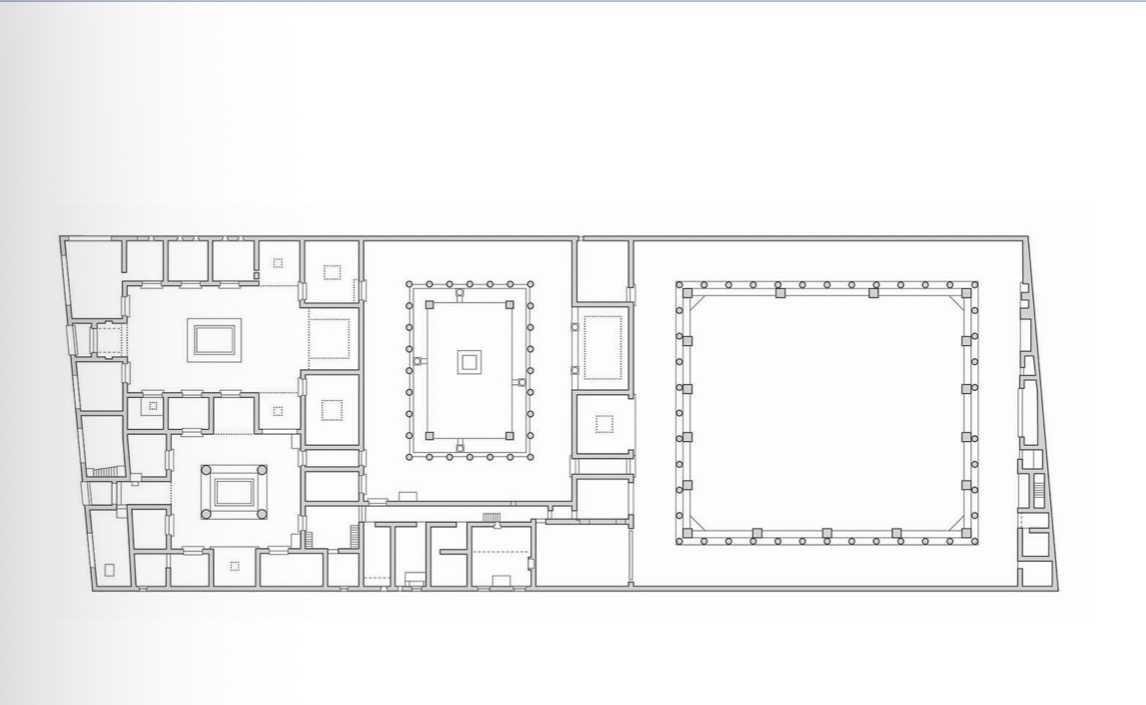
When: late 2nd century in Pompeii
What: one of the most luxurious roman houses
Importance- famous for the Alexander mosaic and shows wealth of roman elite and how roman houses were public spaces for receiving guests

Mosaic from the house of the faun
When- late 2nd bce
Purpose: Decorative mosaic designed to look like a floor that had not been swept.
Greek Influence: Based on a famous Hellenistic Greek artistic theme called asarotos oikos (“unswept room”).
Importance: Demonstrates Roman appreciation of Greek art and showcases the skill of mosaic artists in creating realistic illusions.
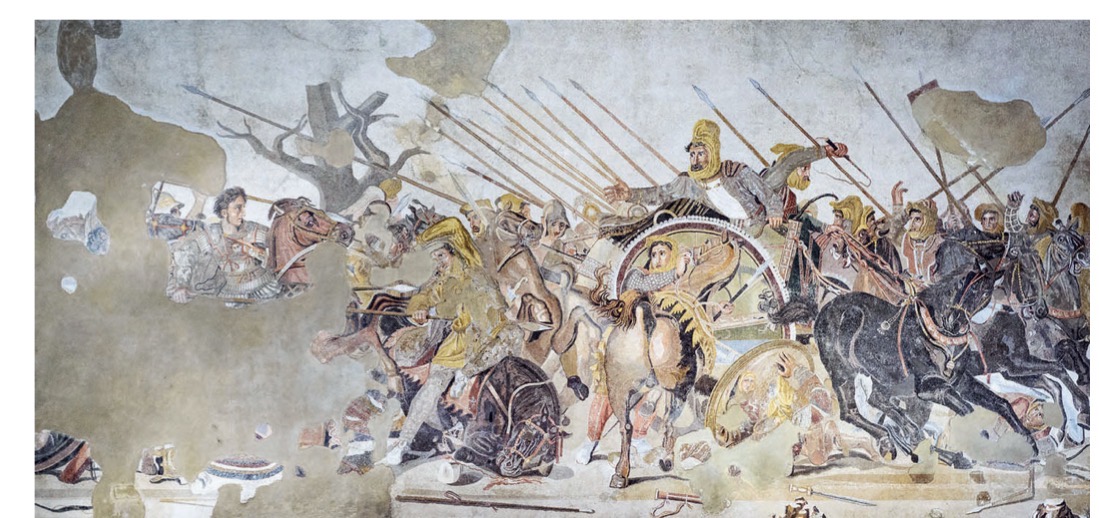
Alexander mosaic
When: second bce
Where: house of faun
What: shows the floor mosaic of the battle of Issus between Alexander the great and Darius. It uses small tesserae for the painting
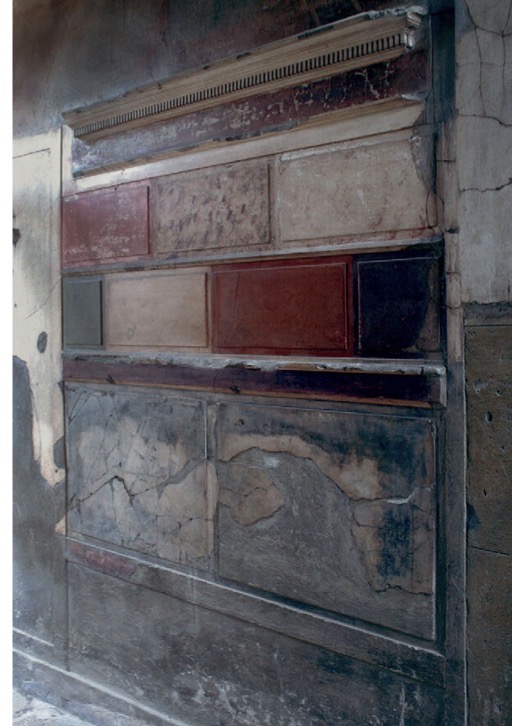
First style wall painting fro the samnite house (using painted stucco to imitate colored marble to create luxury)
When: 2nd bce in the samnite house
Purpose: shows well preserved first style wall painting and made homes look wealthier without using real marble
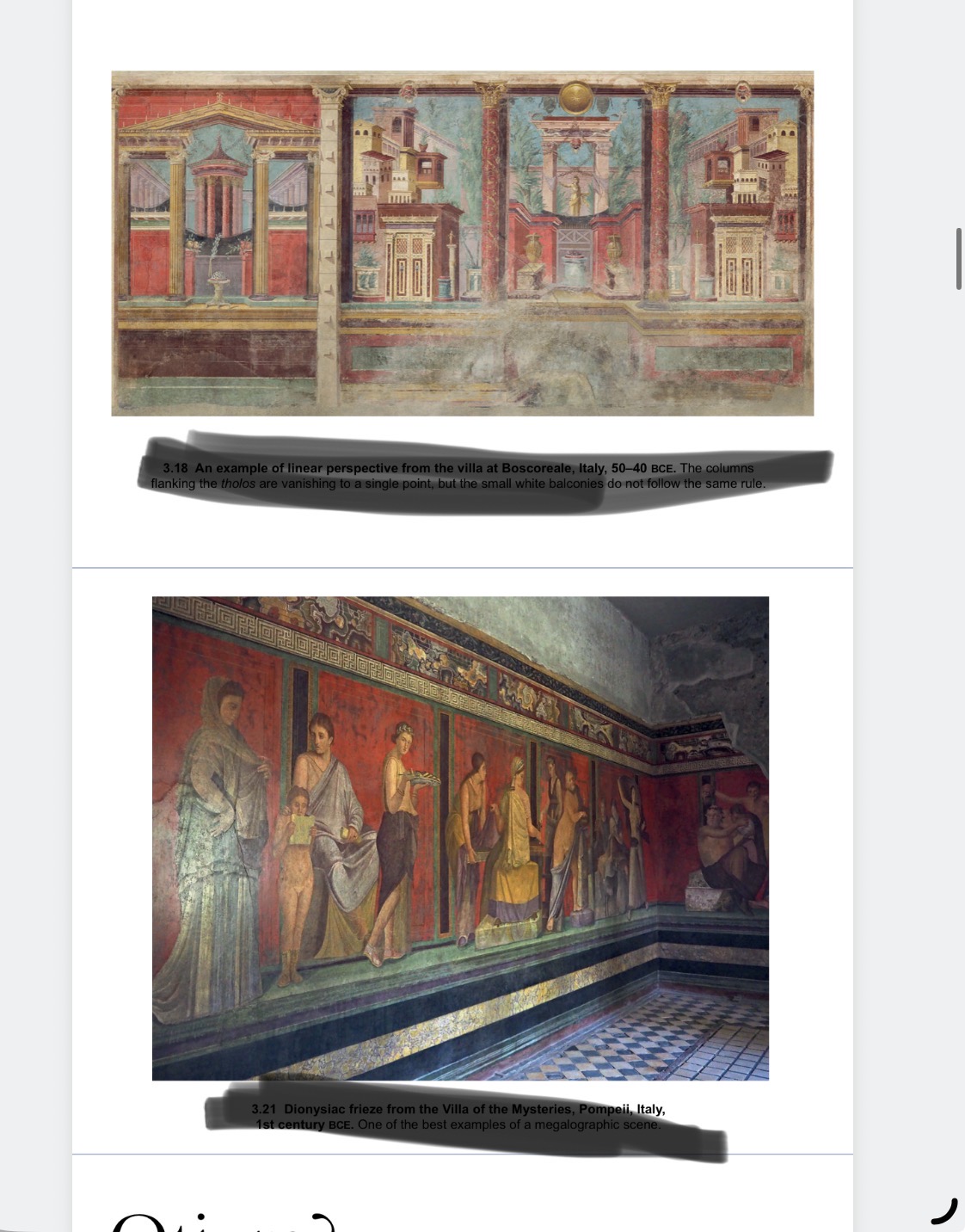
Second style
When: c. 80–15 BCE
What: Wall paintings that create the illusion of three-dimensional space beyond the wall.
Key Feature: Uses perspective, architecture, and landscapes to make rooms appear larger.
Purpose: To “open up” walls and create the illusion of looking into another space.
First one was more about linear in 40-30 bce and second was 1st bce in Pompeii
For 3.21 it May depict initiation into the Dionysian mystery cult, though its exact meaning is debated.
Otium and Negotium
Otium: Cultured leisure time used for study, reflection, and enjoyment.
Negotium: Work and public responsibilities, especially political and business activities.
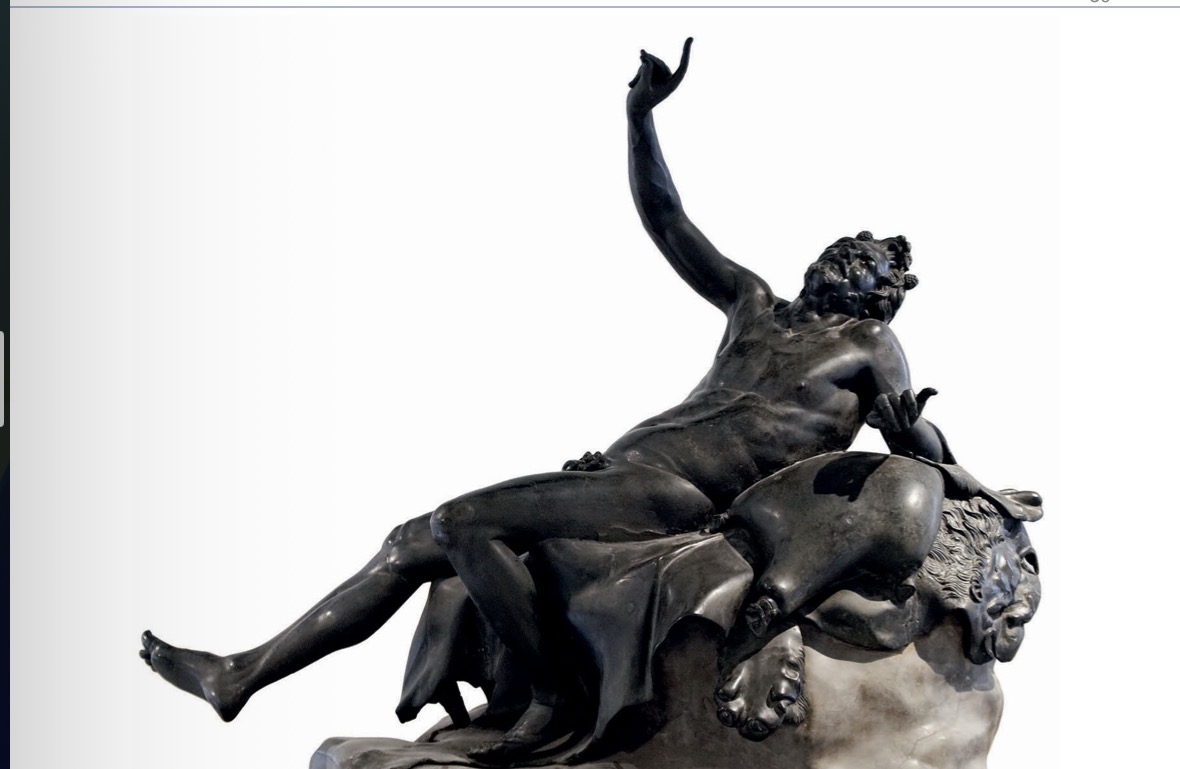
The Drunken Satyr
when- 1sat century bce
what- it s the bronze sculpture of a drunken satyr(a follower of Dionysus)
importance- it reflects how the Roman’s liked odium or leisure time. Satyrs are said to be mythological companion of Dionysus
The Villa of the Papyri
When- 1st century bce
Where- Herculaneum
What- luxurious Roman seaside villa possibly owned by Julius Cesar’s father in law
Importance- has over 2,000 carbonized papyrus scrolls and only library to survive. Also showed how wealthy Roman’s embraced Greek culture
had a nice peristyle garden with lots of scultoures and neo attic style
Getty villa is a modern replica
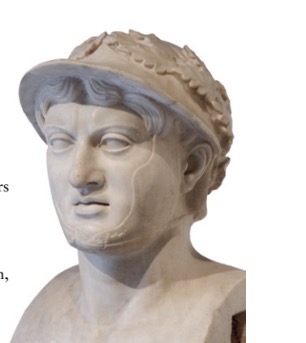
Portrait herm of Pyrrhus of Epirus
When- 290 bce (found copy in villa papyri)
Important- Pyrrhus means victory won at great cost, and depicts a Greek king and shows Roman fascination with Greek culture (hellenization)
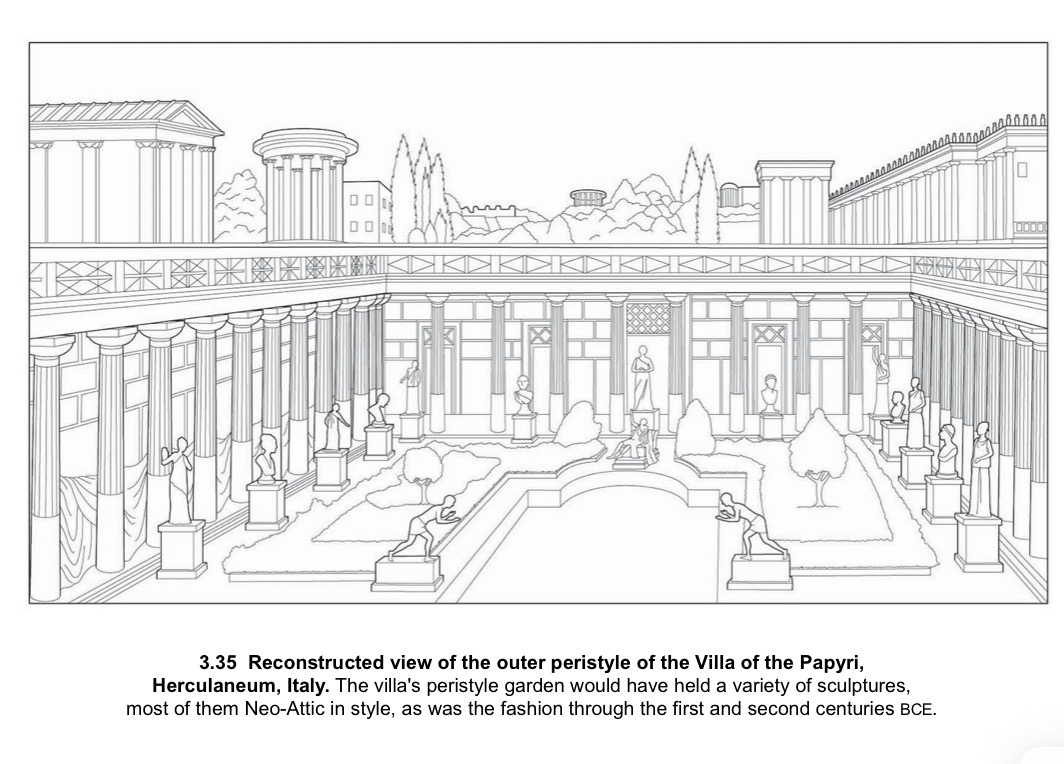
The villa’s garden was filled with Neo-Attic sculptures.
The arrangement of sculptures was intentional and thematic.
Demonstrates how wealthy Romans collected Greek art to display wealth, education, and cultural sophistication.
The peristyle functioned as a space for leisure and socializing.
Flamen/flamines
Priest responsible for a specific god or temple
What dud flamen dialis do
Served as the chief priest of Jupiter Optimus Maximus (JOM
What were the Pontifices?
Priests who oversaw Roman state religion and public religious practices
Q: Difference between Flamines and Pontifices?
A: Flamines served individual gods; Pontifices supervised Roman religion as a whole.
Why were priesthoods important in Rome?
Religion and government were closely connected, so priests helped manage public and state affairs.
Consular imagery
Art that symbolizes the authority and power of Roman consuls and other high magistrates.
What are fasces?
Bundles of rods (sometimes with an axe) symbolizing a magistrate’s authority (imperium).
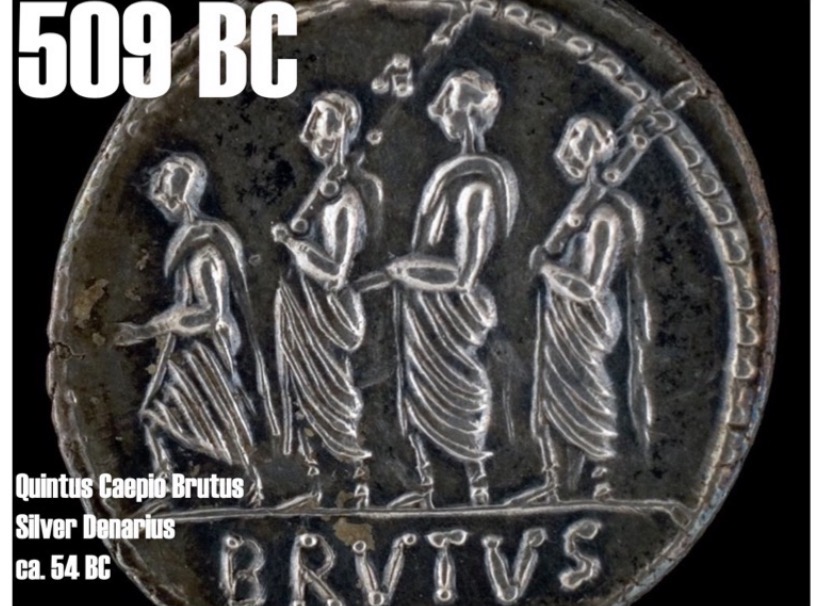
Who were lictors
Official attendants/bodyguards who carried the fasces and enforced a magistrate’s authority.
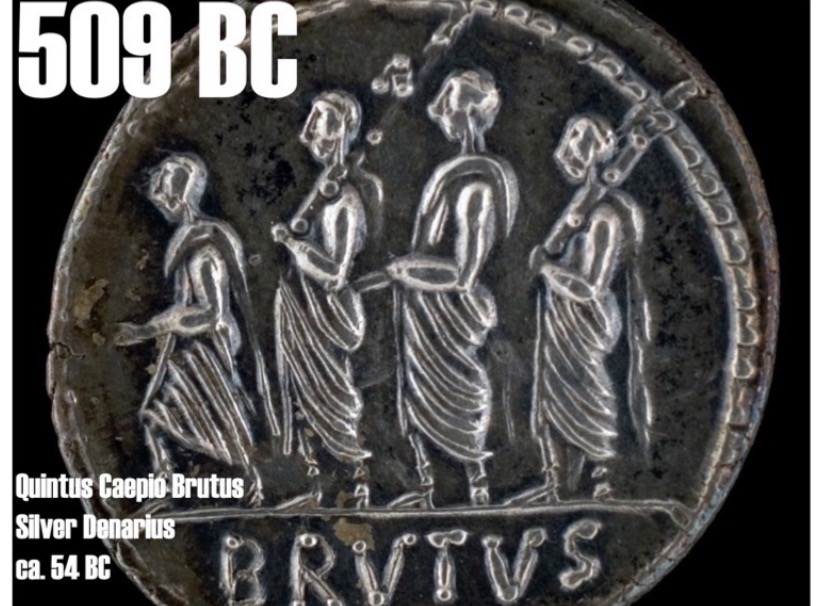
Why was this image placed on a coin in 54 BCE?
To connect Brutus’s family to the founding of the Roman Republic in 509 BCE and emphasize Republican ideals.
Identify the monuments-
Basilica= law courts, business, and public meetings.
Basilica Porcia = first Roman basilica.
Basilica Fulvia = early Republican basilica.
Basilica Sempronia = later Republican basilica.
Religious Buildings in the Roman Forum
Temple of Castor – honored Castor and Pollux
Temple of Saturn – state treasury
Temple of Vesta – sacred eternal fire
Regia/Domus Publica – religious headquarters and priestly residence
Shrine of Venus Cloacina – purification/sewer cult
Auguraculum – augurs observed omens
Temple of Concord – harmony of the state
Temple of Juno Moneta – associated with minting money
Judicial Buildings in the Roman Forum
Basilica Sempronia – law/business
Basilica Fulvia – law/business
Basilica Porcia – first Roman basilica
Carcer – state prison
Civic/Political Buildings in the Roman Forum
Curia Hostilia – Senate meeting house
Rostra – public speaking platform
Comitium – voting and assembly space
Temple of Saturn
State treasury
Temple of vesta
Home of Vesta’s sacred fire; tended by the Vestal Virgins.
Curia hostilia
Senate house
Rostra
Speaker’s platform for political speeches.
Comititum
Public assembly and voting area.
Carcer
State prison
Auguraculum
Place where augurs interpreted omens from birds.
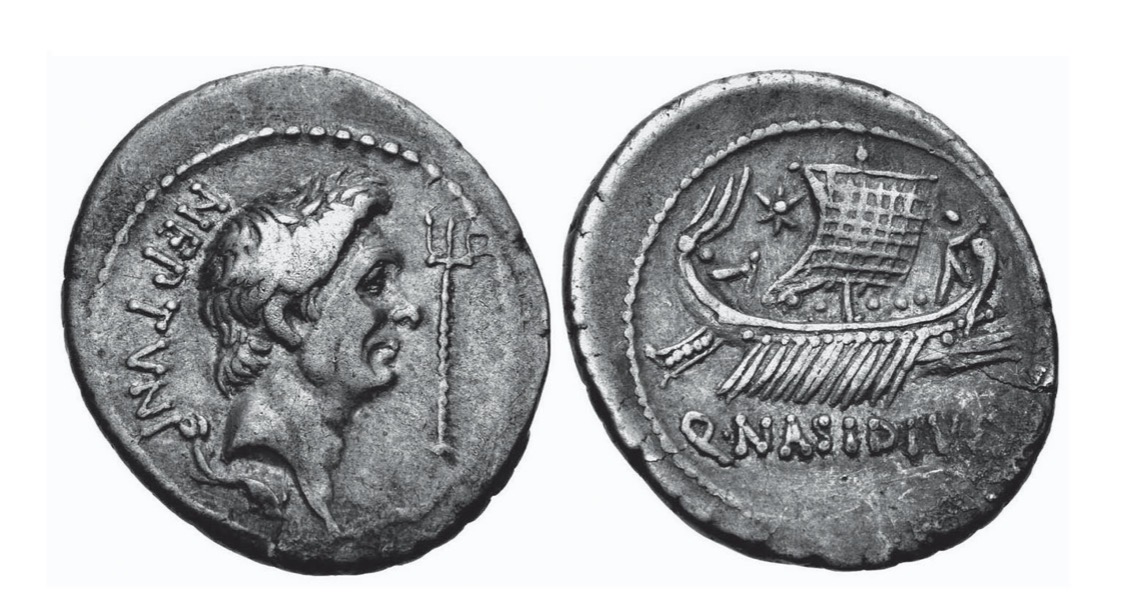
Coin of Pompey the great
When- 44-43 bce
About- coin minted by sextus Pompey from after his father died who was Pompey the great
Importance- Combines Roman realism (verism) with Hellenistic royal imagery, showing how Roman elites adapted Greek artistic traditions for political purposes. Pompey had full cheeks and lined forehead and unlike Greek idealized portraits Roman’s emphasized age. This coin also shows the rivalry between Pompey and Juli’s Caesar during the collapse of the republic
Gains Julius Ceaser
When- 100-44 bce
About his daughter- Daughter: Julia (born 83 BCE).
Julia married Pompey the Great, creating a political alliance between Caesar and Pompey.
Julia’s death weakened that alliance and contributed to the later conflict between Caesar and Pompey.
His importance-
Caesar is the central figure of the Late Republic. His rise broke down traditional Republican government, and the political crisis following his death directly led to the creation of the Roman Empire under Augustus. He stands at the turning point between Republican Rome and Imperial Rome.
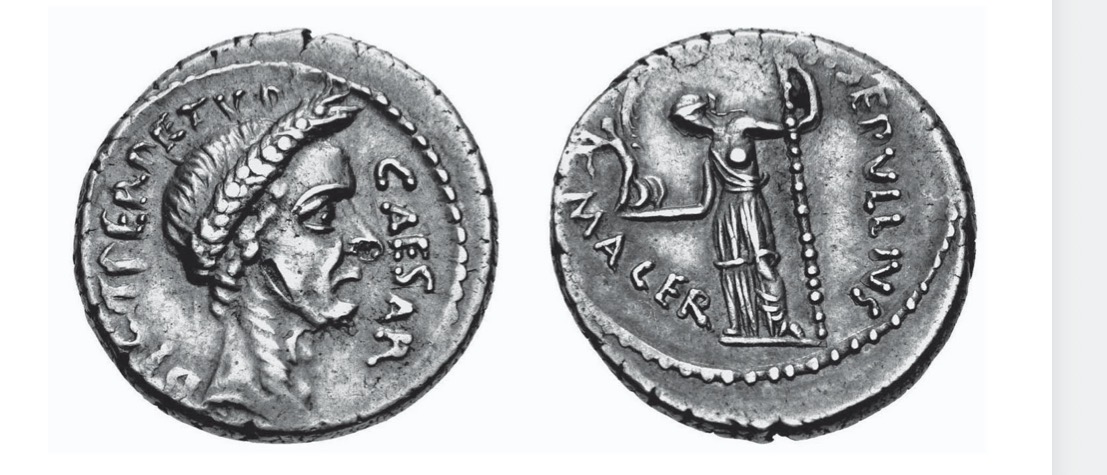
Coin of Julius Caesar
When- 100-44 bce
About his daughter- Daughter: Julia (born 83 BCE).
Julia married Pompey the Great, creating a political alliance between Caesar and Pompey.
Julia’s death weakened that alliance and contributed to the later conflict between Caesar and Pompey.
His importance-
Caesar is the central figure of the Late Republic. His rise broke down traditional Republican government, and the political crisis following his death directly led to the creation of the Roman Empire under Augustus. He stands at the turning point between Republican Rome and Imperial Rome.
First triumvirate
The First Triumvirate temporarily united Caesar, Pompey, and Crassus, but the deaths of Julia (54 BCE) and Crassus (53 BCE) destroyed the alliance and helped set the stage for Caesar’s rise to sole power and the fall of the Roman Republic.
Pompeys theater
When- 55 bce
Who- Pompey the great
About- it was the first permanent stone theater and built to celebrate Pompey’s success
Importance-
Example of monumental competition among Roman elites.
Combined entertainment, religion, and politics in one complex.
Demonstrated Pompey’s wealth and power.
Became a model for later Roman theaters.
Vocab-
Cavea- seating for audience
Scaenae frons- Elaborately decorated permanent stage backdrop
Proscaenium- stage area for performance
Caesars forum
When- began 54 and dedicated in 46 bce
What- a new forum built next to the Roman forum
Importance-
Built to compete with Pompey’s monumental projects.
Expanded public space and showcased Caesar’s authority.
Linked Caesar’s family to divine ancestry.
Key Facts:
Featured the Temple of Venus Genetrix.
Caesar claimed descent from Venus through the gens Julia and Aeneas.
Included the Curia Julia (new senate house).
Became a model for later Imperial Forums.
Pompeys theater (political propaganda) vs cease forum (divine ancestors)
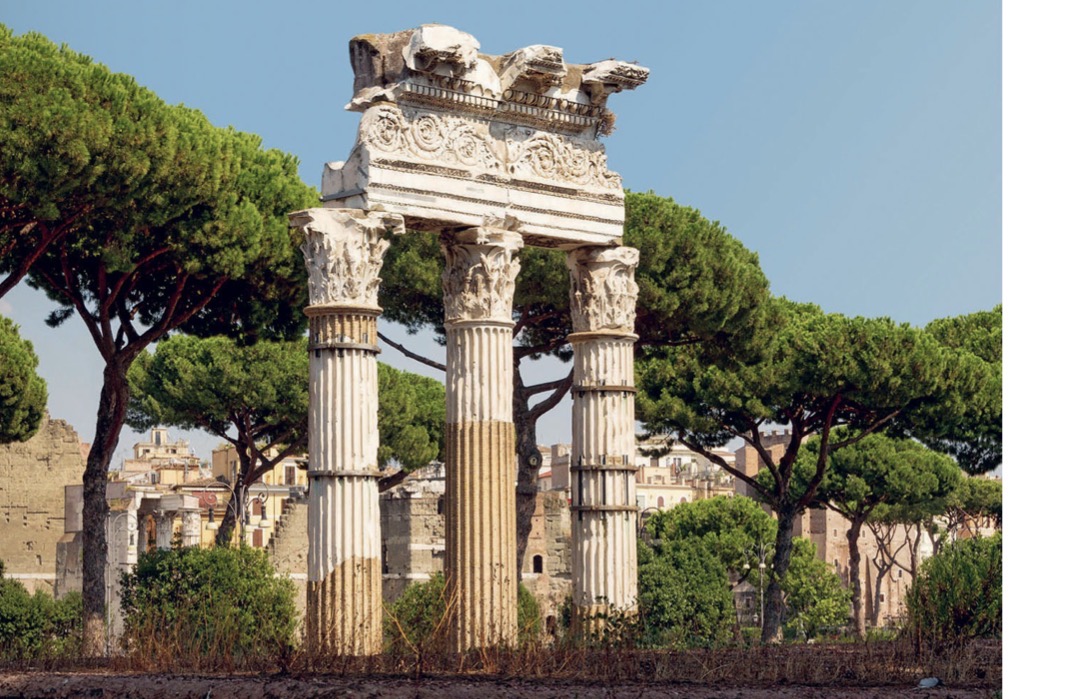
Remains of temple of Venus genetrix
When- dedicated in 46 bce in forum of Cesar
What- temple at end of forum dedicated to Venus the mother
Importance- Symbolized Caesar’s claim that the Julian family (gens Julia) descended from Venus through Aeneas and Ascanius/Iulus.
Connected Caesar’s political power to divine ancestry.
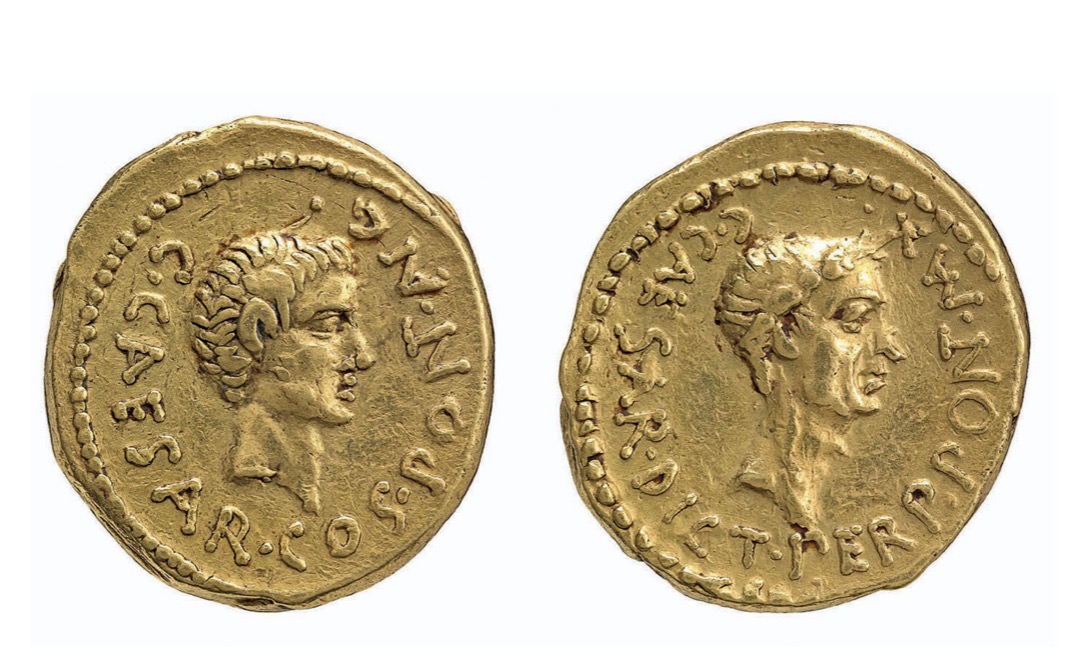
Coin pairing a portrait of Octavian with that of Julius Caesar
When- 43 bce
What- shows Octavian who later becomes Augustus paired with Julius ceaser
Importance-
Used as political propaganda to establish Octavian as Caesar’s rightful heir.
Helped legitimize Octavian’s claim to power during the struggle after Caesar’s death.
Shows the growing importance of portraiture and coins as tools of political messaging.
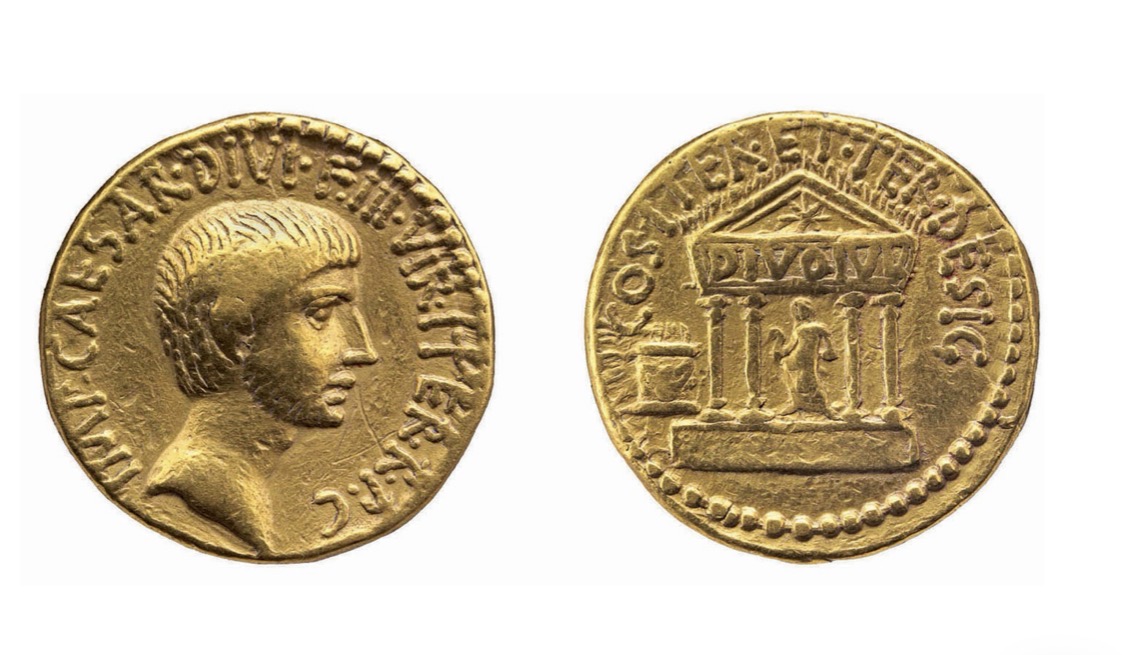
Temple of Divius Julius
Temple of divus Julius
When- 29bce this was after Julius was deified
What- Temple built in the Roman Forum to honor the deified Julius Caesar (Divus Julius).
Importance-
built on site of Caesar’s funeral pyre and cremation
One of the first temples dedicated to a deified Roman ruler.
Helped legitimize Octavian’s power by linking him to a divine father.
Symbolized the transition from Republic to Empire.
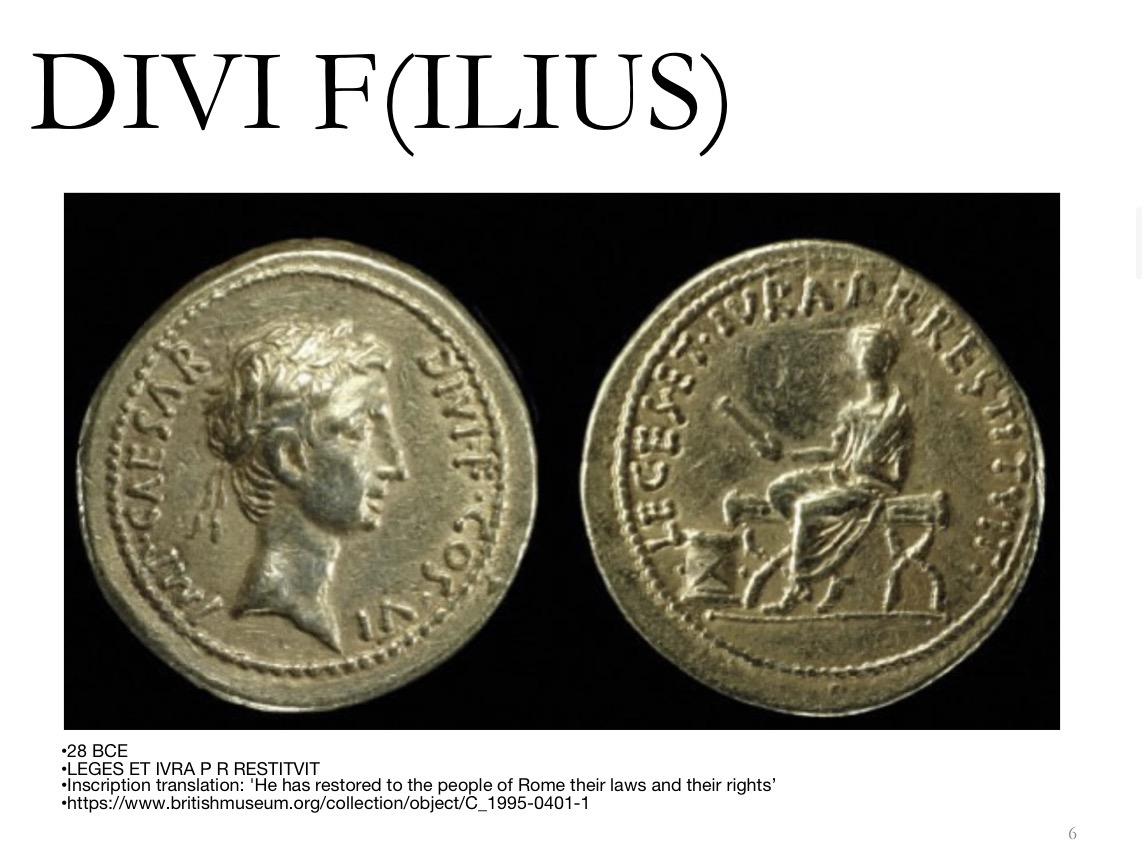
Divi Filius (Son of the divine one)
Title adopted by Octavian (Augustus) after Julius Caesar was declared a god.
The coin inscription LEGES ET IURA P R RESTITUIT means:
“He has restored to the Roman people their laws and rights.”Augustus presented himself as restoring the Republic while actually consolidating power.
The title links directly to the Temple of Divus Julius and Caesar’s deification.
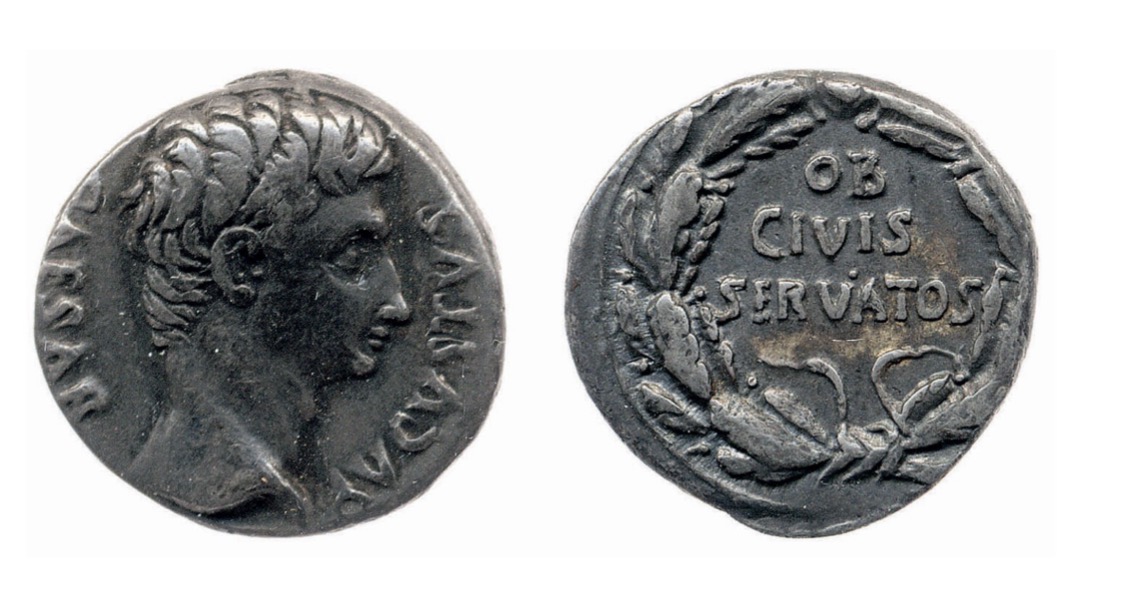
Denarius
When- 27 BCE (the year Octavian received the title Augustus)
What- silver coin showing augusts and him promoting his new identity
Imprtance- shows how Augustus used coins as propaganda and marked his transition to Augustus
Augustus using coinage to promote himself as the savior of Rome and the legitimate ruler who restored peace after the civil wa
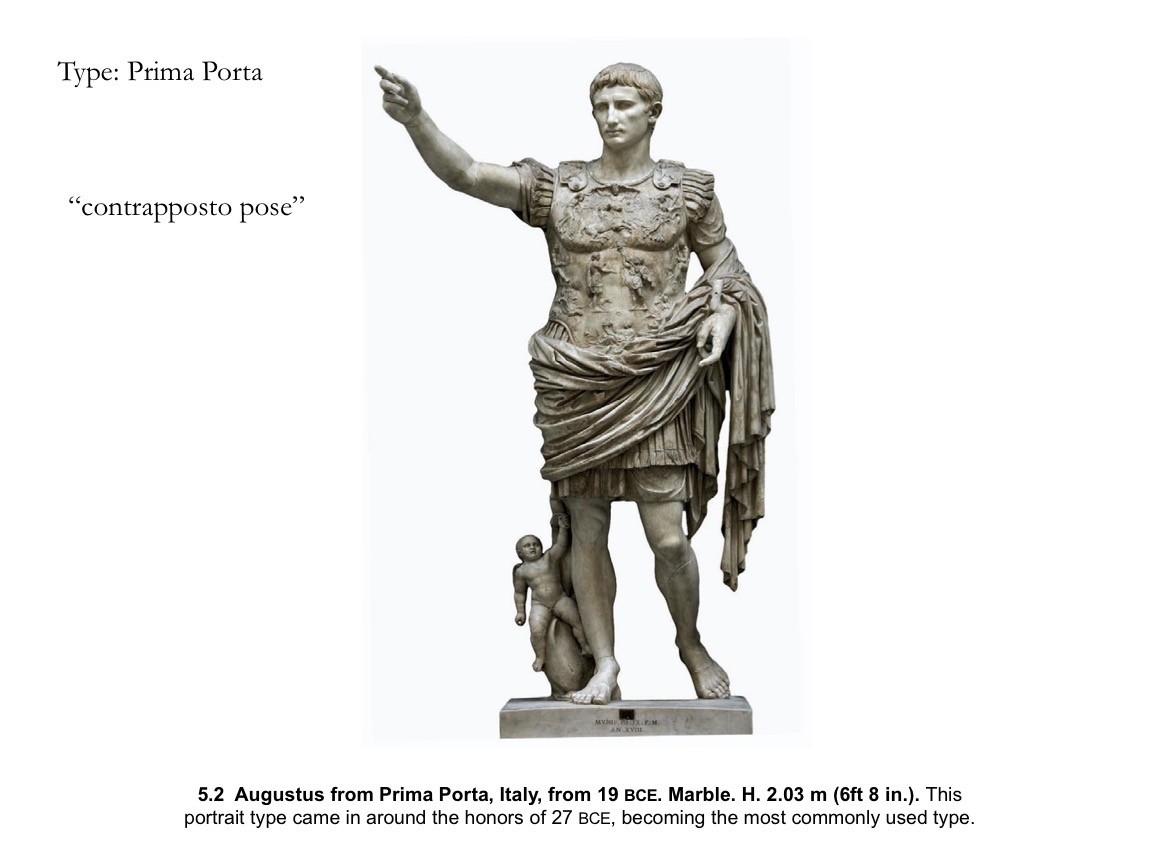
When- 19 bce
What- marble statue showing Augustus as military leader
Importance- Became the standard portrait type of Augustus throughout the empire.
Combines Roman political authority with Greek Classical idealization.
Presents Augustus as youthful, powerful, and divinely favored rather than realistically aged.
KEY_
Augustus was portrayed as eternally youthful despite being older like how ceaser was realistic and aged
Polychromy
practice of painting sculptures and buildings in many colors
Ancient viewers would have seen statues as colorful, lifelike, and visually striking. This changes how we understand Roman art and imperial propaganda.
Pax “Peace”
the long period of stability and prosperity under the Roman Empire.
Began under Augustus after years of civil wars ended.
Augustus used art, monuments, coins, and architecture to promote the idea that he had restored peace and order to Rome.
Peace did not mean no wars; Rome still fought campaigns on its borders. It meant internal stability and political order within the empire.
Peaceful period under Augustus rule
Self-imaging the Family
how Augustus used art and imagery to promote himself and the Julian family (Julio- Claudian) as the legitimate rulers of Rome
Used this to create public image of himself and his family as he emphasized family values and linked family to Venus through Caesar which helped him secure support for his new imperial system
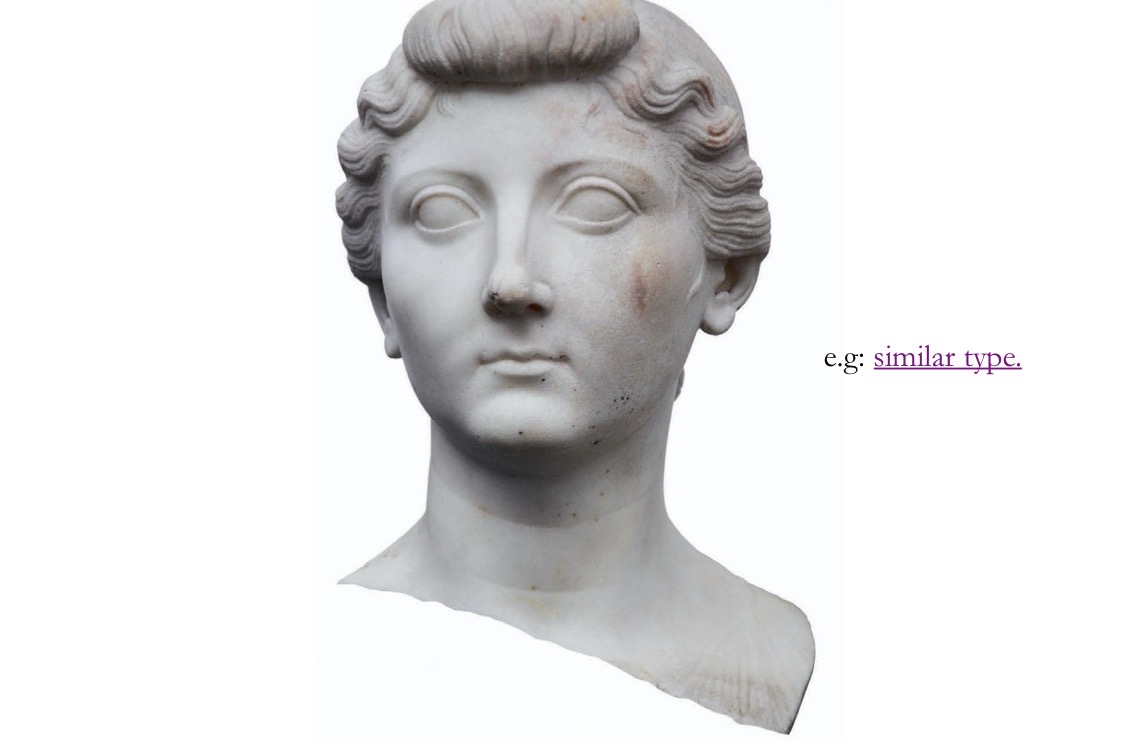
Portrait of Livia
When- early 1st century (Augustan period)
Imporantce-
wife of Augustus who was one of the most influencal women in Roman history
Helped promote his dynasty and uses Greek idealization to present his wife as a model Roman women
Young and youthful Augustan style
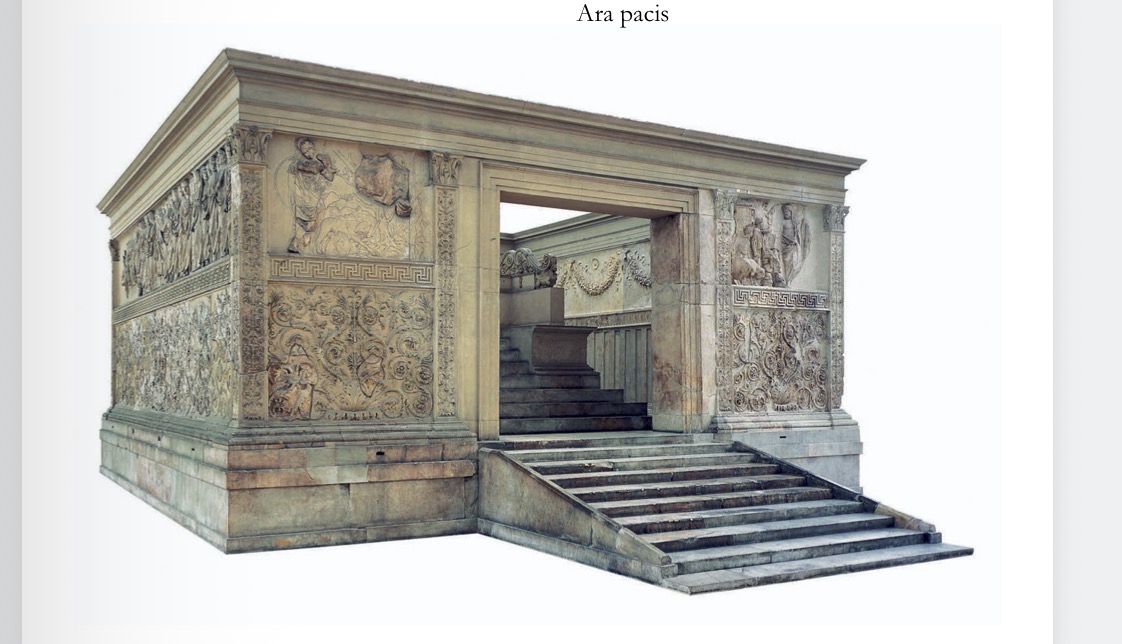
Ara Pacis Augustae
When- 13-9 bce
What- Monumental marble altar built to celebrate Augustus’s return from military campaigns and the peace (Pax Romana) he claimed to have brought to Rome.
Where- Built on the Via Flaminia, a major road leading into Rome.
Importance- greatest monuments, celebrates Pax Romana, intends to show Augustus brought peace further showing how Augustus used art to legitimize himself
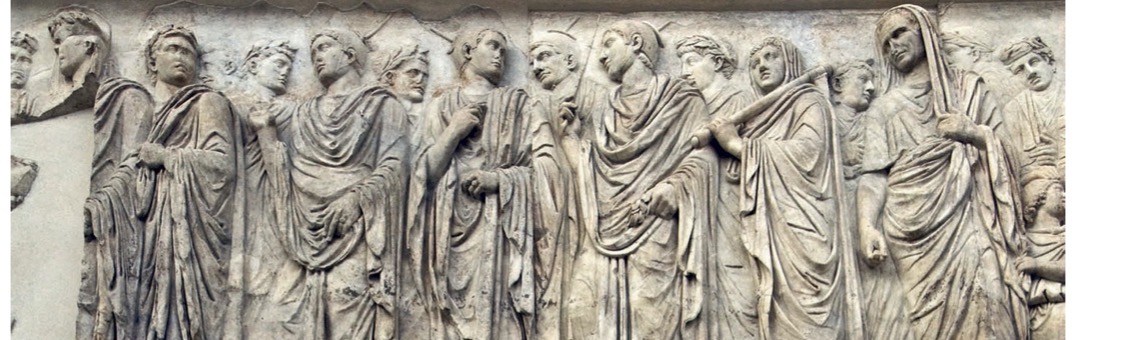
When- 13-9 bce
What- relief of the ara pacis showing Augustus, priests, family members, etc doing a religious ceremony
Importance- clearest example of Augustan propaganda and reinforce he brought peace to Rome
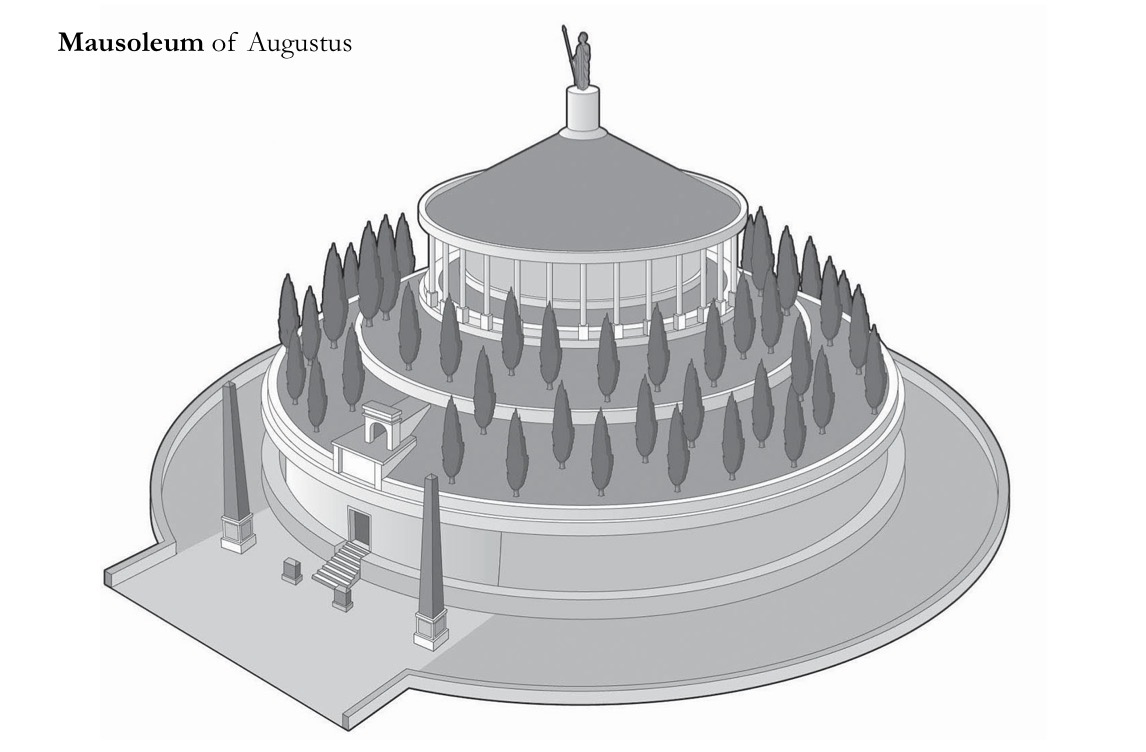
Mausoleum of Augustus
Date: Dedicated 28 BCE
Location: Campus Martius, Rome
Patron: Augustus
What:
A massive circular tomb built by Augustus for himself, his family, and later emperors of the Julio-Claudian dynasty.
Importance-
The Mausoleum of Augustus was a monumental dynastic tomb that proclaimed the power, legacy, and permanence of Augustus and the Julio-Claudian family.
Res gestae
Date- written near Augustus death (14ce)
What- a first person inscription where Augustus listed his achievements and gifts to the Roman people
Helped justify and legitimize his rule.
One of the most important surviving documents from ancient Rome.
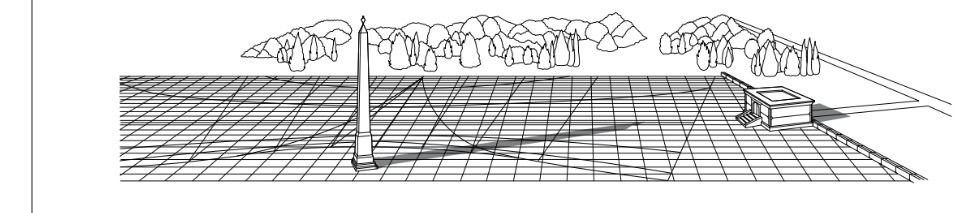
Horologium augusti
Date- 10ce
Location- campus Martin’s
Patron- Augustus
What- giant solar calendar to track passage of time and seasons
symbolized Augustus’s ability to bring order, stability, and cosmic harmony to the Roman world.
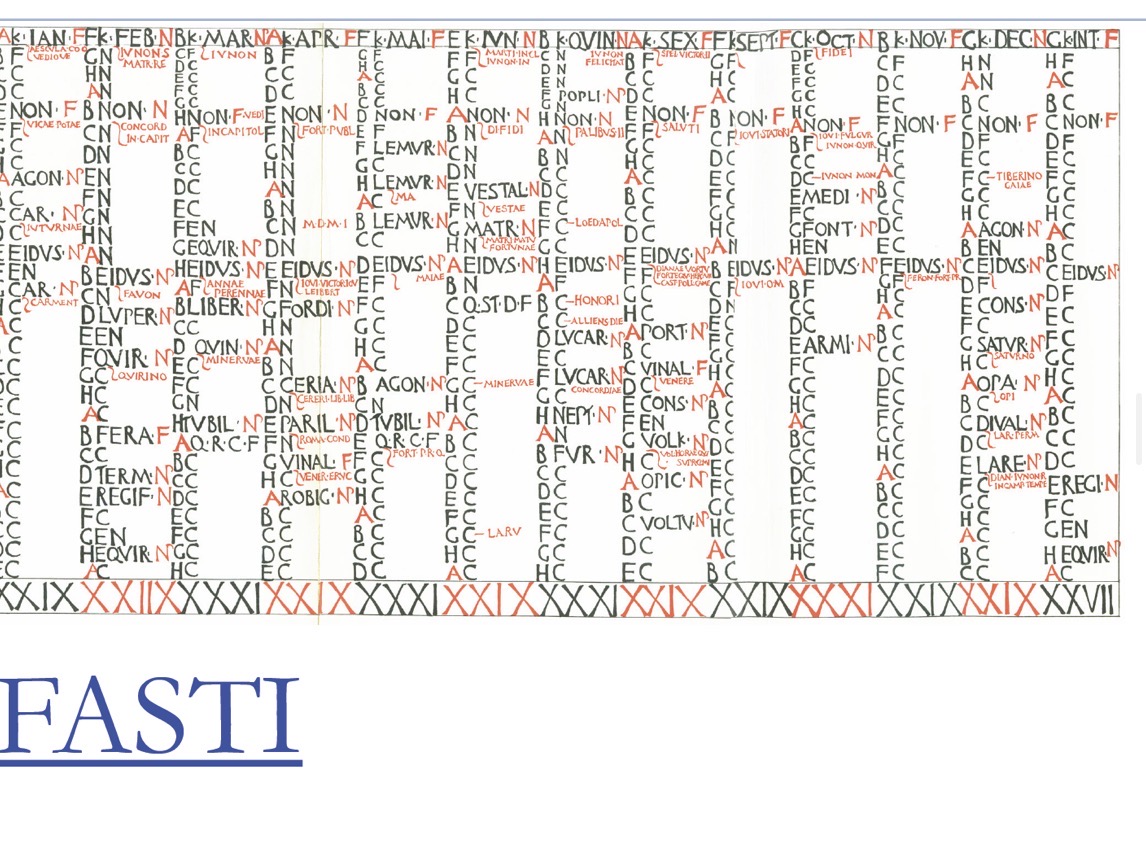
Fasti
The official Roman calendar that recorded days, months, religious festivals, public holidays, political events, and legal/business days.
Listed months and days of the year.
Marked religious festivals and sacred days.
Indicated which days were appropriate for legal and political business.
Augustus promoted calendar reform and public order.
The Fasti helped reinforce his image as restorer of Roman tradition and stability.
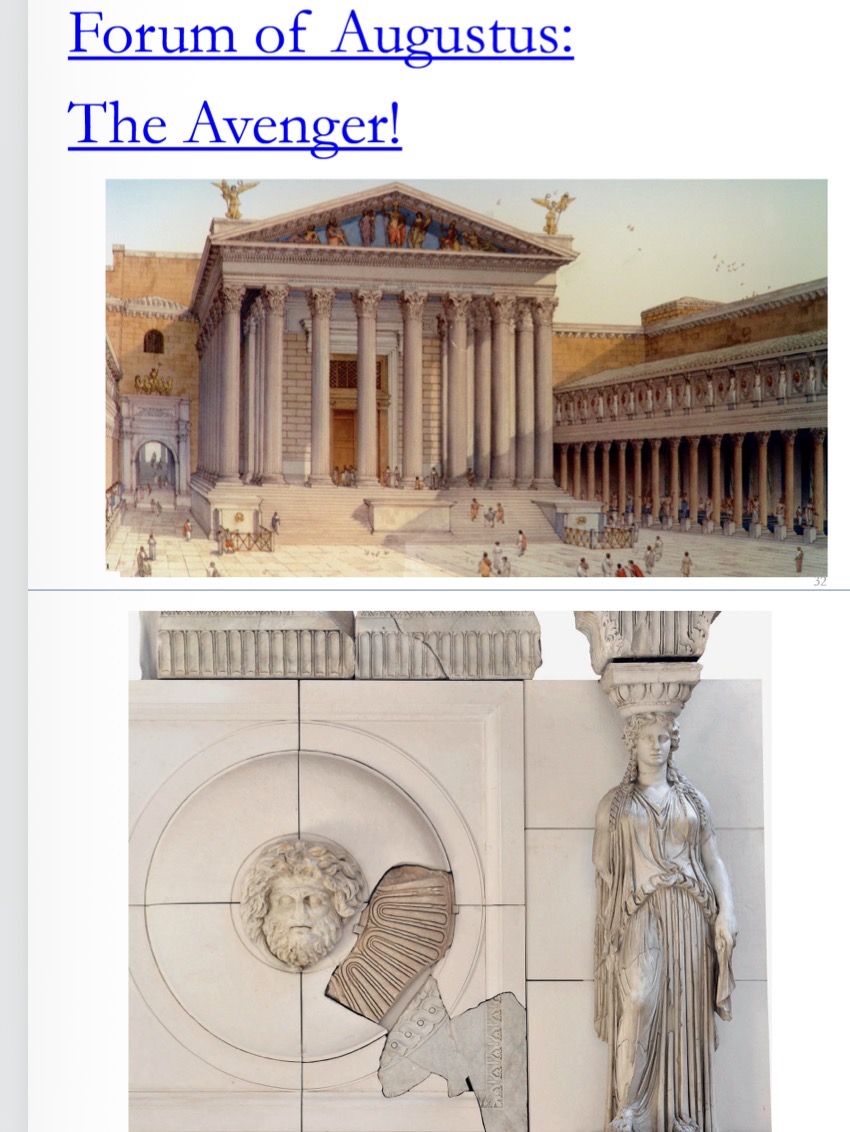
Forum of Augustus
It was in 2bce and in the forum of Caesar and was a large imperial forum built by Augustus to expand public space in Rome and celebrate his rule, military victories, and family lineage
picture us the remains of the attic of the forum of Augustus in 2 bce with supports from caraytids which reference the Erechtheion in Athens, carried the shallow ceiling. Between each caryatid was a clipeate protome.
Octavian Innovation: Divus Julius
Where- Roman forum
When- 29bce
What- temple deified to Julius Caesar after senate officially declared him a god (divus Julius)
It was built on Caesar’s cremation and alter marking where he was buried
The Temple of Divus Julius transformed Julius Caesar into a state god and provided Augustus with the powerful claim that he was the son of a divine ruler.
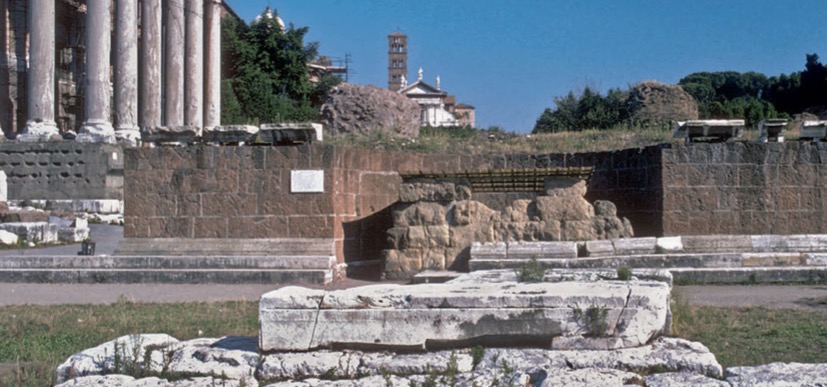
Remains of the Temple of Divus Iulius, Roman Forum, Rome, Italy, dedicated in 29 BCE. The temple was placed between the site of Caesar’s cremation and the Regia.
The Augustan (Re)building and Completion Program
When- around 27 bce
What- A massive building campaign in which Augustus restored old Republican monuments, completed unfinished projects, and constructed new imperial monuments throughout Rome
Importance-
Transformed Rome physically and politically after decades of civil war.
Presented Augustus as the restorer of Rome, not a revolutionary king.
Helped legitimize the new imperial system while appearing to preserve Roman traditions.
Used architecture as propaganda to promote peace, stability, and dynastic rule.
Theater of Marcellus
When- 12 bce
Where- campus Martius
Importance-
A large stone theater started by Julius and completed by Augustus and named it after his nephew Marcus
Part of Augustus’s program of completing Caesar’s unfinished building projects.
Influenced later Roman theaters and even the design of the Colosseum.
One of the best-preserved examples of early imperial Roman architecture.
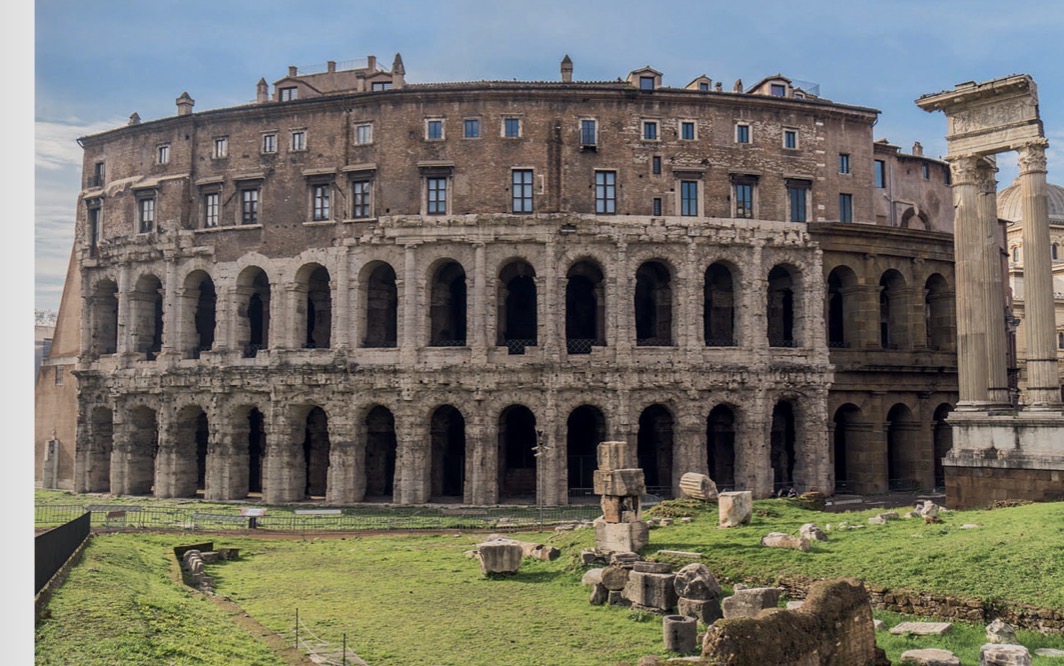
Temple of Apollo Sosianus
When- 1st bce
Where
What- made of marble and was dedicated to appollo and Renault by Sosius
Importance-
marks change from republic to empire
It also connected Augustus to Apollo (god of prophecy and music
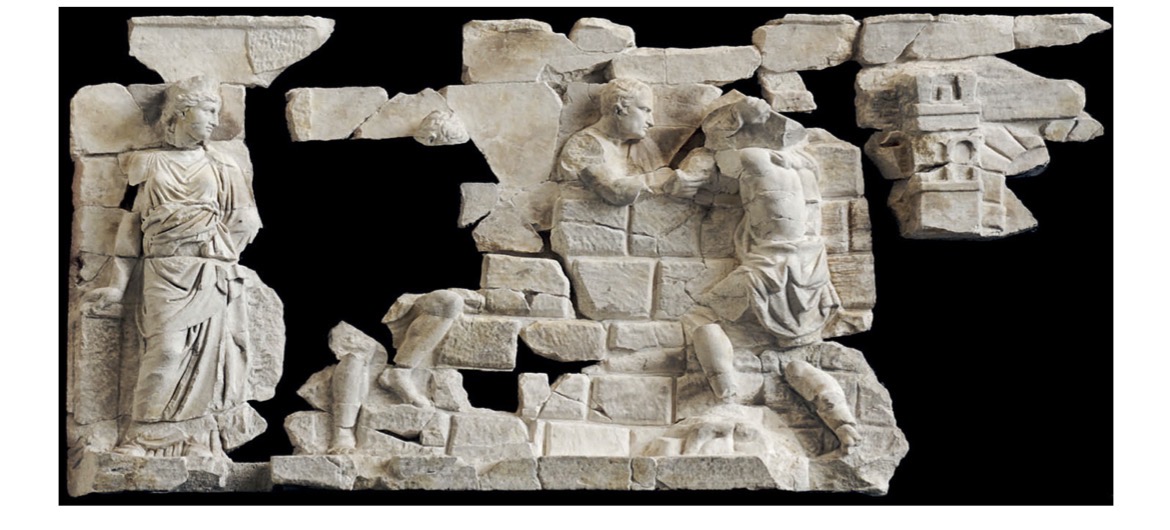
Building scene from Basilica Aemilia
When- late 1st bce
Where- Roman forum
What- shows men constructing romes wall and Romes early legendary history
Importance
Part of a series illustrating Rome’s foundation myths.
Connects Augustus’s Rome to its heroic origins.
Shows growing interest in using art to promote Roman history and identity.
In a Greek helenstic style
Julio Claudians
Who: The first imperial dynasty of Rome, descending from the families of Julius Caesar and Augustus.
Dates: 27 BCE – 68 CE
Importance
Established the Roman Empire after the Republic ended.
Created the model for future emperors.
Promoted dynastic succession through family imagery and portraits.
Oversaw major building programs and imperial propaganda.
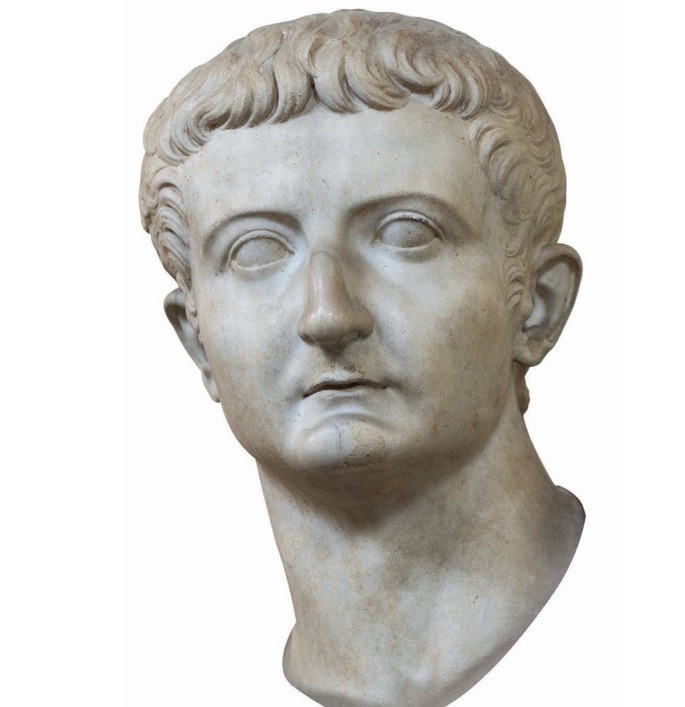
Tiberius
When- 14-37 ce
Relating to Augustus- stepson and married Livia
Importance-
second emperor of Rome (Julio-Claudian dynasty
Tiberius was Augustus’s adopted son and successor who helped secure the transition from Augustus’s personal rule to a lasting Roman Empire.
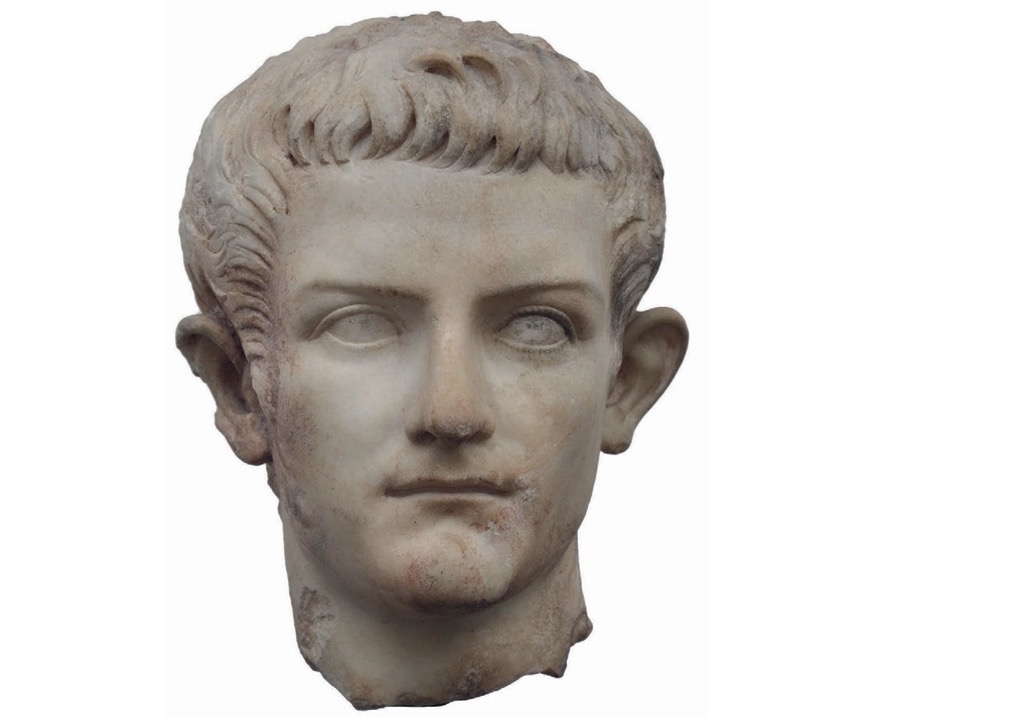
Caligula
When- 37-41 ce
Related to Augustus- Great-grandson of Augustus through Augustus’s daughter Julia.
Importance-
Third emperor of Rome.
Began his reign very popular but later became infamous for cruelty, extravagance, and erratic behavior.
Assassinated by members of the Praetorian Guard in 41 CE.
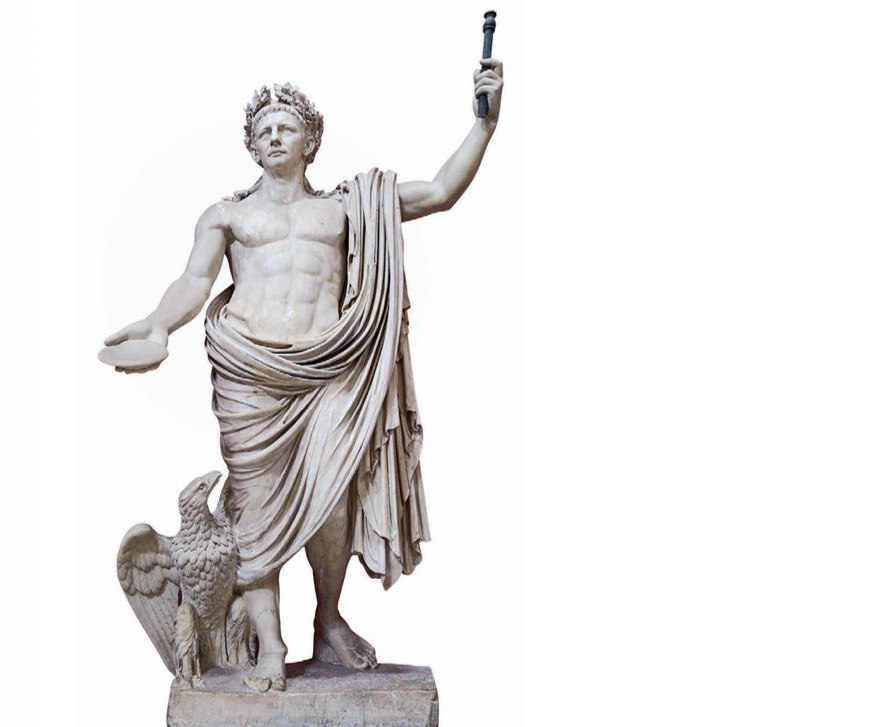
Claudius
Date- 50bce
Where- lanuvium
What-
Statue of Emperor Claudius portrayed as Jupiter, king of the Roman gods.
Sometimes portrayed as Jupiter or Zeus to emphasis his divines
Fourth emperor and his portraits were first of the emperor to emphasize age so his portraits rupture as they partially break from the Augustan tradition
Really helped expand empire including conquering of Britain
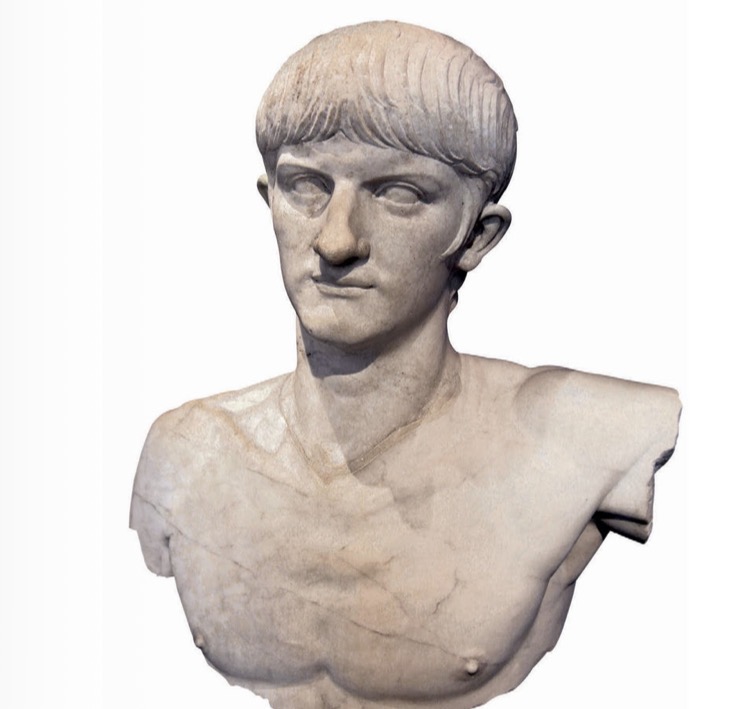
Nero
When- 54- 68 ce
About- he was emperor after Claudius
Importance-
Early years were stable under the guidance of Seneca and Burrus.
Later became associated with extravagance, autocratic rule, and political violence.
His death in 68 CE ended the Julio-Claudian dynasty.
Nero represents a move away from the idealized image of Augustus toward a more personal and individualized imperial portrait style.
Nero breaks from Julio-Claudian look as he has a light beard and older appearance compared to earlier of clean shaven idealized and youthful
Cameos
A cameo is a carved gemstone or shell where the image is raised above the background (the opposite of an intaglio, where the image is carved into the surface).
Roman cameos were luxury carved gemstones that often promoted emperors and the imperial family, with the Gemma Augustea being the most famous example.
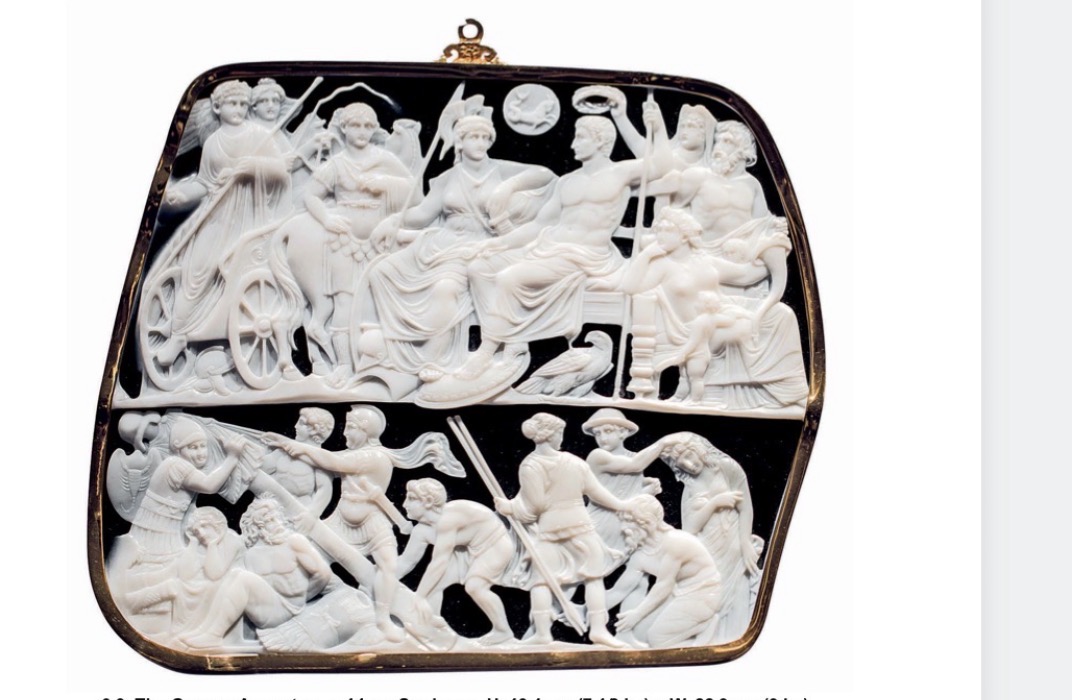
Gemma Augustea
When- 14 ce
Material- Sardonyx cameo
What- a large cameo celebrating Augustus and Roman military victories
The Gemma Augustea is a luxury sardonyx cameo that portrays Augustus as a divine ruler while celebrating Roman victory and the Julio-Claudian dynasty. Also one of the best examples of imperial propaganda art in luxury art
Gemma Claudia
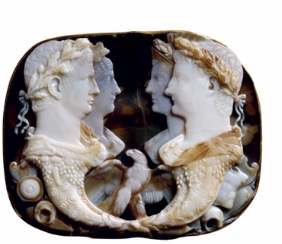
When- 49 ce
Promotes the Julio-Claudian dynasty through marriage imagery.
Legitimizes Claudius's rule by emphasizing family connections.
Suggests fertility, prosperity, and dynastic continuity.
Shows how cameos functioned as elite imperial propaganda.
The Gemma Claudia is a sardonyx cameo celebrating the marriage of Claudius and Agrippina the Younger while promoting Julio-Claudian dynastic legitimacy and prosperity.
Theme: Religio
(Pax Deorum)
Pax deorum- peace of gods and the belief Rome prospered when gods were properly honored
Augustan art uses religion to show that Augustus restored the Pax Deorum, bringing peace, prosperity, and stability to Rome through divine favor.
Sacrifice
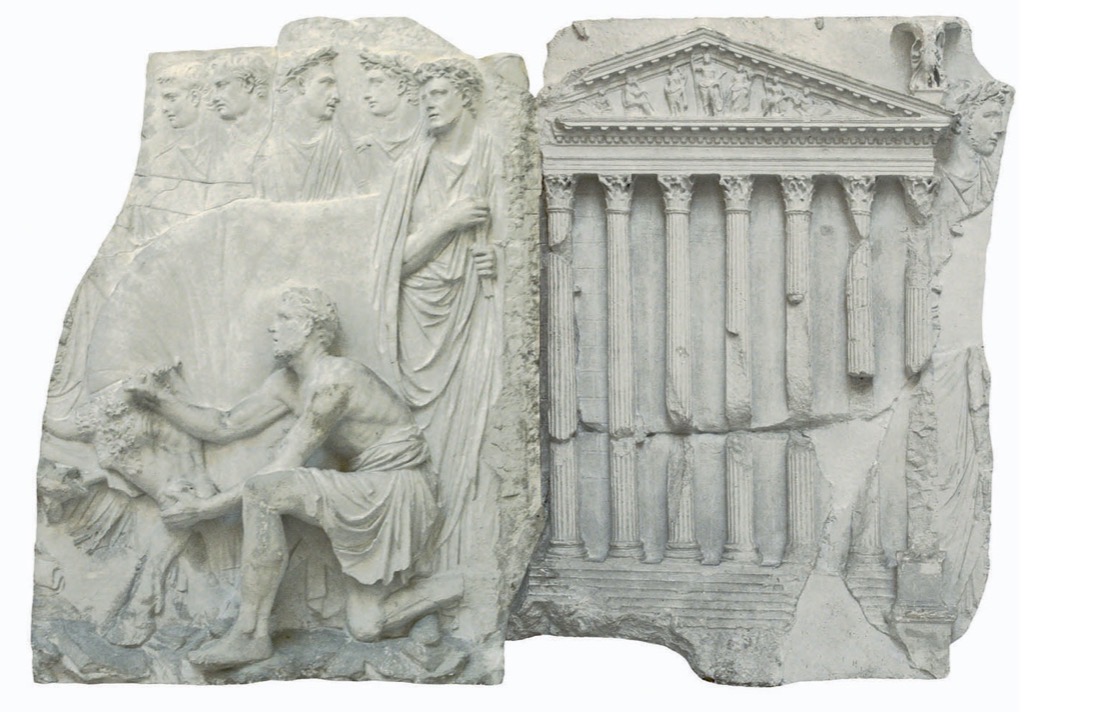
When- 1st century
What- A relief showing a Roman animal sacrifice in front of a temple.
Importance- shows the act of sacrificium(making something sacred for the gods)
This relief depicts a Roman sacrifice before a temple, showing how sacrifice was used to honor the gods and maintain the Pax Deorum.
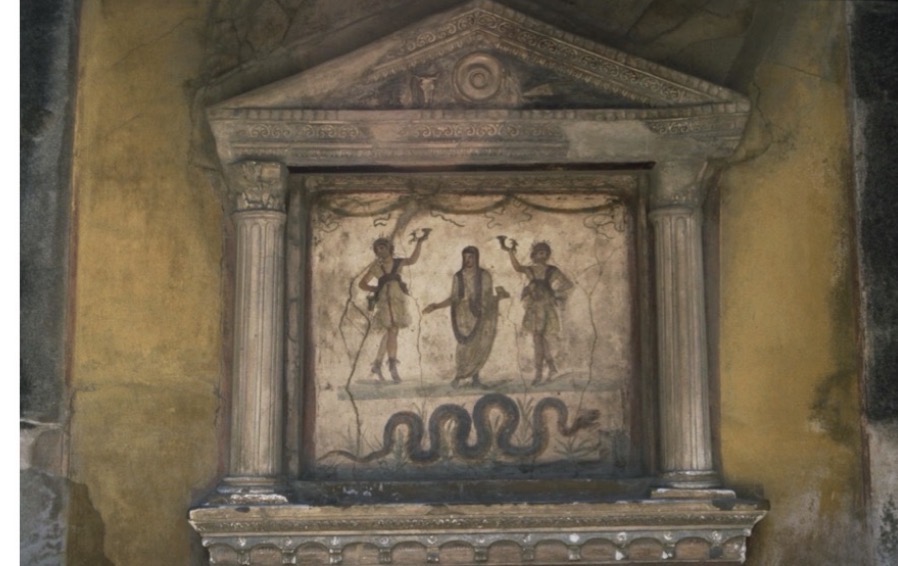
Lar/lares
What- lares were Roman household guardian spirits and they protected the family,home, and prosperity
the painting below shows a lararium from the house of vettii in Pompeii with the snake symbolizing prosperity
Shows that Roman religion was practiced daily at home, not just in temples.
Families made offerings and sacrifices to maintain good relations with the gods and spirits.
Connects to Religio, Pietas, and Pax Deorum.
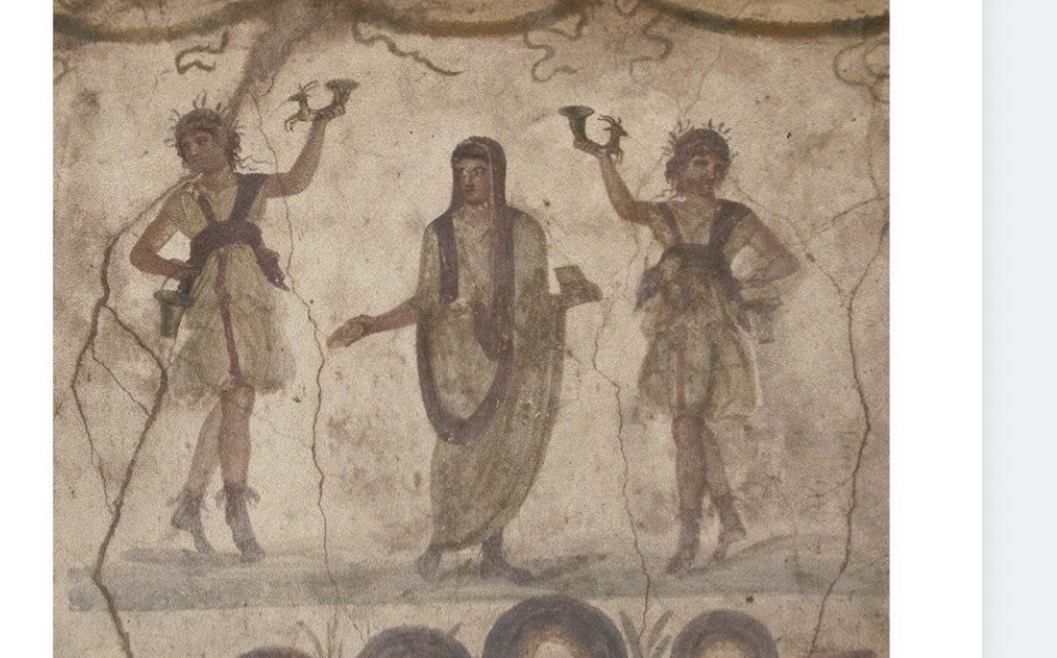
Genius
A genius was a person’s protective spirit or divine life force.
Every Roman man had a genius; the head of the household (paterfamilias) had a particularly important one.
The painting related to this shows central figure is the Genius of the paterfamilias. He is flanked by two Lares (household guardian spirits). The image comes from a household shrine (lararium) in Pompeii.
Vicus
Vicus = a neighborhood/district in Rome.
Vicomagistri = local neighborhood officials who organized festivals and religious rituals, especially at crossroads shrines.
this was done by Augustus as he reorganized Rome into districts and connected local religion to imperial cults to honor lares and emperors genius
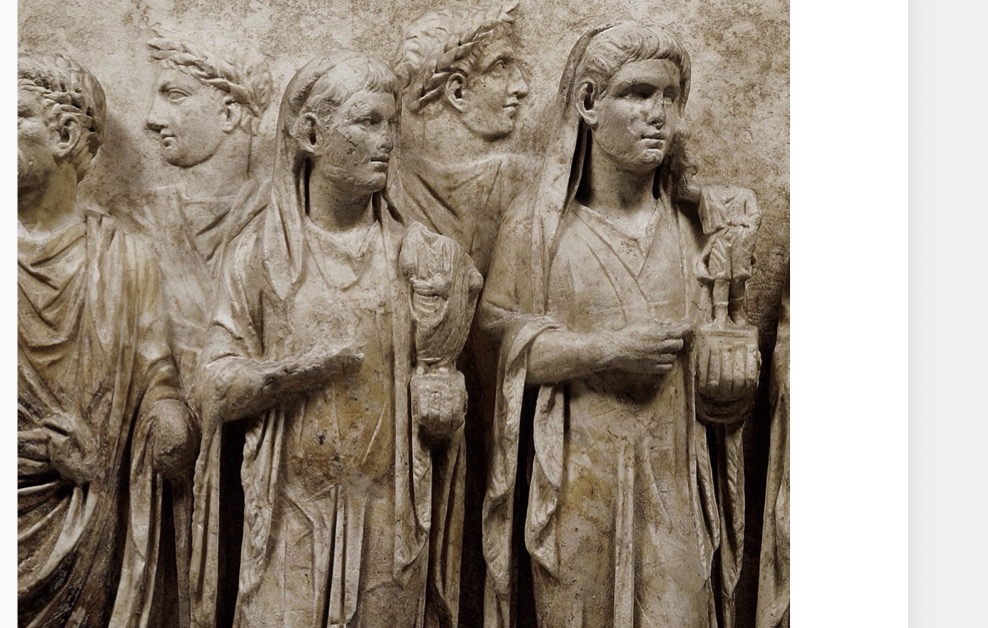
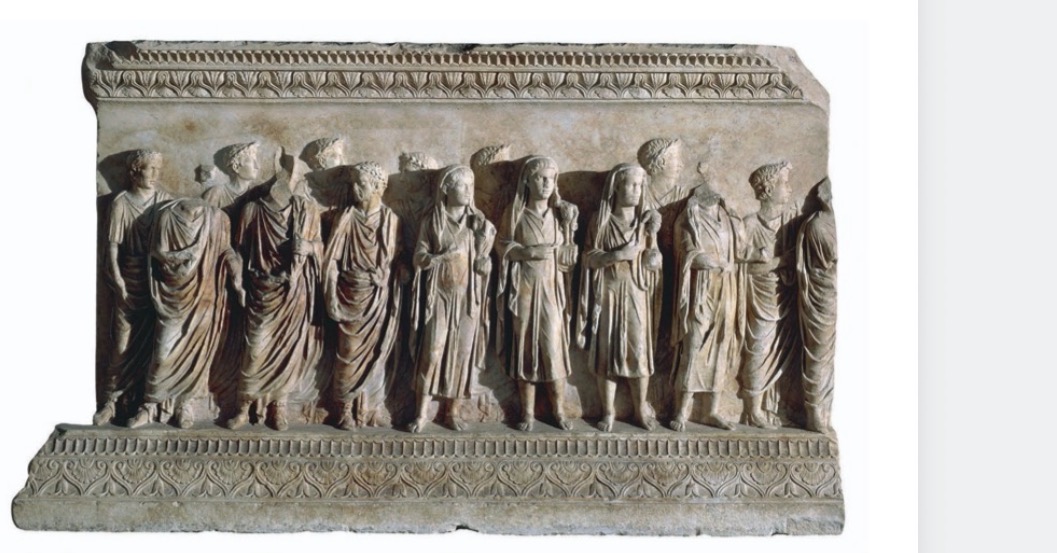
Vicomagistri Altar
demonstrated local religion that honors the emperor and carries the emperors lares and genius
Shows how Augustus tied neighborhood religion to loyalty to the imperial family.
Reinforces Religio / Pax Deorum through public ritual and sacrifice.
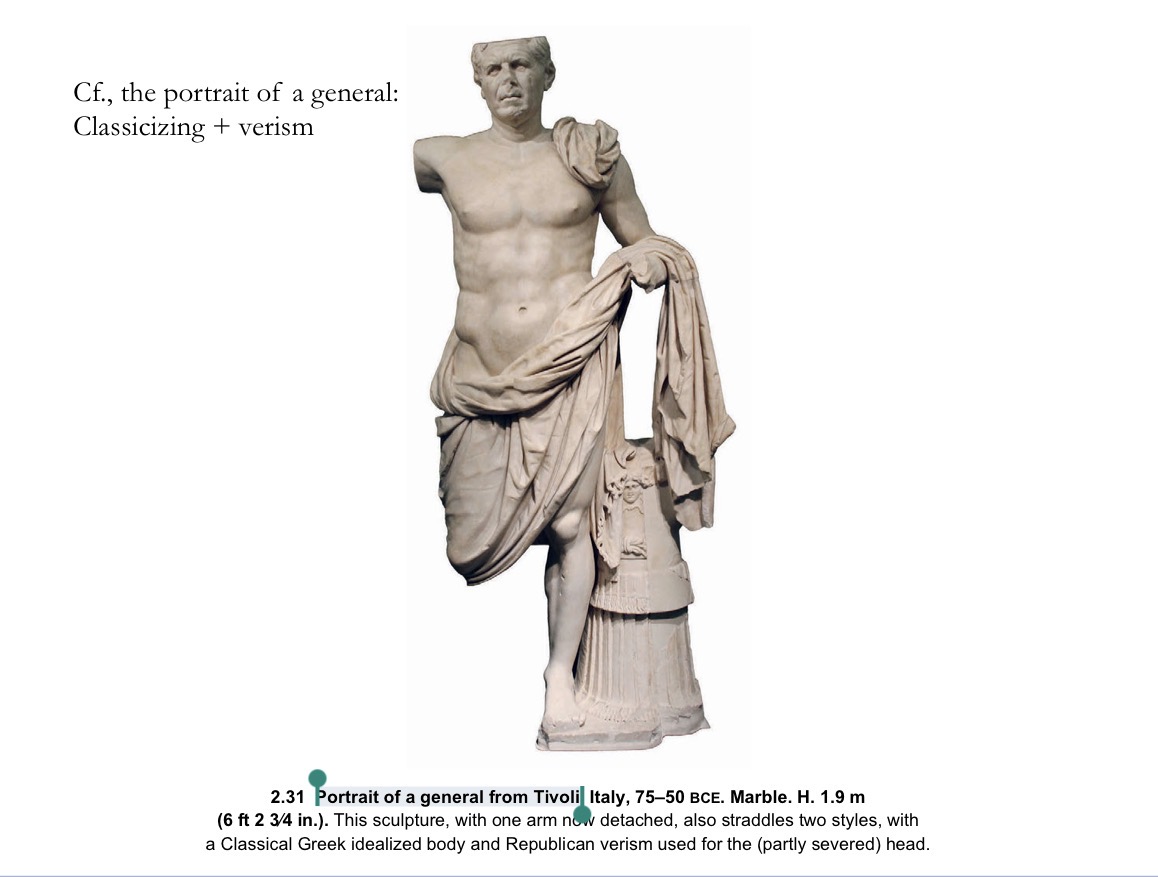
Portrait of a general from Tivoli
This statue combines the Greek idealized body with a republic realistic head with wrinkles and age (verisim). It connect to Claudius scultpture
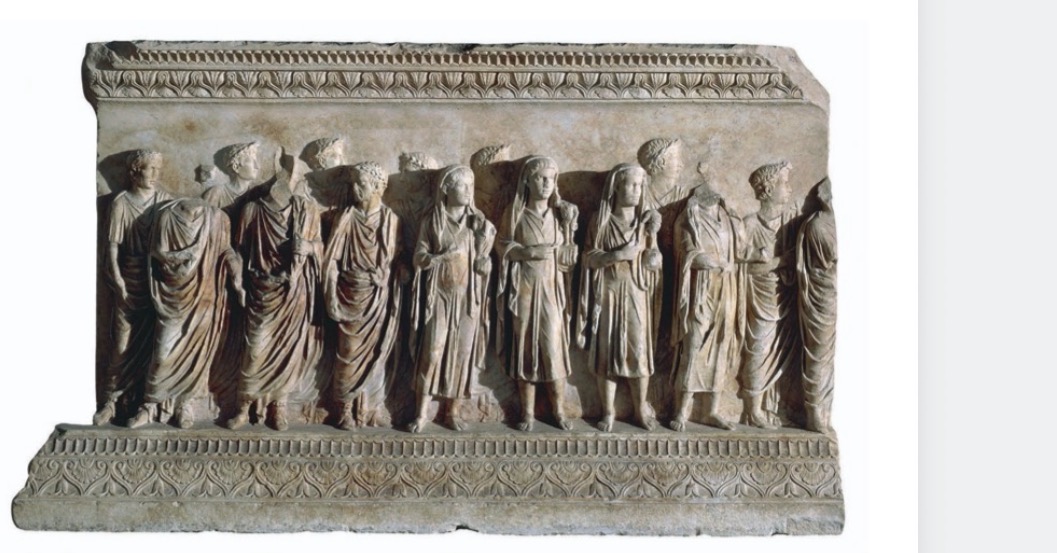
Vicus
Vicus = a neighborhood/district in Rome.
Vicomagistri = local neighborhood officials who organized festivals and religious rituals, especially at crossroads shrines.
Augustus reorganized Rome into districts and connected local religion to the imperial cult by having vicomagistri honor the Lares Augusti and the emperor’s genius.
6.17 Vicomagistri Altar
When: 1st century CE
What: Relief from an altar showing a religious procession.
Importance:
Demonstrates local religious worship in honor of the emperor.
Three figures carry the emperor’s Lares and genius.
Shows how Augustus tied neighborhood religion to loyalty to the imperial family.
Reinforces Religio / Pax Deorum through public ritual and sacrifice.
(Other photo is another example)