(1) Lifting and Moving
 Call Kai
 Learn
Learn Practice Test
 Spaced Repetition
 Match
Match Flashcards
 Knowt Play
1/6

Earn XP
Description and Tags
Chapter 6: Lifting and Moving Patients
Name | Mastery | Learn | Test | Matching | Spaced | Call with Kai |
|---|
No analytics yet
Send a link to your students to track their progress
7 Terms
kyphosis
Shoulders are rolled forward, which results in fatigue of the lower back and increases pressure on every region of the spine
slouch
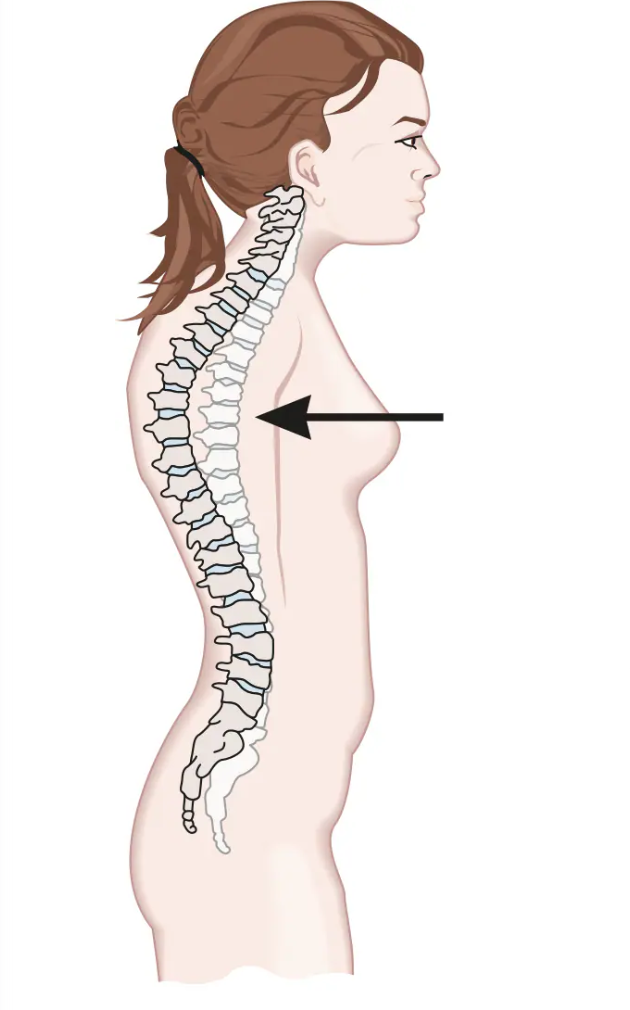
Body mechanics
the safest and most efficient methods of using your body to gain a mechanical advantage
lordosis
the stomach is too anterior and the buttocks are too posterior, causing exessive stress on the lumbar region of the back
swayback
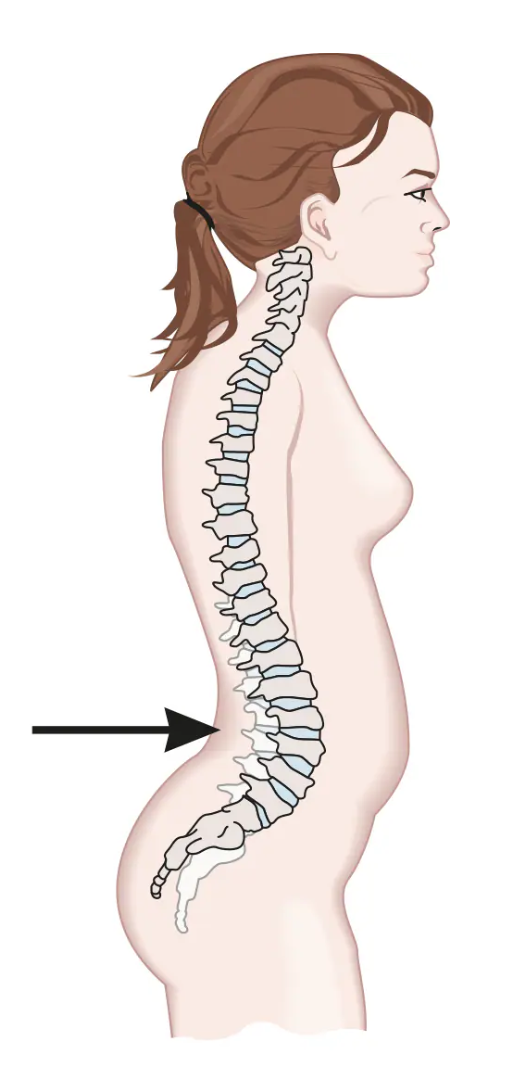
power lift
the technique that offers the best defense against injury
protects the patient with a safe and stable move
emergency move
should be performed when there is immediate environmental danger to the patient or to the rescuer
the scene of an accident is unstable
e.g., fire or danger of fire; exposure to explosives and other hazardous materials
Three types of emergency moves are the armpit-forearm drag, the shirt drag, and the blanket drag.
nonurgent move
no immediate threat to life exists and the patient can be moved in a normal manner when ready for transport
urgent move
performed when the patient is suffering an immediate threat to life and the patient must be moved quickly and transported for care